First Party Supplemental Needs Trust Withdrawal
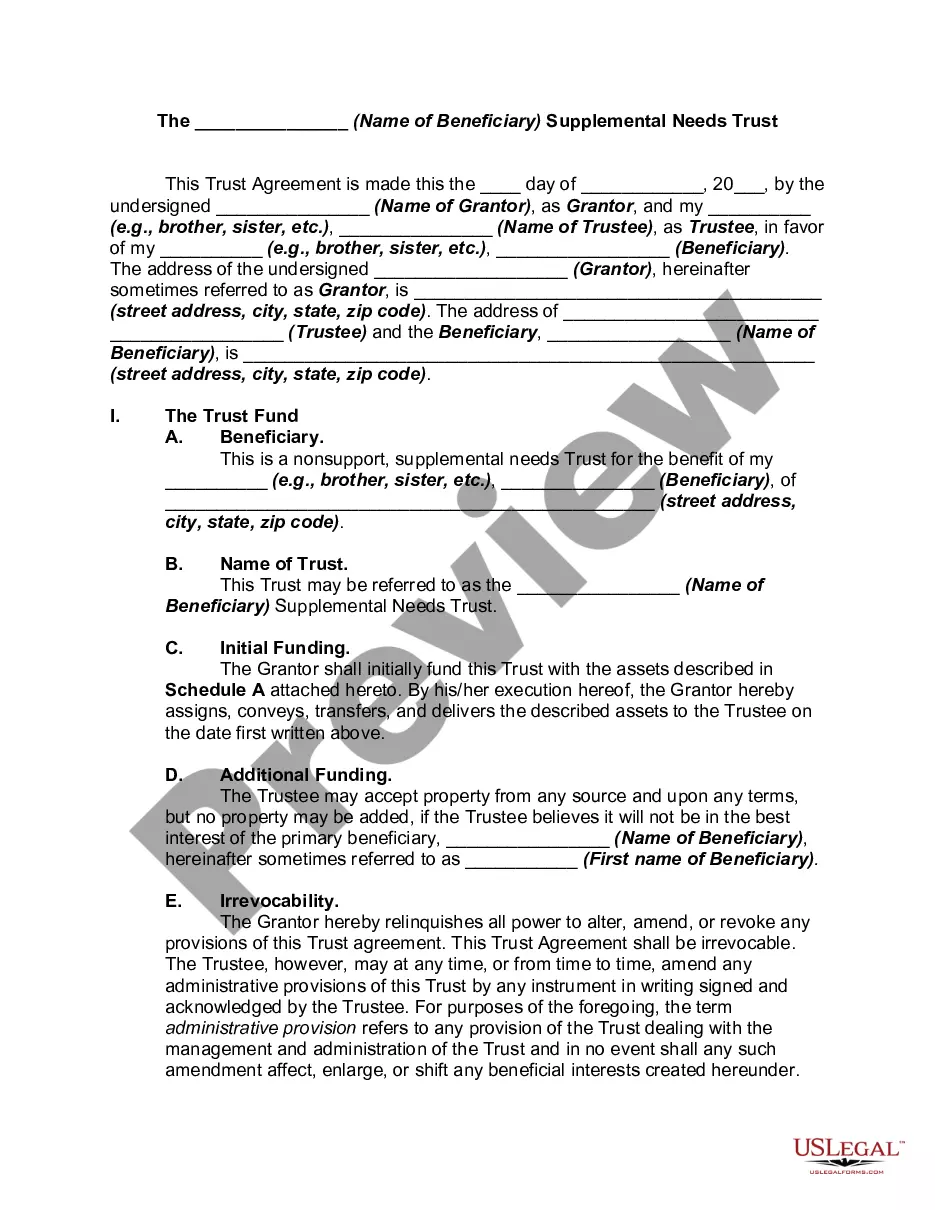
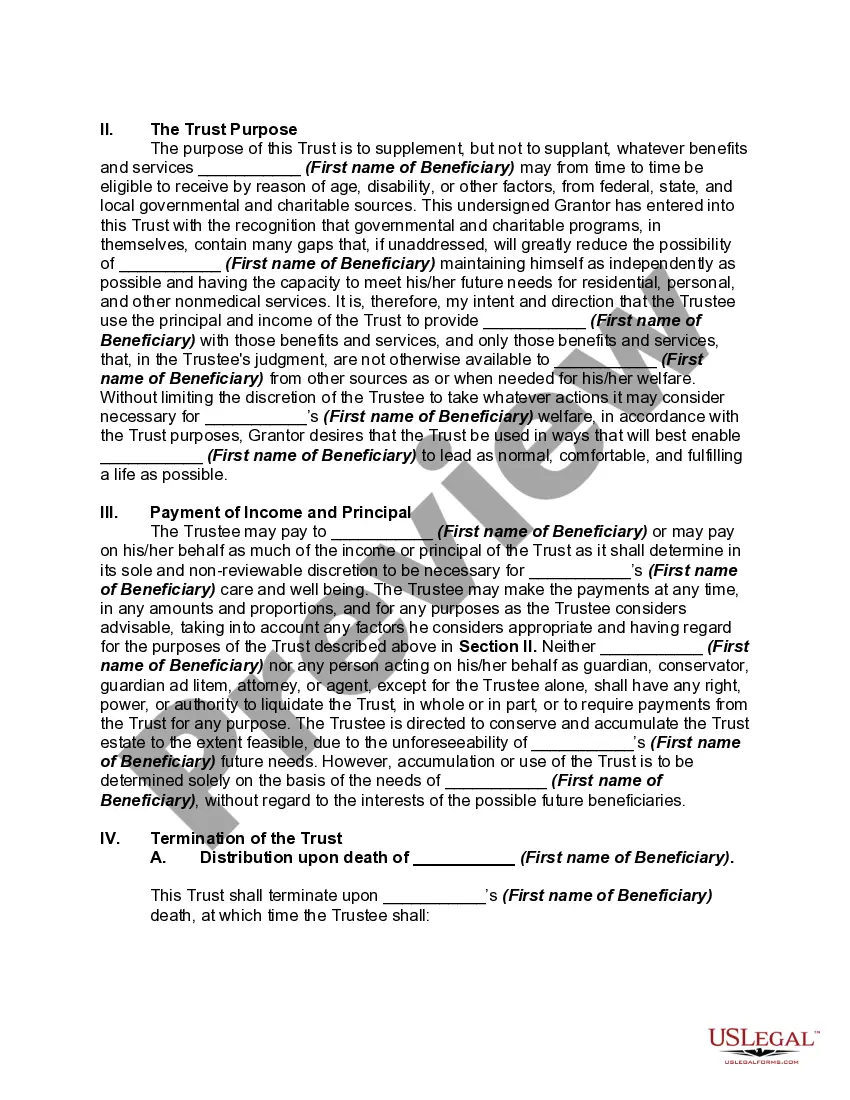
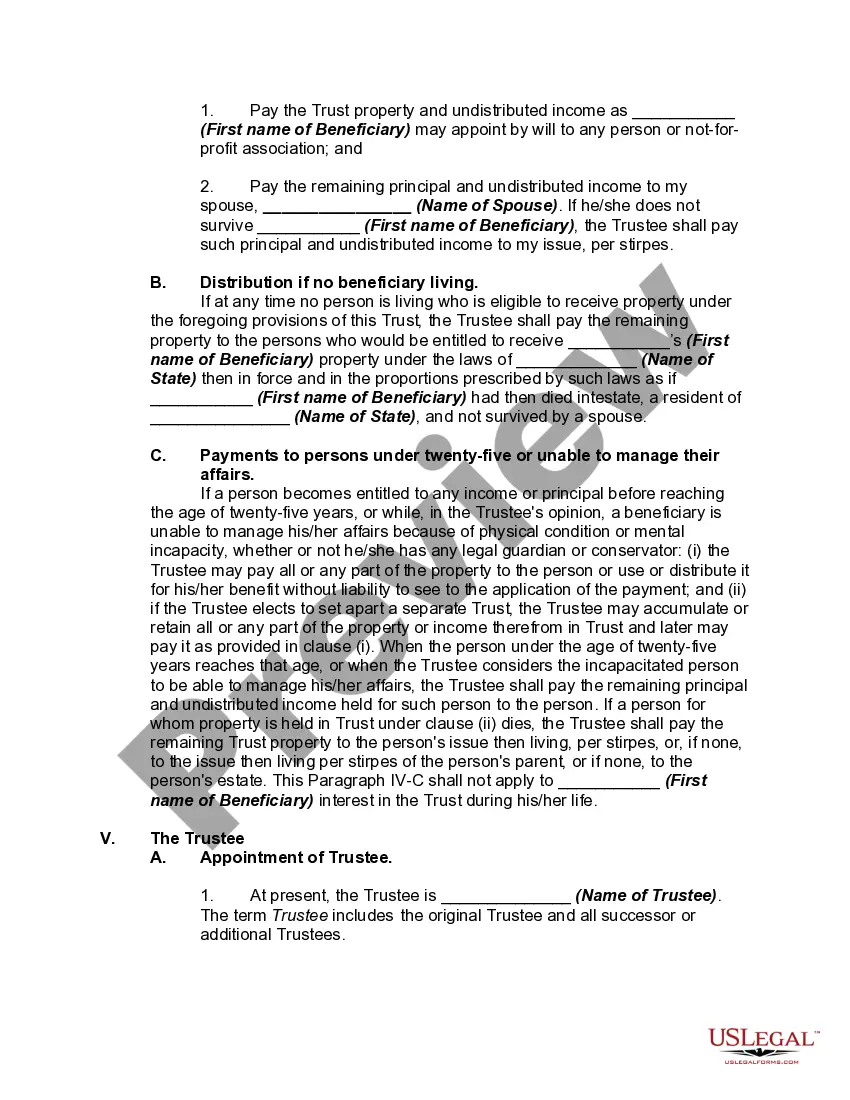
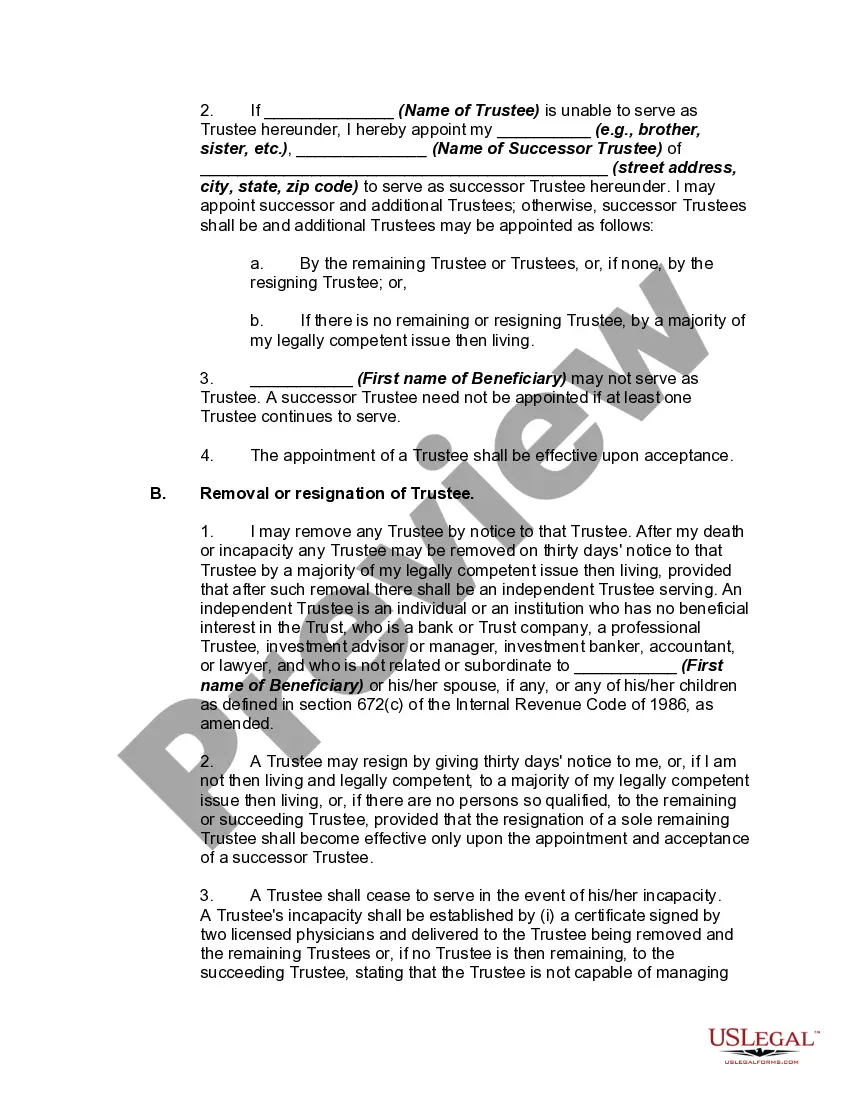
Description
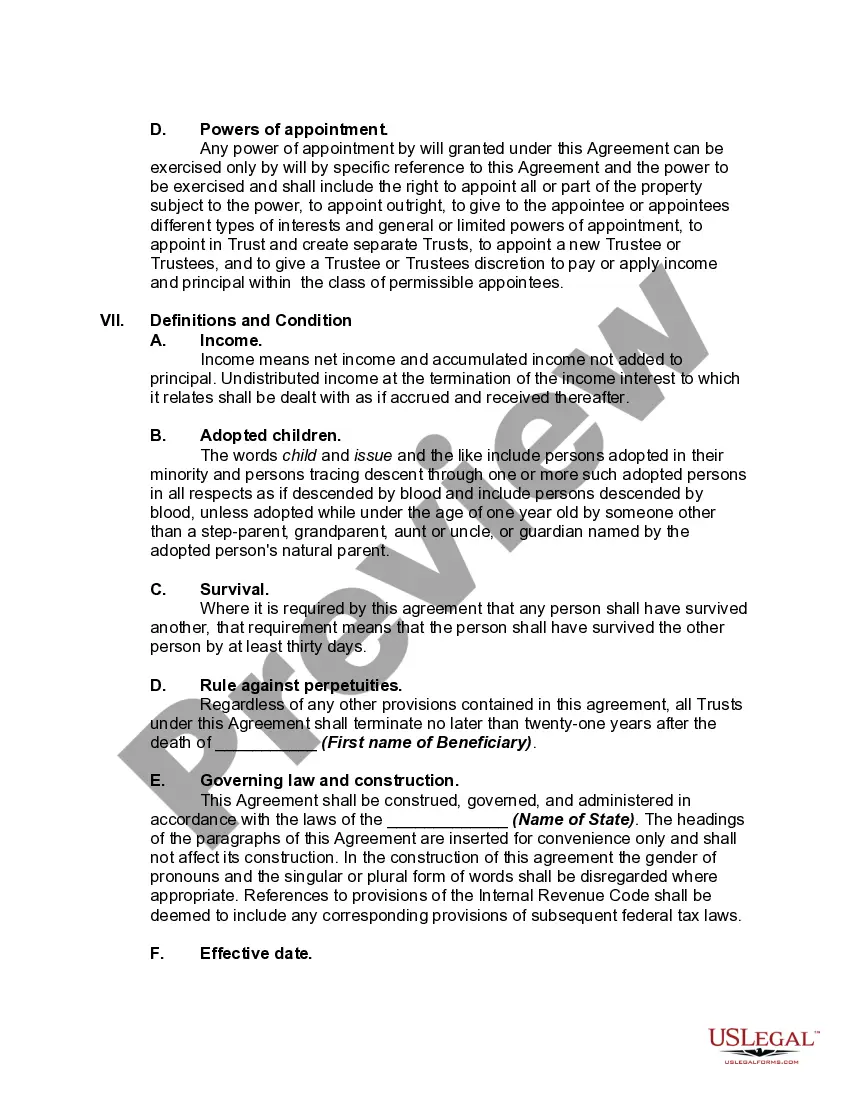
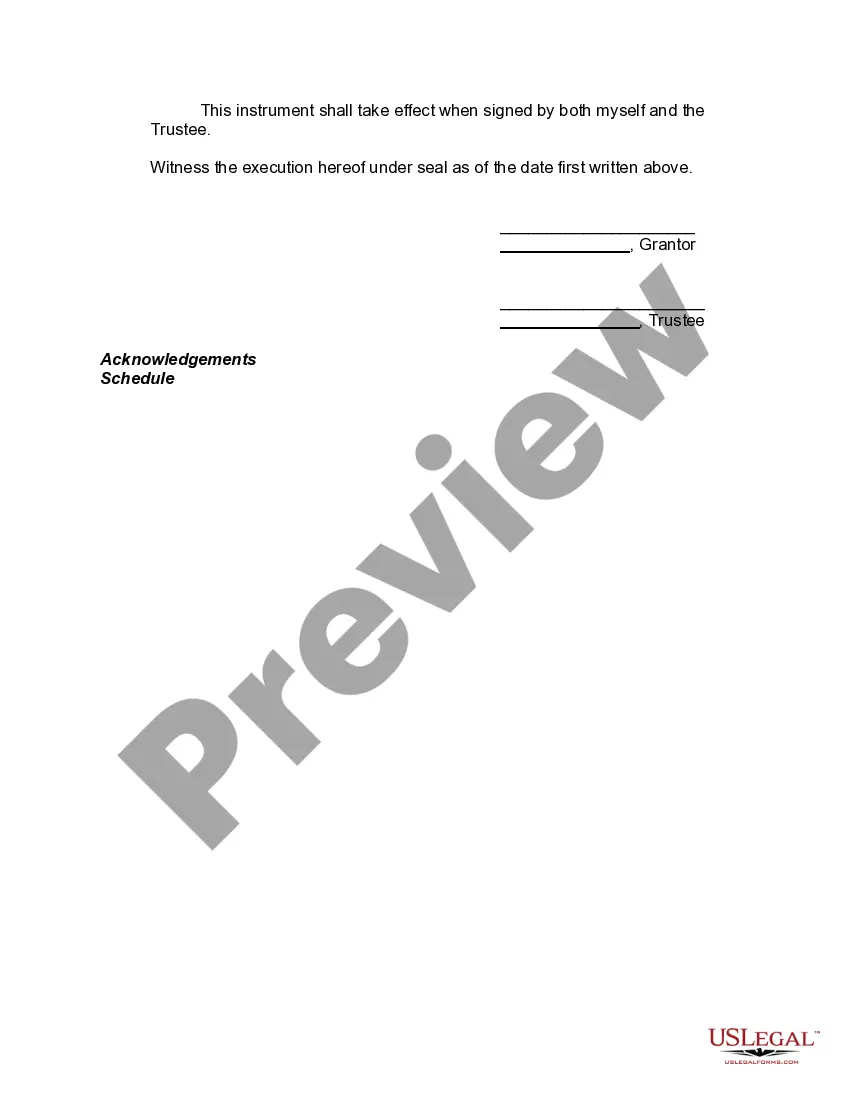



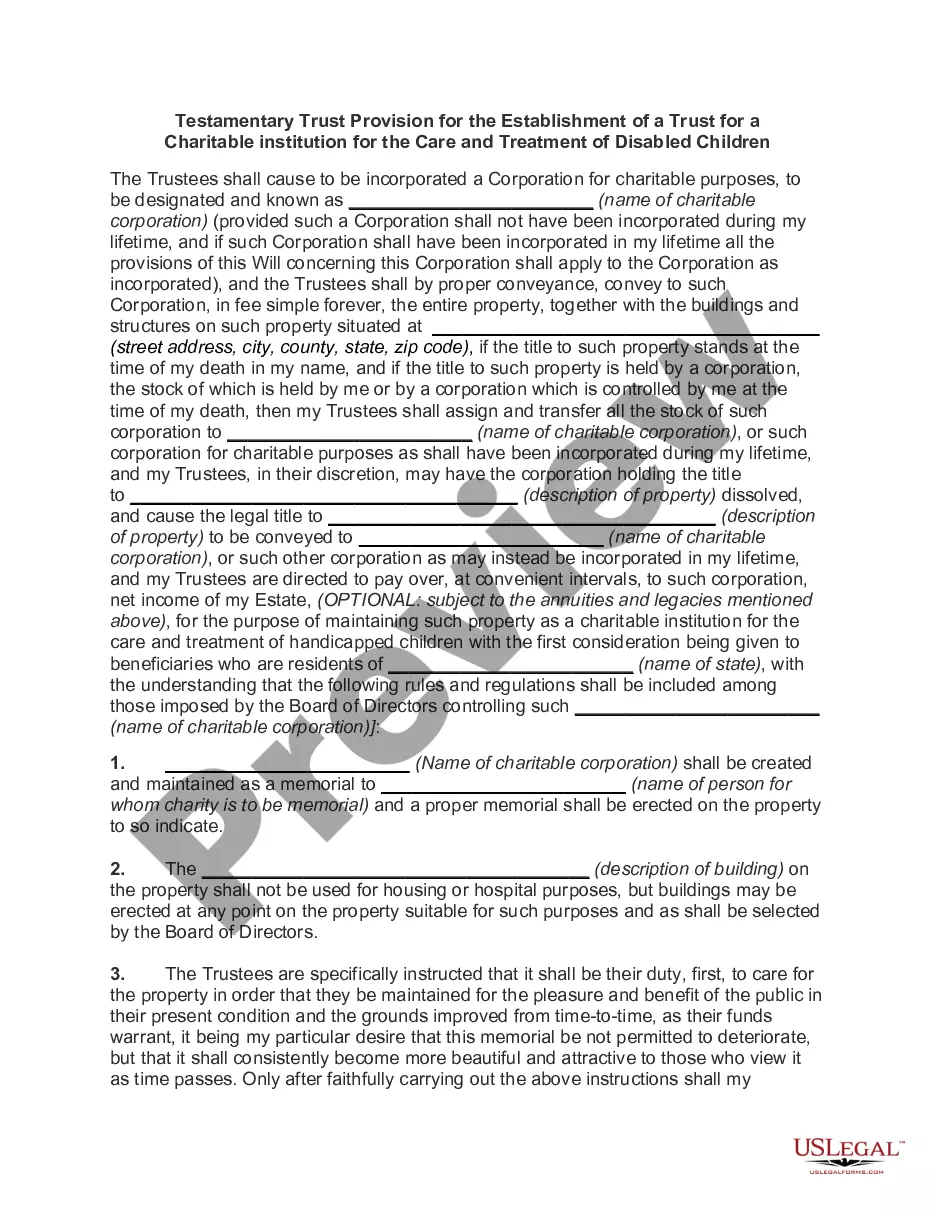
Get your form ready online
Our built-in tools help you complete, sign, share, and store your documents in one place.
Make edits, fill in missing information, and update formatting in US Legal Forms—just like you would in MS Word.
Download a copy, print it, send it by email, or mail it via USPS—whatever works best for your next step.
Sign and collect signatures with our SignNow integration. Send to multiple recipients, set reminders, and more. Go Premium to unlock E-Sign.
If this form requires notarization, complete it online through a secure video call—no need to meet a notary in person or wait for an appointment.
We protect your documents and personal data by following strict security and privacy standards.

Make edits, fill in missing information, and update formatting in US Legal Forms—just like you would in MS Word.

Download a copy, print it, send it by email, or mail it via USPS—whatever works best for your next step.

Sign and collect signatures with our SignNow integration. Send to multiple recipients, set reminders, and more. Go Premium to unlock E-Sign.

If this form requires notarization, complete it online through a secure video call—no need to meet a notary in person or wait for an appointment.

We protect your documents and personal data by following strict security and privacy standards.
Looking for another form?
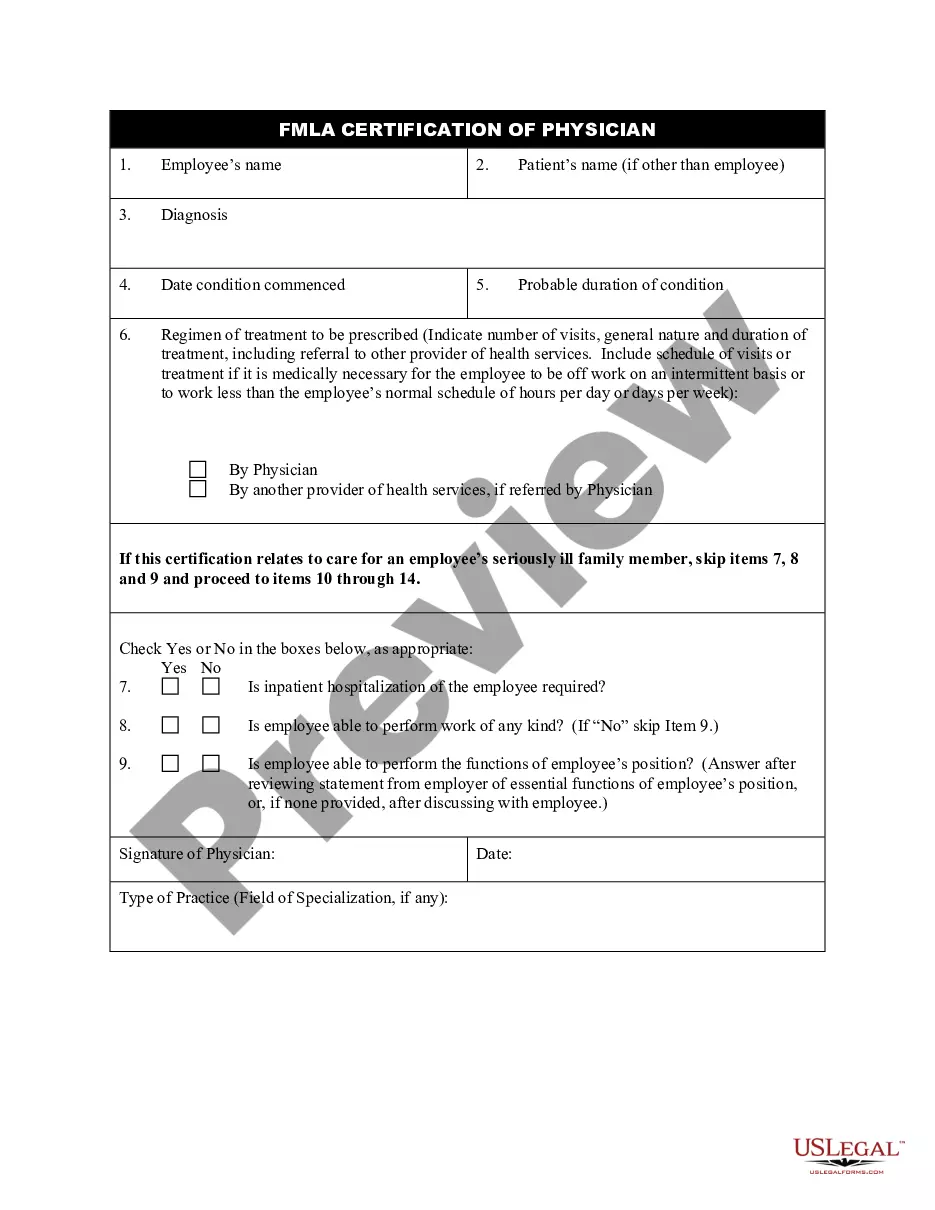






How to fill out Supplemental Needs Trust For Third Party - Disabled Beneficiary?
It’s widely known that you cannot become a legal expert instantly, nor can you learn how to swiftly create a First Party Supplemental Needs Trust Withdrawal without having a specialized education.
Drafting legal documents is a lengthy endeavor that necessitates specific qualifications and expertise. So why not hand over the preparation of the First Party Supplemental Needs Trust Withdrawal to the professionals.
With US Legal Forms, one of the most comprehensive collections of legal templates, you can discover everything from court documents to templates for internal communication.
If you require a different form, restart your search.
Create a free account and select a subscription plan to purchase the template. Then click Buy now. Once the purchase is complete, you can download the First Party Supplemental Needs Trust Withdrawal, complete it, print it out, and send or forward it to the relevant individuals or organizations.
- We recognize how vital compliance and respect for federal and local regulations are.
- That’s why, on our site, all forms are tailored for specific locations and are current.
- Let’s begin with our platform and acquire the document you require in just a few minutes.
- Search for the document you need using the search bar at the top of the page.
- View it (if this feature is available) and review the accompanying description to see if the First Party Supplemental Needs Trust Withdrawal is what you need.
Form popularity
FAQ
A first party supplemental needs trust is a special type of trust designed to benefit individuals with disabilities while preserving their eligibility for government assistance. This trust allows funds to be set aside for the individual’s needs without jeopardizing their access to benefits like Medicaid or Supplemental Security Income. When discussing a first party supplemental needs trust withdrawal, it’s essential to follow specific guidelines to ensure compliance with both state and federal regulations. For more information, consider using uslegalforms, where you can easily find resources and templates to help you navigate this process.
A first party special needs trust is established with the assets of an individual with disabilities, often following a personal injury settlement or inheritance. This trust allows for the management of those assets to benefit the individual while keeping them eligible for vital government benefits. The first party supplemental needs trust withdrawal enables the individual to use the funds as needed, ensuring their quality of life improves without the loss of essential support.
Using a first party SNT will not affect any benefits a person receives that are not based on an income limitation or resource level. The beneficiary can work with a special needs attorney to set up the trust and appoint someone, called the trustee, to hold the money on his or her half.
The trustee works in very close contact with the beneficiary and/or their caregiver to manage the trust and its financial distributions to pay for these things. The main takeaway regarding distribution of SNT funds is this: The beneficiary never sees the money directly, but the money is used to pay for their needs.
The Trustee simply transfers all assets to the beneficiary. Distribution is also fairly easy if the trust document identifies all assets and specific amounts to be paid to each beneficiary. Distributions by percentages are a little more complicated as the Trustee should first establish the estate's fair market value.
Once you have considered all your options and made the decision to go ahead with termination, follow these steps: Give notice to all interested parties. Settle all debts and liabilities of the trust. Distribute assets ing to the terms of the trust or the law. File the necessary paperwork with the court.
The grantor can opt to have the beneficiaries receive trust property directly without any restrictions. The trustee can write the beneficiary a check, give them cash, and transfer real estate by drawing up a new deed or selling the house and giving them the proceeds.