Mediation Statement With Multiple Parties
Description

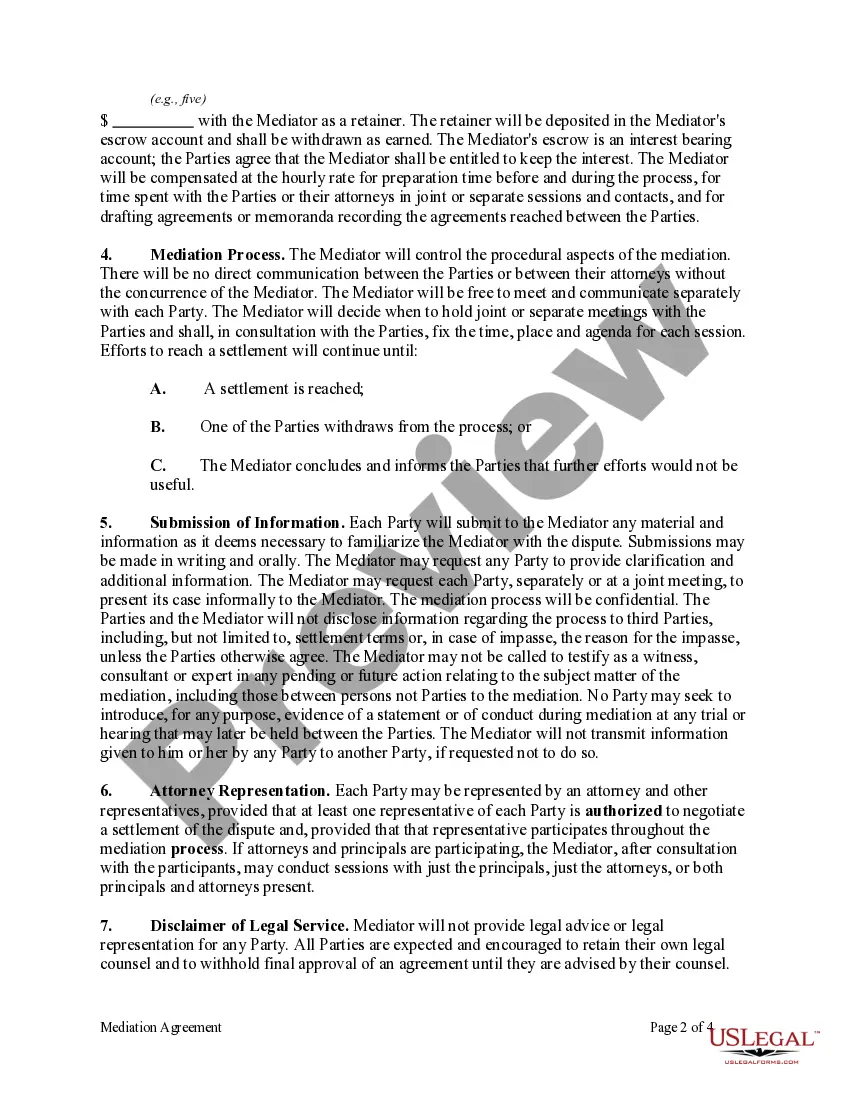
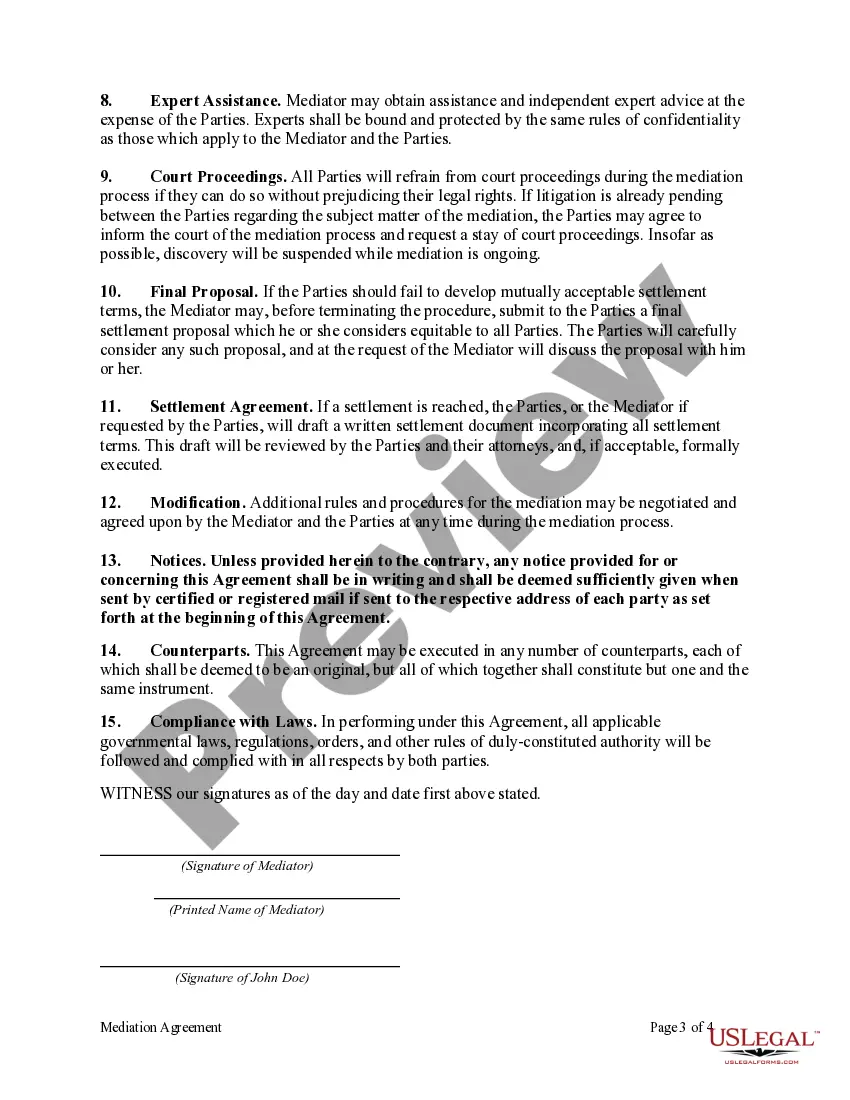


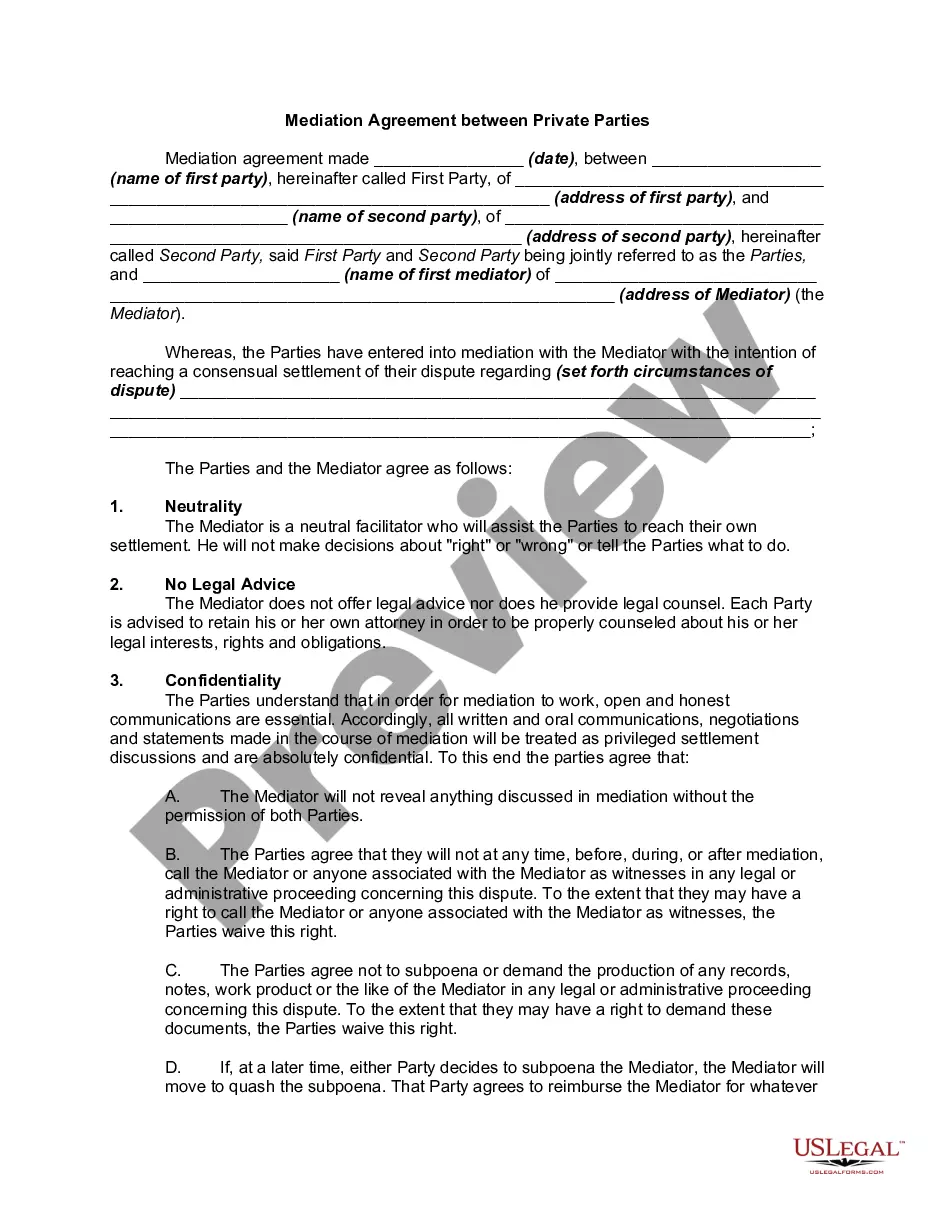
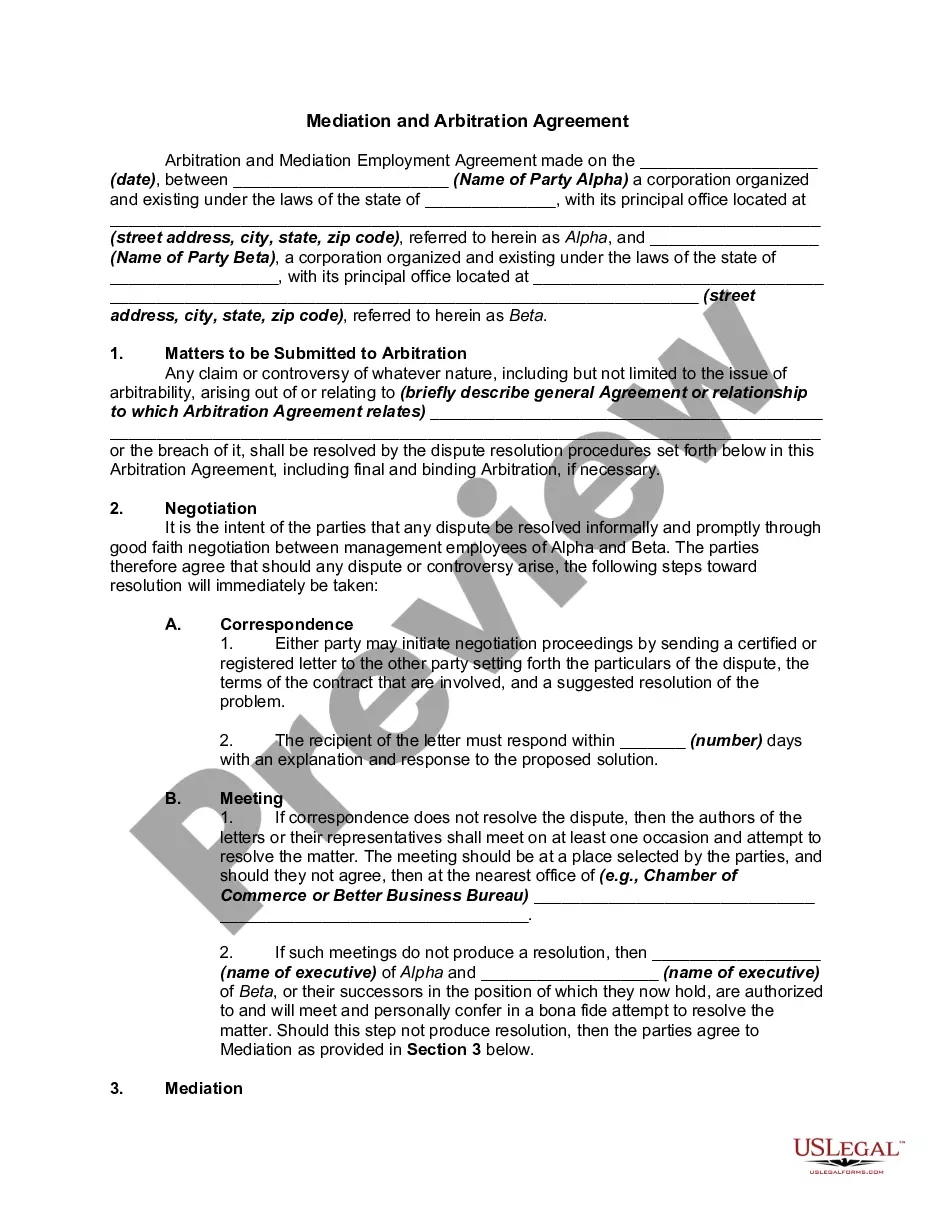
Get your form ready online
Our built-in tools help you complete, sign, share, and store your documents in one place.
Make edits, fill in missing information, and update formatting in US Legal Forms—just like you would in MS Word.
Download a copy, print it, send it by email, or mail it via USPS—whatever works best for your next step.
Sign and collect signatures with our SignNow integration. Send to multiple recipients, set reminders, and more. Go Premium to unlock E-Sign.
If this form requires notarization, complete it online through a secure video call—no need to meet a notary in person or wait for an appointment.
We protect your documents and personal data by following strict security and privacy standards.

Make edits, fill in missing information, and update formatting in US Legal Forms—just like you would in MS Word.

Download a copy, print it, send it by email, or mail it via USPS—whatever works best for your next step.

Sign and collect signatures with our SignNow integration. Send to multiple recipients, set reminders, and more. Go Premium to unlock E-Sign.

If this form requires notarization, complete it online through a secure video call—no need to meet a notary in person or wait for an appointment.

We protect your documents and personal data by following strict security and privacy standards.
Looking for another form?



How to fill out Mediation Agreement?
Managing legal documents can be challenging, even for seasoned experts.
When you're looking for a Mediation Statement With Multiple Parties and lack the time to find the appropriate and current version, the tasks can become overwhelming.
Gain access to a valuable repository of articles, guides, handbooks, and resources related to your situation and needs.
Save time and energy in locating the documents you require, and use US Legal Forms’ advanced search and Review feature to find the Mediation Statement With Multiple Parties and obtain it.
Experience the US Legal Forms online catalog, supported by 25 years of expertise and dependability. Transform your everyday document management into a seamless and user-friendly experience today.
- If you have a monthly membership, sign in to your US Legal Forms account, locate the form, and download it.
- Check the My documents section to view the documents you have previously downloaded and manage your folders as desired.
- If it's your initial time using US Legal Forms, create a free account for unlimited access to all the features of the library.
- Follow these steps after reaching the document you seek.
- Confirm it is the correct document by previewing it and reviewing its details.
- Make sure the template is valid in your specific state or county.
- Click Buy Now when you are prepared.
- Select a subscription plan.
- Choose the format you prefer, and Download, fill out, sign, print, and send your documents.
- Access state- or county-specific legal and organizational documents.
- US Legal Forms accommodates any requirements you may have, from personal to business documentation, all centralized in one location.
- Leverage cutting-edge tools to complete and manage your Mediation Statement With Multiple Parties.
Form popularity
FAQ
In a mortgage assignment, your original lender or servicer transfers your mortgage account to another loan servicer. When this occurs, the original mortgagee or lender's interests go to the next lender. Even if your mortgage gets transferred or assigned, your mortgage's terms should remain the same.
An "assignment" is the document that is the legal record of this transfer from one mortgagee to another. In a typical transaction, when the mortgagee sells the debt to another bank, an assignment is recorded, and the promissory note is endorsed (signed over) to the new bank.
Both the Courts and several years of case law hold that the actual mortgage is a nullity. It is the note that controls the ownership of the loan, and by operation of fiction, whoever holds the note will hold an equity right to foreclosure irrespective of who holds or has the mortgage.
Mortgages are assigned using a document called an assignment of mortgage. This legally transfers the original lender's interest in the loan to the new company. After doing this, the original lender will no longer receive the payments of principal and interest.
Security instruments for regularly amortizing mortgages include the Fannie Mae/Freddie Mac Uniform Mortgages, Mortgage Deeds, Deeds of Trust, or Security Deeds for each of the jurisdictions from which we purchase conventional mortgages.
A disadvantage of a mortgage assignment is the consequences of failing to record it. Under most state laws, an entity seeking to institute foreclosure proceedings must record the assignment before it can do so. If a mortgage is not recorded, the judge will dismiss the foreclosure proceeding.
An assignment transfers all the original mortgagee's interest under the mortgage or deed of trust to the new bank. Generally, the mortgage or deed of trust is recorded shortly after the mortgagors sign it, and, if the mortgage is subsequently transferred, each assignment is recorded in the county land records.