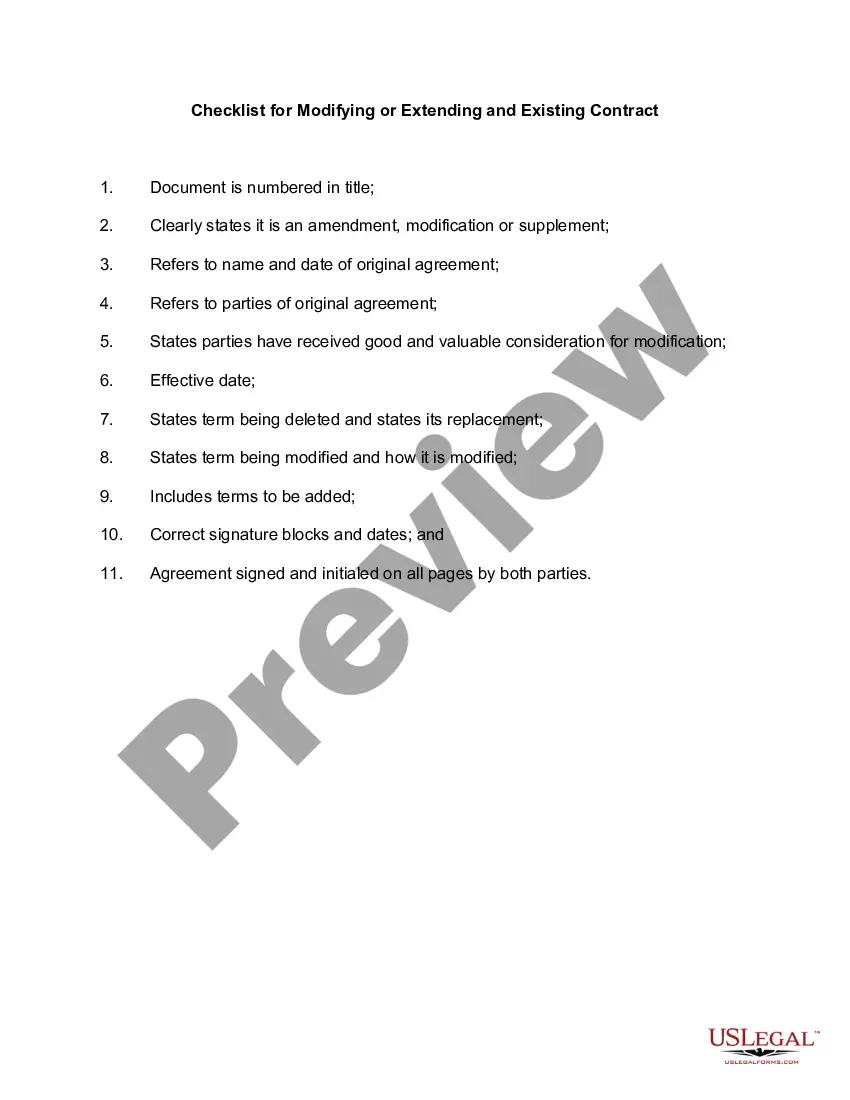
Contract Modification Without Consideration
Description
Get your form ready online
Our built-in tools help you complete, sign, share, and store your documents in one place.
Make edits, fill in missing information, and update formatting in US Legal Forms—just like you would in MS Word.
Download a copy, print it, send it by email, or mail it via USPS—whatever works best for your next step.
Sign and collect signatures with our SignNow integration. Send to multiple recipients, set reminders, and more. Go Premium to unlock E-Sign.
If this form requires notarization, complete it online through a secure video call—no need to meet a notary in person or wait for an appointment.
We protect your documents and personal data by following strict security and privacy standards.

Make edits, fill in missing information, and update formatting in US Legal Forms—just like you would in MS Word.

Download a copy, print it, send it by email, or mail it via USPS—whatever works best for your next step.

Sign and collect signatures with our SignNow integration. Send to multiple recipients, set reminders, and more. Go Premium to unlock E-Sign.

If this form requires notarization, complete it online through a secure video call—no need to meet a notary in person or wait for an appointment.

We protect your documents and personal data by following strict security and privacy standards.
Looking for another form?
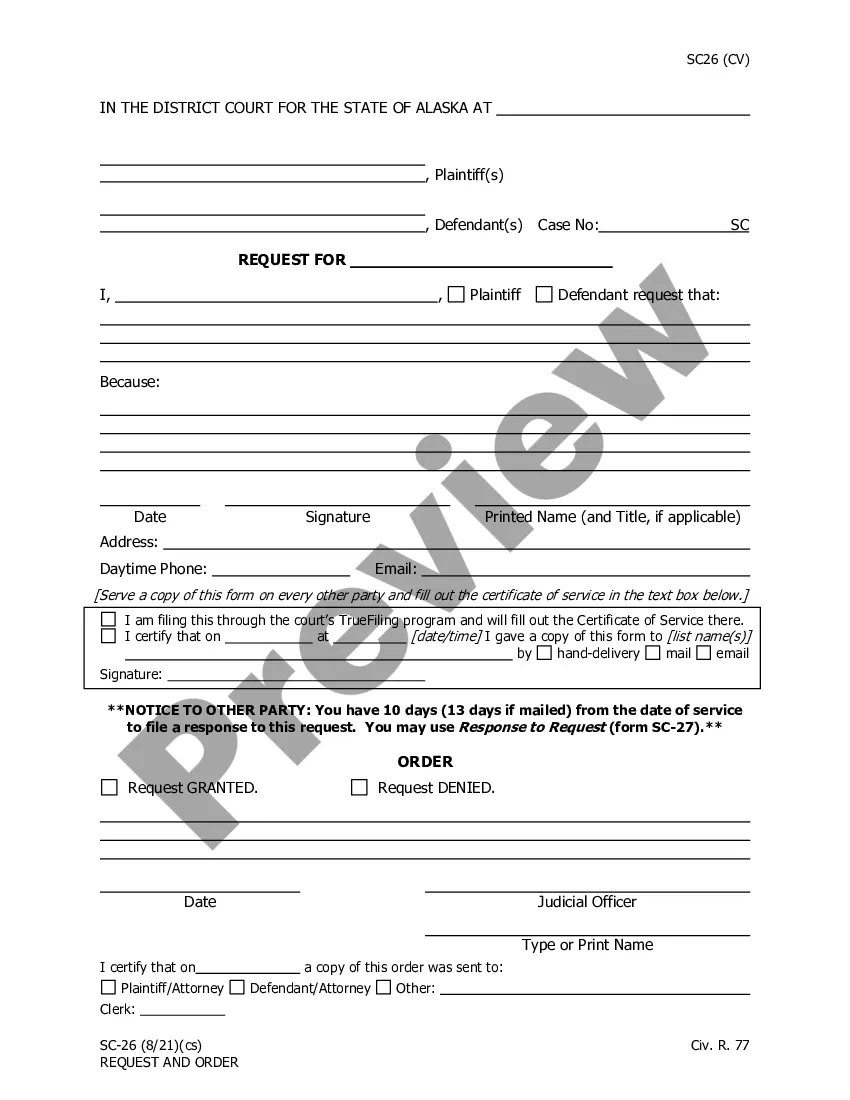






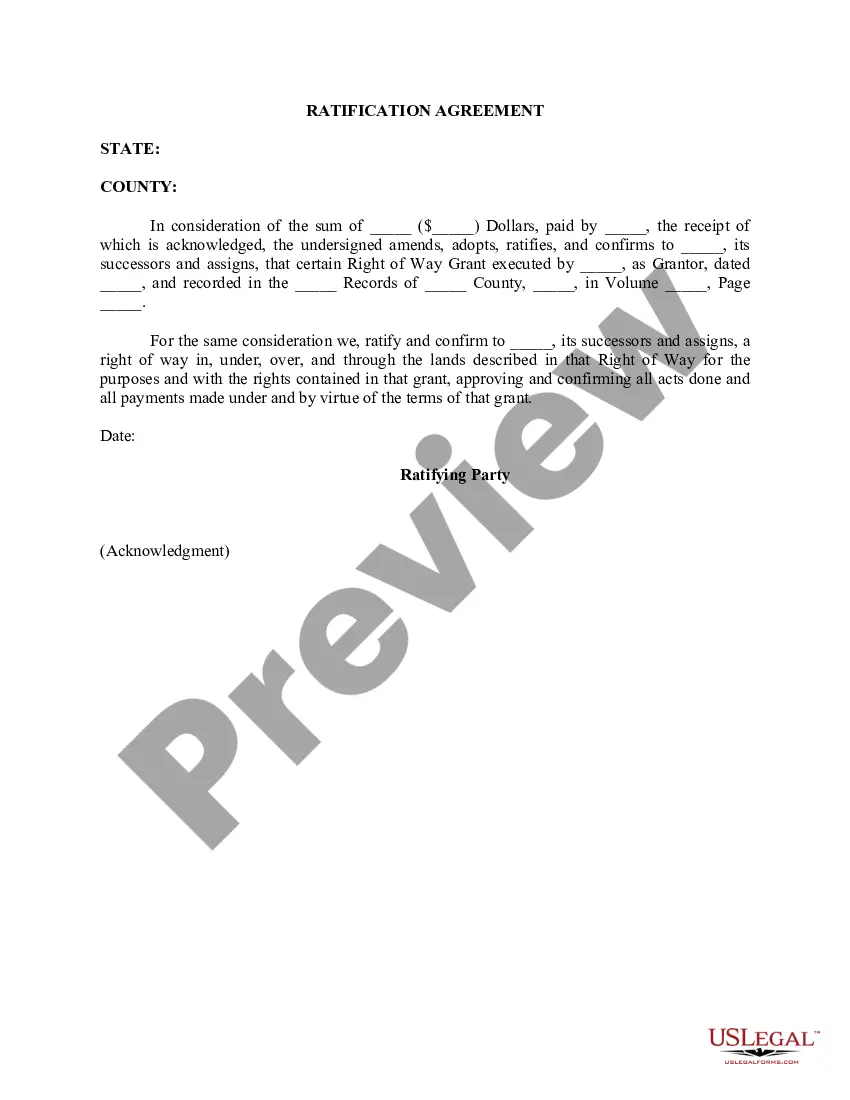

How to fill out Checklist For Modifying Or Extending And Existing Contract?
Whether for commercial purposes or personal matters, everyone must confront legal issues at some point in their lifetime.
Filling out legal documents demands meticulous care, beginning with selecting the right template.
After saving it, you can complete the form using editing software or print it out and fill it in by hand. With a comprehensive US Legal Forms catalog at your disposal, you won’t have to waste time hunting for the correct template online. Utilize the library’s user-friendly navigation to find the proper form for any situation.
- For example, if you choose an incorrect version of a Contract Modification Without Consideration, it will be rejected upon submission.
- Thus, it is essential to procure a reliable source of legal documents like US Legal Forms.
- If you wish to acquire a Contract Modification Without Consideration template, follow these straightforward steps.
- Retrieve the template you need using the search bar or catalogue navigation.
- Review the form’s details to ensure it aligns with your circumstances, state, and locality.
- Click on the form’s preview to inspect it.
- If this is not the correct document, return to the search feature to find the Contract Modification Without Consideration template you require.
- Download the template if it fulfills your requirements.
- If you possess a US Legal Forms account, simply click Log in to access previously saved documents in My documents.
- If you have not created an account yet, you can obtain the form by selecting Buy now.
- Choose the appropriate pricing option.
- Fill out the profile registration form.
- Select your payment method: either credit card or PayPal account.
- Select the document format you desire and download the Contract Modification Without Consideration.
Form popularity
FAQ
Not necessarily. A contract modification without consideration can be valid if both parties consent to the changes. This flexibility allows for adjustments that reflect the evolving needs of the parties involved. Using a reliable platform like US Legal Forms can help you create clear and enforceable modifications, ensuring that all necessary documentation is properly handled.
Generally, you do not need consideration for a contract modification without consideration. Many jurisdictions allow amendments to be made without new consideration under certain conditions. For instance, if both parties agree to the changes, the amendment can be valid even without additional compensation. It's important to document these changes properly to prevent disputes.
If a contract lacks consideration, it may be deemed unenforceable. Consideration is the value exchanged between parties, and without it, the contract does not hold legal weight. In scenarios of contract modification without consideration, one party may attempt to change the terms without providing something in return, which can lead to disputes. Utilizing resources like US Legal Forms can help you navigate these complexities and ensure your contracts are valid and binding.
Lack of consideration in a contract can be present in the following scenarios: One of the parties was under an existing legal obligation to complete a task. ... Promises of a gift are not used as a consideration in a contract. ... Consideration made due to a past event is not enforced in a contract.
Hear this out loud PauseUnder common law, a party to a contract needs new consideration -- something of legal value -- to modify a contract. The party obtains new consideration by negotiating with the other party to change the consideration on both sides of the contract.
Hear this out loud PauseWithout consideration by both parties, a contract cannot be enforceable. For instance, if a person used the money to purchase an apple, the apple is the merchant's consideration, and the money is the person's consideration.
A promise not to act occurred when Joe promised not to sue in exchange for receiving payment for the mailbox Bill mowed down while riding the scooter. Lack of consideration occurs when only one party is obligated to act while the other holds no obligation at all.
Hear this out loud PauseHowever, the common law requires that (subject to limited exceptions), for an agreement to be binding, the promisee (or promisees) must provide consideration (payment of some kind) for the promise they have received. As a result, gratuitous promises are generally not enforceable.