Convertible Note Series For Adults
Description
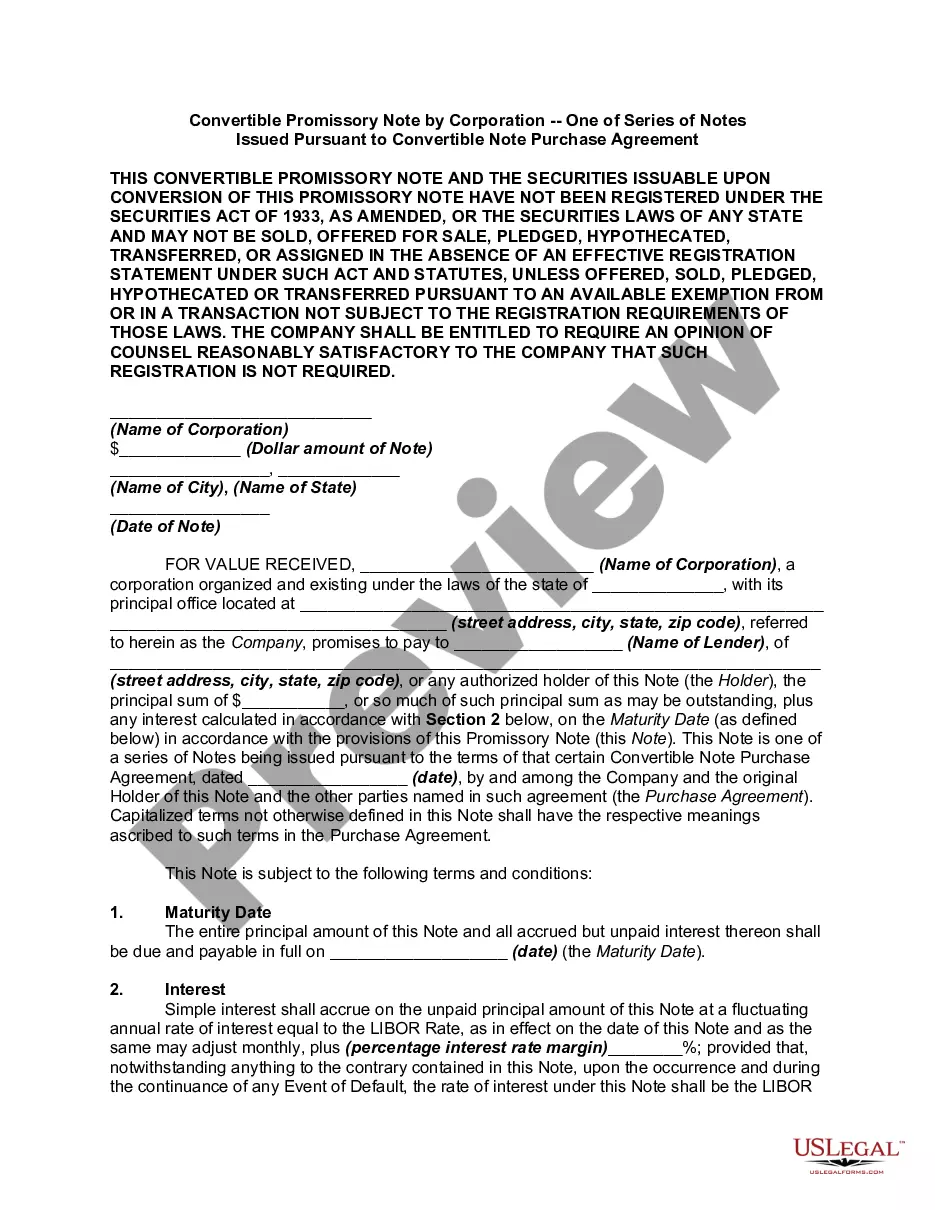
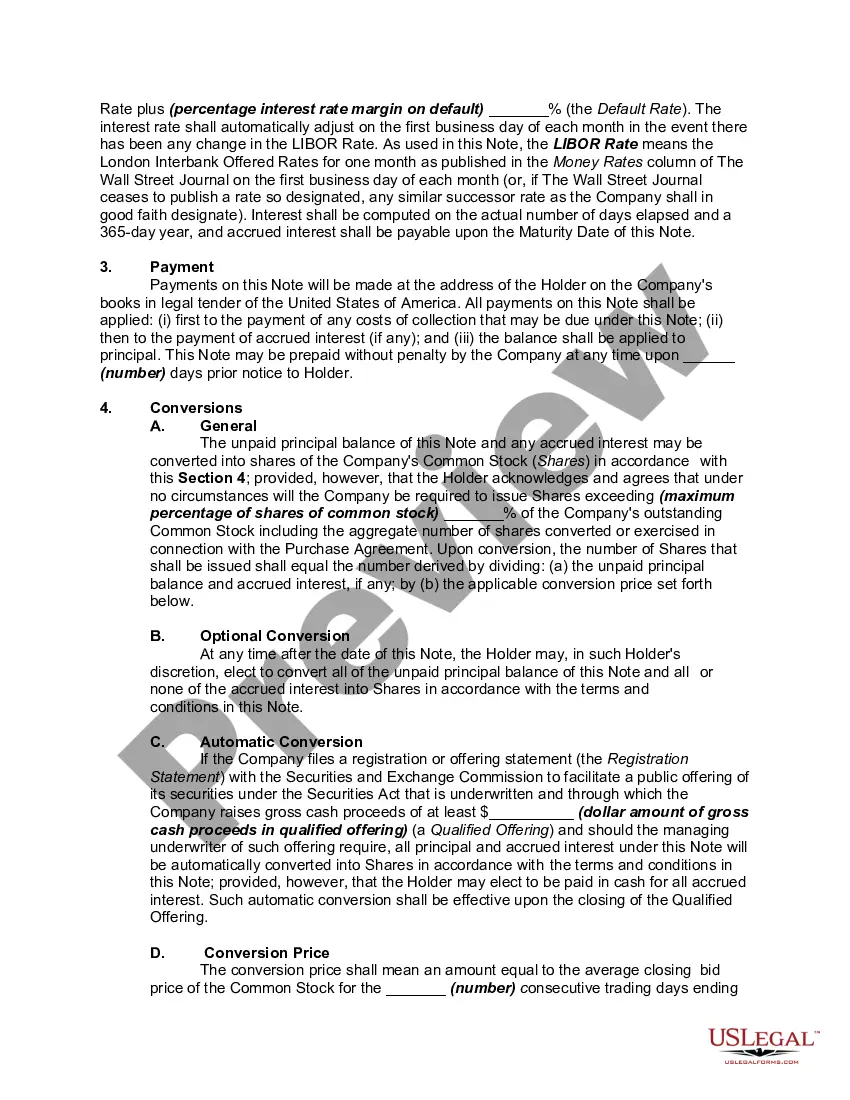
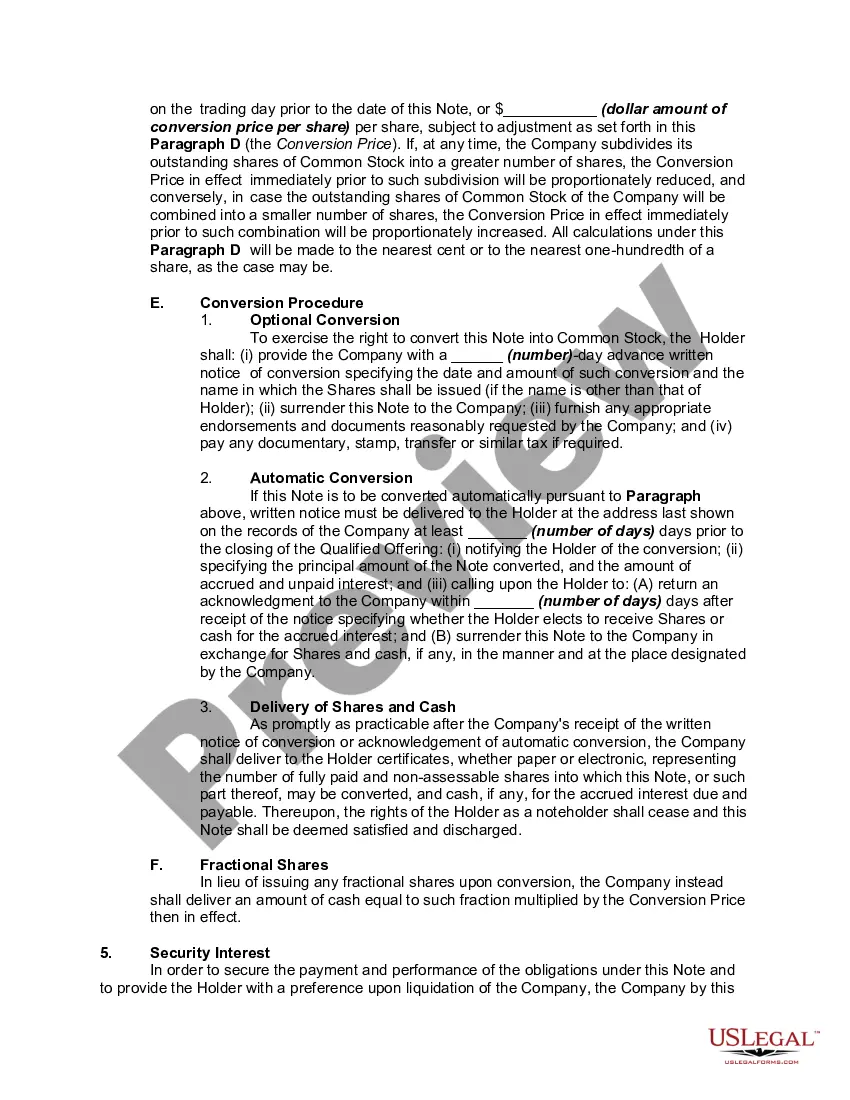
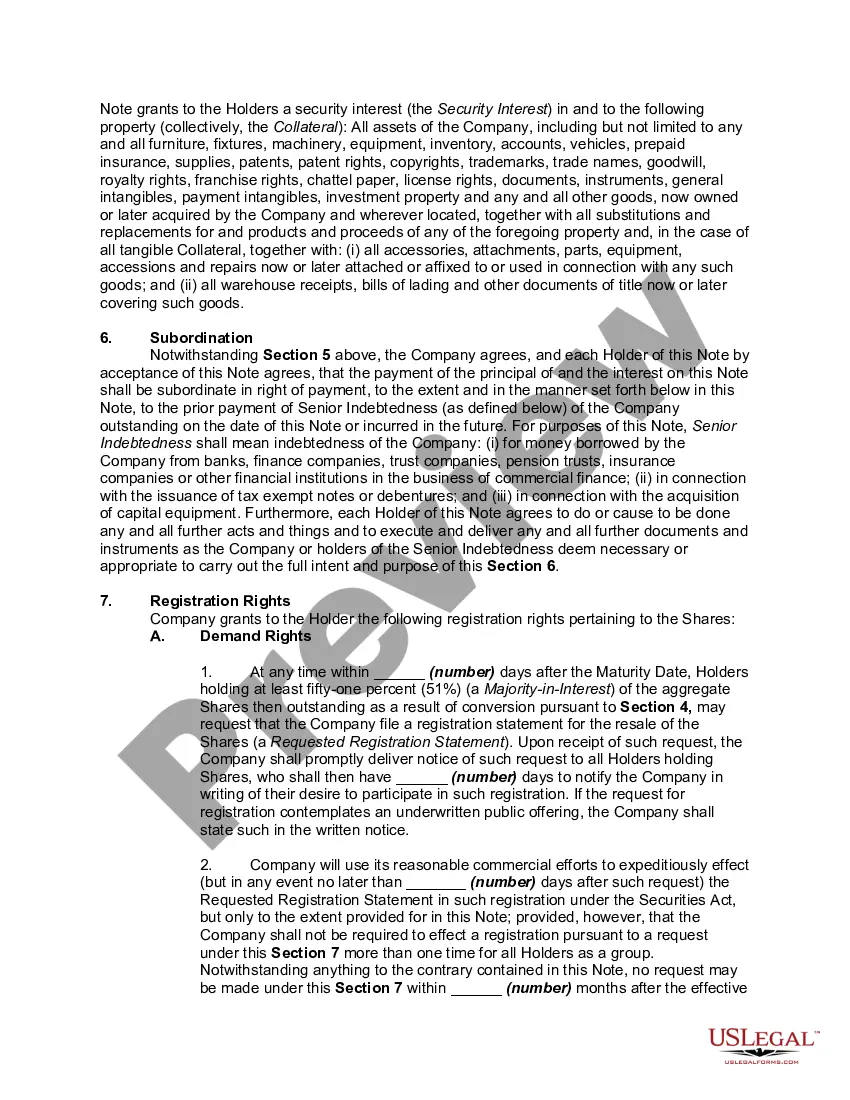
Get your form ready online
Our built-in tools help you complete, sign, share, and store your documents in one place.
Make edits, fill in missing information, and update formatting in US Legal Forms—just like you would in MS Word.
Download a copy, print it, send it by email, or mail it via USPS—whatever works best for your next step.
Sign and collect signatures with our SignNow integration. Send to multiple recipients, set reminders, and more. Go Premium to unlock E-Sign.
If this form requires notarization, complete it online through a secure video call—no need to meet a notary in person or wait for an appointment.
We protect your documents and personal data by following strict security and privacy standards.

Make edits, fill in missing information, and update formatting in US Legal Forms—just like you would in MS Word.

Download a copy, print it, send it by email, or mail it via USPS—whatever works best for your next step.

Sign and collect signatures with our SignNow integration. Send to multiple recipients, set reminders, and more. Go Premium to unlock E-Sign.

If this form requires notarization, complete it online through a secure video call—no need to meet a notary in person or wait for an appointment.

We protect your documents and personal data by following strict security and privacy standards.
Looking for another form?

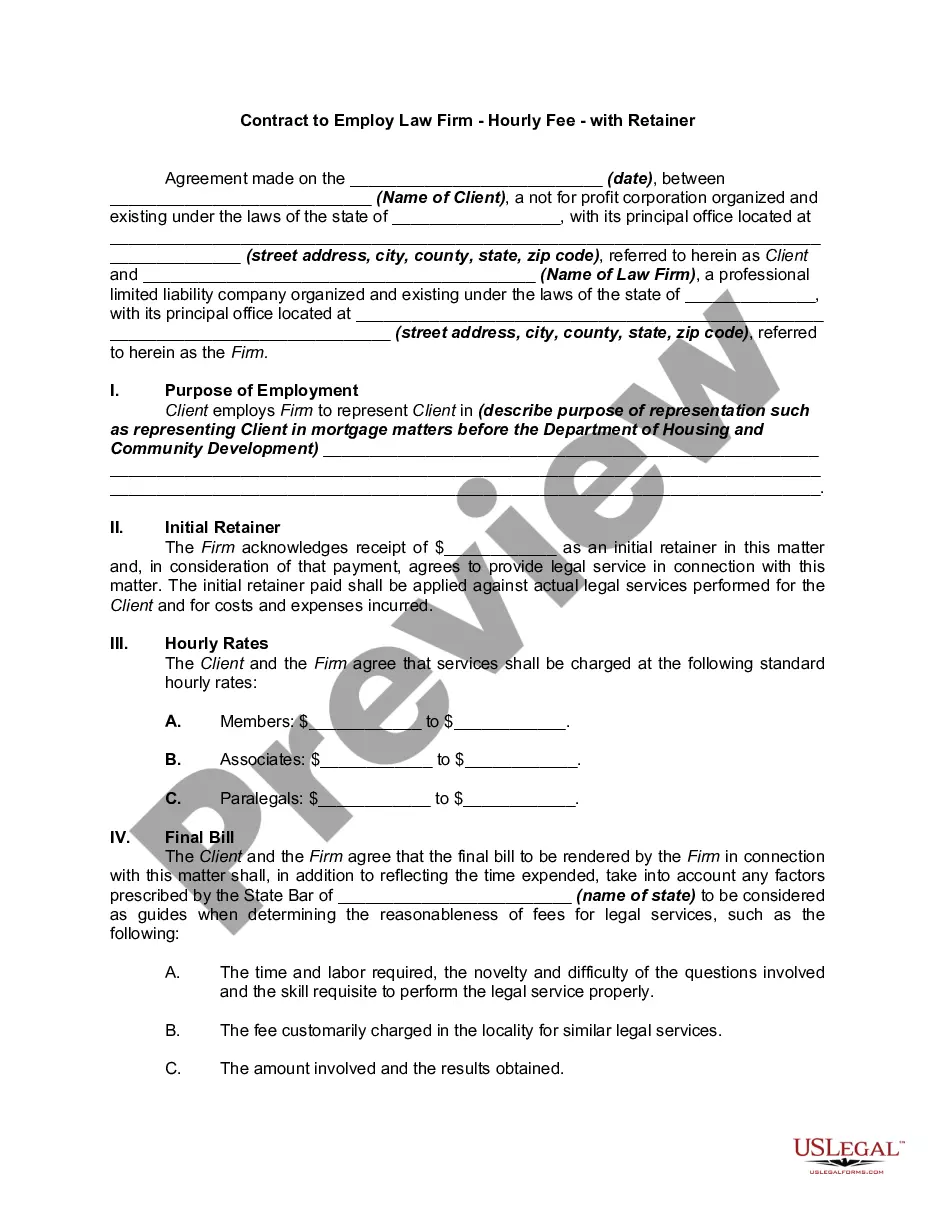





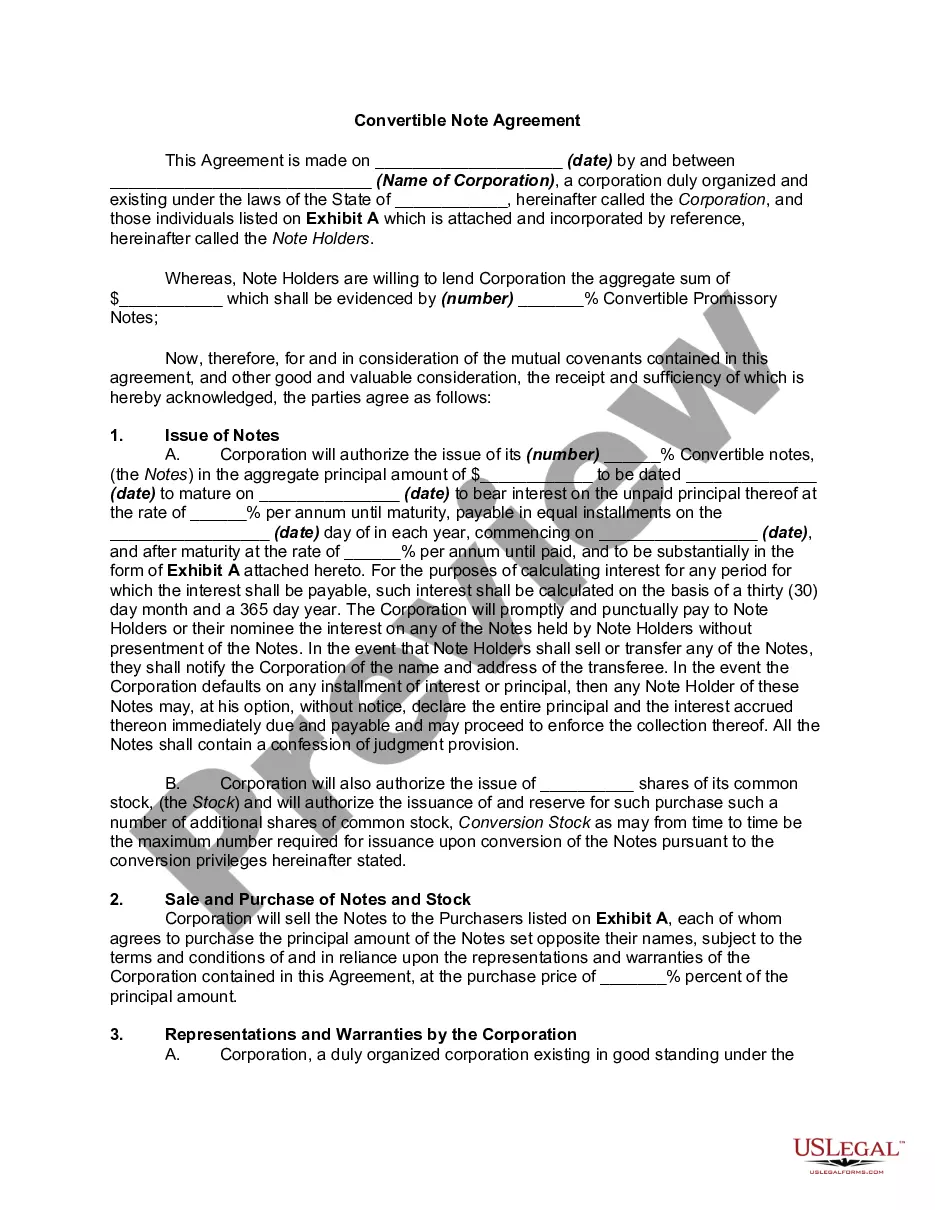
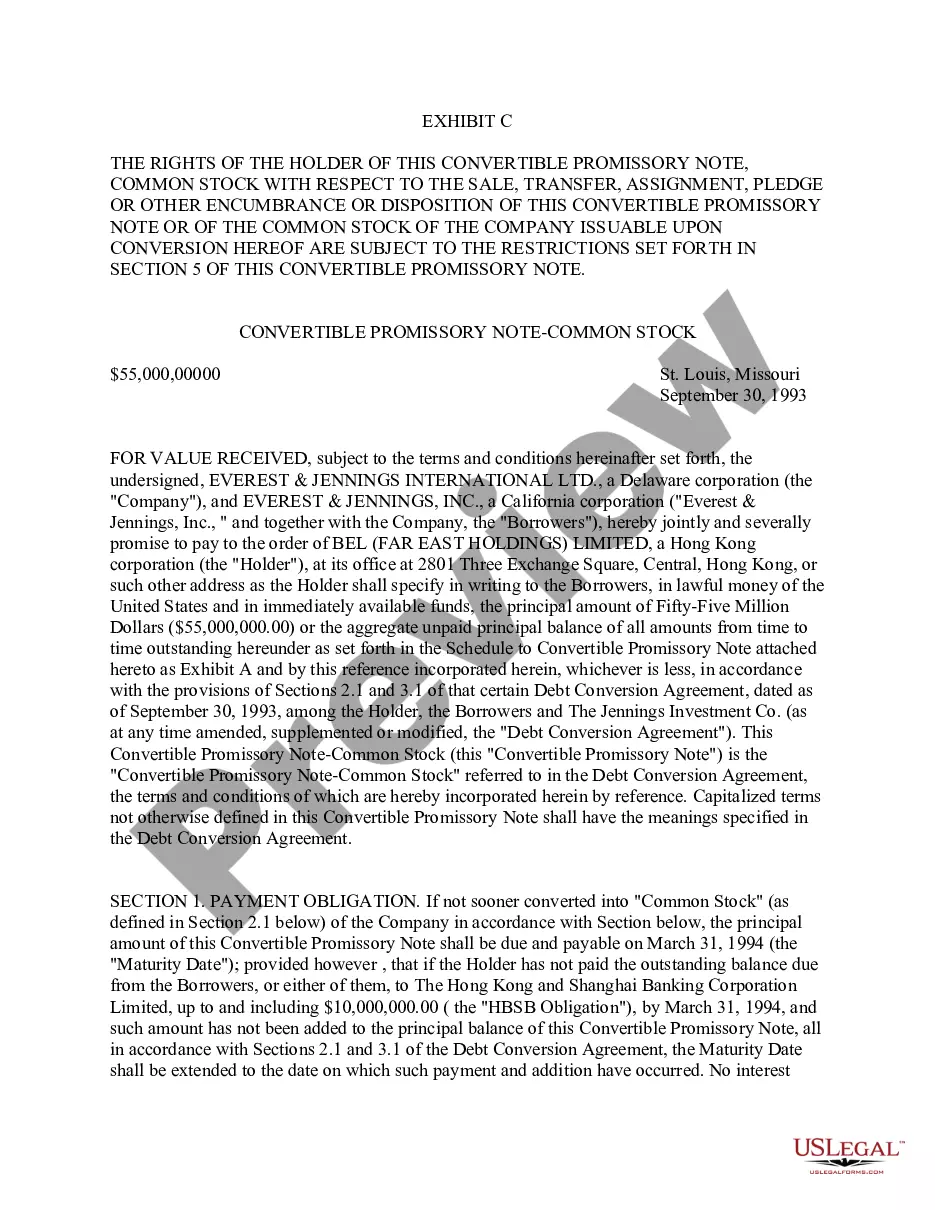
How to fill out Convertible Promissory Note By Corporation - One Of Series Of Notes Issued Pursuant To Convertible Note Purchase Agreement?
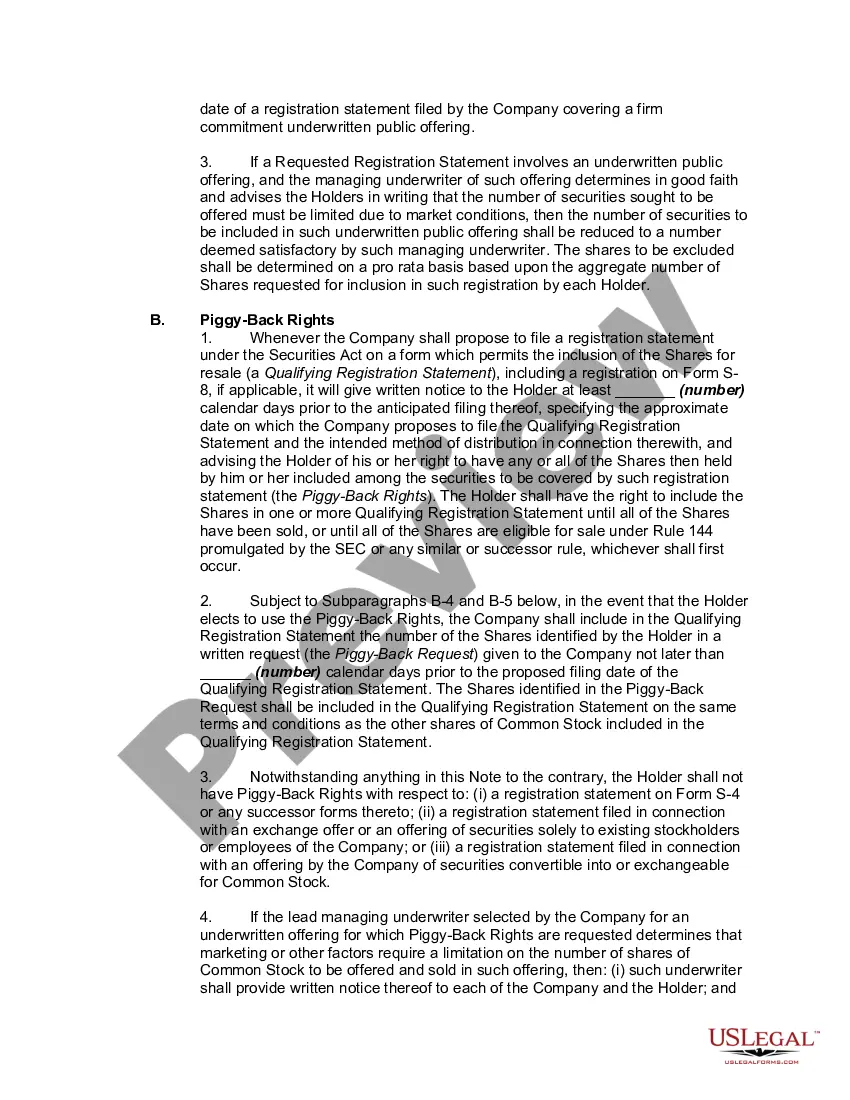
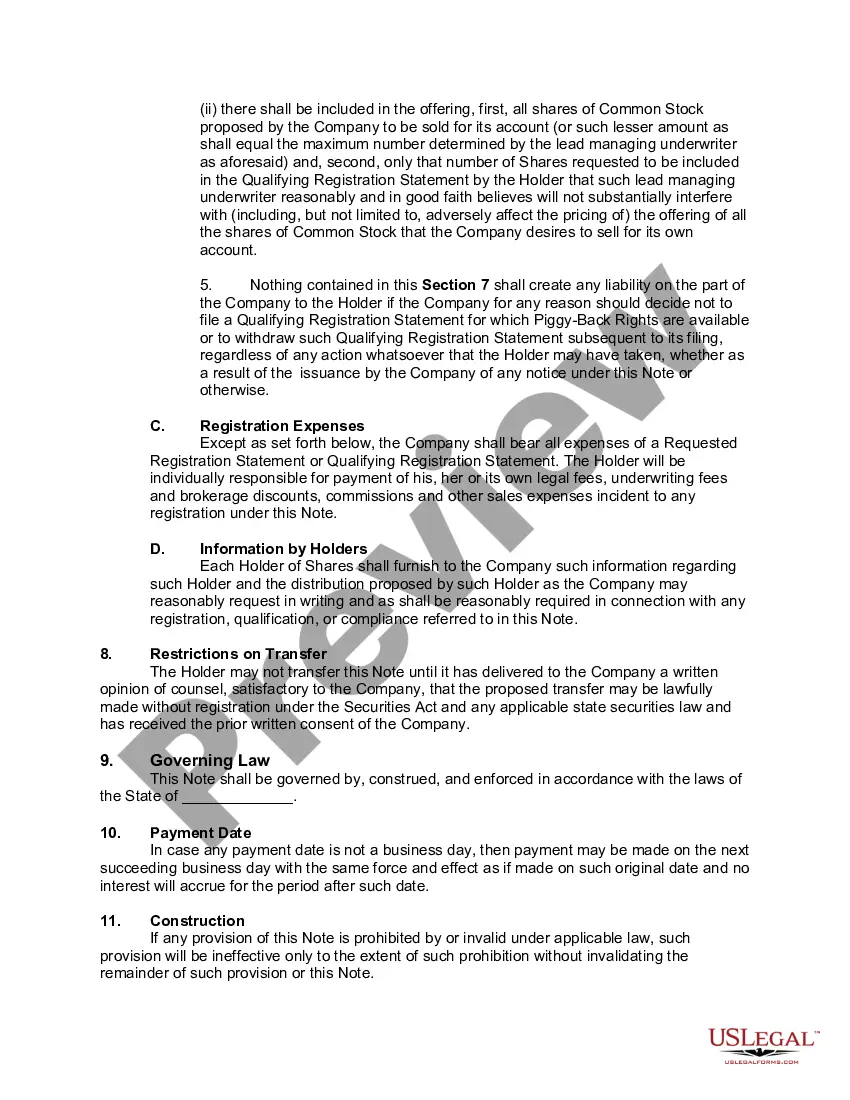
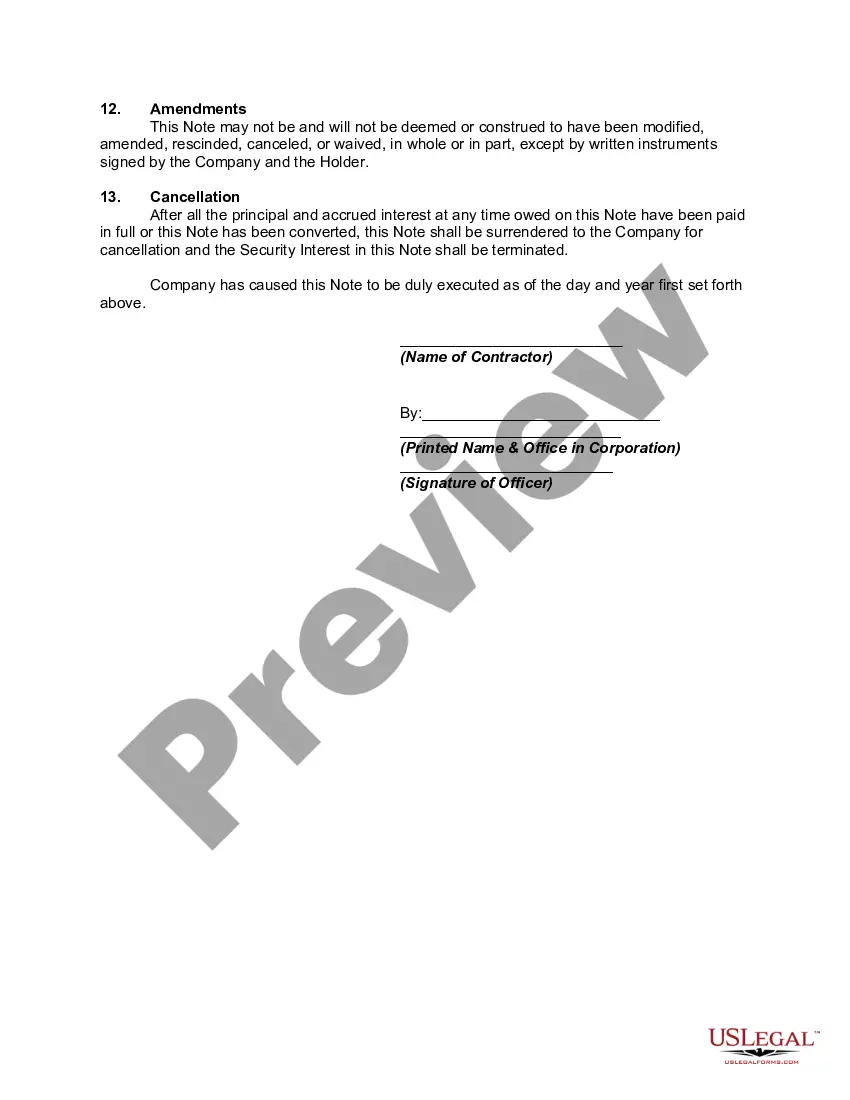
The Convertible Note Series For Adults displayed on this page is a versatile formal template created by expert attorneys in accordance with federal and state statutes and guidelines.
For over 25 years, US Legal Forms has offered individuals, companies, and lawyers more than 85,000 certified, state-specific documents for any business or personal circumstance. It is the fastest, simplest, and most reliable method to acquire the paperwork you require, as the service assures bank-level data security and anti-malware safeguards.
Subscribe to US Legal Forms to have authentic legal templates for every situation in life readily available.
- Search for the document you require and examine it. Browse through the file you looked up and preview it or review the form description to confirm it meets your criteria. If it doesn’t, use the search function to locate the appropriate one. Click Buy Now once you have identified the template you need.
- Subscribe and Log In. Select the pricing plan that best fits you and create an account. Use PayPal or a credit card for a swift payment. If you already possess an account, Log In and verify your subscription to proceed.
- Acquire the fillable template. Choose the format you prefer for your Convertible Note Series For Adults (PDF, Word, RTF) and save the document on your device.
- Complete and sign the documents. Print the template to fill it out manually. Alternatively, use an online multifunctional PDF editor to quickly and accurately complete and sign your form digitally.
- Re-download your documents as needed. Utilize the same document again whenever necessary. Access the My documents tab in your profile to retrieve any previously purchased forms.
Form popularity
FAQ
The requirements for a convertible note typically include the interest rate, maturity date, and conversion terms. These documents should also specify whether there are any discounts or caps that apply to future financing rounds. It's crucial for participants in a convertible note series for adults to understand that clear terms can protect both the investor's and the startup's interests.
There are 3 ways to obtain a copy: Stop by in person. Anyone can pick it up. ... Send a written request to Recorder of Deeds, 729 Maple Street, Hillsboro MO 63050. Include a check for $9 per copy and a self-addressed stamped return envelope. ... Order over the phone with a credit card by calling 636-797-5414.
The main difference between a deed and a deed of trust is that a deed is a transfer of ownership, while a deed of trust is a security interest. A deed of trust is used to secure a loan, while a deed is used to transfer ownership of a property.
With a deed of trust, the lender gives the borrower the funds to make the home purchase. In exchange, the borrower provides the lender with a promissory note. The promissory note outlines the terms of the loan and the borrower's promise (hence the name) to pay.
A deed of trust is the most common method of securing a lien on real estate in Missouri. Mortgages are rarely used.
A trust deed is a legal document that sets out the rules for establishing and operating your fund. It includes such things as the fund's objectives, who can be a member and whether benefits can be paid as a lump sum or income stream. The trust deed and super laws together form the fund's governing rules.