Convertible Note Form With Cap
Description
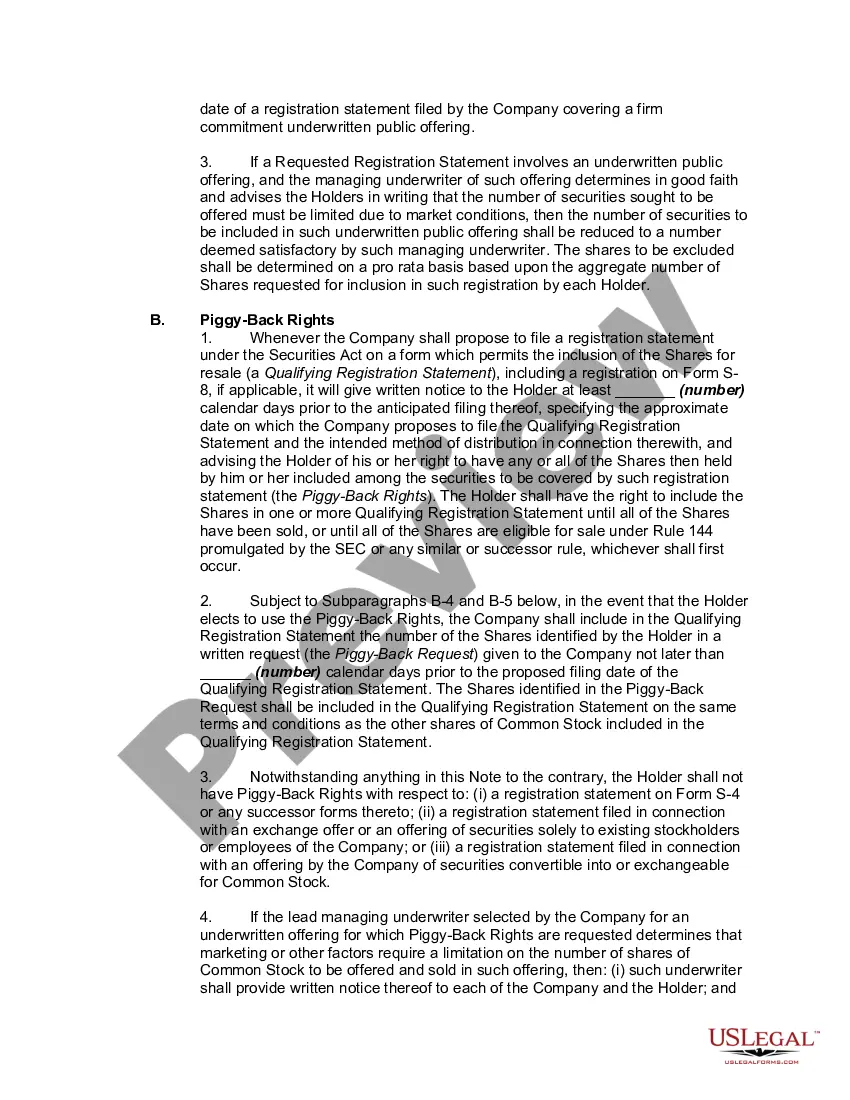
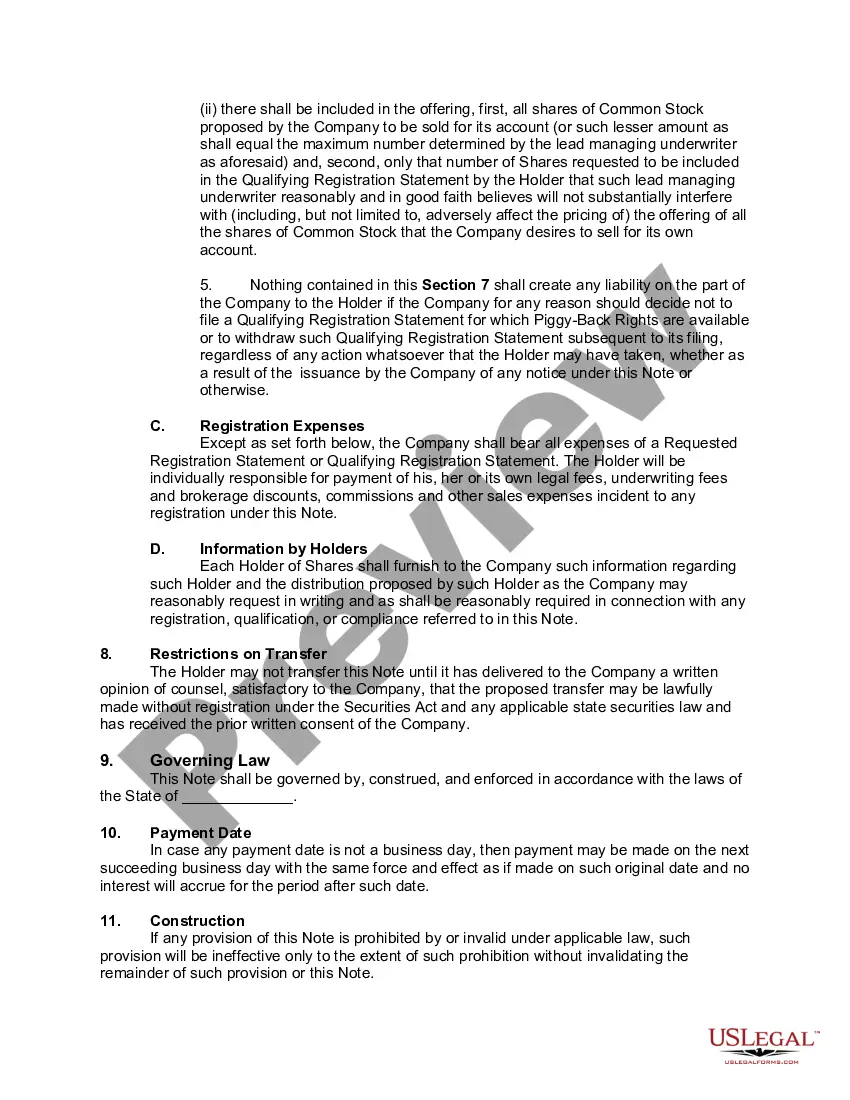
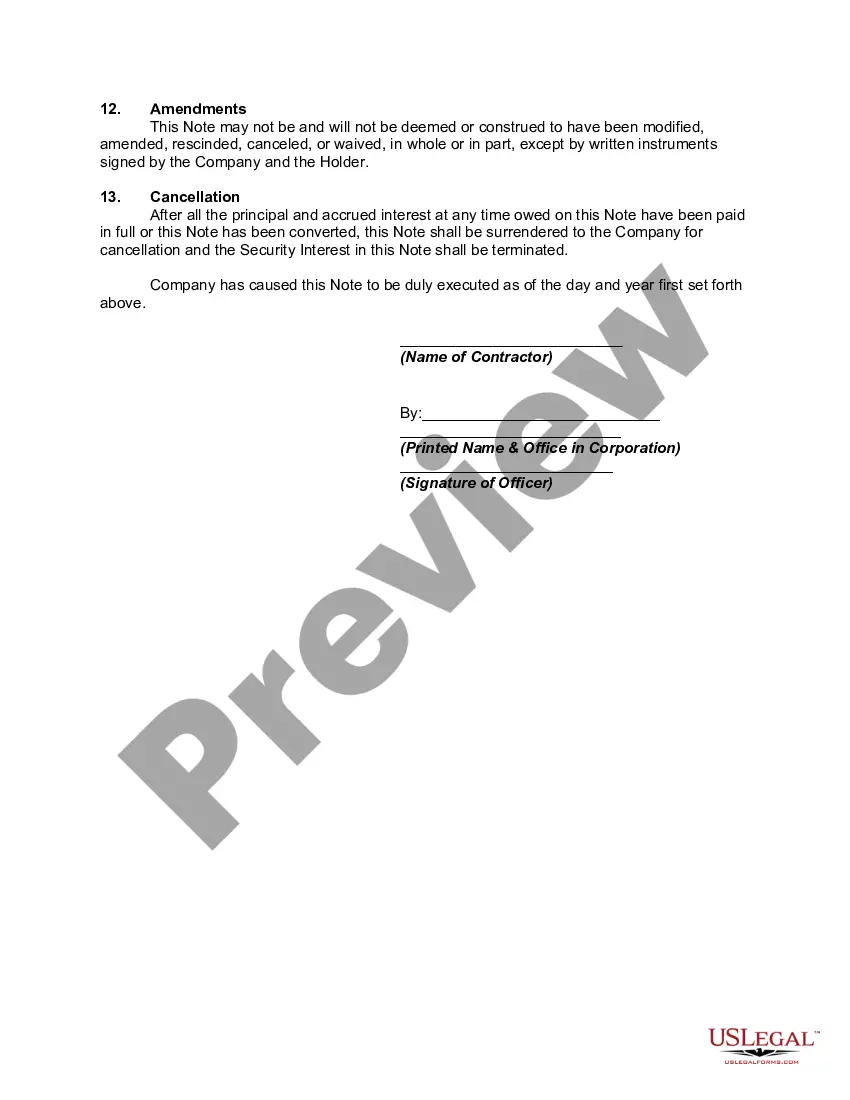
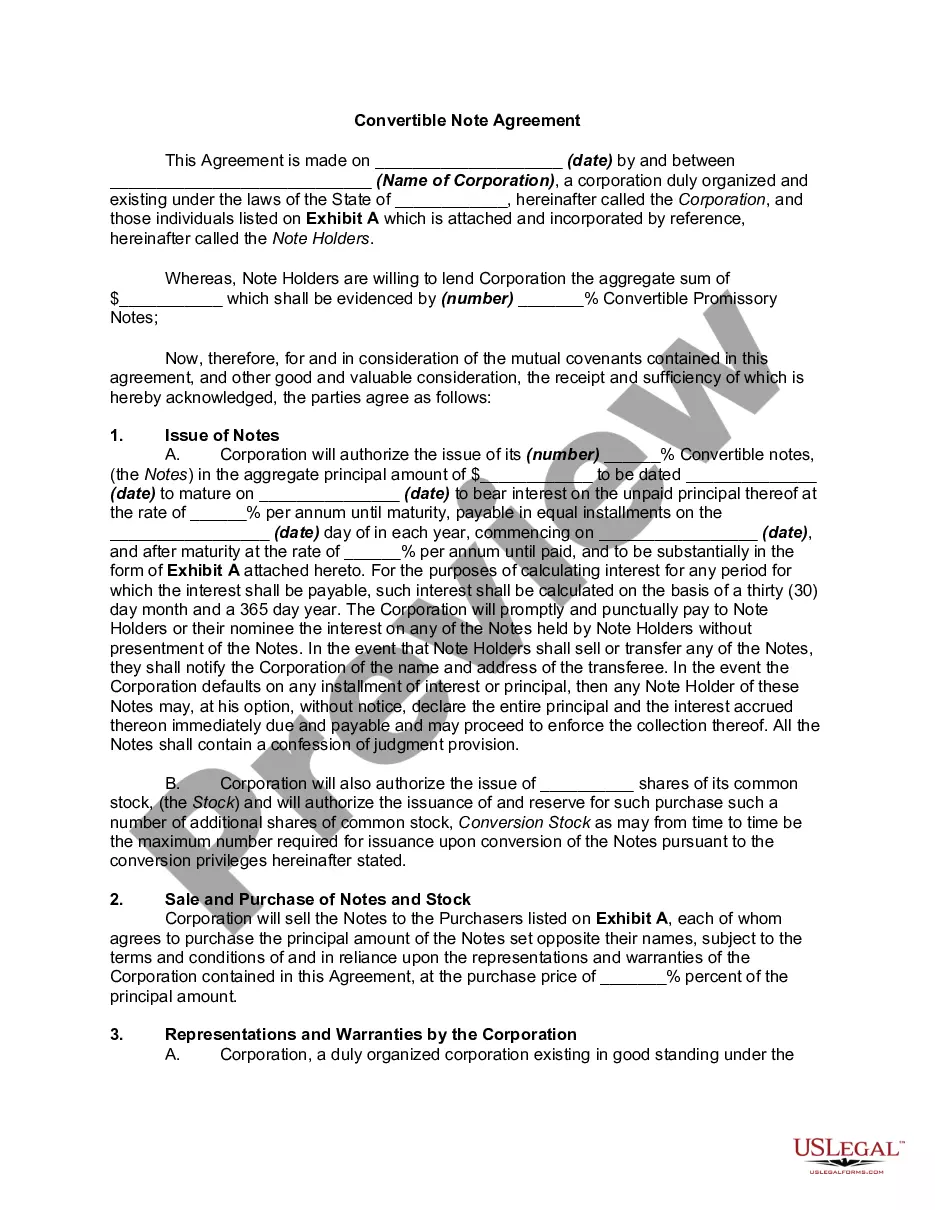
Get your form ready online
Our built-in tools help you complete, sign, share, and store your documents in one place.
Make edits, fill in missing information, and update formatting in US Legal Forms—just like you would in MS Word.
Download a copy, print it, send it by email, or mail it via USPS—whatever works best for your next step.
Sign and collect signatures with our SignNow integration. Send to multiple recipients, set reminders, and more. Go Premium to unlock E-Sign.
If this form requires notarization, complete it online through a secure video call—no need to meet a notary in person or wait for an appointment.
We protect your documents and personal data by following strict security and privacy standards.

Make edits, fill in missing information, and update formatting in US Legal Forms—just like you would in MS Word.

Download a copy, print it, send it by email, or mail it via USPS—whatever works best for your next step.

Sign and collect signatures with our SignNow integration. Send to multiple recipients, set reminders, and more. Go Premium to unlock E-Sign.

If this form requires notarization, complete it online through a secure video call—no need to meet a notary in person or wait for an appointment.

We protect your documents and personal data by following strict security and privacy standards.
Looking for another form?







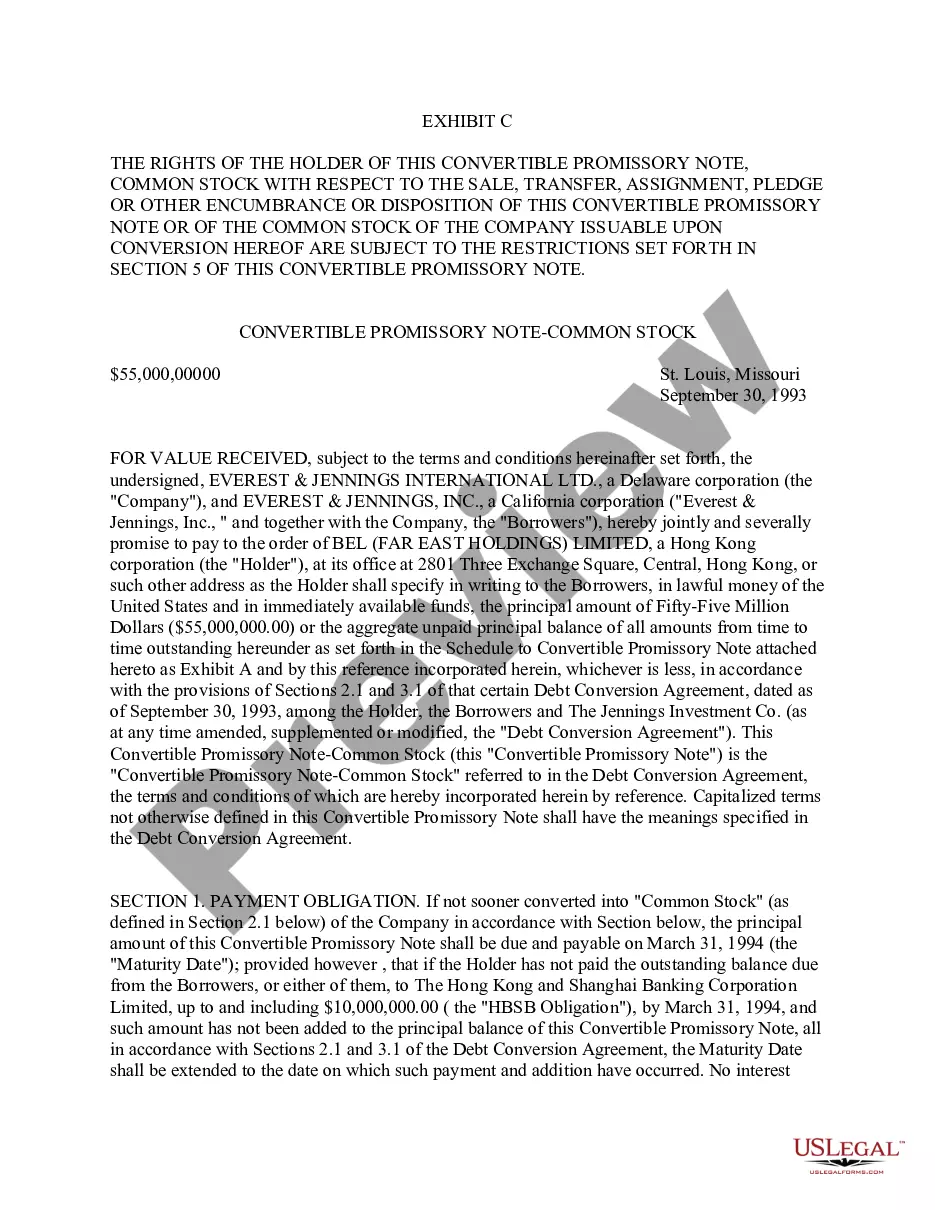
How to fill out Convertible Promissory Note By Corporation - One Of Series Of Notes Issued Pursuant To Convertible Note Purchase Agreement?
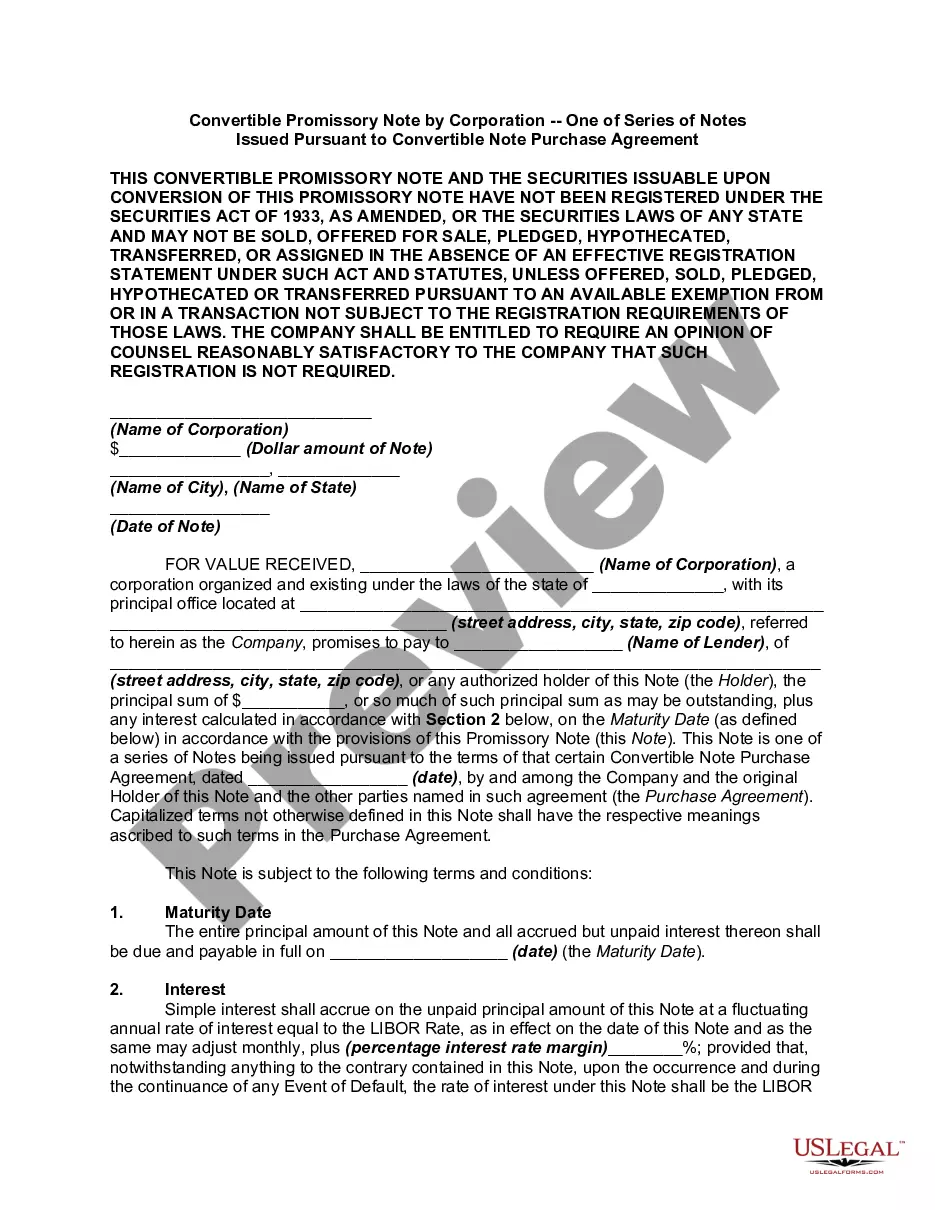
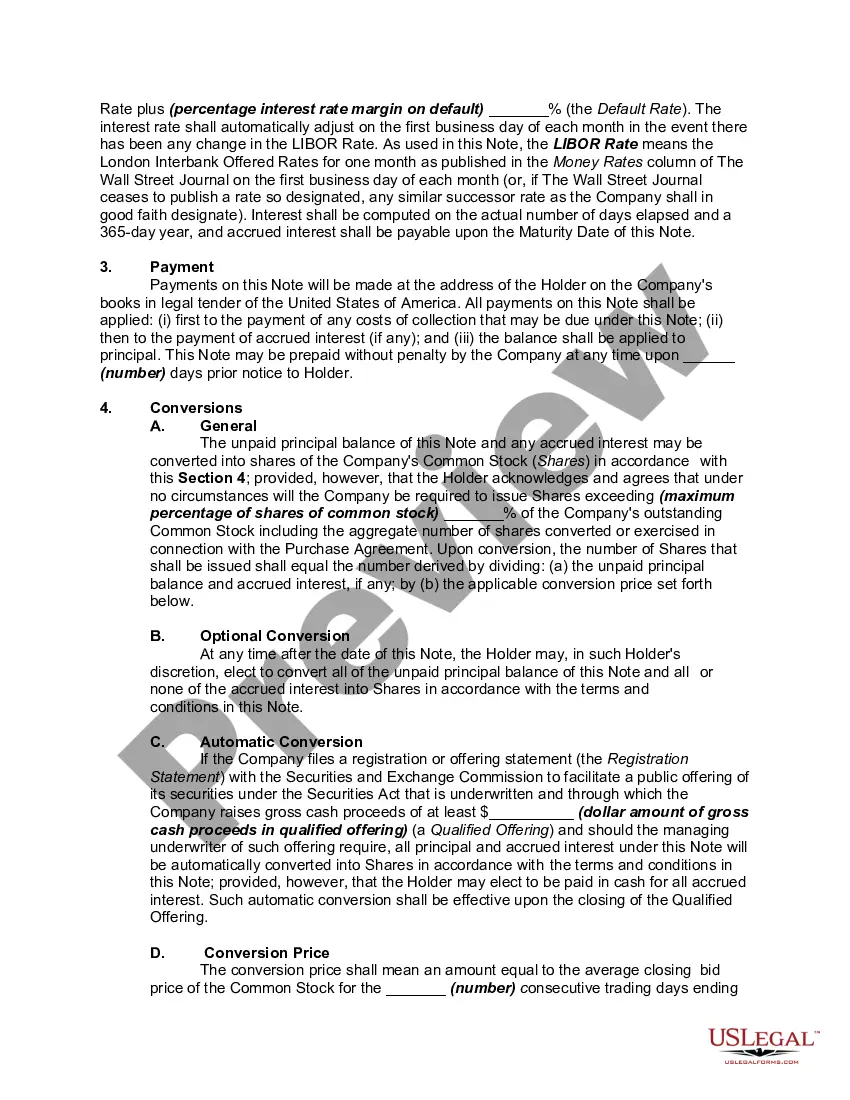
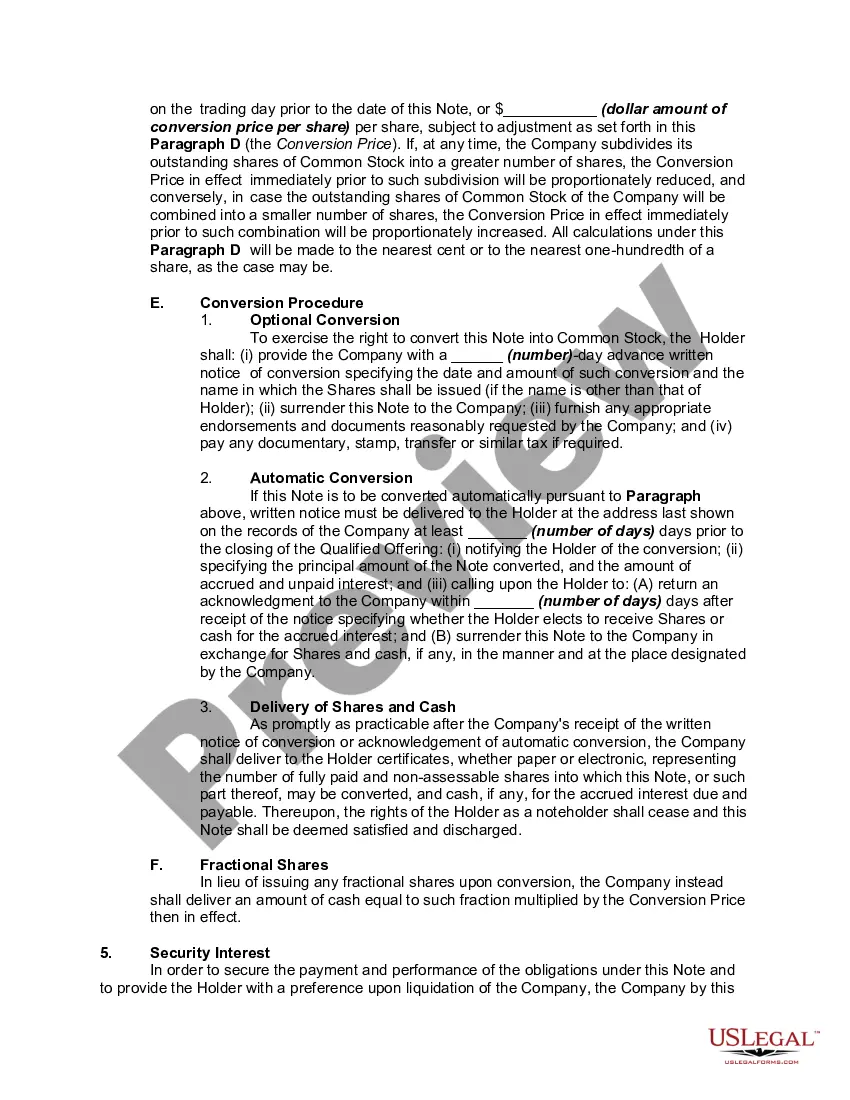
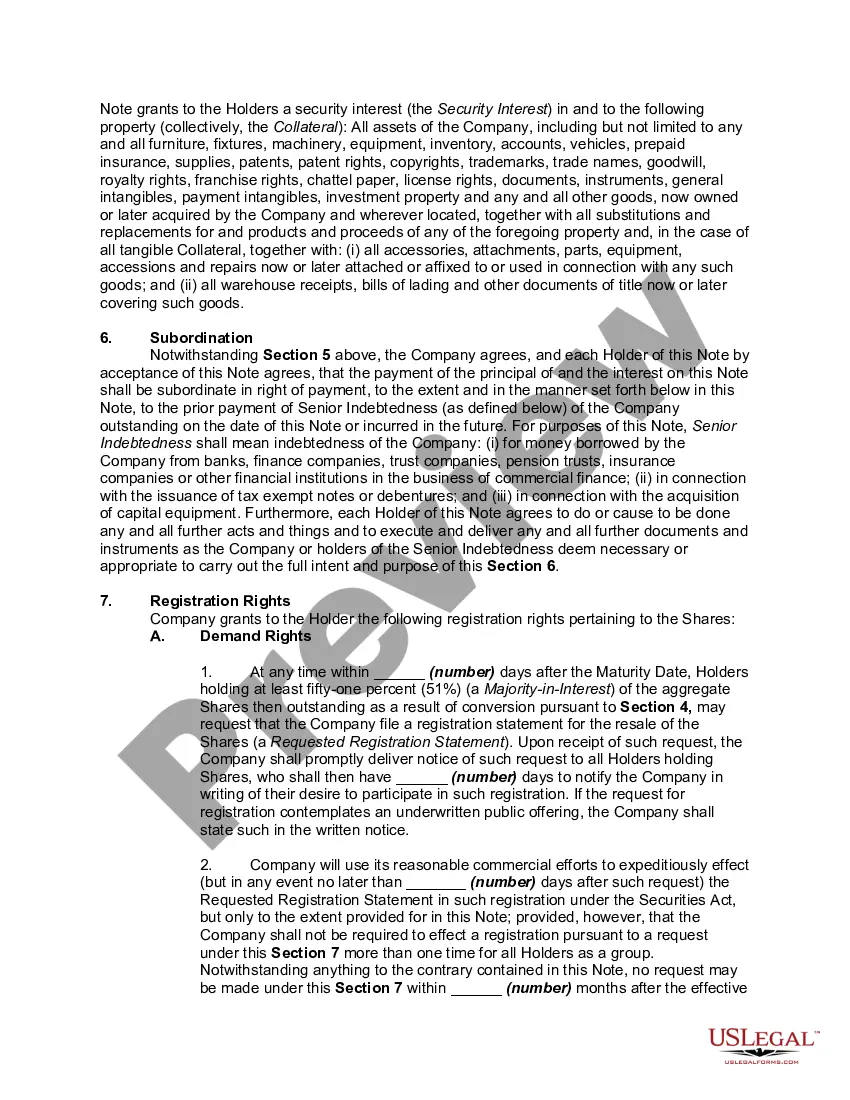
The Convertible Note Template With Cap presented on this webpage is a reusable official form crafted by expert attorneys in compliance with federal and state statutes and regulations.
For over 25 years, US Legal Forms has equipped individuals, companies, and legal professionals with more than 85,000 authenticated, state-specific documents for any business and personal situation. It’s the quickest, simplest, and most trustworthy method to acquire the paperwork you require, as the service ensures bank-grade data protection and anti-malware safeguards.
Register with US Legal Forms to access verified legal templates for all of life’s situations readily available.
- Search for the form you require and examine it.
- Browse through the document you looked up and preview it or review the form details to confirm it meets your needs. If it falls short, utilize the search functionality to find the correct one. Hit Buy Now once you have located the template you seek.
- Register and sign in.
- Select the subscription option that fits you and create an account. Use PayPal or a credit card for swift payment. If you already possess an account, Log In and verify your subscription to proceed.
- Obtain the editable template.
- Select the format you desire for your Convertible Note Template With Cap (PDF, Word, RTF) and download the sample onto your device.
- Finalize and sign the documents.
- Print the template to fill it out manually. Alternatively, use an online multifunctional PDF editor to swiftly and precisely complete and sign your form with a legally-binding electronic signature.
- Re-download your documents as needed.
- Utilize the same form anytime you require it. Access the My documents tab in your profile to download any previously stored documents again.
Form popularity
FAQ
Issuing a convertible note begins with drafting a convertible note form with cap, which details the terms and conditions of the investment. You should outline the cap, interest rate, and any conversion triggers. Once you have the document, present it to potential investors and ensure they understand the terms. Using a reliable platform like US Legal Forms can streamline this process and provide you with ready-made templates.
If you don't convert a convertible note with cap, the investment may turn into a liability instead of equity. This situation can lead to potential financial losses for both investors and the startup. Typically, upon maturity, the note may require repayment or negotiation for an extension. To avoid complications, it's wise to use a convertible note form with cap that clearly outlines conversion terms.
The cap on a convertible note is the highest valuation at which the debt will convert into equity. This cap protects investors by ensuring they cannot be diluted by future rounds of funding at higher valuations. Essentially, it acts as a safety net for early investors, incentivizing them to provide much-needed capital. Using a convertible note form with cap gives startups a tool to entice investors while protecting their interests.
Convertible note caps work by setting a specific valuation threshold for converting the note into equity. If the company's value at the time of conversion exceeds this cap, the investor converts their note at the capped amount instead of the higher market valuation. This feature rewards early investors for their risk and plays a vital role in fundraising. Using uslegalforms, you can easily create a convertible note form with cap, streamlining your investment process.
The primary purpose of the cap in a convertible note is to ensure that early investors do not miss out on equity benefits if the company’s valuation skyrockets. It aligns the interests of both the investor and the company, fostering a cooperative relationship. By setting a cap, investors can feel more secure knowing they have a ceiling on their investment risk. This arrangement is a fundamental aspect of the convertible note form with cap.
Form D is a filing with the Securities and Exchange Commission (SEC) that companies use to report certain exemptions from registration under the Securities Act. When using convertible notes, particularly if they involve a cap, filing a Form D is often necessary to comply with legal requirements. By using platforms like USLegalForms, you can easily complete the necessary documentation to ensure your convertible note forms are legally compliant.
The main distinction between uncapped and capped notes is the existence of a limit on the conversion valuation. Capped notes guarantee that investors will convert at a more favorable valuation, while uncapped notes can leave them vulnerable to dilution if the company's valuation increases significantly before conversion. Understanding these nuances is key to making informed investment decisions with convertible note forms.
Uncapped convertible notes do not specify a maximum valuation limit, which can expose early investors to risks if the company's valuation skyrockets. Capped convertible notes, however, provide a safety net for investors, ensuring they receive a predetermined equity percentage. Knowing this difference will help you choose the best financing method when using convertible note forms.
A convertible note with a cap is a financial agreement that allows the investor to convert their note into equity, but it sets a maximum company valuation for this conversion. This protects the investor's interests by providing assurance of equity return, regardless of how high the company's valuation may rise. If you're looking to raise funds, a convertible note form with cap is an effective way to attract investors while maintaining control of your business.
Valuation refers to the total worth of a company at any given time, based on market assessments and projected growth. In contrast, a cap is a specific threshold placed on this valuation during the conversion of a convertible note to equity. For those using a convertible note form with cap, this ensures that even if the company’s valuation rises significantly, the cap will protect the investment value at a more favorable rate.