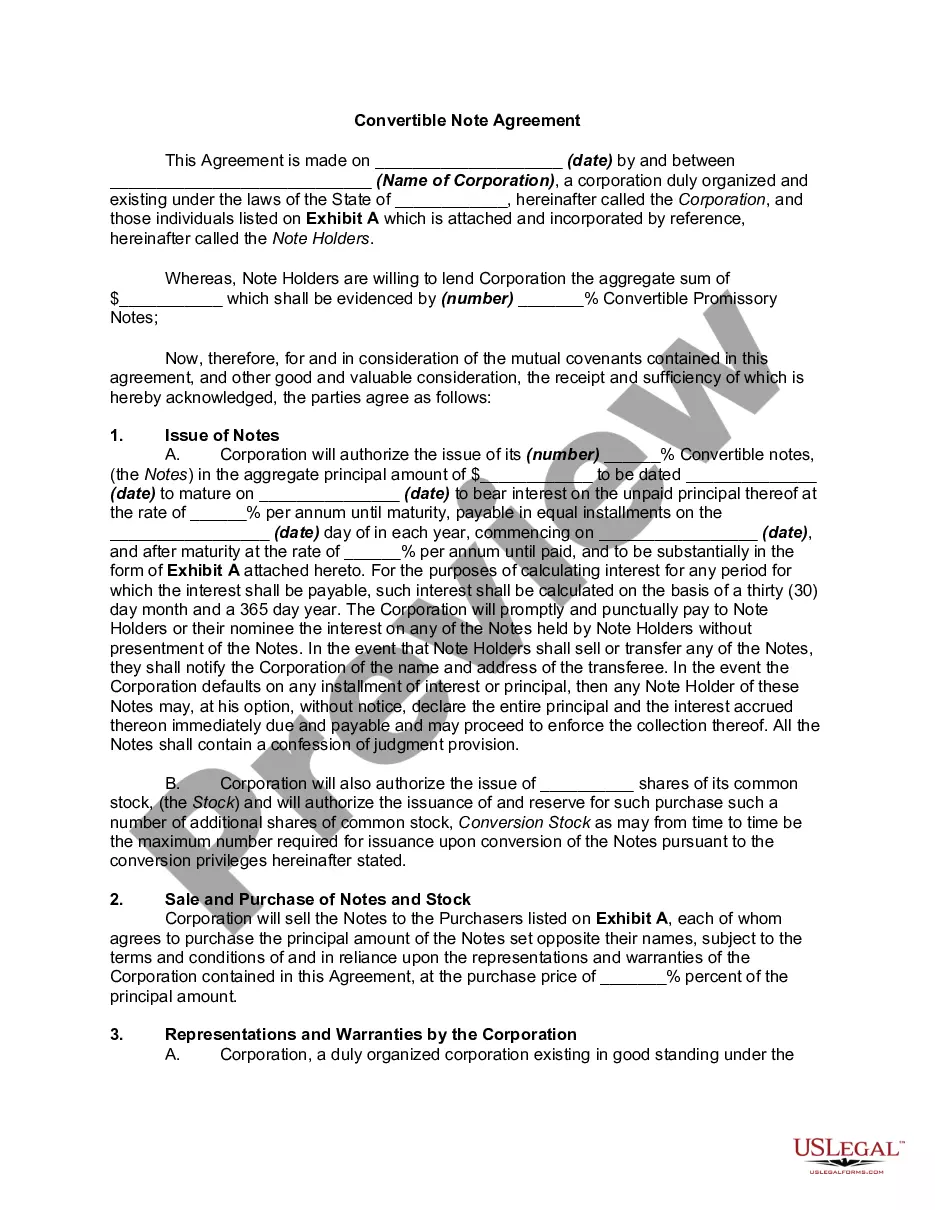
Convertible Note Agreement With Cap
Description
Get your form ready online
Our built-in tools help you complete, sign, share, and store your documents in one place.
Make edits, fill in missing information, and update formatting in US Legal Forms—just like you would in MS Word.
Download a copy, print it, send it by email, or mail it via USPS—whatever works best for your next step.
Sign and collect signatures with our SignNow integration. Send to multiple recipients, set reminders, and more. Go Premium to unlock E-Sign.
If this form requires notarization, complete it online through a secure video call—no need to meet a notary in person or wait for an appointment.
We protect your documents and personal data by following strict security and privacy standards.

Make edits, fill in missing information, and update formatting in US Legal Forms—just like you would in MS Word.

Download a copy, print it, send it by email, or mail it via USPS—whatever works best for your next step.

Sign and collect signatures with our SignNow integration. Send to multiple recipients, set reminders, and more. Go Premium to unlock E-Sign.

If this form requires notarization, complete it online through a secure video call—no need to meet a notary in person or wait for an appointment.

We protect your documents and personal data by following strict security and privacy standards.
Looking for another form?




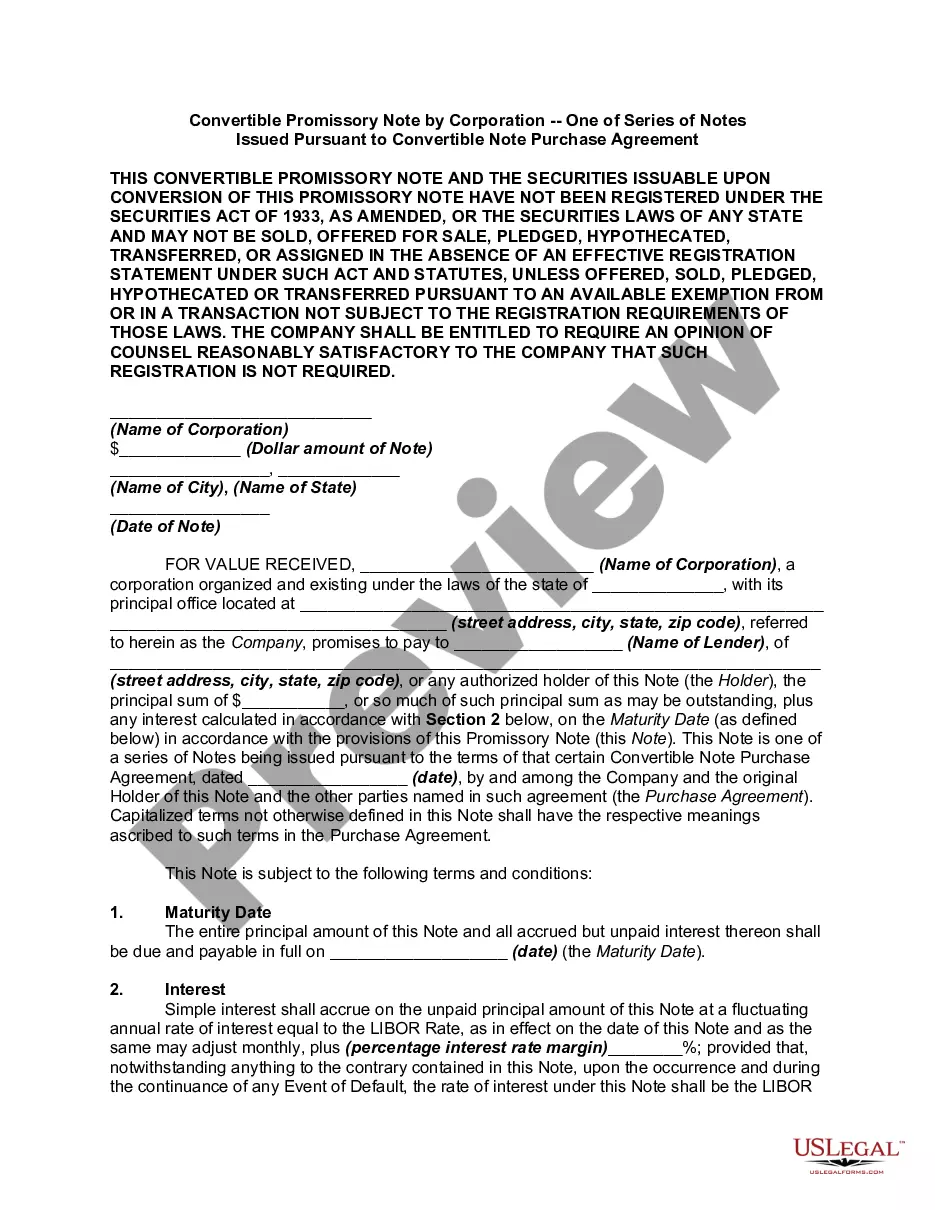
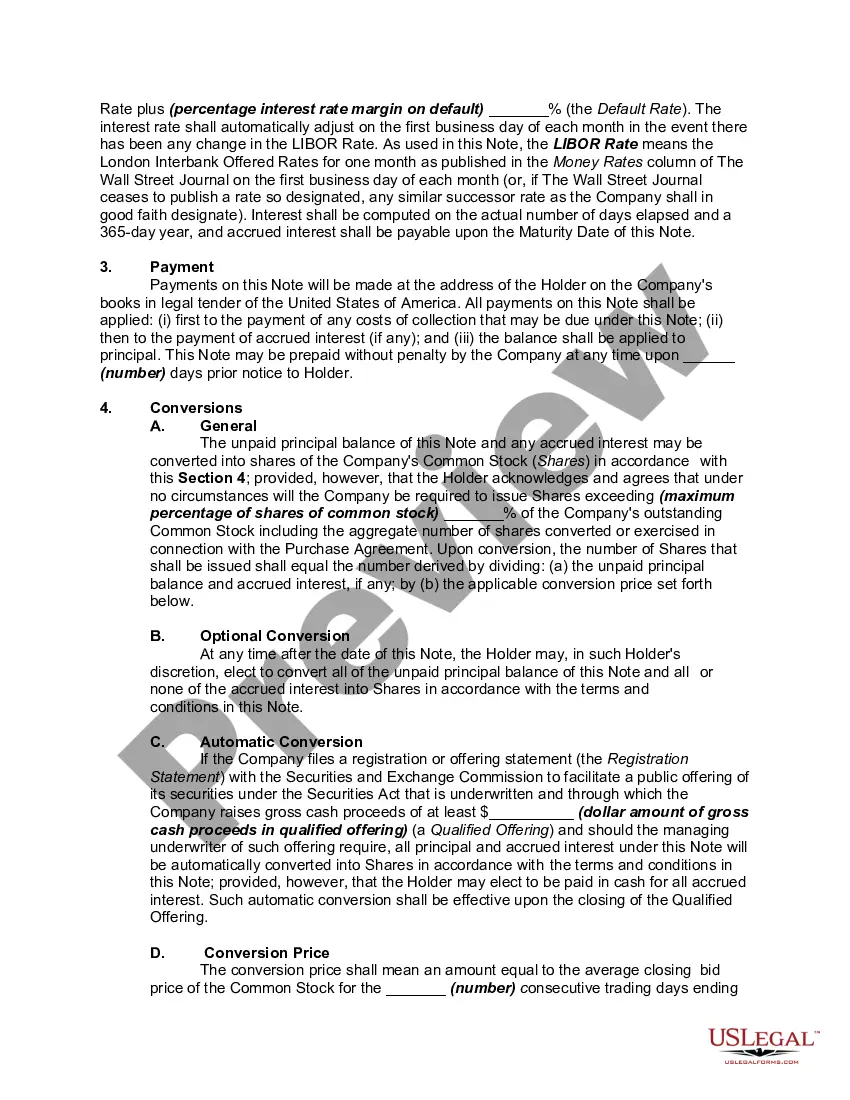
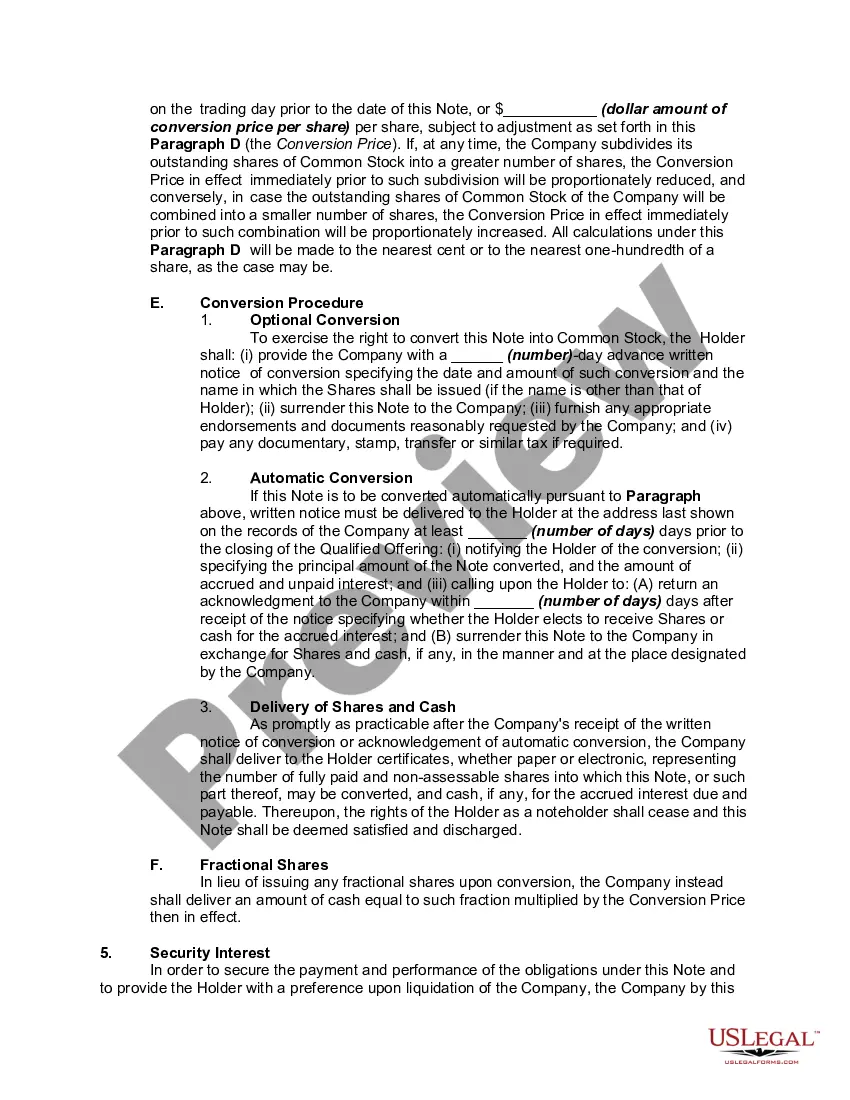
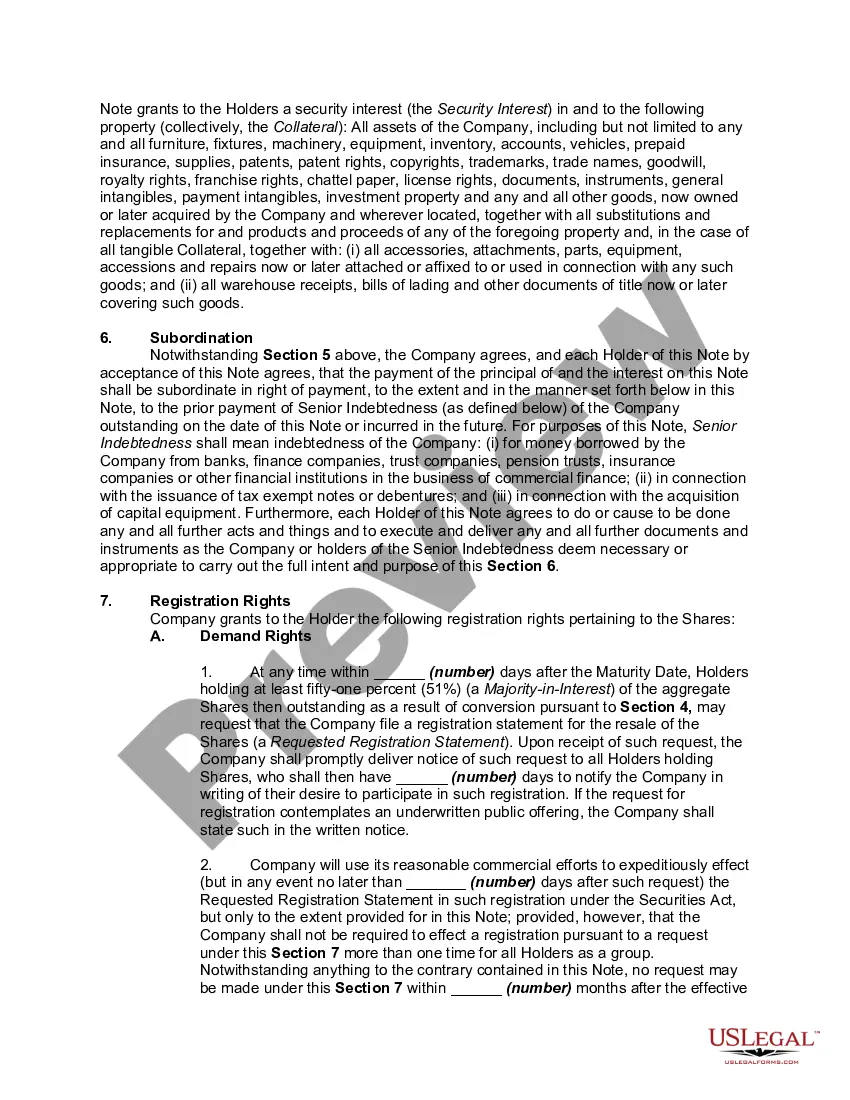
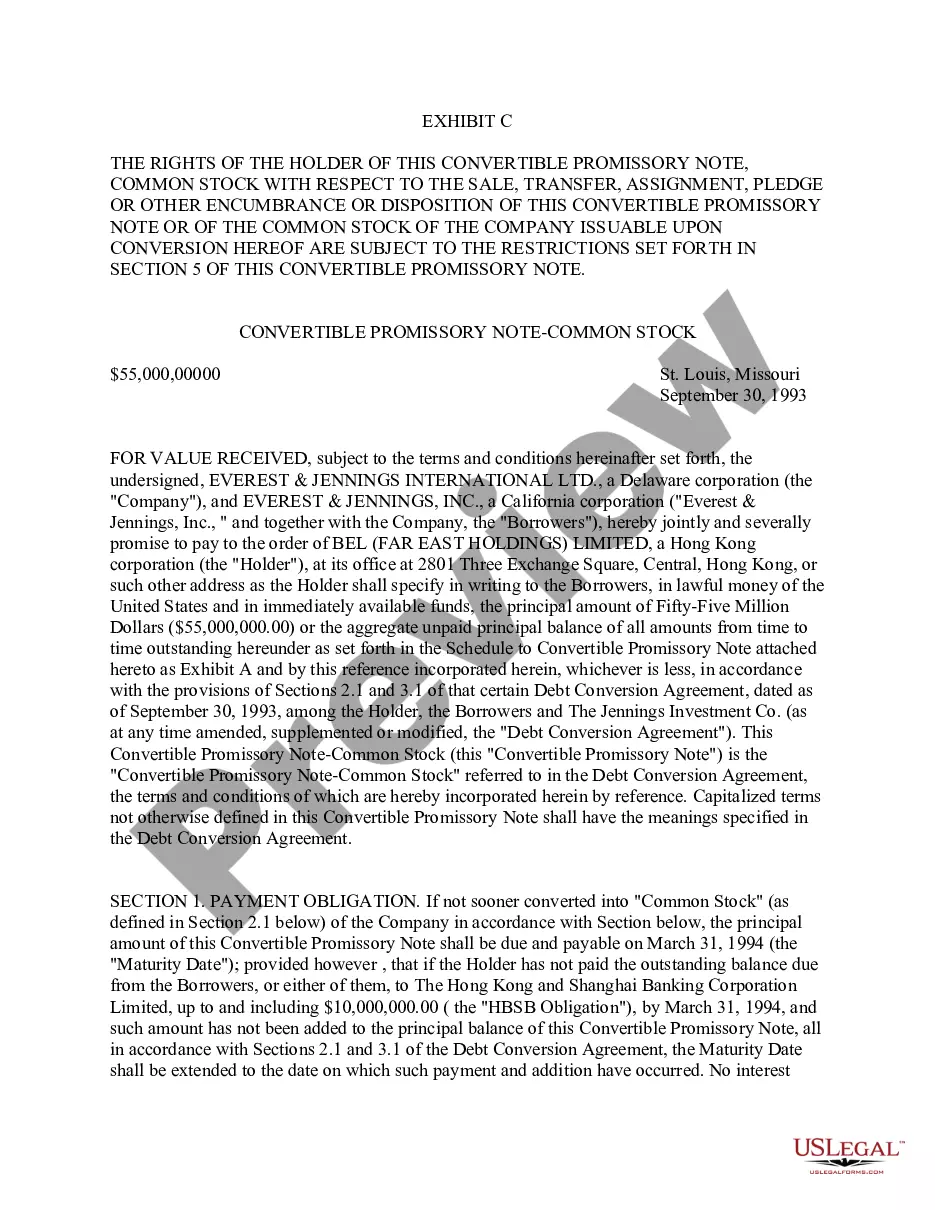
How to fill out Convertible Promissory Note By Corporation - One Of Series Of Notes Issued Pursuant To Convertible Note Purchase Agreement?
The Convertible Note Contract With Cap you see on this page is a versatile legal template crafted by expert attorneys in alignment with federal and state regulations.
For over 25 years, US Legal Forms has offered individuals, businesses, and lawyers access to over 85,000 validated, state-specific documents for any professional and personal situation.
Select the format you desire for your Convertible Note Contract With Cap (PDF, Word, RTF) and store the sample on your device. Fill out and sign the documents manually by printing the template. Alternatively, use an online multi-functional PDF editor to quickly and accurately fill out and sign your form with a legally binding electronic signature. Re-download your documents whenever necessary. Utilize the same document again at any time needed. Access the My documents tab in your profile to redownload any previously obtained documents. Subscribe to US Legal Forms to have verified legal templates for all of life’s situations readily available.
- Search for the document you require and examine it.
- Browse through the sample you searched and preview it or review the form description to confirm it meets your needs. If it doesn't, use the search function to find the correct one. Click Buy Now when you have found the template you require.
- Choose and Log In to your account.
- Select the subscription plan that fits you and create an account. Make a quick payment using PayPal or a credit card. If you already have an account, Log In and verify your subscription to proceed.
- Acquire the editable template.
Form popularity
FAQ
The primary purpose of the cap in a convertible note is to provide security for early investors by limiting their risk of dilution during future funding rounds. The cap ensures that investors receive equity at a favorable valuation, often beneficial in high-growth scenarios. This feature makes a convertible note agreement with cap a strategic financial tool for startups seeking funding while giving investors confidence in their potential return.
Convertible notes generally do not appear on a cap table until they convert into equity. Until conversion, these notes act as debt, holding the potential to become equity under certain conditions. Once they convert, they will be reflected in the cap table, impacting ownership percentages and illustrating the valuation adjustments in the convertible note agreement with cap.
A cap on a convertible note sets a maximum valuation at which the note can convert into equity. Essentially, it protects investors from excessive dilution if the company’s valuation increases significantly before the conversion. This feature makes a convertible note agreement with cap an attractive option for both startups and investors, ensuring a fair exchange during conversion.
The cap on a convertible note refers to the upper limit on the valuation at which the note converts into equity during a future financing round. This cap aims to protect early investors from being overly diluted by later investment rounds. In a convertible note agreement with cap, this feature serves as an incentive for investors to take on risk, knowing they have a maximum limit to their investment conversion. Learning about caps can empower you to negotiate better terms for your funding.
A capped call is a provision within a convertible note that limits the return or conversion amount to a specific cap. This means that while investors can benefit from upside potential, their gains will not exceed this cap. Understanding capped calls is essential for anyone exploring a convertible note agreement with cap, as it affects both the risk and reward profile of the investment. Engaging with platforms like USLegalForms can help you navigate these complexities.
Capped shares have a limit, known as a cap, on the valuation at which they convert into equity. This ensures that investors receive a favorable conversion rate during a future financing round. In contrast, uncapped shares do not have such a limitation, which can lead to higher costs for investors down the line. For those considering a convertible note agreement with cap, understanding this distinction is vital for making informed investment decisions.
Capped notes provide a defined maximum for conversion, offering a layer of stability and predictability for investors. On the other hand, uncapped notes lack this limit, inviting volatility and potential dilution. Understanding the differences between capped and uncapped agreements is crucial when structuring your financing strategy around a convertible note agreement with cap.
An uncapped note allows for conversion without a predetermined valuation limit, making it riskier for investors. A capped note, however, includes a specified cap, providing investors with more peace of mind by ensuring they will receive equity based on an agreed maximum value. When drafting a convertible note agreement with cap, it's essential to consider which option aligns with your business goals and funding strategy.
The main difference lies in the valuation limits imposed. A capped convertible note has a maximum valuation at which it can convert into equity, protecting early investors from excessive dilution. In contrast, an uncapped convertible note does not have this limitation, potentially leading to greater risk for early investors. Understanding these distinctions can guide you in structuring a convertible note agreement with cap.