Writing For Motion With Constant Acceleration
Description
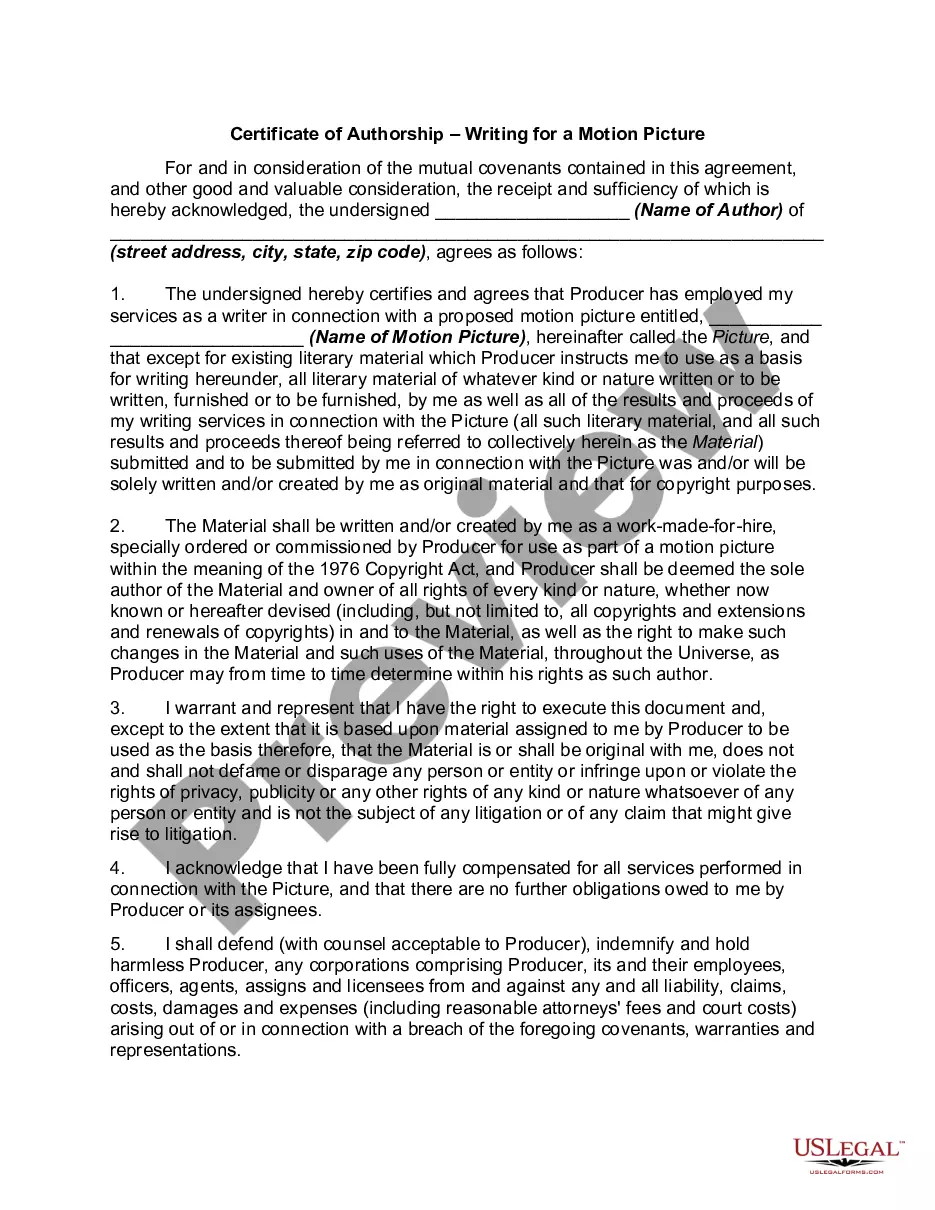
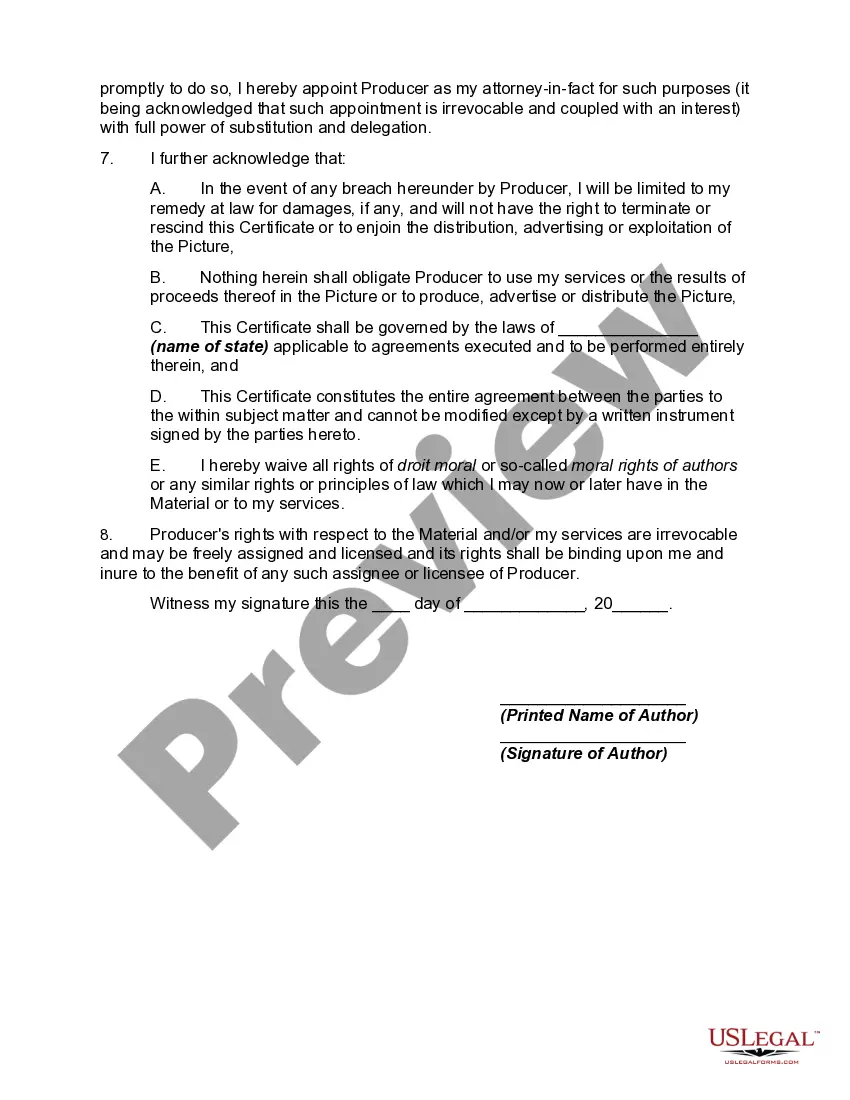
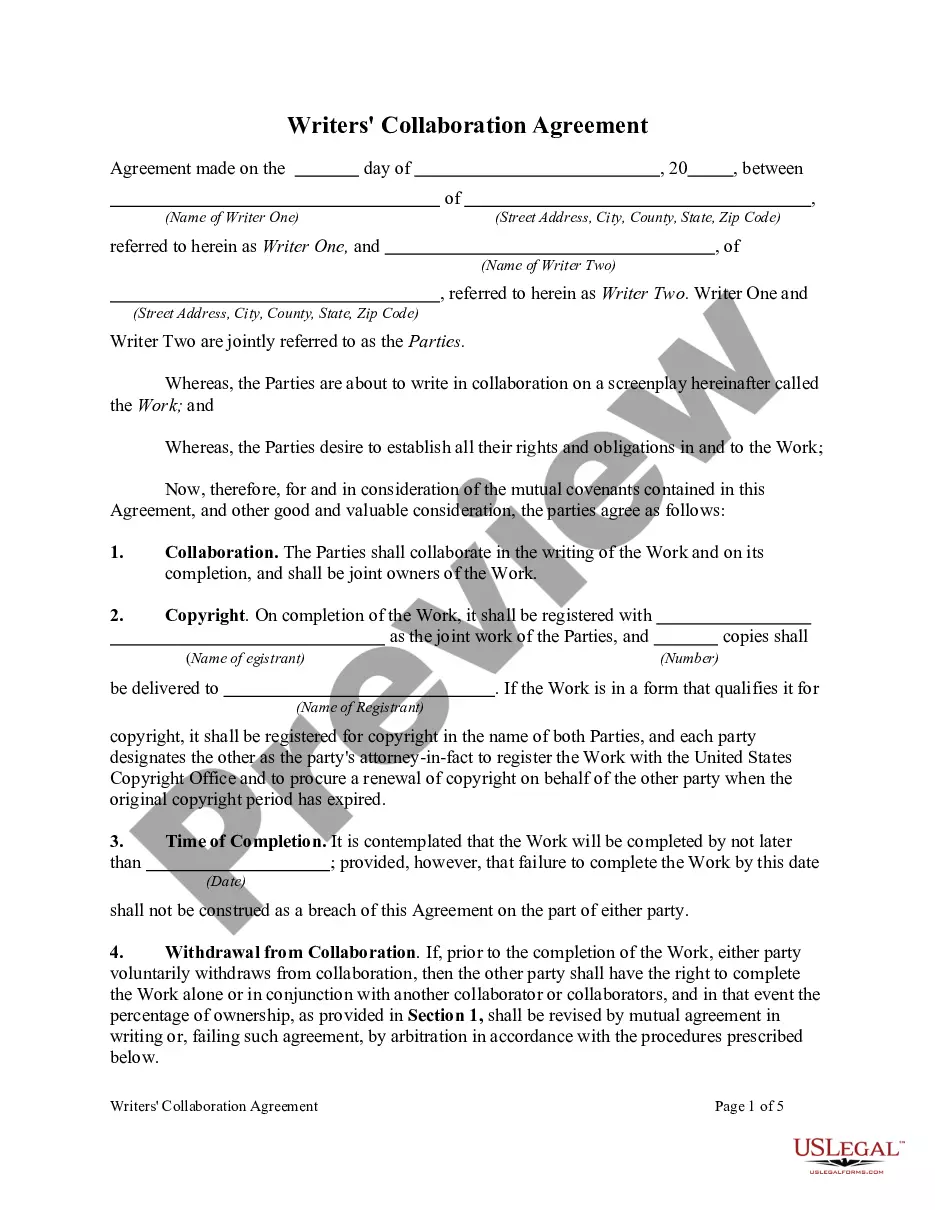
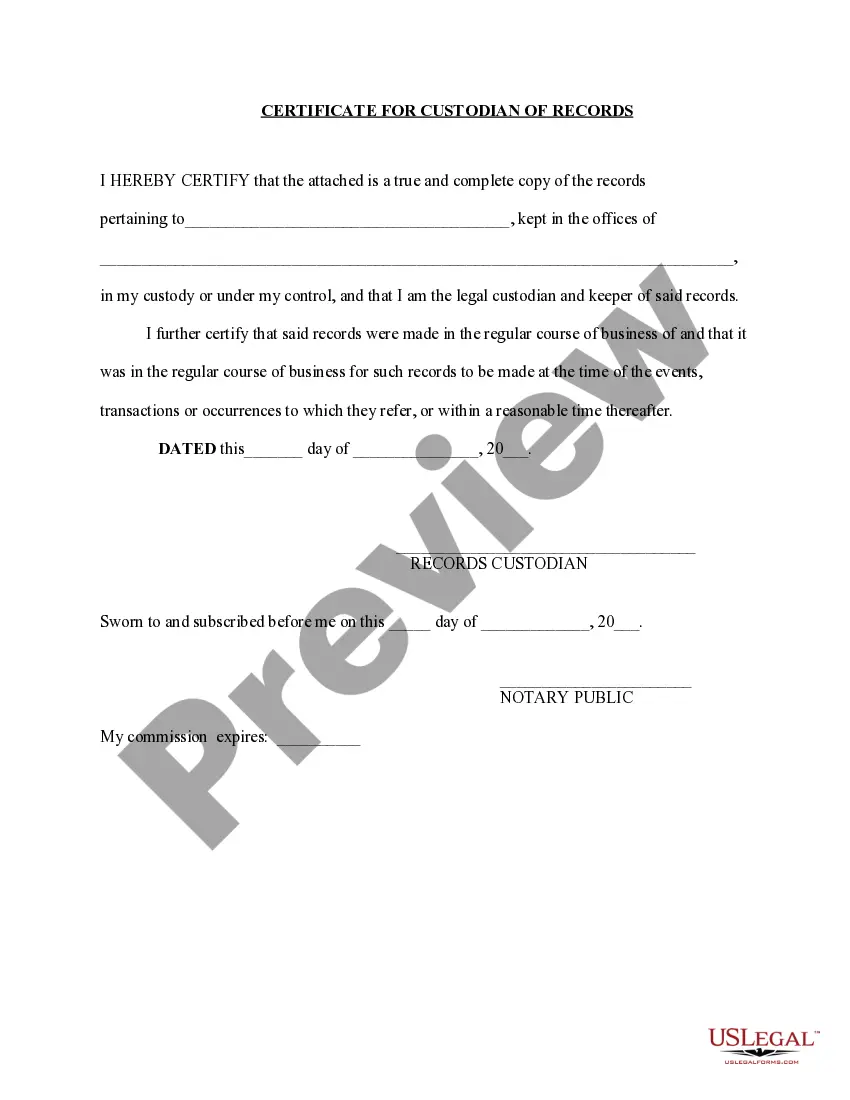
Get your form ready online
Our built-in tools help you complete, sign, share, and store your documents in one place.
Make edits, fill in missing information, and update formatting in US Legal Forms—just like you would in MS Word.
Download a copy, print it, send it by email, or mail it via USPS—whatever works best for your next step.
Sign and collect signatures with our SignNow integration. Send to multiple recipients, set reminders, and more. Go Premium to unlock E-Sign.
If this form requires notarization, complete it online through a secure video call—no need to meet a notary in person or wait for an appointment.
We protect your documents and personal data by following strict security and privacy standards.

Make edits, fill in missing information, and update formatting in US Legal Forms—just like you would in MS Word.

Download a copy, print it, send it by email, or mail it via USPS—whatever works best for your next step.

Sign and collect signatures with our SignNow integration. Send to multiple recipients, set reminders, and more. Go Premium to unlock E-Sign.

If this form requires notarization, complete it online through a secure video call—no need to meet a notary in person or wait for an appointment.

We protect your documents and personal data by following strict security and privacy standards.
Looking for another form?




How to fill out Certificate Of Authorship - Writing For A Motion Picture?
Utilizing legal document examples that adhere to federal and state regulations is essential, and the internet provides numerous options to consider.
However, what is the use of spending time searching for the suitable Writing For Motion With Constant Acceleration example online when the US Legal Forms digital library already has these templates consolidated in one location.
US Legal Forms is the largest online legal repository with over 85,000 editable templates created by lawyers for any business and personal situation.
Review the template using the Preview feature or through the text outline to ensure it suits your requirements.
- They are straightforward to navigate with all documents sorted by state and intended usage.
- Our experts stay updated with legal amendments, so you can always trust that your documents are current and compliant when acquiring a Writing For Motion With Constant Acceleration from our platform.
- Obtaining a Writing For Motion With Constant Acceleration is quick and easy for both existing and new clients.
- If you already hold an account with an active subscription, Log In and retrieve the document example you need in the correct format.
- If you are unfamiliar with our site, follow these steps.
Form popularity
FAQ
Motion with constant acceleration refers to the movement of an object where its velocity changes at a steady rate over time. This type of motion is characterized by consistent increments in speed, allowing for predictable calculations in various scenarios, such as automotive engineering or physics. When writing for motion with constant acceleration, you can expect to incorporate formulas and diagrams that effectively illustrate these changes. For those looking to better understand this concept, the US Legal Forms platform provides resources and templates to help simplify your writing process.
To find motion with constant acceleration, you need to use the basic equations of motion. These equations relate distance, initial velocity, final velocity, acceleration, and time. Start by determining your starting point, how fast you are moving initially, and how quickly your speed changes. Understanding these concepts will help you in writing for motion with constant acceleration effectively.
An example of motion with constant acceleration is a vehicle that increases its speed uniformly. For instance, if a car accelerates from 0 to 60 miles per hour over 6 seconds, it demonstrates this principle. This type of example allows individuals to understand the mechanics involved, making writing for motion with constant acceleration an engaging topic.
Examples of accelerated motion include a car speeding up from a stop, a roller coaster going downhill, a skydiver falling faster due to gravity, a satellite orbiting the Earth, and a sprinter racing down the track. Each of these scenarios showcases different dynamics of speed and direction changing over time. Exploring these situations helps in grasping the principles behind writing for motion with constant acceleration.
Motion at constant acceleration occurs when an object changes its velocity at a consistent rate. This means the object's speed increases or decreases evenly over time. By understanding this concept, individuals can better relate their experiences in driving or athletics. Writing for motion with constant acceleration becomes especially useful in physics and engineering applications.
To find constant acceleration, the formula is a = (v - u) / t, where 'a' is acceleration, 'v' is final velocity, 'u' is initial velocity, and 't' represents the time. This equation breaks down how velocity changes over a certain time period, providing clarity in your inquiries. When writing for motion with constant acceleration, knowing this formula enables you to evaluate how quickly an object's speed increases or decreases.
To effectively document motion at constant acceleration, you can use the equation: v = u + at. Here, 'v' is the final velocity, 'u' is the initial velocity, 'a' is the acceleration, and 't' is the time. This equation allows you to understand how the velocity of an object changes over time when subjected to a constant force, which is vital when writing for scenarios involving constant acceleration.
If you are writing for motion with constant acceleration, you should be familiar with the formula: d = vt + 0.5at². In this formula, 'd' represents the distance traveled, 'v' is the initial velocity, 'a' stands for acceleration, and 't' is the time elapsed. This formula allows you to calculate how far an object will move during a specific time while it experiences consistent acceleration.
Writing for motion with constant acceleration involves understanding how an object moves when its speed changes at a steady rate. This means that the body's velocity increases or decreases uniformly over time. As a result, the distance it travels can change significantly with each passing second. You can visualize this as a vehicle steadily speeding up or slowing down, giving you a clear idea of constant acceleration.