Writing For Motion For Reconsideration
Description
Get your form ready online
Our built-in tools help you complete, sign, share, and store your documents in one place.
Make edits, fill in missing information, and update formatting in US Legal Forms—just like you would in MS Word.
Download a copy, print it, send it by email, or mail it via USPS—whatever works best for your next step.
Sign and collect signatures with our SignNow integration. Send to multiple recipients, set reminders, and more. Go Premium to unlock E-Sign.
If this form requires notarization, complete it online through a secure video call—no need to meet a notary in person or wait for an appointment.
We protect your documents and personal data by following strict security and privacy standards.

Make edits, fill in missing information, and update formatting in US Legal Forms—just like you would in MS Word.

Download a copy, print it, send it by email, or mail it via USPS—whatever works best for your next step.

Sign and collect signatures with our SignNow integration. Send to multiple recipients, set reminders, and more. Go Premium to unlock E-Sign.

If this form requires notarization, complete it online through a secure video call—no need to meet a notary in person or wait for an appointment.

We protect your documents and personal data by following strict security and privacy standards.
Looking for another form?



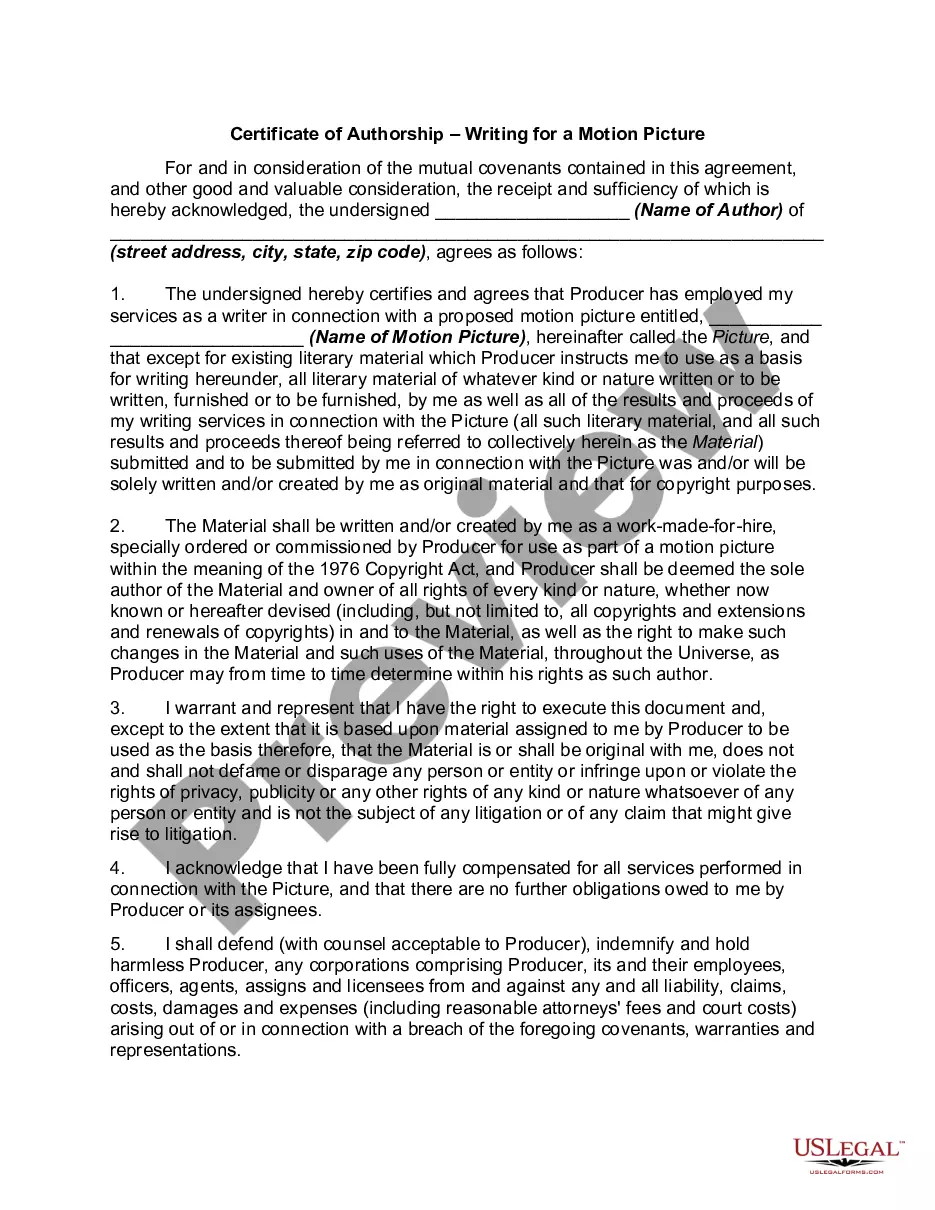
How to fill out Certificate Of Authorship - Writing For A Motion Picture?
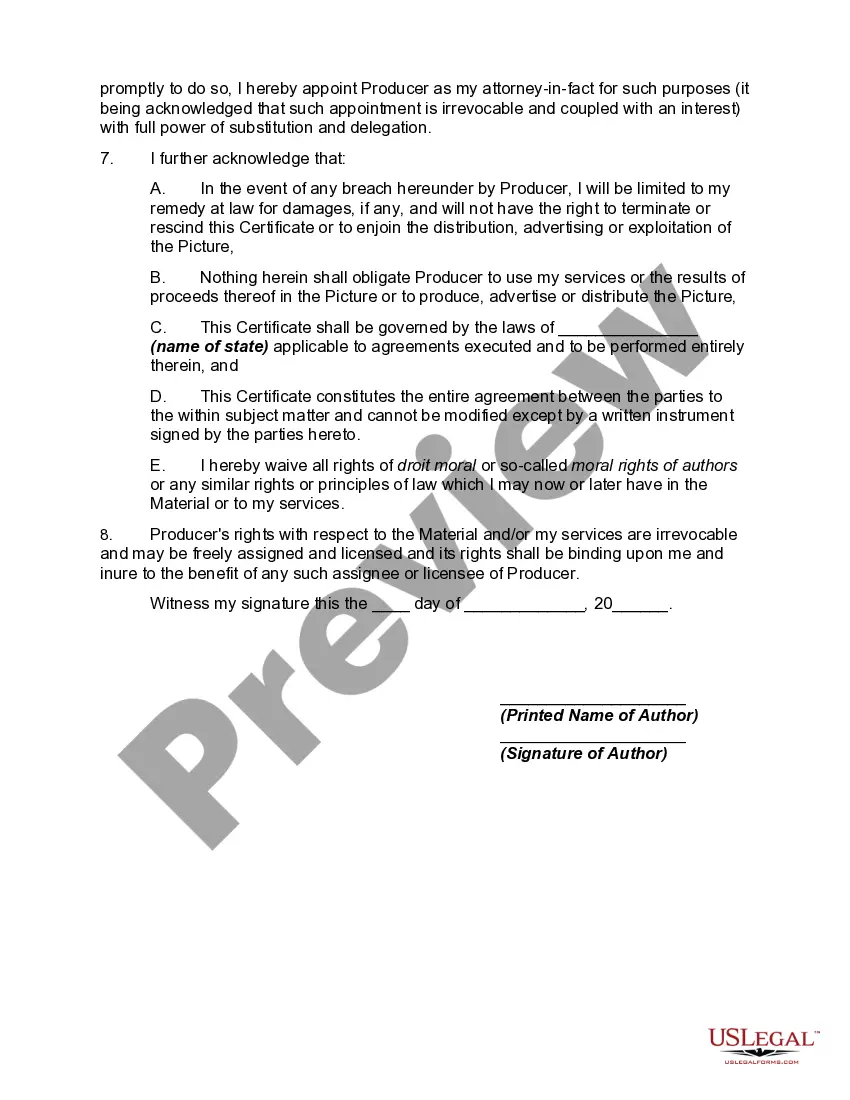
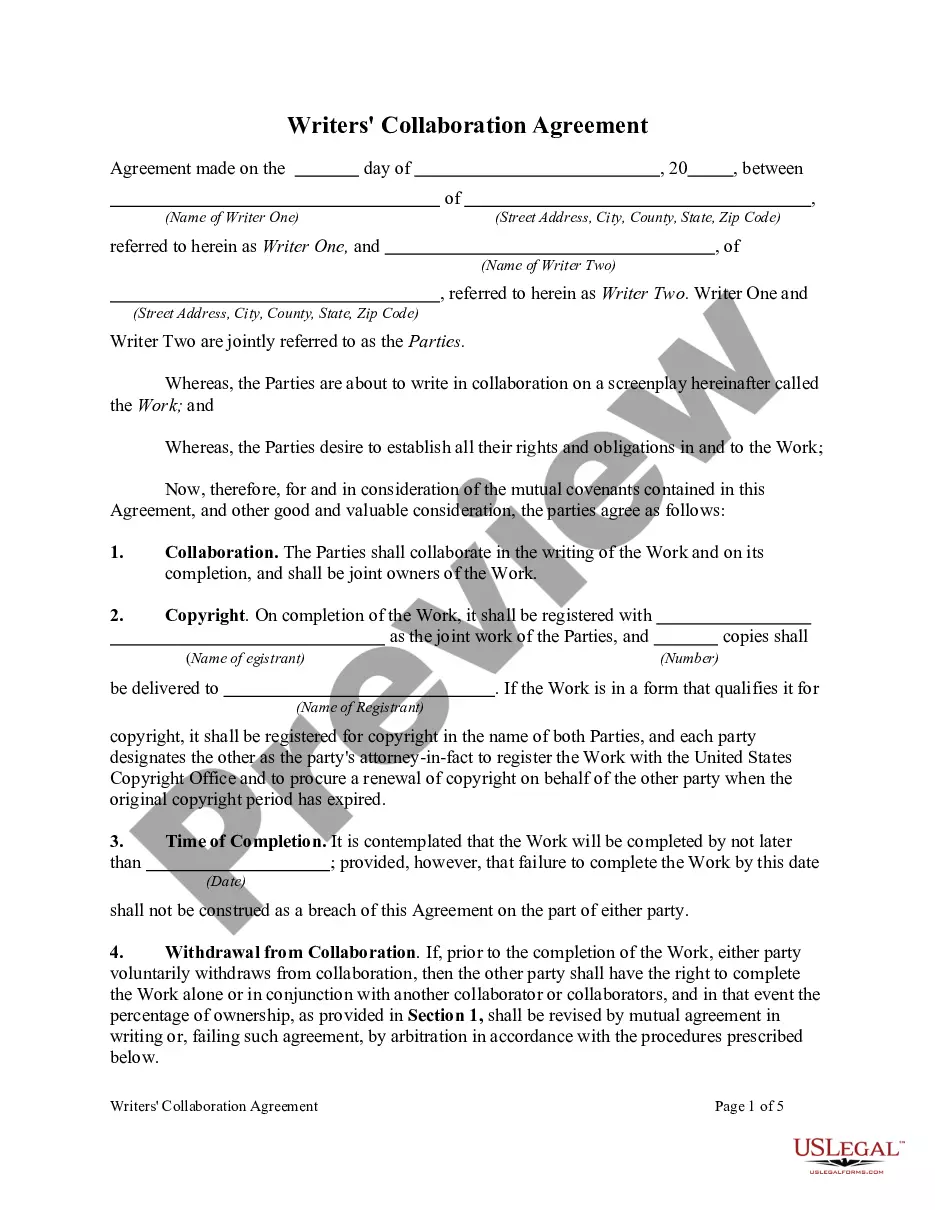
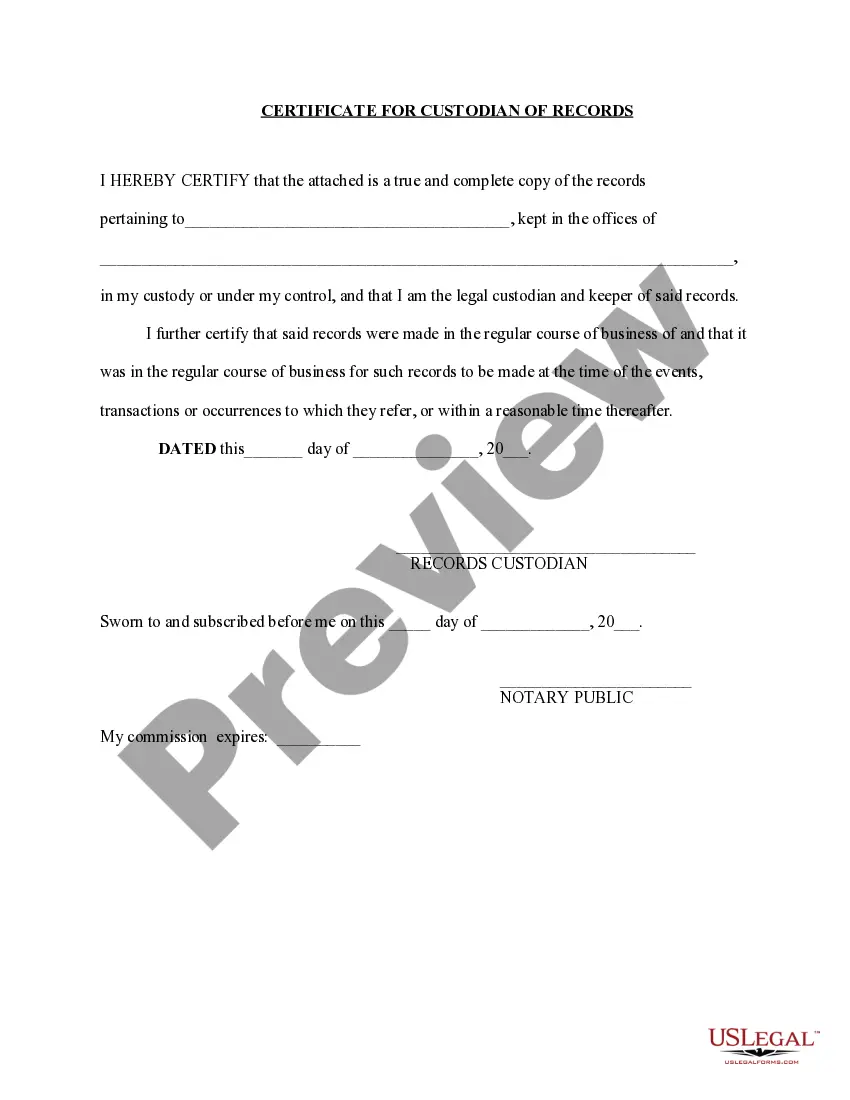
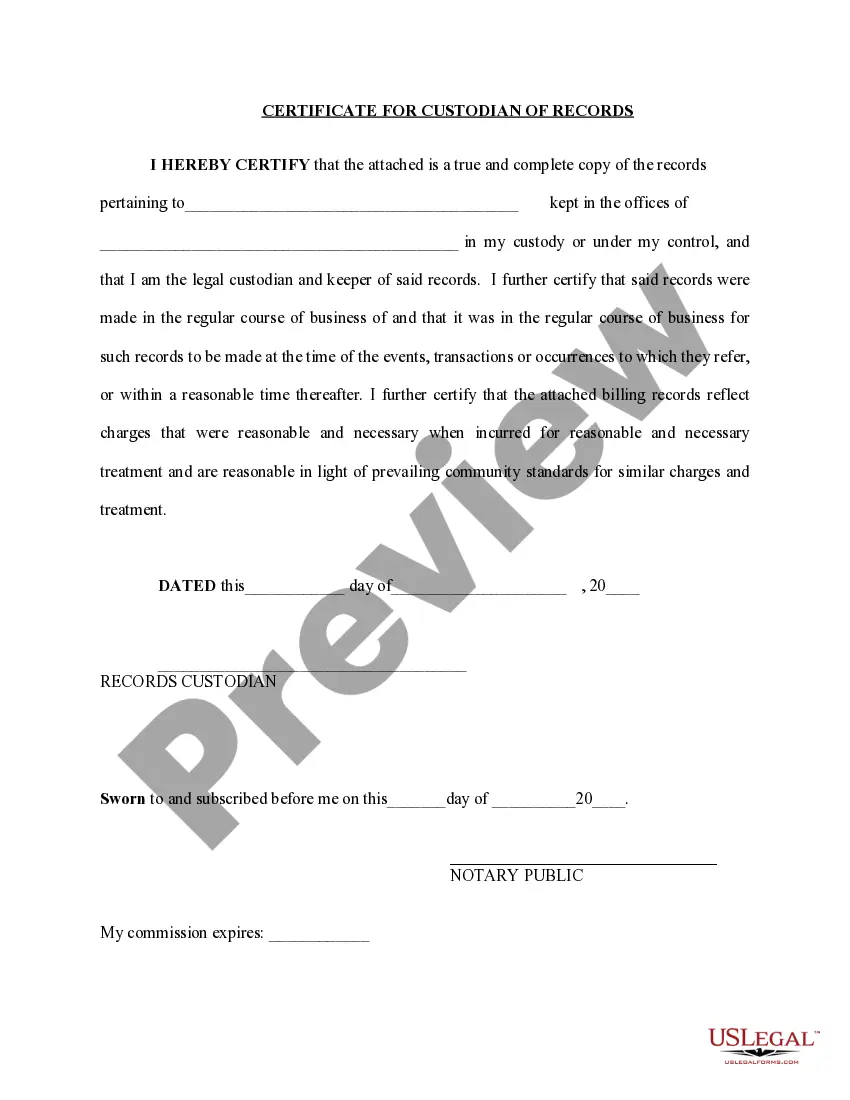
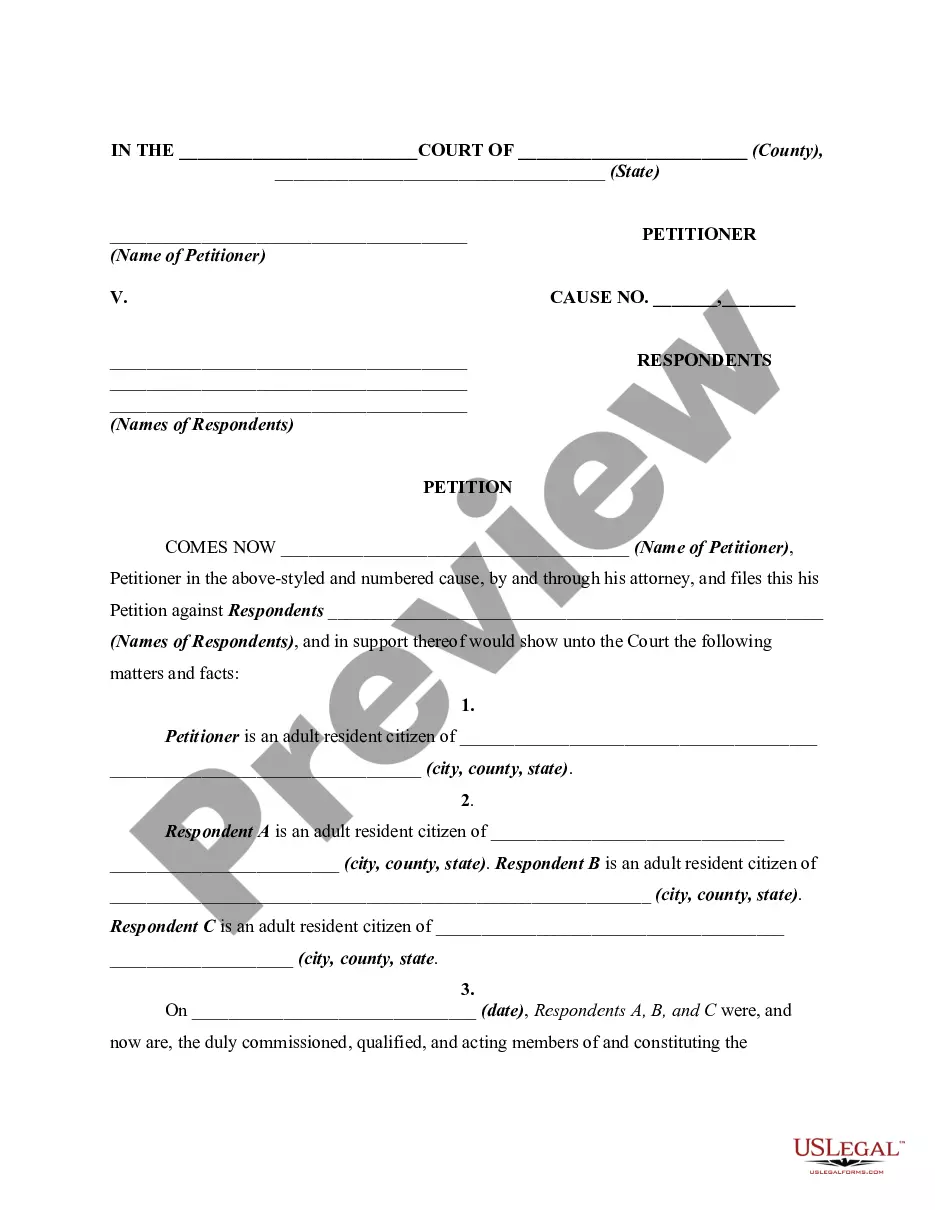
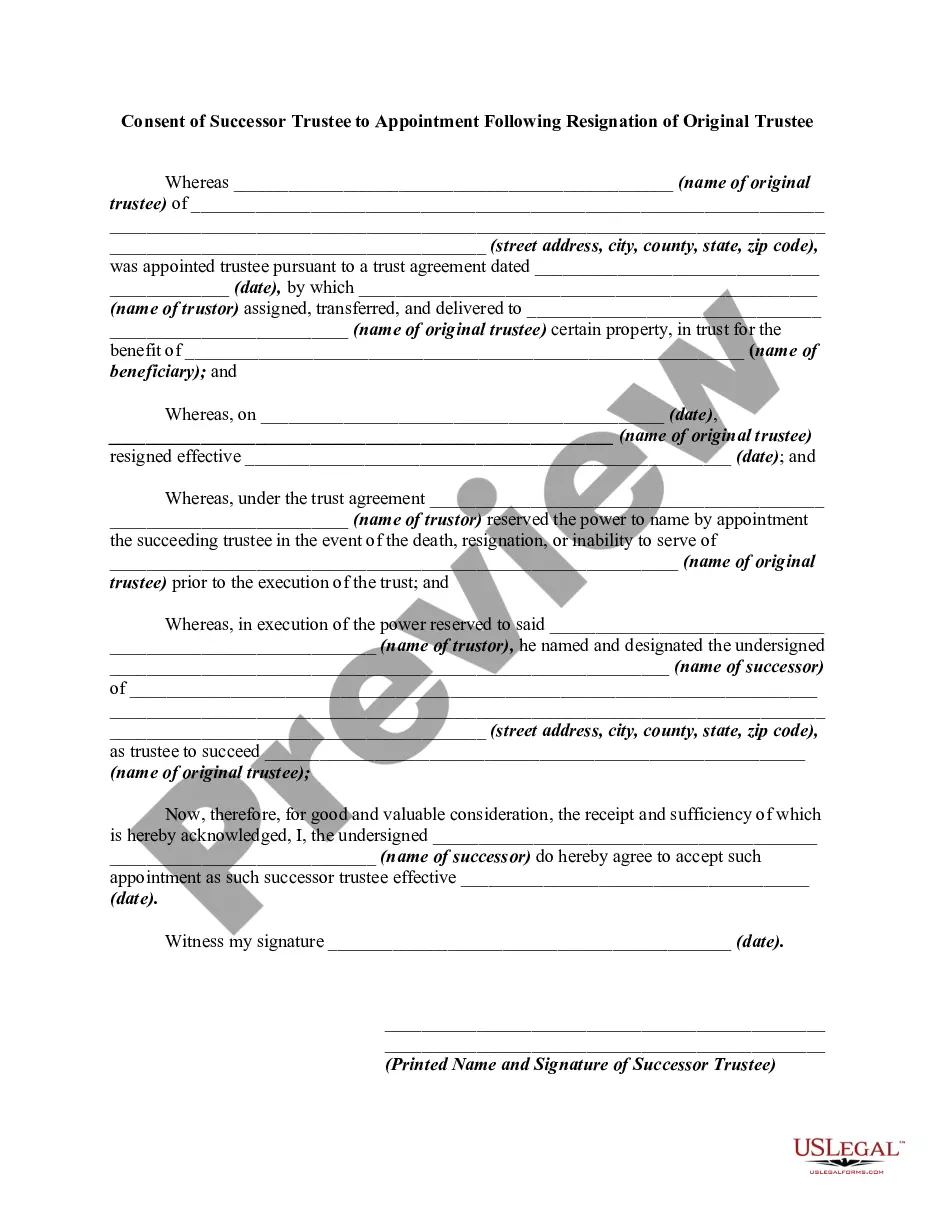
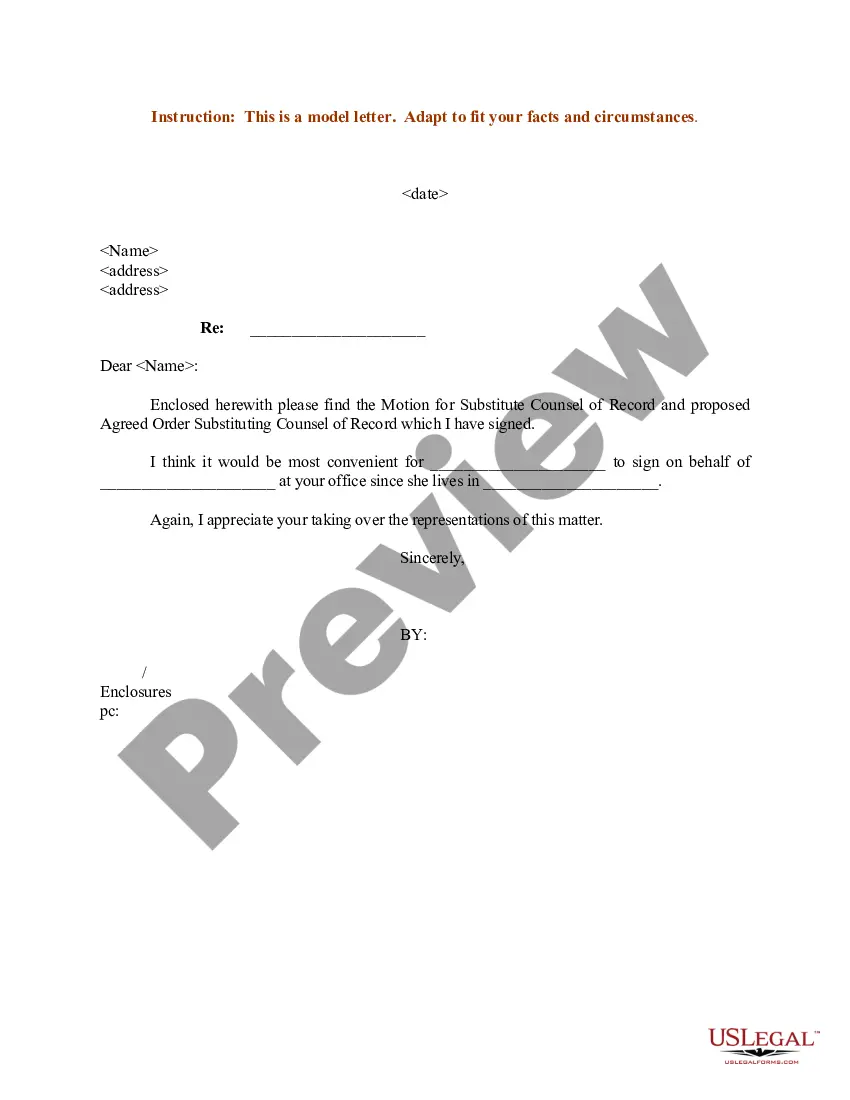
The Document For Motion For Reconsideration displayed on this webpage is a reusable formal template crafted by expert attorneys in compliance with federal and local statutes and guidelines.
For over 25 years, US Legal Forms has supplied individuals, organizations, and lawyers with more than 85,000 validated, state-specific forms for various business and personal needs. It’s the quickest, easiest, and most trustworthy method to acquire the documents you require, as the service ensures bank-level data protection and anti-malware safeguards.
Select the format you desire for your Document For Motion For Reconsideration (PDF, DOCX, RTF) and store the sample on your device.
- Search for the document you require and verify it.
- Review the sample you sought and observe it or read the form description to confirm it meets your needs. If it doesn't, utilize the search feature to find the correct one. Press Buy Now once you have identified the template you want.
- Register and Log In.
- Choose the payment plan that fits your needs and set up an account. Use PayPal or a credit card for a swift transaction. If you already possess an account, Log In and verify your subscription to proceed.
- Acquire the editable template.
Form popularity
FAQ
When you are writing for motion for reconsideration, it is vital to understand the specific grounds that can support your request. Common grounds include new evidence that was not available at the time of the original decision, a change in the law that affects the case, or errors in the court's application of the law. Each of these grounds provides a compelling reason for the court to review its previous ruling. Utilizing US Legal Forms can assist you in crafting a well-structured motion that clearly outlines your grounds for reconsideration.
When writing a motion for reconsideration letter, start with your name and contact information clearly outlined. State the purpose of your letter early on, followed by a well-organized body that presents your arguments. Make use of transitional phrases to enhance the flow of your writing for motion for reconsideration, ensuring the reader can easily follow your reasoning. Always conclude with a respectful request for the consideration of your motion and additional contact information.
To write a motion for reconsideration, begin with a formal introduction that states your request clearly. Follow with a detailed explanation of why the reconsideration is warranted, referencing specific facts and legal precedents where applicable. Be sure to layout your arguments logically and concisely. Utilizing tools on platforms like US Legal Forms can simplify this process and ensure your motion is well-structured.
Good reasons to request reconsideration include the discovery of new evidence that could significantly affect the outcome of your case. Additionally, you might point out errors in the original decision or demonstrate that the judge misapplied the law. Consider also whether there were procedural mistakes that should be addressed. Valid reasons will bolster your case when writing for motion for reconsideration.
Writing an effective reconsideration letter involves clarity and persuasion in your writing for motion for reconsideration. Start with a clear statement of purpose, then outline the reasons for your request. Make sure to reference any relevant evidence and detail how it impacts the previous ruling. Keep the tone professional and make your arguments as clear as possible to enhance your chances of success.
Winning a motion for reconsideration requires a clear understanding of the initial ruling and effective writing for motion for reconsideration. You need to present new evidence or point out overlooked facts that support your case. It is vital to avoid repeating previous arguments and focus instead on compelling reasons why the court should change its decision. Use concise language and logical reasoning to strengthen your position.
The success rate of motions to reconsider varies widely depending on the jurisdiction and the circumstances surrounding each case. Generally, successful motions often rely on strong legal arguments and the presence of new information or evidence. Therefore, when you focus on writing for motion for reconsideration, ensure that your submission is well-researched and thoroughly articulated to enhance your odds of success.
An example of reconsideration could be a judge reevaluating a previous decision based on newly presented evidence that was not available during the original hearing. This scenario highlights the importance of effective communication in writing for motion for reconsideration, as it allows the parties involved to present new facts that could change the outcome of a case. Utilizing platforms like uslegalforms can provide you with the essential tools and templates to structure such requests effectively.
To write a motion for reconsideration, start with a clear title, followed by a concise introduction stating the purpose of your motion. Present your arguments logically, including references to any legal statutes or case law that bolster your request. Lastly, be sure to conclude with a specific request for the relief you seek, making your motion clear and compelling as you engage in writing for motion for reconsideration.
Common grounds for reconsideration include new evidence, errors in the application of the law, or misinterpretations of facts. Each of these elements can provide the necessary foundation for a successful motion. Understanding these grounds is crucial when you are focused on writing for motion for reconsideration, as they help strengthen your case and increase your chances of success.