Assignment Sublease
Description
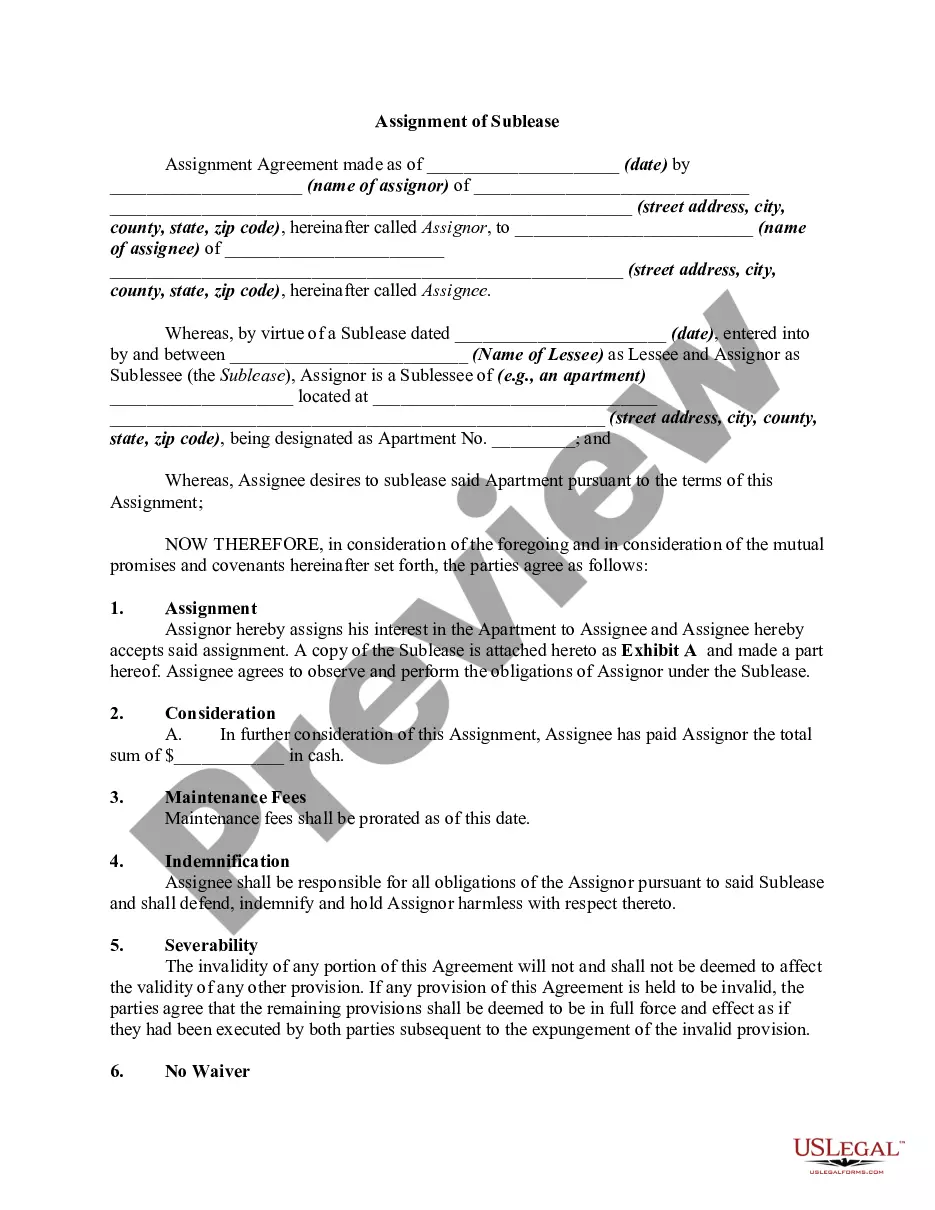
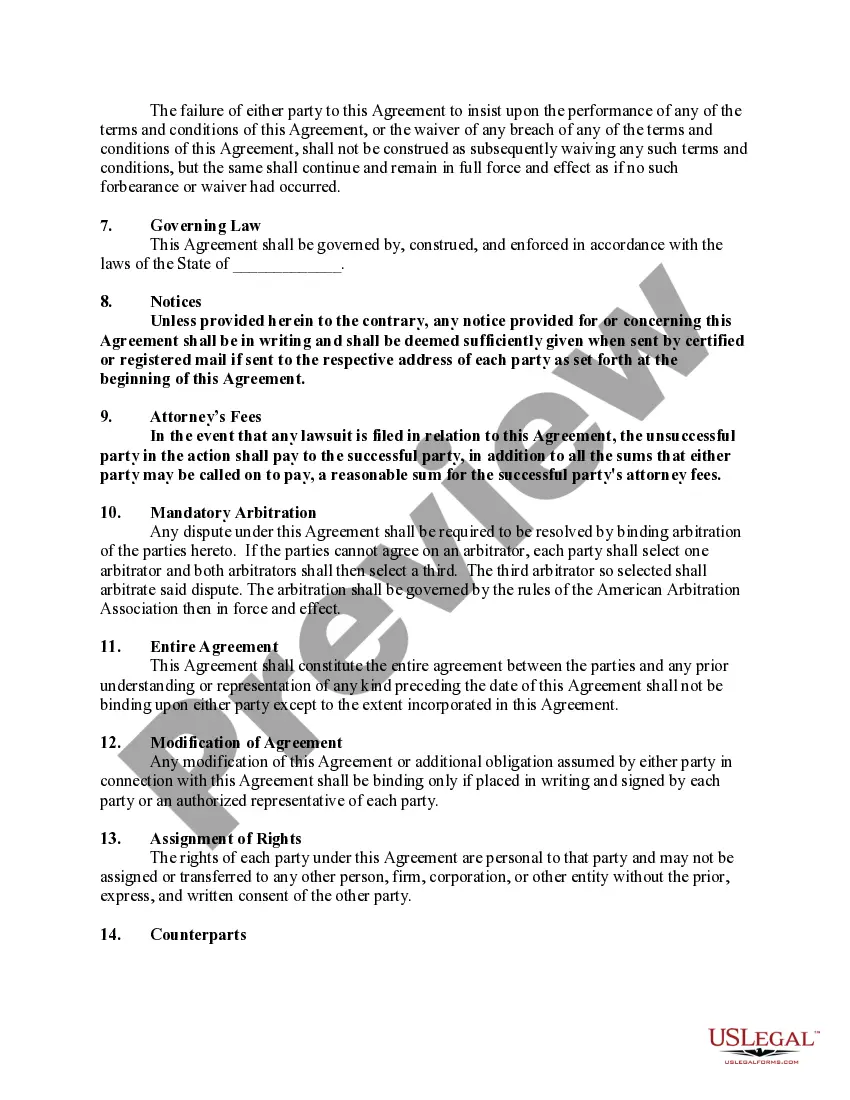
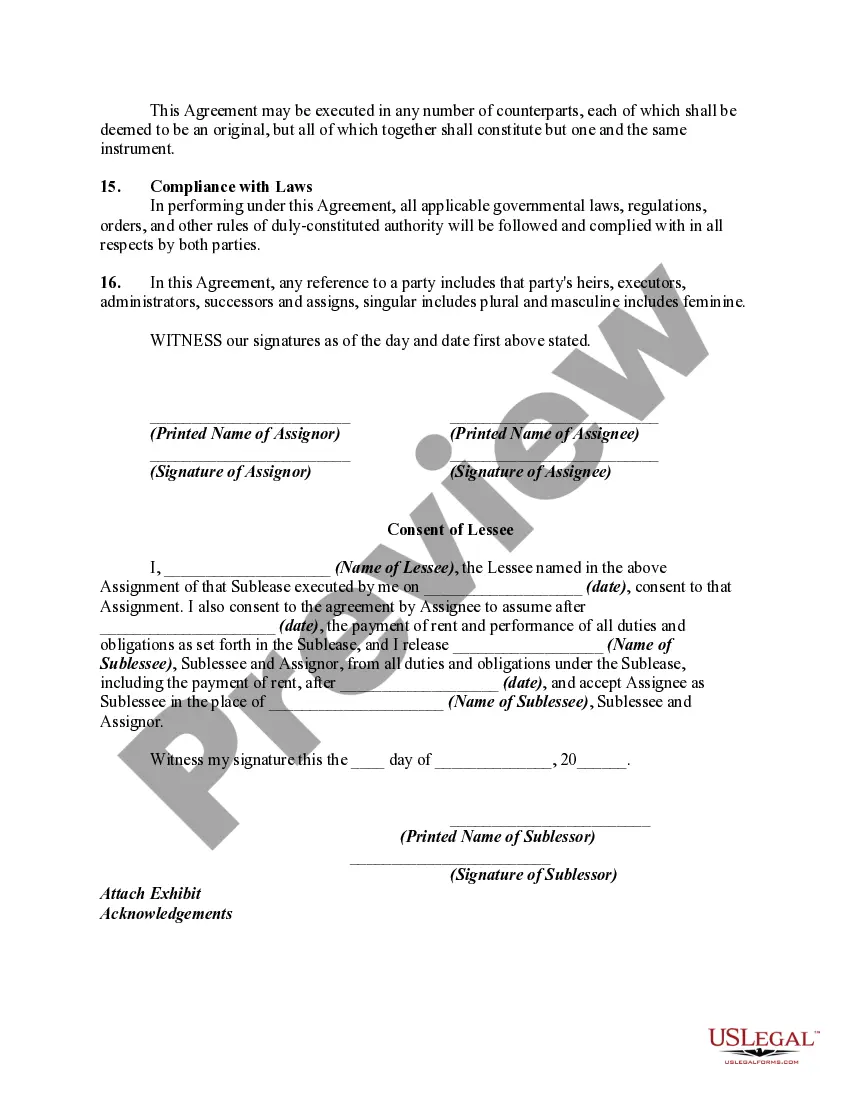
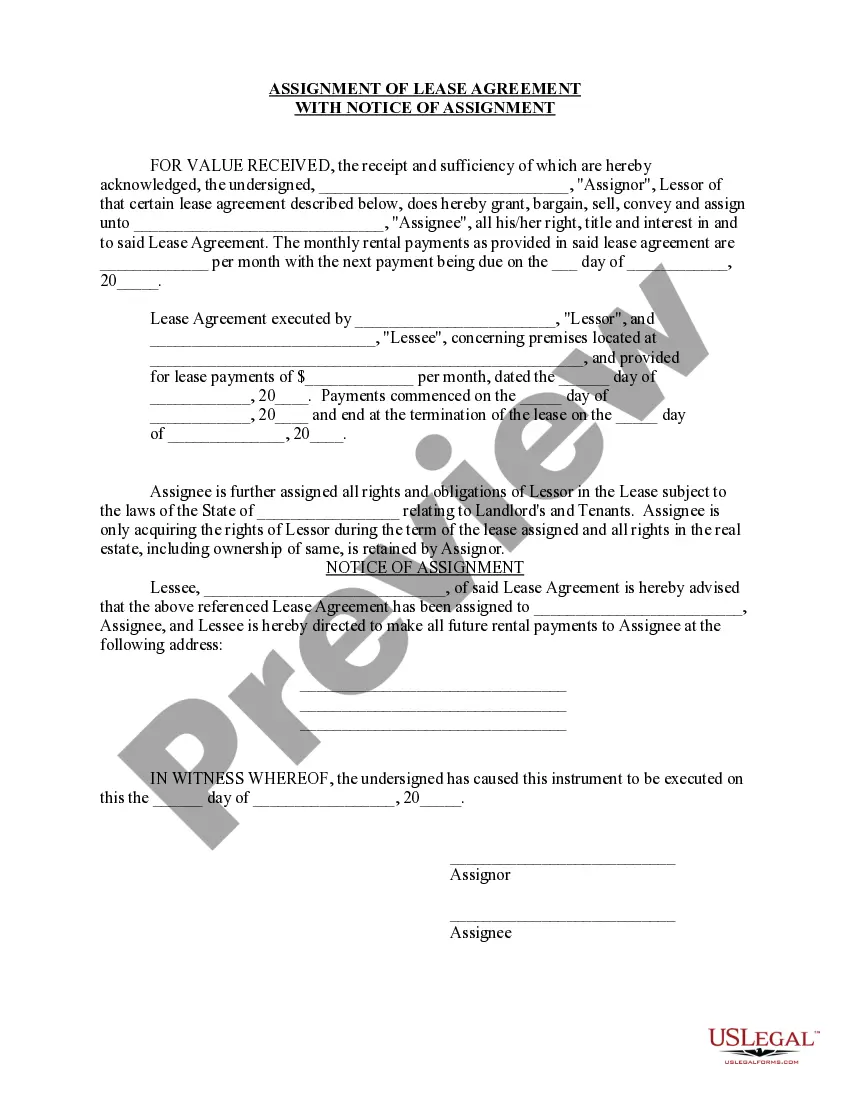
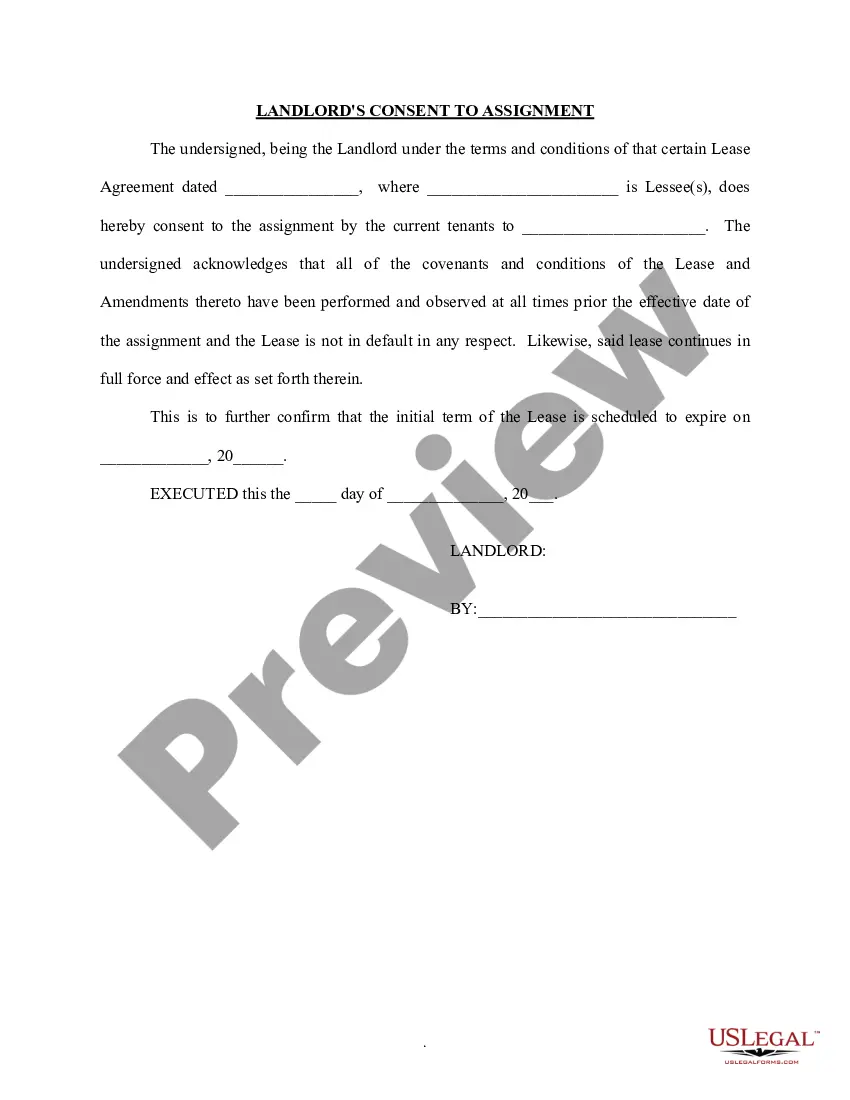
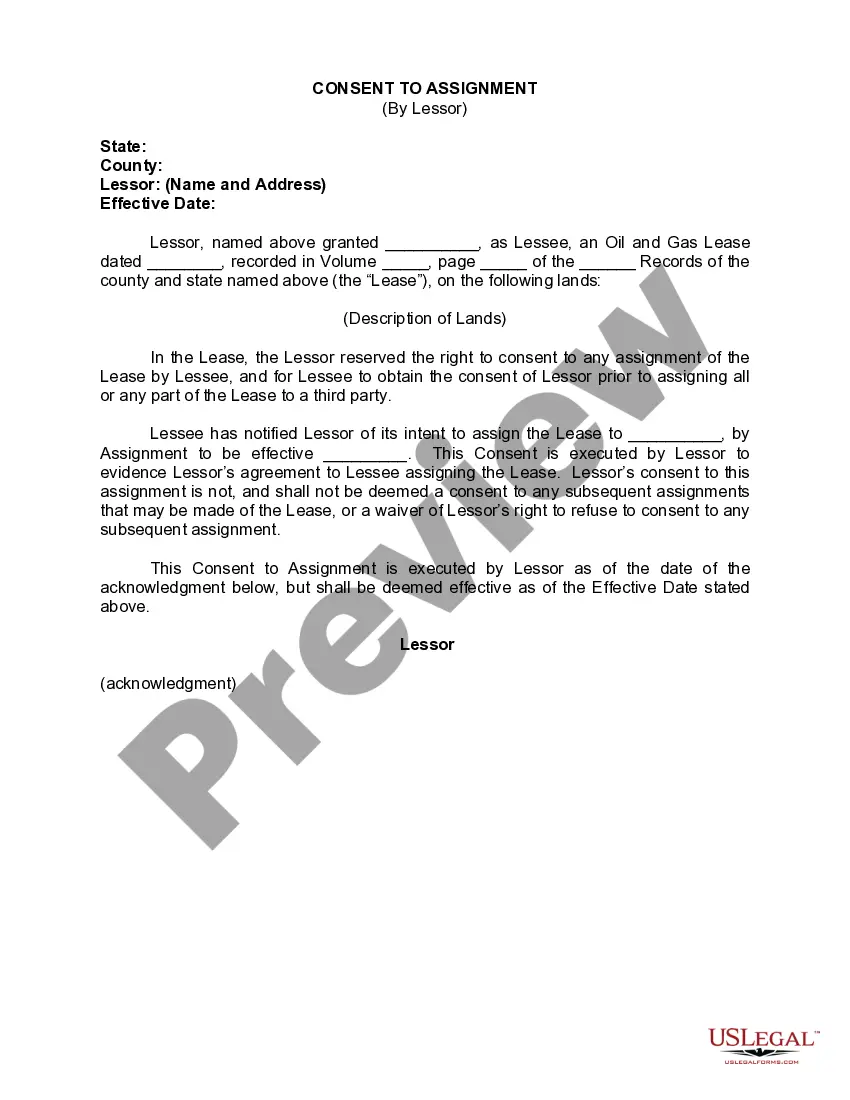
How to fill out Assignment Of Sublease?
- Log into your US Legal Forms account. If you're a returning user, simply access your profile and verify your subscription status.
- Explore the available forms. Use the Preview mode to find an assignment sublease template that matches your requirements and complies with local jurisdiction regulations.
- Search if needed. If the current template does not align with your needs, use the Search function to find the appropriate form.
- Choose your plan. Click on 'Buy Now' and select a subscription plan that works for you. You will need to create an account to access the forms.
- Complete the purchase. Enter your payment details or opt for PayPal to finalize your transaction.
- Download your form. After your purchase, save the template to your device. You can always access it later under the 'My Forms' section of your account.
By following these steps, you can easily manage your assignment sublease with confidence. US Legal Forms not only provides a vast form collection but also allows access to legal experts for guidance, ensuring your documents are accurate and effective.
Start simplifying your legal processes today. Visit US Legal Forms and explore the extensive library available to you!
Form popularity
FAQ
Subletting can lead to various downfalls, including potential conflicts with landlords and miscommunication with subtenants. The risks associated with an assignment sublease, such as financial responsibility and maintenance issues, can add stress. Understanding these pitfalls can help tenants make informed decisions and avoid complications.
To assign sublet means to transfer the rights and responsibilities of a lease to another person for a specified period. This arrangement allows a tenant to effectively pass on their rental obligations while maintaining a connection to the original lease. It is crucial to follow legal guidelines to ensure a smooth assignment sublease process.
Subleasing can present challenges, especially if the initial tenant does not properly vet the subtenant. An assignment sublease can lead to liability issues if the subtenant fails to comply with the lease terms. Moreover, misunderstandings between the original tenant, subtenant, and landlord can create tension and complications.
Landlords often dislike subletting due to concerns over tenant reliability, property damage, and lease violations. An assignment sublease can introduce strangers into their property, which may add complexities. Additionally, landlords may feel they lose control over their rental space and its management.
Yes, a landlord can decline an assignment sublease. Generally, leases include terms that dictate whether a tenant can sublet the property. If the lease requires landlord approval for subleasing and the landlord has valid reasons, they can refuse the request.
No, assigning and subletting are not the same. Assigning a lease means the tenant relinquishes all rights to the lease, passing them to the assignee. However, when subletting, the original tenant retains their lease and its obligations while allowing another individual to occupy the property. For clarity on these terms, consider using legal resources like uslegalforms to better understand your options.
A tenant is the individual who signs the lease agreement and holds the primary responsibility for rent payments. An assignee is the person who takes over that lease either in part (sublease) or in full (assignment). Therefore, while both terms relate to rental agreements, their roles and responsibilities differ significantly in the assignment sublease context.
The main difference lies in the transfer of rights and responsibilities. An assignment transfers your entire lease to another tenant, meaning you have no remaining obligations. A sublease allows you to rent your space while still being bound by your lease terms. If you’re uncertain about which option to choose, consult legal resources like uslegalforms for guidance.
A sublease allows the original tenant to rent out their space to someone else, keeping their obligations under the original lease. An assignment, however, means the original tenant transfers all lease rights to a new tenant. While a quizlet may clarify terminology, understanding the practical implications of assignment sublease is essential for successful property management.
Subletting involves renting your apartment or portion of it to another tenant while retaining your lease. In contrast, assigning the lease means you hand over your entire lease agreement and responsibilities to another person. With an assignment sublease, you typically relinquish all rights, whereas subletting allows you to maintain some connection to the lease.