Break Lease Without Paying
Description
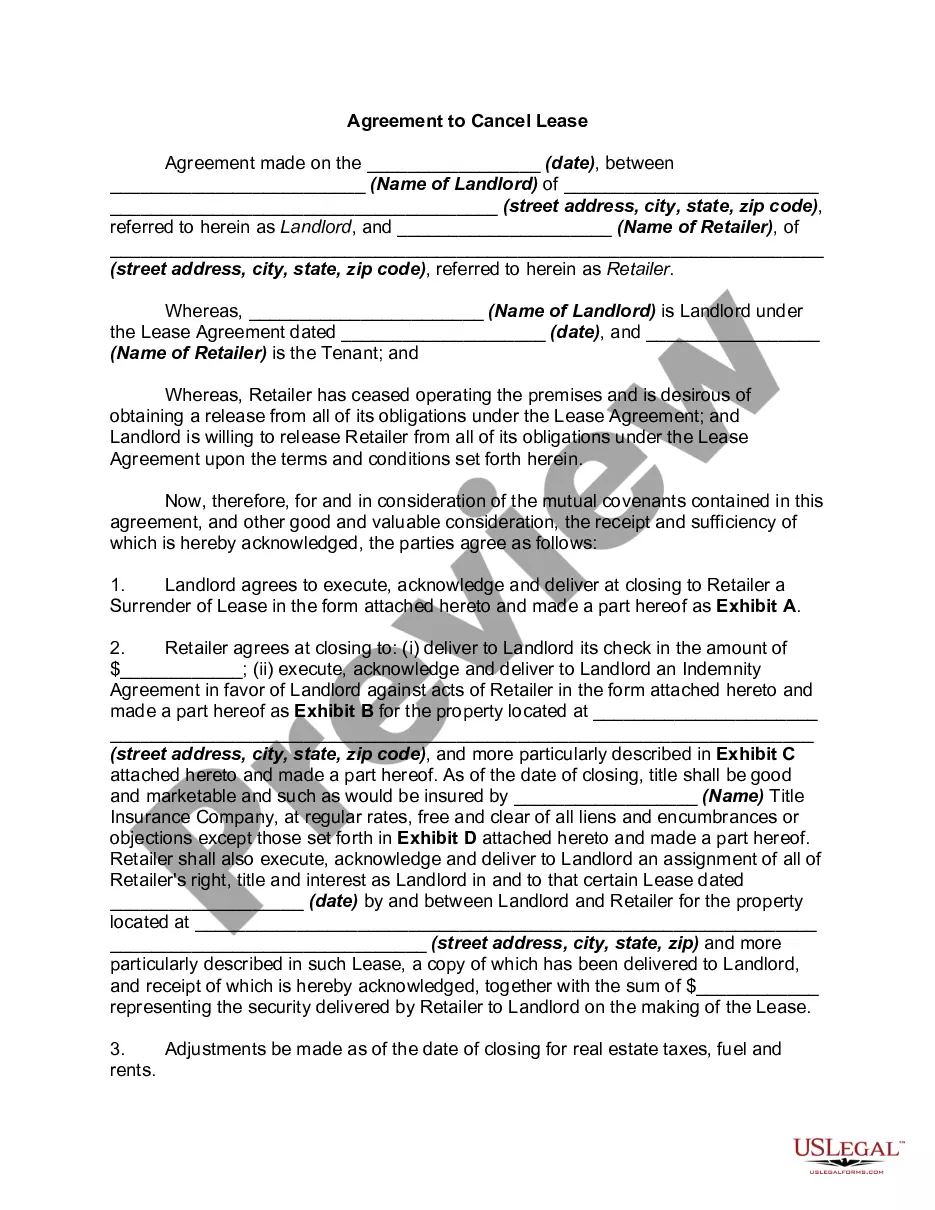
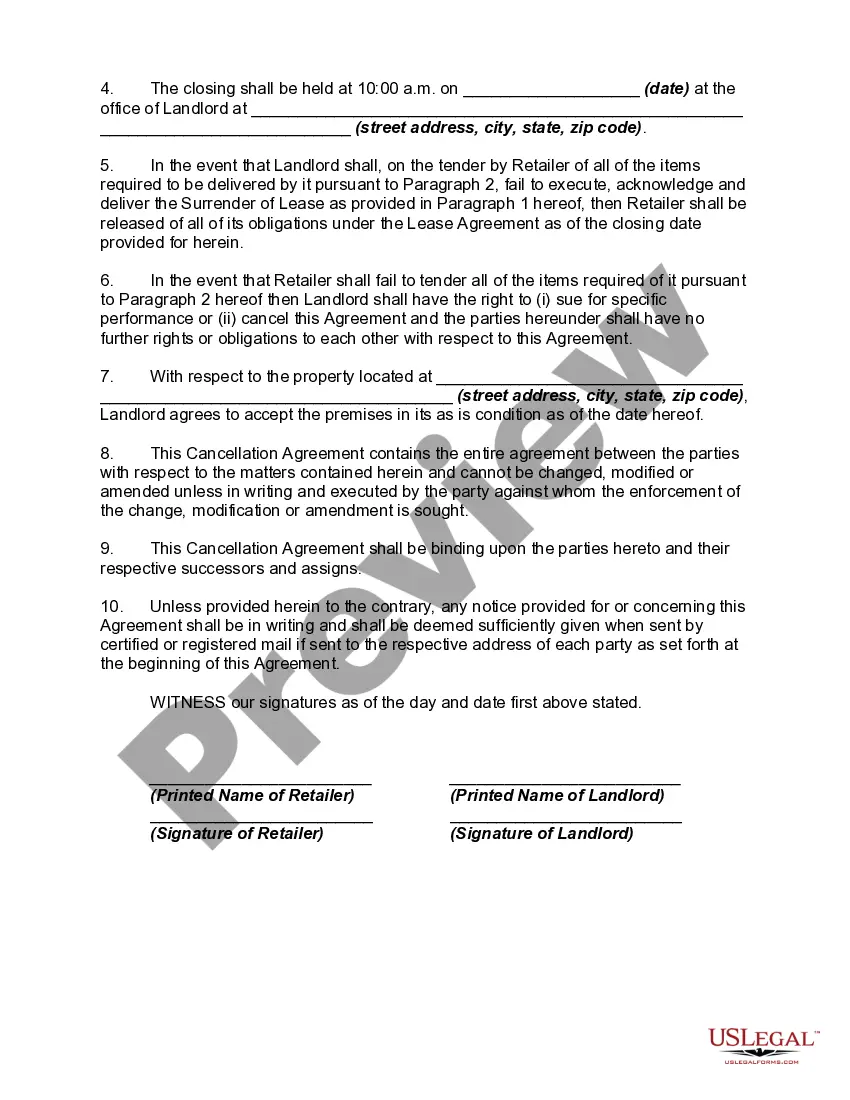



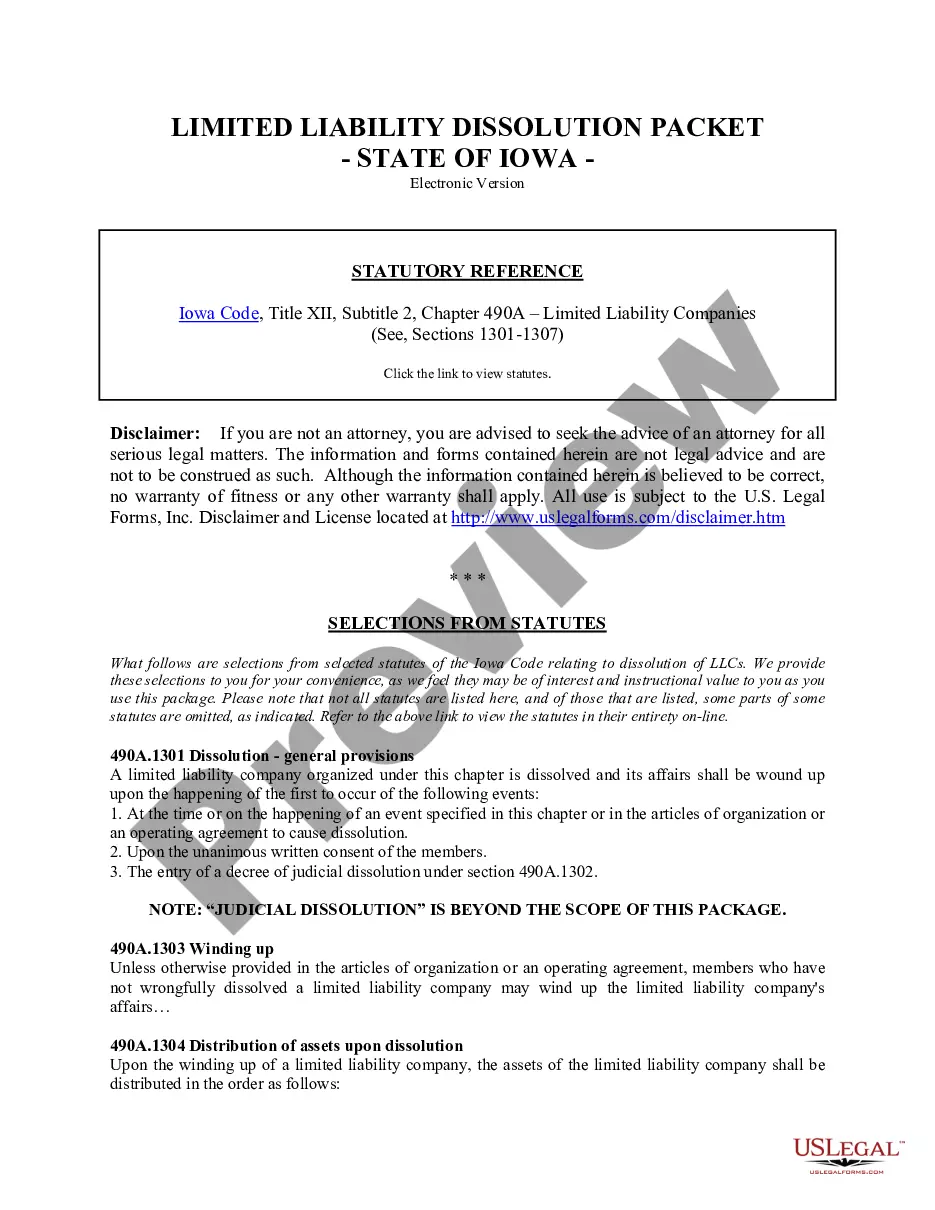

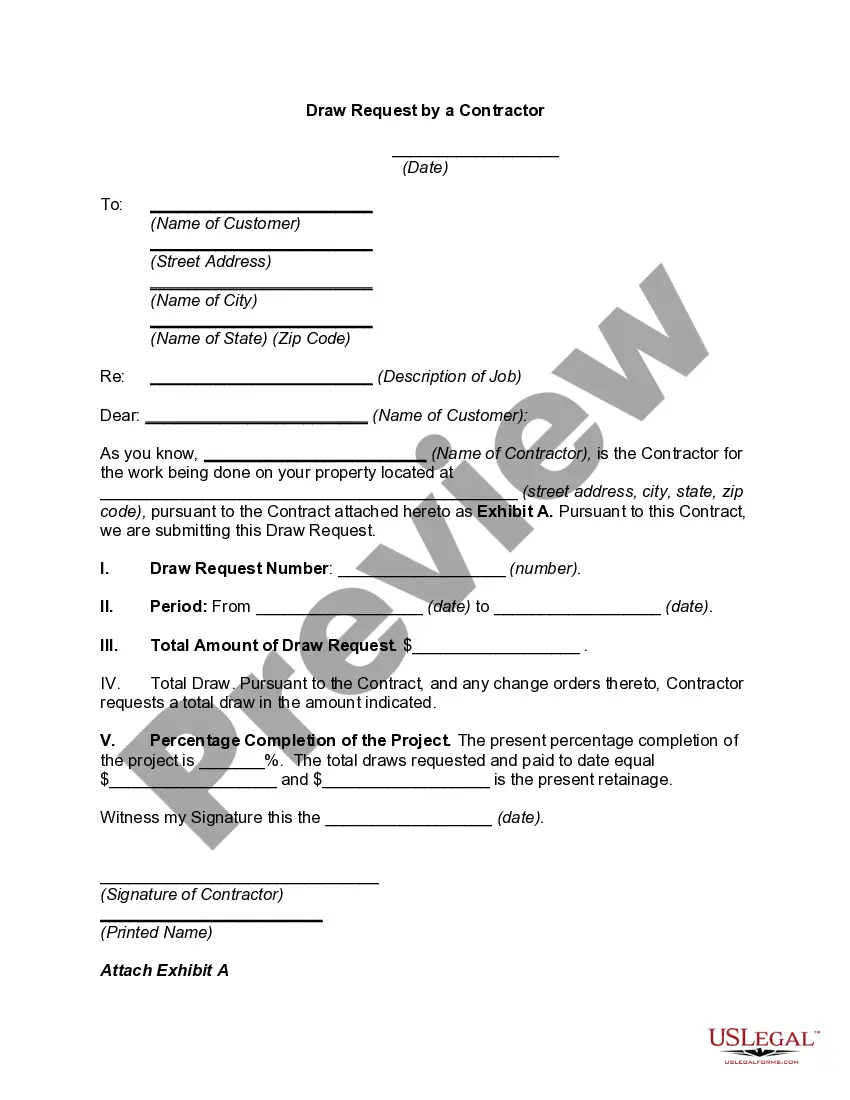
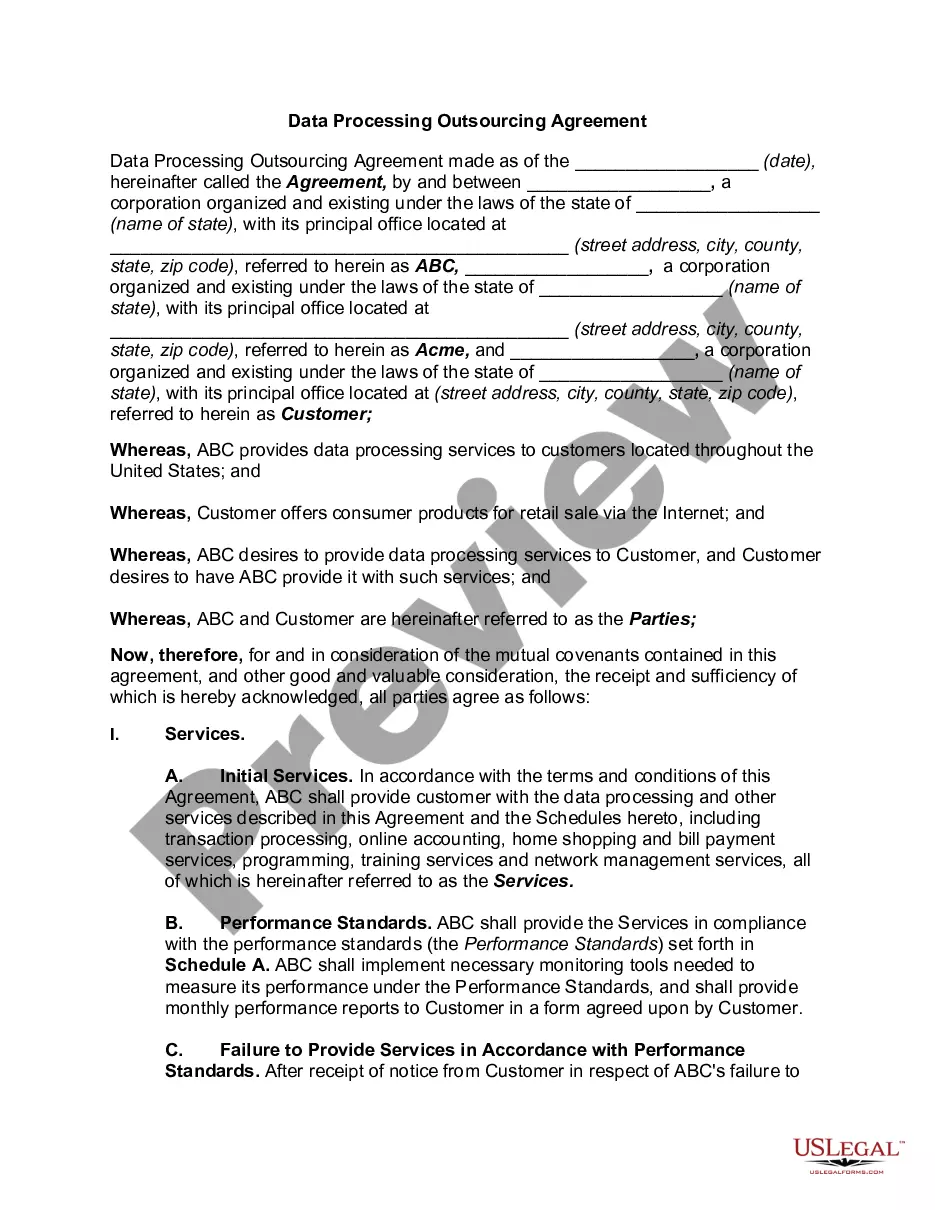
How to fill out Agreement To Cancel Or Terminate Lease?
Acquiring legal document examples that comply with federal and state laws is essential, and the internet provides numerous choices to select from.
However, what is the benefit of squandered time searching for the appropriately drafted Break Lease Without Paying template online when the US Legal Forms internet library already has such documents compiled in one location.
US Legal Forms is the most comprehensive online legal repository with over 85,000 editable templates created by attorneys for various business and personal situations.
Review the template using the Preview feature or the text outline to ensure it meets your requirements.
- They are straightforward to navigate with all documents categorized by state and intended use.
- Our specialists stay updated with legislative changes ensuring your paperwork is always current and compliant when obtaining a Break Lease Without Paying from our site.
- Getting a Break Lease Without Paying is easy and quick for both existing and new users.
- If you already hold an account with an active subscription, Log In and save the document example you need in the appropriate format.
- If you are new to our platform, follow the steps outlined below.
Form popularity
FAQ
When asking to break a lease, be honest and direct about your situation. Explain your reasons clearly, whether they involve personal issues or change in circumstances that allow you to break lease without paying. It's effective to propose a suitable timeline and be open to negotiation. Utilizing forms and guidance from US Legal Forms can help you express your request in a professional manner.
The best excuse to break a lease usually involves unforeseen circumstances such as a job change or family emergencies. If you want to break lease without paying, it is essential to have valid reasons that are backed by evidence. Clear communication with your landlord can facilitate a better outcome, potentially leading to a mutual agreement. Resources from US Legal Forms can help you prepare the necessary paperwork to support your case.
Yes, in New Jersey, you can break a lease early under specific circumstances. If your rental property fails to meet health and safety codes, or you are a victim of domestic violence, you may have grounds to break lease without paying. It’s advisable to communicate with your landlord to explain your reasons clearly. To navigate this process smoothly, consider using US Legal Forms for the appropriate legal documents.
The best excuse to break a lease can depend on your situation, but common reasons include job relocation or significant health problems. If you're seeking to break lease without paying, ensure that you have supporting documentation for your excuse. It's beneficial to discuss your circumstances openly with your landlord to find a mutually agreeable solution. Again, consulting resources from US Legal Forms can provide you with the necessary forms and guidance.
Yes, you can terminate a lease early in Maryland, but it usually requires a valid reason. For instance, if you face domestic violence or your rental unit has serious habitability issues, you may break your lease without paying. Make sure to notify your landlord in writing and follow the proper procedures outlined in your lease agreement. Using the right documents from a platform like US Legal Forms can streamline this process for you.
Breaking a lease early without taking the proper steps can indeed hurt your credit score. Late payments or unpaid balances may be reported to credit bureaus, leading to financial repercussions. To protect your credit, communicate with your landlord and explore options through resources like US Legal Forms that explain your rights and responsibilities.
To get out of early lease termination, first review your lease agreement to find any clauses that allow for early exit. You can also negotiate with your landlord to reach a mutual agreement. Additionally, gathering documentation for valid excuses ensures a smoother process. Consider using US Legal Forms for legal guidance during this situation.
Yes, a tenant can break a lease early in New Jersey, especially under specific circumstances such as domestic violence, health issues, or uninhabitable conditions. However, tenants should follow the legal process and provide necessary documentation. Utilizing platforms like US Legal Forms can help you understand your rights and the procedures involved in breaking a lease without paying.
Generally, breaking a lease without paying can lead to negative consequences for your credit score. If your landlord reports the situation to credit agencies or takes legal action, it may impact your creditworthiness. To avoid this, consider negotiating with your landlord or using services like US Legal Forms to understand your rights when breaking a lease.
In New Jersey, the notice period can vary based on the lease agreement. Typically, a landlord must provide a minimum of 30 days’ notice to a tenant before they must move out. This notice allows you to prepare and find a new place. Always review your lease documentation to ensure compliance with state laws.