Discrimination Law For
Description



Get your form ready online
Our built-in tools help you complete, sign, share, and store your documents in one place.
Make edits, fill in missing information, and update formatting in US Legal Forms—just like you would in MS Word.
Download a copy, print it, send it by email, or mail it via USPS—whatever works best for your next step.
Sign and collect signatures with our SignNow integration. Send to multiple recipients, set reminders, and more. Go Premium to unlock E-Sign.
If this form requires notarization, complete it online through a secure video call—no need to meet a notary in person or wait for an appointment.
We protect your documents and personal data by following strict security and privacy standards.

Make edits, fill in missing information, and update formatting in US Legal Forms—just like you would in MS Word.

Download a copy, print it, send it by email, or mail it via USPS—whatever works best for your next step.

Sign and collect signatures with our SignNow integration. Send to multiple recipients, set reminders, and more. Go Premium to unlock E-Sign.

If this form requires notarization, complete it online through a secure video call—no need to meet a notary in person or wait for an appointment.

We protect your documents and personal data by following strict security and privacy standards.
Looking for another form?
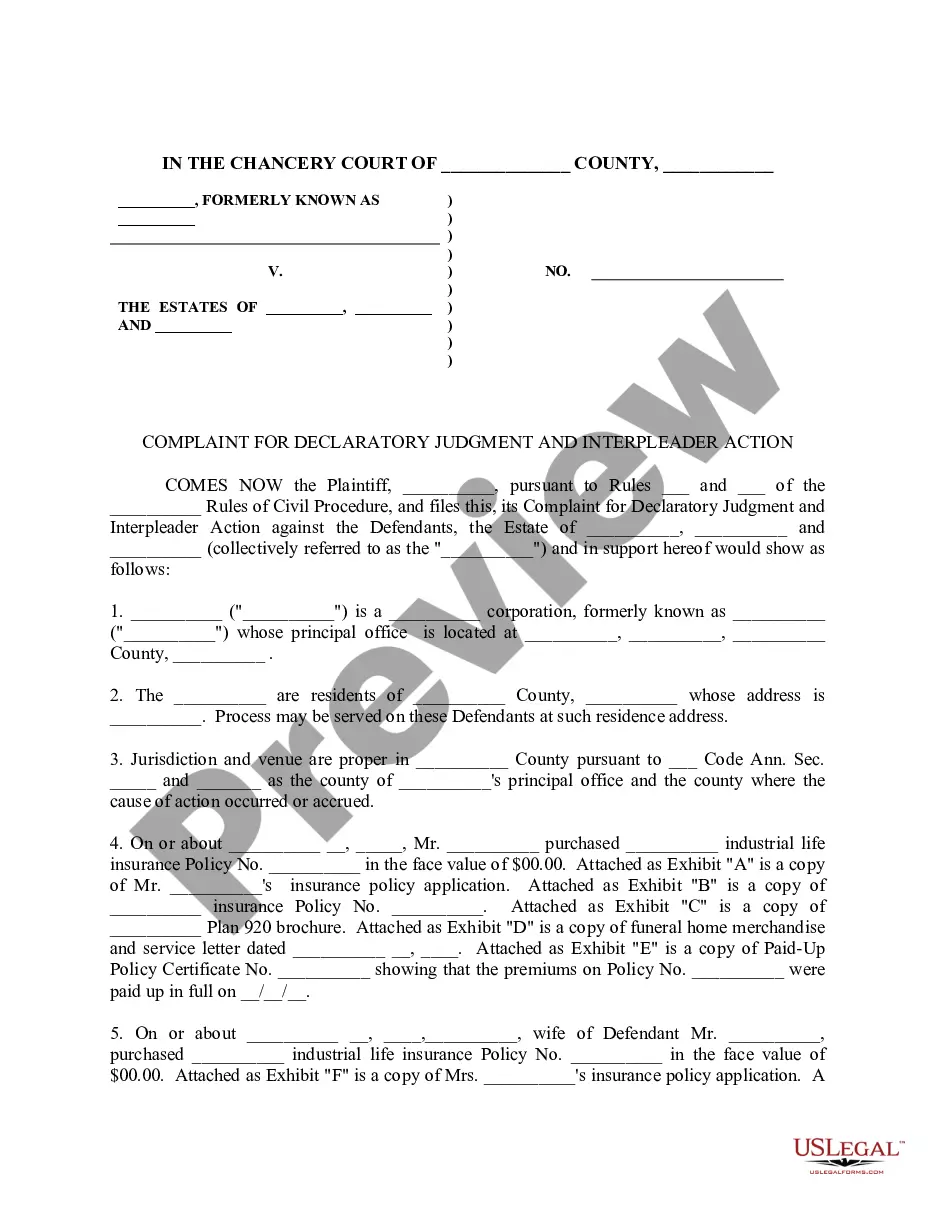


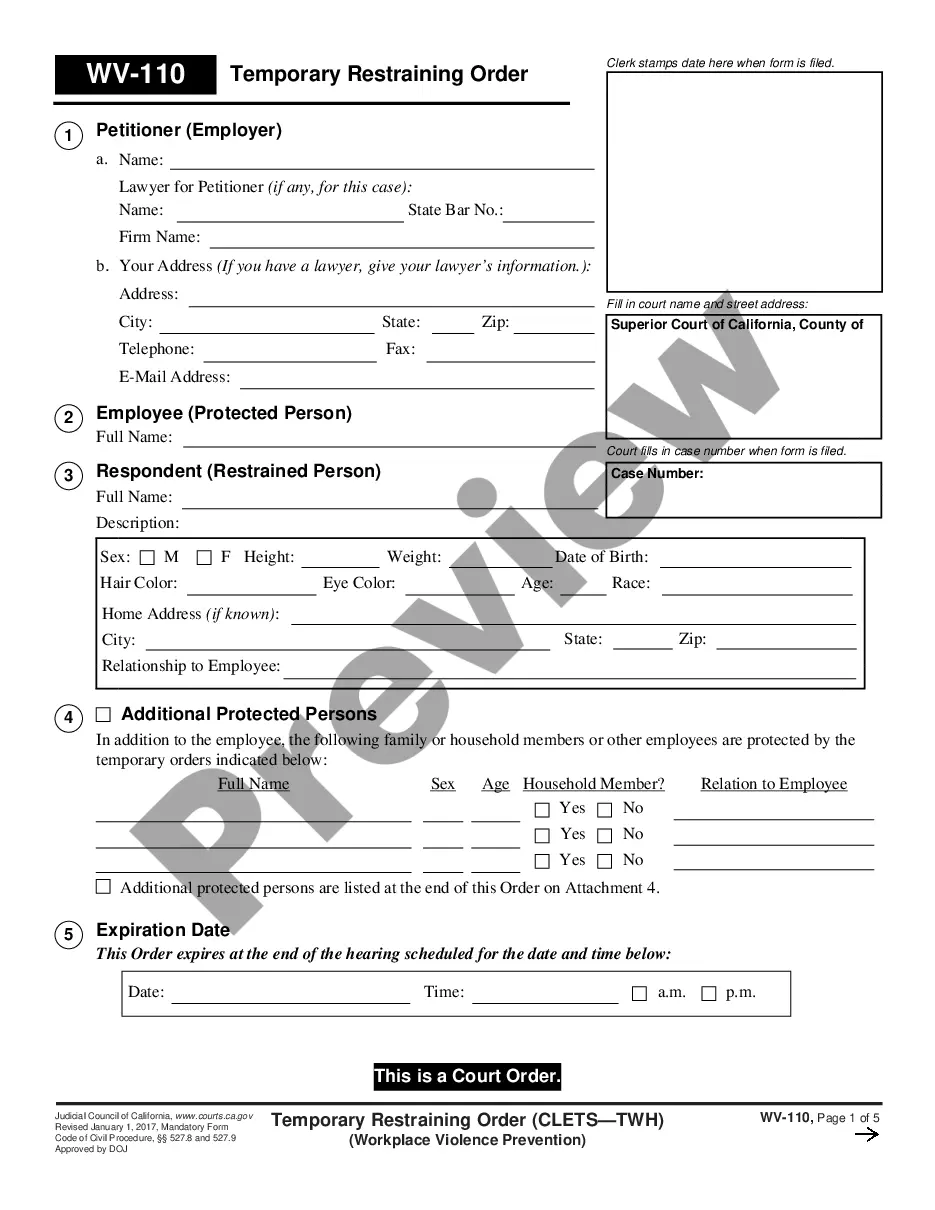
How to fill out Complaint For Racial Discrimination In Employment, Constructive Discharge And For Damages For Discrimination In Promotion By Employer - Equal Employment?
The Discrimination Law document presented on this page is a versatile legal template crafted by experienced attorneys in compliance with national and local laws.
For over 25 years, US Legal Forms has been supplying individuals, businesses, and legal practitioners with over 85,000 validated, state-specific templates for various professional and personal needs. It’s the fastest, easiest, and most trustworthy method to acquire the documents you require, as the service ensures bank-level data protection and anti-virus security.
Subscribe to US Legal Forms to have authenticated legal templates for all of life’s situations at your fingertips.
- Search for the document you need and review it.
- Examine the file you looked for and preview it or assess the form description to verify it meets your requirements. If it doesn't, utilize the search option to find the correct one. Click Buy Now once you've located the template you need.
- Sign up and Log In.
- Choose the payment plan that fits you and register for an account. Use PayPal or a credit card for immediate payment. If you have an account already, Log In and verify your subscription to move forward.
- Acquire the fillable template.
- Select the format you prefer for your Discrimination Law document (PDF, DOCX, RTF) and download the sample onto your device.
- Finish and sign the paperwork.
- Print the template to fill it out by hand. Alternatively, use an online multifunctional PDF editor to quickly and accurately complete and sign your form with an electronic signature.
- Download your paperwork again.
- Reaccess the same document whenever required. Open the My documents tab in your profile to redownload any forms you have bought previously.
Form popularity
FAQ
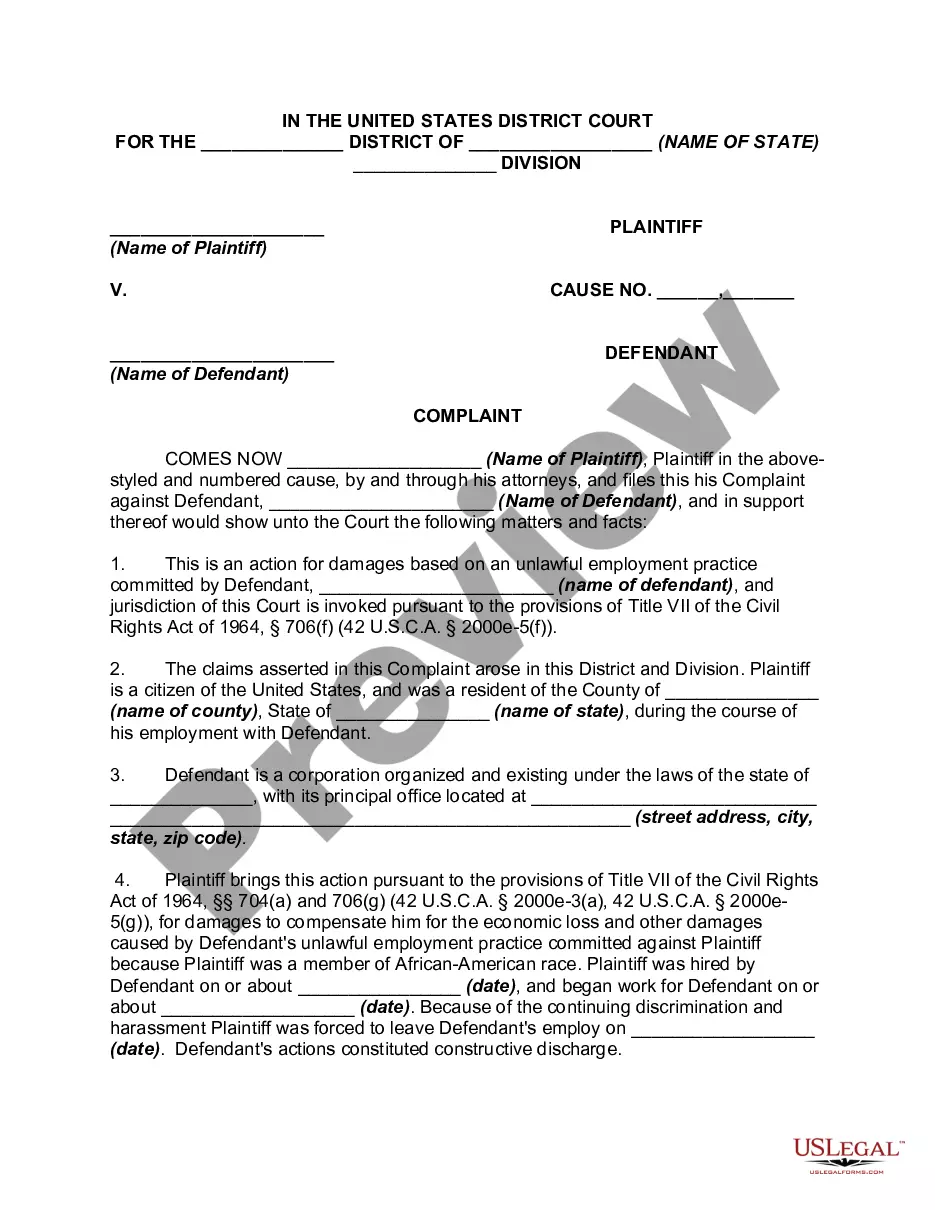
To write a discrimination complaint, first, clearly outline the facts surrounding the incident. Begin by describing what happened, including dates, locations, and the individuals involved. Then, specify how you believe discrimination law for your situation applies, detailing the unfair treatment you experienced. You can use the USLegalForms platform to access templates and guidance that simplify the writing process, ensuring your complaint is comprehensive and well-structured.
Federal law for discrimination protects individuals from unfair treatment based on characteristics like race, gender, age, religion, and disability. Key legislations include the Civil Rights Act, the Americans with Disabilities Act, and the Age Discrimination in Employment Act. These laws ensure that everyone has equal opportunities in the workplace and beyond. Understanding discrimination law for your situation is essential to know your rights and seek justice.
Deciding whether to sue an employer under discrimination law for your circumstances can be complex. Consider factors like the evidence you have, potential emotional impact, and the financial implications of such a decision. Remember, a successful case can lead to compensation for lost wages, emotional distress, and even changes in workplace policies. Consulting with an experienced attorney can help clarify the potential benefits and challenges of pursuing legal action.
To build a strong case under discrimination law for your situation, you'll need specific evidence. Useful documentation includes emails, performance reviews, and witness statements that can support your claim. Additionally, any records of discriminatory remarks or actions can significantly strengthen your case. Collecting these pieces not only helps your lawyer but also clarifies the timeline and context of the discrimination.
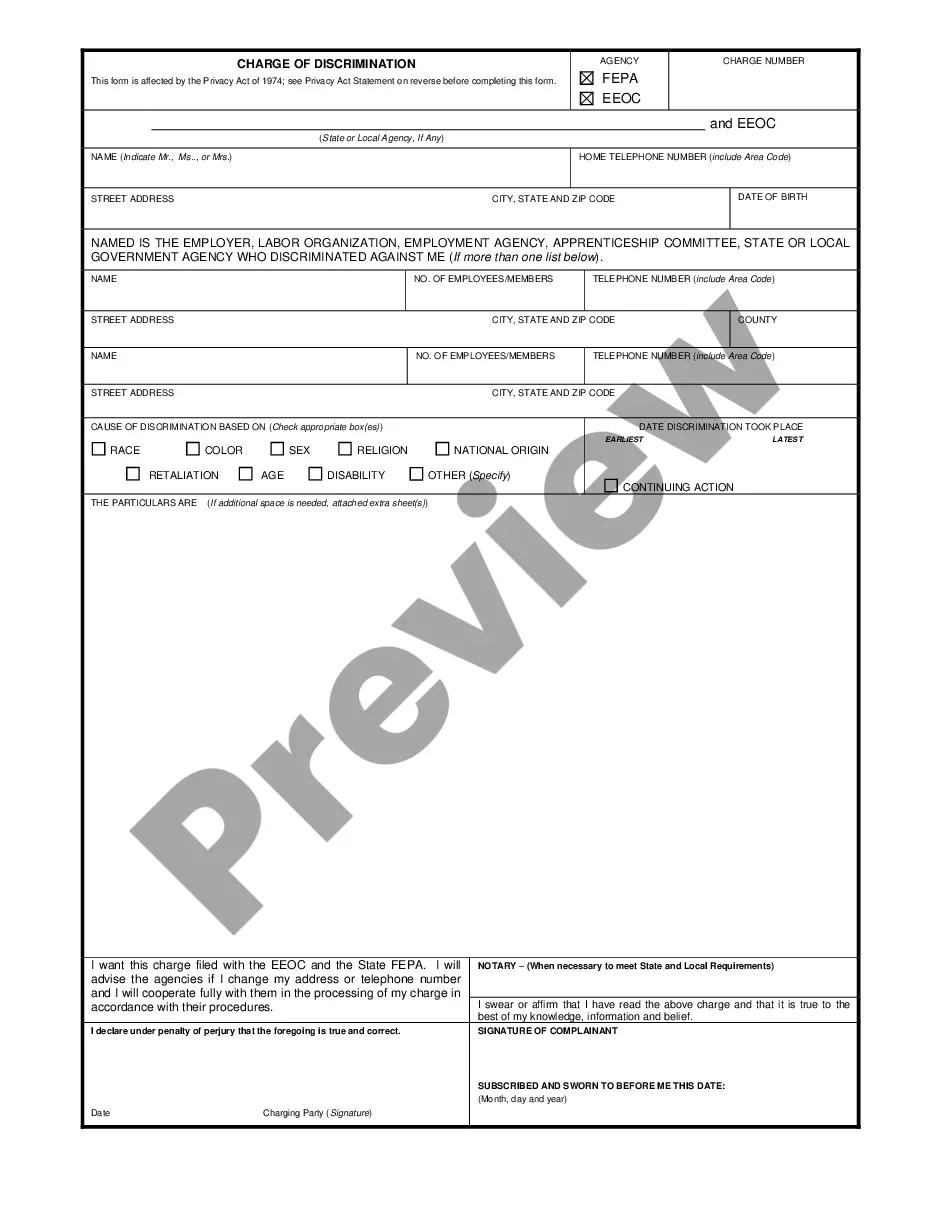
To claim discrimination, you typically start by documenting your experiences and gathering relevant evidence. Discrimination law for requires you to file a complaint with the appropriate agency, which may include the Equal Employment Opportunity Commission. You can also seek legal assistance to navigate the process and strengthen your claim. Platforms like uslegalforms can assist you in preparing necessary documents and understanding your rights.
There are four primary types of discrimination recognized under discrimination law for: racial, gender, age, and disability discrimination. Each type addresses specific biases and protects individuals from unfair treatment in various settings. Understanding these categories helps you identify your rights and potential legal actions. If you believe you are facing any form of discrimination, it’s essential to seek guidance.
Considering a discrimination lawsuit can indeed be worthwhile, especially if you have faced unfair treatment. Discrimination law for individuals aims to protect your rights and can lead to compensation for damages. Engaging with legal professionals can provide you better insight and analysis of your situation. Assessing the potential outcomes with an expert would clarify if pursuing a case benefits you.