Child Support Tax With Disability
Description
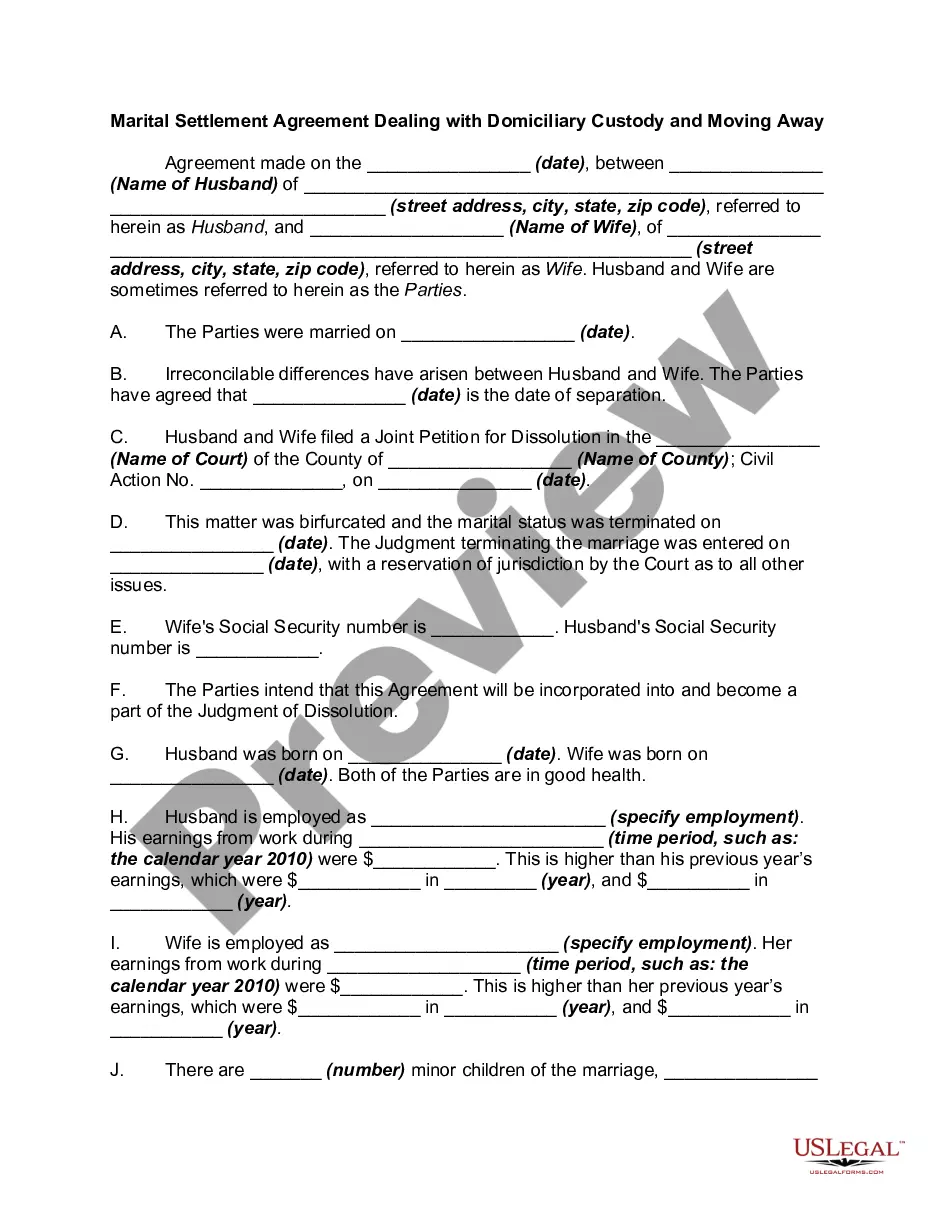
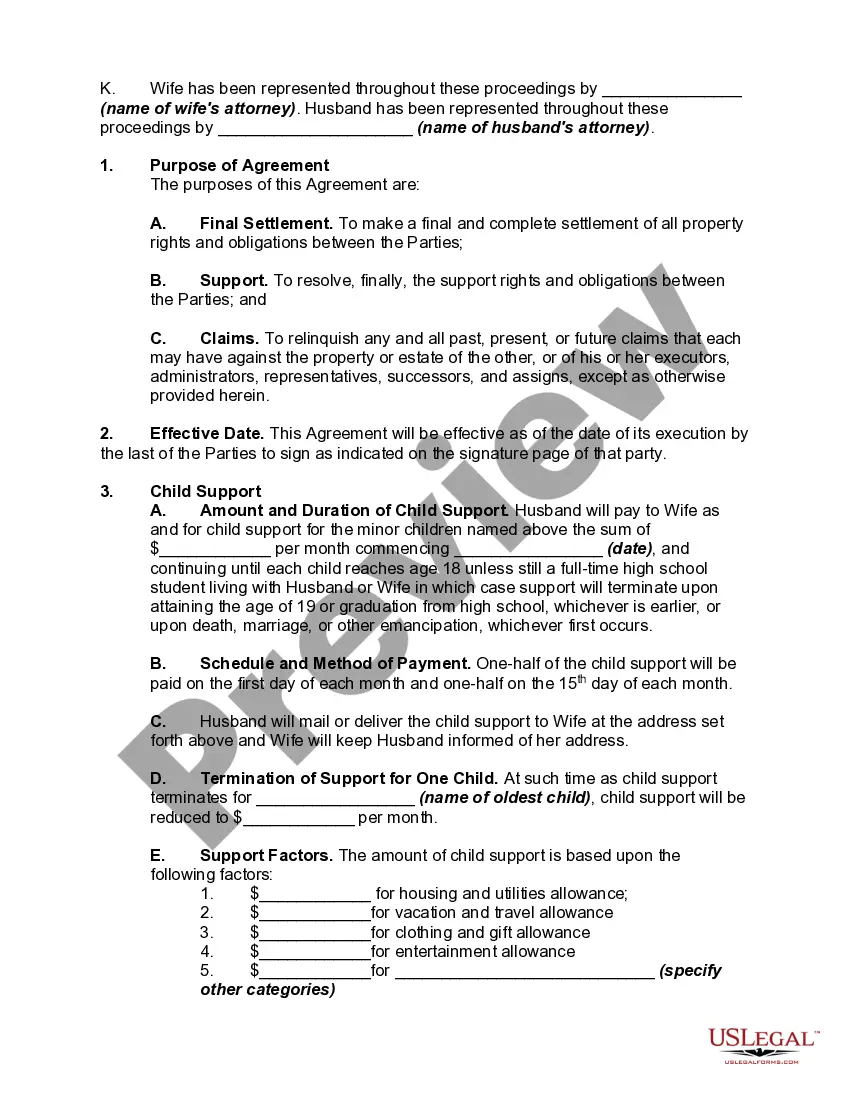
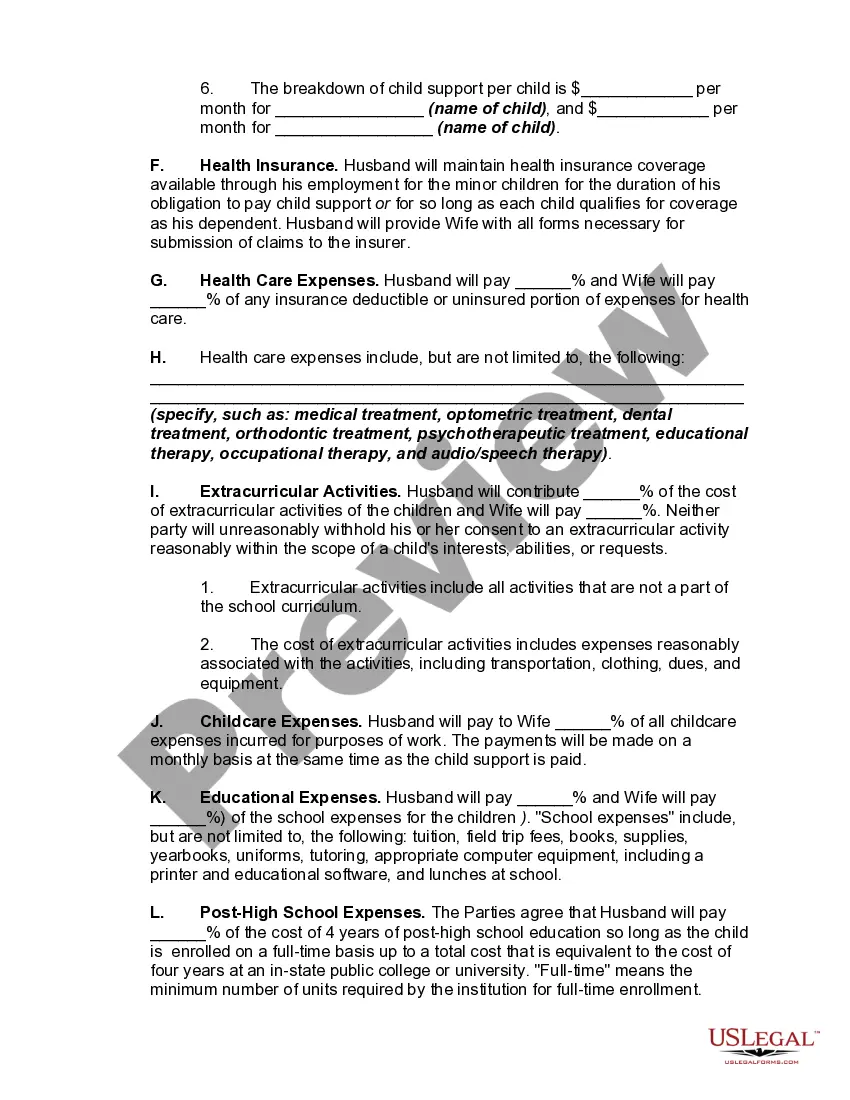
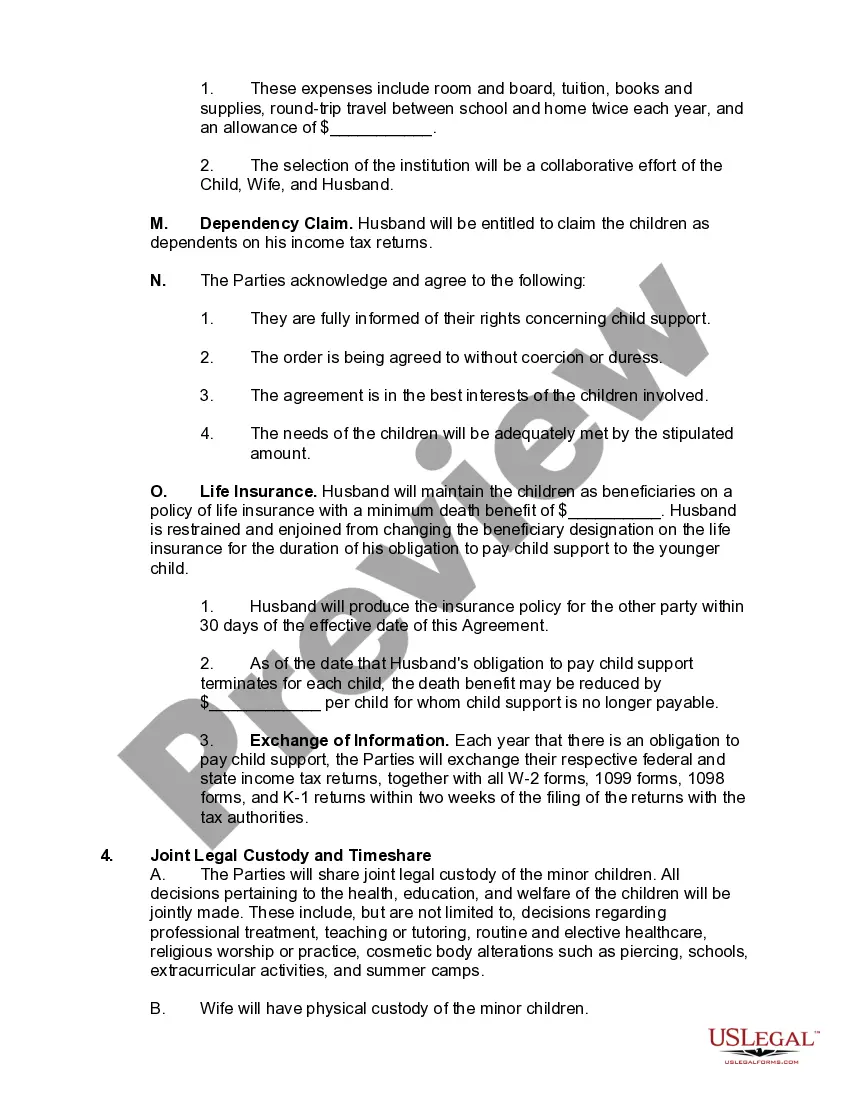
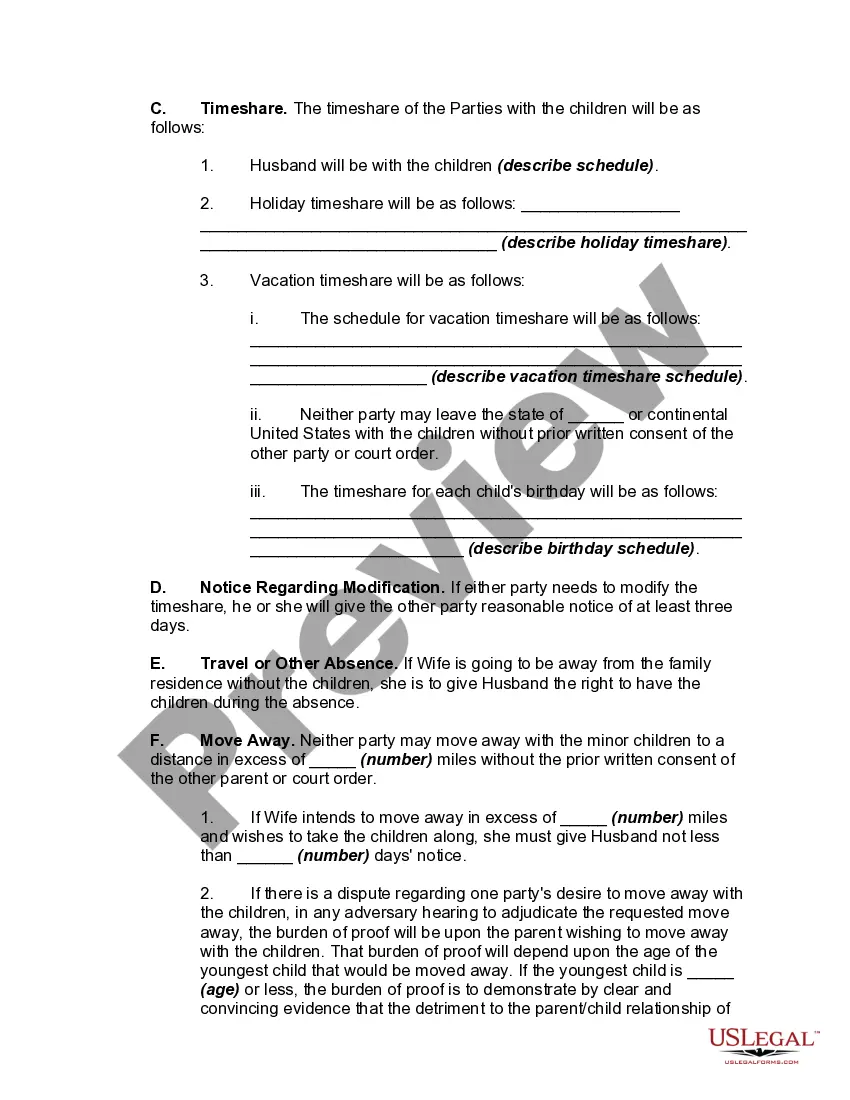
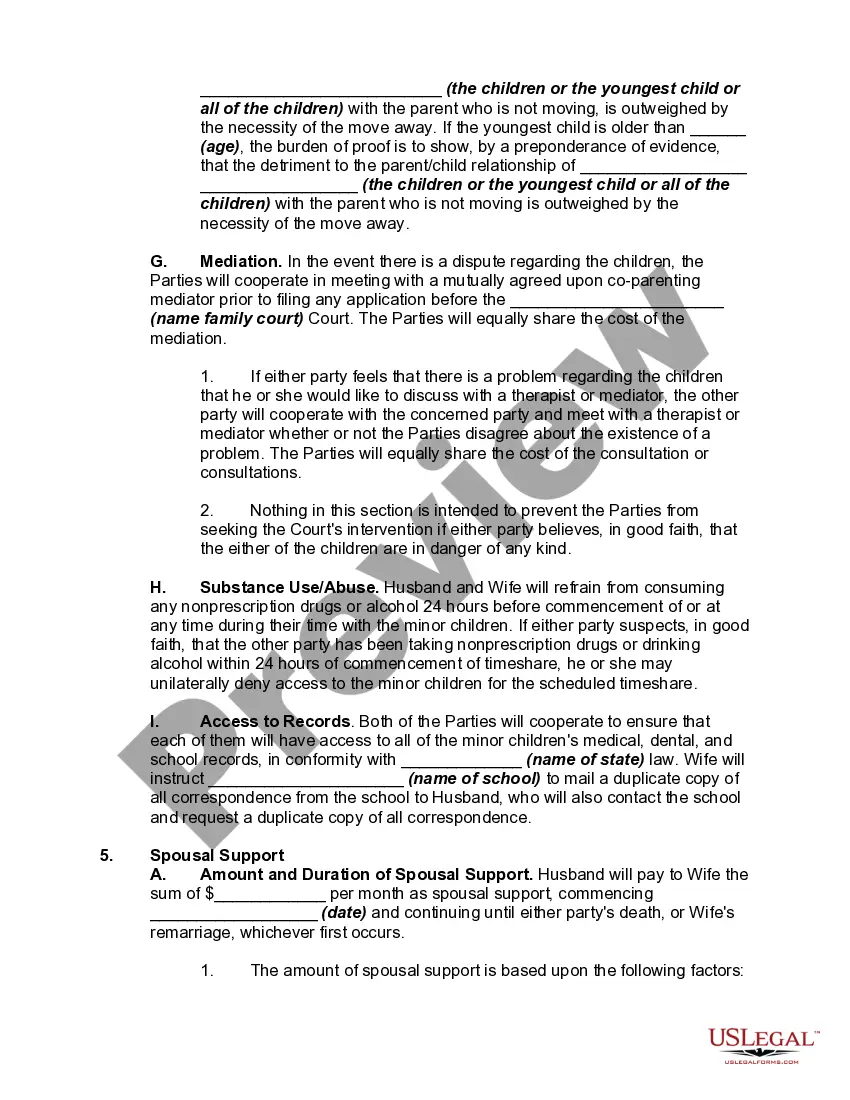
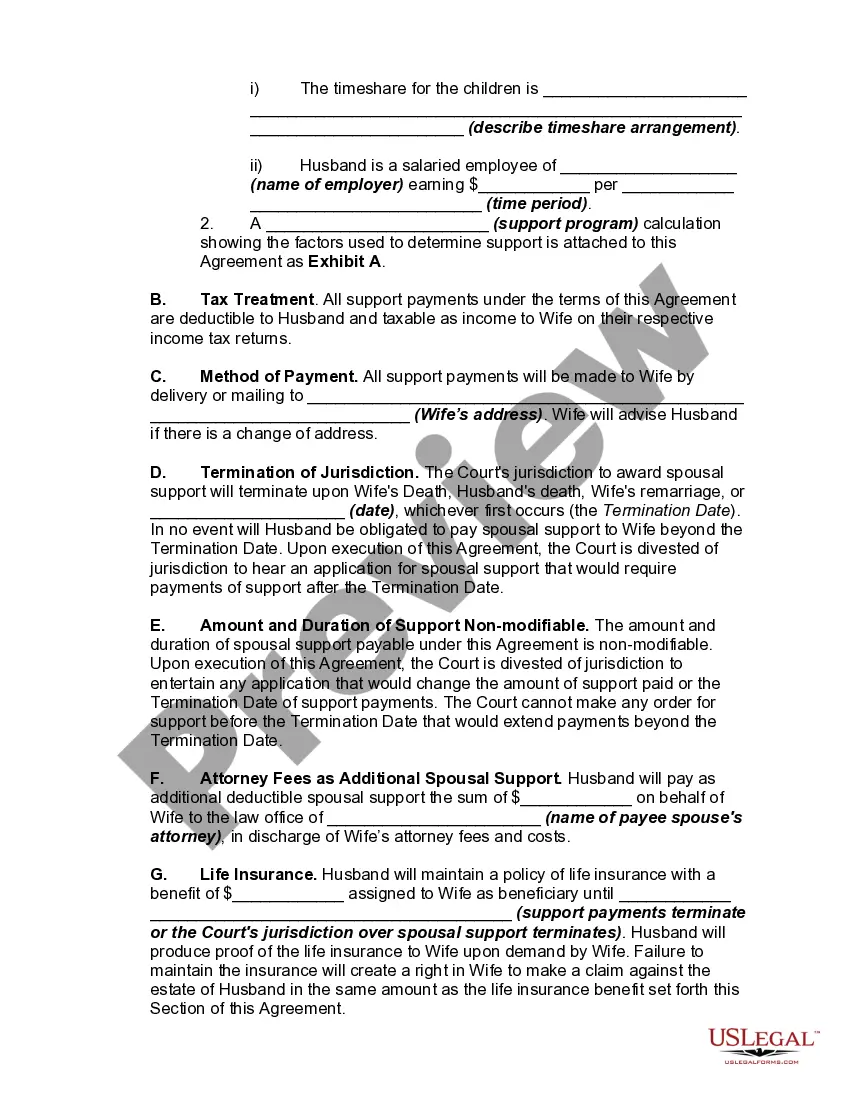
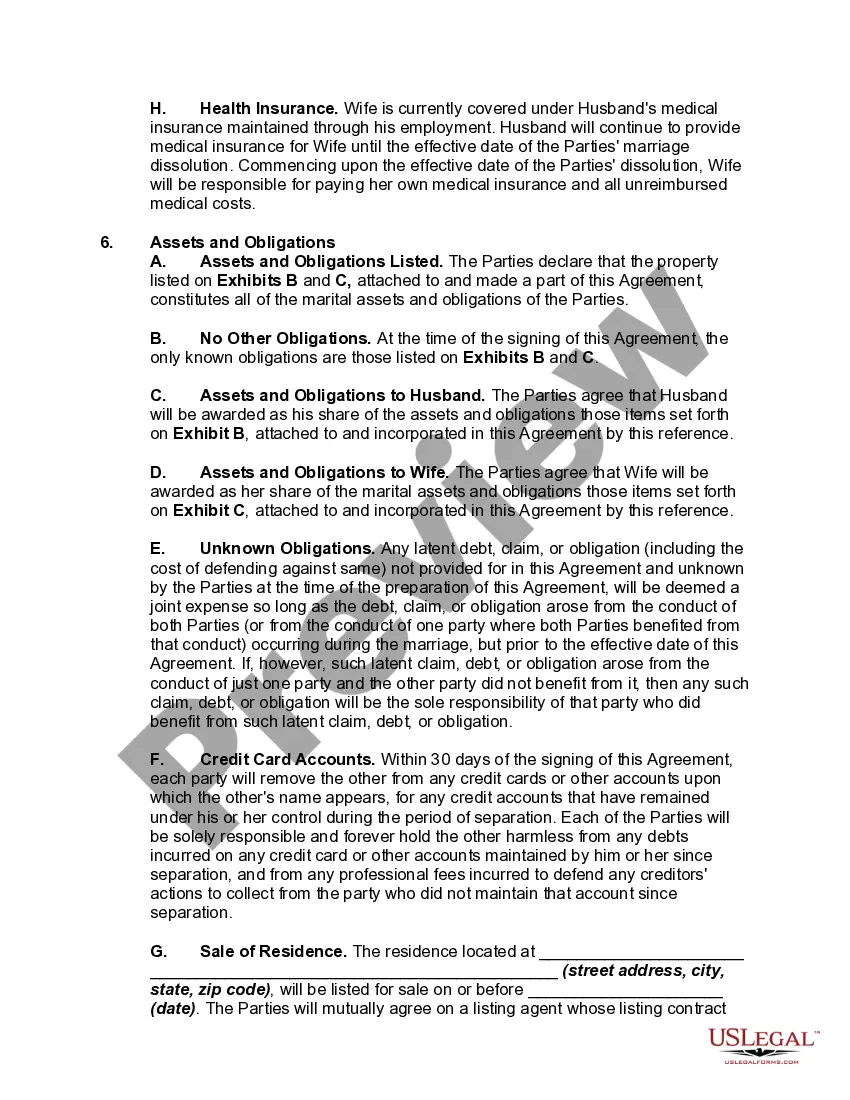





How to fill out Marital Settlement Agreement Dealing With Domiciliary Custody And Moving Away?
- If you're already a US Legal Forms user, log in to your account and find the required document by hitting the Download button. Ensure your subscription is active.
- For new users, begin by checking the Preview mode and form description to ensure the selected document suits your needs and complies with your local laws.
- If you need a different template, utilize the Search function to locate the correct form or another option that fits your requirements.
- To acquire the document, click on the Buy Now button and select a subscription plan that works for you. Ensure you register for an account first.
- Complete your purchase using your credit card details or PayPal for seamless payment.
- Finally, download the form to your device and access it anytime through the My Forms section in your profile.
By utilizing US Legal Forms, you gain access to a vast collection of over 85,000 legal templates that are easily fillable and editable. Moreover, users receive guidance from premium experts to ensure legal accuracy.
Don't let legal complexities overwhelm you. Start your journey today with US Legal Forms and simplify your experience with child support taxes due to disability.
Form popularity
FAQ
You may be able to claim someone on your taxes if they are on disability, provided they meet certain criteria as dependents. This can provide significant tax benefits, depending on your overall financial situation. Be sure to review the IRS guidelines for dependent eligibility. Platforms like USLegalForms can guide you through the claiming process to ensure compliance.
Yes, you must report your disability income to the IRS as it counts as taxable income in most cases. The specific treatment of this income can vary based on other factors, such as how long you expect to be disabled. Ensure that you keep detailed records of your earnings and benefits. Tools like USLegalForms can help you understand your reporting obligations.
Yes, a tax deduction is available for taxpayers with a disabled child. This deduction can help reduce your taxable income significantly. You must meet certain criteria to qualify, such as providing proper documentation of the child's condition. For assistance in claiming this deduction, USLegalForms offers valuable resources to streamline your experience.
Filing taxes while on disability involves reporting your income accurately, including benefits you receive. You can use standard tax forms to submit your information, ensuring that you include any applicable deductions. If you're uncertain about the process, consider consulting USLegalForms to simplify the filing process for you.
Typically, child support payments are not taxable for the receiving parent, and you cannot deduct them from your taxable income. This means that you do not receive a tax return specifically for child support. However, other related tax benefits might apply, especially if you have additional eligible dependents. For guidance, consider using platforms such as USLegalForms.
Yes, there is a federal tax credit available for individuals with disabilities. This credit can help reduce your tax liability, allowing you to keep more of your income. To benefit from this, you must meet specific eligibility requirements. Utilizing resources like USLegalForms can help you navigate the application process effectively.
Yes, there are tax breaks available for families with children who have disabilities. These breaks can help alleviate some of the financial burden associated with child support tax with disability. Families may qualify for various credits and deductions, such as the Child Tax Credit or the Earned Income Tax Credit, depending on their situation. Utilizing resources from platforms like USLegalForms can help you navigate these tax benefits and ensure you are maximizing your financial support.
Yes, disability benefits can be counted as income and affect your overall financial picture. In discussions about child support tax with disability, it's important to acknowledge how these payments can alter your financial responsibilities. Consulting tools and resources from US Legal Forms can help clarify your situation and obligations.
State disability benefits may need to be reported depending on their tax treatment. For child support tax with disability, it’s crucial to differentiate between state and federal benefits when filing your taxes. Check with local tax authorities or a tax advisor to determine your specific obligations.
Income that generally is not counted includes gifts, inheritances, and certain Social Security benefits. When navigating child support tax with disability, it is important to understand which financial elements do not factor into your overall taxable income. Always refer to IRS guidelines to ensure clarity on what constitutes income.