Released On Bail For 3 Months
Description
Get your form ready online
Our built-in tools help you complete, sign, share, and store your documents in one place.
Make edits, fill in missing information, and update formatting in US Legal Forms—just like you would in MS Word.
Download a copy, print it, send it by email, or mail it via USPS—whatever works best for your next step.
Sign and collect signatures with our SignNow integration. Send to multiple recipients, set reminders, and more. Go Premium to unlock E-Sign.
If this form requires notarization, complete it online through a secure video call—no need to meet a notary in person or wait for an appointment.
We protect your documents and personal data by following strict security and privacy standards.

Make edits, fill in missing information, and update formatting in US Legal Forms—just like you would in MS Word.

Download a copy, print it, send it by email, or mail it via USPS—whatever works best for your next step.

Sign and collect signatures with our SignNow integration. Send to multiple recipients, set reminders, and more. Go Premium to unlock E-Sign.

If this form requires notarization, complete it online through a secure video call—no need to meet a notary in person or wait for an appointment.

We protect your documents and personal data by following strict security and privacy standards.
Looking for another form?









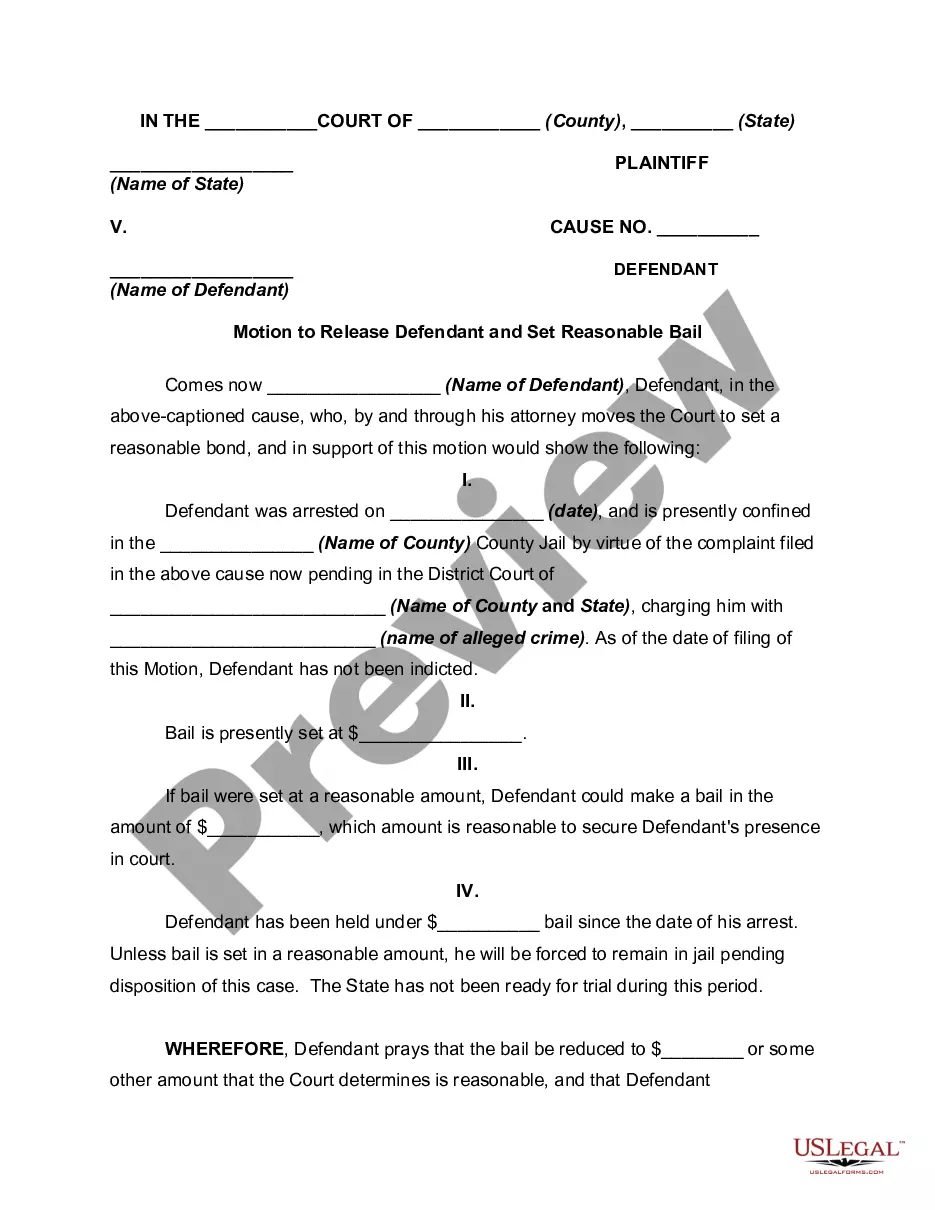
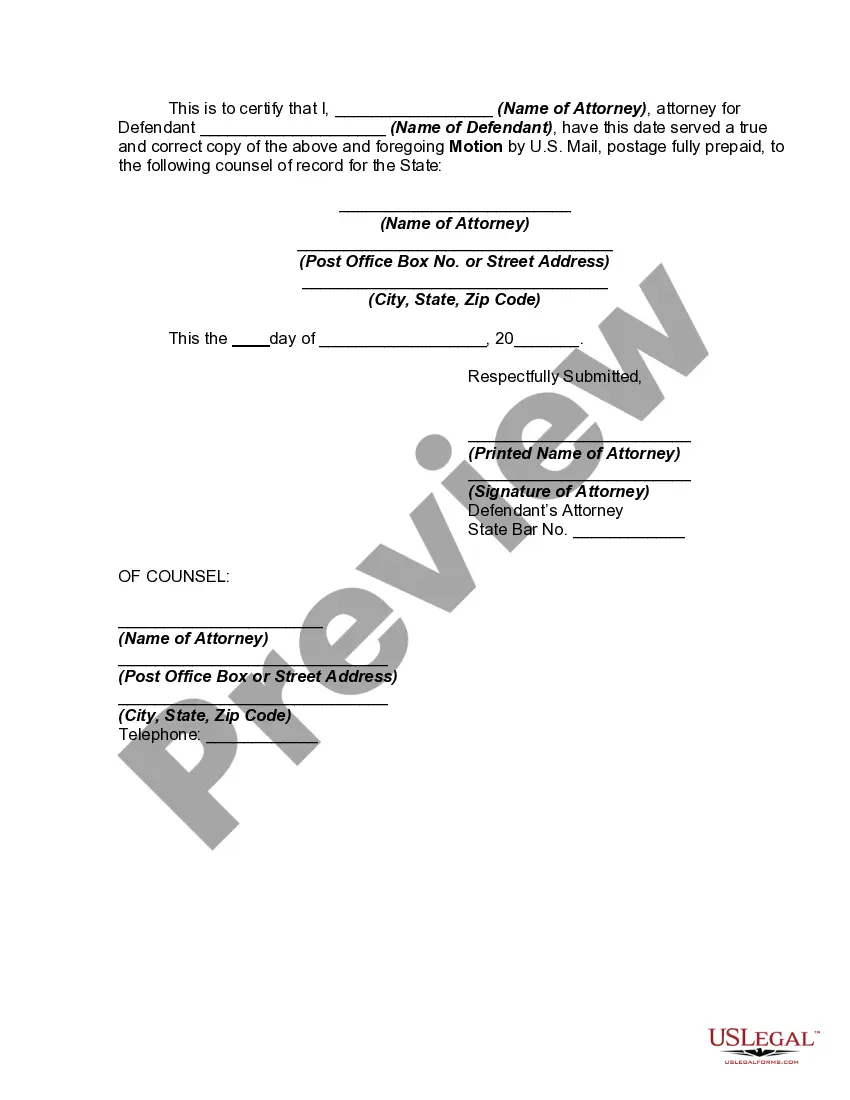
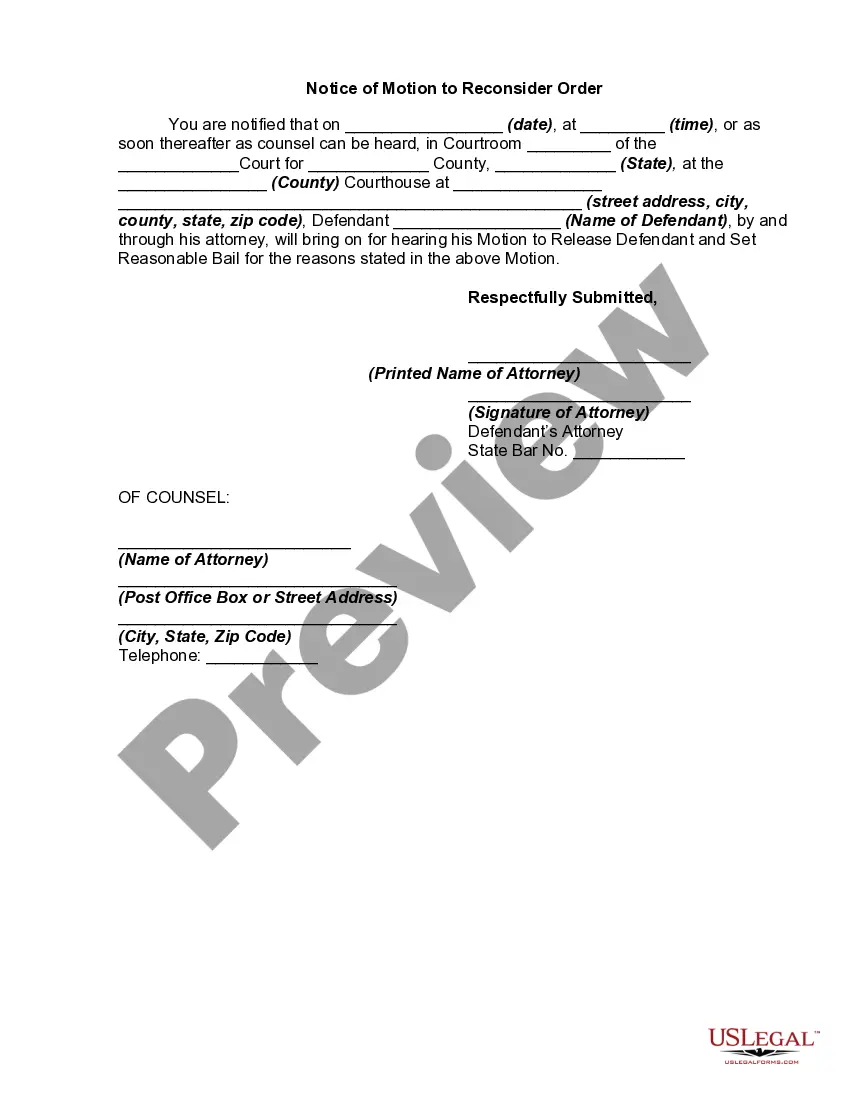
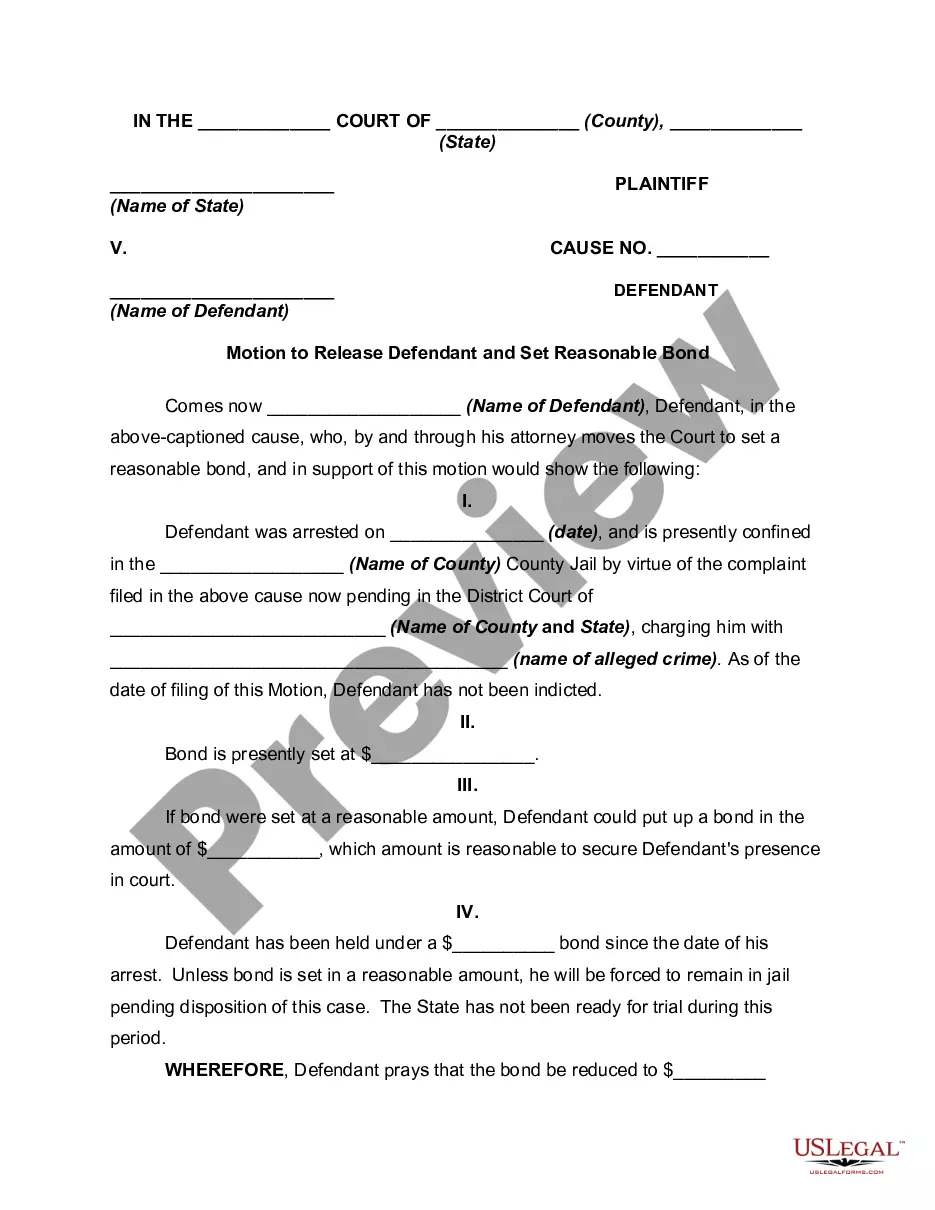
How to fill out Motion To Release Defendant And Set Reasonable Bail?
- If you're a returning user, log in to your account and check your subscription status. Download the necessary form by clicking the Download button.
- For first-time users, start by exploring our preview mode and form descriptions to confirm you've selected the correct document that aligns with your local jurisdiction.
- If you need a different template, utilize the Search feature to find a suitable form. Once identified, proceed to the next step.
- Purchase the selected document by clicking on the Buy Now button. Choose your subscription plan and create an account to unlock access to more forms.
- Complete your payment using credit card details or your PayPal account for a seamless transaction.
- Download your form to your device to fill it out. You can also access it later from the My Forms section of your profile.
With US Legal Forms, you can confidently create and manage legal documents with ease. Our vast collection exceeds 85,000 forms, catering to various legal needs.
Don’t wait; discover how US Legal Forms can simplify your legal documentation today!
Form popularity
FAQ
When you are out on bond, particularly after being released on bail for 3 months, there are several restrictions you may face. Common limitations include not traveling outside the state without permission and reporting regularly to a probation officer. Violating these restrictions can result in serious legal consequences.
To be released on bail for 3 months, you typically must agree to certain conditions outlined by the judge. These may include complying with monitoring requirements, maintaining a stable residence, and securing employment. Meeting these expectations ensures you demonstrate responsibility to the court.
When you are released on bail for 3 months, you must adhere to specific rules set by the court. These rules often include appearing at all scheduled court dates, avoiding any criminal activity, and sometimes not leaving a designated area. Breaching any of these conditions can lead to bail being revoked, which could result in returning to custody.
Yes, bail does have an expiration date, which is defined by the court. Typically, if issued for 3 months, it could potentially expire if not renewed or extended. If you find yourself close to this date, consider discussing your options with your attorney. Your legal advisor can help you understand the implications and assist in maintaining your release status.
The duration that bail remains valid is directly linked to the terms set by the judge; generally, bail can last until your case concludes, such as during your release on bail for 3 months. If circumstances change, you should check if an extension is possible. It’s wise to remain proactive about any deadlines related to your bail to prevent unexpected legal issues. Always keep in close contact with your legal team for guidance.
A bail bond is typically good for the duration specified by the court, which often aligns with your release on bail for 3 months. If your case is not resolved within this period, you may need to seek an extension. Ensure you communicate with your bail bondsman and legal counsel to navigate your responsibilities and stay compliant. Understanding this timeline is crucial to avoid additional fees or complications.
When you are released on bail for 3 months, the duration can vary based on the court's ruling. Some courts may allow an extension of your bail period, while others may impose a stricter limit. It is important to stay informed about your case and any court appearances to avoid complications. Always consult with your attorney to understand your specific situation.
The time limit for filing a chargesheet after bail can differ by state and the specific circumstances of the case. Generally, prosecutors must file charges within a reasonable time frame, often within a few months. If the prosecution fails to meet this timeframe, your chances of remaining released on bail for 3 months may increase. Therefore, understanding the legal timelines is crucial for your defense.
If no one bails you out, you typically remain in jail until your court date. This period can vary widely depending on the nature of your charges and the legal process. Some individuals might stay in jail for days or weeks, while others could remain incarcerated for months. Thus, being released on bail for 3 months can significantly reduce your time spent in jail.
Being out on bail means you have been granted temporary freedom after meeting specific financial obligations to the court. It allows you to prepare for your legal case without being incarcerated. If you find yourself released on bail for 3 months, you must remain attentive to your court requirements.