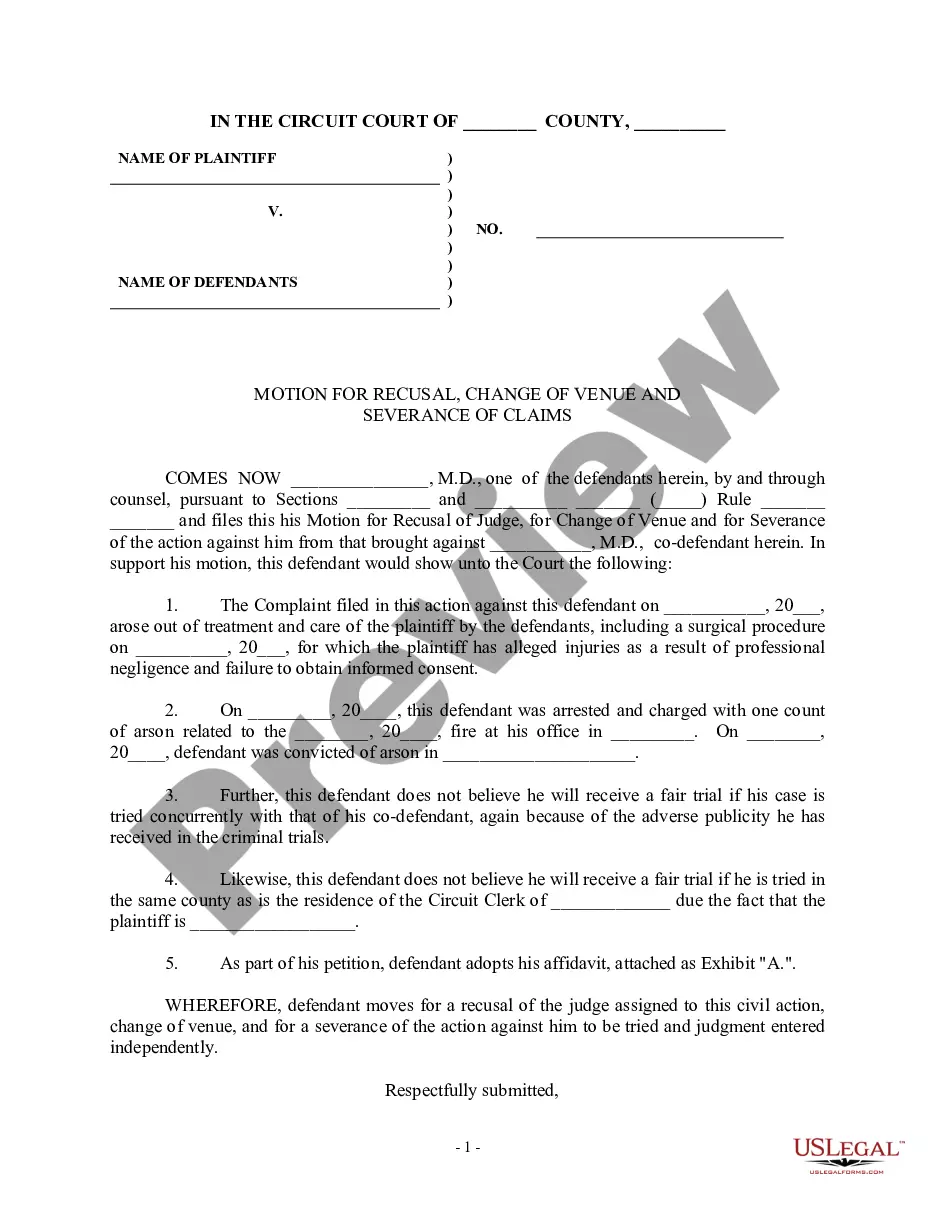
Florida Court Motion Forms With Motion
Description
Get your form ready online
Our built-in tools help you complete, sign, share, and store your documents in one place.
Make edits, fill in missing information, and update formatting in US Legal Forms—just like you would in MS Word.
Download a copy, print it, send it by email, or mail it via USPS—whatever works best for your next step.
Sign and collect signatures with our SignNow integration. Send to multiple recipients, set reminders, and more. Go Premium to unlock E-Sign.
If this form requires notarization, complete it online through a secure video call—no need to meet a notary in person or wait for an appointment.
We protect your documents and personal data by following strict security and privacy standards.

Make edits, fill in missing information, and update formatting in US Legal Forms—just like you would in MS Word.

Download a copy, print it, send it by email, or mail it via USPS—whatever works best for your next step.

Sign and collect signatures with our SignNow integration. Send to multiple recipients, set reminders, and more. Go Premium to unlock E-Sign.

If this form requires notarization, complete it online through a secure video call—no need to meet a notary in person or wait for an appointment.

We protect your documents and personal data by following strict security and privacy standards.
Looking for another form?
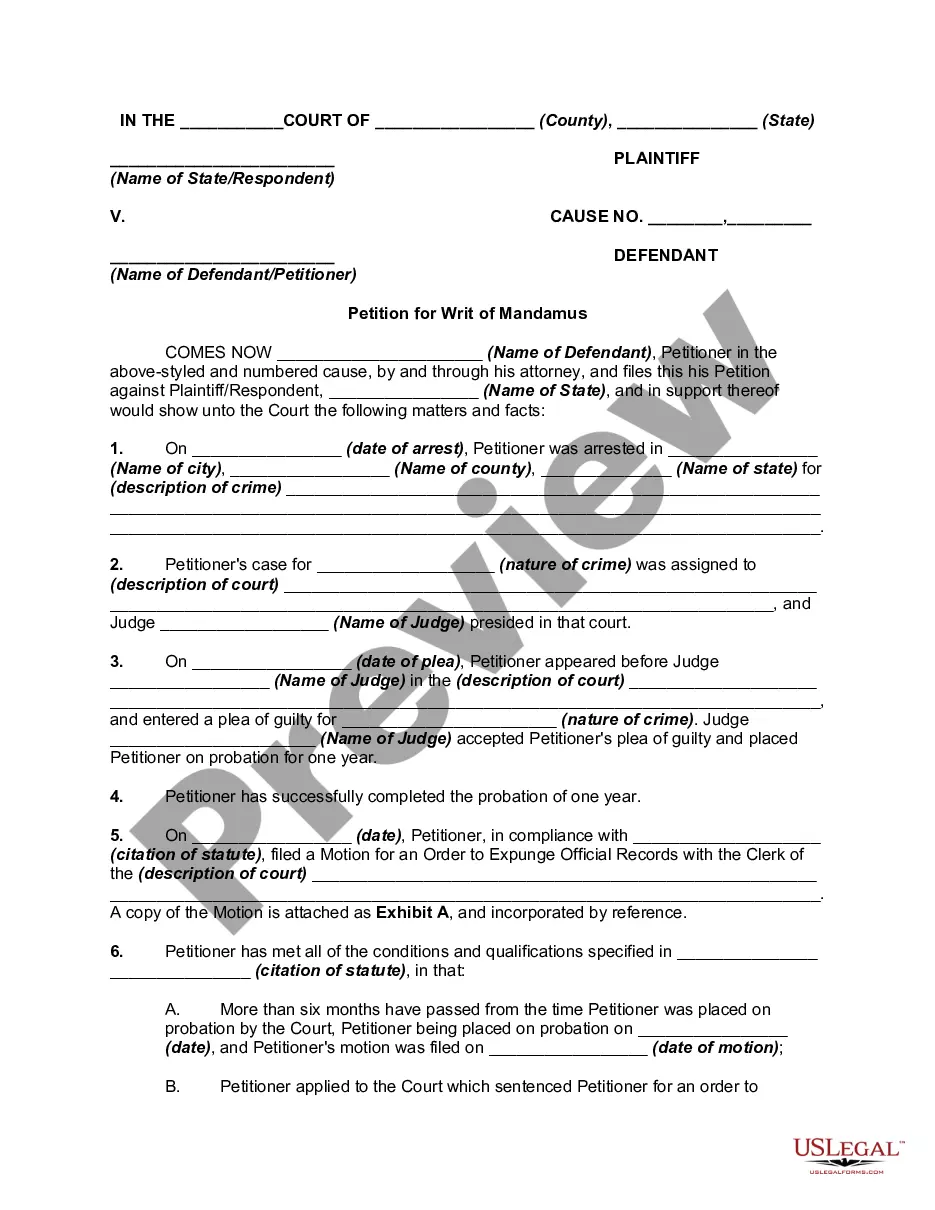


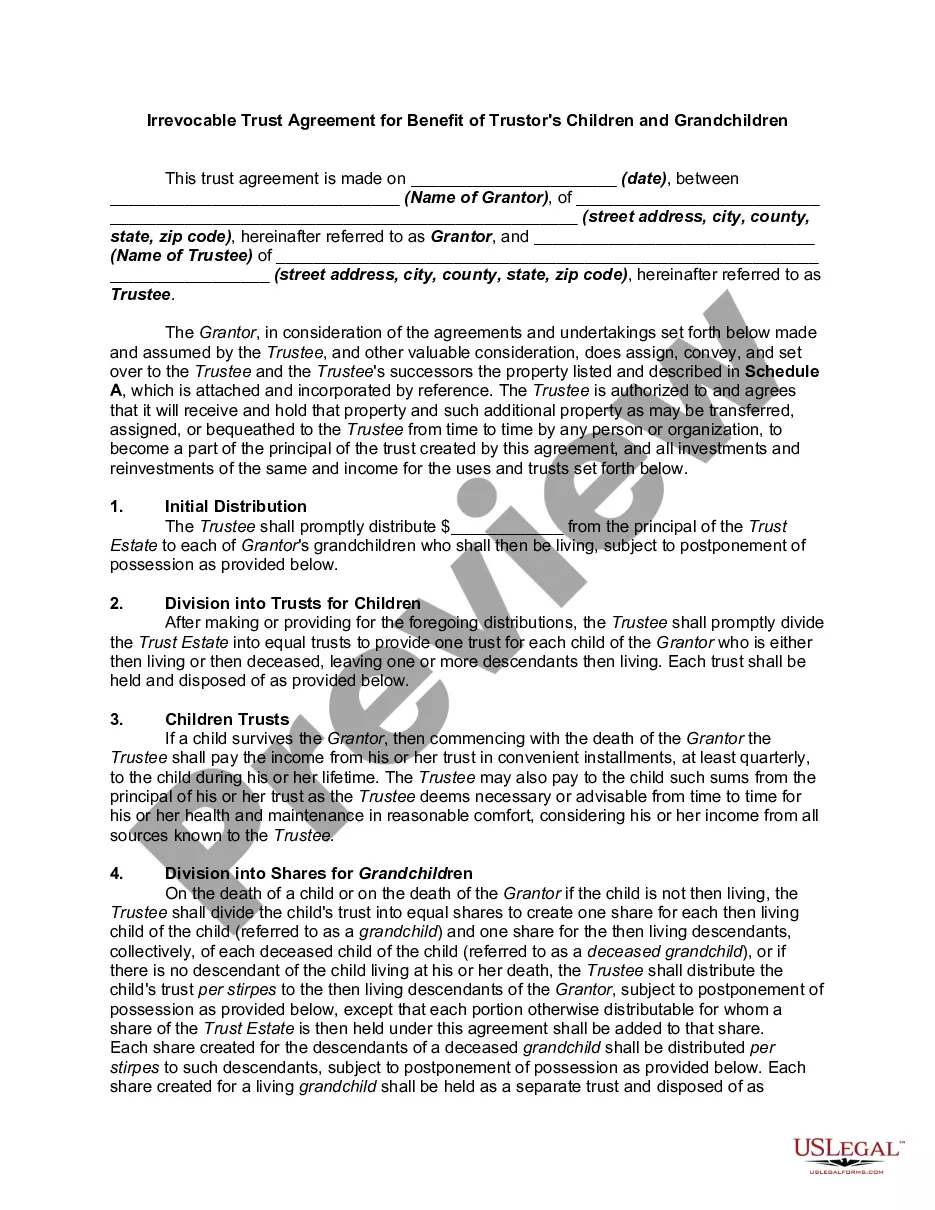


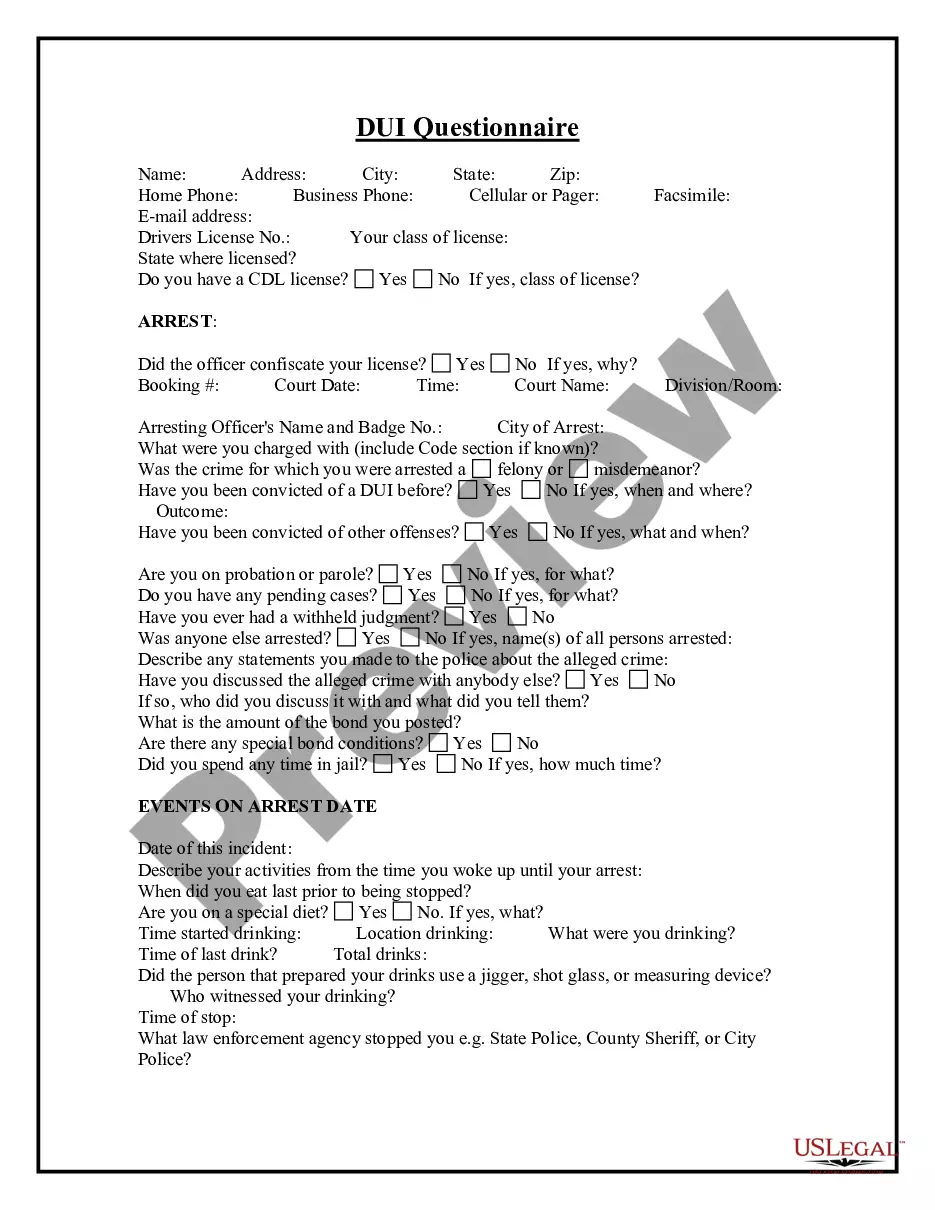

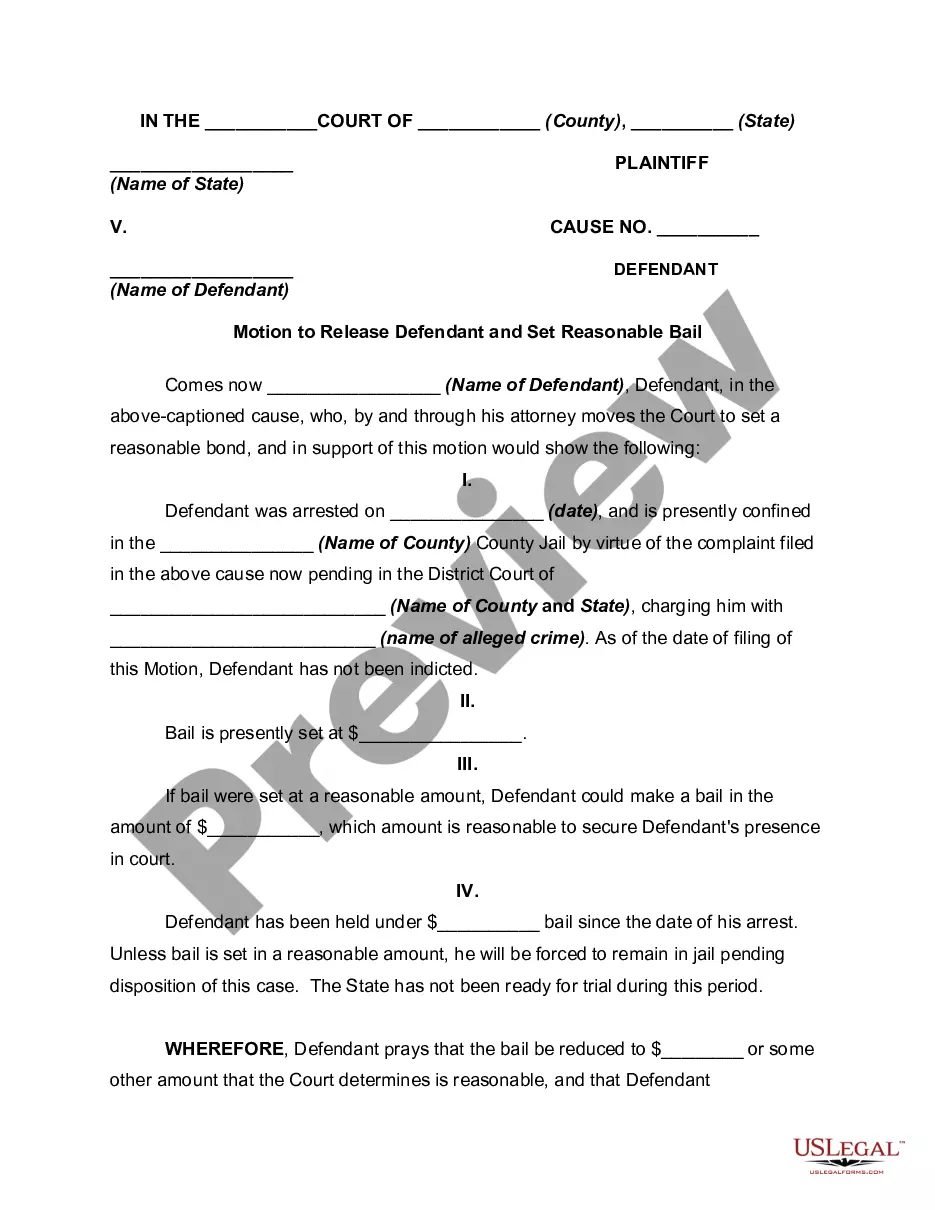
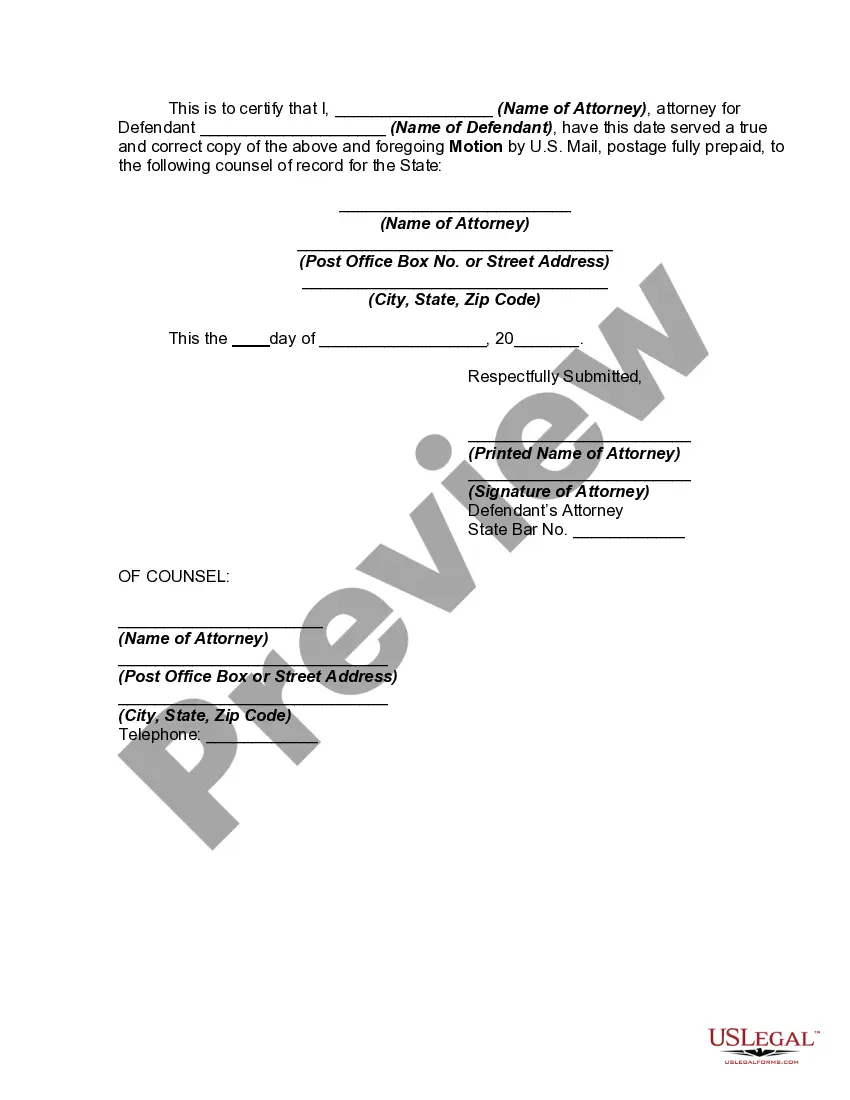
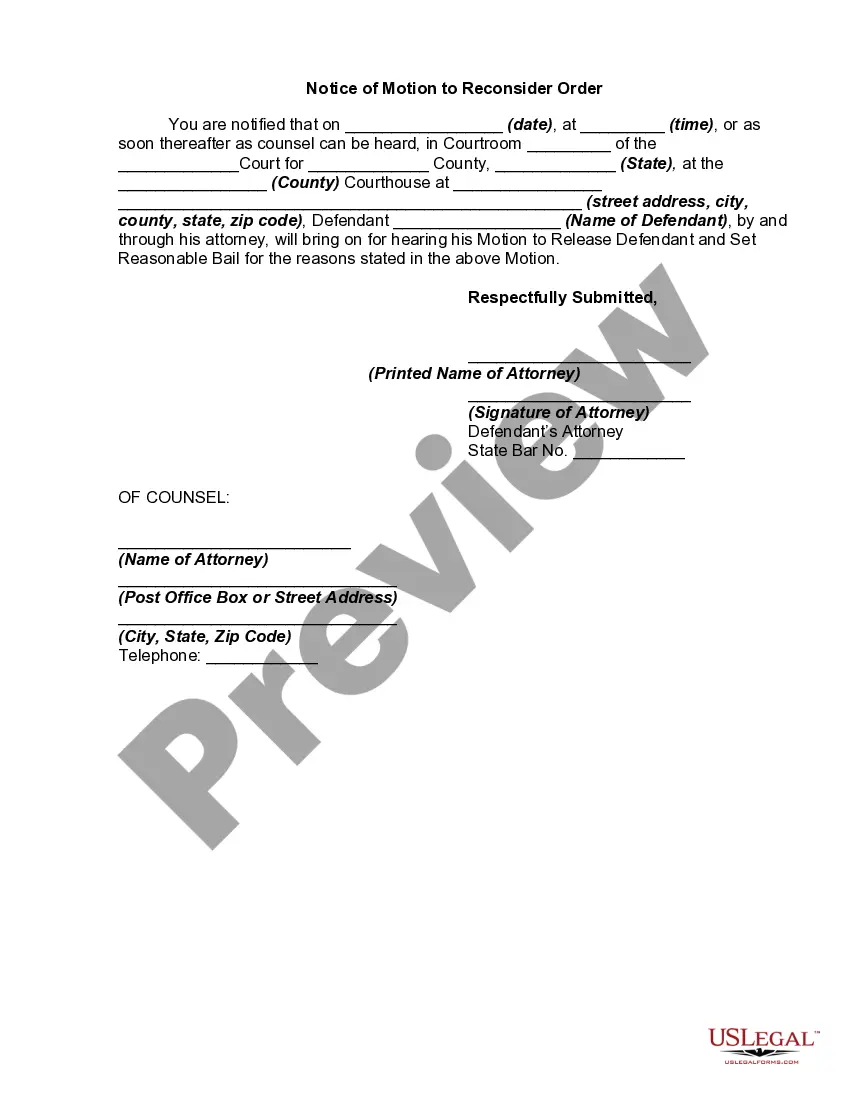
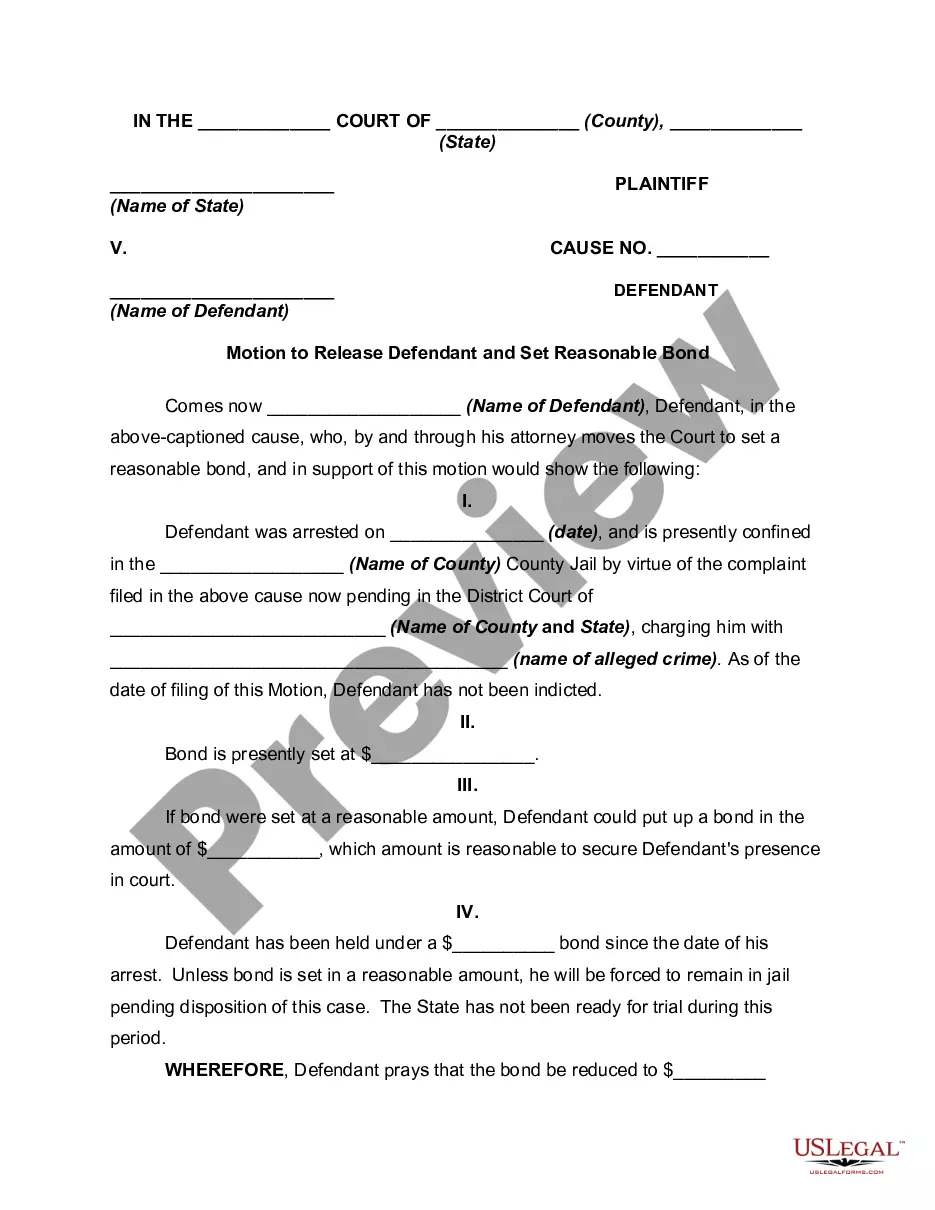
How to fill out Motion To Release Defendant And Set Reasonable Bail?
Dealing with legal documentation and processes can be a lengthy addition to your day.
Florida Court Motion Forms and similar documents often require you to search for them and understand how to fill them out correctly.
Thus, whether you are managing financial, legal, or personal issues, having a comprehensive and user-friendly online directory of forms readily available will be incredibly beneficial.
US Legal Forms is the leading online platform for legal documents, featuring over 85,000 state-specific templates and various resources to assist you in completing your paperwork efficiently.
Is this your first time using US Legal Forms? Sign up and create a free account in just a few minutes for access to the form catalog and Florida Court Motion Forms. Then, follow these steps to fill out your form: Make sure to locate the right form using the Review feature and by reviewing the description of the form. Click Buy Now when ready, and choose the subscription plan that suits your requirements. Click Download, then fill out, sign, and print the document. US Legal Forms has 25 years of experience helping users manage their legal paperwork. Find the document you need now and simplify any procedure effortlessly.
- Browse the catalog of relevant documents accessible to you with a single click.
- US Legal Forms offers you access to state- and county-specific forms that can be downloaded anytime.
- Protect your document management processes with a premium service that allows you to compile any form in just a few minutes without any additional or hidden costs.
- Simply Log In to your account, locate Florida Court Motion Forms, and obtain it directly from the My documents section.
- You can also access previously stored forms.
Form popularity
FAQ
What it means to file a motion: A motion, in its simplest form is a list of requests that you are asking the Court grant on your behalf. You, or your attorney on your behalf, will file a Notice of Motion which includes a list of requests for the court to rule upon.
Forms can be filed electronically online once completed, signed and notarized. First-time users will need to create an account. Please choose ?Self-Represented Litigant? as the filer role when registering. Before you file, please make sure it is signed and notarized as required.
A motion must include ? in a single document no longer than twenty-five pages inclusive of all parts ? a concise statement of the precise relief requested, a statement of the basis for the request, and a legal memorandum supporting the request.
Be as persuasive as possible as you write your motion in a sequential, logical format. Express your ideas clearly, and make sure you outline what steps are necessary and how they will help your case. Use facts of the case whenever you can to avoid baseless emotional appeals.
Write your legal argument by stating the rule and explaining how your facts apply to it. Then, add your signature, a Certificate of Service, and a Notice of Hearing. File your motion with the clerk of court overseeing your case. Then, give copies to each defendant.