Title Quiet Form For Utah
Description
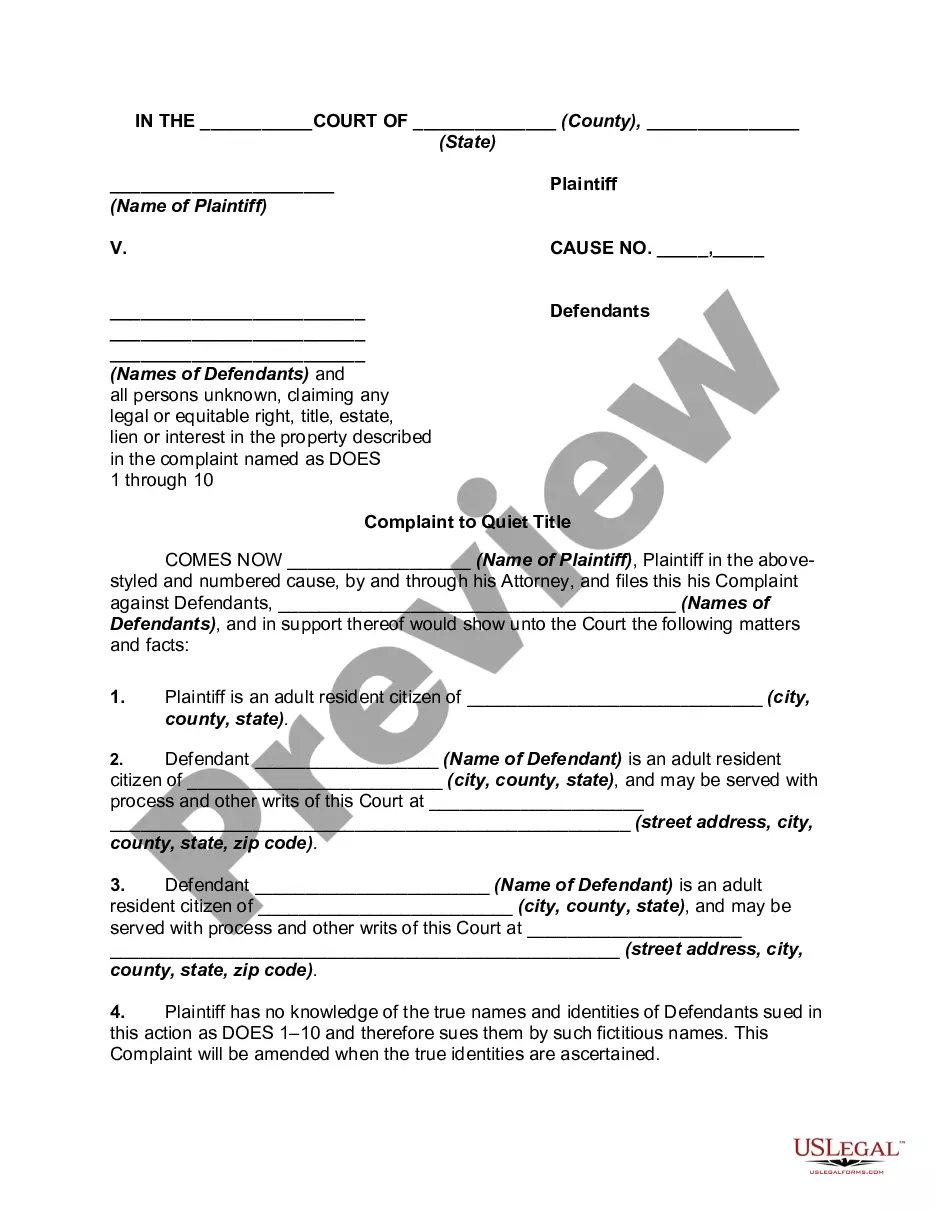
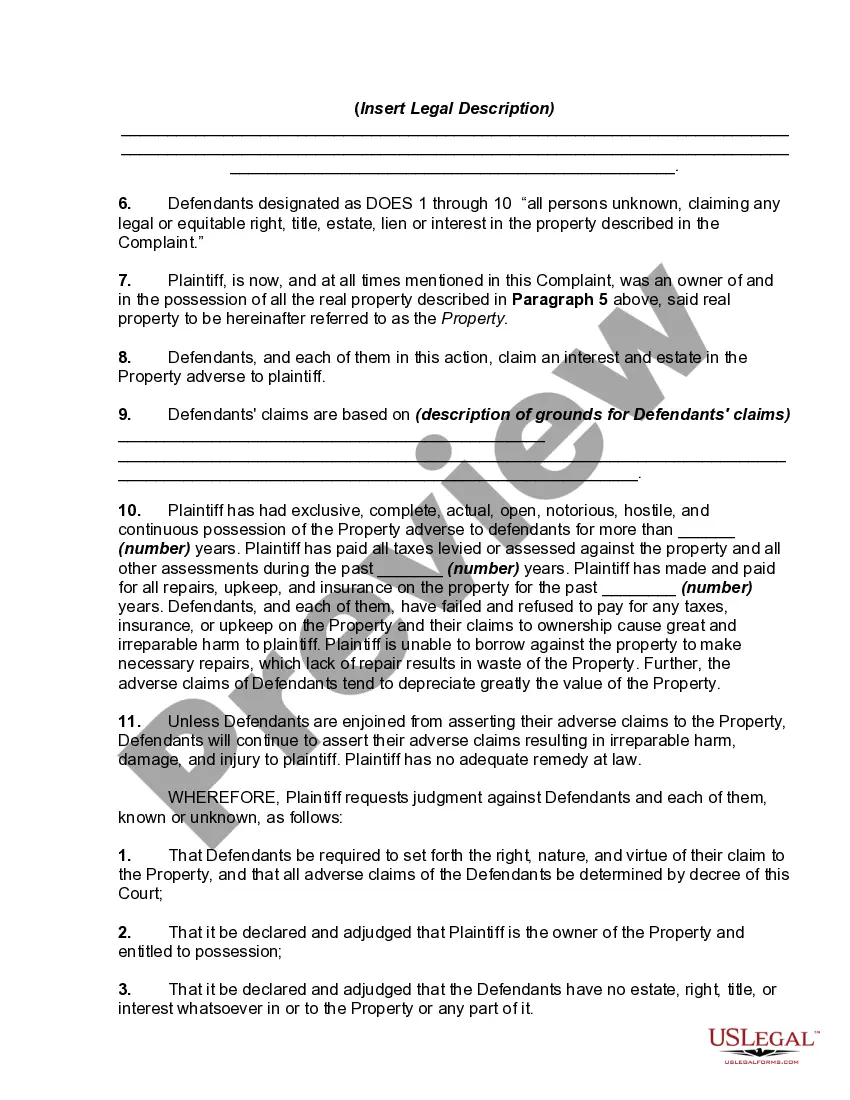
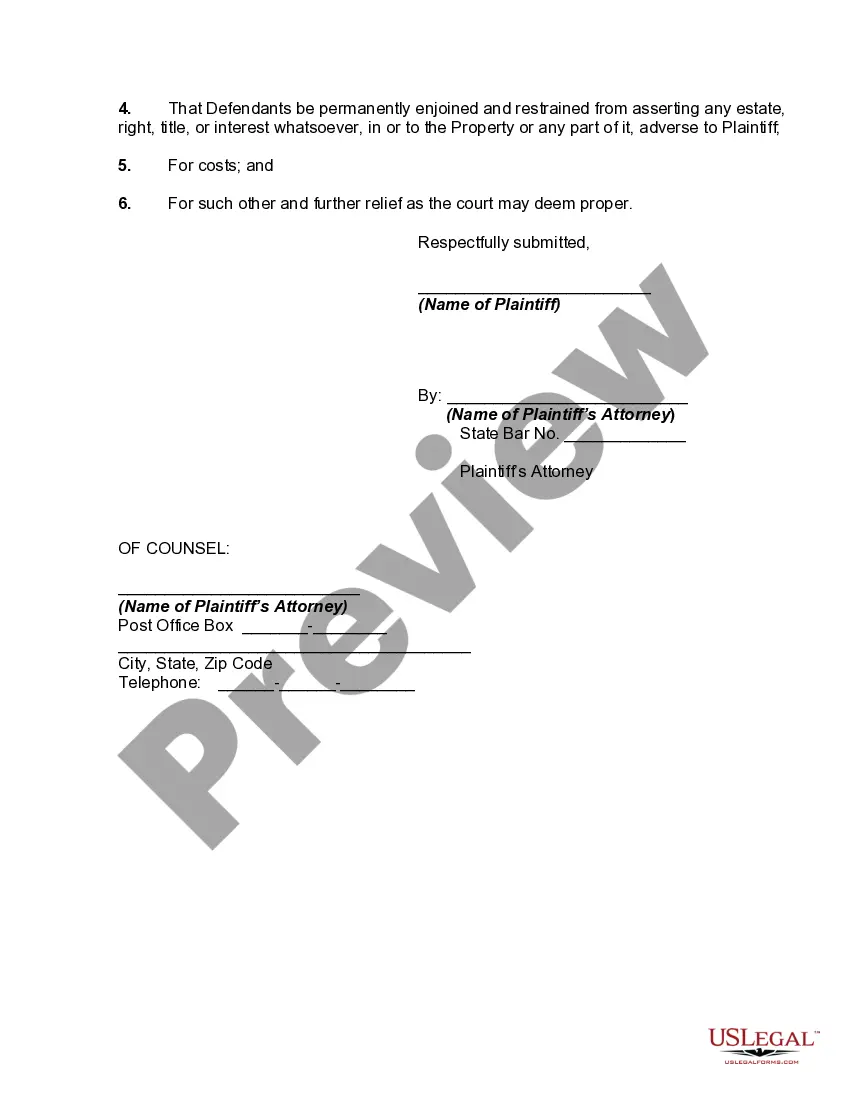
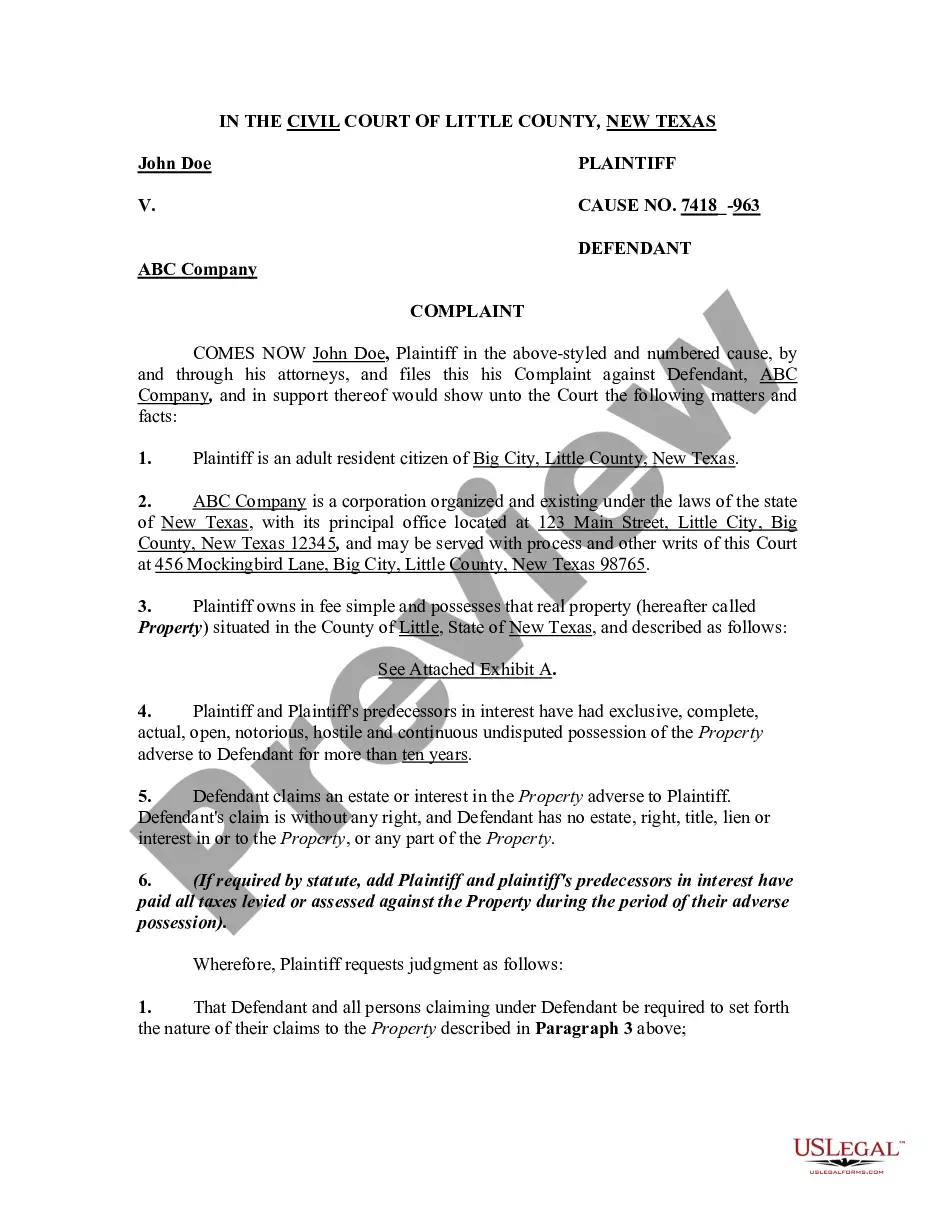

Get your form ready online
Our built-in tools help you complete, sign, share, and store your documents in one place.
Make edits, fill in missing information, and update formatting in US Legal Forms—just like you would in MS Word.
Download a copy, print it, send it by email, or mail it via USPS—whatever works best for your next step.
Sign and collect signatures with our SignNow integration. Send to multiple recipients, set reminders, and more. Go Premium to unlock E-Sign.
If this form requires notarization, complete it online through a secure video call—no need to meet a notary in person or wait for an appointment.
We protect your documents and personal data by following strict security and privacy standards.

Make edits, fill in missing information, and update formatting in US Legal Forms—just like you would in MS Word.

Download a copy, print it, send it by email, or mail it via USPS—whatever works best for your next step.

Sign and collect signatures with our SignNow integration. Send to multiple recipients, set reminders, and more. Go Premium to unlock E-Sign.

If this form requires notarization, complete it online through a secure video call—no need to meet a notary in person or wait for an appointment.

We protect your documents and personal data by following strict security and privacy standards.
Looking for another form?






How to fill out Complaint To Quiet Title By Adverse Possessor With Unknown Defendants?
- If you're a returning user, visit the US Legal Forms website and log in to your account. Ensure that your subscription is active.
- For new users, begin by browsing the extensive document library. Carefully review the form descriptions to find the Title Quiet Form that meets your needs and complies with Utah's legal requirements.
- If the chosen form requires adjustments, utilize the Search function to find alternatives. This can help you locate exactly what fits your situation.
- Once satisfied with your selection, click the Buy Now button to choose your preferred subscription plan. Account registration is necessary to unlock full access to the resources.
- Proceed with your purchase by entering your payment details or using your PayPal account.
- Finish by downloading the Title Quiet Form to your device. You can access it anytime via the My Forms section of your profile.
In conclusion, US Legal Forms offers a seamless approach to accessing essential legal documents, ensuring clarity and efficiency. By following these steps, you can quickly obtain the Title Quiet Form you need.
Explore US Legal Forms today and leverage our vast collection to simplify your legal processes!
Form popularity
FAQ
An example of quiet title action would be a homeowner seeking to eliminate claims against their property from a previous owner. This action helps establish clear ownership and eliminates uncertainties regarding the title. Using a Title quiet form for Utah is essential in this process, as it formalizes your request. Our platform can assist by providing proper documentation and resources necessary for filing your action confidently.
Individuals or entities that face disputes concerning property ownership are the primary users of quiet title suits. This includes homeowners, buyers, lenders, and investors looking to resolve title issues. If you find yourself in such a situation, utilizing a Title quiet form for Utah may be beneficial. Our platform provides practical tools and templates for those needing to initiate or respond to a quiet title suit.
Winning a quiet title case depends on presenting solid evidence and a clear argument. You need to demonstrate that you hold rightful ownership without disputes over the title. A well-prepared Title quiet form for Utah can play a pivotal role in strengthening your claim. Consider accessing our platform for relevant templates and guidance tailored to support your case effectively.
Responding to a petition to quiet title requires careful attention to detail. You must clearly state your position, provide any supporting facts, and submit your response within the designated timeframe. Utilizing a Title quiet form for Utah can help structure your reply effectively. Our platform offers resources to assist you with drafting a strong and precise answer to protect your property rights.
Filling out a Utah certificate of title involves several key steps. Start by gathering essential information, including the vehicle identification number and ownership details. Ensure you provide accurate data on the Title quiet form for Utah, as it will streamline the registration process. For a smoother experience, consider using our platform, which offers user-friendly tools to help with the completion of your title application.
To be successful in a quiet title action, prepare a comprehensive case that clearly presents your ownership claim. Organize and submit relevant documents, such as deeds, surveys, and any other proof of ownership. Engaging with legal professionals can further bolster your case, as they can guide you through the process effectively. Utilizing a Title quiet form for Utah can also aid in ensuring that you have all the necessary elements for a strong presentation.
Yes, you can initiate a quiet title action yourself, but it is advisable to seek legal guidance. The process involves considerable paperwork and understanding of legal terminology, so being prepared is key. Many individuals find that using a Title quiet form for Utah simplifies this task, helping them gather necessary documentation efficiently. If you feel uncertain, legal advice can significantly enhance your chances of success.
In Utah, the laws governing quiet title actions are outlined in Utah Code Title 78B, Chapter 6. This provides the framework for initiating a quiet title lawsuit and outlines the procedures involved. Understanding these legal codes is essential for anyone considering a quiet title action. You may want to consult with an attorney or refer to official resources for assistance in navigating these regulations.
Filing a quit claim deed in Utah is a straightforward process. First, you need to obtain the appropriate quit claim deed form, which is often referred to as a Title quiet form for Utah. Then, complete the form with the necessary details about the property and the parties involved. After signing, you must file the deed with your county recorder's office to make it official.
In a quiet title action, the burden of proof rests on the party seeking to establish title. This means you must provide sufficient evidence to prove your ownership and any claims against your title must be addressed. Preparing a strong case often involves using legal documents and research about property history. Utilizing a Title quiet form for Utah can streamline this process and clarify your ownership situation.