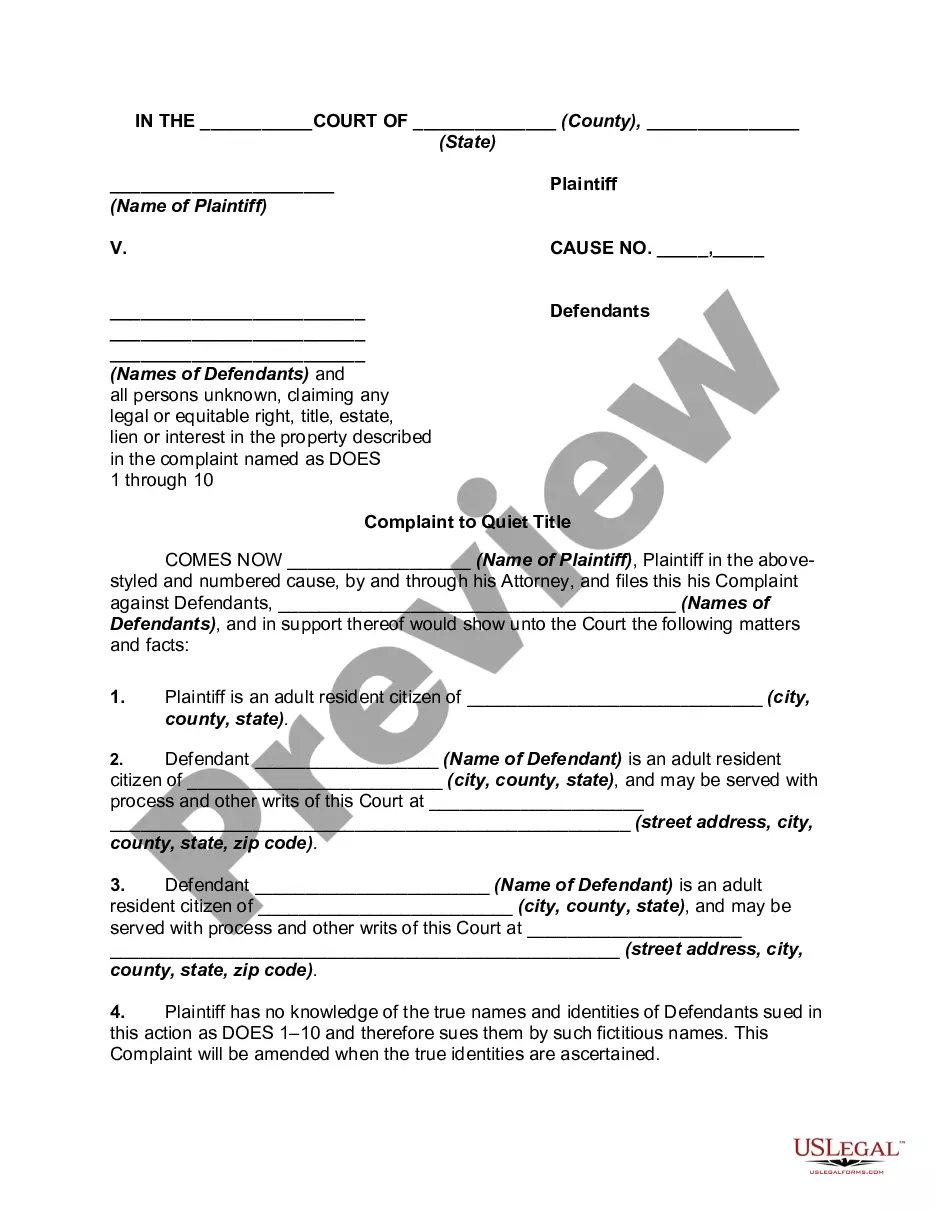
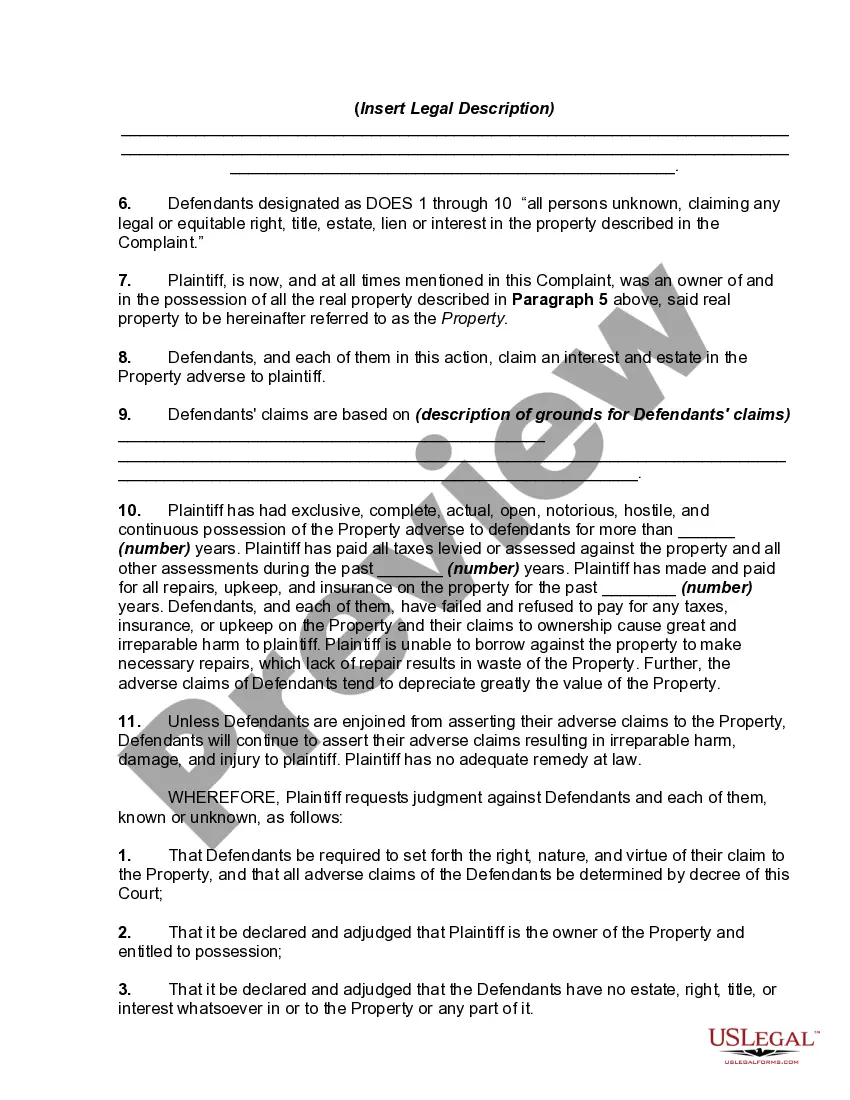
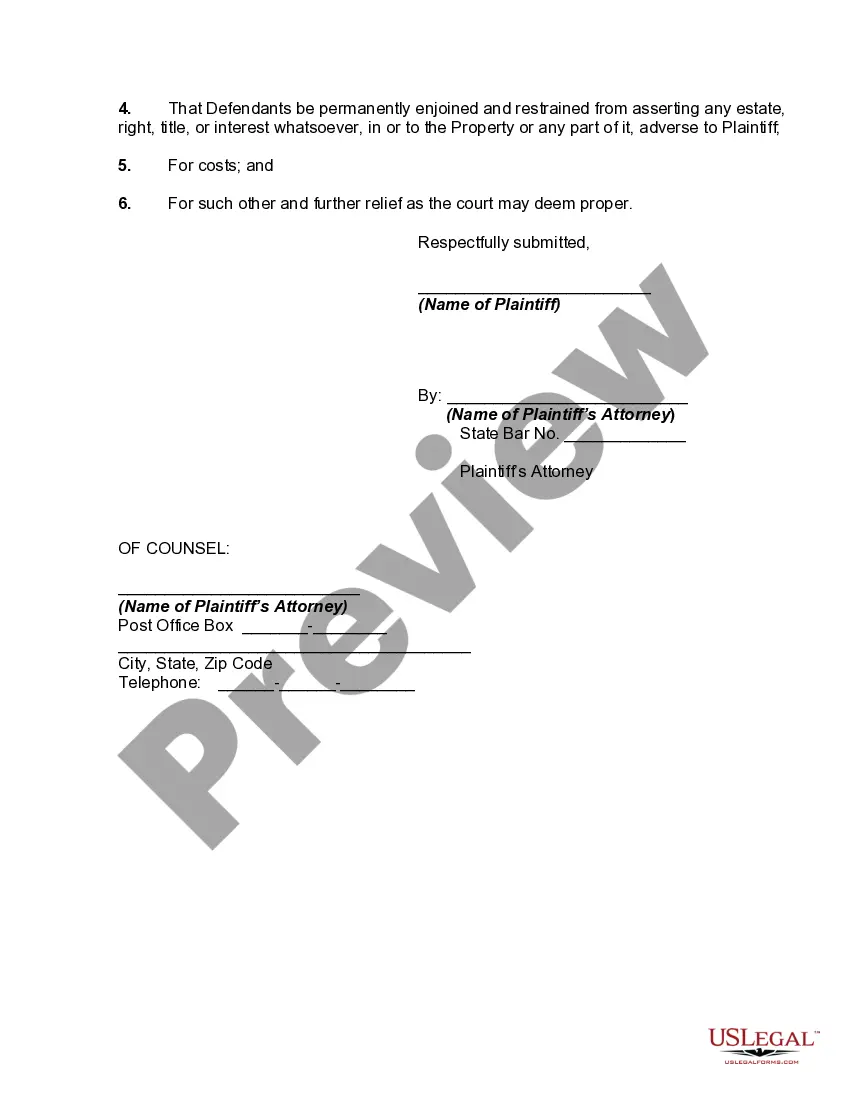
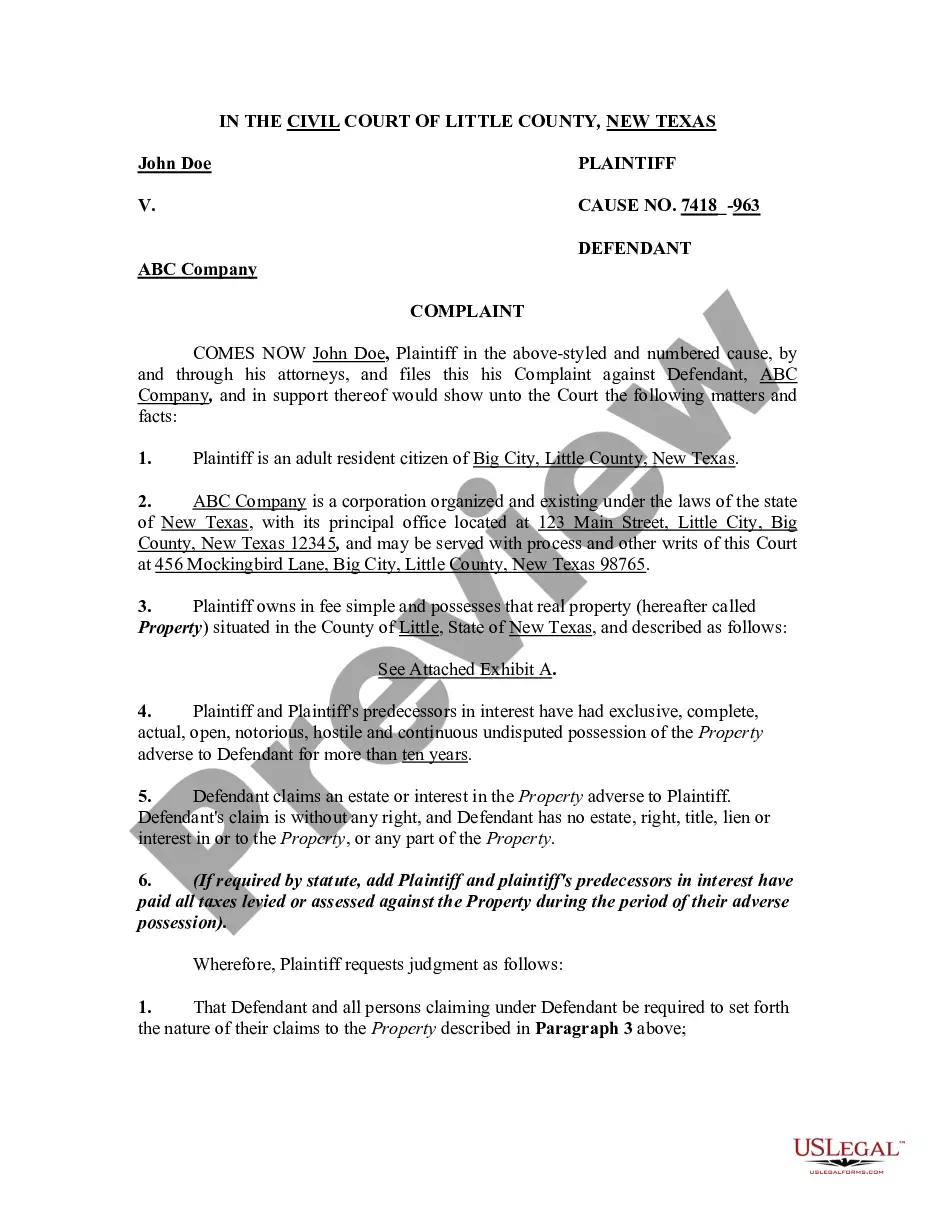
Adverse Possessor Defendants Editable For Court
Description
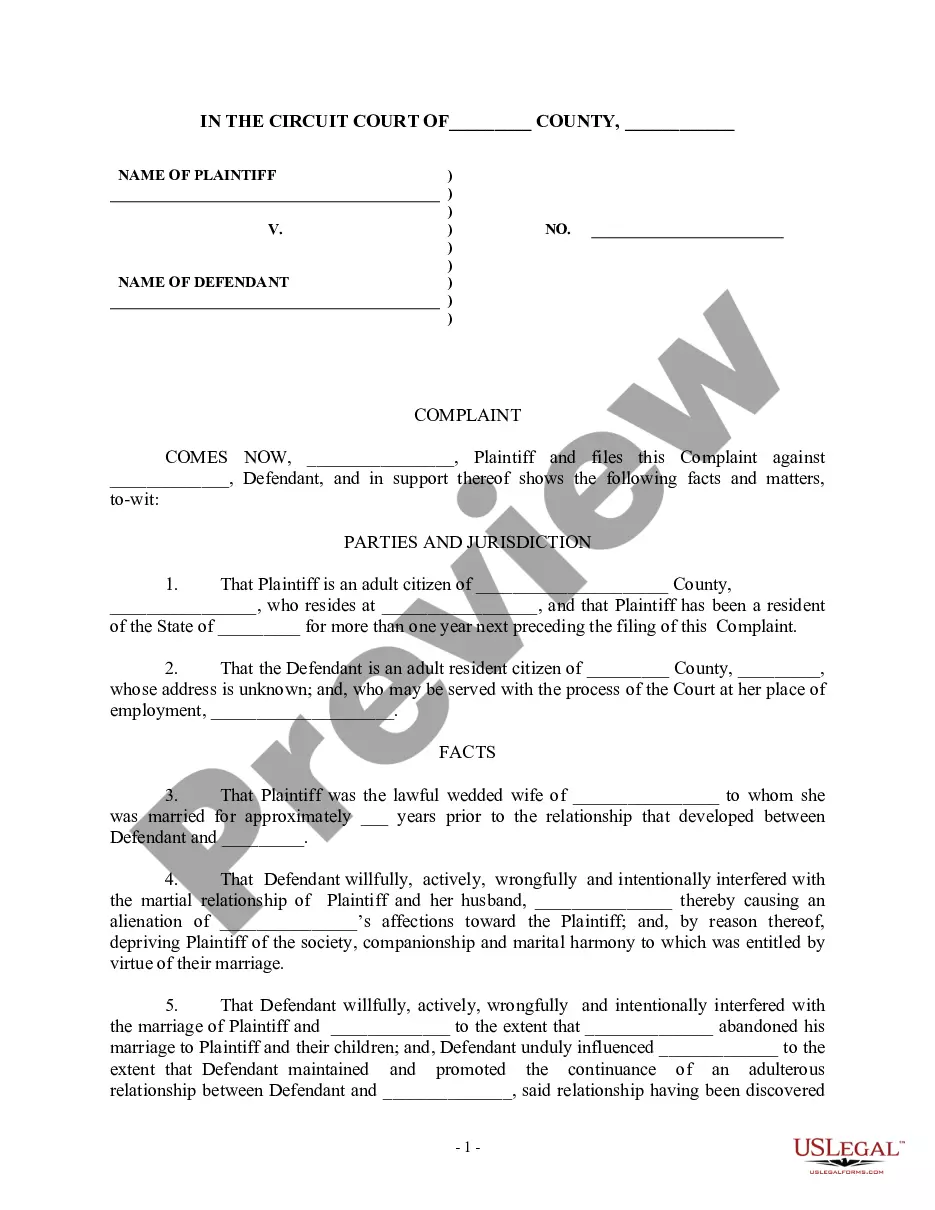
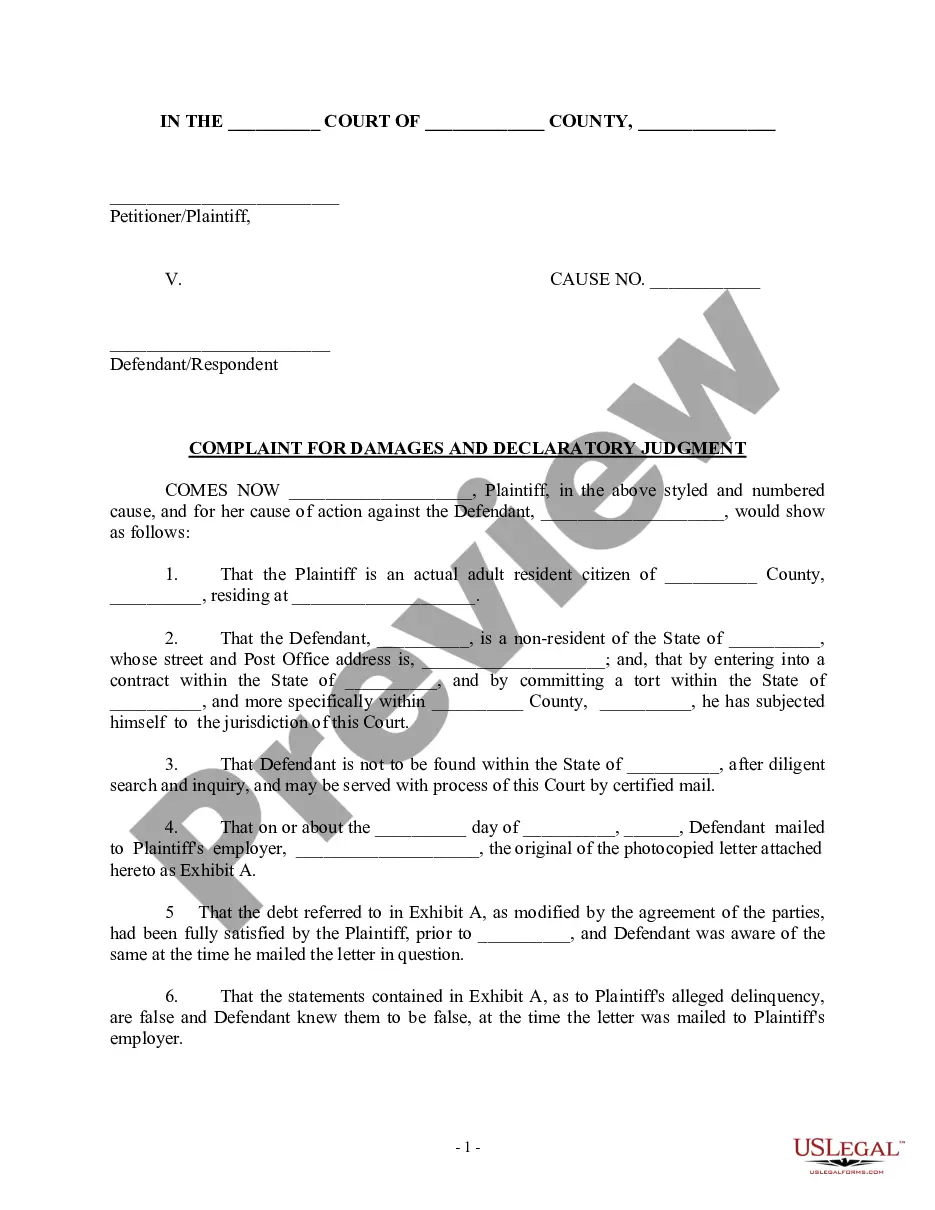
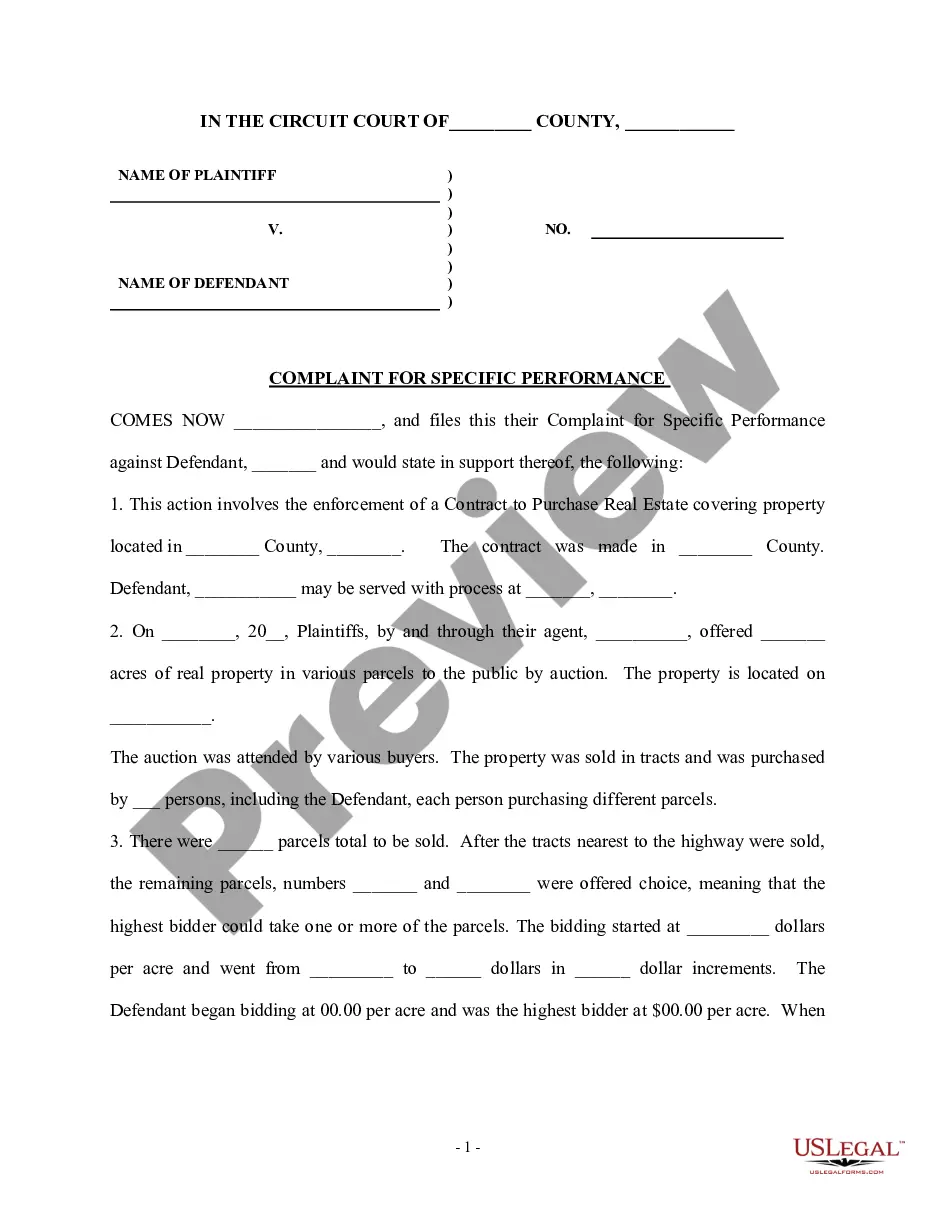
Get your form ready online
Our built-in tools help you complete, sign, share, and store your documents in one place.
Make edits, fill in missing information, and update formatting in US Legal Forms—just like you would in MS Word.
Download a copy, print it, send it by email, or mail it via USPS—whatever works best for your next step.
Sign and collect signatures with our SignNow integration. Send to multiple recipients, set reminders, and more. Go Premium to unlock E-Sign.
If this form requires notarization, complete it online through a secure video call—no need to meet a notary in person or wait for an appointment.
We protect your documents and personal data by following strict security and privacy standards.

Make edits, fill in missing information, and update formatting in US Legal Forms—just like you would in MS Word.

Download a copy, print it, send it by email, or mail it via USPS—whatever works best for your next step.

Sign and collect signatures with our SignNow integration. Send to multiple recipients, set reminders, and more. Go Premium to unlock E-Sign.

If this form requires notarization, complete it online through a secure video call—no need to meet a notary in person or wait for an appointment.

We protect your documents and personal data by following strict security and privacy standards.
Looking for another form?
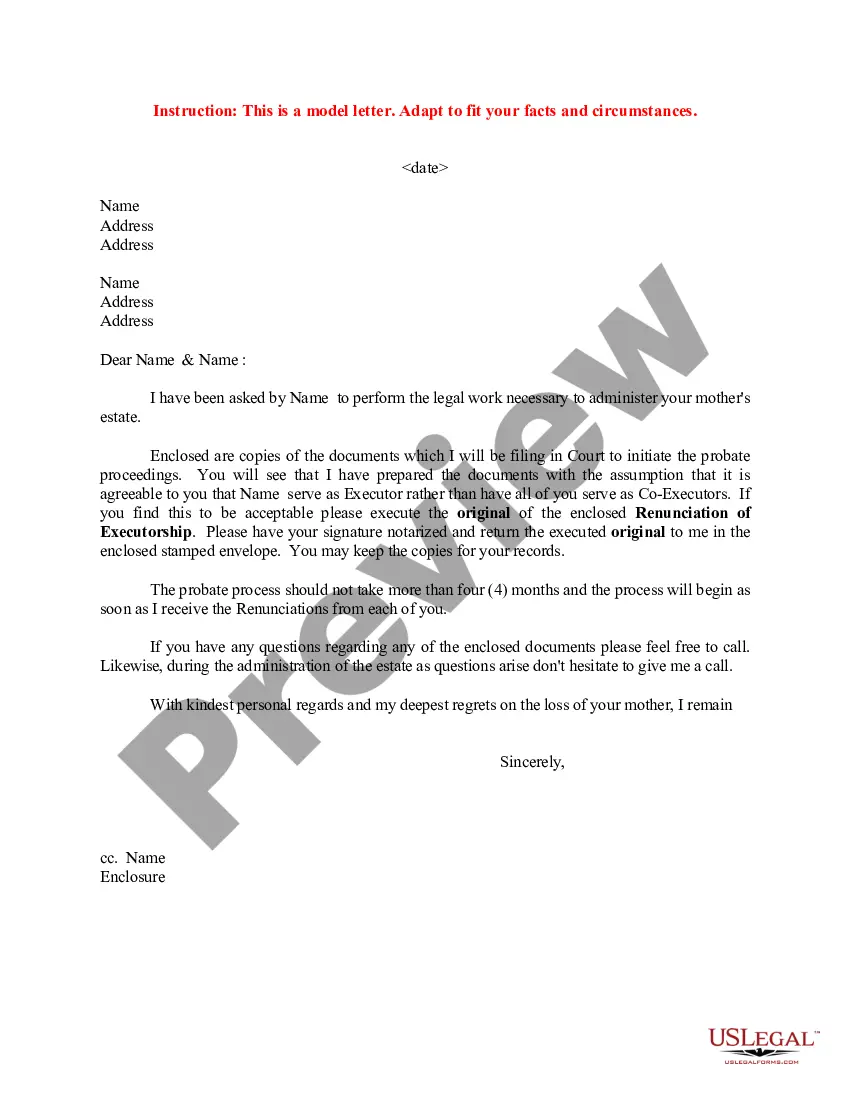

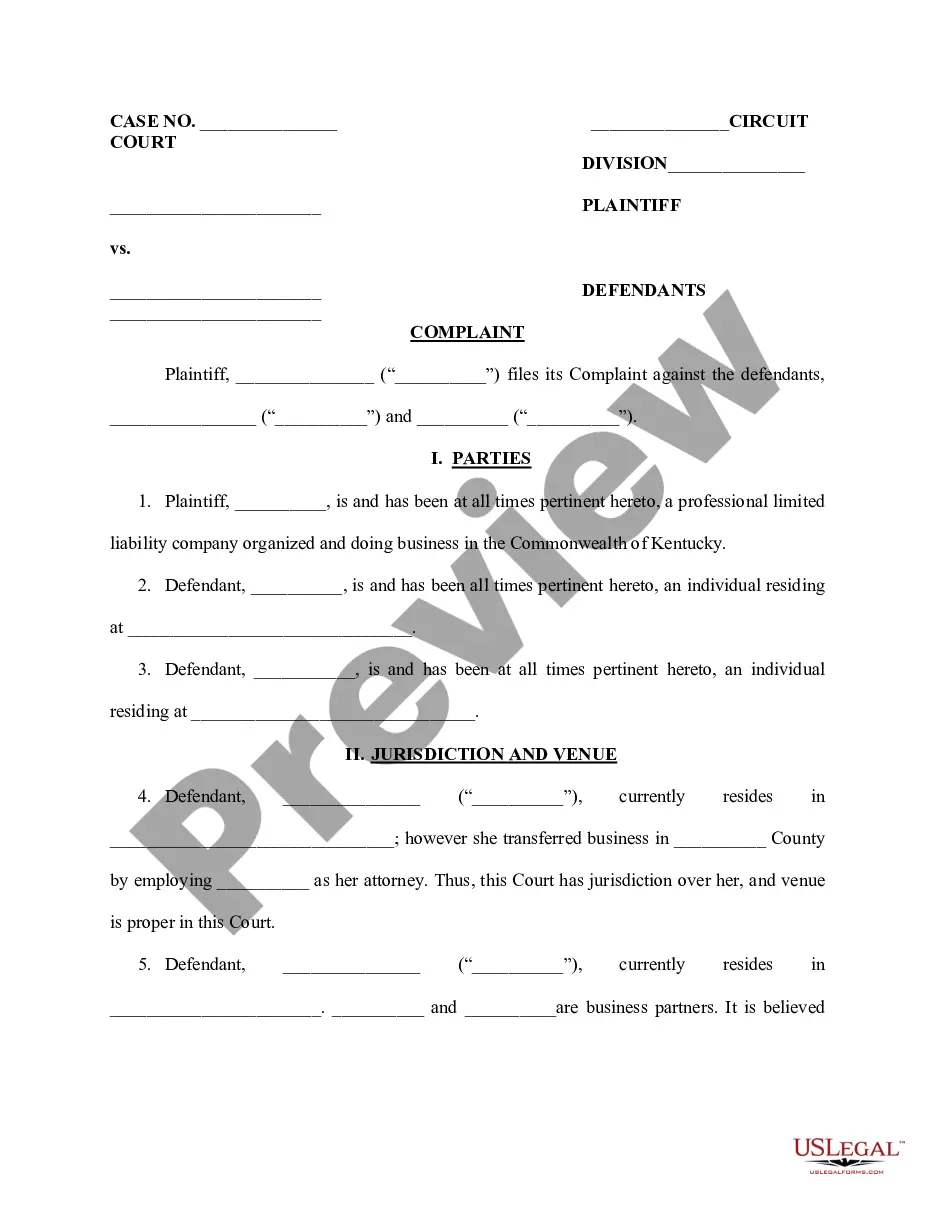
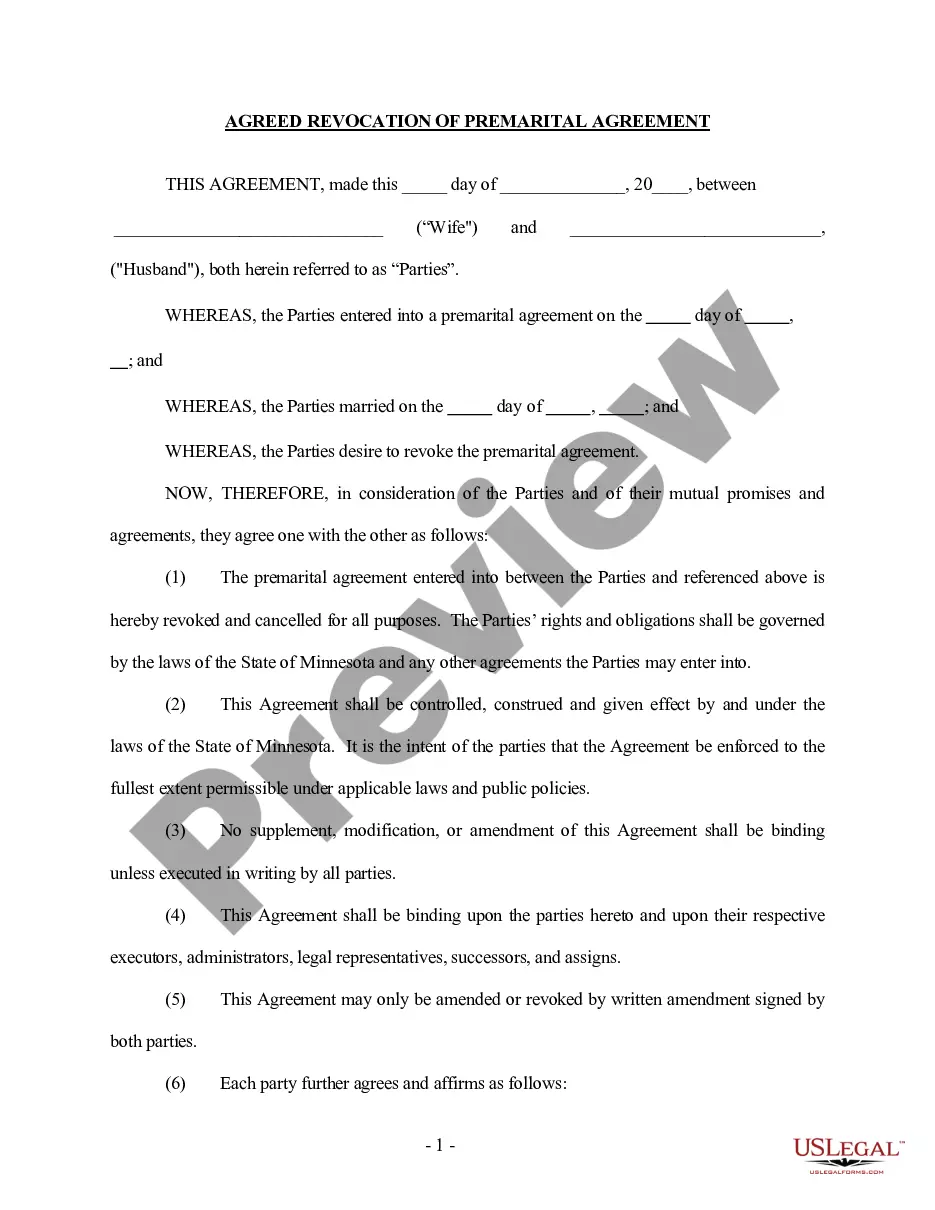
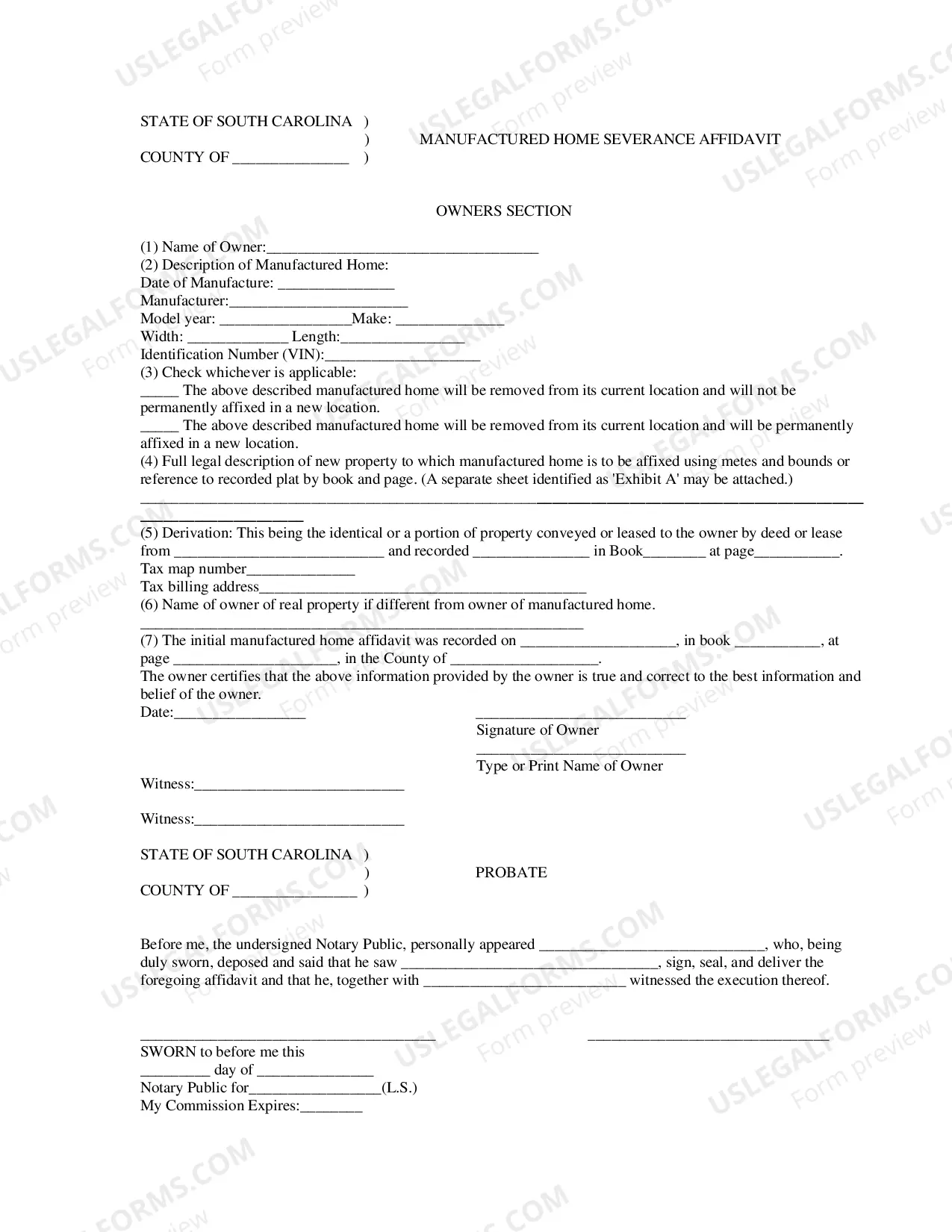
How to fill out Complaint To Quiet Title By Adverse Possessor With Unknown Defendants?
- If you're already a member, log in to your account to download the required form directly from your device by hitting the Download button. Ensure your subscription is active; if not, renew it according to your plan.
- For new users, start by exploring the Preview mode and form descriptions to select the document that best suits your requirements and complies with local regulations.
- If the selected template doesn’t meet your needs, utilize the Search tab to find other suitable forms. Verify their relevance before proceeding.
- Once you have identified the correct document, click on the Buy Now button and choose your preferred subscription plan. You'll need to create an account to gain access to the extensive library.
- Complete your purchase by entering your payment details or utilizing your PayPal account to finalize the subscription.
- Finally, download your completed form to your device and access it anytime from the My Forms section of your profile.
Utilizing US Legal Forms not only simplifies the process but also ensures that you are equipped with legally sound documents.
Experience the ease of managing your legal paperwork today by visiting US Legal Forms and start your journey towards organized legal documentation.
Form popularity
FAQ
To prove adverse possession in Florida, you must demonstrate that your possession was continuous, open, notorious, exclusive, and adverse. Collecting evidence such as photographs, witness statements, and maintenance records can help support your claim. If you are tested as an adverse possessor defendant editable for court, it is vital to organize this evidence carefully. Consider using USLegalForms to create documents that present your case effectively.
Yes, adverse possession can transfer to a new owner if the possession is legally established and the new owner continues to possess the property. Generally, the new owner must uphold the same criteria that were met by the original adverse possessor. If you're navigating this issue as an adverse possessor defendant editable for court, consult with legal resources. USLegalForms offers tools to assist with document preparation tailored for changing ownership circumstances.
Fact patterns for adverse possession usually involve situations where someone uses a property without permission, treating it as their own. Common scenarios include maintaining the property, erecting fences, or residing on it for an extended period. If you find yourself as an adverse possessor defendant editable for court, understanding these fact patterns can help clarify your position. Gathering evidence of your actions can strengthen your case.
Florida law stipulates that the time limit for adverse possession is typically seven years. This means you must continuously possess the property for this duration to establish a claim. If you are an adverse possessor defendant editable for court, it is essential to be aware of this timeline. Ensure you keep thorough records of your possession to support your claim.
In Florida, the five requirements for adverse possession include continuous possession, open and notorious use, exclusive possession, actual possession, and the possession must be adverse to the interests of the true owner. These elements help establish a claim against the property owner. If you are engaging in a claim as an adverse possessor defendant editable for court, understanding these requirements is crucial for presenting your case effectively. Using resources from USLegalForms can assist you in navigating these requirements.
In Minnesota, the time required for a claim of adverse possession is typically 15 years. This period allows individuals to establish rights over a property that they have occupied without the owner's permission. It's essential to remember that the possession must be continuous, visible, and exclusive during this time. If you’re navigating a situation with adverse possessor defendants editable for court, understanding this timeline can make a significant difference in your legal strategy.
One important fact about adverse possession is that it requires continuous use of the property for a specific duration. Additionally, the use must be without permission from the original owner, making it a critical point in legal cases. Another aspect is that the user must treat the property as their own, which can strengthen their claim. When facing adverse possessor defendants editable for court, knowing these truths can aid in effectively presenting your case.
The reasoning behind adverse possession centers on the idea that land should not be left idle. Over time, if a person occupies and uses a piece of property in a manner that is open and notorious, they may establish a claim to that land. This principle encourages the productive use of real estate, ultimately benefiting communities. For those dealing with adverse possessor defendants editable for court, understanding this reasoning is crucial for a successful outcome.
In New York, to claim adverse possession, an individual must occupy the property for 10 years continuously and openly. The possession must be notorious, meaning the original owner should be aware of the occupation, and it must be exclusive with no permission given. Adverse possessor defendants editable for court must also show that their possession was hostile, meaning without the consent of the original owner. Familiarizing yourself with these requirements can significantly aid anyone looking to navigate these legal waters.
To successfully defeat a claim of adverse possession, you can provide evidence that the occupation of the property was not continuous or that permission was granted to use the land. It's also beneficial to show that the original owner took steps to assert their rights, such as regularly visiting the property or maintaining it. Having legal guidance can help you navigate this process, especially when dealing with adverse possessor defendants editable for court. Engaging a qualified attorney may improve your chances of successfully contesting the claim.