Adverse Possession Property Law
Description
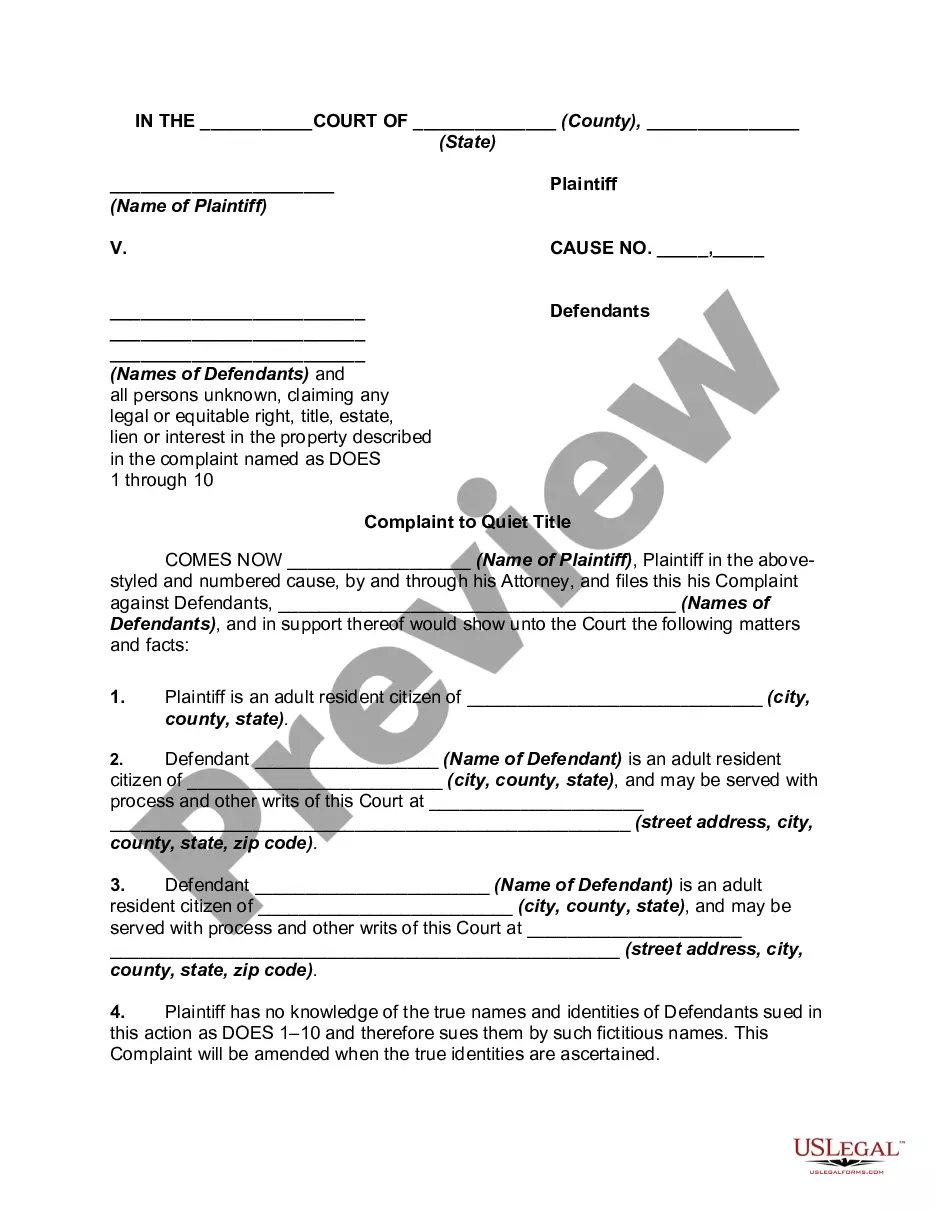
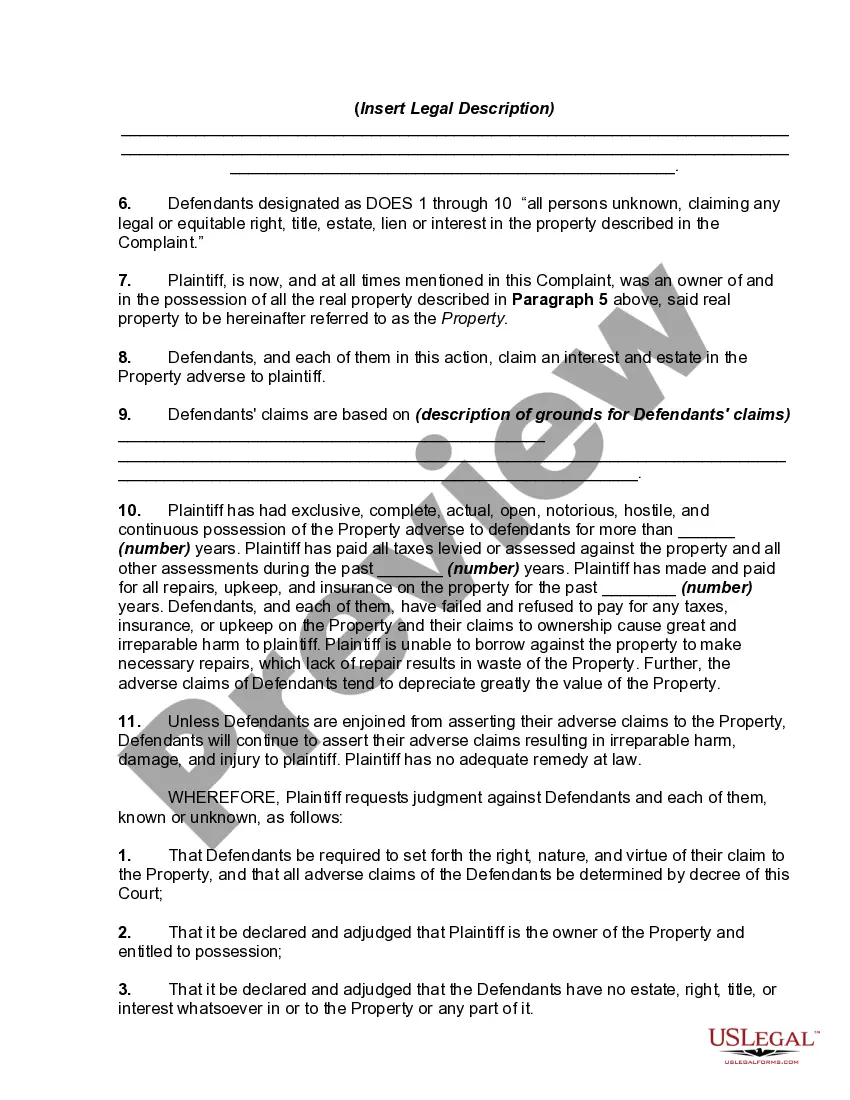
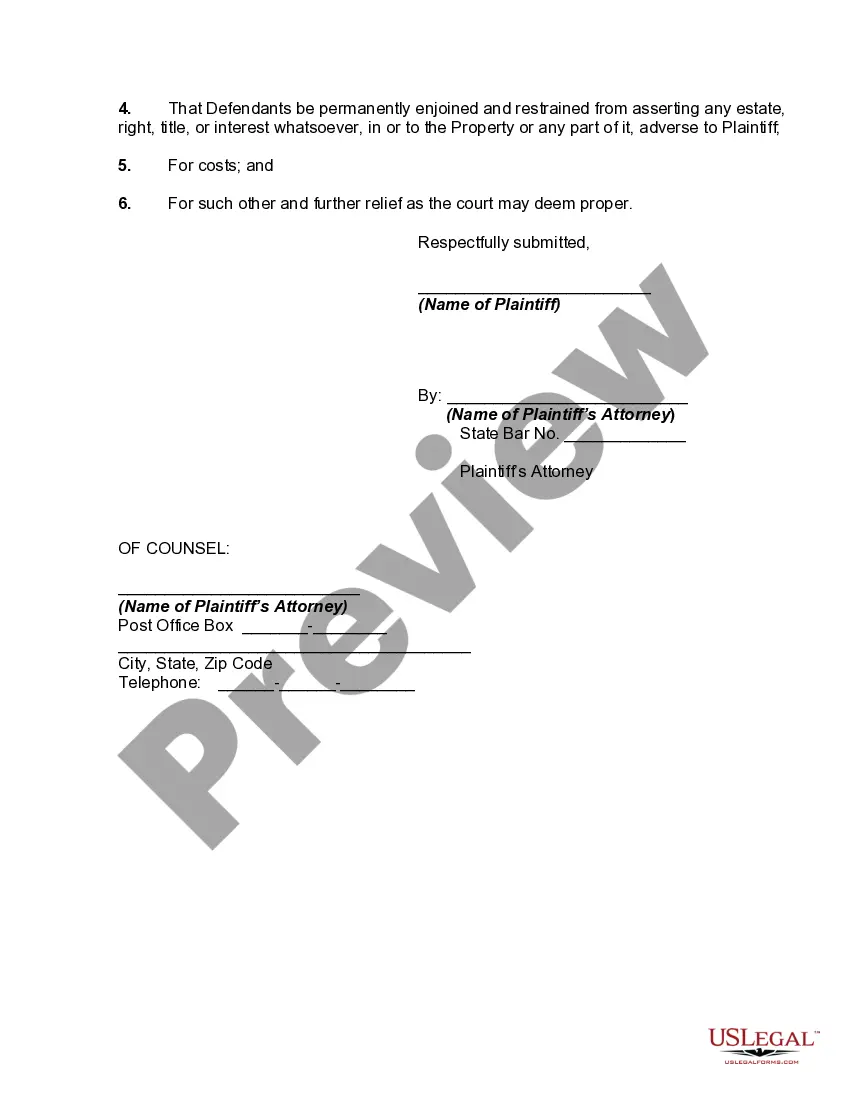
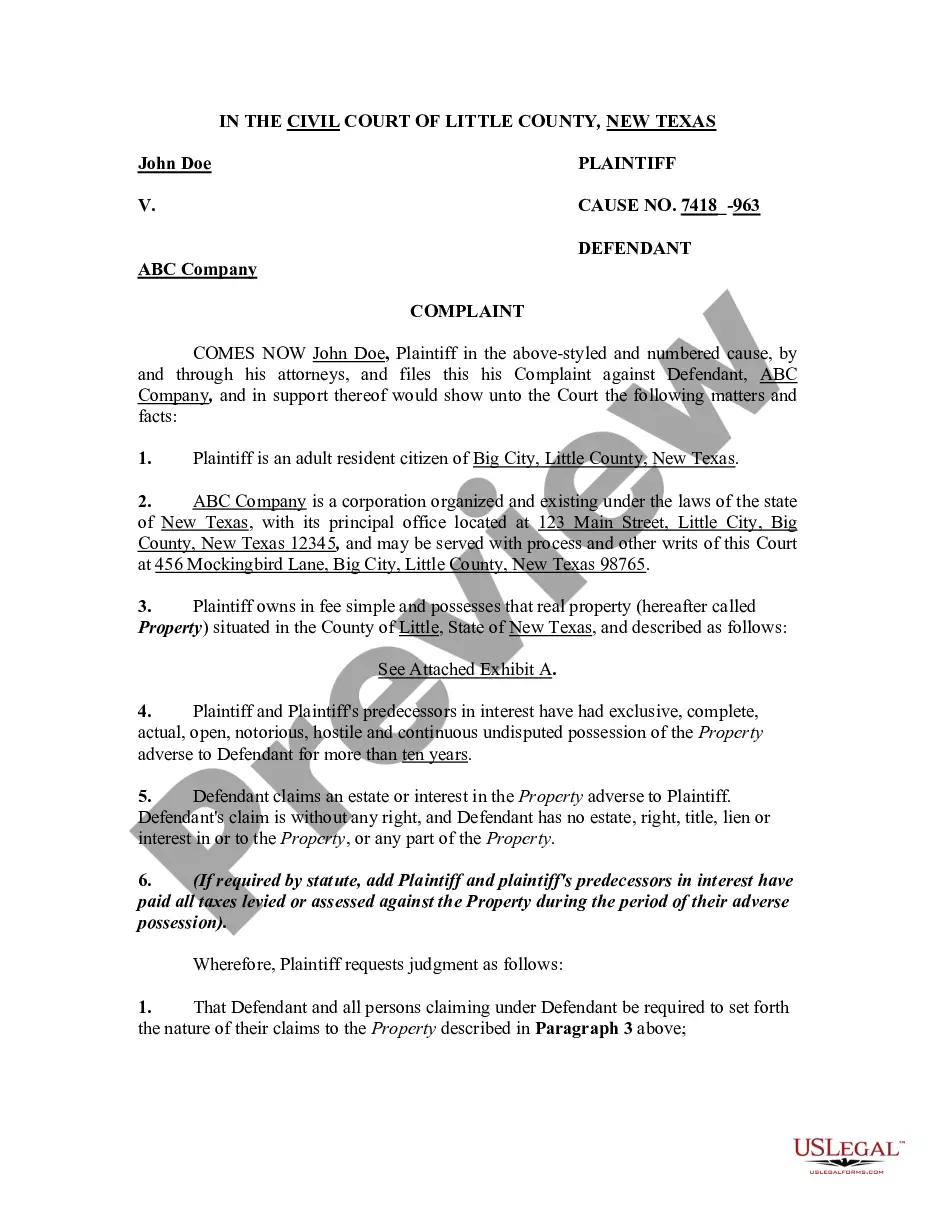
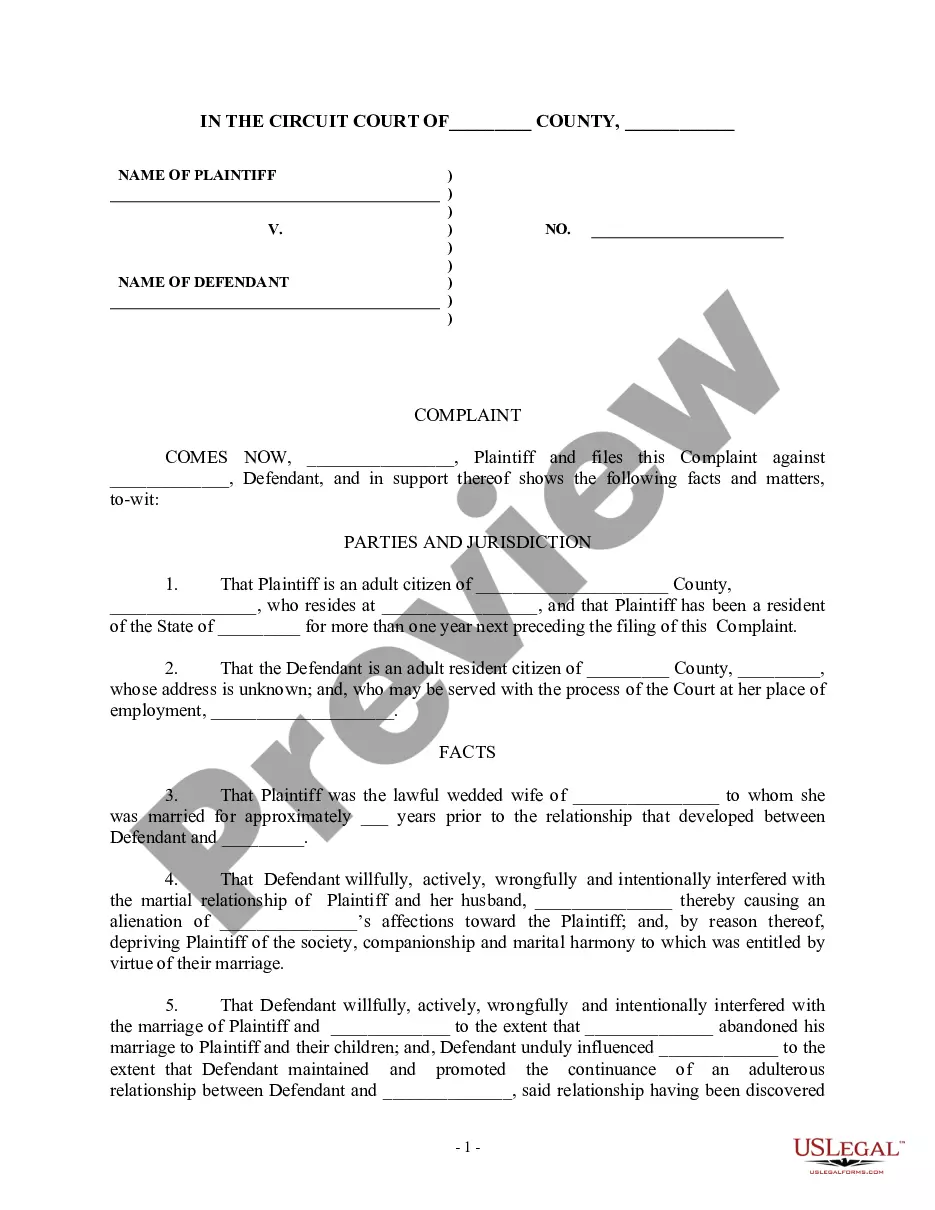
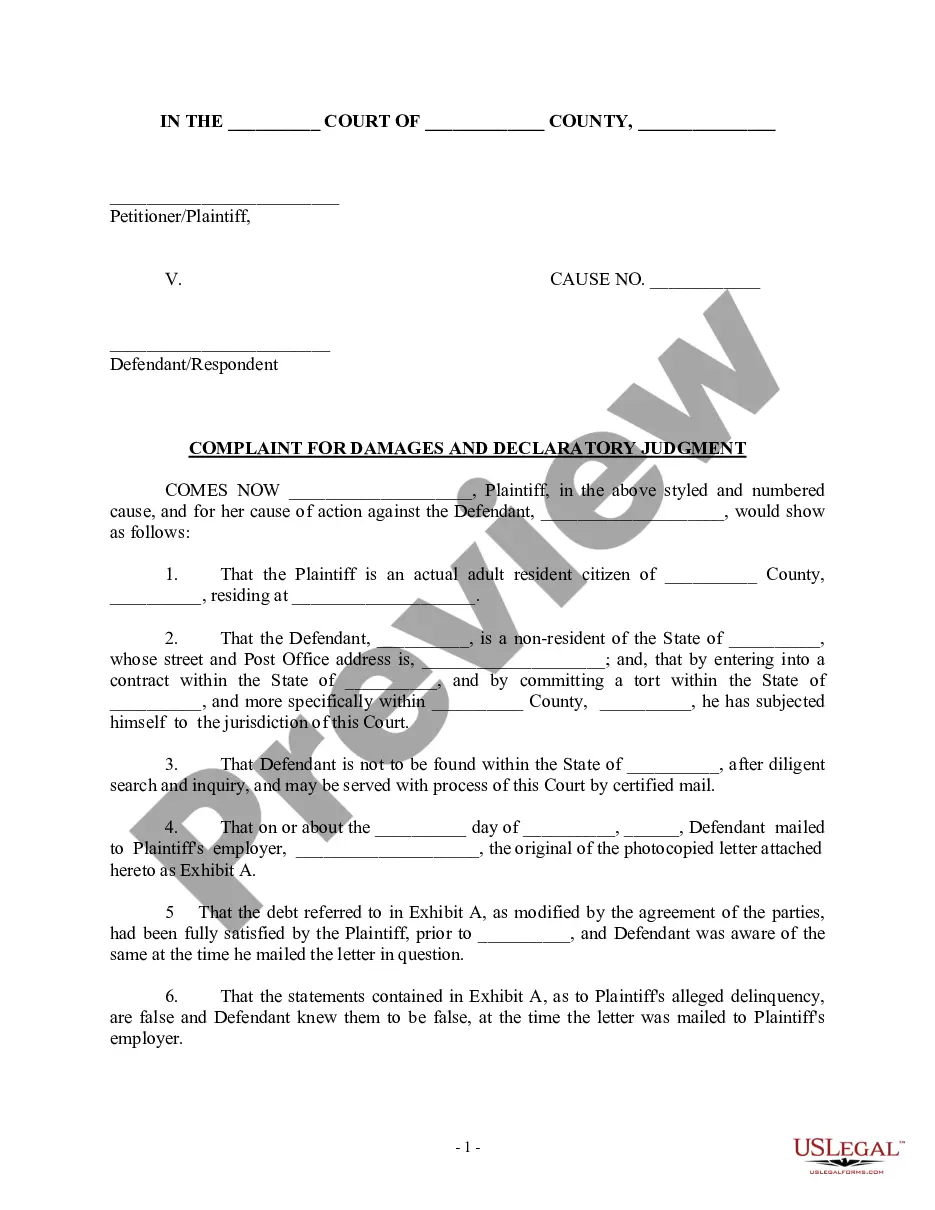
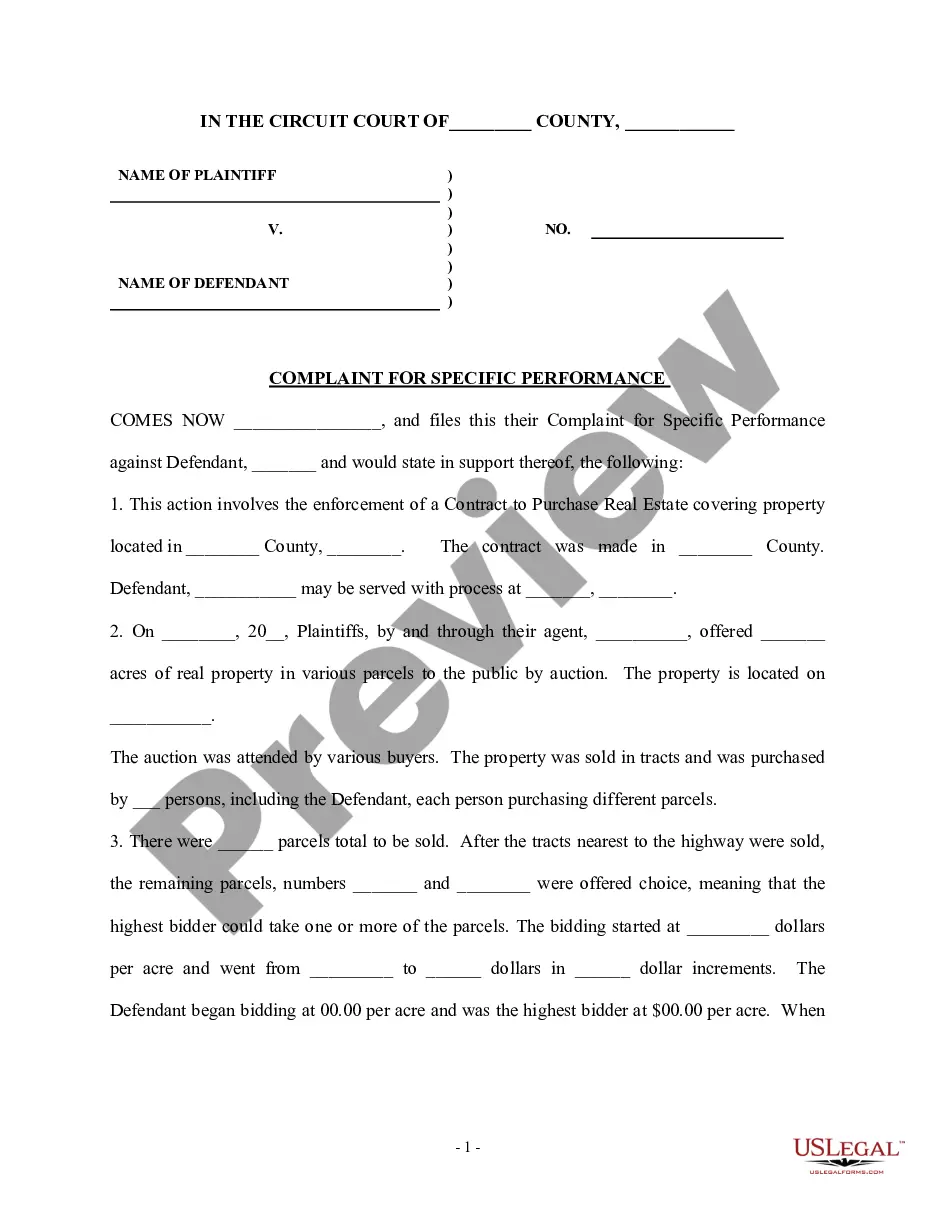
Get your form ready online
Our built-in tools help you complete, sign, share, and store your documents in one place.
Make edits, fill in missing information, and update formatting in US Legal Forms—just like you would in MS Word.
Download a copy, print it, send it by email, or mail it via USPS—whatever works best for your next step.
Sign and collect signatures with our SignNow integration. Send to multiple recipients, set reminders, and more. Go Premium to unlock E-Sign.
If this form requires notarization, complete it online through a secure video call—no need to meet a notary in person or wait for an appointment.
We protect your documents and personal data by following strict security and privacy standards.

Make edits, fill in missing information, and update formatting in US Legal Forms—just like you would in MS Word.

Download a copy, print it, send it by email, or mail it via USPS—whatever works best for your next step.

Sign and collect signatures with our SignNow integration. Send to multiple recipients, set reminders, and more. Go Premium to unlock E-Sign.

If this form requires notarization, complete it online through a secure video call—no need to meet a notary in person or wait for an appointment.

We protect your documents and personal data by following strict security and privacy standards.
Looking for another form?


How to fill out Complaint To Quiet Title By Adverse Possessor With Unknown Defendants?
- Log in to your existing US Legal Forms account. Ensure your subscription is active to access the necessary templates.
- If you are new to US Legal Forms, begin by browsing the extensive collection of over 85,000 legal documents. Utilize the preview feature to ensure your selected form meets your jurisdiction's requirements.
- If the initial template isn't suitable, use the search functionality at the top of the page to find the appropriate form.
- Choose your form and click on the 'Buy Now' button to initiate your subscription based on your needs.
- Complete your purchase by entering your payment information or using PayPal to secure access to the library.
- Download the selected form to your device. You can revisit it anytime from the 'My Forms' section in your profile.
US Legal Forms empowers users by providing an extensive library of legal documentation. This user-friendly platform simplifies the often daunting process of legal paperwork.
Start your journey to successfully navigating adverse possession property law today. Explore US Legal Forms for all your legal document needs.
Form popularity
FAQ
There are numerous resources available for learning about adverse possession property law. Online platforms, legal guides, and professional legal assistance can provide detailed information. USLegalForms offers essential legal documents and guidance tailored to various situations, including adverse possession cases. Utilizing these resources can empower you with knowledge and help you make informed decisions.
The shortest time for adverse possession is typically around 5 years in certain states, but in South Carolina, it is 10 years. This period is crucial to establish a claim based on property law requirements. However, some states may have different rules, so it's vital to know the specific laws in your area. If you're considering pursuing adverse possession, familiarize yourself with the legal framework and possibly enlist the help of tools offered by USLegalForms.
In South Carolina, the statutory period for claiming adverse possession is 10 years. This means you must continuously possess the property, meet all the required conditions, and do so without permission from the original owner for this duration. After this period, you may be able to legally claim ownership of the property. It is essential to document your possession and consult with an expert to ensure you meet all legal requirements under adverse possession property law.
In South Carolina, the five requirements for adverse possession under property law include actual possession, open and notorious use, exclusive possession, hostile possession, and continuous possession for at least 10 years. These requirements set a clear framework for individuals seeking to claim ownership of property. If you believe you meet these criteria, consulting with a legal professional can enhance your understanding and help you navigate the process. Resources on USLegalForms can assist you in obtaining the necessary forms and guidance.
The latest Supreme Court decision on adverse possession significantly impacts property rights across the country. This decision clarified the standards for proving adverse possession under property law. It emphasized the importance of actual possession that is open, notorious, continuous, and exclusive. Understanding this ruling can provide valuable insights into how the law applies to your circumstances.
In Connecticut, the rules for adverse possession stipulate that the person claiming possession must demonstrate exclusive, continuous, visible, and uninterrupted use of the property for at least 15 years. The use must be under a claim of right, which means the possessor believes they have a legal right to the property. These rules outlined in adverse possession property law can often lead to complex legal situations, so seeking guidance through US Legal Forms could simplify your legal journey.
To successfully claim a piece of property through adverse possession, you must prove you have occupied the land under certain conditions defined by adverse possession property law. Generally, this involves demonstrating that your possession was open, notorious, and exclusive for a specified period, typically 10 years. Additionally, you need to show that your occupation was without permission from the original owner. For deeper understanding and step-by-step guides, platforms like US Legal Forms provide tailored resources.
To effectively defeat a claim of adverse possession, property owners should gather evidence proving that their property was not occupied as claimed. This can include records of ownership, documentation of permission, or illustrations of a lack of continuous use by the claimant. It's essential to act promptly and establish clear evidence in line with adverse possession property law to protect your rights. If you're unsure of your legal standing, services like those offered by US Legal Forms can be invaluable.
An example of an adverse possession claim involves a neighbor who builds a fence that extends onto another person's property without permission and maintains that fence for over the required time. Under adverse possession property law, if the neighbor keeps using the land as if it were their own, they may eventually claim legal ownership of that strip of land. This illustrates how adverse possession does not require the original owner to sell or give away their property, but rather allows for ownership through continuous, unauthorized use.
In New York, the requirements for adverse possession under adverse possession property law include actual possession, open and notorious use, exclusive possession, and continuous possession for at least 10 years. The possessor must use the property as a true owner would, without permission from the original owner. Additionally, the possession must not be hidden; it should be visible to others. Understanding these requirements can greatly affect your claim, so consulting a legal resource like US Legal Forms can provide clarity.