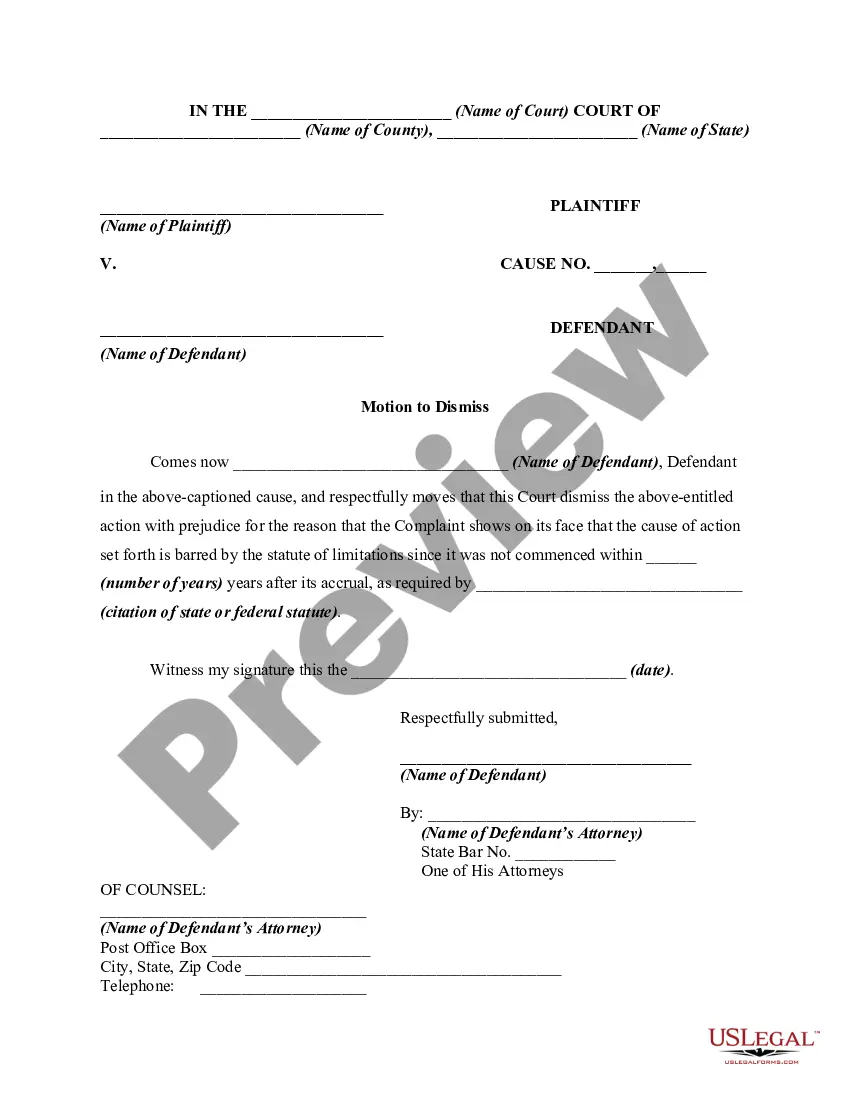
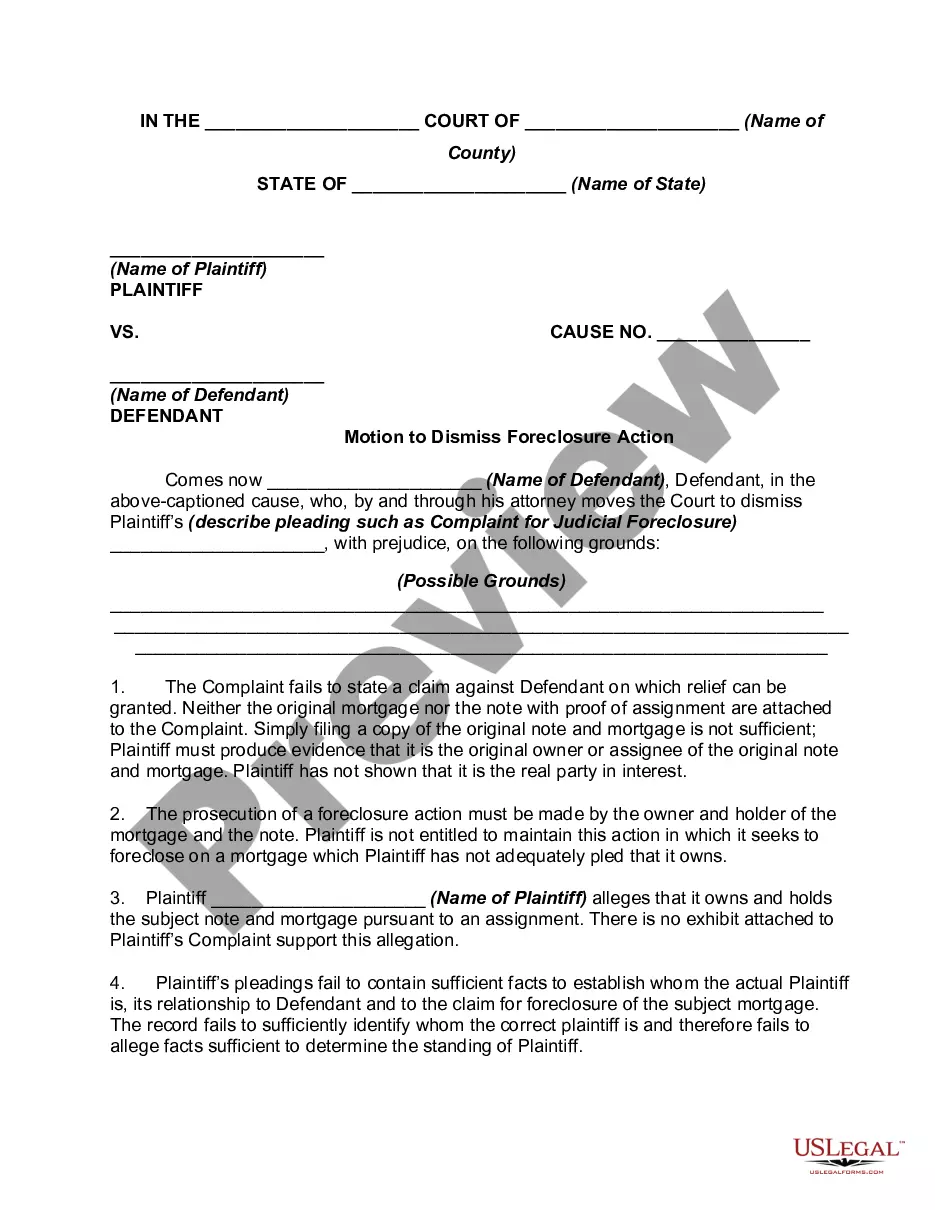
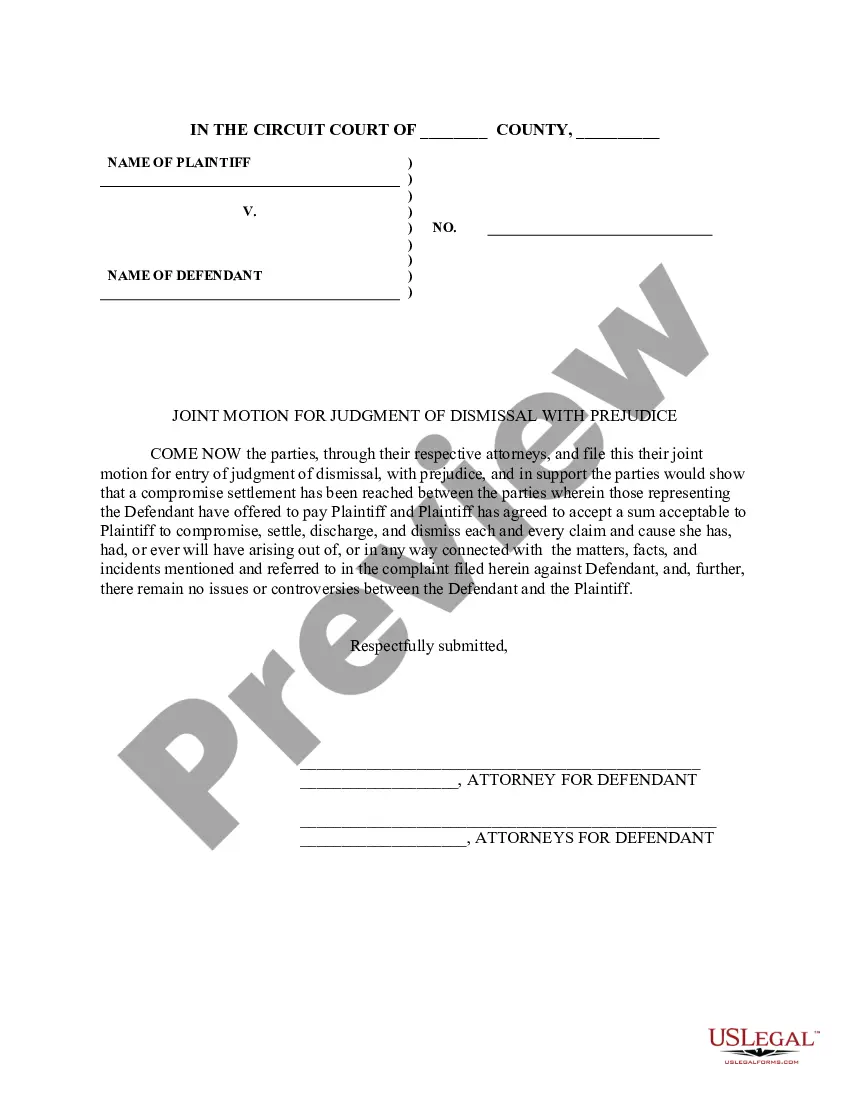
Dismiss Action On Consent
Description
Get your form ready online
Our built-in tools help you complete, sign, share, and store your documents in one place.
Make edits, fill in missing information, and update formatting in US Legal Forms—just like you would in MS Word.
Download a copy, print it, send it by email, or mail it via USPS—whatever works best for your next step.
Sign and collect signatures with our SignNow integration. Send to multiple recipients, set reminders, and more. Go Premium to unlock E-Sign.
If this form requires notarization, complete it online through a secure video call—no need to meet a notary in person or wait for an appointment.
We protect your documents and personal data by following strict security and privacy standards.

Make edits, fill in missing information, and update formatting in US Legal Forms—just like you would in MS Word.

Download a copy, print it, send it by email, or mail it via USPS—whatever works best for your next step.

Sign and collect signatures with our SignNow integration. Send to multiple recipients, set reminders, and more. Go Premium to unlock E-Sign.

If this form requires notarization, complete it online through a secure video call—no need to meet a notary in person or wait for an appointment.

We protect your documents and personal data by following strict security and privacy standards.
Looking for another form?






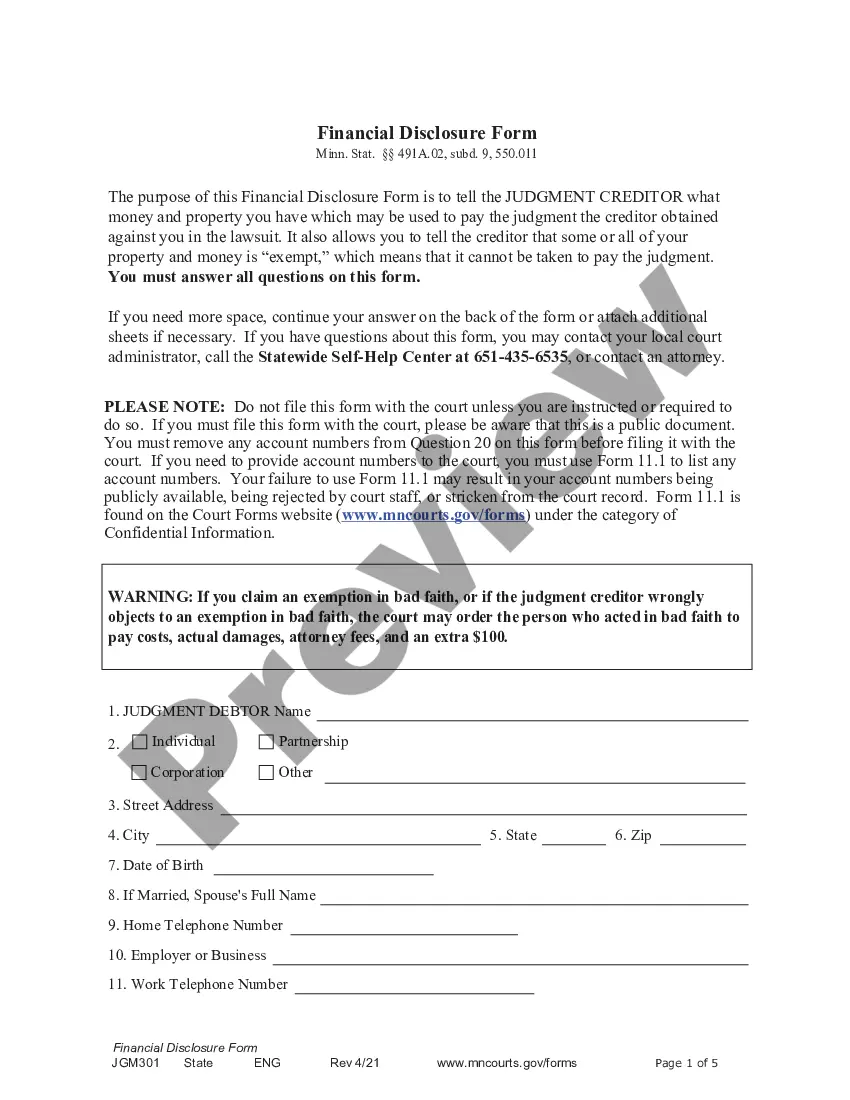


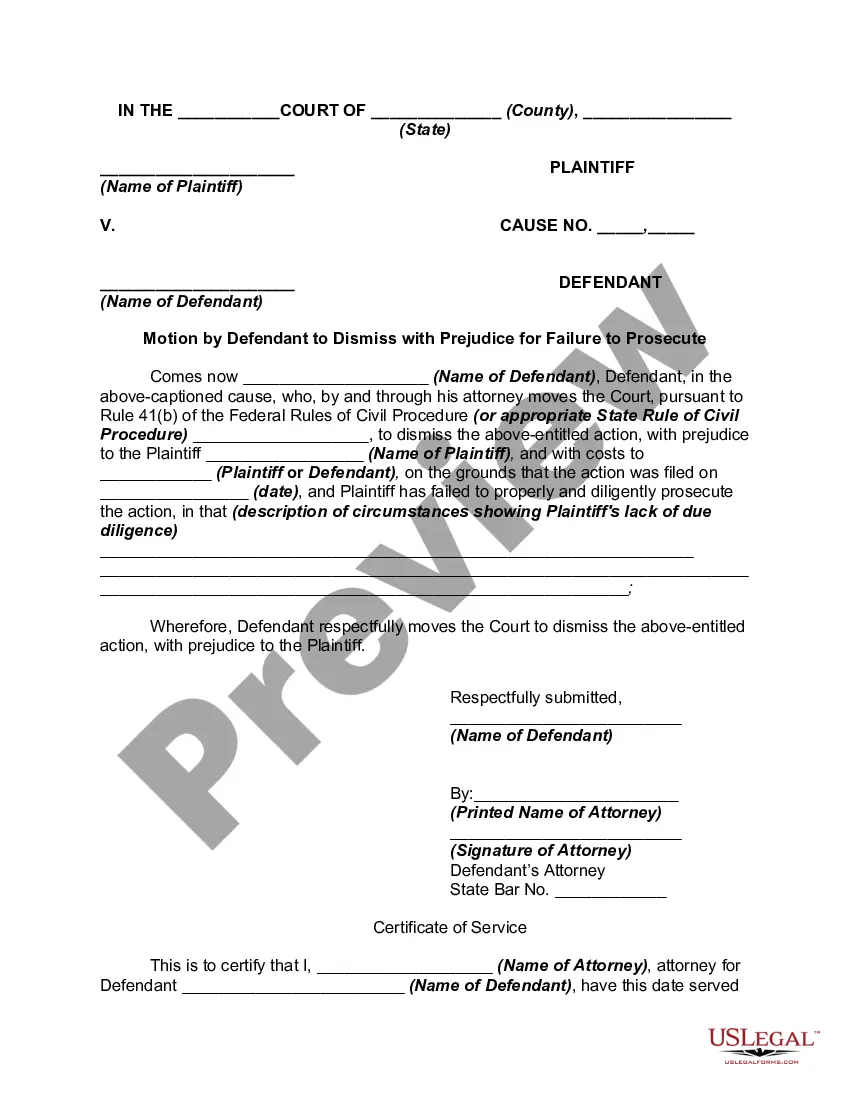
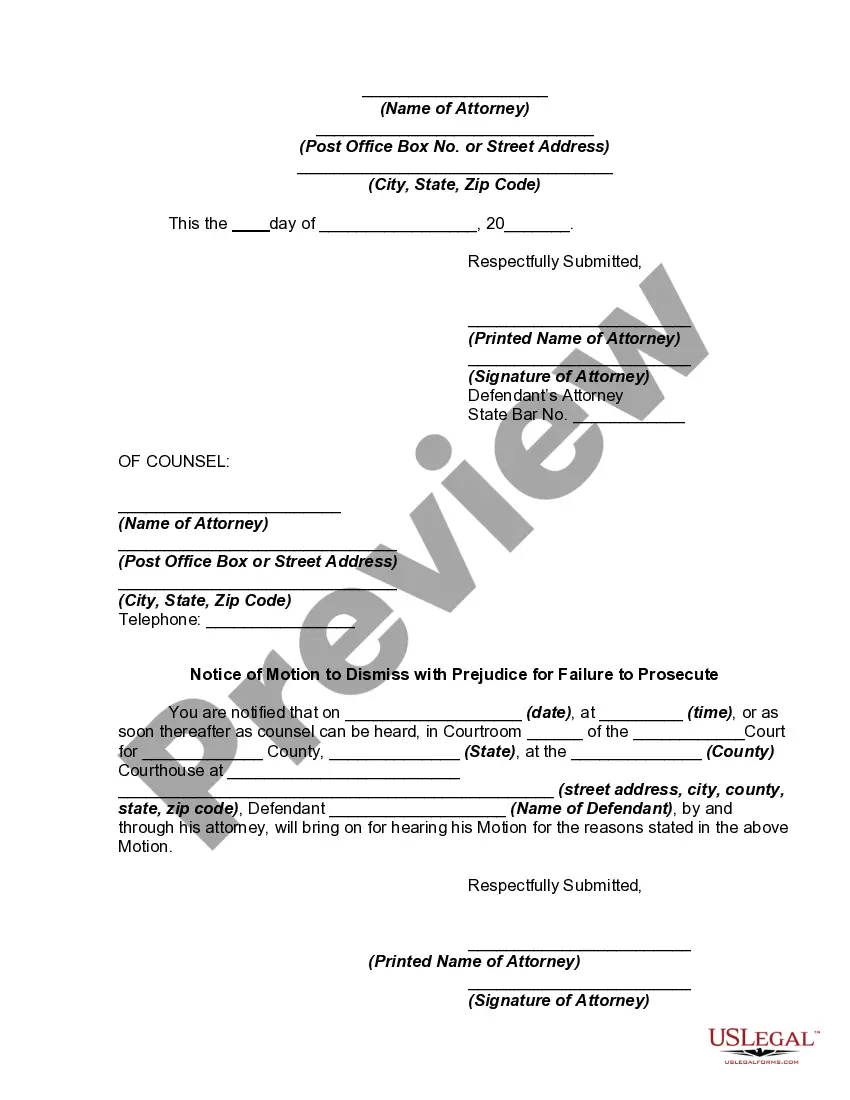
How to fill out Motion By Defendant To Dismiss With Prejudice For Failure To Prosecute?
- If you're a returning user, log in to your account and download the required form by clicking the Download button. Ensure your subscription is active to proceed without issues.
- For first-time users, start by checking the Preview mode and form description to confirm you've selected the appropriate template that complies with your local jurisdiction.
- If necessary, use the Search tab to find alternative forms that may better suit your needs before advancing to the next step.
- Click on the Buy Now button to purchase your desired document and select the subscription plan that works for you. An account registration is required to access the library.
- Complete your purchase by entering your payment details, either by credit card or through PayPal.
- Download the form to your device for further completion, and remember you can find it any time in the My Forms section of your account.
With US Legal Forms, you gain access to a robust collection of over 85,000 forms, significantly more than competitors offer for a similar price. Coupled with assistance from premium experts, you can ensure your legal documents are accurately filled out and valid.
Ready to simplify your legal process? Visit US Legal Forms today to get started and ensure your documents are handled correctly and efficiently.
Form popularity
FAQ
The rule 41 dismissal of actions refers to the formal procedures described in Rule 41 that apply to how cases can be dismissed in civil courts. It exists to ensure a structured approach to ending litigation when it's appropriate. Dismissing an action on consent is a practical application of this rule, beneficial for parties looking to settle disputes amicably.
When a motion to dismiss is granted, it signifies that the court agrees to end the case based on the arguments presented. This can occur due to lack of evidence, jurisdictional issues, or procedural deficiencies in pleadings. Often, parties can explore a dismiss action on consent to resolve matters efficiently, enabling them to focus on other priorities.
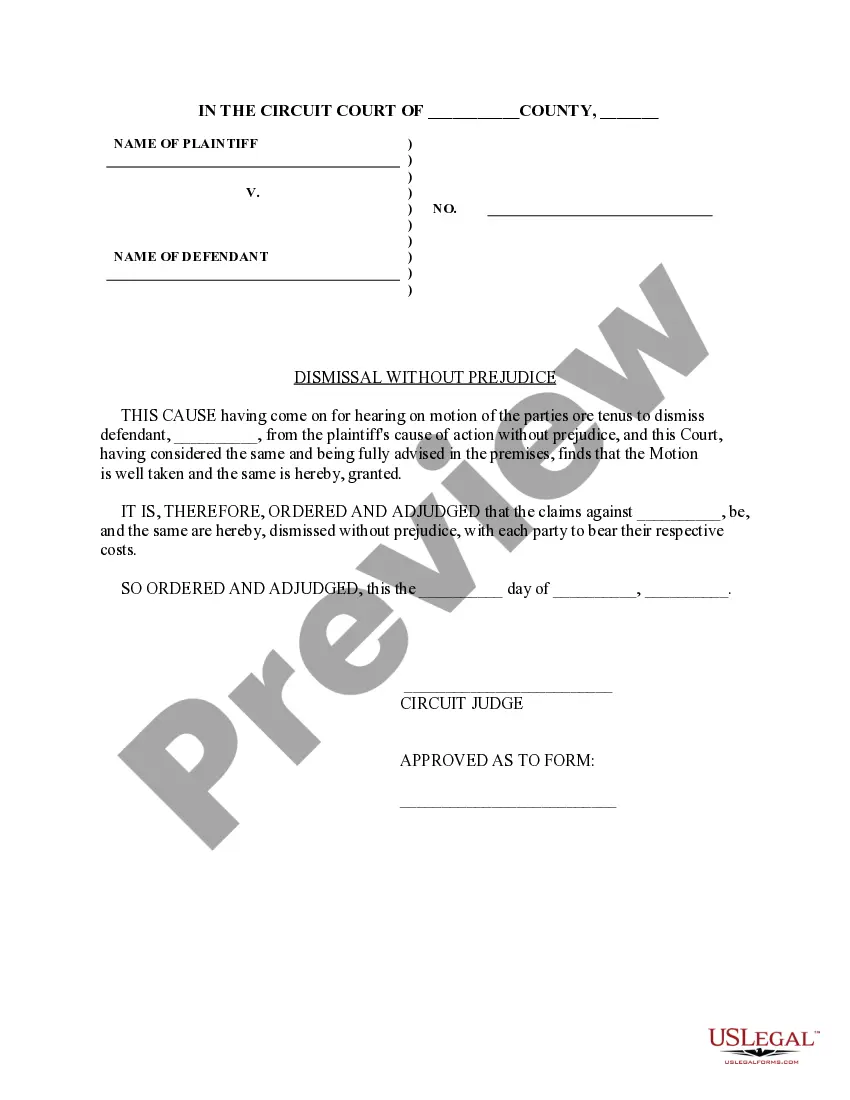
In Massachusetts, Rule 41 allows for the dismissal of a case at the request of the plaintiff or the court. A dismissal can be 'with prejudice' or 'without prejudice,' affecting whether the case can be reopened. Many parties benefit from a dismiss action on consent, simplifying closure and allowing for potential future negotiations without ongoing court involvement.
The rule of 41 refers to the part of the Federal Rules of Civil Procedure that details the process for dismissing actions in federal court. This rule allows for both voluntary and involuntary dismissals, giving flexibility to parties involved in litigation. A dismiss action on consent is particularly relevant here, as it permits cases to conclude amicably without court intervention.
Arguing a motion to dismiss involves presenting key legal arguments and evidence as to why a case should not proceed. You should focus on the legal grounds for the dismissal, emphasizing any jurisdictional issues or deficiencies in the complaint. If both parties wish to navigate their cases amicably, they may explore the option to dismiss the action on consent to avoid lengthy litigation.
In North Carolina, a Rule 41 dismissal allows either party to voluntarily dismiss an action without prejudice, which means the case can be refiled in the future. This dismissal can often occur on consent, where both parties agree to the terms of the dismissal. It provides a chance to resolve issues outside of court and can facilitate negotiations between involved parties.
Rule 41 governs dismissals in the Federal Rules of Civil Procedure. It outlines the procedures and conditions under which a court can dismiss an action voluntarily by the plaintiff or involuntarily by the court. A motion to dismiss under Rule 41 often falls within the context of a dismiss action on consent, allowing for efficient resolution of disputes, sometimes without a formal trial.
When an action is dismissed, it indicates that the court has decided to terminate the case before it goes to trial. Essentially, this means that the legal proceedings are halted and the case will not continue for a variety of reasons. One common reason for dismissal is when parties agree to dismiss the action on consent, signaling mutual agreement to end the dispute without further legal actions.
Yes, you can write a letter to the judge to request a case dismissal, but it's essential that this letter follows the court's procedural requirements. Be sure to detail your reasons clearly and include any necessary legal references. A dismiss action on consent in this format can be influential in your case.
Asking a judge to dismiss a case means you are formally requesting the court to terminate legal proceedings against you or your claims. This request can safeguard your interests if you have valid grounds for dismissal. Knowing how to phrase a dismiss action on consent can enhance your chances of success.