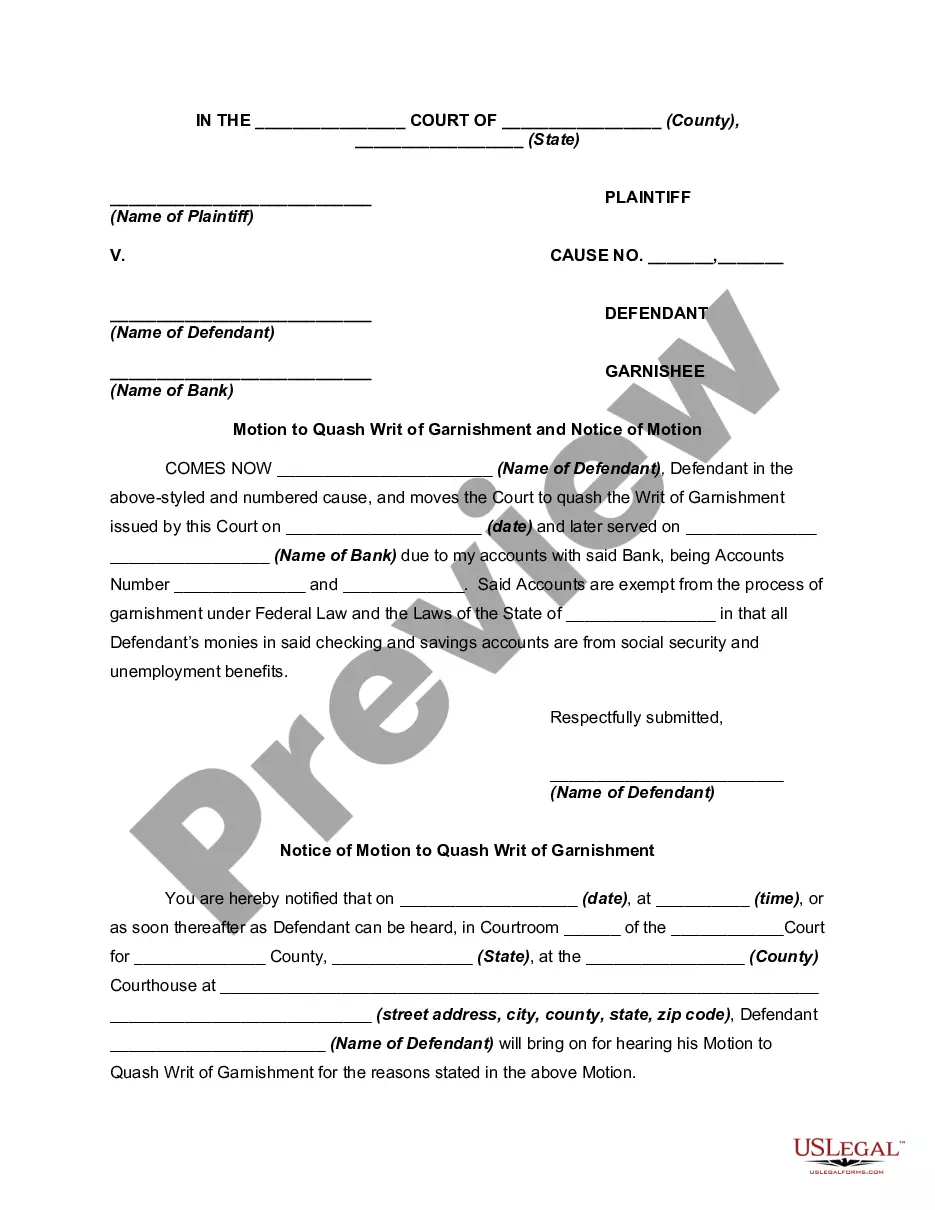
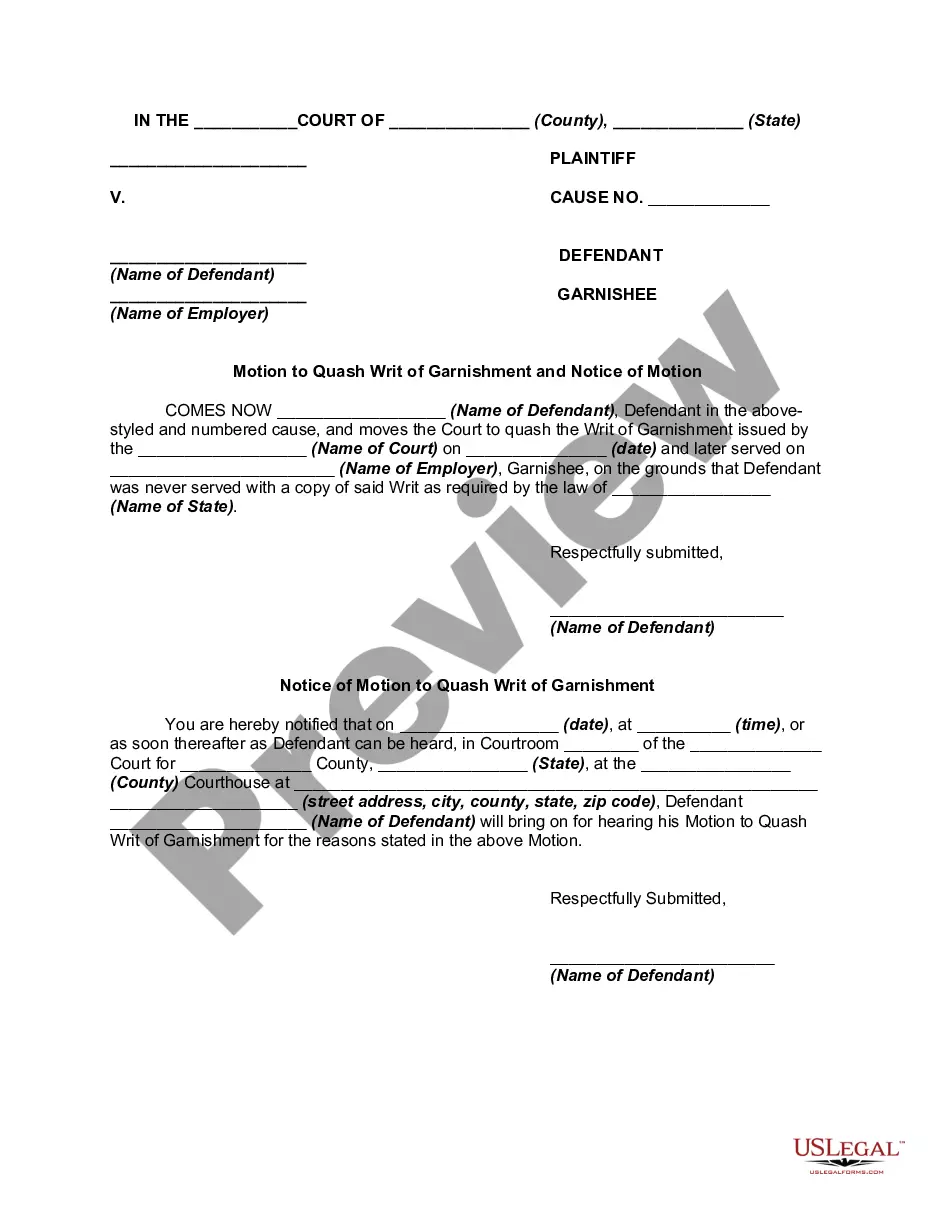
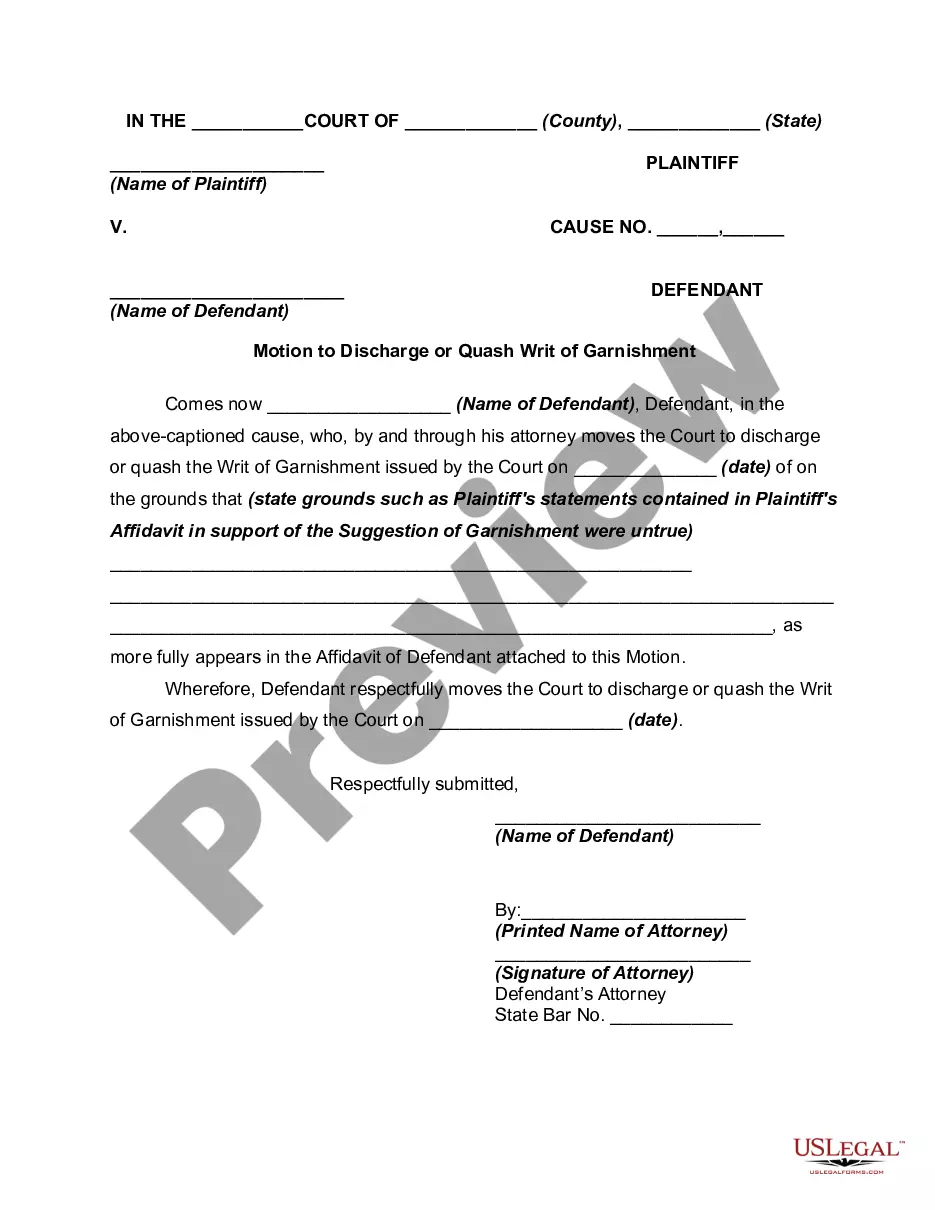
Motion Dismiss Answer Format
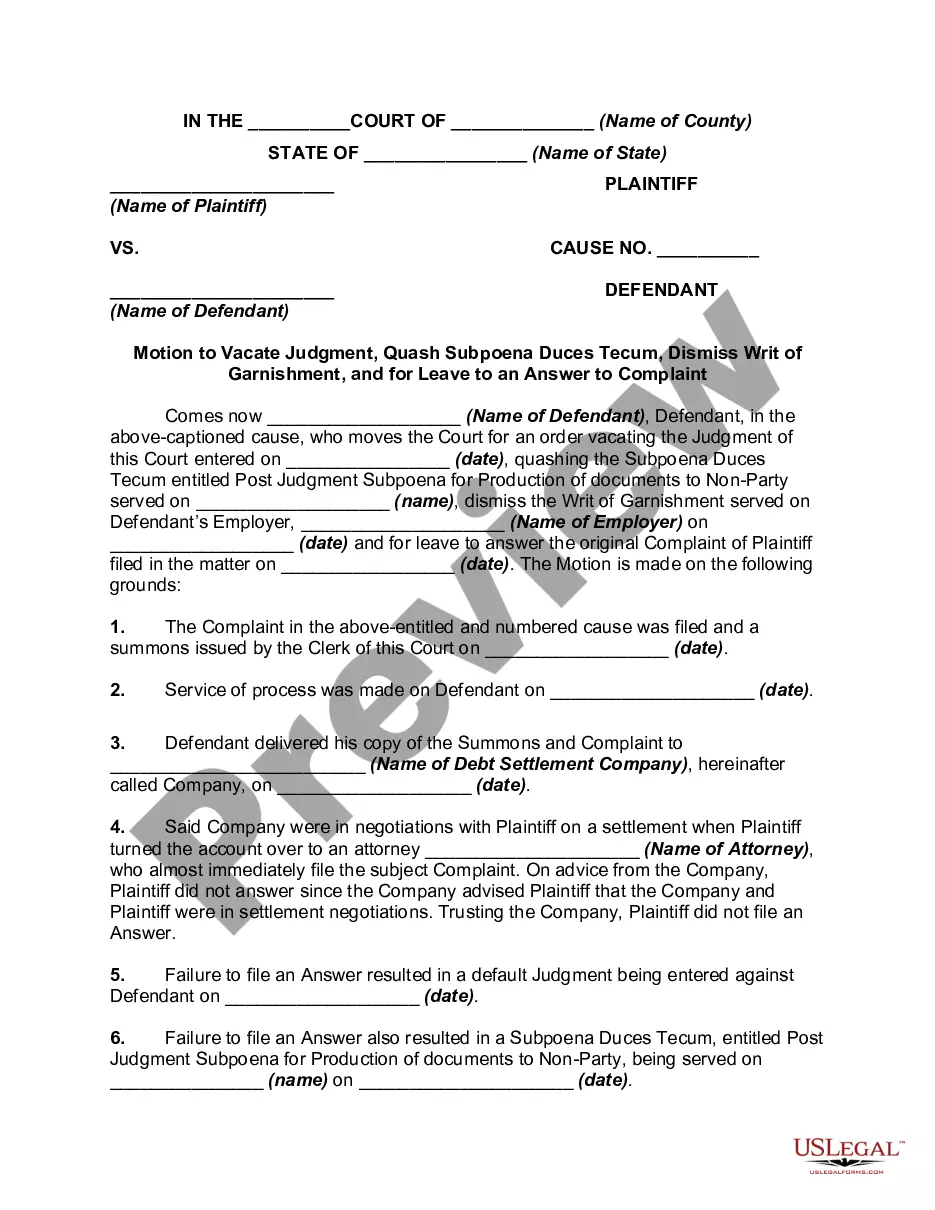
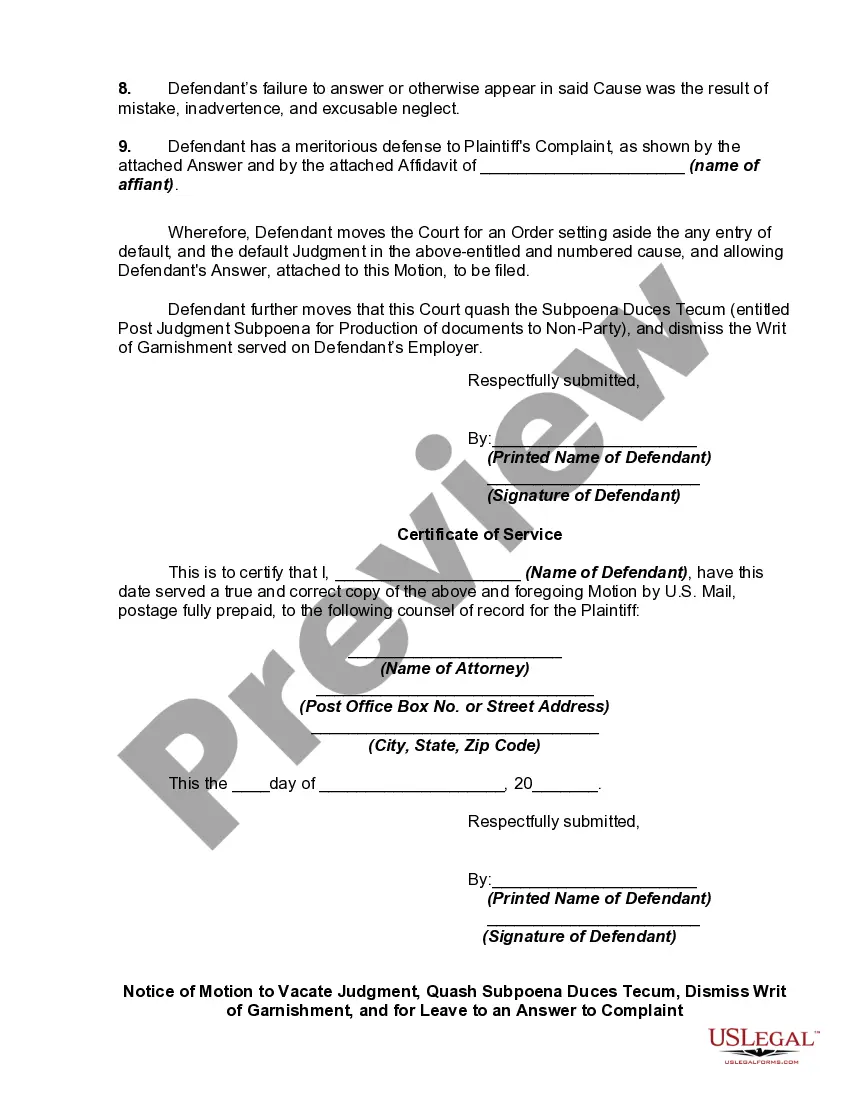
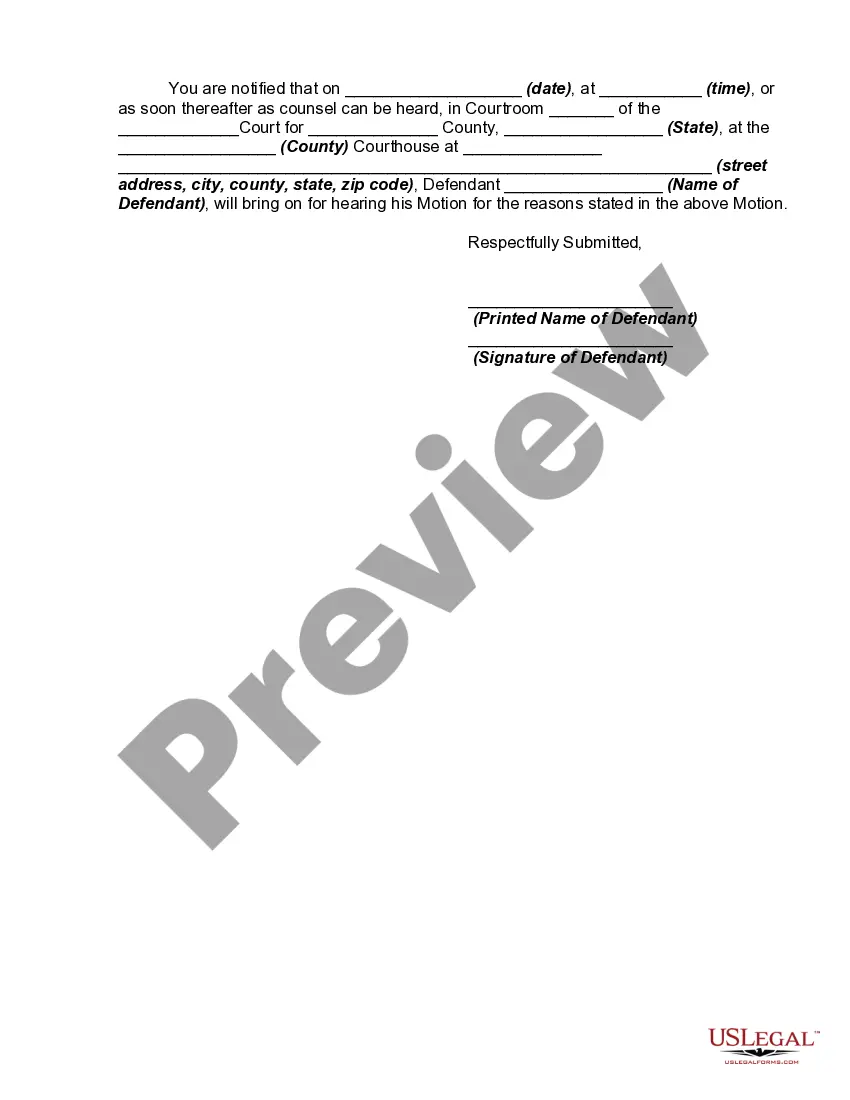
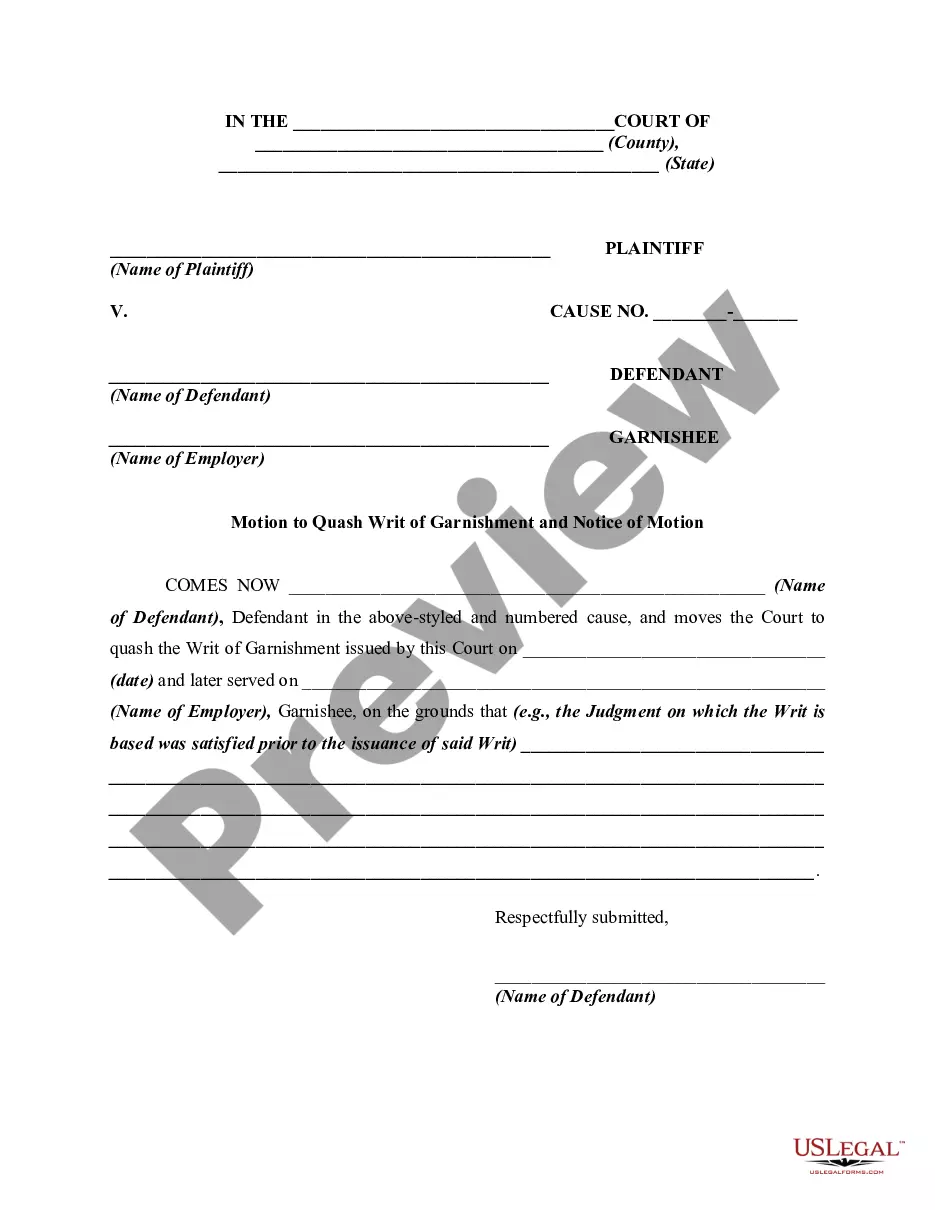
Description
Get your form ready online
Our built-in tools help you complete, sign, share, and store your documents in one place.
Make edits, fill in missing information, and update formatting in US Legal Forms—just like you would in MS Word.
Download a copy, print it, send it by email, or mail it via USPS—whatever works best for your next step.
Sign and collect signatures with our SignNow integration. Send to multiple recipients, set reminders, and more. Go Premium to unlock E-Sign.
If this form requires notarization, complete it online through a secure video call—no need to meet a notary in person or wait for an appointment.
We protect your documents and personal data by following strict security and privacy standards.

Make edits, fill in missing information, and update formatting in US Legal Forms—just like you would in MS Word.

Download a copy, print it, send it by email, or mail it via USPS—whatever works best for your next step.

Sign and collect signatures with our SignNow integration. Send to multiple recipients, set reminders, and more. Go Premium to unlock E-Sign.

If this form requires notarization, complete it online through a secure video call—no need to meet a notary in person or wait for an appointment.

We protect your documents and personal data by following strict security and privacy standards.
Looking for another form?



How to fill out Motion To Vacate Judgment, Quash Subpoena Duces Tecum, Dismiss Writ Of Garnishment, And For Leave To File An Answer To Complaint?
It’s clear that you cannot transform into a legal authority instantly, nor can you swiftly learn to create Motion Dismiss Answer Format without a specialized background.
Assembling legal documents is a lengthy task that necessitates specific training and expertise. Therefore, why not entrust the crafting of the Motion Dismiss Answer Format to the experts.
With US Legal Forms, which boasts one of the most extensive legal document collections, you can discover anything from court forms to templates for corporate communication.
You can re-access your documents from the My documents section at any time. If you are a returning client, you can simply Log In, and find and download the template from the same area.
Regardless of the intent of your forms—whether it’s financial, legal, or personal—our website caters to your needs. Experience US Legal Forms today!
- Recognize the document you are searching for using the search bar located at the top of the site.
- Examine it (if this feature is available) and read the accompanying description to determine if Motion Dismiss Answer Format meets your needs.
- Initiate your search again if you require a different template.
- Create a free account and choose a subscription option to acquire the template.
- Select Buy now. Once the transaction is finalized, you can download the Motion Dismiss Answer Format, fill it in, print it, and deliver or mail it to the appropriate individuals or organizations.
Form popularity
FAQ
Affirmative defense?Examples On [Date], after making the contract and the alleged breach, and before this action was commenced, defendant paid to the plaintiff the sum of [specify amount], which was accepted by the plaintiff in full satisfaction and discharge of the damages claimed in the petition.
You simply need to request that the court deny the defendant's motion to dismiss. For example, you could write the following: ?For the foregoing reasons and all the others discussed in Plaintiff's Complaint, the present Motion to Dismiss should be denied.?
Dismissal Without Prejudice For example, if a person beats another person very severely, the prosecutor may file assault charges against the aggressor. If the victim later dies, the prosecutor may want to drop the assault charges in favor of a murder charge.
For example, a party can make a motion to ask to allow him or her not to give the other side the discovery that was asked for. If a party thinks that a subpoena asks for documents that have nothing to do with the case, or asks for too much information, the party can make a motion to quash the subpoena.
If you file an Answer to the lawsuit and defend yourself in court, you can state an affirmative defense. You can deny what the plaintiff says you did without saying anything else. But you can also have affirmative defenses. You must raise it in your Answer or you may give up your right to bring it up later.