Answer Court File Without Notice
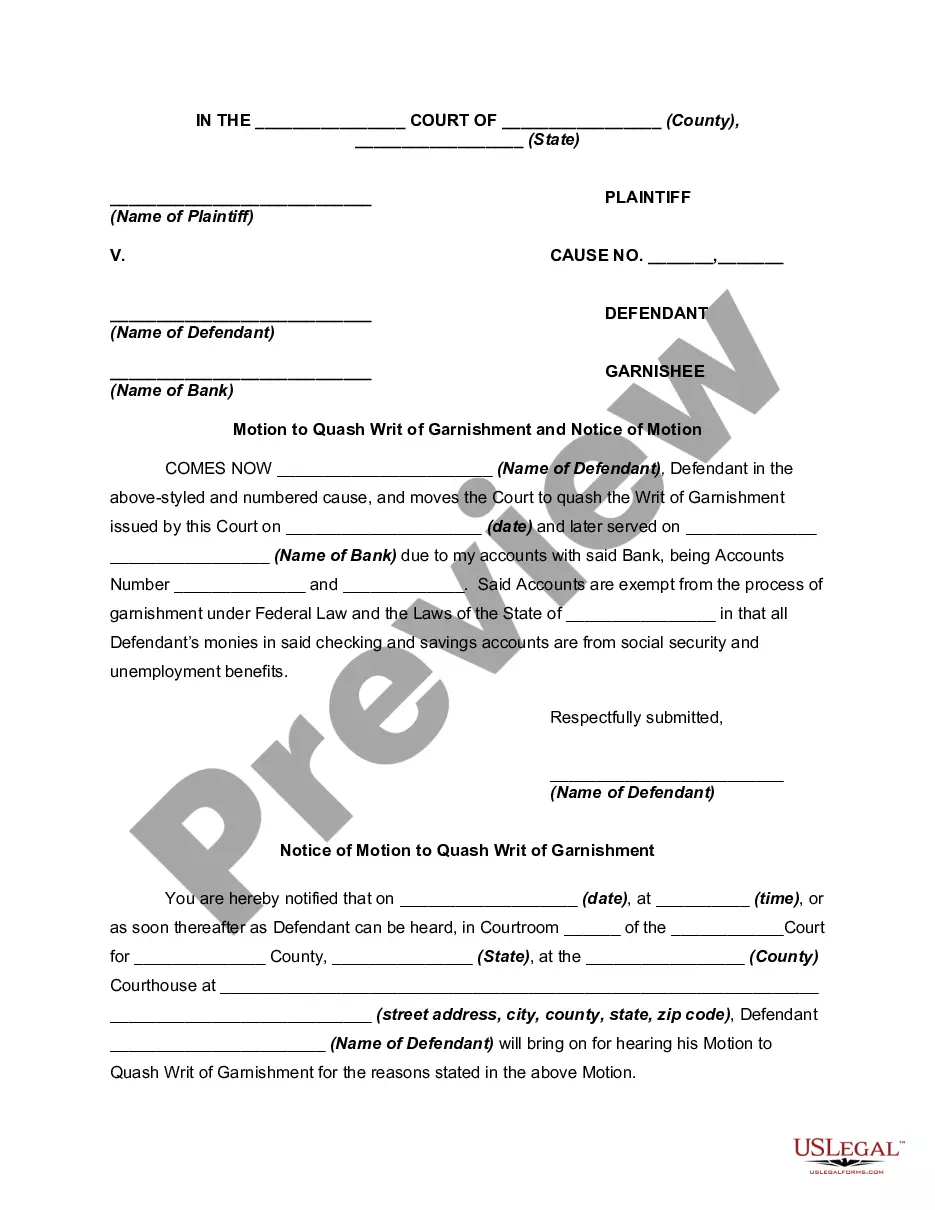
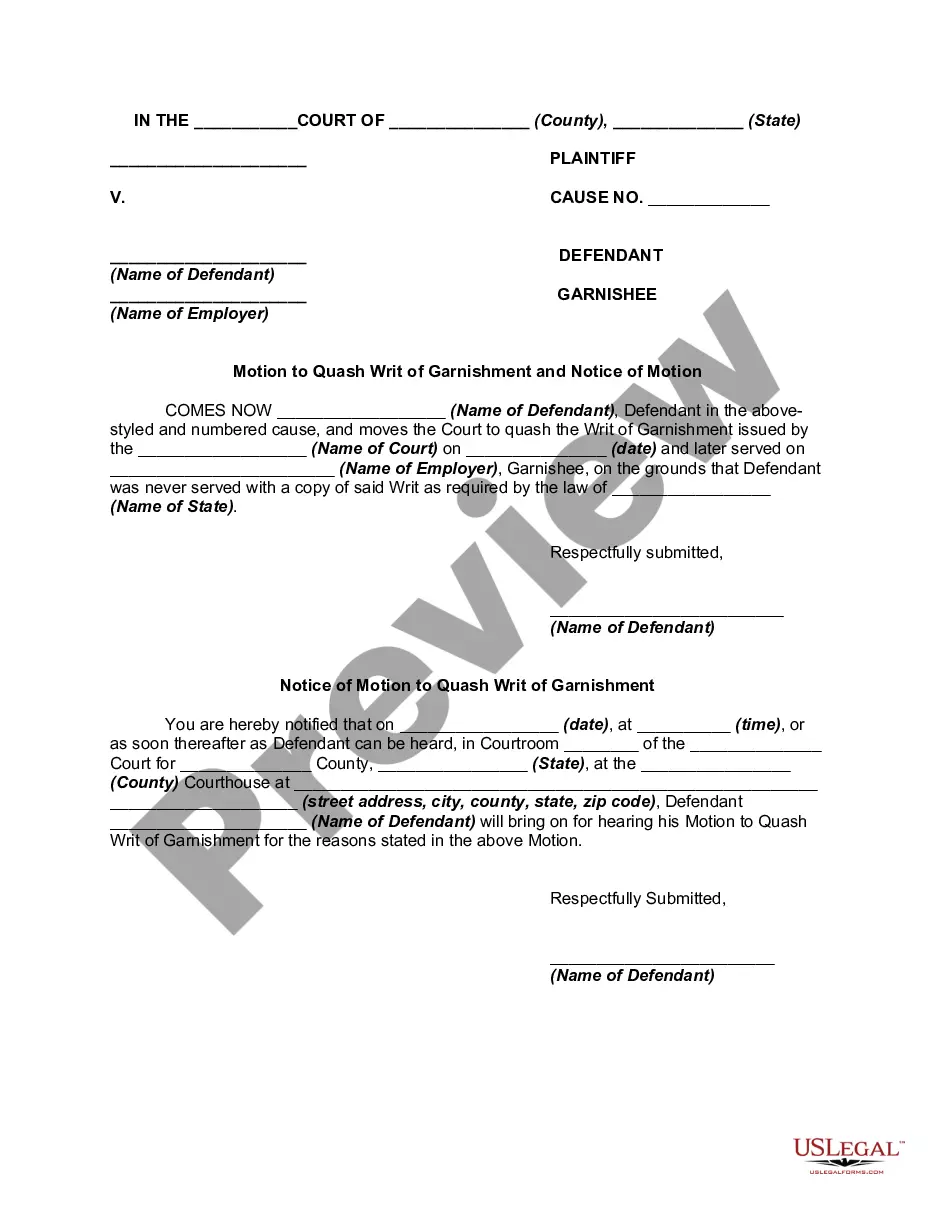
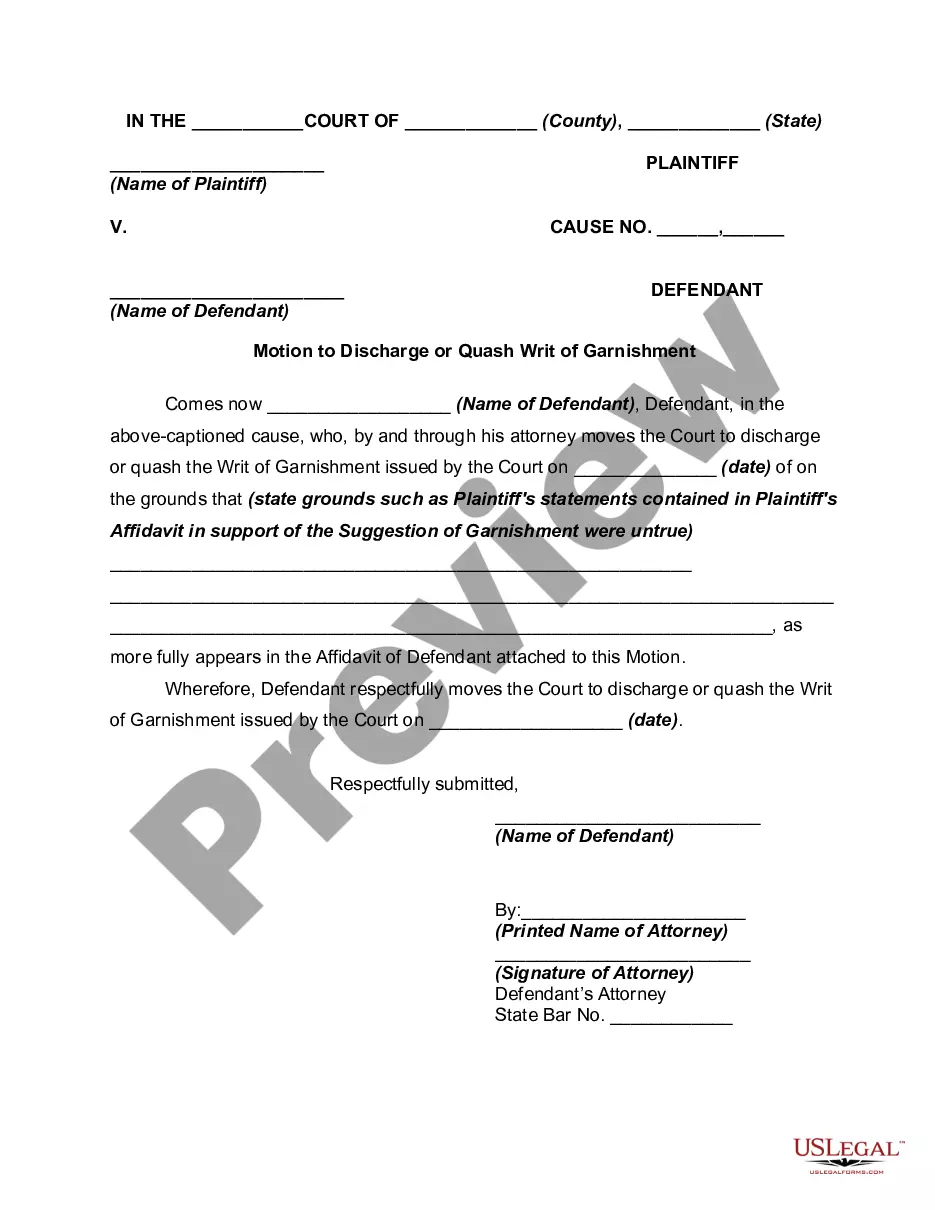
Description
Get your form ready online
Our built-in tools help you complete, sign, share, and store your documents in one place.
Make edits, fill in missing information, and update formatting in US Legal Forms—just like you would in MS Word.
Download a copy, print it, send it by email, or mail it via USPS—whatever works best for your next step.
Sign and collect signatures with our SignNow integration. Send to multiple recipients, set reminders, and more. Go Premium to unlock E-Sign.
If this form requires notarization, complete it online through a secure video call—no need to meet a notary in person or wait for an appointment.
We protect your documents and personal data by following strict security and privacy standards.

Make edits, fill in missing information, and update formatting in US Legal Forms—just like you would in MS Word.

Download a copy, print it, send it by email, or mail it via USPS—whatever works best for your next step.

Sign and collect signatures with our SignNow integration. Send to multiple recipients, set reminders, and more. Go Premium to unlock E-Sign.

If this form requires notarization, complete it online through a secure video call—no need to meet a notary in person or wait for an appointment.

We protect your documents and personal data by following strict security and privacy standards.
Looking for another form?

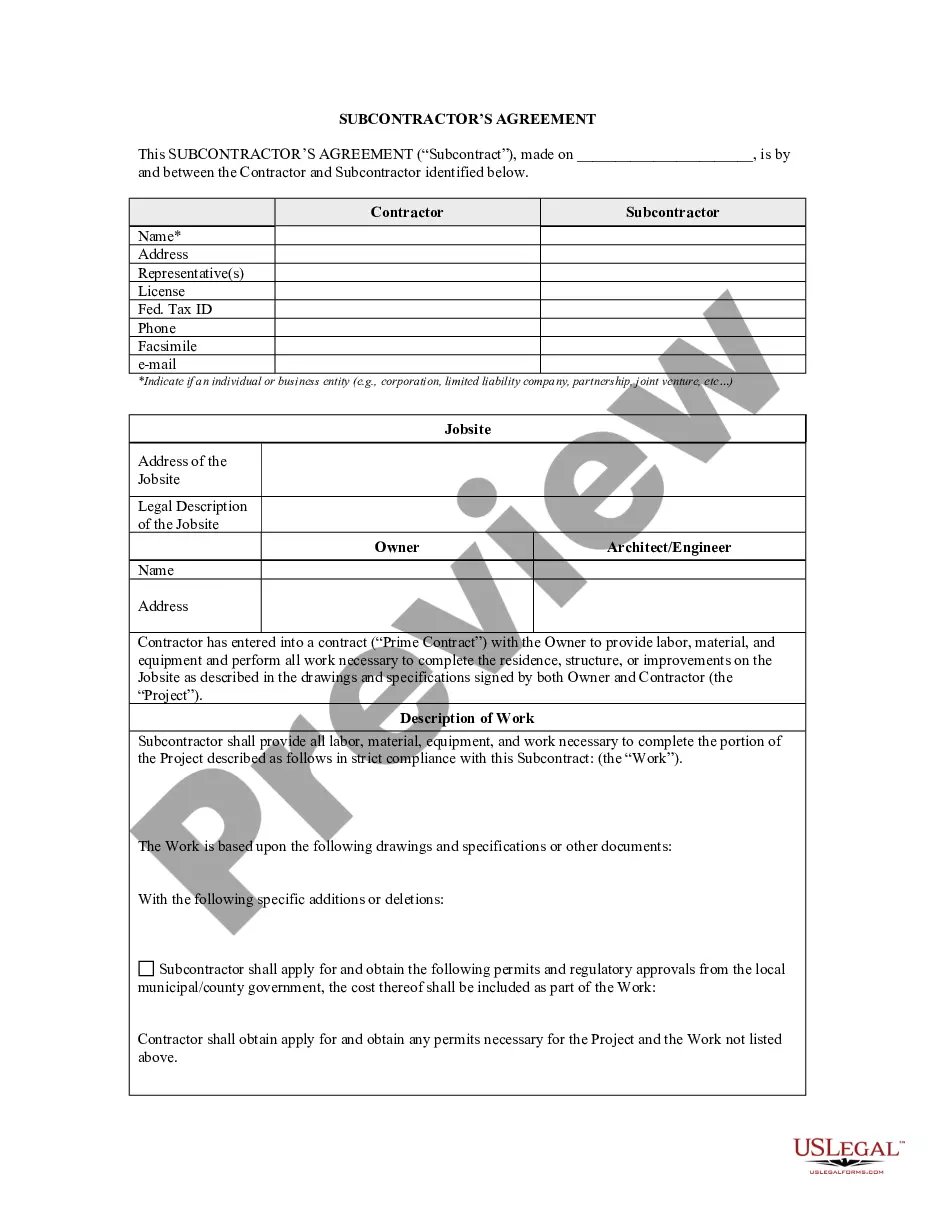


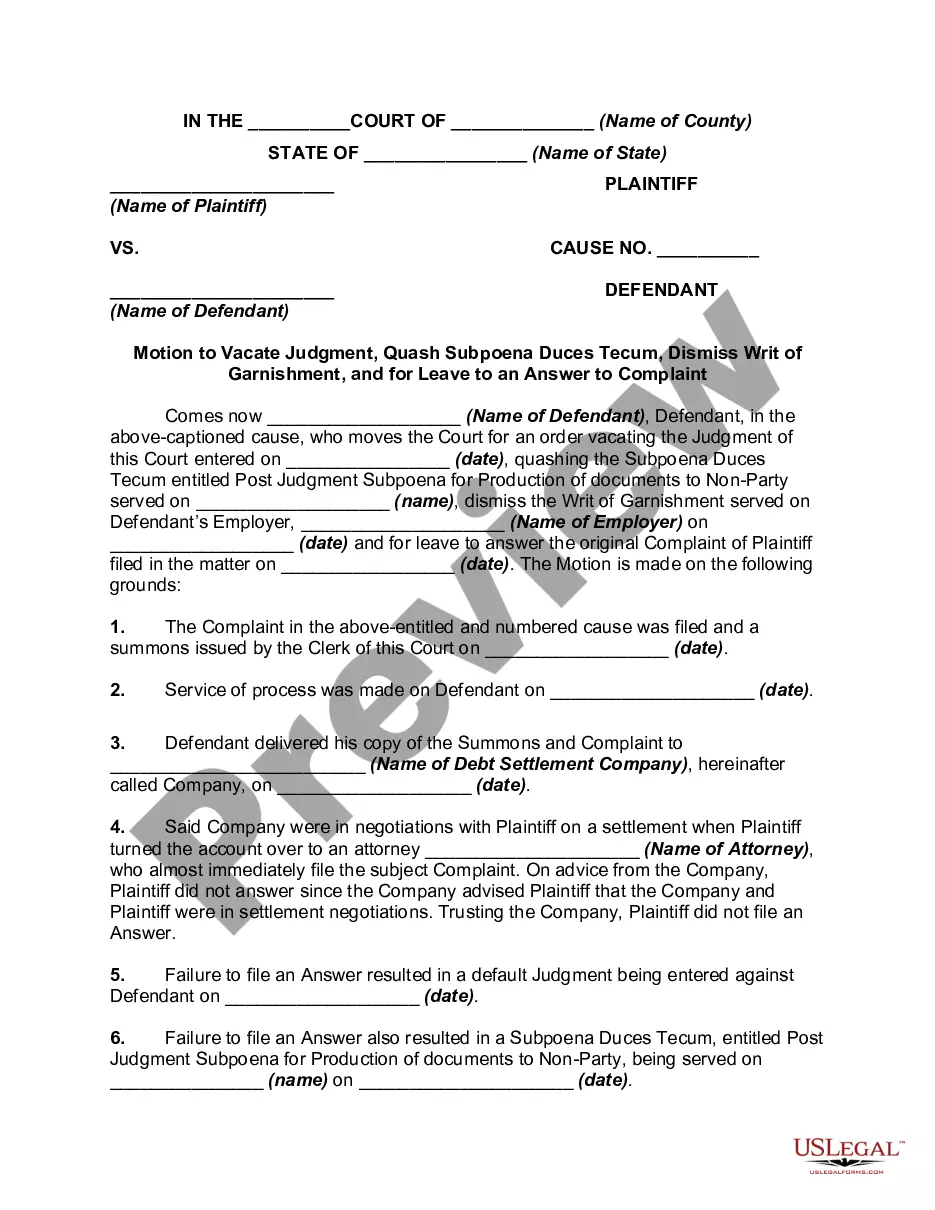
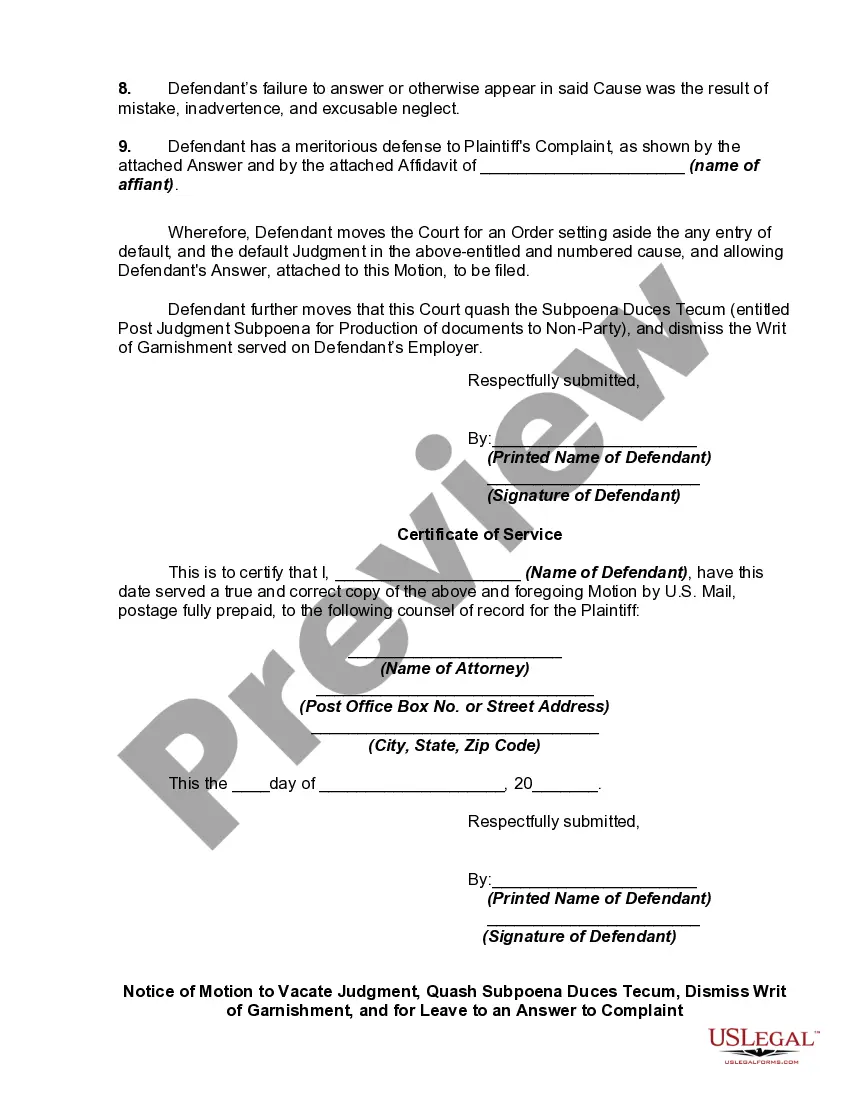
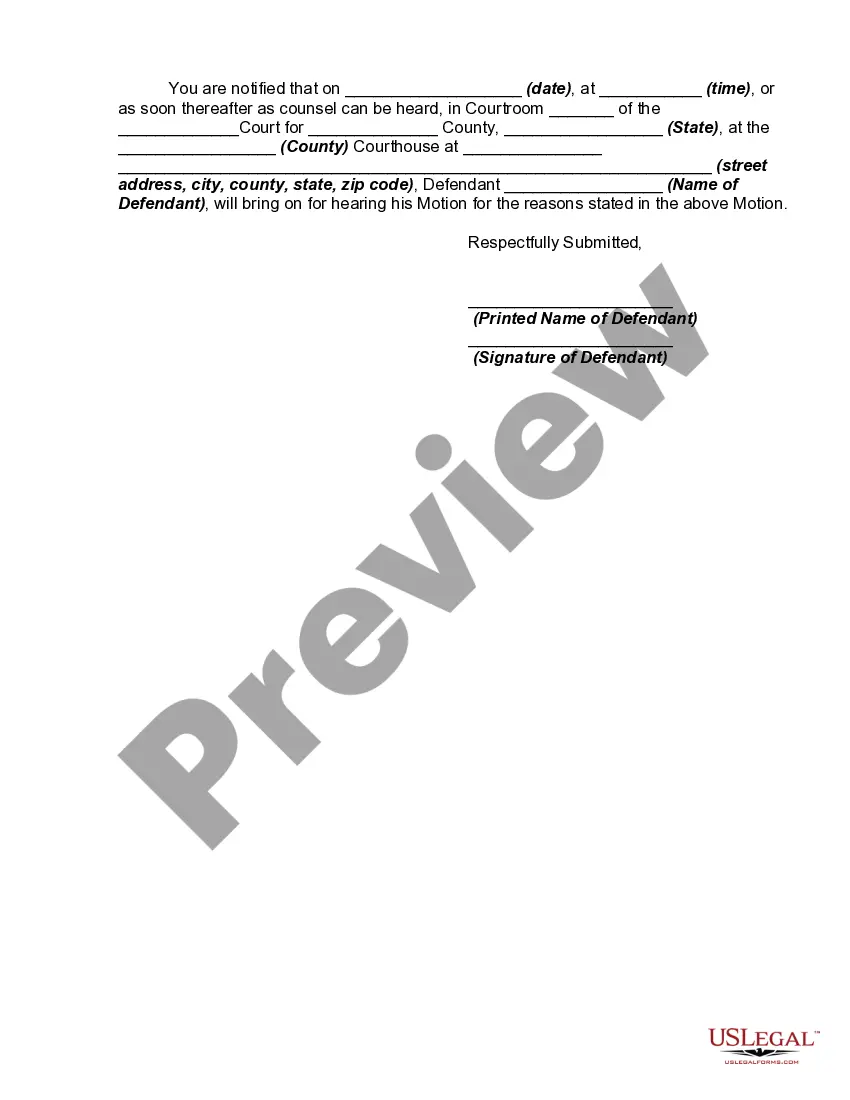
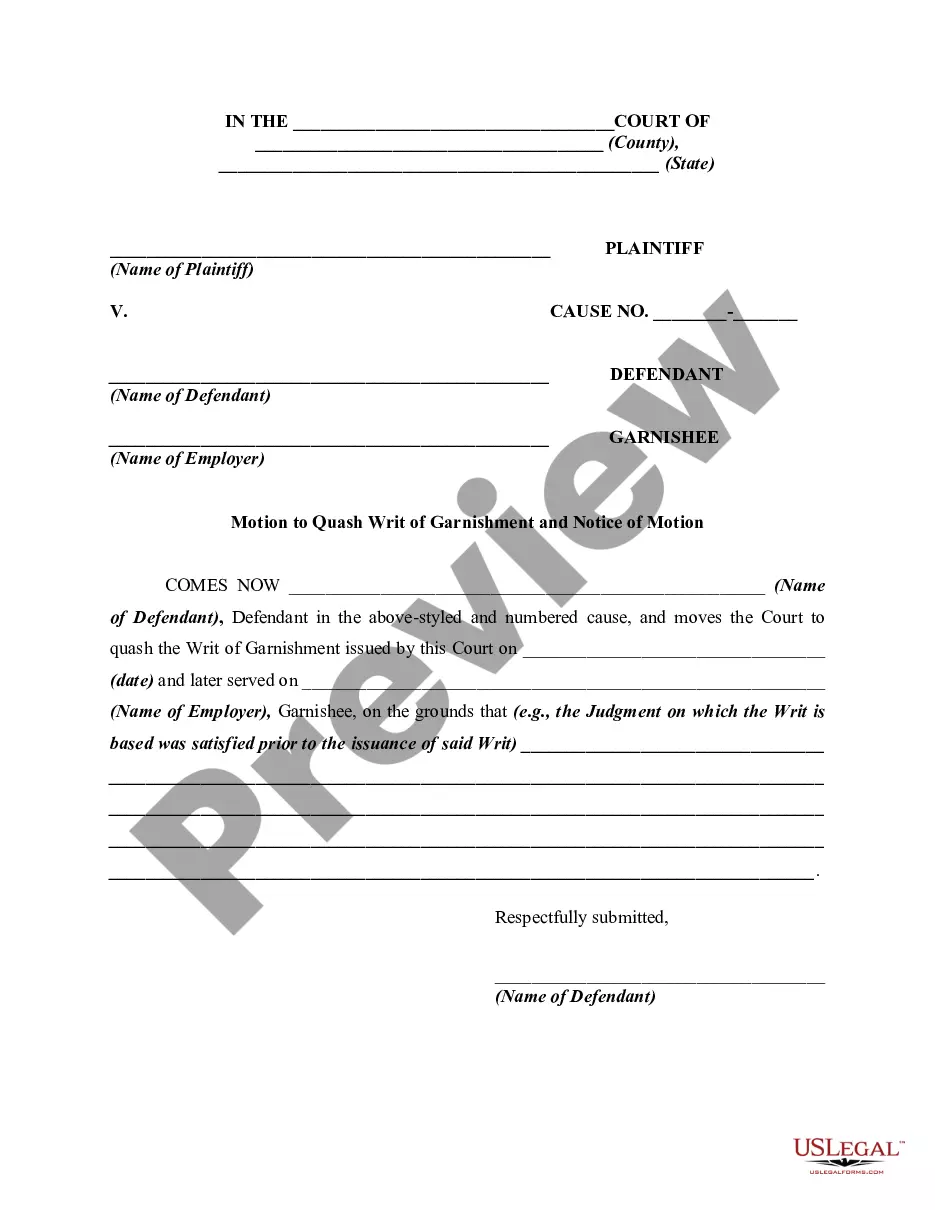
How to fill out Motion To Vacate Judgment, Quash Subpoena Duces Tecum, Dismiss Writ Of Garnishment, And For Leave To File An Answer To Complaint?
Managing legal documents can be daunting, even for the most proficient professionals.
When you're seeking an Answer Court File Without Notice and lack the opportunity to search for the correct and current version, the task may be challenging.
US Legal Forms caters to any requirements you might have, from personal to business documentation, all in one location.
Leverage advanced tools to complete and manage your Answer Court File Without Notice.
Here are the steps to follow after obtaining the form you require: Verify its accuracy by previewing it and reviewing its description. Ensure that the template is valid in your state or county. Click Buy Now when you are ready. Choose a monthly subscription plan. Select your desired format, and Download, complete, sign, print, and submit your document. Enjoy the US Legal Forms online catalog, supported by 25 years of experience and trustworthiness. Streamline your document management process today.
- Access a resource library of articles, guides, and manuals relevant to your situation and requirements.
- Save time and effort searching for the documents you need, and use US Legal Forms' enhanced search and Review feature to locate and obtain Answer Court File Without Notice.
- If you have a monthly subscription, Log In to your US Legal Forms account, search for the form, and download it.
- Check the My documents section to see the documents you've previously acquired and manage your folders as desired.
- If this is your first experience with US Legal Forms, create an account for unlimited access to all the library's advantages.
- A comprehensive online form directory can be a significant advantage for anyone wishing to navigate these scenarios effectively.
- US Legal Forms is an industry leader in online legal paperwork, offering over 85,000 state-specific legal forms accessible anytime.
- With US Legal Forms, you can access state- or county-specific legal and business documents.
Form popularity
FAQ
File an answer An answer is your opportunity to respond to the complaint's factual allegations and legal claims. It also allows you to assert "affirmative defenses," facts or legal arguments you raise to defeat plaintiff's claim. Filing an answer prevents the plaintiff from getting a default judgment against you.
Proving Your Case Whatever the reason for being at court, you must convince the judge or magistrate that he or she should rule in your favor. This is done by providing sufficient documentary evidence and witness testimony. There are different standards of proof for various types of cases.
Affirmative defense?Examples On [Date], after making the contract and the alleged breach, and before this action was commenced, defendant paid to the plaintiff the sum of [specify amount], which was accepted by the plaintiff in full satisfaction and discharge of the damages claimed in the petition.
You can also refuse to answer the question, but be sure to be polite. ?Say, 'I appreciate that this is of interest but we don't feel sharing the information is appropriate, especially at this time. But I'd be glad to answer other questions if you have them,'? says Sullivan. ?Appreciate the interest but draw lines.?
Do Not Exaggerate, Mislead, or State Anything Untrue. It goes without saying that you should never lie to a judge (that is perjury), but you should also avoid exaggerating the facts or misleading the court about any issue. Most judges can sense when a witness is stretching the truth, and they do not appreciate it.