Opposition Sample
Description
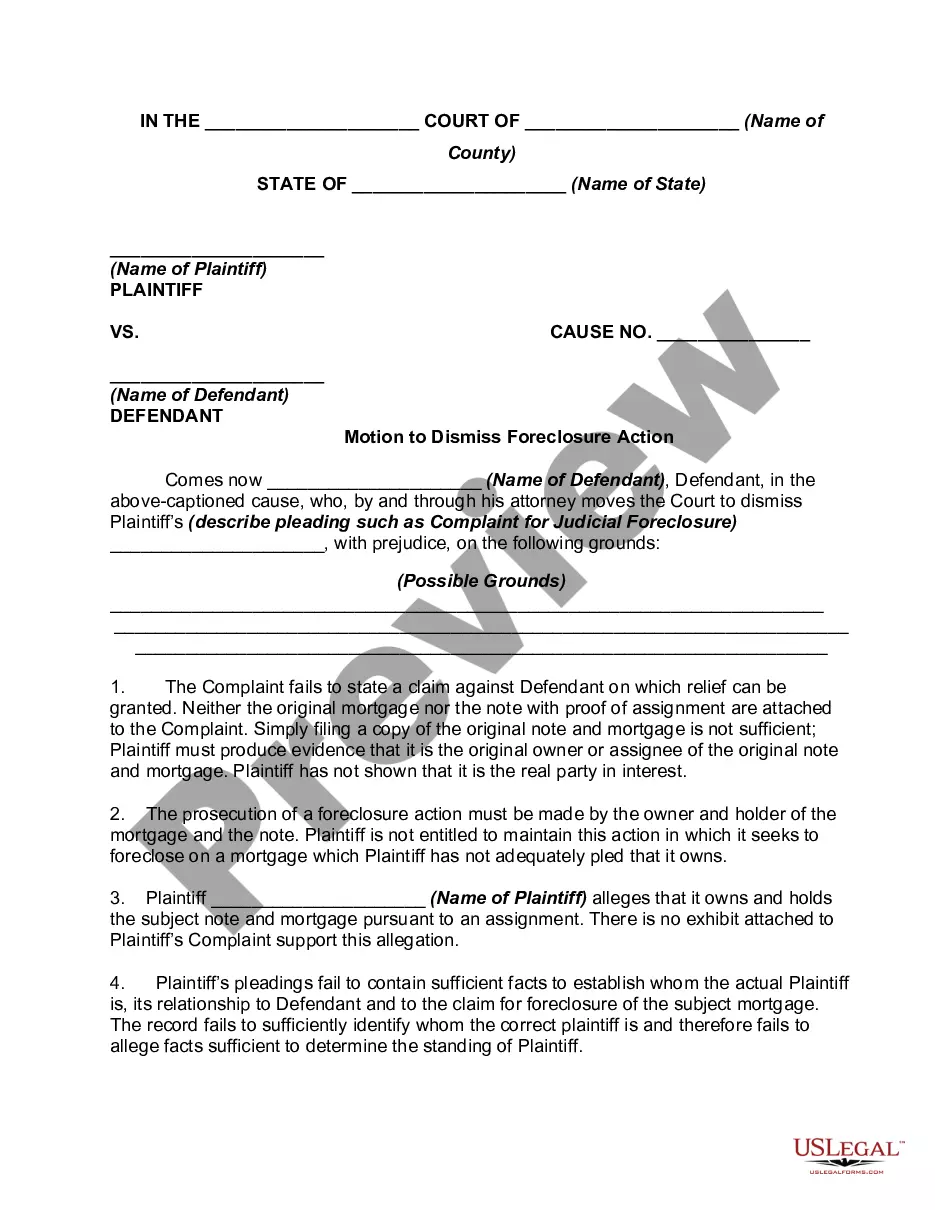
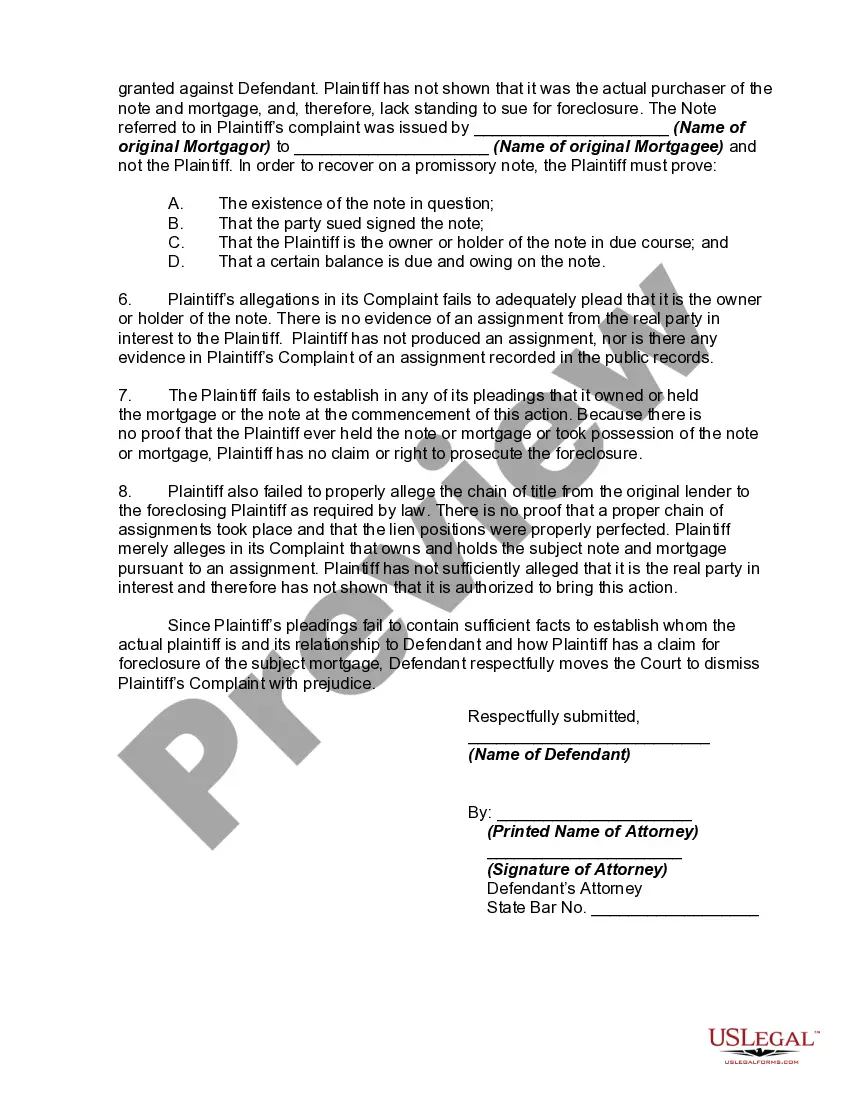
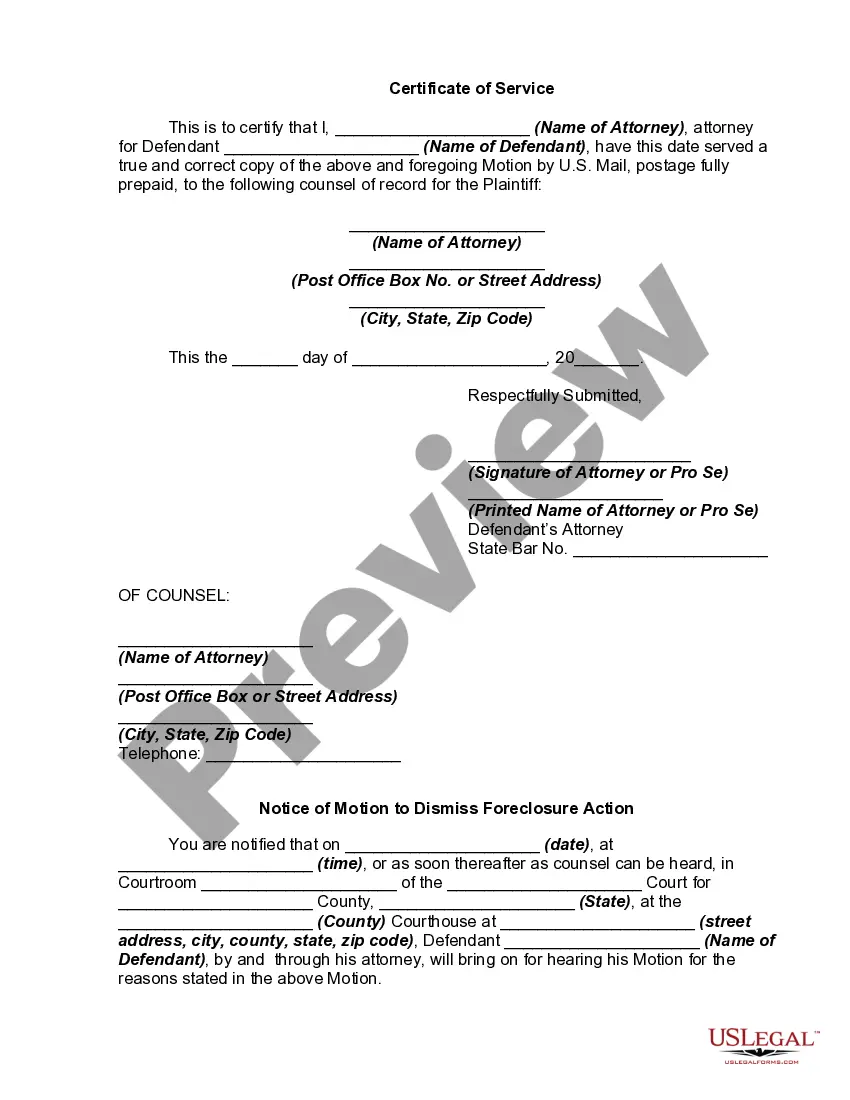
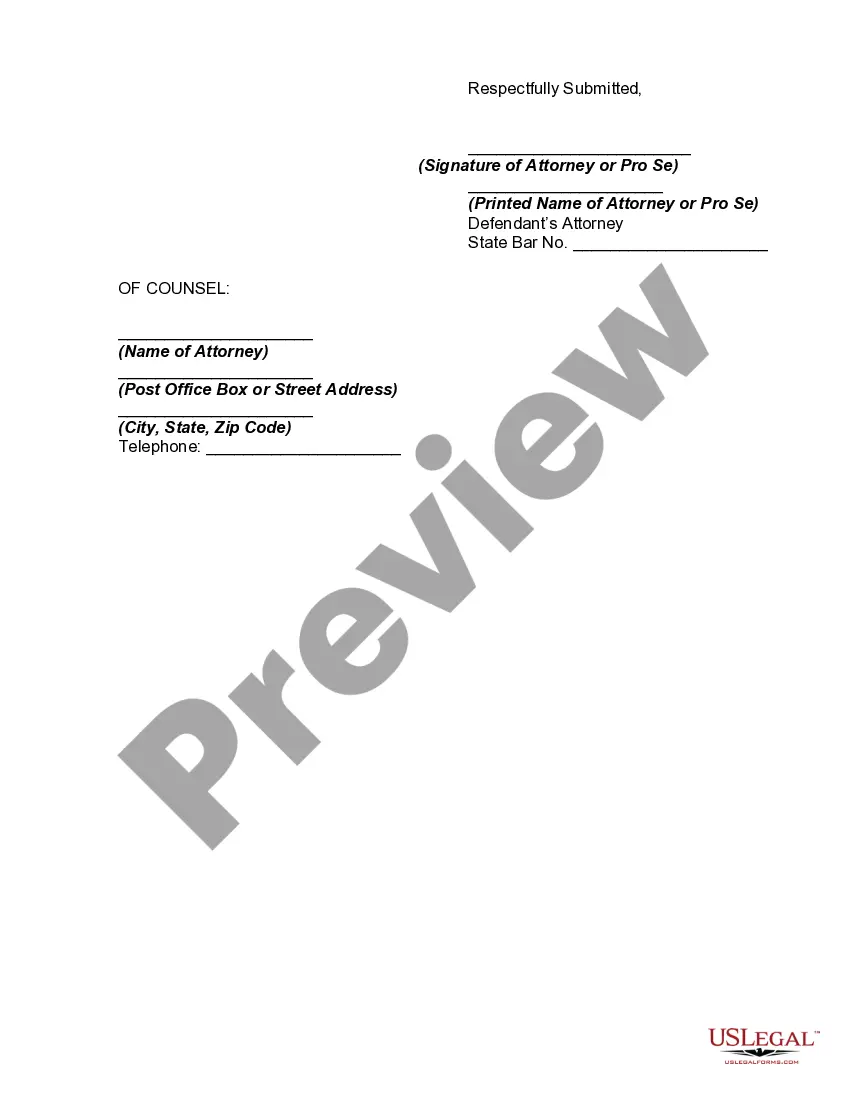
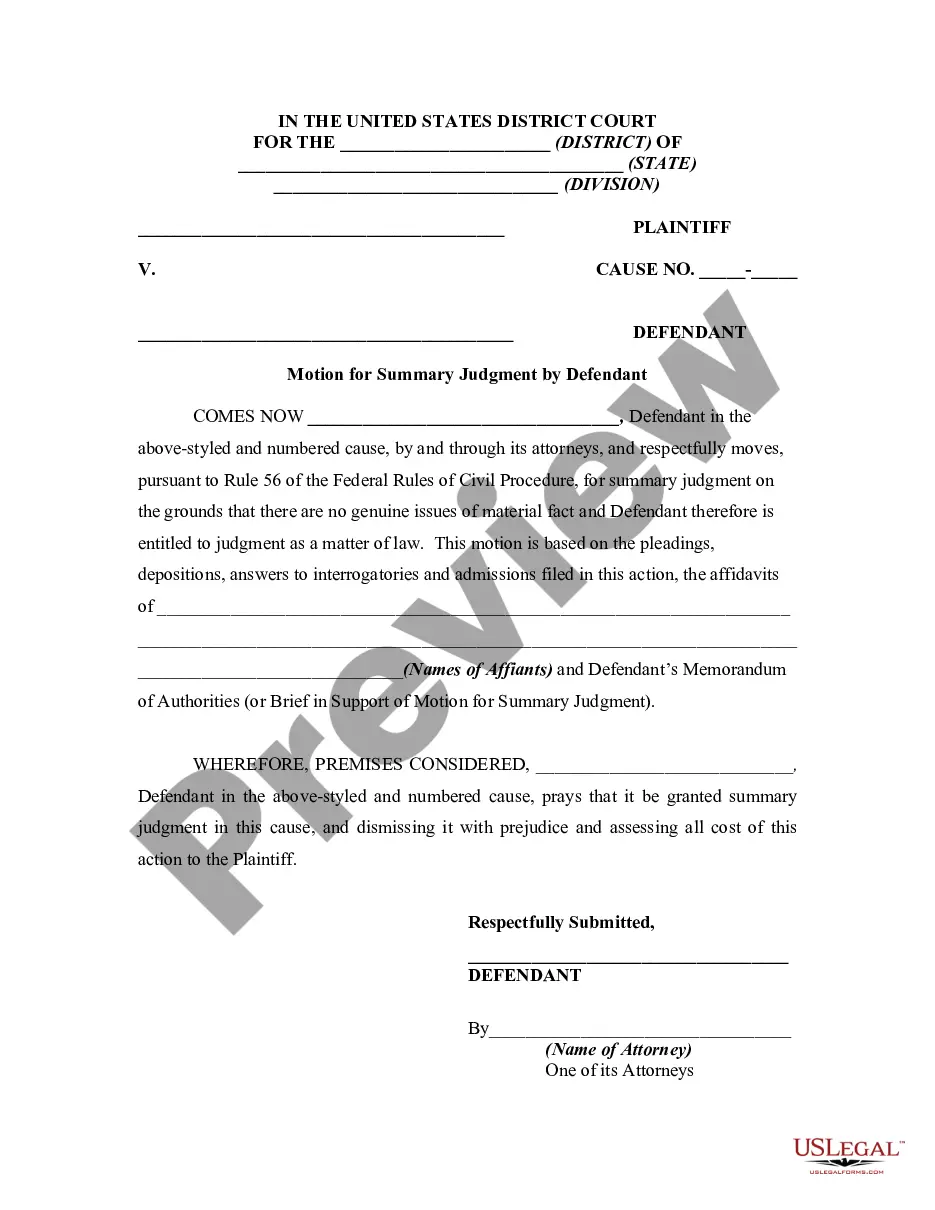
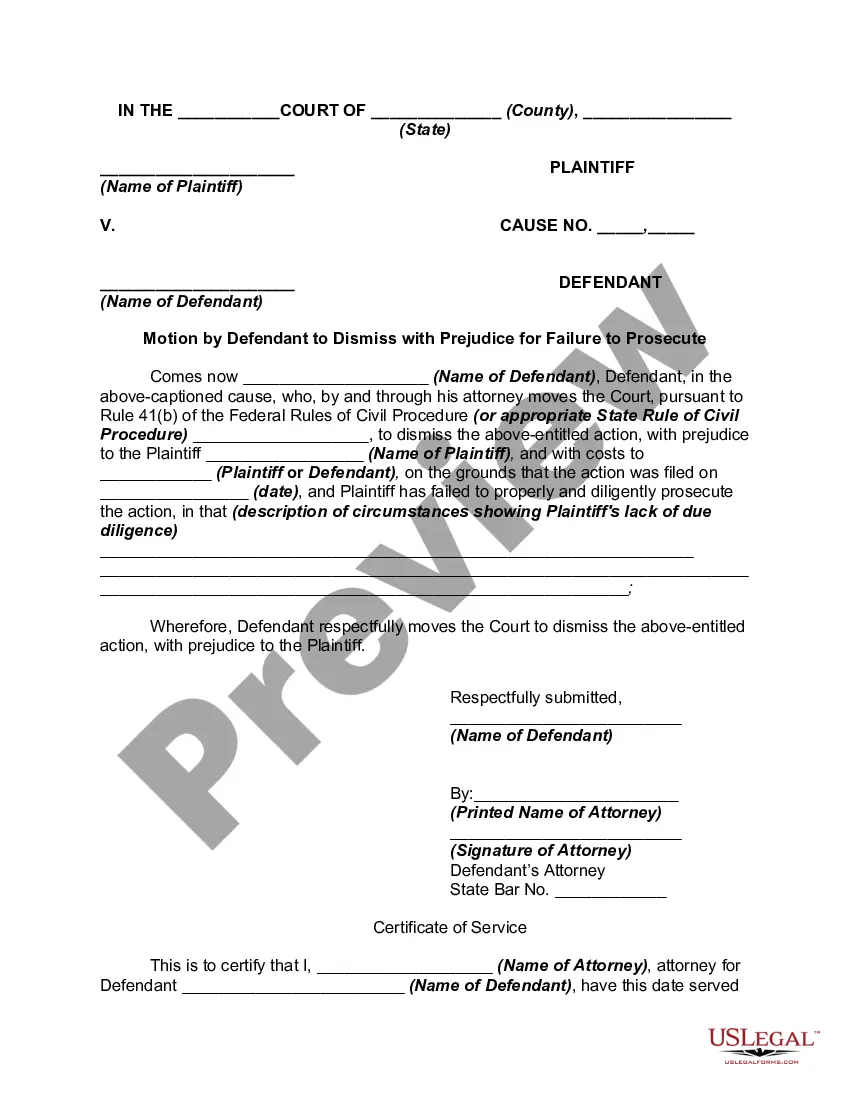
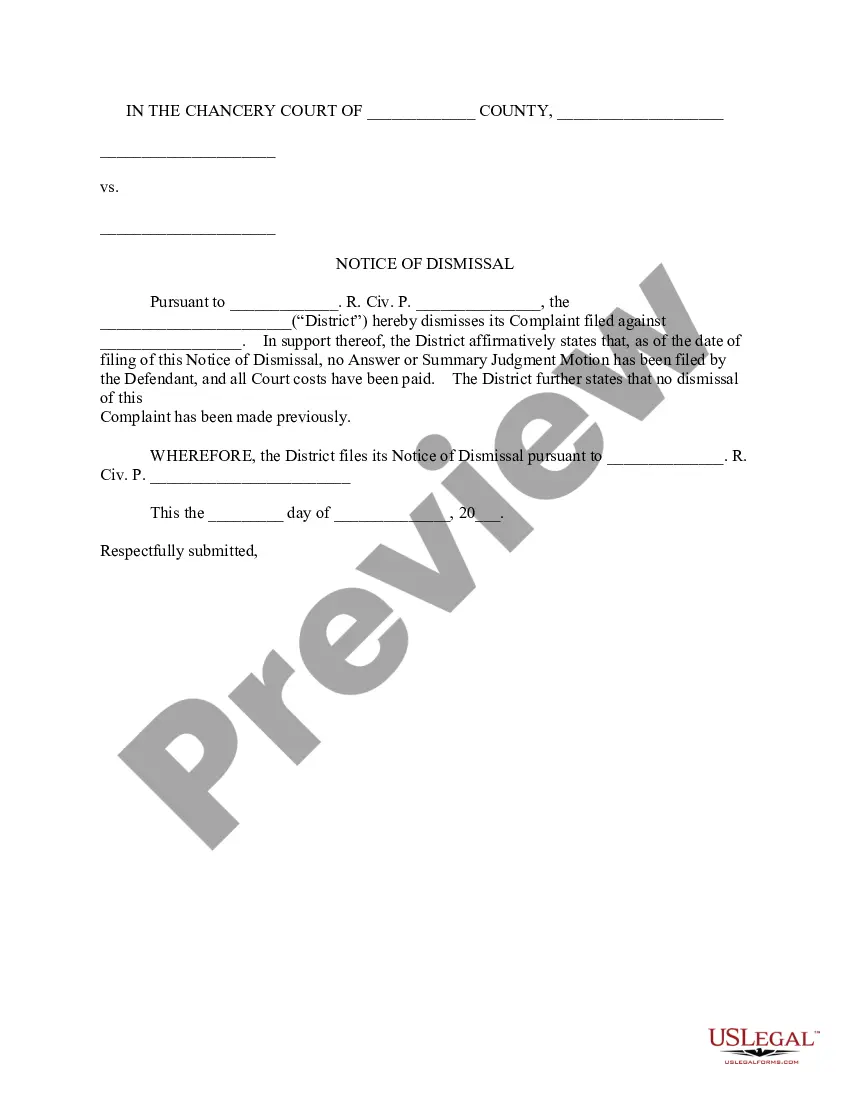
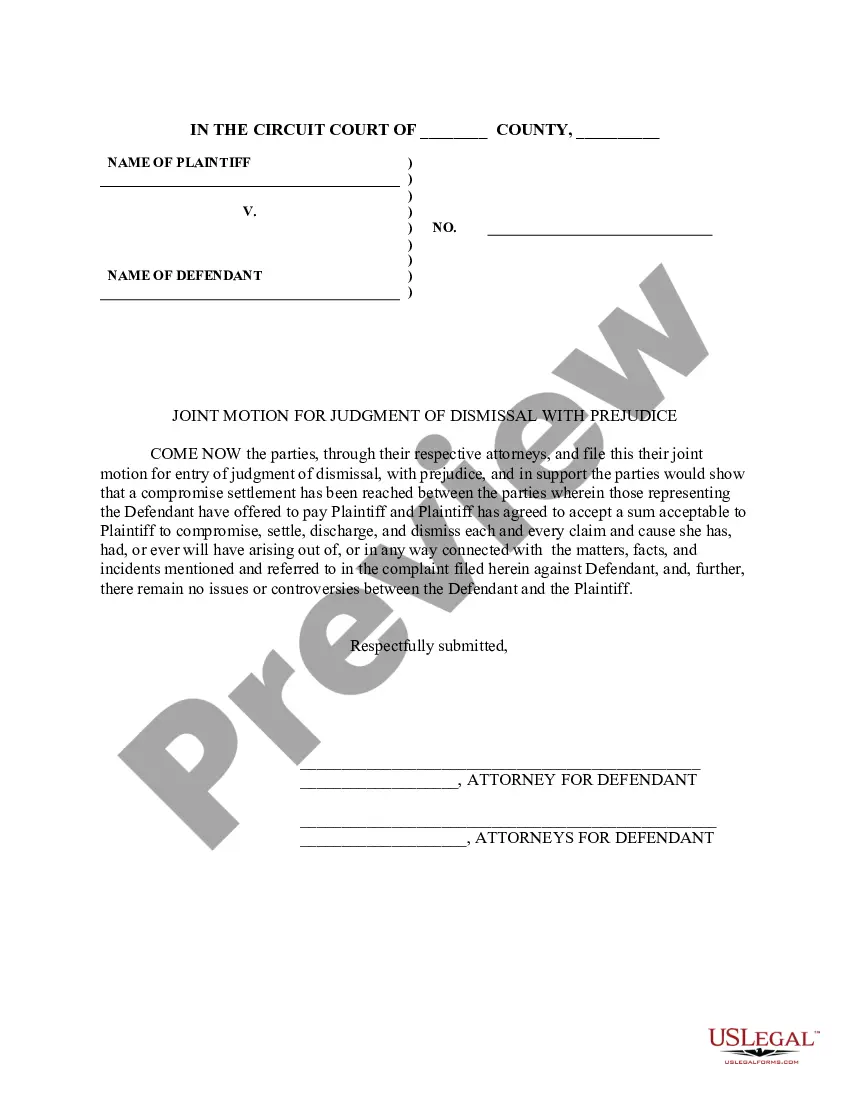
Get your form ready online
Our built-in tools help you complete, sign, share, and store your documents in one place.
Make edits, fill in missing information, and update formatting in US Legal Forms—just like you would in MS Word.
Download a copy, print it, send it by email, or mail it via USPS—whatever works best for your next step.
Sign and collect signatures with our SignNow integration. Send to multiple recipients, set reminders, and more. Go Premium to unlock E-Sign.
If this form requires notarization, complete it online through a secure video call—no need to meet a notary in person or wait for an appointment.
We protect your documents and personal data by following strict security and privacy standards.
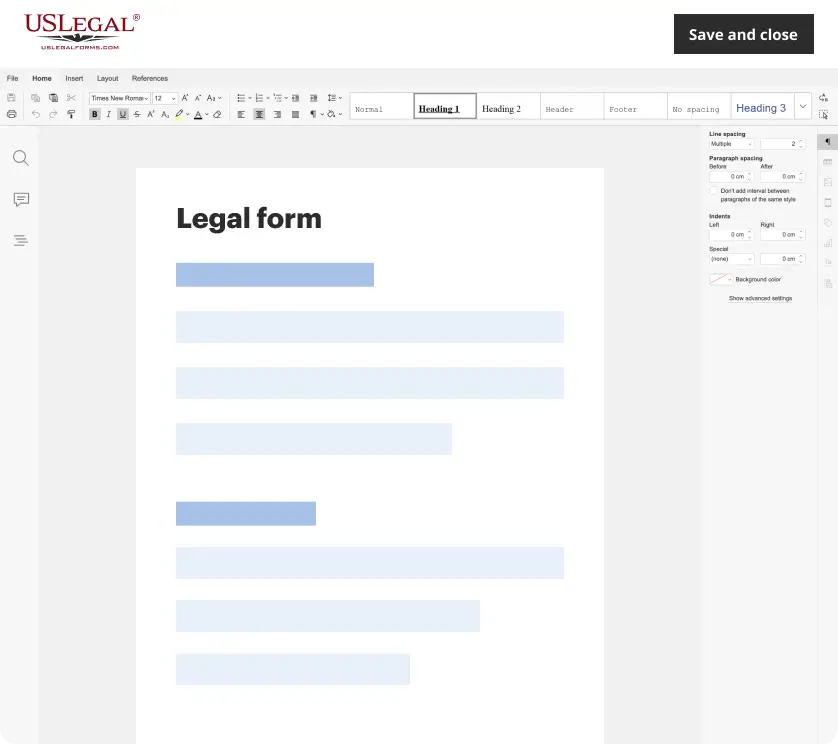
Make edits, fill in missing information, and update formatting in US Legal Forms—just like you would in MS Word.
Download a copy, print it, send it by email, or mail it via USPS—whatever works best for your next step.
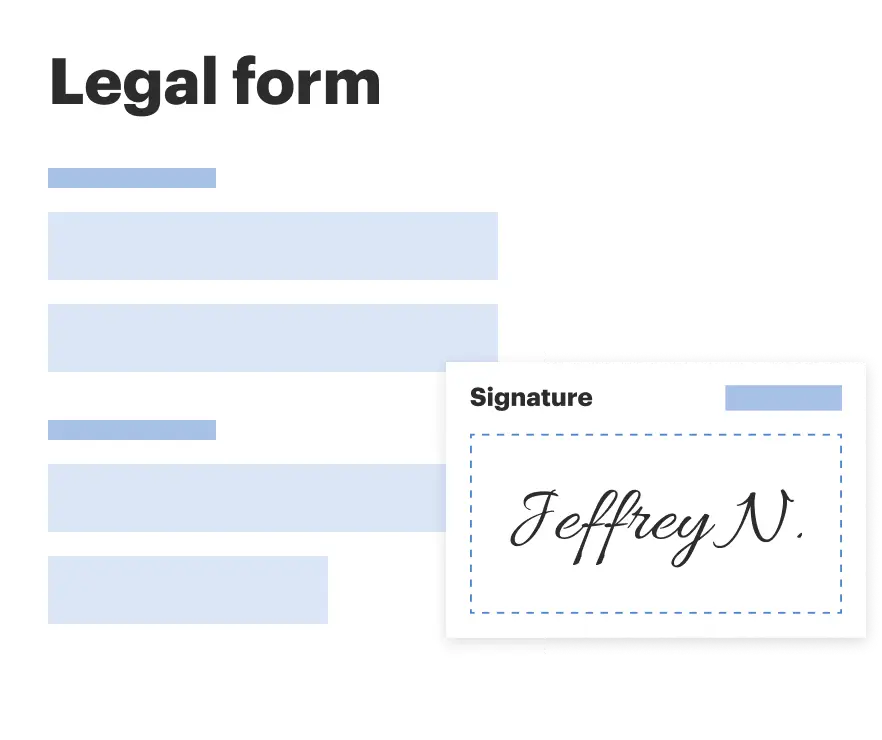
Sign and collect signatures with our SignNow integration. Send to multiple recipients, set reminders, and more. Go Premium to unlock E-Sign.

If this form requires notarization, complete it online through a secure video call—no need to meet a notary in person or wait for an appointment.
We protect your documents and personal data by following strict security and privacy standards.
Looking for another form?
How to fill out Motion To Dismiss Foreclosure Action And Notice Of Motion?
- Log in to your US Legal Forms account. Ensure your subscription is active. If it needs renewal, do so according to your payment plan.
- Preview the form you need. Check the description to confirm it aligns with your requirements and local jurisdiction.
- If the first choice isn't right, utilize the Search feature to find an appropriate form. This will help you locate the needed template that suits your situation.
- Purchase the form. Click on the Buy Now button, select your preferred subscription plan, and create an account to gain access to the library.
- Complete your transaction. Provide your payment information via credit card or PayPal to finalize your subscription.
- Download your chosen form. Save it to your device and access it anytime from the My Forms section in your profile.
By following these simple steps, you can efficiently obtain your legal documents, ensuring they are precise and compliant with regulations.
Don’t hesitate—get started today with US Legal Forms. Experience the convenience of having over 85,000 editable legal forms at your fingertips!
Form popularity
FAQ
When responding to a motion to Show Cause, you should prepare a detailed explanation of why the court should not grant the motion. Use an opposition sample to help structure your response effectively. Be sure to include any pertinent evidence or legal reasons supporting your case. A well-prepared response can aid in achieving a favorable resolution.
To oppose a declaration, start by reviewing the declaration's claims in detail. Construct an opposition sample that challenges those claims with factual evidence and legal arguments. Clearly state your reasons for opposition while backing them up with reliable documents. A strong opposition can significantly impact the court's decision.
Replying to an opposition to a motion requires a thoughtful approach. Begin by analyzing the arguments presented in the opposition. Use an opposition sample to structure your response, clearly outlining your points and addressing any inaccuracies. This not only reinforces your original motion but also clarifies your position.
To write an opposition to a motion to dismiss, start with a strong introduction stating the purpose of your opposition. Follow this with a detailed analysis of the reasons behind the dismissal motion, using an opposition sample as a guide. Include all relevant facts and legal precedents that support your case. Ensure your writing is clear and persuasive.
To respond to an opposition to a motion, prepare a reply that directly addresses the points raised. Use a clear structure in your response, incorporating an opposition sample if necessary. Reiterate your original arguments while countering the opposing claims effectively. This allows you to clarify your position and enhance your chances of a favorable outcome.
The affirmation in opposition is a statement that supports your disagreement with a motion. This document serves to affirm the facts you present in your opposition sample. It adds credibility to your arguments by including relevant testimonies or declarations. This affirmation can strengthen your case before the court.
When a motion is opposed, the court will consider both the motion and the opposition sample presented. This process allows for a fair evaluation of the arguments from both sides. A hearing may be scheduled, giving both parties a chance to argue their case. Ultimately, the court will issue a decision based on the presented materials.
To disagree with a motion, you can file an opposition. An effective opposition sample will clearly outline your reasons for disagreement. Ensure that you provide supporting evidence and relevant facts to strengthen your position. The court will review your opposition along with the original motion.
When addressing an opposing motion for summary judgment, your response should highlight any genuine issues of material fact that remain unresolved. Clearly state your reasons for opposing the motion, backed by supporting evidence or documentation. A well-prepared opposition sample can guide your writing process and ensure you effectively present your arguments to the court.
Writing an effective opposition starts with understanding the motion you’re responding to. First, outline the key points of the opposing argument and then refute them with thorough reasoning and evidence. Utilizing an opposition sample can help structure your document, ensuring you include necessary elements such as citations and legal support, ultimately crafting a strong response.