Foreclosure Surplus Funds With No Credit
Description
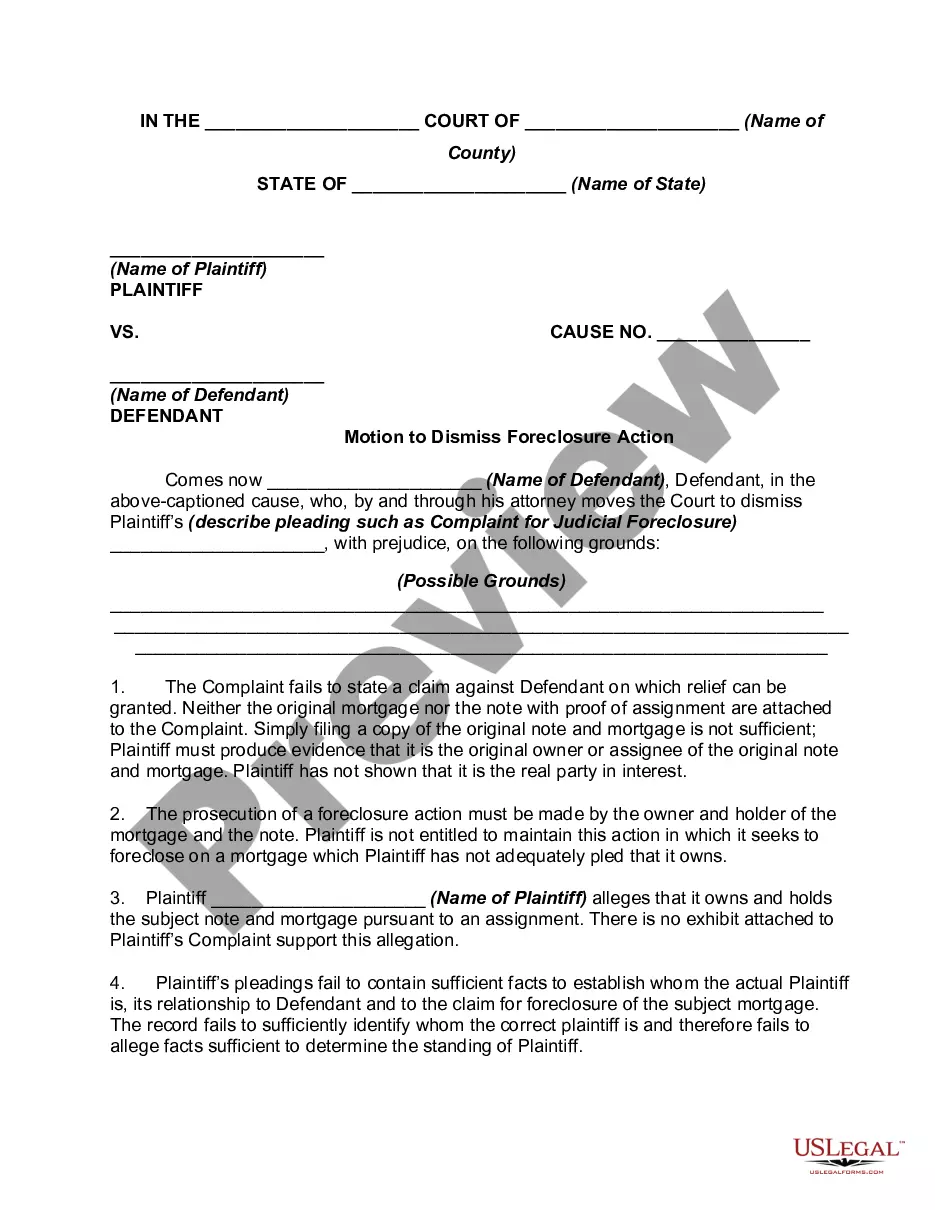
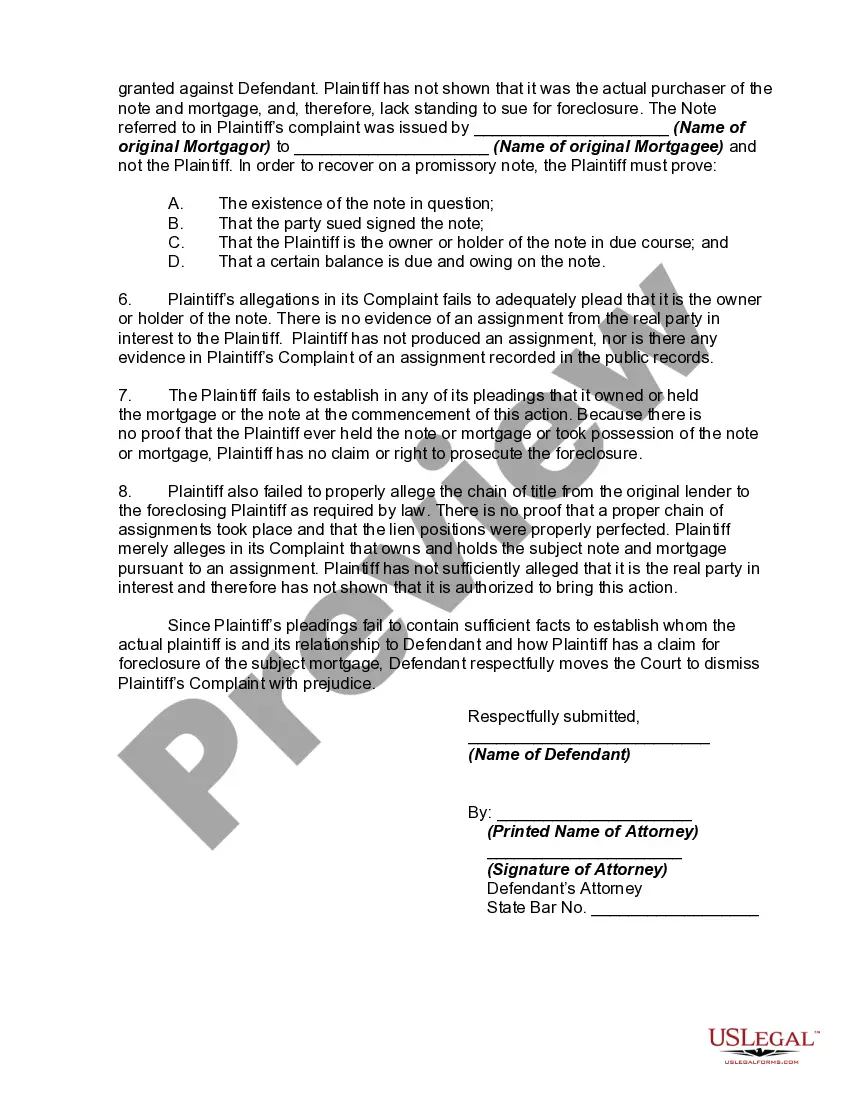
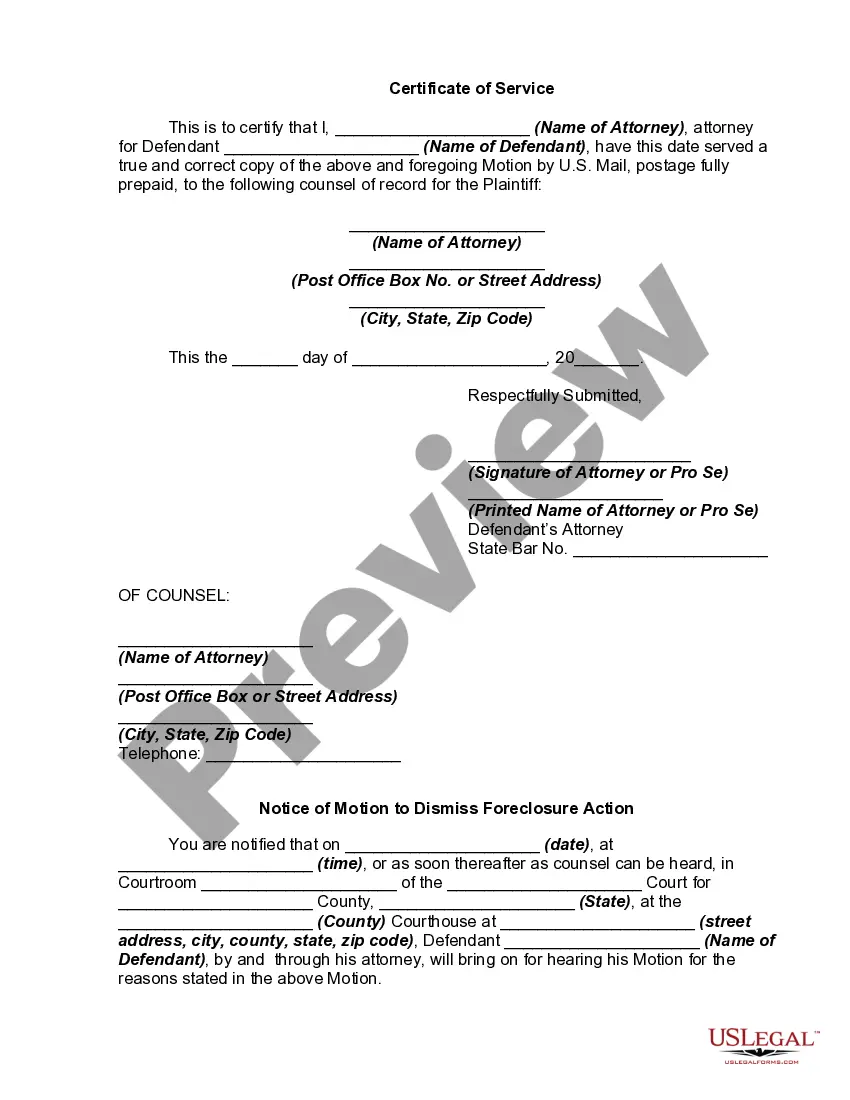
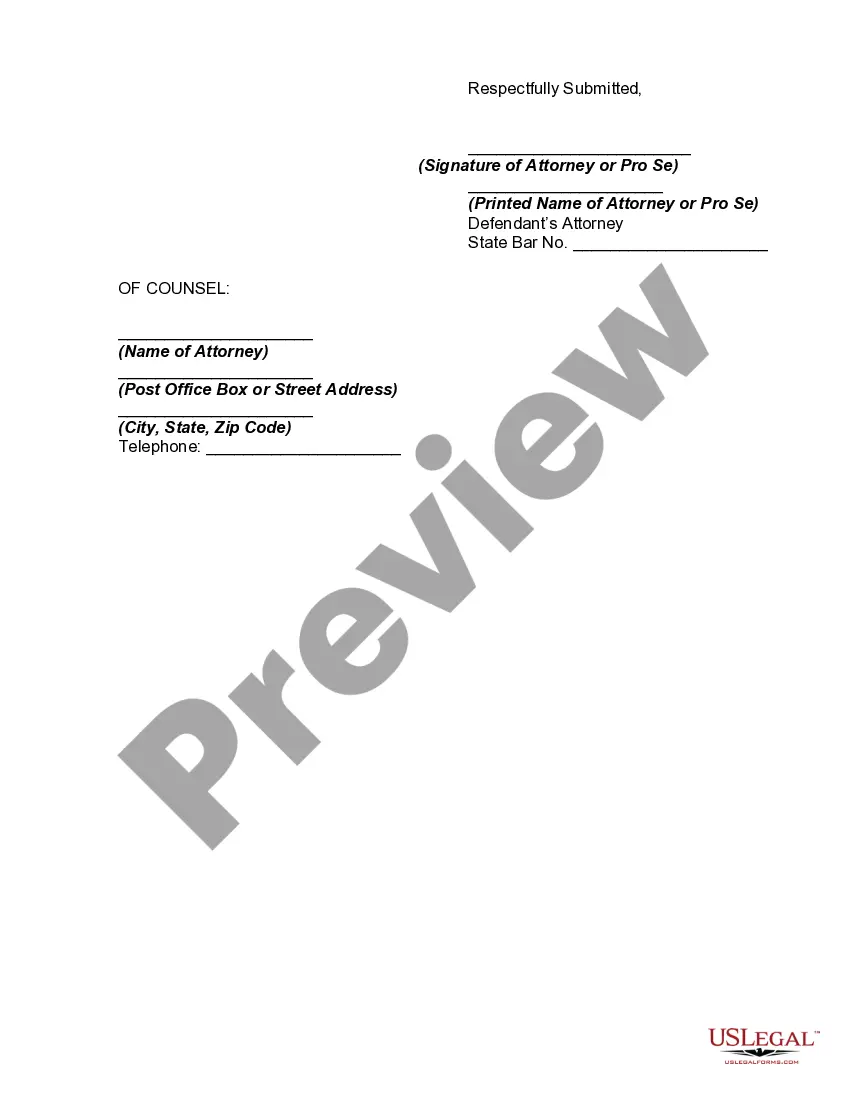
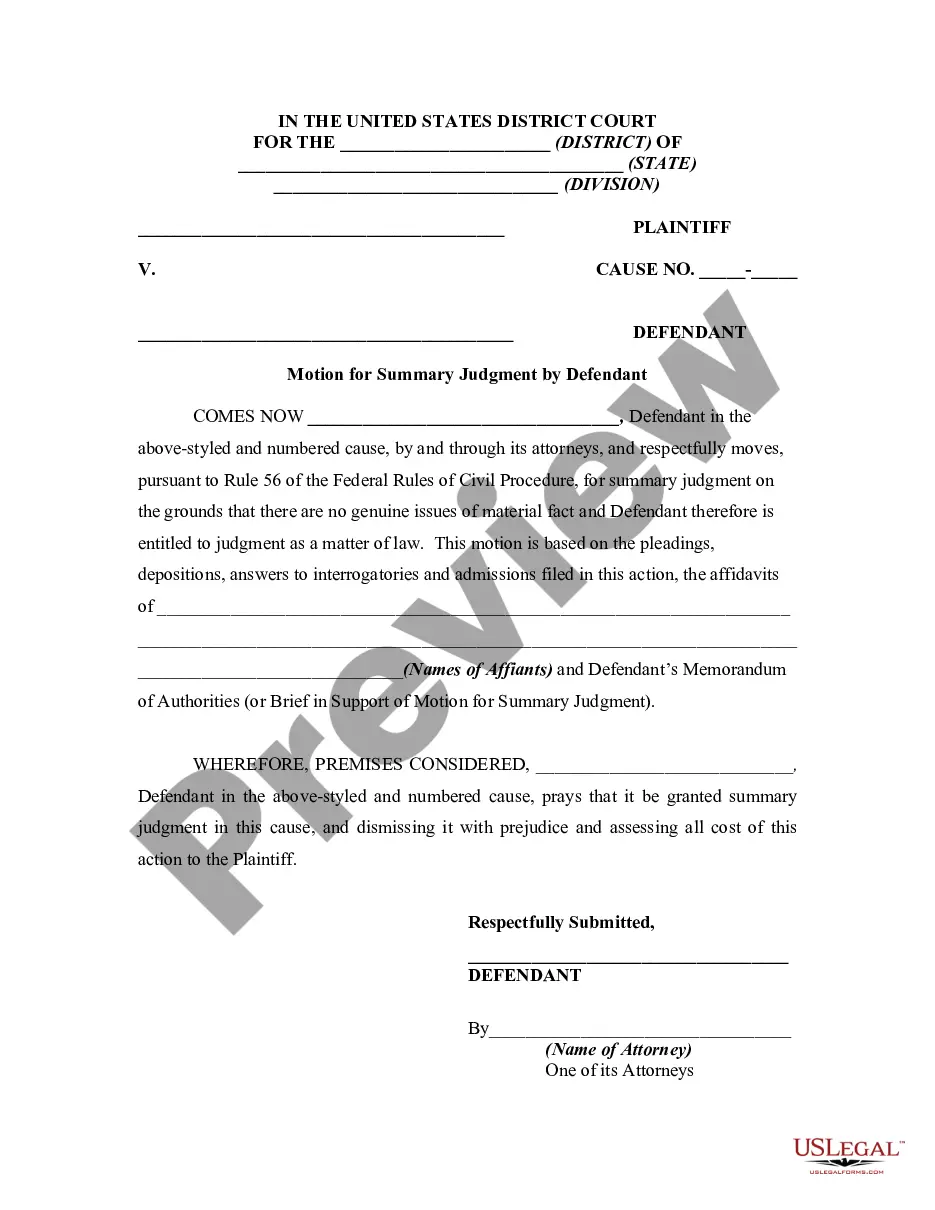
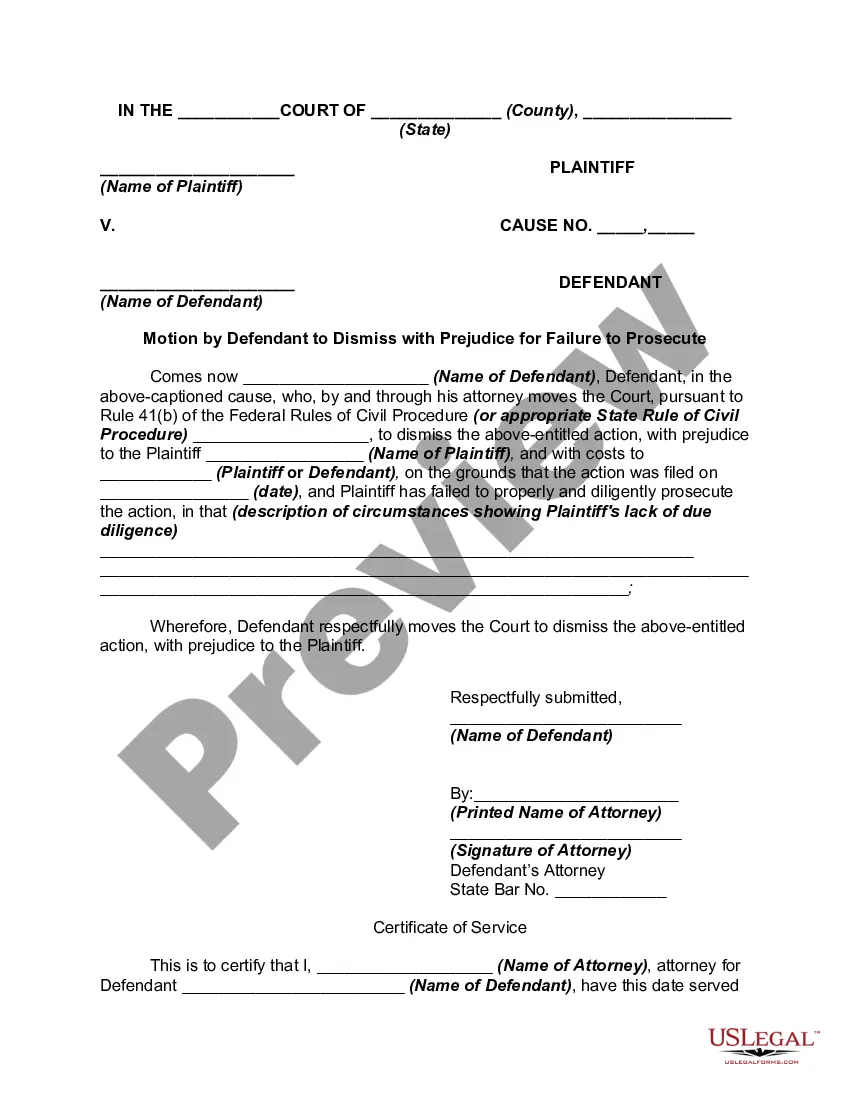
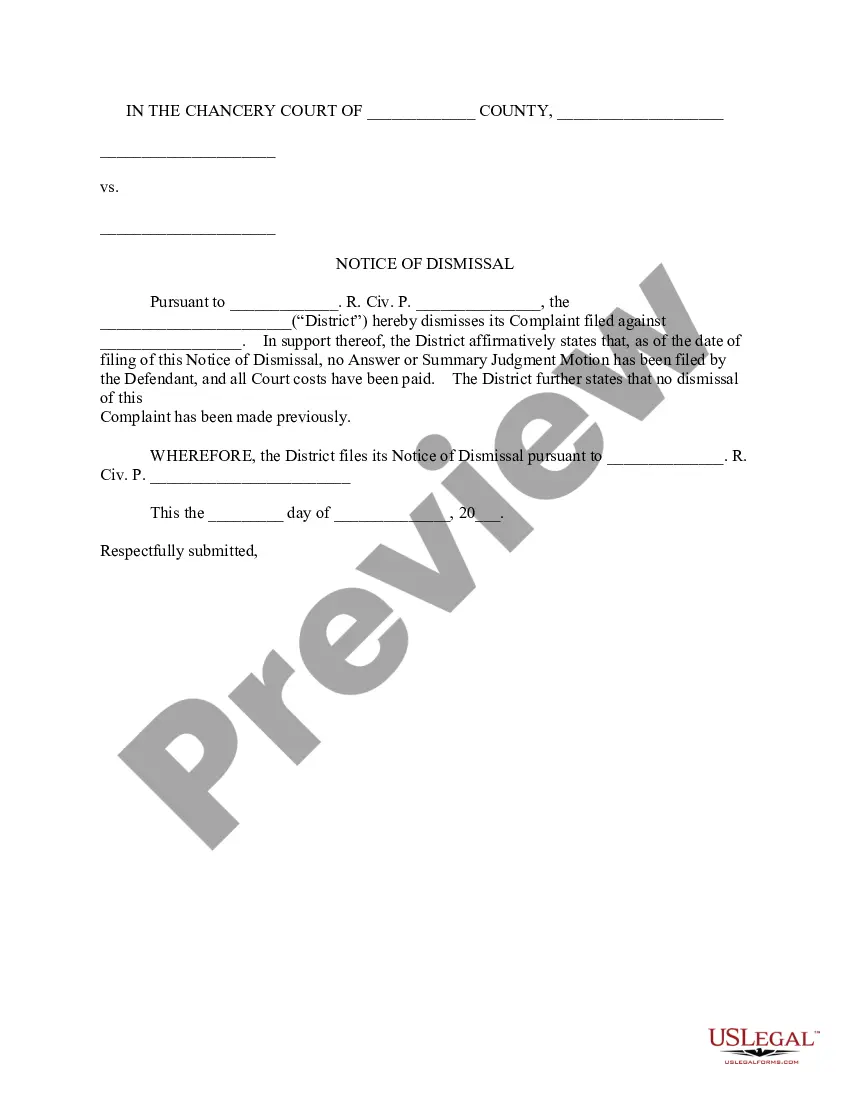
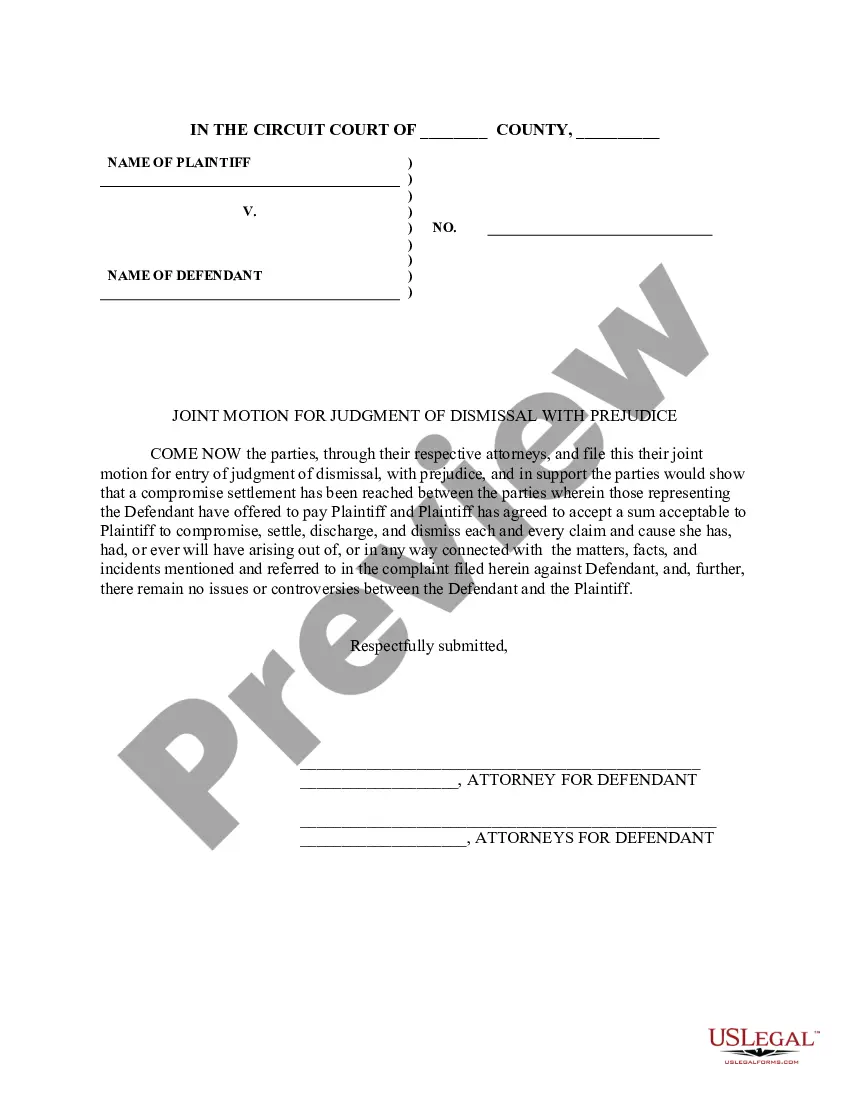
Get your form ready online
Our built-in tools help you complete, sign, share, and store your documents in one place.
Make edits, fill in missing information, and update formatting in US Legal Forms—just like you would in MS Word.
Download a copy, print it, send it by email, or mail it via USPS—whatever works best for your next step.
Sign and collect signatures with our SignNow integration. Send to multiple recipients, set reminders, and more. Go Premium to unlock E-Sign.
If this form requires notarization, complete it online through a secure video call—no need to meet a notary in person or wait for an appointment.
We protect your documents and personal data by following strict security and privacy standards.

Make edits, fill in missing information, and update formatting in US Legal Forms—just like you would in MS Word.

Download a copy, print it, send it by email, or mail it via USPS—whatever works best for your next step.

Sign and collect signatures with our SignNow integration. Send to multiple recipients, set reminders, and more. Go Premium to unlock E-Sign.

If this form requires notarization, complete it online through a secure video call—no need to meet a notary in person or wait for an appointment.

We protect your documents and personal data by following strict security and privacy standards.
Looking for another form?

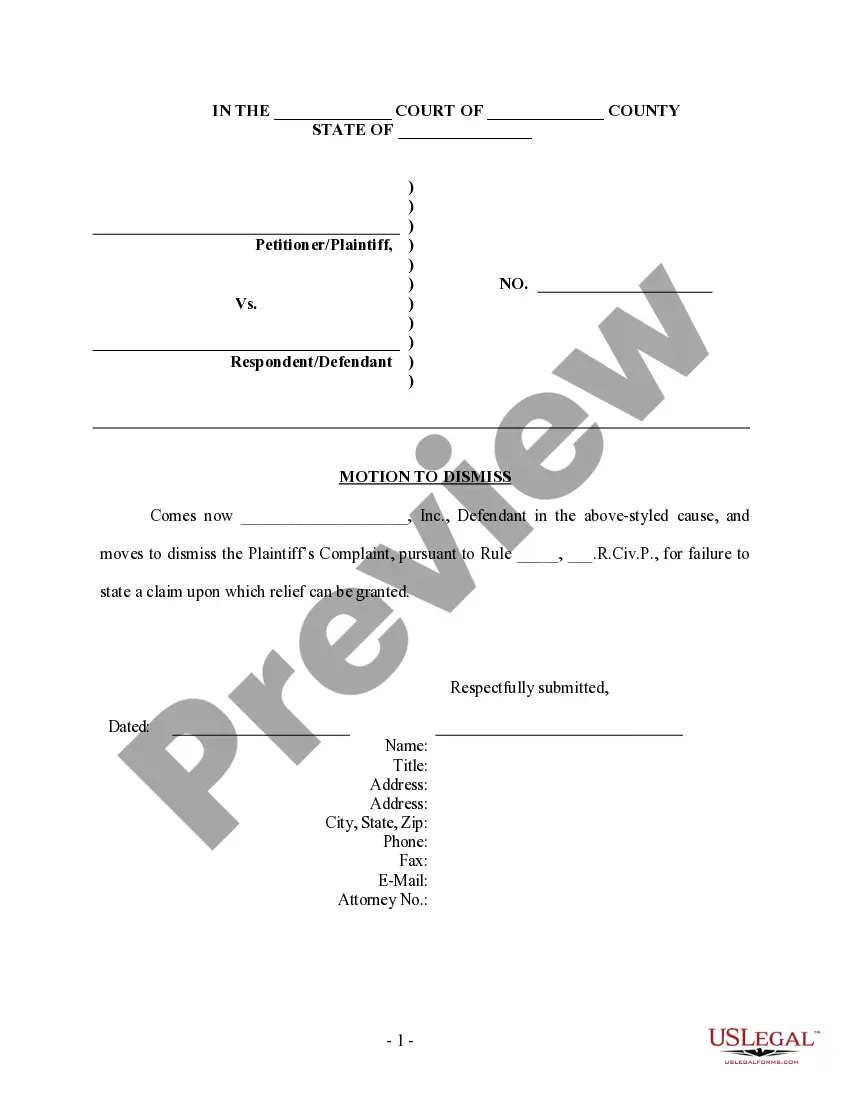
How to fill out Motion To Dismiss Foreclosure Action And Notice Of Motion?
- Log in to your existing US Legal Forms account and verify your subscription is active. If needed, renew it based on your payment plan.
- Review the preview mode and description of the required legal form. Make sure it meets your specific needs and complies with local jurisdiction requirements.
- If the form doesn't meet your needs, utilize the search feature to find another applicable template.
- Purchase the selected document by clicking the 'Buy Now' button, selecting your preferred subscription plan, and registering for an account.
- Complete your payment by entering your credit card information or using your PayPal account to finalize your subscription.
- Download the form and save it to your device. You can access the document anytime through the 'My Forms' section in your profile.
Once you've followed these steps, you'll be well-equipped to proceed with claiming your foreclosure surplus funds successfully. US Legal Forms not only strengthens your ability to access these documents but also provides a wealth of resources to assist you at every turn.
Take the first step today and explore the benefits of using US Legal Forms for your legal documentation needs!
Form popularity
FAQ
Receiving excess funds typically depends on the specific jurisdiction where the foreclosure took place and the efficiency of the local government agency handling these funds. On average, it may take anywhere from six to eight weeks to get these funds, but complexities can extend this timeline. When navigating the maze of foreclosure surplus funds with no credit, utilizing a service like US Legal Forms can help streamline your efforts and improve your chances of a swift resolution.
In California, the processing time for unclaimed property can range from a few weeks to several months, depending on the specific circumstances surrounding the claim. Once all required documentation is submitted, you will need to allow time for the state to verify your claim. If you are dealing with foreclosure surplus funds with no credit, platforms like US Legal Forms can provide clarity and assistance throughout this process.
The timeline to receive surplus funds can vary based on several factors, including state laws and the complexity of your case. Generally, it may take several weeks to a few months to process your claim for foreclosure surplus funds with no credit. Engaging with professionals who understand the legal landscape can help expedite this process, ensuring you receive your funds in a timely manner.
Buying a foreclosed property can be straightforward if you understand the process. While it may require some additional steps compared to traditional home purchases, many find the benefits worth the effort. Resources like US Legal Forms can guide you through the complexities of obtaining foreclosure surplus funds with no credit obstacle. With the right knowledge and support, you can navigate the journey effectively.
Buying a foreclosed house with bad credit is possible, and many options are available. Consider seeking assistance from specialized lenders who understand foreclosure surplus funds with no credit. Additionally, saving for a larger down payment can improve your chances of getting approved. Taking these steps can make your dream of owning a foreclosed home a reality.
Yes, surplus funds from a foreclosure may be taxable, as they are often seen as proceeds from the sale of property. If you receive these funds, they can impact your tax situation. To ensure you handle this correctly, consider seeking help from U.S. Legal Forms or a tax professional specializing in real estate matters.
The timeline to recover surplus funds from a foreclosure can vary greatly, often ranging from a few weeks to several months. Factors influencing this include the complexity of the case, local laws, and courts' processing times. If you're navigating this process, consider consulting with experts on foreclosure surplus funds with no credit to streamline your recovery.
Foreclosure itself is not considered taxable income, but any surplus funds from the sale could be. If you receive foreclosure surplus funds with no credit, you must report these funds on your tax return. It's wise to speak with a tax advisor to navigate the complexities of how these funds are treated.
Buying a foreclosed home with no credit is challenging but not impossible. Many lenders require a good credit score, but some may offer options for individuals with no credit history. Look for alternative financing solutions or seek out real estate investment groups that specialize in foreclosure surplus funds with no credit. They can provide valuable assistance in this area.
Yes, you will likely receive a 1099 form after a foreclosure. This form reports any income, including foreclosure surplus funds with no credit, that you may need to claim on your taxes. It’s essential to keep track of this documentation to ensure you meet your tax obligations. Consulting a tax professional can help you understand its implications.