Foreclosure For Dummies
Description
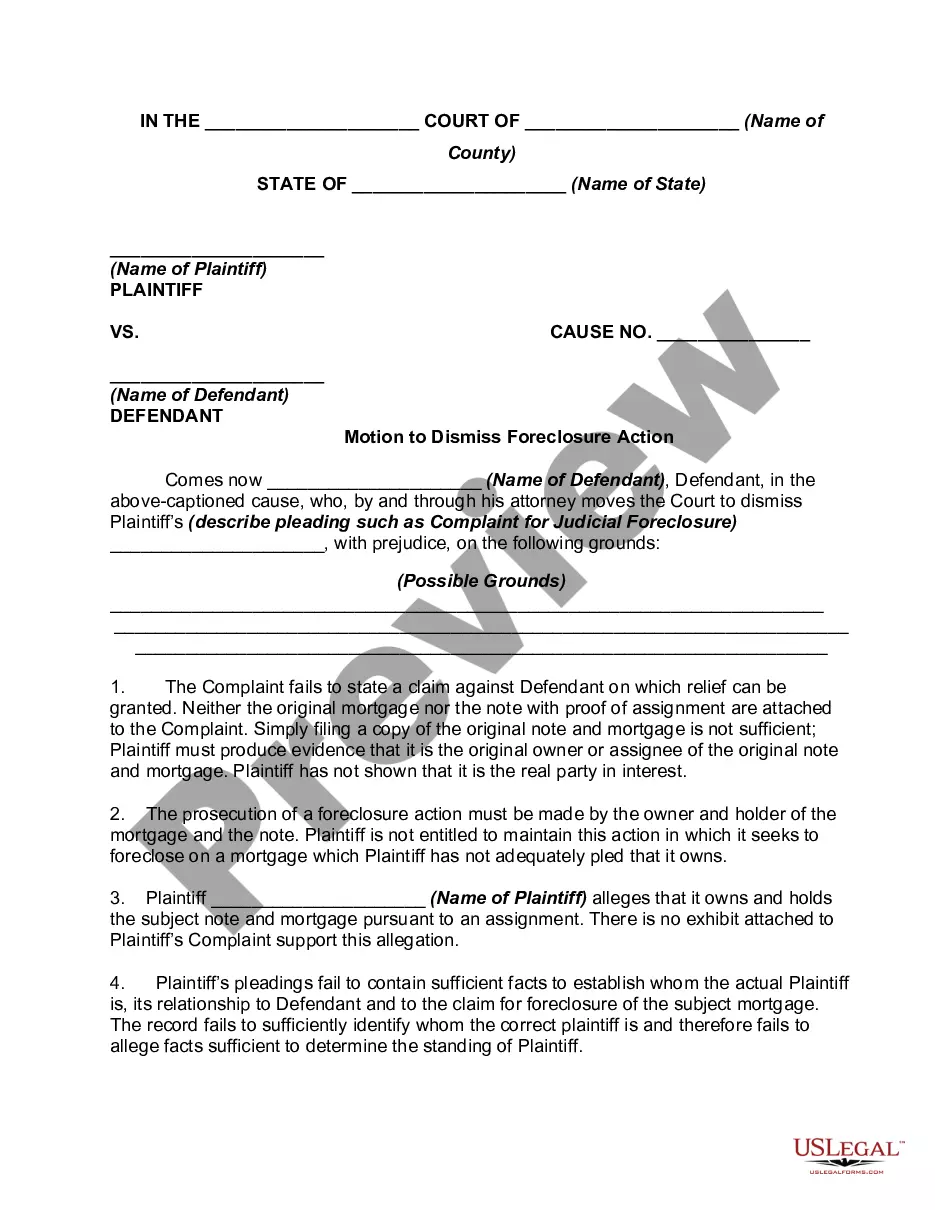
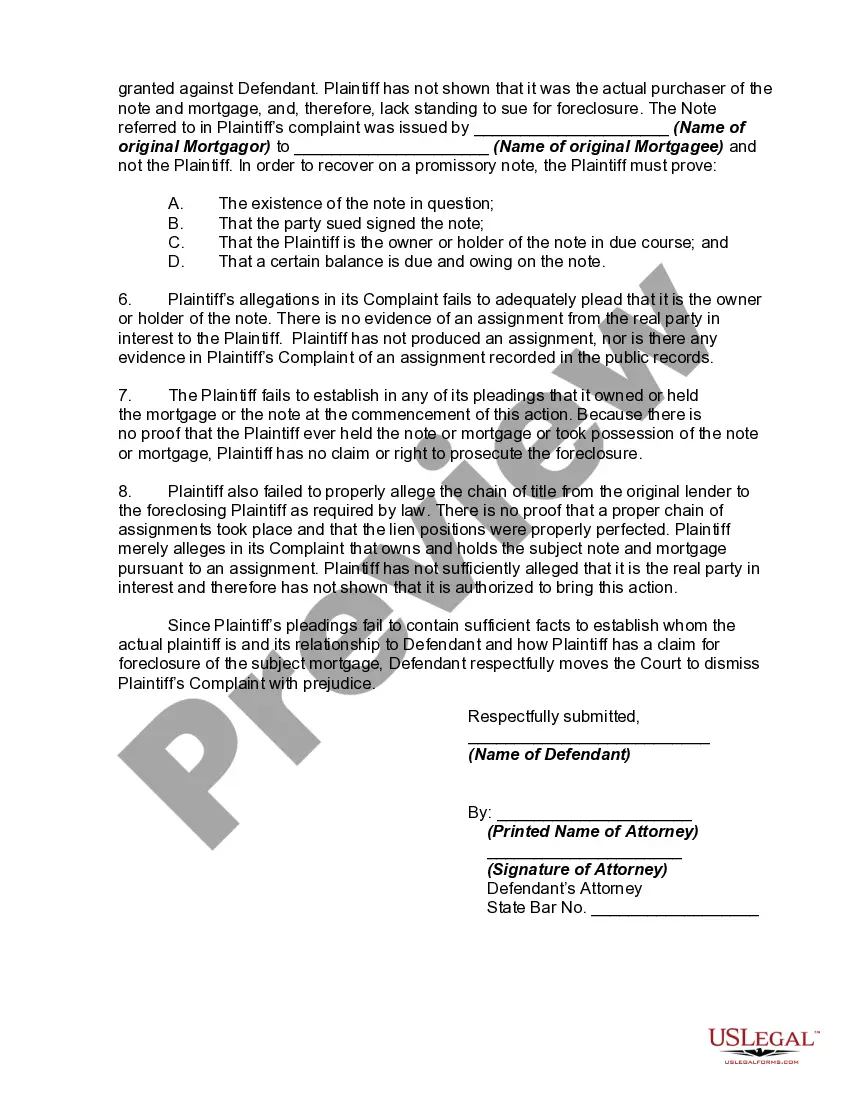
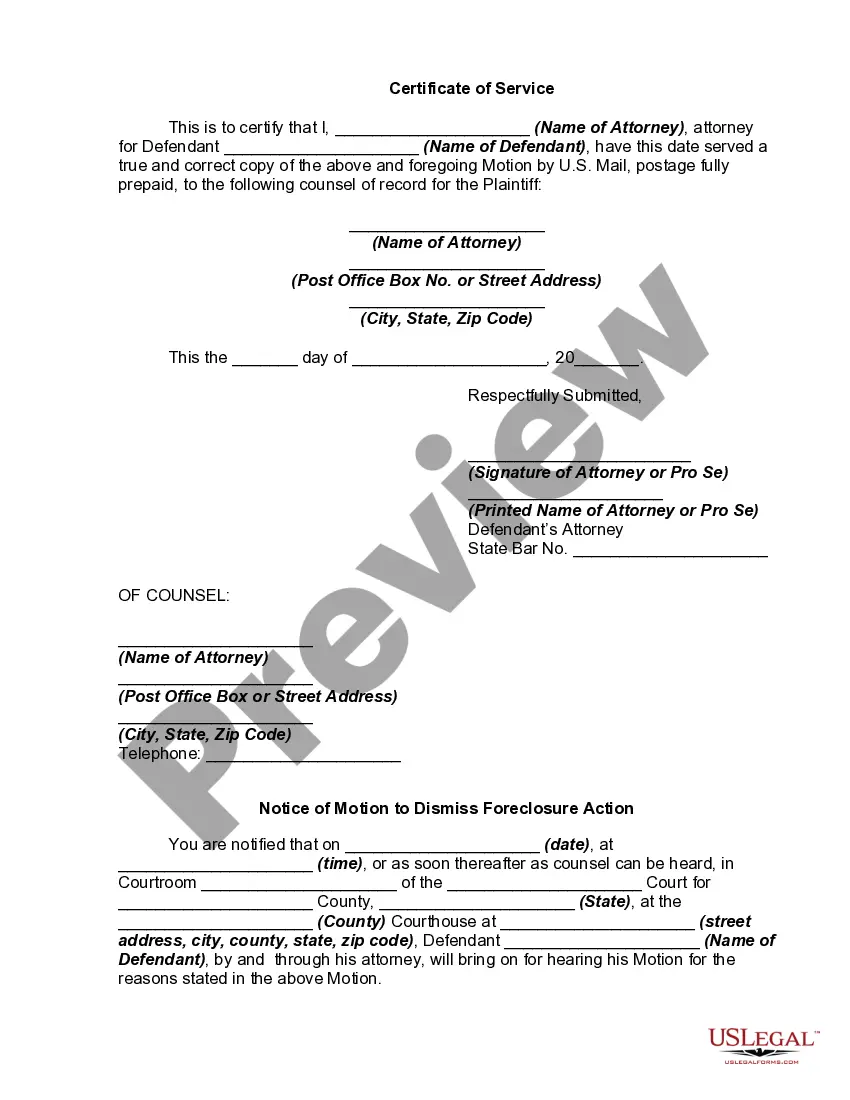
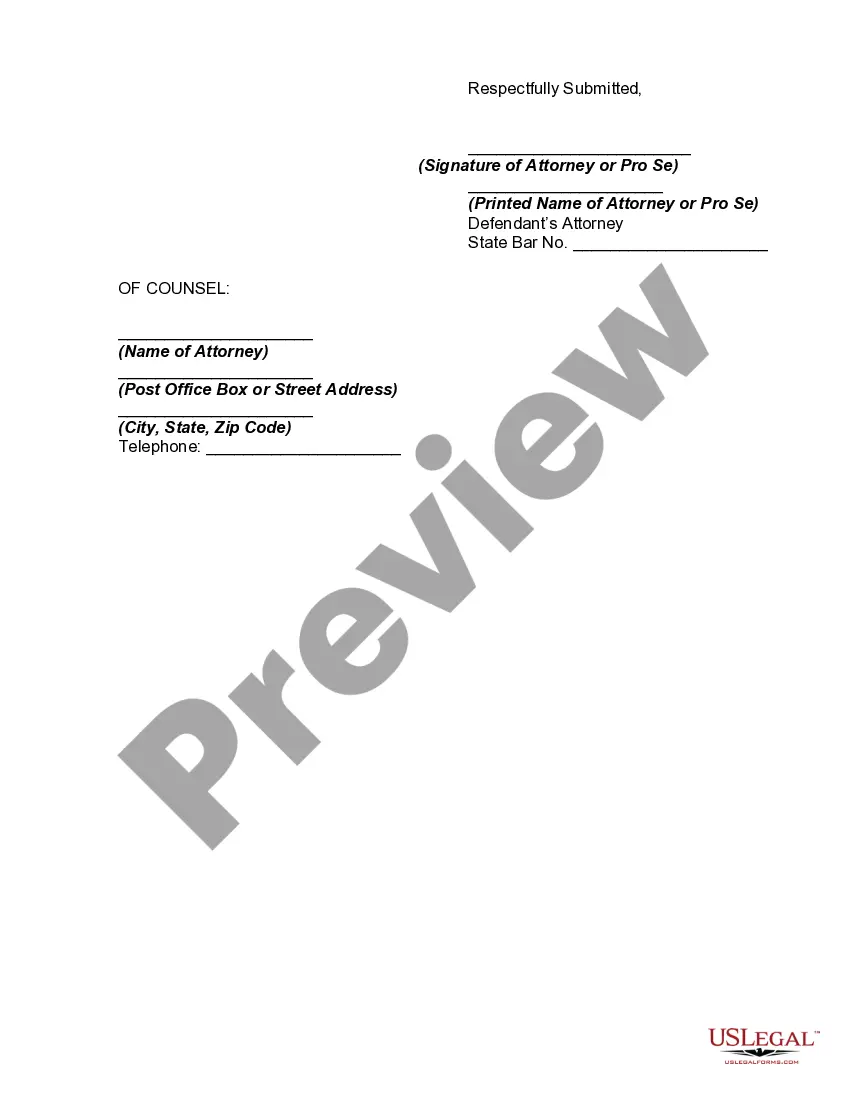
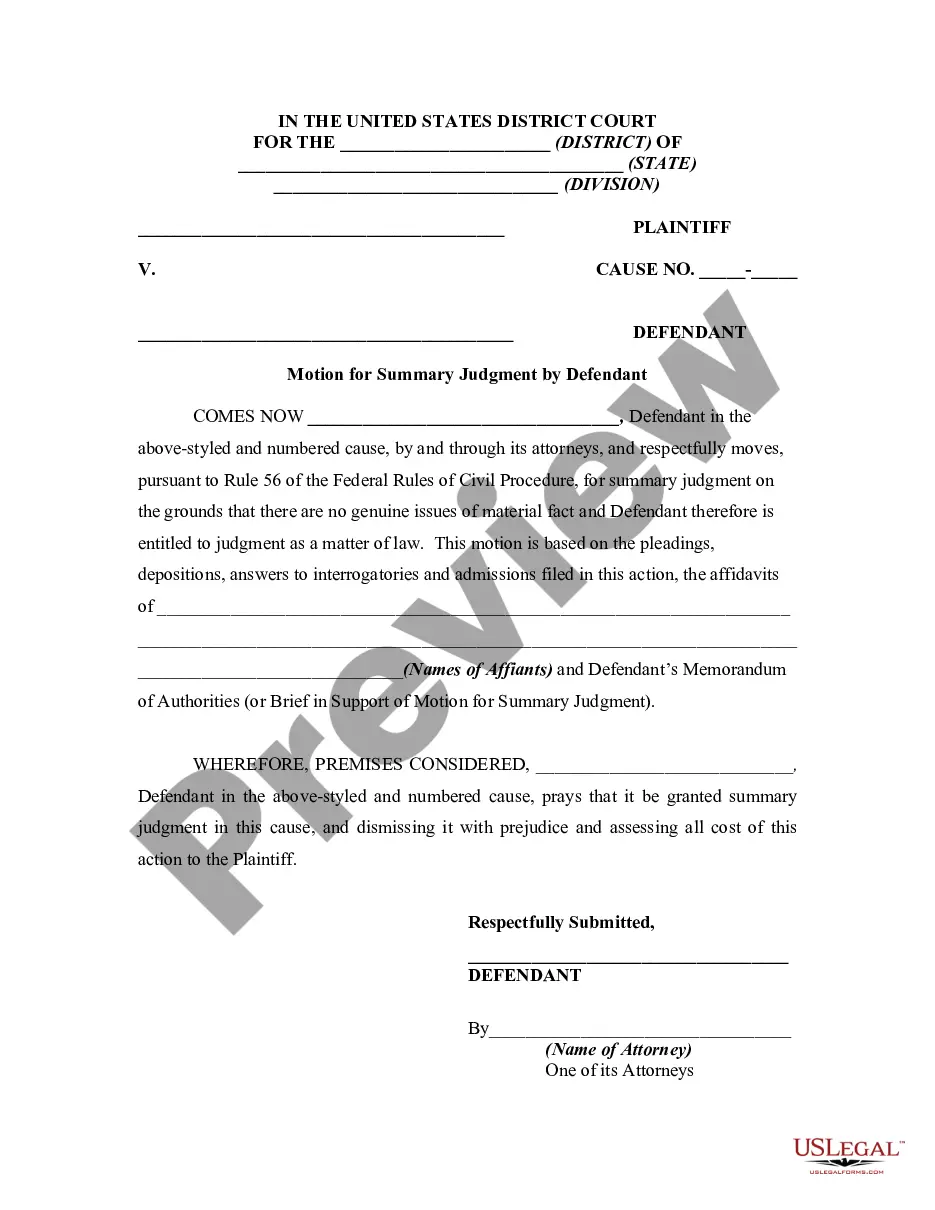
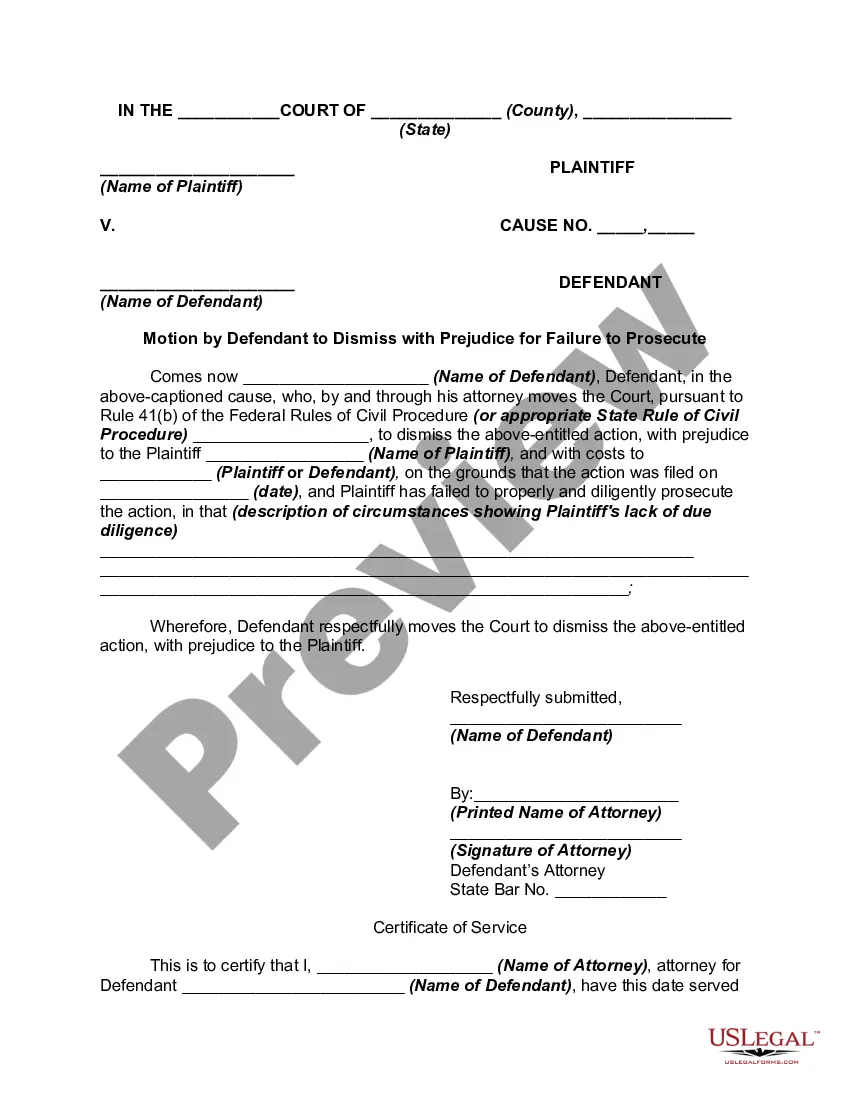
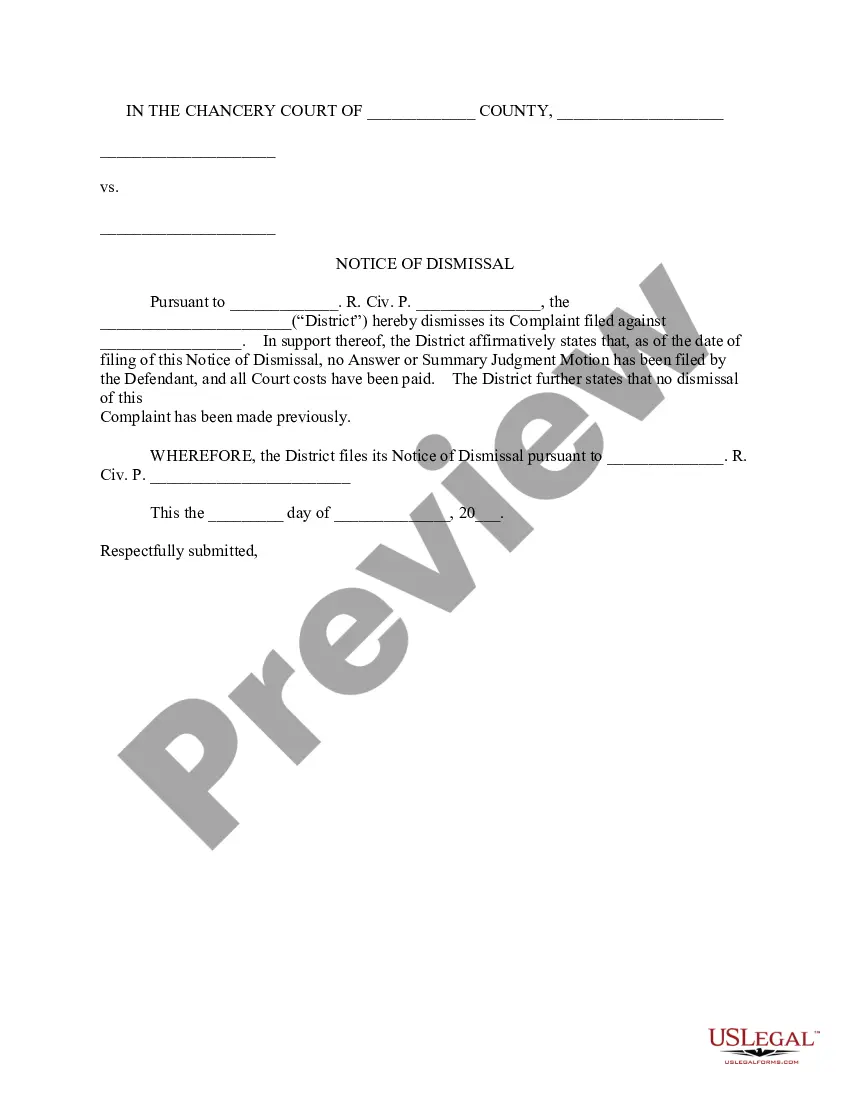
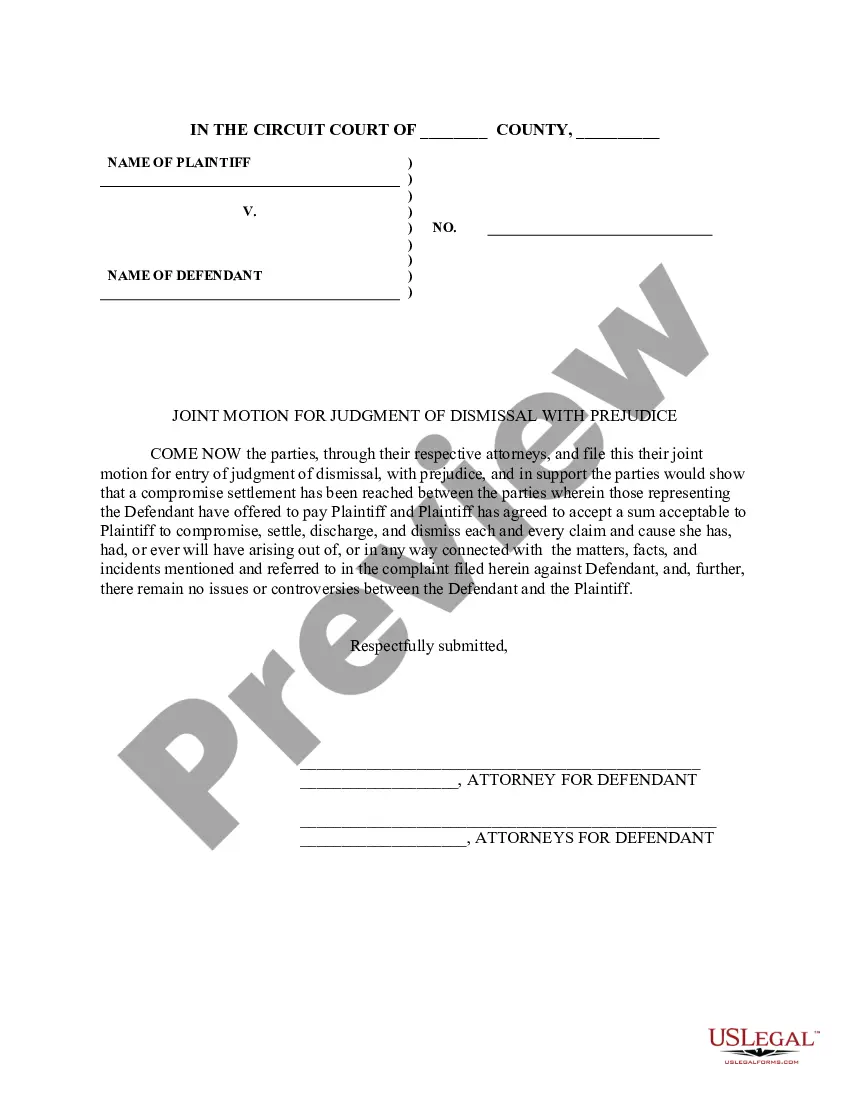
Get your form ready online
Our built-in tools help you complete, sign, share, and store your documents in one place.
Make edits, fill in missing information, and update formatting in US Legal Forms—just like you would in MS Word.
Download a copy, print it, send it by email, or mail it via USPS—whatever works best for your next step.
Sign and collect signatures with our SignNow integration. Send to multiple recipients, set reminders, and more. Go Premium to unlock E-Sign.
If this form requires notarization, complete it online through a secure video call—no need to meet a notary in person or wait for an appointment.
We protect your documents and personal data by following strict security and privacy standards.

Make edits, fill in missing information, and update formatting in US Legal Forms—just like you would in MS Word.

Download a copy, print it, send it by email, or mail it via USPS—whatever works best for your next step.

Sign and collect signatures with our SignNow integration. Send to multiple recipients, set reminders, and more. Go Premium to unlock E-Sign.

If this form requires notarization, complete it online through a secure video call—no need to meet a notary in person or wait for an appointment.

We protect your documents and personal data by following strict security and privacy standards.
Looking for another form?




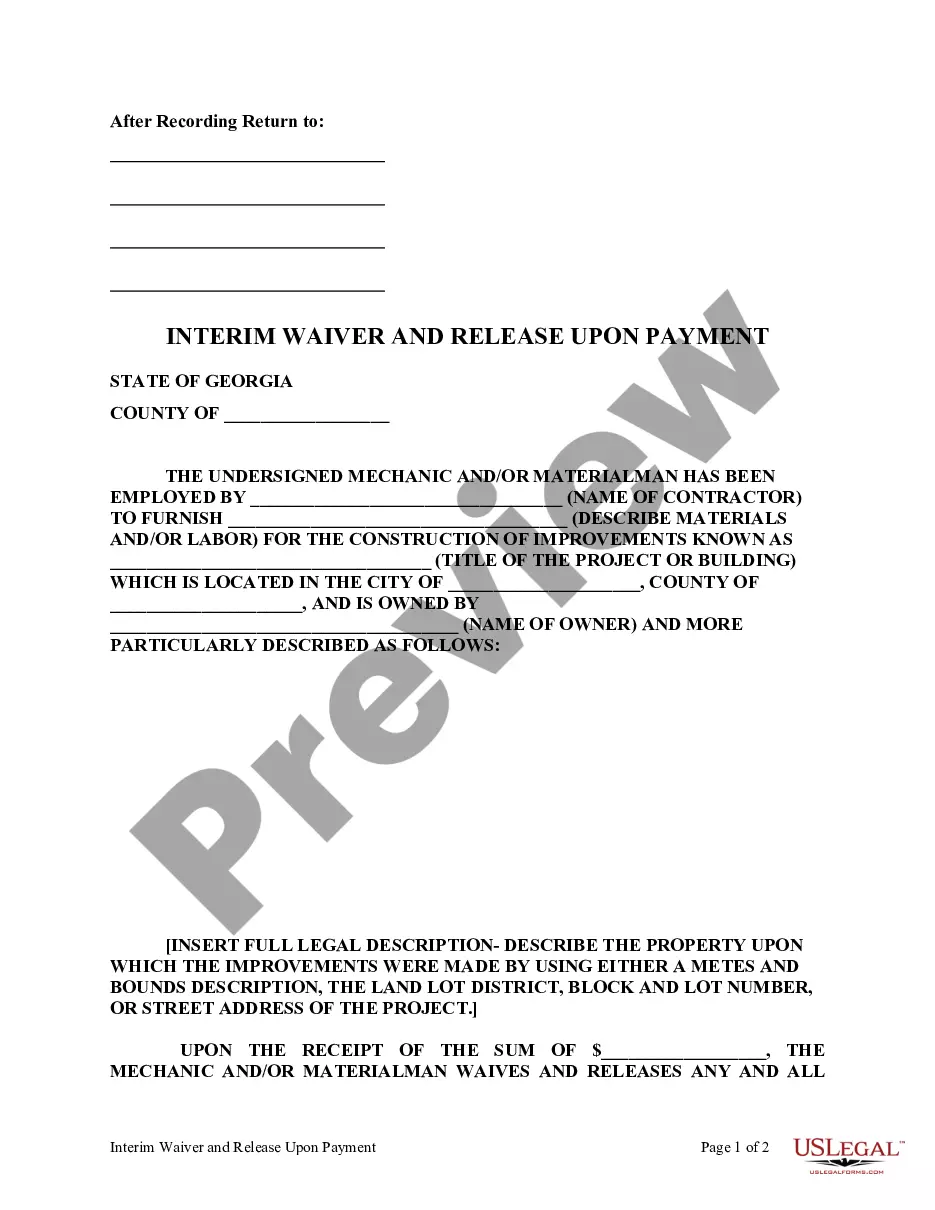



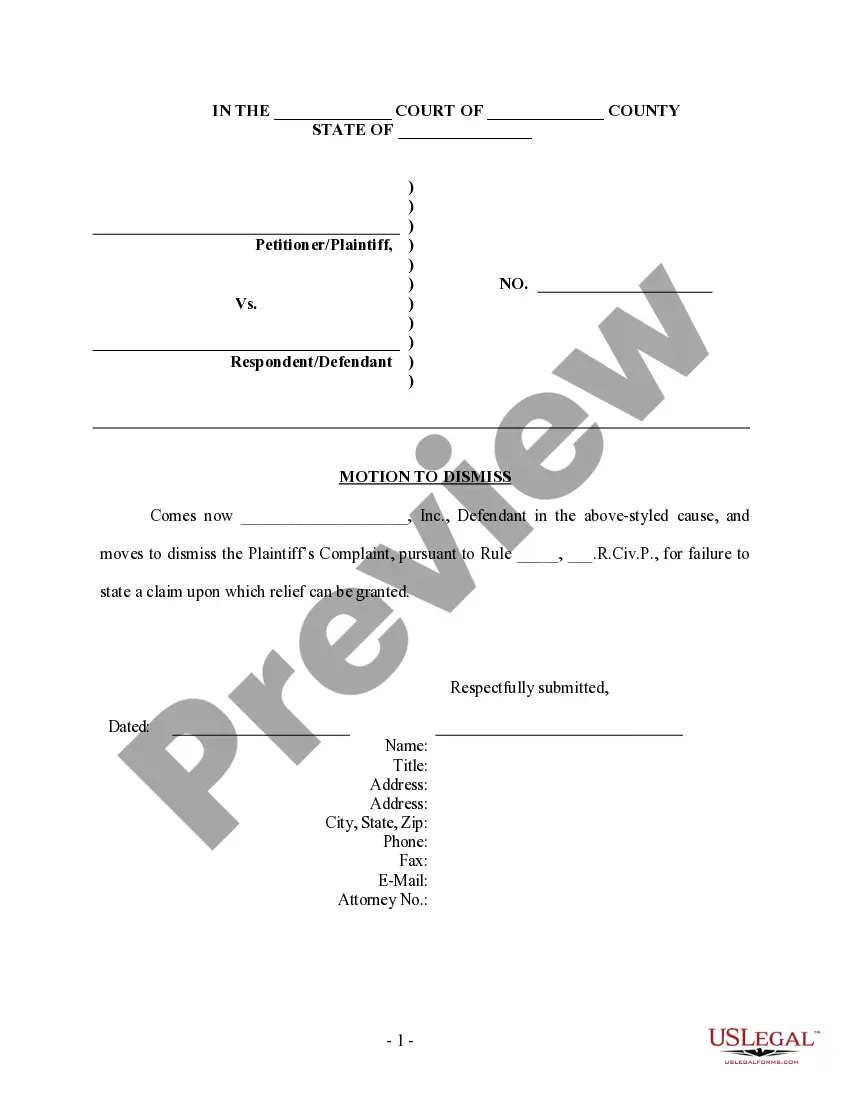
How to fill out Motion To Dismiss Foreclosure Action And Notice Of Motion?
- If you already have a US Legal Forms account, log in and download the required form template directly. Confirm your subscription is active; renew it if necessary.
- For new users, begin by reviewing the Preview mode and form descriptions. Verify the template aligns with your needs and local jurisdiction.
- If you encounter discrepancies, utilize the Search tab above to find the correct template that suits your situation.
- Proceed to purchase the document. Click on the Buy Now button and select your preferred subscription plan. An account registration is necessary for access.
- Complete your purchase by entering your credit card information or utilizing your PayPal account to process the payment.
- Finally, download your selected form and save it to your device for easy access. You can also retrieve it anytime via the My Forms section of your account.
US Legal Forms empowers users with a robust collection of forms, surpassing competitors with over 85,000 fillable templates. The platform also offers access to legal experts for assistance, ensuring you create precise, compliant documents tailored to your needs.
Take control of your foreclosure situation today. Start your journey with US Legal Forms for a simple, reliable legal document solution!
Form popularity
FAQ
The 120-day rule refers to the requirement that lenders must wait at least 120 days after a borrower’s first missed payment before initiating foreclosure proceedings. This rule is in place to give borrowers a chance to catch up on payments and explore alternatives. For more detailed guidance, the foreclosure for dummies resources can provide you with the insights you need.
Similar to previous insights, the foreclosure process in West Virginia can last anywhere from 6 to 12 months. Factors influencing the duration include the lender's actions and any legal challenges from the borrower. For a thorough understanding, reviewing the foreclosure for dummies content can guide you through the particulars.
In West Virginia, the foreclosure process typically takes approximately 6 to 12 months, depending on local circumstances and court schedules. A judicial foreclosure requires court approval, which can lengthen the timeline. If you want to grasp this process better, exploring the foreclosure for dummies materials can be incredibly helpful.
In Tennessee, foreclosures usually follow a non-judicial process, allowing lenders to take possession of properties without court involvement. Lenders must provide a notice of default, and borrowers may have a short period to repay the missed payments. For a simpler overview, consider checking out foreclosure for dummies resources that explain this process straightforwardly.
The timeline for foreclosure can differ significantly based on state laws and the lender's policies. Generally, a foreclosure can occur within a few months if the borrower is not taking action. For a clear understanding of the steps involved, take a look at the foreclosure for dummies guide, which breaks it down effectively.
Yes, a lender can begin the foreclosure process as soon as a borrower is 60 days behind on mortgage payments. However, many lenders will first try to work with the borrower to resolve the situation. It's crucial to understand that this process can vary by state, so it’s best to research local laws regarding foreclosure for dummies.
The six phases of foreclosure include default, notice of default, pre-foreclosure, auction, post-auction, and eviction. Each phase represents a different stage in the process, allowing interested buyers and homeowners to understand what to expect. Our guide, 'Foreclosure for Dummies', breaks down these phases explicitly, making it easier for you to follow along.
Foreclosure rules in New York require the lender to file a lawsuit in court and obtain a judgment before proceeding with foreclosure. This can take several months or longer, depending on court schedules. Being aware of these rules can help you understand your rights and options, and our 'Foreclosure for Dummies' guide offers clear insights to help you navigate the process.
In Washington, the foreclosure process usually takes about 4 to 6 months, provided there are no legal complications. The timeline can be influenced by factors such as whether you are pursuing judicial or non-judicial foreclosure. Familiarizing yourself with this timeline is essential, and using resources like 'Foreclosure for Dummies' can guide you through.
To initiate foreclosure, the lender must demonstrate that the borrower has defaulted on the mortgage. This typically involves three months of missed payments, although specific requirements can vary by state. Understanding these requirements is crucial, and our 'Foreclosure for Dummies' guide can help clarify the rules for you.