Garnishee Order Meaning With Example
Description
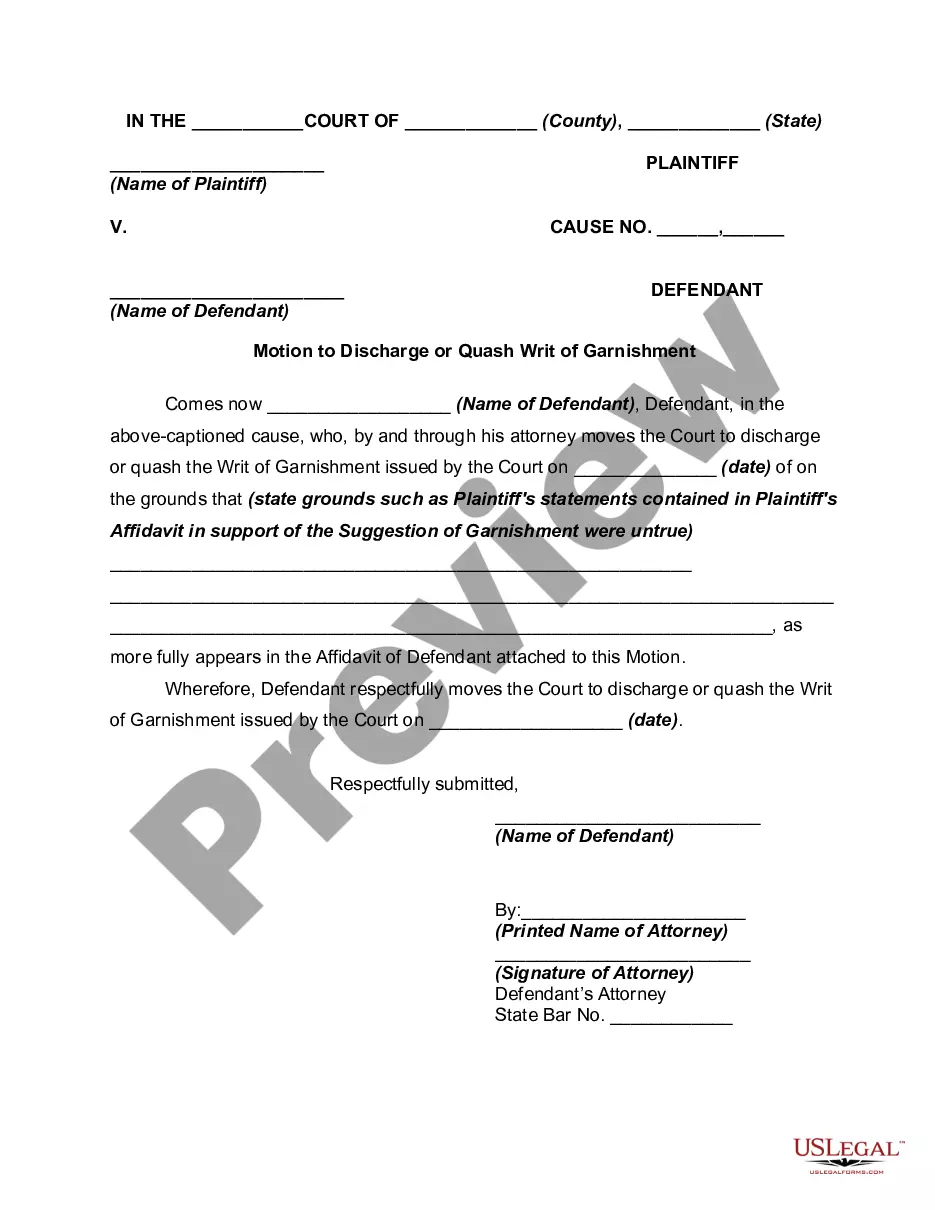
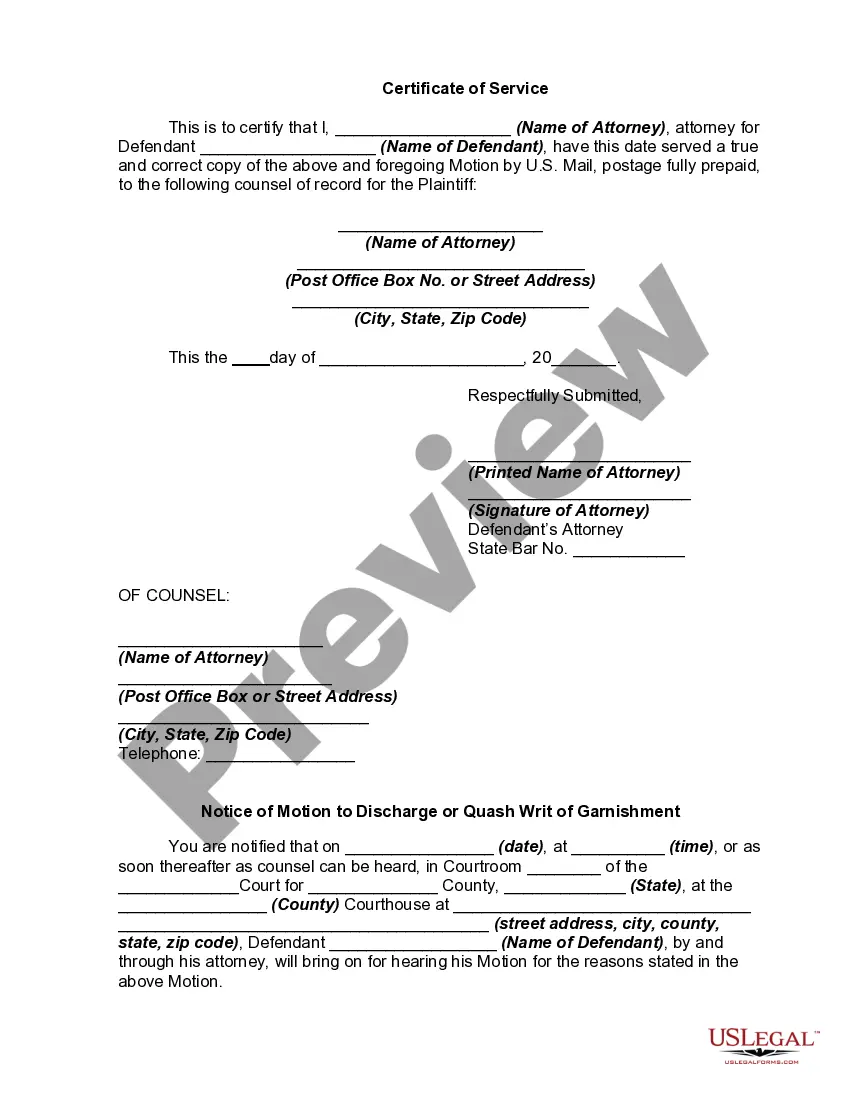
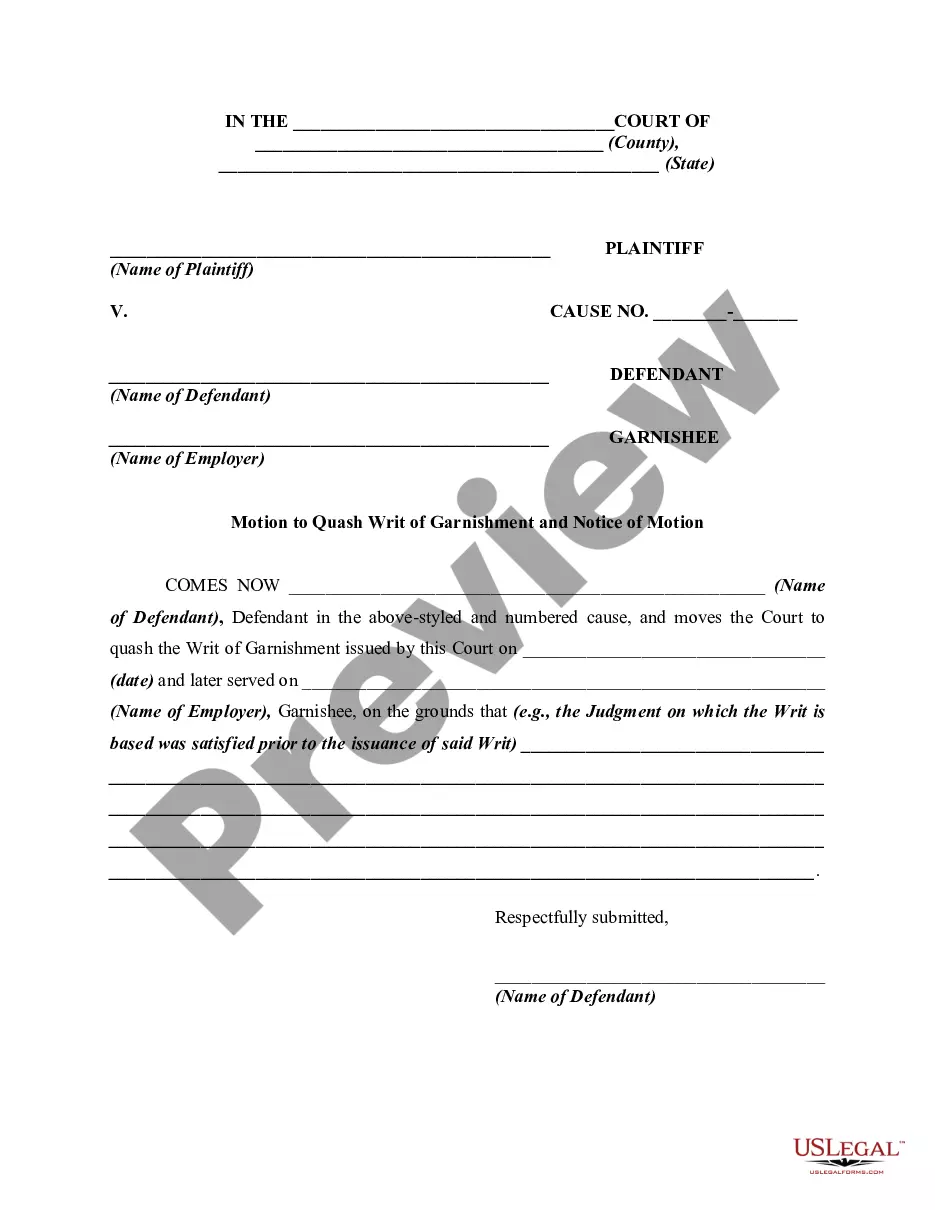
Get your form ready online
Our built-in tools help you complete, sign, share, and store your documents in one place.
Make edits, fill in missing information, and update formatting in US Legal Forms—just like you would in MS Word.
Download a copy, print it, send it by email, or mail it via USPS—whatever works best for your next step.
Sign and collect signatures with our SignNow integration. Send to multiple recipients, set reminders, and more. Go Premium to unlock E-Sign.
If this form requires notarization, complete it online through a secure video call—no need to meet a notary in person or wait for an appointment.
We protect your documents and personal data by following strict security and privacy standards.

Make edits, fill in missing information, and update formatting in US Legal Forms—just like you would in MS Word.

Download a copy, print it, send it by email, or mail it via USPS—whatever works best for your next step.

Sign and collect signatures with our SignNow integration. Send to multiple recipients, set reminders, and more. Go Premium to unlock E-Sign.

If this form requires notarization, complete it online through a secure video call—no need to meet a notary in person or wait for an appointment.

We protect your documents and personal data by following strict security and privacy standards.
Looking for another form?







How to fill out Motion To Discharge Or Quash Writ Of Garnishment?
Accessing legal document samples that comply with federal and local regulations is essential, and the internet provides numerous choices to select from.
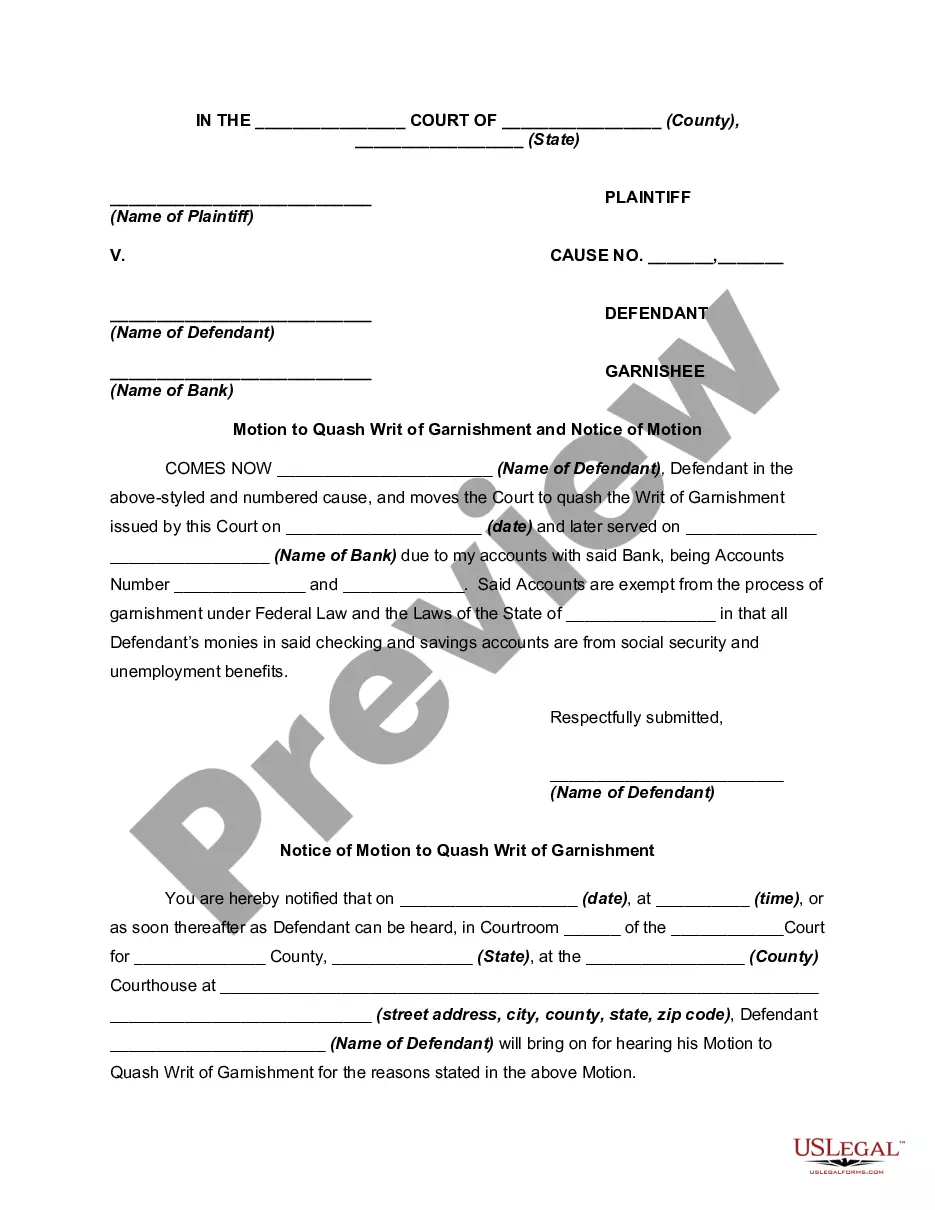
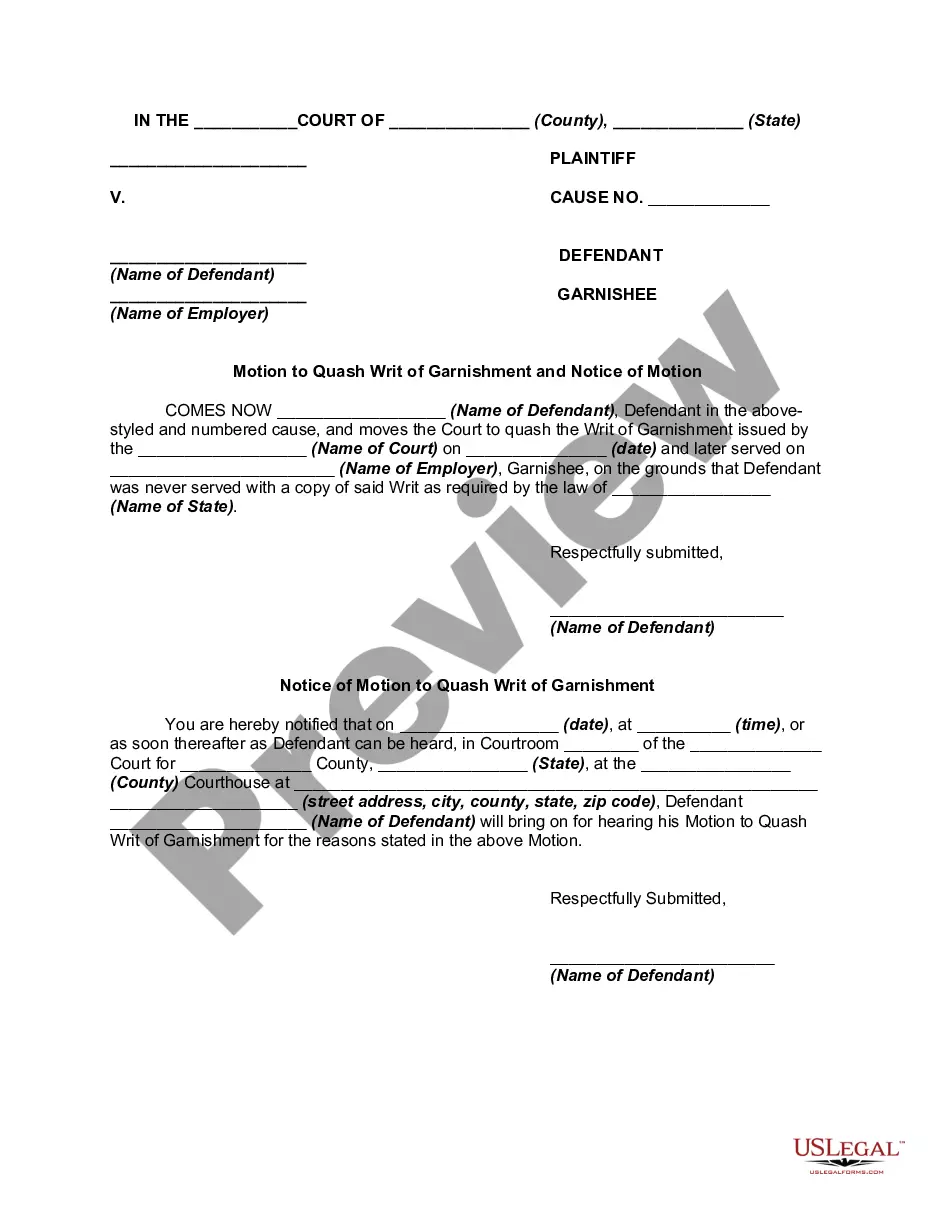
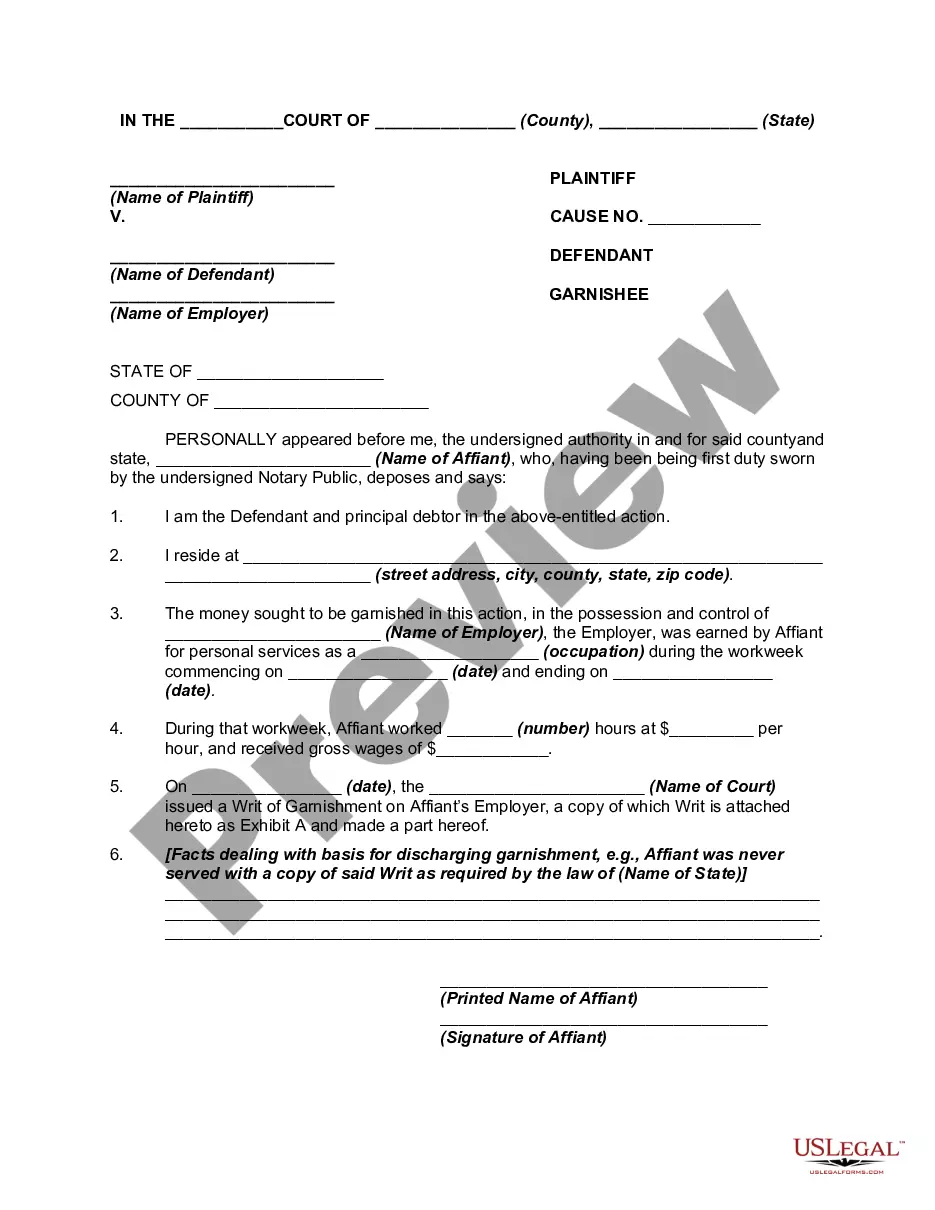
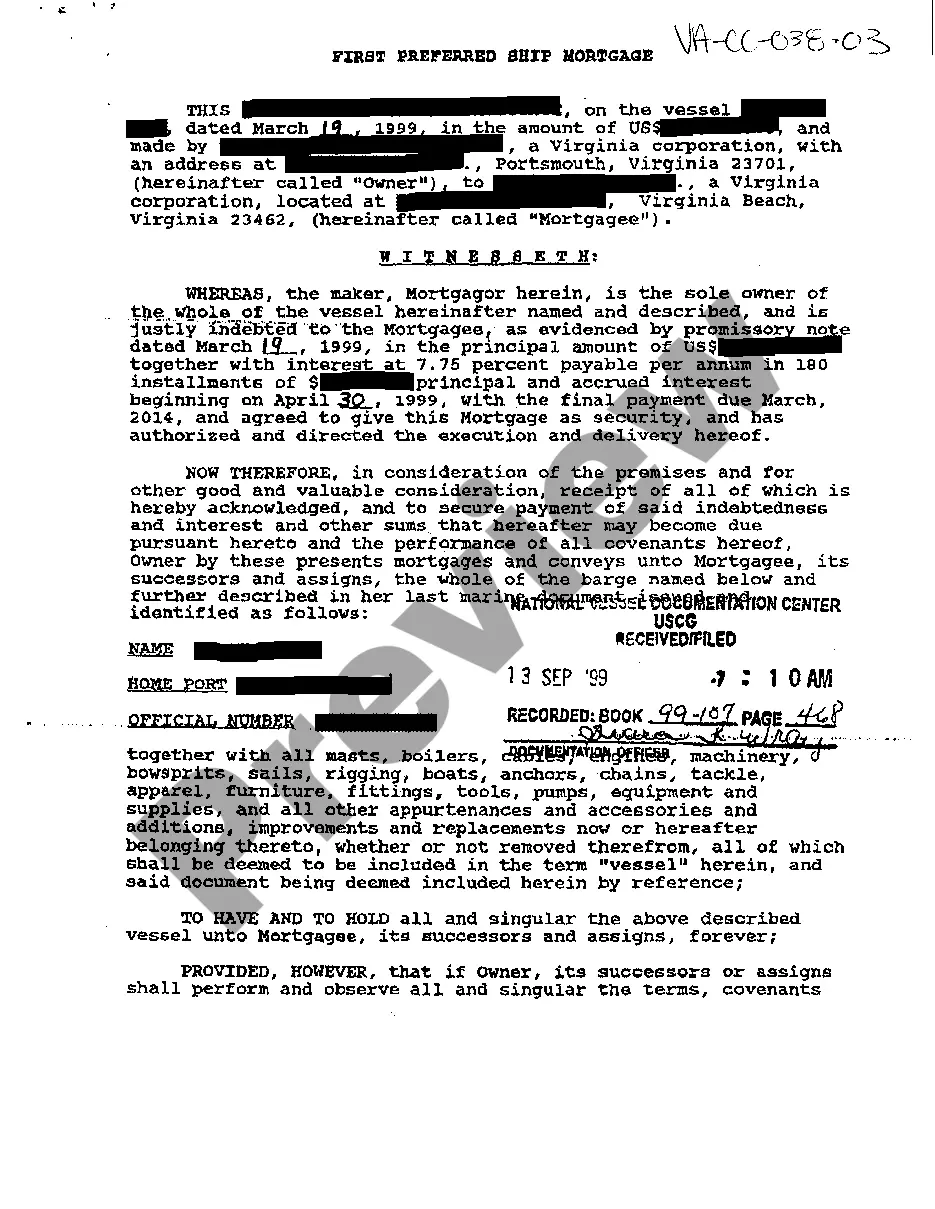
However, what is the purpose of wasting time searching for the right Garnishee Order Definition With Example template online if the US Legal Forms digital library already has such documents gathered in one location.
US Legal Forms is the largest online legal repository with over 85,000 editable templates created by attorneys for various professional and personal situations. They are straightforward to navigate, with all documents categorized by state and intended use. Our experts stay updated with legal changes, so you can always be assured your form is current and compliant when obtaining a Garnishee Order Definition With Example from our site.
All templates you find through US Legal Forms are reusable. To re-download and complete previously saved forms, access the My documents section in your profile. Benefit from the most comprehensive and user-friendly legal document service!
- Obtaining a Garnishee Order Definition With Example is quick and easy for both existing and new users.
- If you already possess an account with an active subscription, Log In and save the document sample you need in the appropriate format.
- If you are a newcomer to our website, follow these steps.
- Examine the template using the Preview option or through the text outline to ensure it matches your requirements.
- Search for another sample using the search tool at the top of the page if needed.
- Click Buy Now when you’ve found the appropriate form and choose a subscription plan.
- Create an account or Log In and process your payment with PayPal or a credit card.
- Select the format for your Garnishee Order Definition With Example and download it.
Form popularity
FAQ
What States Prohibit Bank Garnishment? Bank garnishment is legal in all 50 states. However, four states prohibit wage garnishment for consumer debts. ing to Debt.org, those states are Texas, South Carolina, Pennsylvania, and North Carolina.
Complete the Garnishee order for debts form ???Your case number. Date of the judgment. Name and address of the other party. Name and address of the garnishee (the bank or third party who owes the other party money). Total amount of the judgment. Your contact details including address, telephone, fax and email.
Ordinary garnishments Under Title III, the amount that an employer may garnish from an employee in any workweek or pay period is the lesser of: 25% of disposable earnings -or- The amount by which disposable earnings are 30 times greater than the federal minimum wage.
Suppose A owes Rs. 1000 to B and B owes Rs. 1000 to C. by a garnishee order the court may require A not pay money owed to him to B, but instead to Pay C, since B owes the said amount to C, who has obtained the order.
2? For example, if John Smith owes $10,000 in overdue, unpaid taxes, the IRS can resort to garnishing his wages. The IRS would then direct Smith's employer to remit a portion of his salary for a certain amount of time until Smith's tax obligation is fully paid.