Agreement Merging Firms With The Eu
Description
Get your form ready online
Our built-in tools help you complete, sign, share, and store your documents in one place.
Make edits, fill in missing information, and update formatting in US Legal Forms—just like you would in MS Word.
Download a copy, print it, send it by email, or mail it via USPS—whatever works best for your next step.
Sign and collect signatures with our SignNow integration. Send to multiple recipients, set reminders, and more. Go Premium to unlock E-Sign.
If this form requires notarization, complete it online through a secure video call—no need to meet a notary in person or wait for an appointment.
We protect your documents and personal data by following strict security and privacy standards.
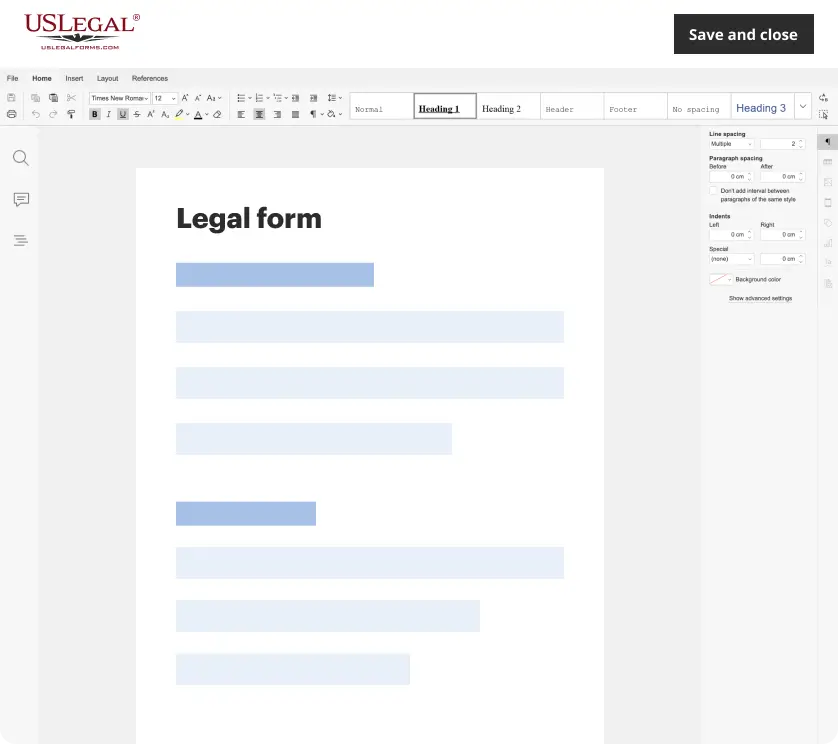
Make edits, fill in missing information, and update formatting in US Legal Forms—just like you would in MS Word.
Download a copy, print it, send it by email, or mail it via USPS—whatever works best for your next step.
Sign and collect signatures with our SignNow integration. Send to multiple recipients, set reminders, and more. Go Premium to unlock E-Sign.

If this form requires notarization, complete it online through a secure video call—no need to meet a notary in person or wait for an appointment.
We protect your documents and personal data by following strict security and privacy standards.
Looking for another form?
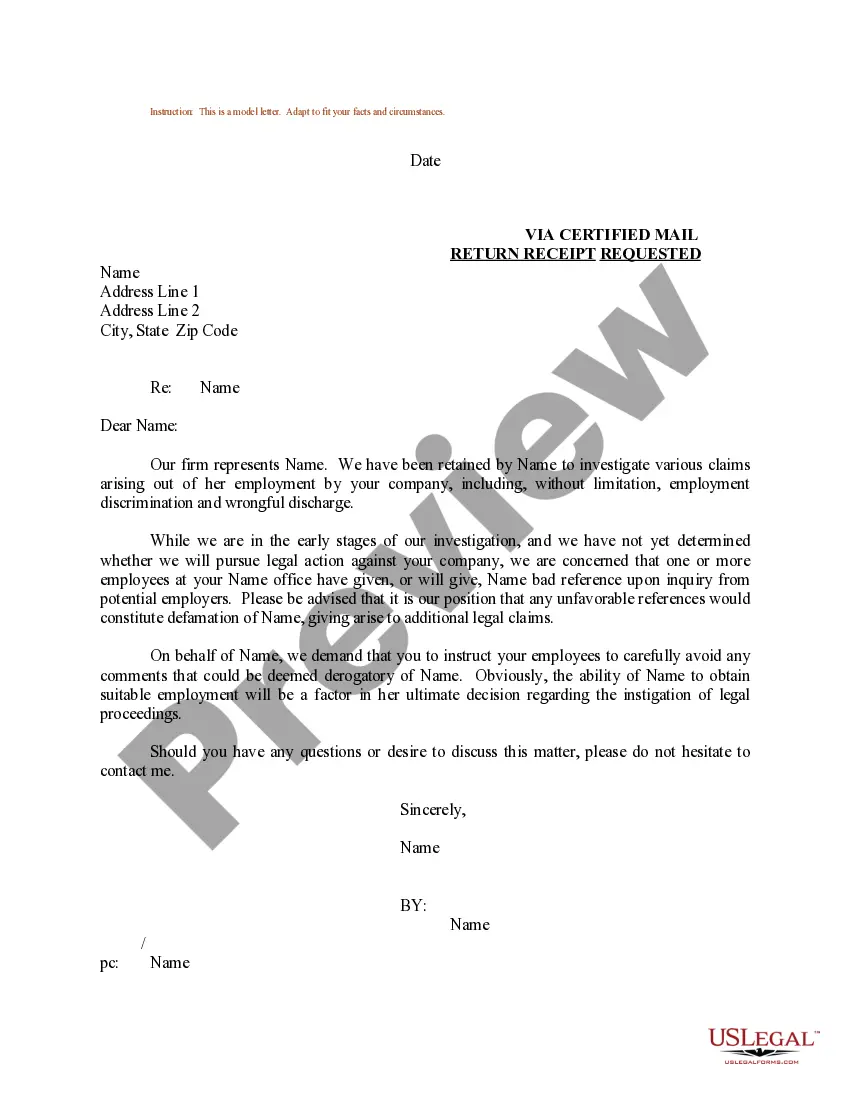


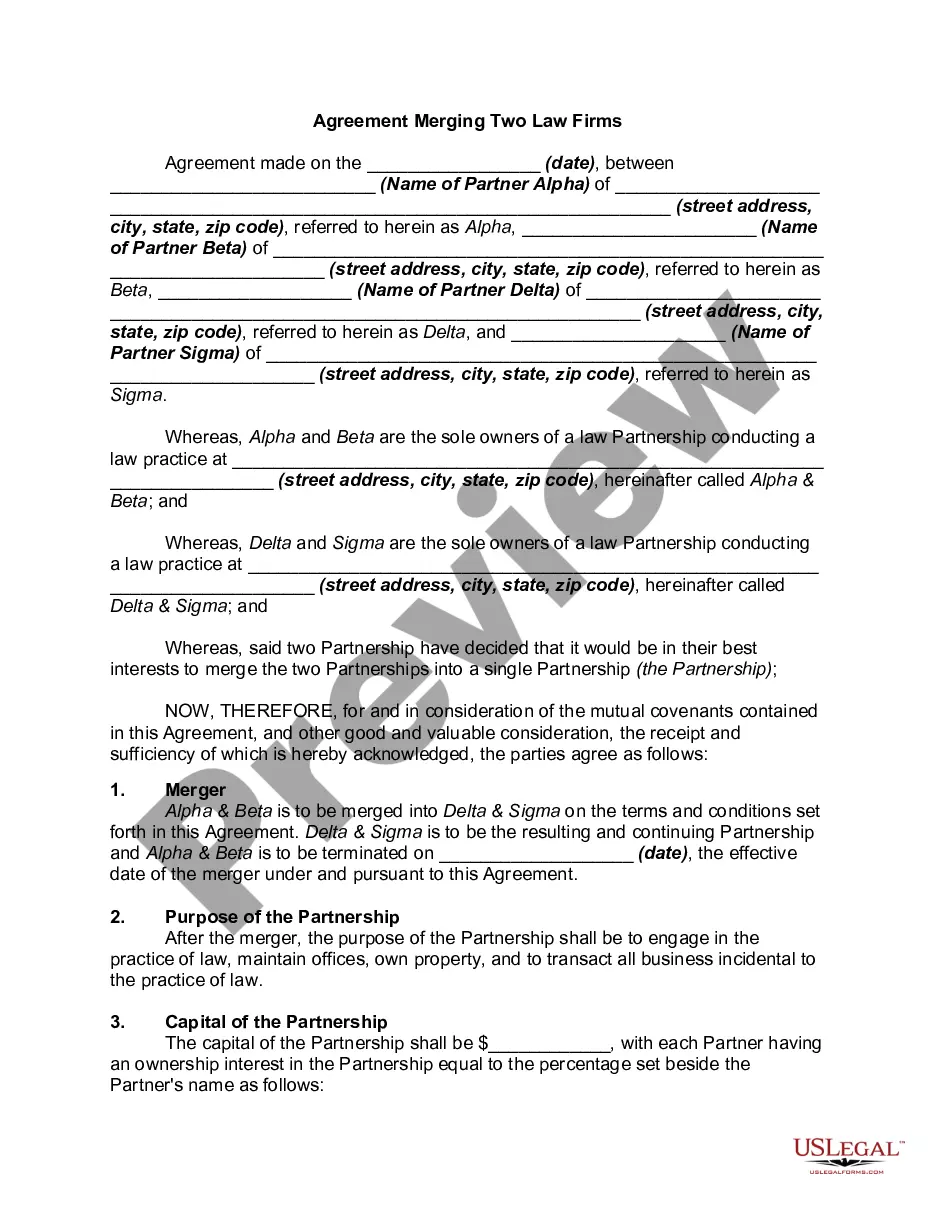
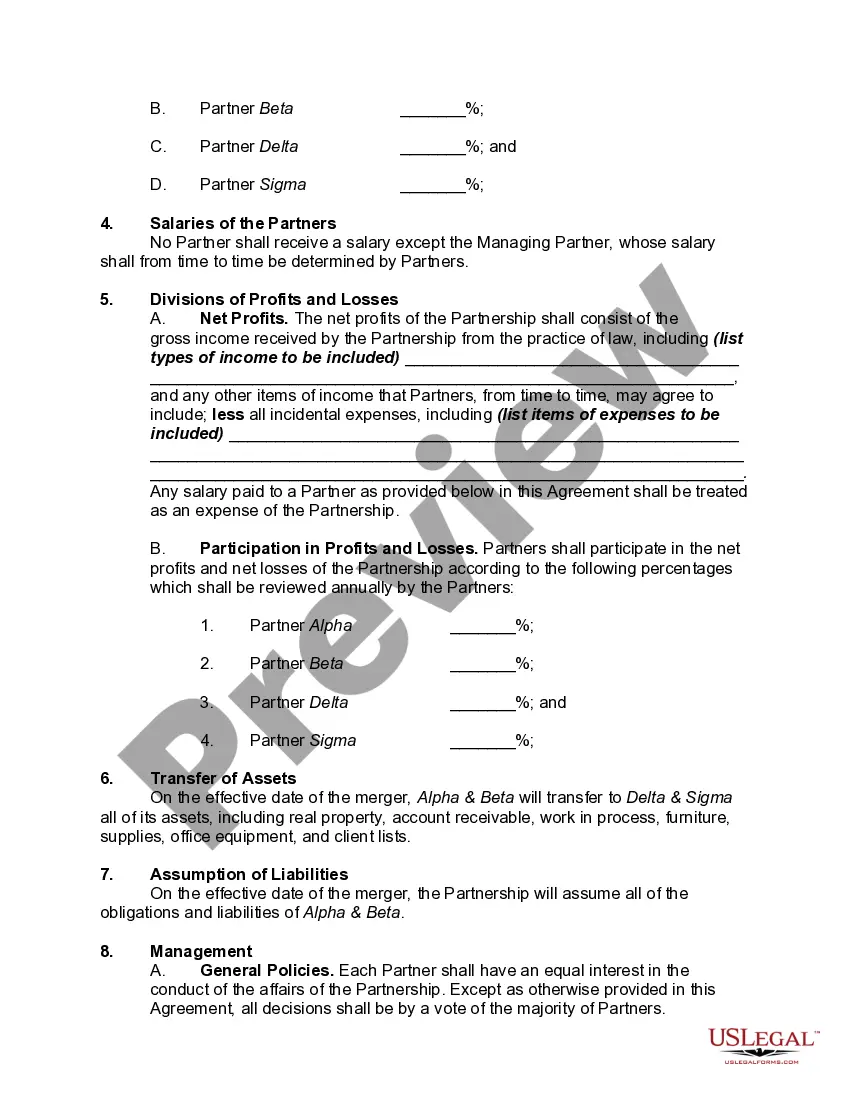
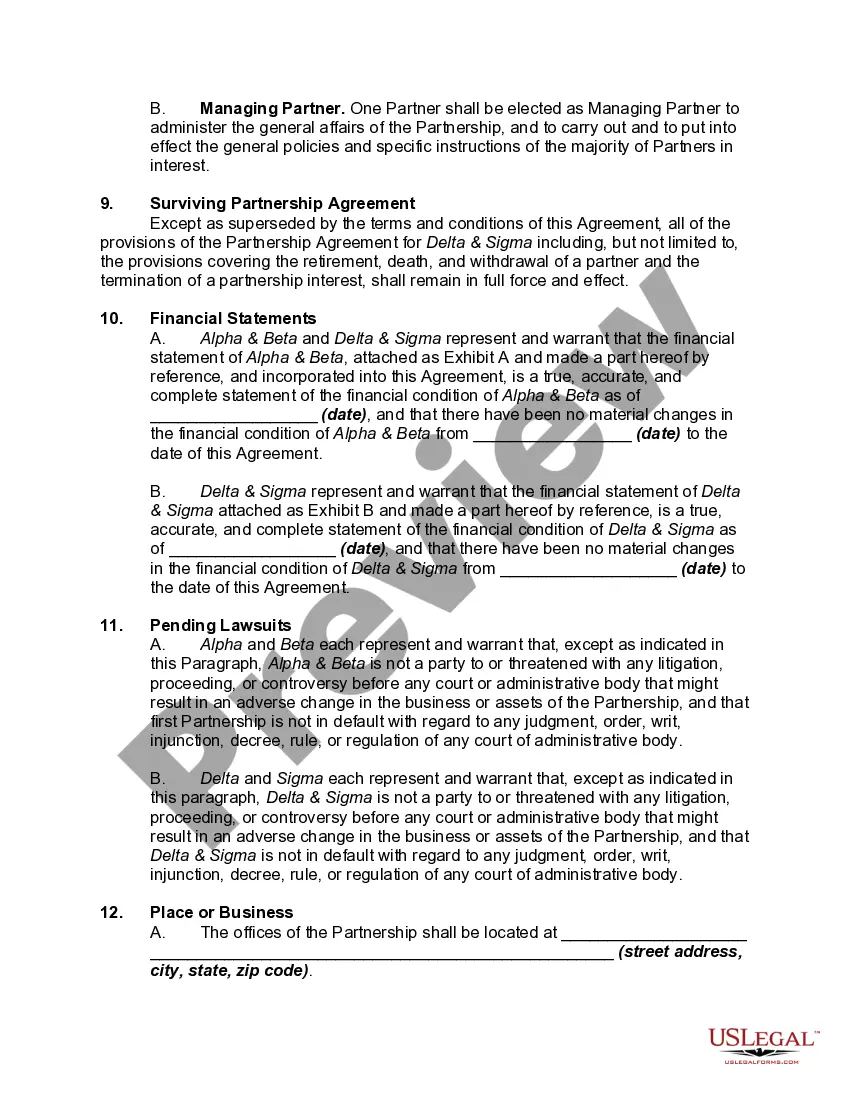
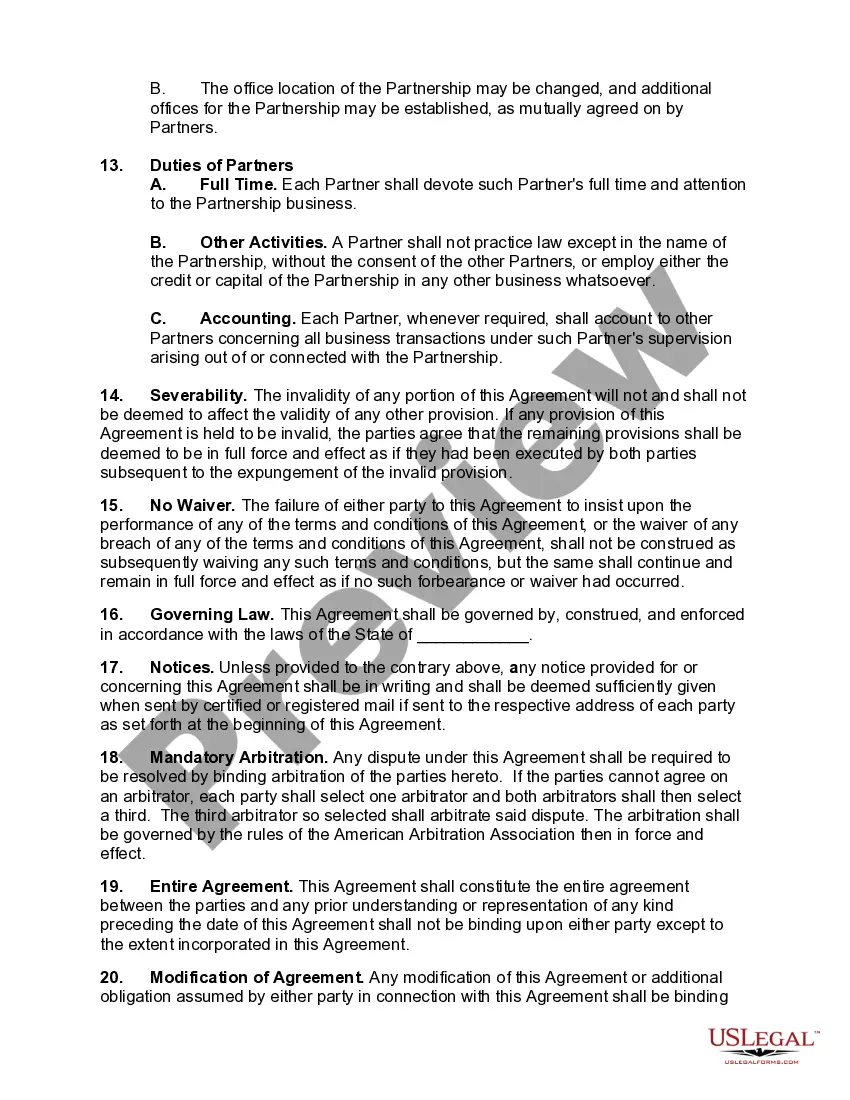
How to fill out Agreement Merging Two Law Firms?
- If you're already a US Legal Forms user, log into your account and locate the required form template. Ensure your subscription is active; otherwise, renew it following your payment plan.
- For new users, start by previewing the description of available forms to ensure you choose one that fits your needs and complies with local regulations.
- Should you find any discrepancies or require a different template, utilize the search feature to discover the perfect match before proceeding.
- Proceed to purchase your selected document by clicking the Buy Now button. Choose your preferred subscription plan, and create an account for full library access.
- Finalize the transaction by entering your payment details through credit card or PayPal to complete your subscription.
- Once purchased, download your form to your device, ensuring you can access and complete it later from the My Forms section of your profile.
By utilizing US Legal Forms, you not only save time but also ensure your legal documents are compliant and accurate, thanks to access to premium experts for assistance.
Ready to streamline your legal documentation process? Start your journey with US Legal Forms today!
Form popularity
FAQ
An example of cross border M&A is the merger between the American company Kraft Foods and the British confectionery company Cadbury. This significant deal not only expanded Kraft's portfolio but also strengthened its international presence. Such cross-border mergers illustrate the potential of agreement merging firms with the EU to navigate diverse markets and regulatory frameworks. Familiarity with successful case studies can inspire your firm's strategic decisions.
border merger occurs when companies from different countries come together to form a single entity, often across national boundaries. This process enables companies to collaborate and innovate while increasing operational efficiency. When considering agreement merging firms with the EU, it's vital to analyze the benefits and challenges posed by differing regulatory environments. Engaging with legal experts can help you seize opportunities while mitigating potential risks.
A border merger typically refers to a merger between companies based in different countries. This type of merger allows firms to leverage resources across borders, tapping into new markets and customer bases. However, it's crucial to understand jurisdictional differences and regulations, which is where agreement merging firms with the EU comes into play. A strong legal foundation helps in navigating the complex landscape of international regulations.
Merger control filings are documents submitted to regulatory authorities to obtain approval for a merger or acquisition. These filings assess the potential impact on competition in the market, ensuring that the merger does not create unfair advantages. For companies looking into agreement merging firms with the EU, understanding the specific requirements of each jurisdiction is essential. Legal platforms like UsLegalForms can provide guidance on preparing these filings effectively.
The EU cross border mergers directive provides a legal framework that simplifies the merger process for companies operating across EU borders. It aims to ensure that firms can merge with reduced legal and administrative barriers, fostering integration within the single market. By outlining harmonized procedures, this directive promotes transparency and legal certainty, which is crucial for agreement merging firms with the EU. Understanding this directive can greatly enhance your firm's ability to navigate complex merger landscapes.
Cross border mergers in the EU involve companies from different member states combining their operations into a single entity. This process allows firms to broaden their market reach and improve efficiency. By merging, these firms navigate regulations while benefiting from the EU's unified market, enhancing their competitive advantage. Agreement merging firms with the EU facilitates easier access to various jurisdictions, streamlining the merger process.
The EU refers to the European Union, a political and economic union of member states, while the EU Commission acts as its executive body, responsible for implementing decisions and managing day-to-day operations. When navigating agreement merging firms with the EU, understanding this distinction helps clarify the regulatory landscape. Engaging with the EU Commission is crucial for securing necessary approvals for any mergers.
Article 21 of the EU merger regulation addresses the obligation of firms that merge to notify the European Commission of their agreement. This regulation ensures compliance and provides the Commission with the necessary data to evaluate the competitive landscape. Hence, firms engaging in agreement merging firms with the EU must be diligent in notifying the right authorities to avoid legal ramifications.
The turnover threshold for the EU merger is the specific financial benchmark set by the European Commission to determine which mergers require formal scrutiny. This criterion ensures that only mergers with substantial market influence undergo the evaluation process. Thus, when agreement merging firms with the EU, knowing these thresholds can simplify the strategic planning process.
The EU Commission merger clearance is the formal authorization process by which the European Commission assesses the impacts of a merger on competition. This process is vital for agreement merging firms with the EU since it ensures that their actions align with EU competition laws. A successful clearance can lead to smoother operations and lower legal risks.