Coe With Foreclosure/deed In Lieu
Description

Get your form ready online
Our built-in tools help you complete, sign, share, and store your documents in one place.
Make edits, fill in missing information, and update formatting in US Legal Forms—just like you would in MS Word.
Download a copy, print it, send it by email, or mail it via USPS—whatever works best for your next step.
Sign and collect signatures with our SignNow integration. Send to multiple recipients, set reminders, and more. Go Premium to unlock E-Sign.
If this form requires notarization, complete it online through a secure video call—no need to meet a notary in person or wait for an appointment.
We protect your documents and personal data by following strict security and privacy standards.

Make edits, fill in missing information, and update formatting in US Legal Forms—just like you would in MS Word.

Download a copy, print it, send it by email, or mail it via USPS—whatever works best for your next step.

Sign and collect signatures with our SignNow integration. Send to multiple recipients, set reminders, and more. Go Premium to unlock E-Sign.

If this form requires notarization, complete it online through a secure video call—no need to meet a notary in person or wait for an appointment.

We protect your documents and personal data by following strict security and privacy standards.
Looking for another form?
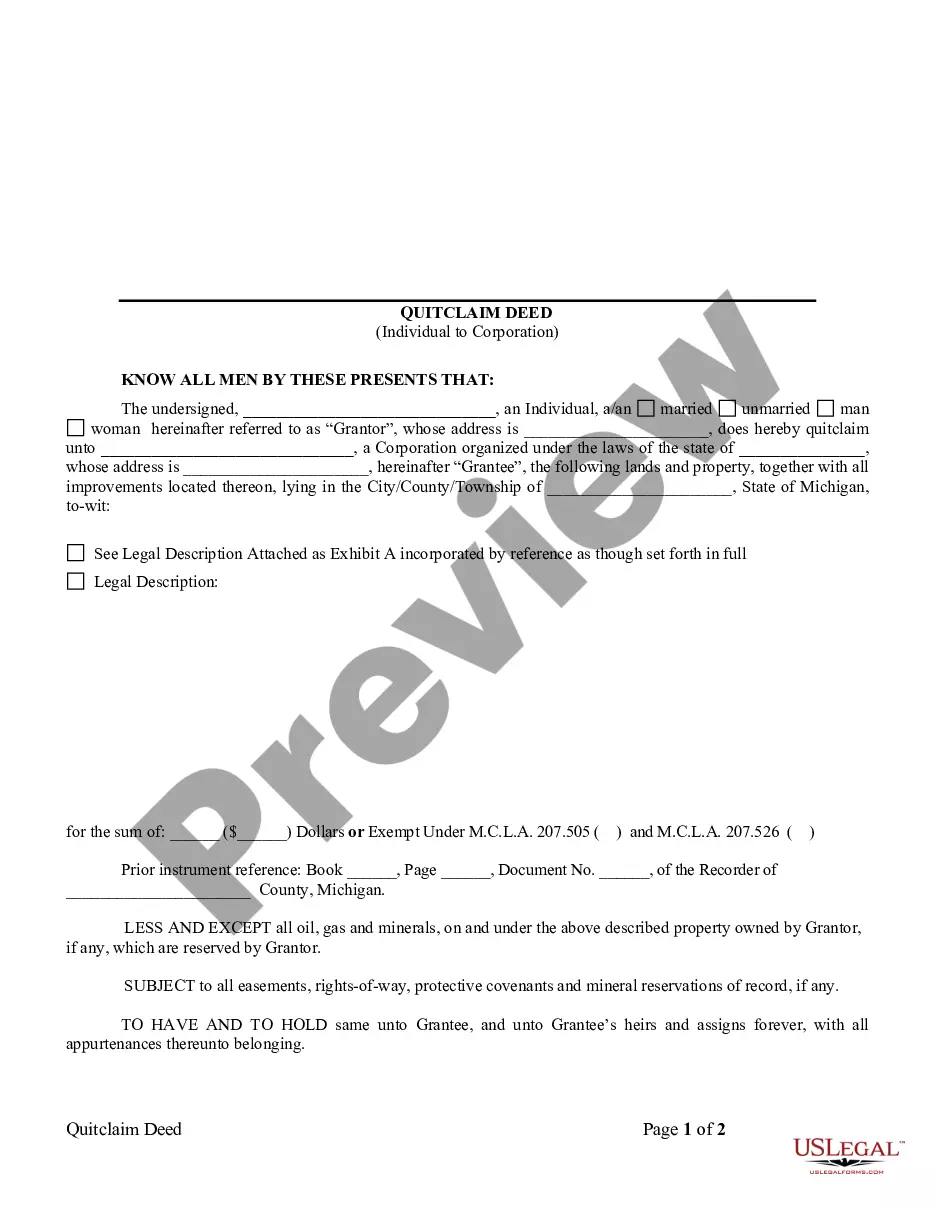
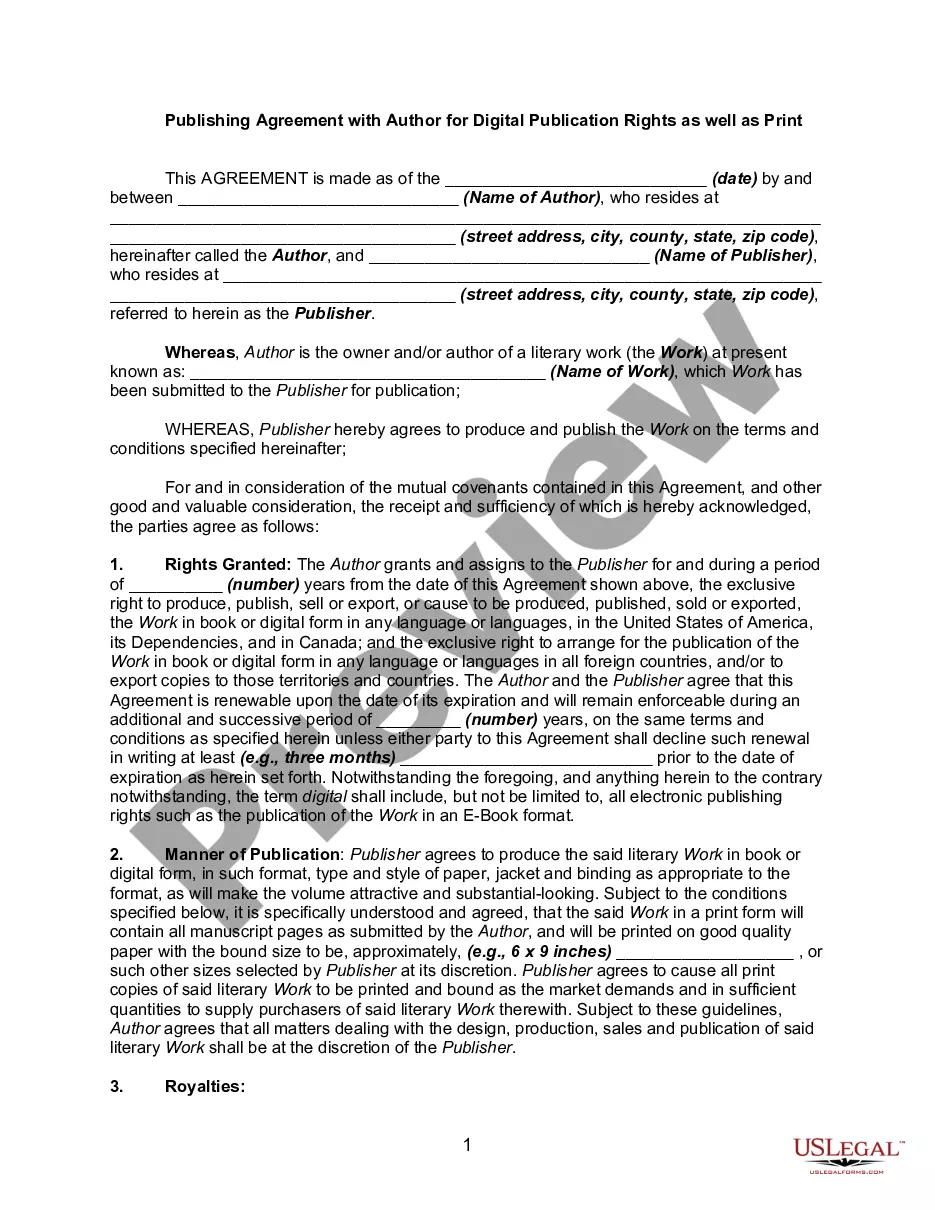
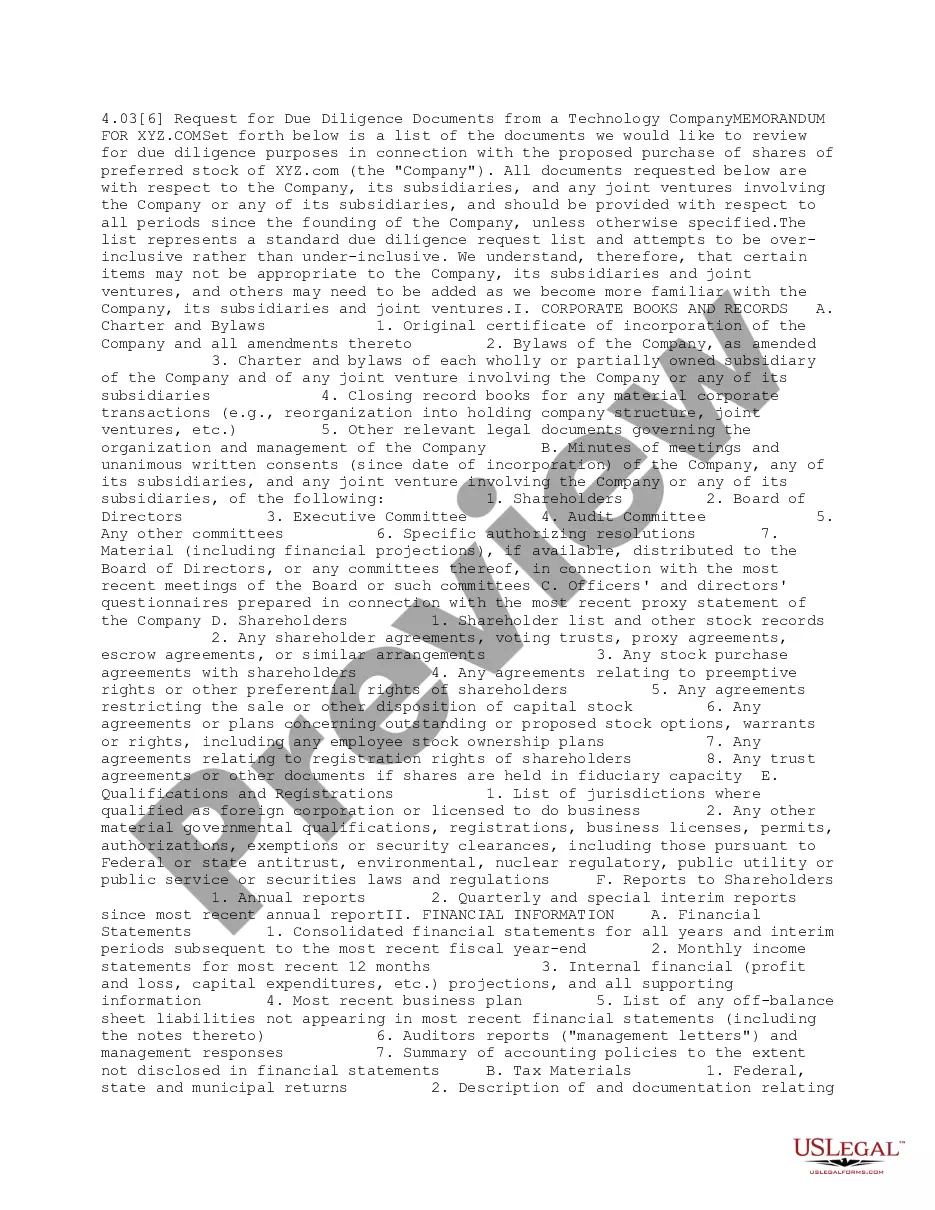
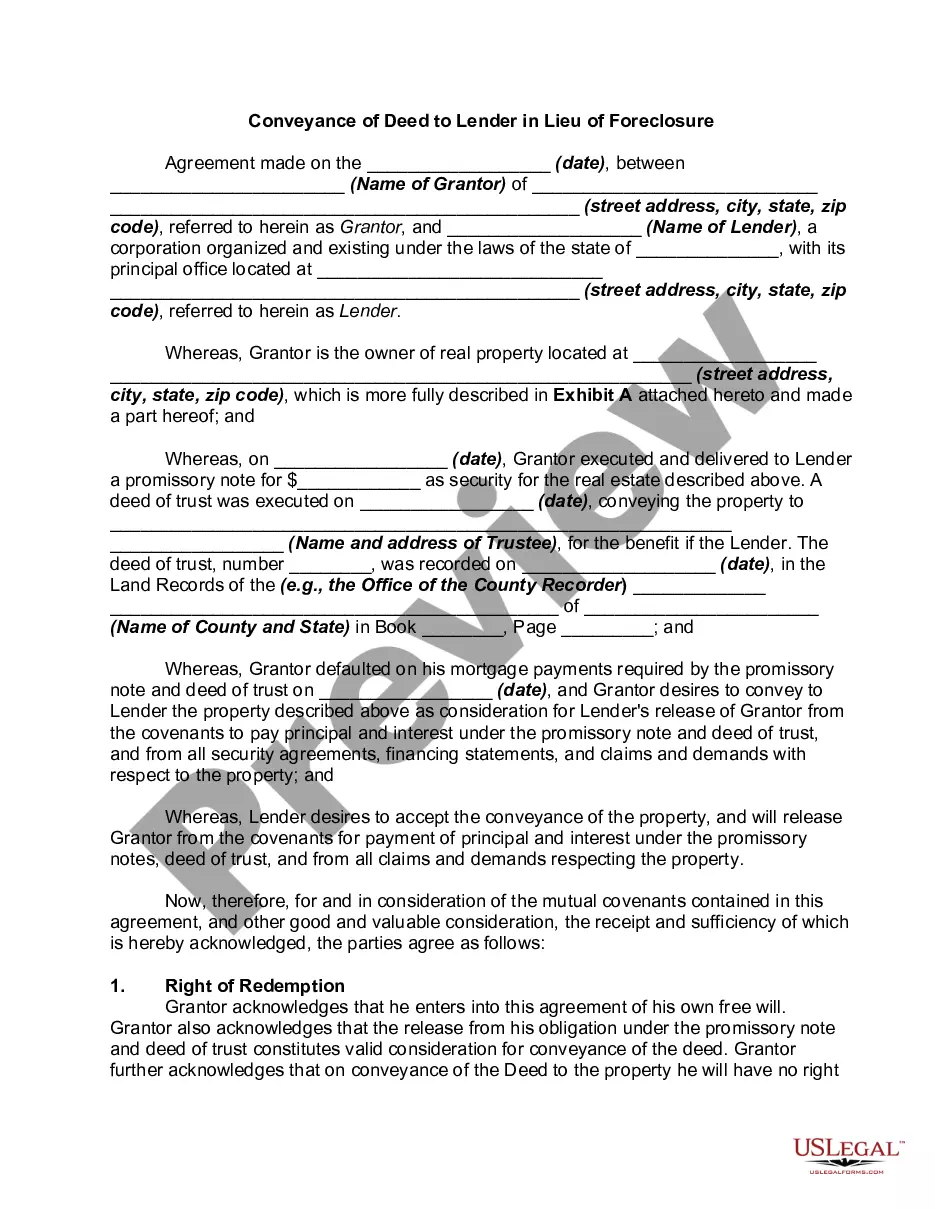
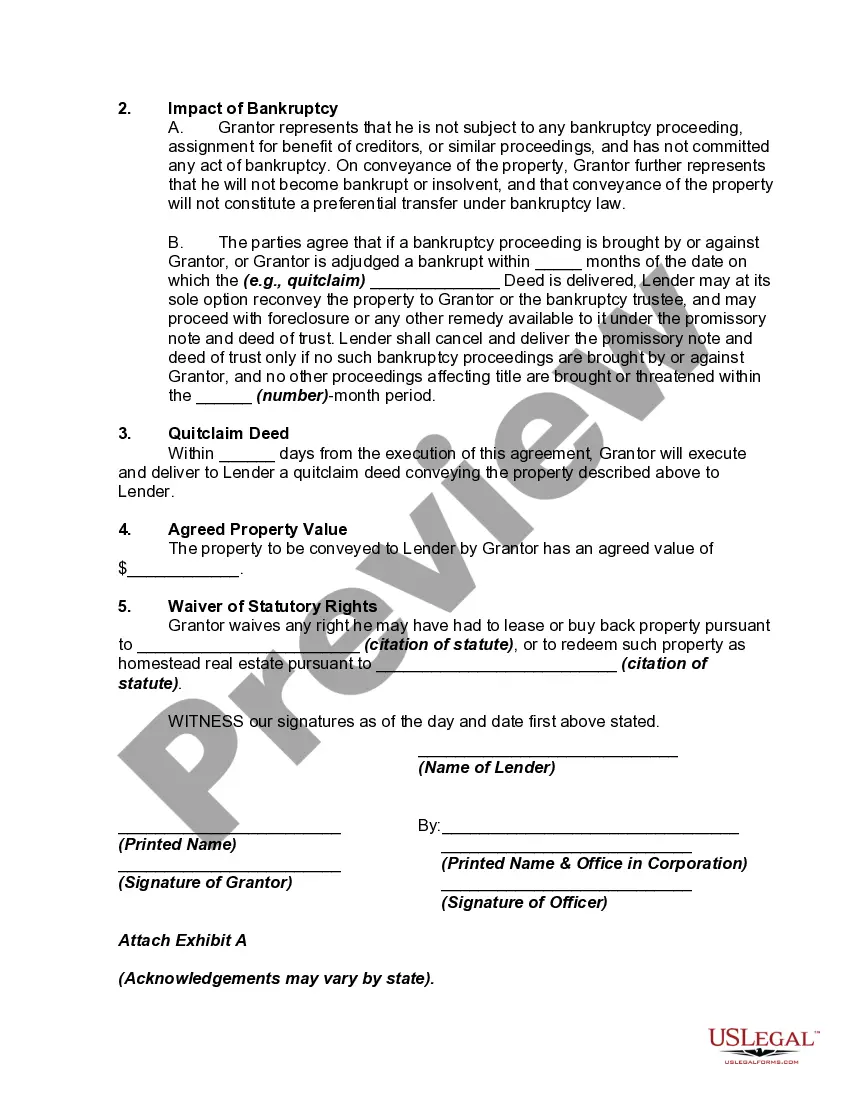
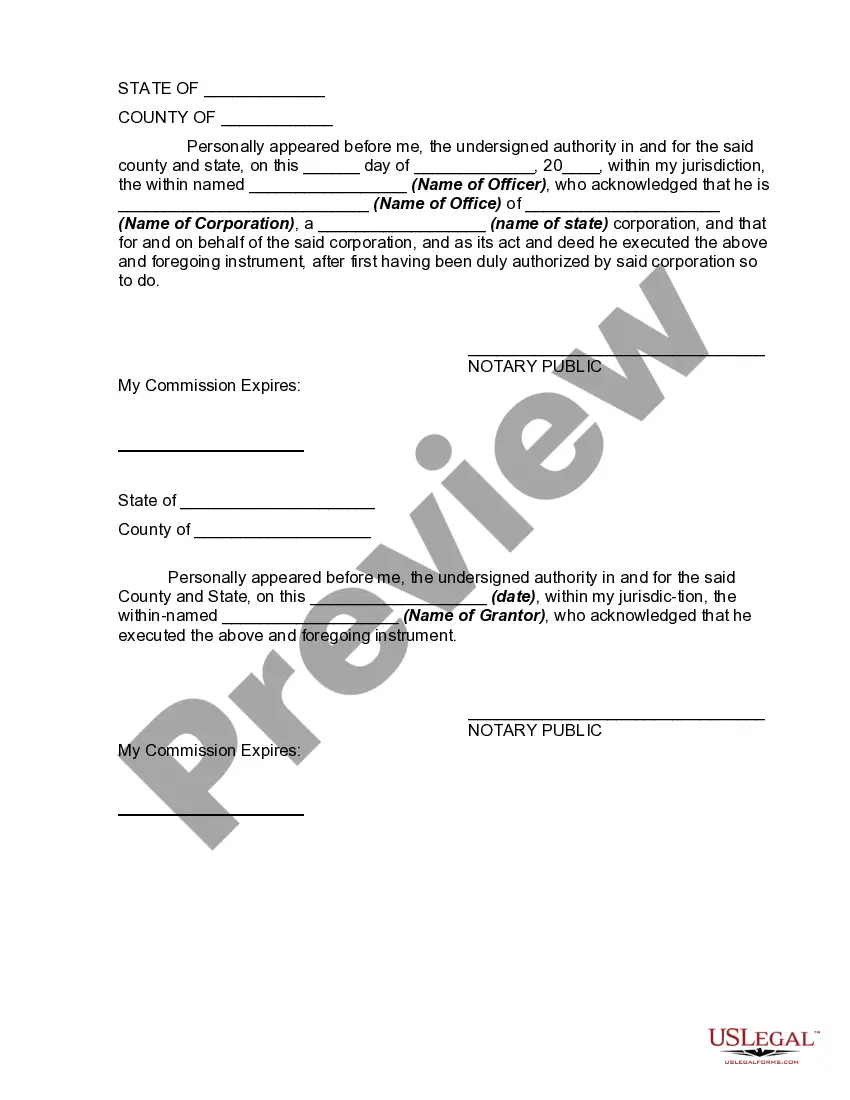
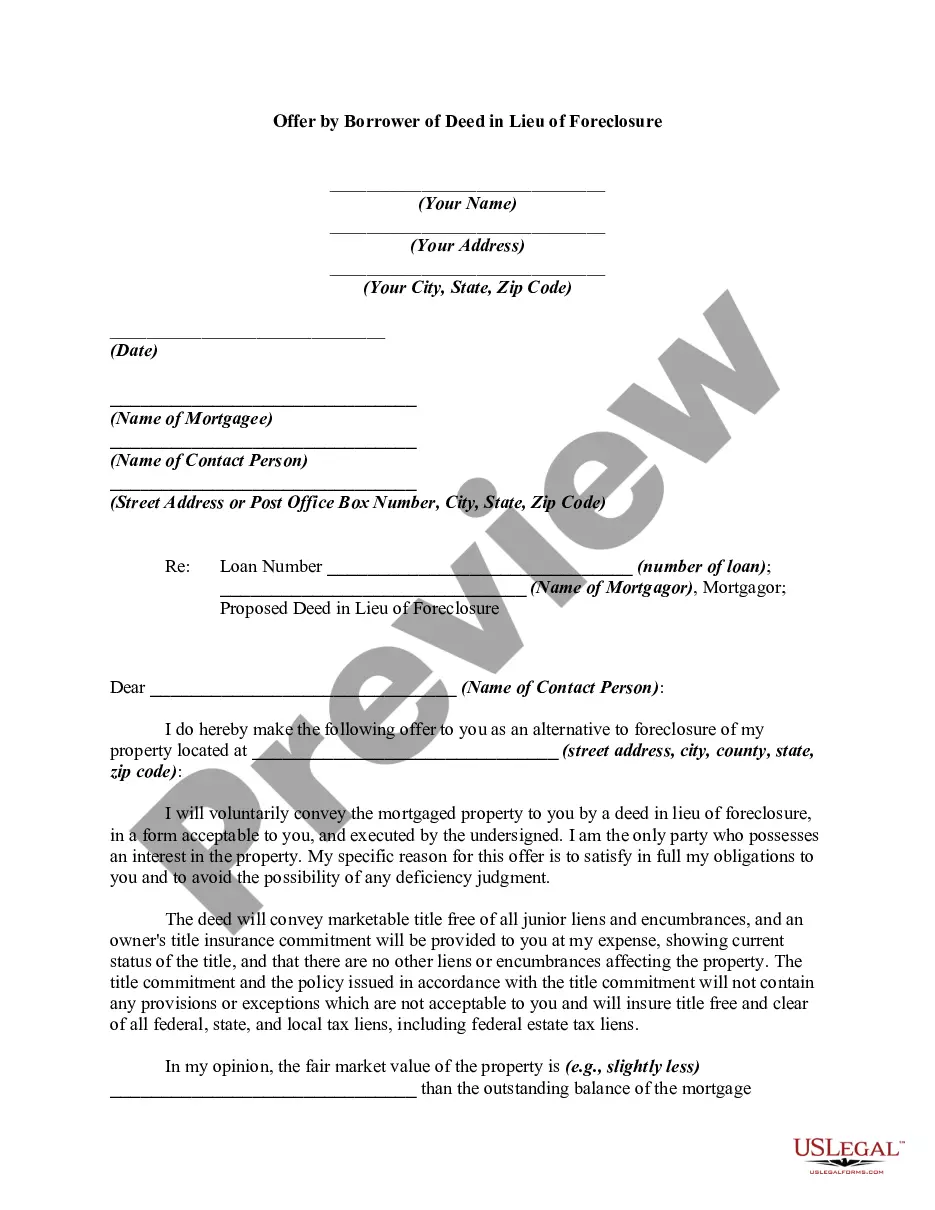
How to fill out Conveyance Of Deed To Lender In Lieu Of Foreclosure?
The Coe With Foreclosure/deed In Lieu presented on this page is a reusable official template crafted by expert attorneys in compliance with federal and local laws and regulations.
For over 25 years, US Legal Forms has supplied individuals, businesses, and legal practitioners with more than 85,000 validated, state-specific documents for any commercial and personal situation. It’s the fastest, simplest, and most reliable method to acquire the paperwork you require, as the service guarantees the utmost level of data security and anti-malware safeguards.
Subscribe to US Legal Forms to have verified legal templates for all of life's situations readily available.
- Search for the document you require and examine it. Browse through the sample you looked for and preview it or review the document description to confirm it meets your needs. If it does not, use the search feature to find the correct one. Click Buy Now once you have located the template you want.
- Register and Log In. Choose the pricing plan that fits you and create an account. Use PayPal or a credit card to make a quick payment. If you already possess an account, Log In and check your subscription to proceed.
- Obtain the fillable template. Select the format you prefer for your Coe With Foreclosure/deed In Lieu (PDF, DOCX, RTF) and save the document on your device.
- Complete and sign the document. Print the template to fill it out by hand. Alternatively, utilize an online versatile PDF editor to quickly and accurately complete and sign your form electronically.
- Re-download your papers. Use the same document again whenever necessary. Access the My documents section in your profile to retrieve any previously saved documents.
Form popularity
FAQ
Through a deed in lieu of foreclosure, the homeowner and the mortgage lender come to an agreement where the homeowner surrenders the property's deed to the lender. In exchange, the lender will cease any foreclosure proceedings and cancel the mortgage loan.
Deed in Lieu of Foreclosure: You transfer title to the lender in exchange for cancellation of the remainder of your debt, but you lose any equity in the home and may have to pay taxes on the debt forgiven. A sale or a deed in lieu of foreclosure may be better than a foreclosure adversely affecting your credit.
Before the notice of default can be filed, the lender must give you at least 10 days' notice and another 30 days' notice before the foreclosure sale can take place by the sheriff. The sheriff will notify you by delivering a copy of the notice directly and by putting a handbill on the property itself.
With a deed in lieu, you simply give the property back to the bank and move out. In most cases, the lender will agree to forgive the balance on the loan if the property is worth less than you owe. Another advantage of a deed in lieu is that it won't harm your credit as much as a foreclosure.
A deed in lieu of foreclosure is the process of when a homeowner transfers the deed of their home to the lender, without the legal process of a foreclosure.