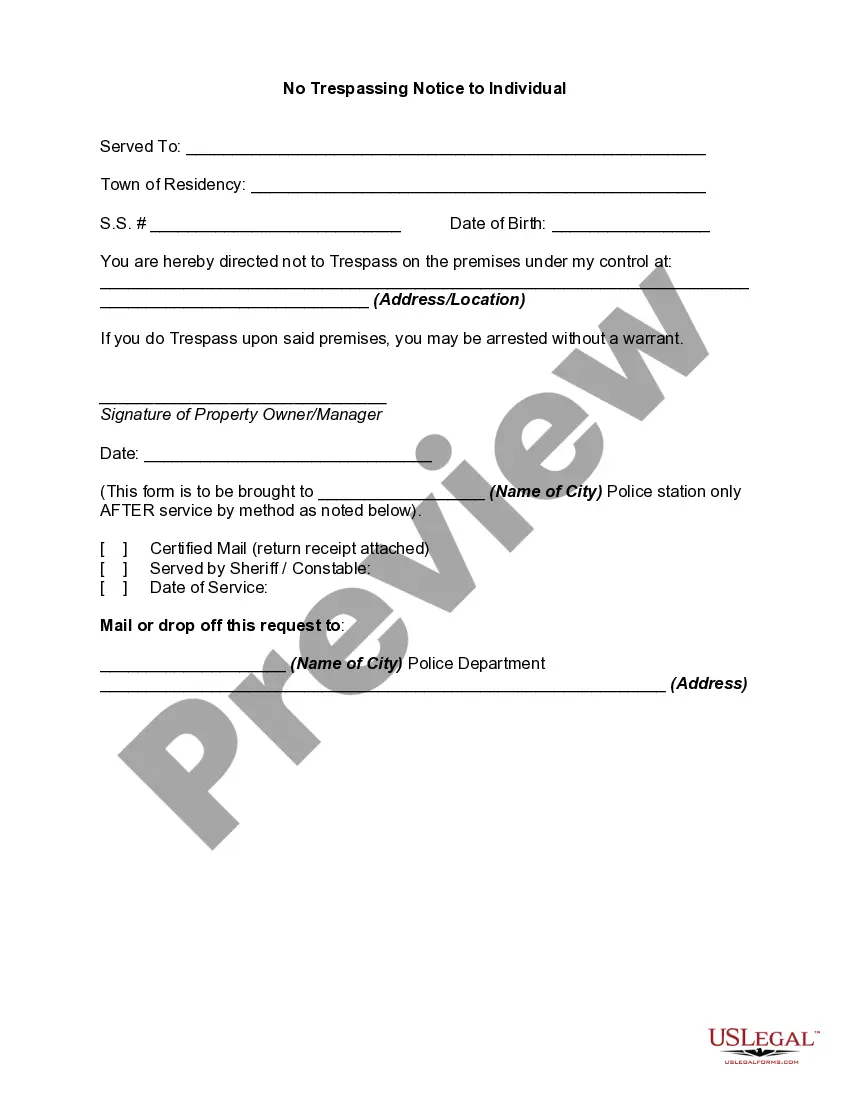
No Trespassing Order In Iowa
Description
Get your form ready online
Our built-in tools help you complete, sign, share, and store your documents in one place.
Make edits, fill in missing information, and update formatting in US Legal Forms—just like you would in MS Word.
Download a copy, print it, send it by email, or mail it via USPS—whatever works best for your next step.
Sign and collect signatures with our SignNow integration. Send to multiple recipients, set reminders, and more. Go Premium to unlock E-Sign.
If this form requires notarization, complete it online through a secure video call—no need to meet a notary in person or wait for an appointment.
We protect your documents and personal data by following strict security and privacy standards.

Make edits, fill in missing information, and update formatting in US Legal Forms—just like you would in MS Word.

Download a copy, print it, send it by email, or mail it via USPS—whatever works best for your next step.

Sign and collect signatures with our SignNow integration. Send to multiple recipients, set reminders, and more. Go Premium to unlock E-Sign.

If this form requires notarization, complete it online through a secure video call—no need to meet a notary in person or wait for an appointment.

We protect your documents and personal data by following strict security and privacy standards.
Looking for another form?
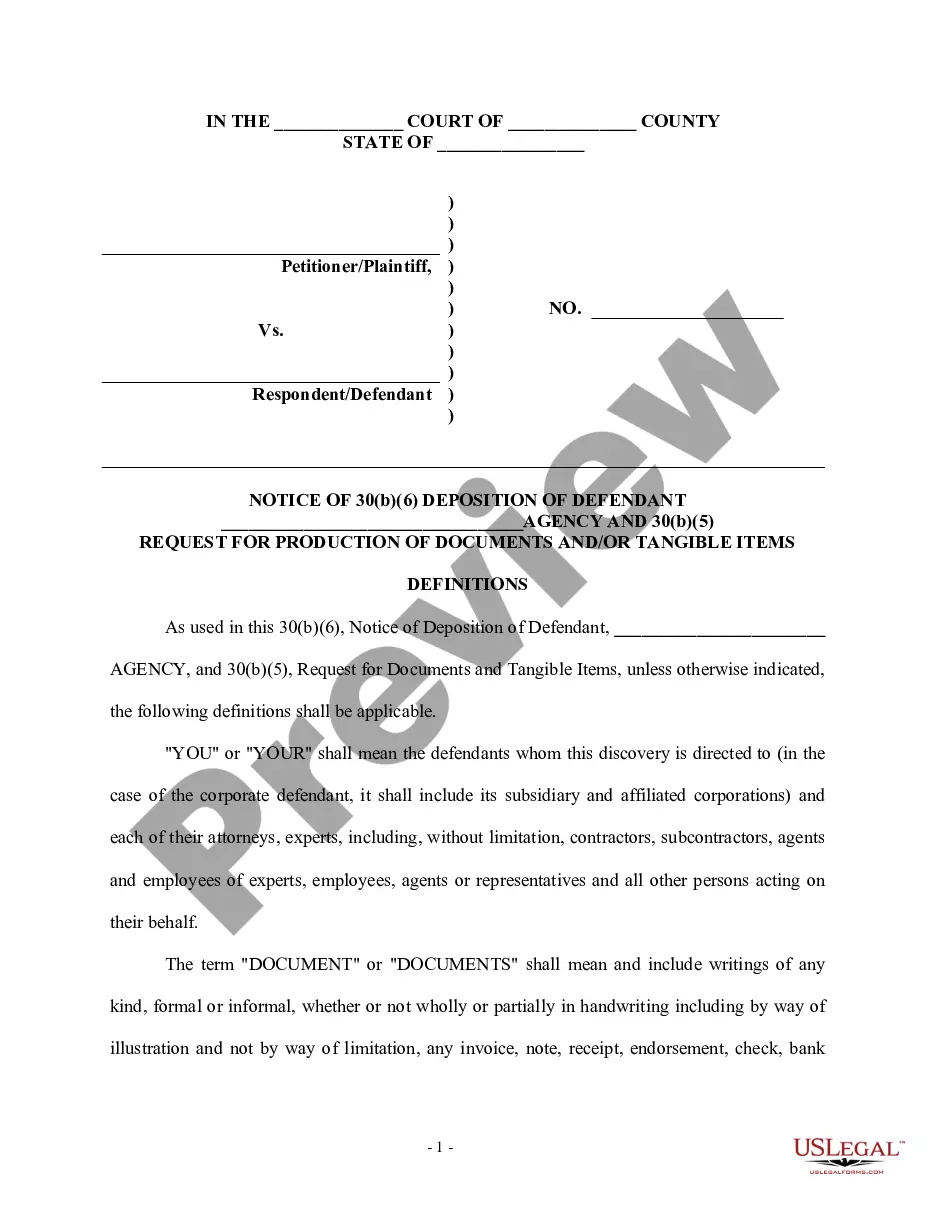
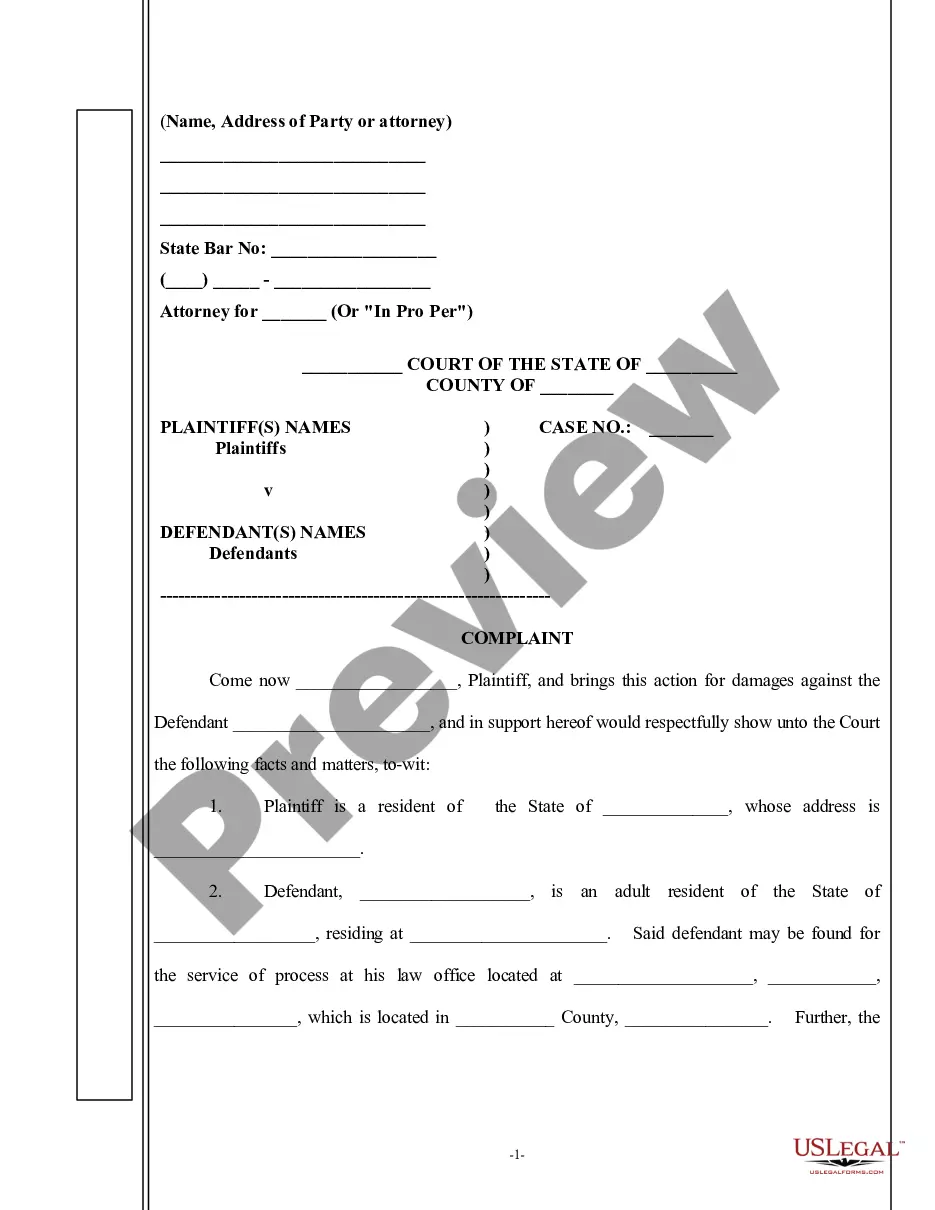
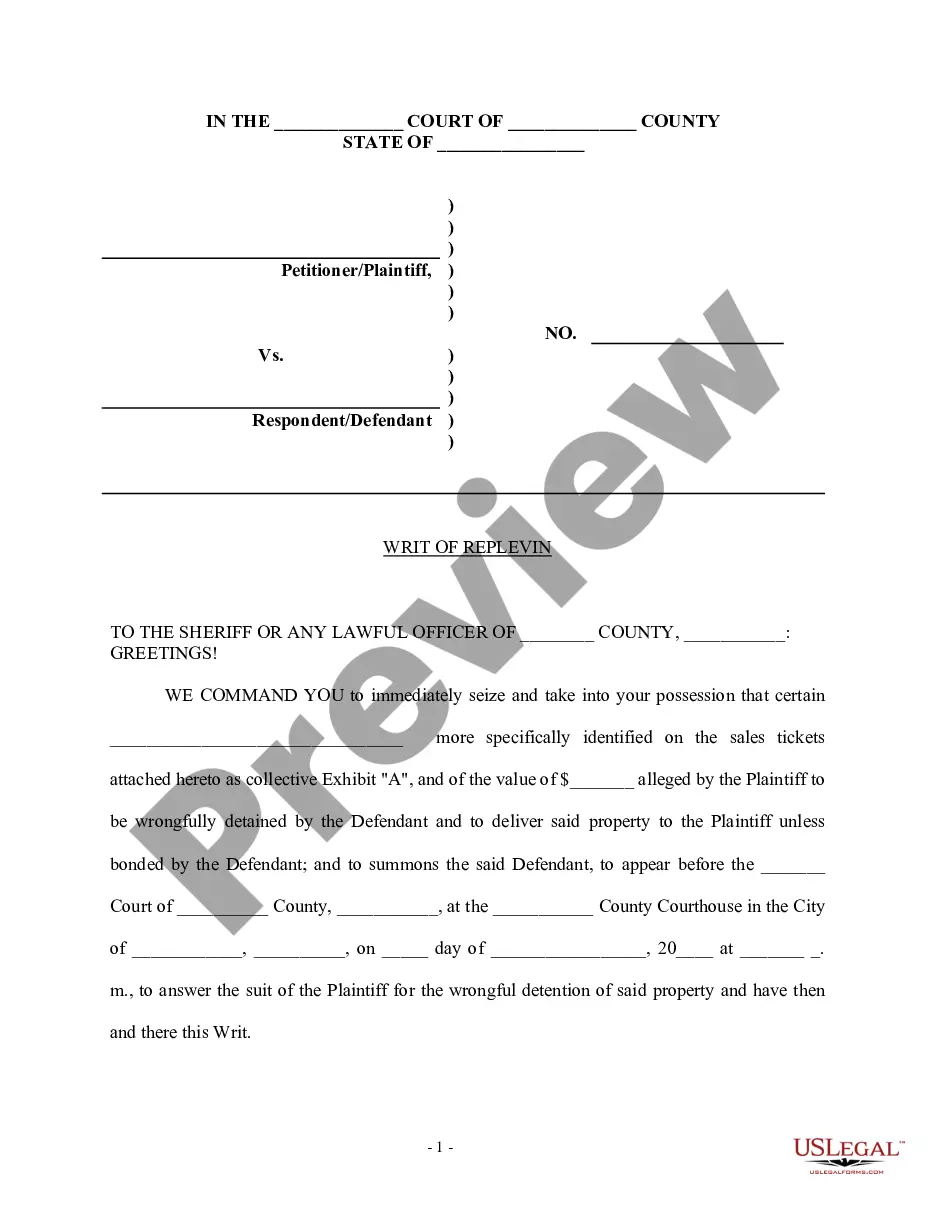
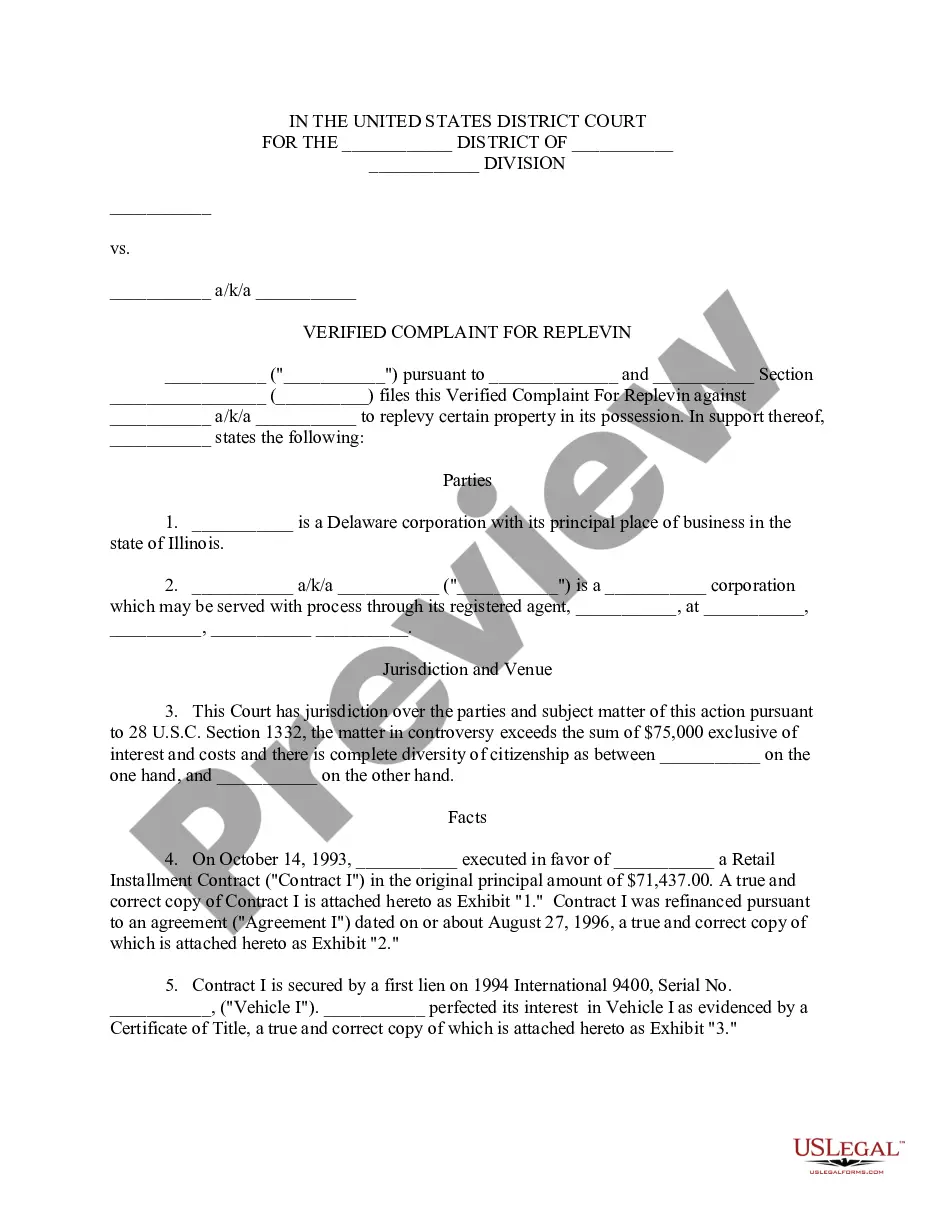
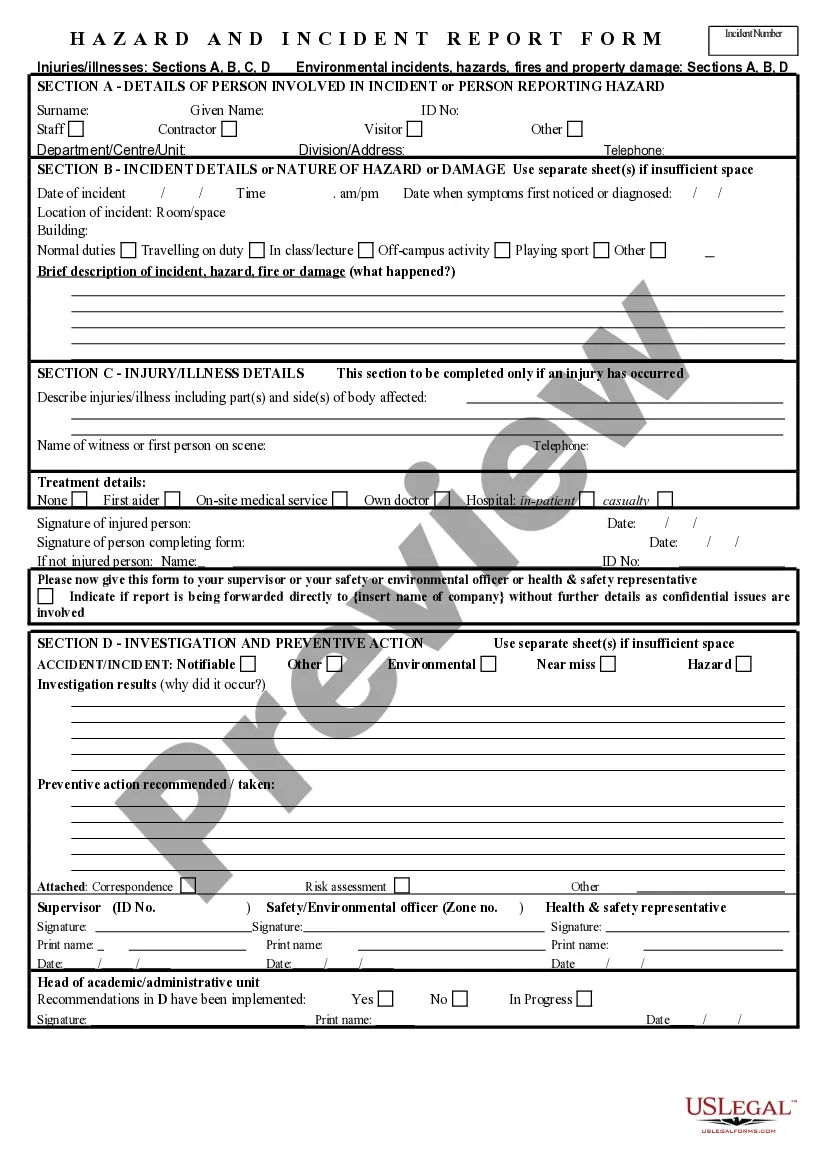
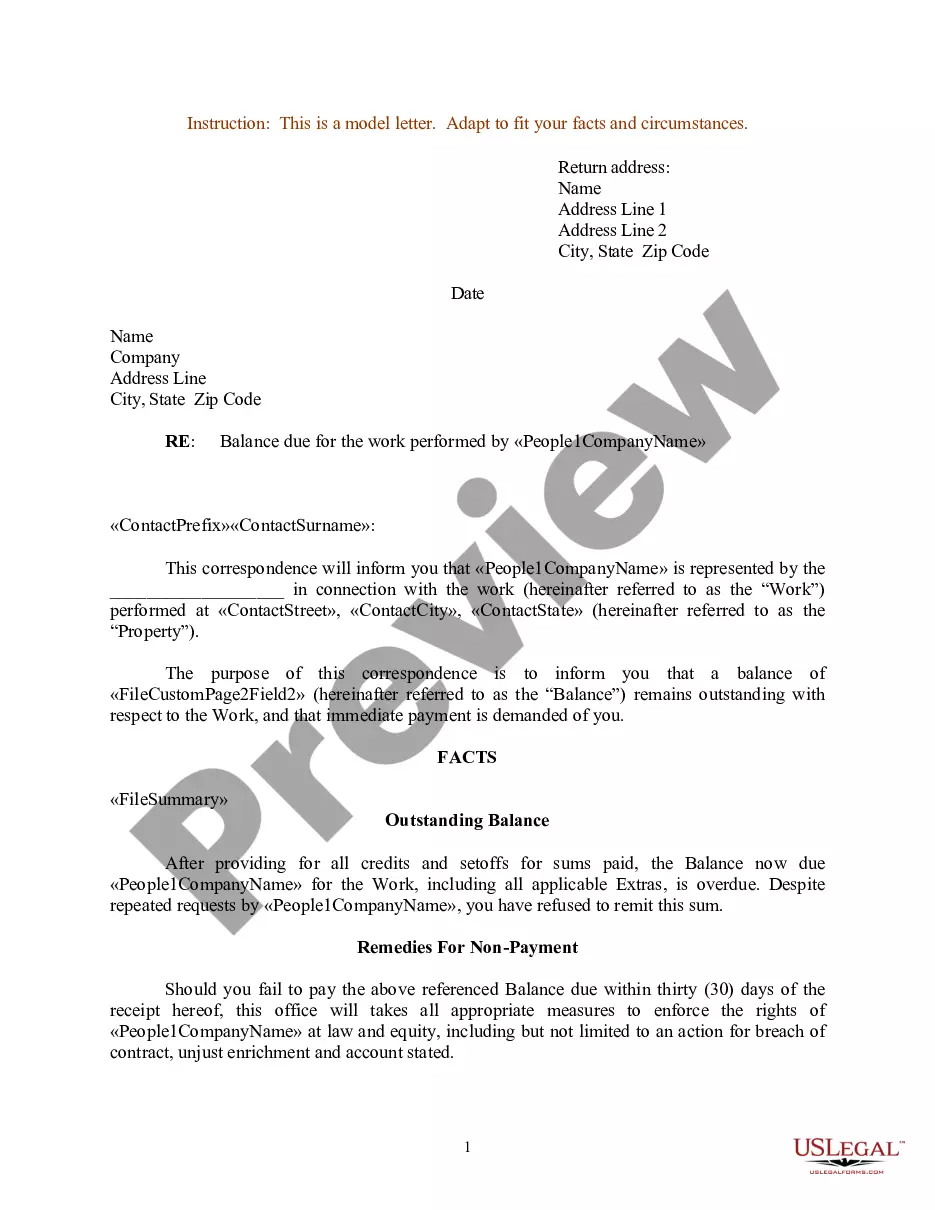
How to fill out No Trespassing Notice To Individual?
Regardless of whether it's for corporate reasons or personal issues, everyone must confront legal circumstances at some point in their lives.
Completing legal paperwork requires meticulous focus, starting with choosing the correct template. For example, selecting an incorrect version of the No Trespassing Order in Iowa will lead to its rejection upon submission. Thus, it's vital to have a trustworthy source of legal documents such as US Legal Forms.
With an extensive catalog from US Legal Forms available, you no longer need to waste time hunting for the right template online. Utilize the library’s straightforward navigation to find the appropriate document for any scenario.
- Locate the template you need through the search bar or the catalog.
- Review the form’s details to confirm it aligns with your situation, region, and county.
- Select the form’s preview to view it.
- If it’s the incorrect form, return to the search function to locate the No Trespassing Order in Iowa template you need.
- Download the template if it fulfills your criteria.
- If you possess a US Legal Forms account, simply click Log in to access previously saved files in My documents.
- If you do not yet have an account, you can acquire the form by clicking Buy now.
- Choose the suitable payment option.
- Fill out the account registration form.
- Select your payment method: a bank card or PayPal account.
- Choose the document format you desire and download the No Trespassing Order in Iowa.
- Once downloaded, you can fill out the form using editing software or print it and complete it by hand.
Form popularity
FAQ
The duration of a no trespassing order in Iowa can vary based on the specific terms set within the order itself. Generally, it remains in effect until revoked, either by the issuing authority or by a mutual agreement between parties involved. It's important to keep track of any expiration dates or conditions that could affect the validity of your order. Consult local laws or resources on platforms like US Legal Forms for specific guidance.
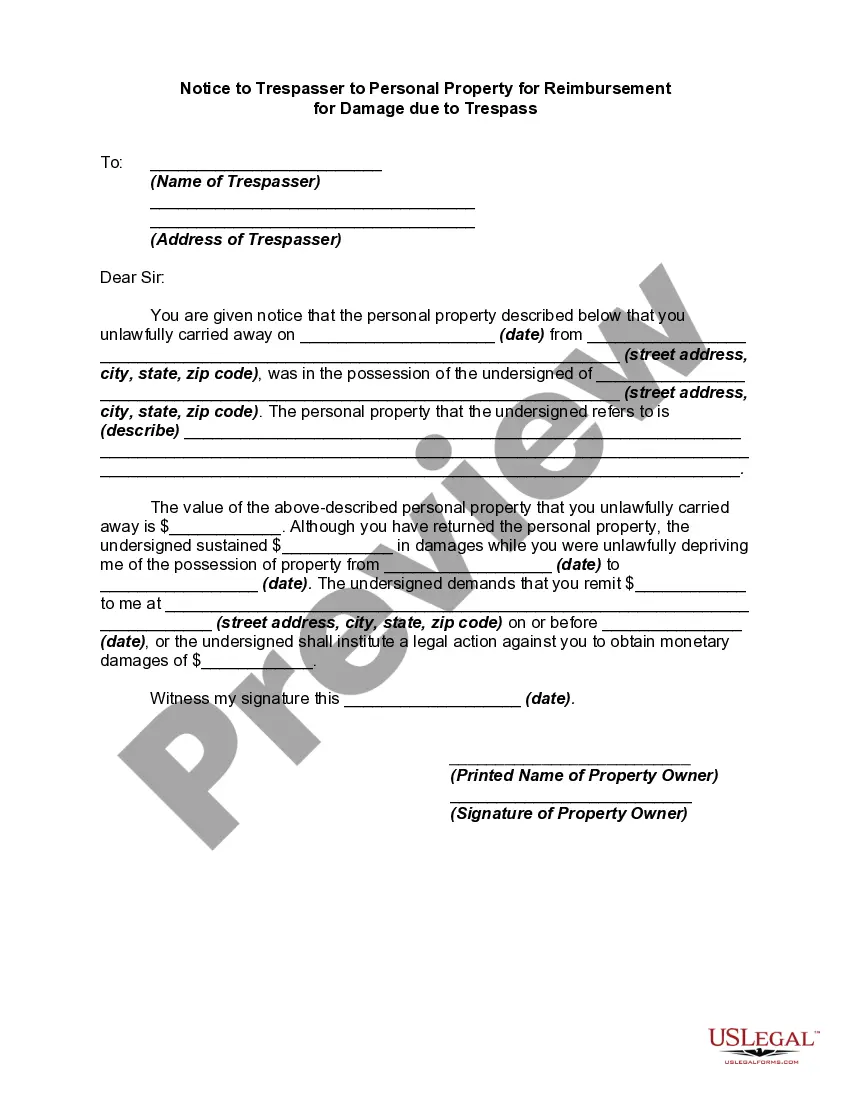
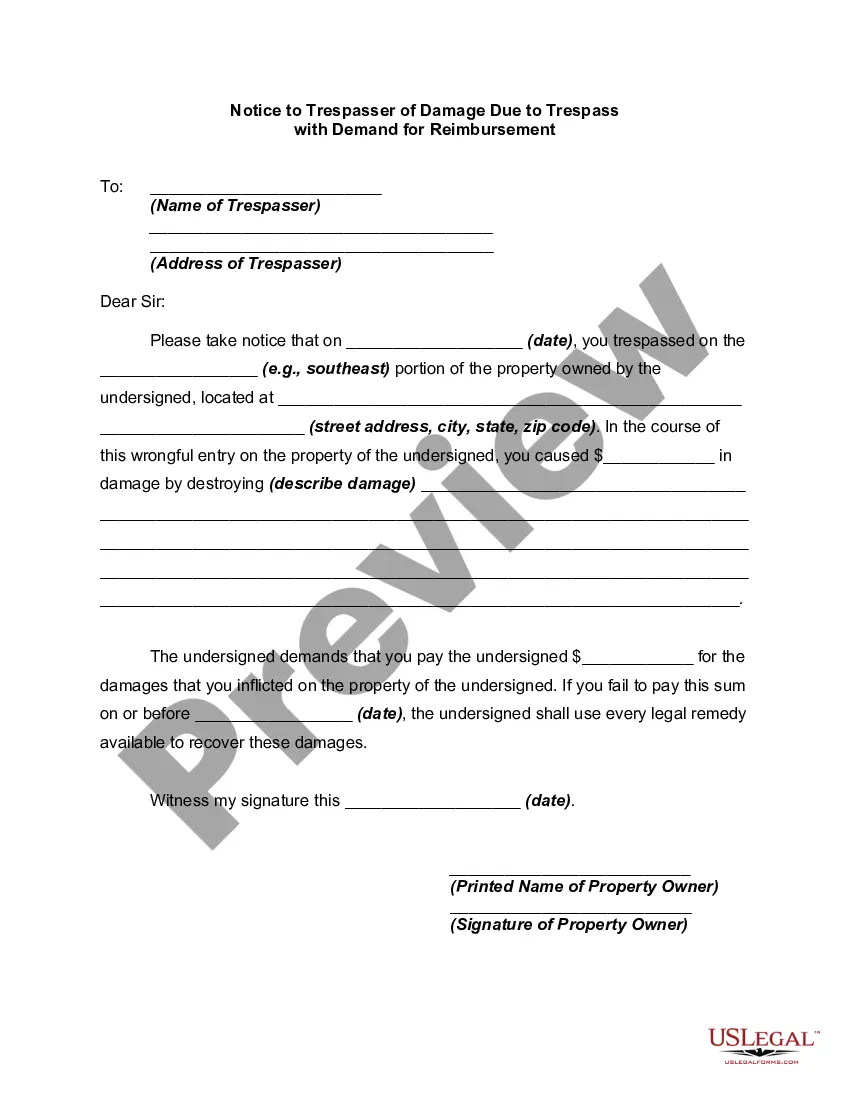
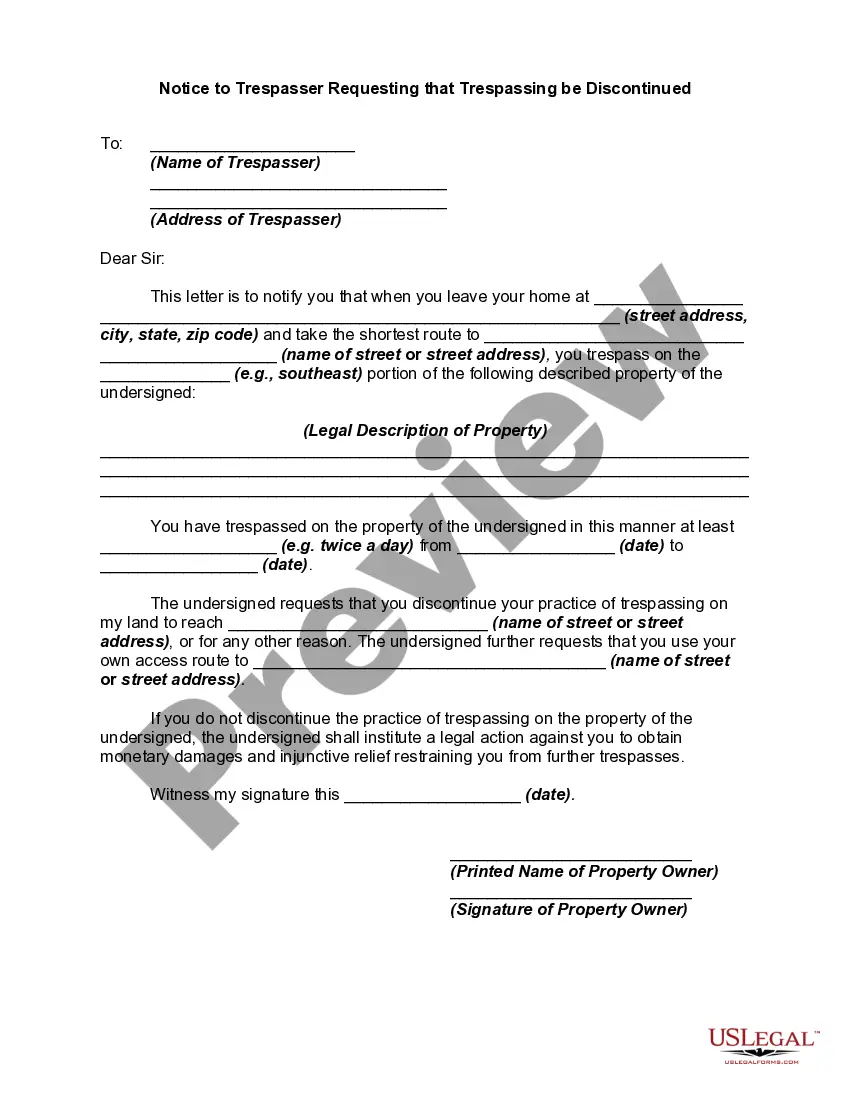
An example of a trespassing letter includes a clear statement of prohibition, outlining the property involved and the specific actions that are not allowed. For instance, it might say, 'You are hereby notified that you are not permitted to enter the premises located at address.' This letter reinforces your no trespassing order in Iowa and establishes a documented warning. You can create this letter using templates available through resources like US Legal Forms.
A no trespassing order in Iowa serves as a formal directive restricting individuals from entering your property without permission. This legal document helps protect your rights and establishes clear boundaries regarding your property. It can deter potential violations and provides a basis for legal action if trespassing occurs. Utilizing a no trespassing order also communicates your expectations to others regarding your property.
The trespassing statute in Iowa outlines the legal definitions and consequences for trespassing on private property. Generally, it prohibits unauthorized entry onto someone else's land and can impose penalties for violators. Understanding this statute can help you effectively enforce a no trespassing order in Iowa. Familiarize yourself with the specifics to ensure that you enforce your rights correctly.
Writing a no trespassing order in Iowa involves clearly stating your intent to prohibit access to your property. Include your name, a description of the property, and the specific reasons for the order. You may also want to include the consequences of violating the order, such as legal action. For a comprehensive approach, consider using templates available on platforms like US Legal Forms to guide you.
Yes, a no trespassing order in Iowa can be removed or modified under certain conditions. If you believe the order is no longer necessary, you may petition the court or the issuing authority for its removal. It is essential to provide valid reasons and any supporting evidence that demonstrates the change in circumstances. Ensure you follow the legal procedures specific to Iowa for the best results.
To write a no trespassing notice in Iowa, begin by clearly stating that it is a no trespassing order. Include your name, the property address, and the date. Specify the boundaries of the property and the consequences for trespassing. You can utilize platforms like USLegalForms to access templates, ensuring that your notice complies with state requirements and effectively communicates your intent.
Yes, you can place no trespassing signs in your yard to inform others that unauthorized entry is not allowed. It's advisable to ensure these signs are visible and comply with local regulations. Doing so enhances the validity of a no trespassing order in Iowa by providing clear notice to potential trespassers.
For a no trespass order in Iowa, you generally need to submit a written request to law enforcement or the local court. This request should detail the reasons for the order and provide any evidence of prior trespassing incidents. Using a reliable service like USLegalForms can simplify the process of obtaining the necessary documentation.
To legally keep someone off your property, you can issue a no trespassing order in Iowa. This order serves as a clear warning and provides legal backing should the individual return. Documenting any instances of trespassing can further solidify your position if you need to take further legal action.