Statutory Notice In Public Health
Description
Get your form ready online
Our built-in tools help you complete, sign, share, and store your documents in one place.
Make edits, fill in missing information, and update formatting in US Legal Forms—just like you would in MS Word.
Download a copy, print it, send it by email, or mail it via USPS—whatever works best for your next step.
Sign and collect signatures with our SignNow integration. Send to multiple recipients, set reminders, and more. Go Premium to unlock E-Sign.
If this form requires notarization, complete it online through a secure video call—no need to meet a notary in person or wait for an appointment.
We protect your documents and personal data by following strict security and privacy standards.

Make edits, fill in missing information, and update formatting in US Legal Forms—just like you would in MS Word.

Download a copy, print it, send it by email, or mail it via USPS—whatever works best for your next step.

Sign and collect signatures with our SignNow integration. Send to multiple recipients, set reminders, and more. Go Premium to unlock E-Sign.

If this form requires notarization, complete it online through a secure video call—no need to meet a notary in person or wait for an appointment.

We protect your documents and personal data by following strict security and privacy standards.
Looking for another form?
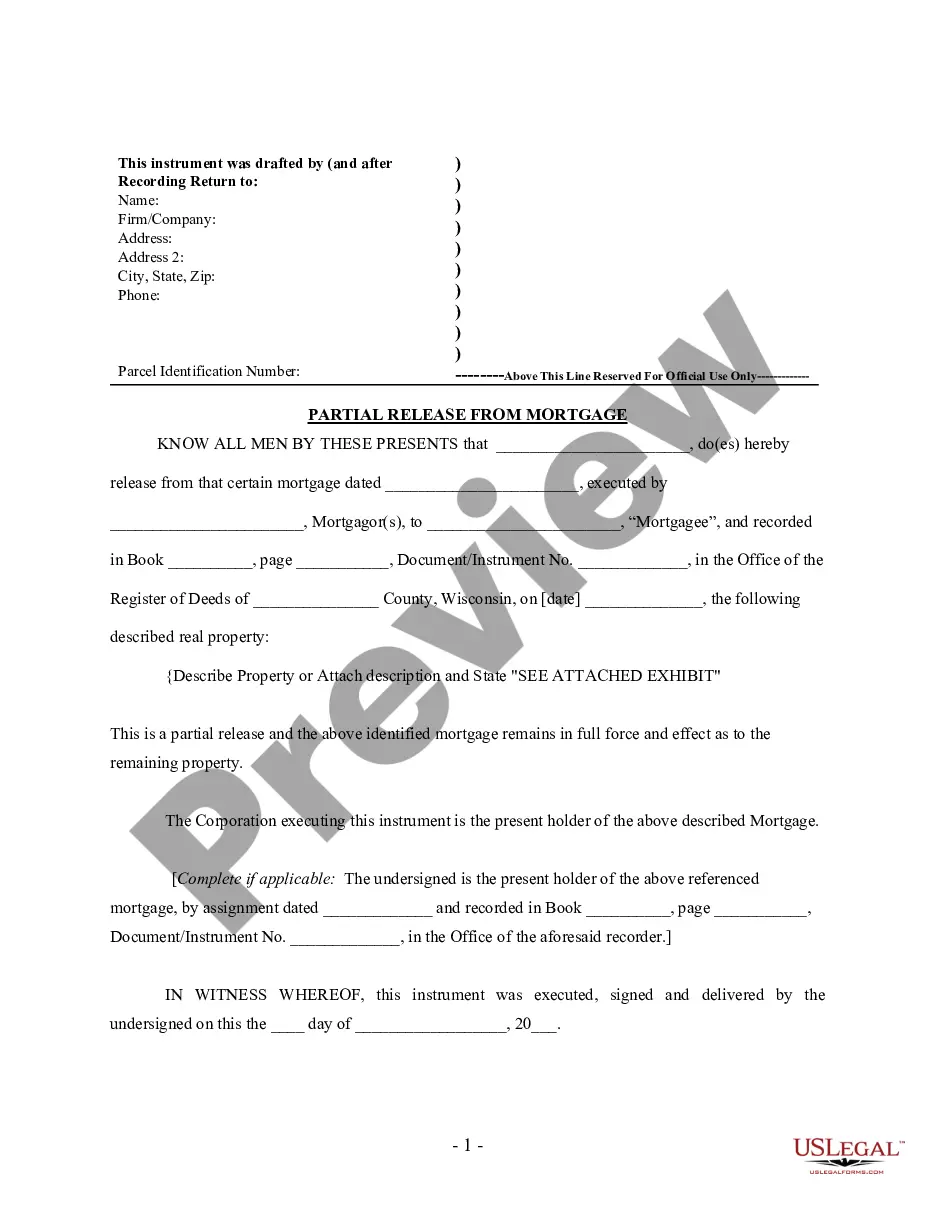


How to fill out Notice Of Statutory Breeder's Lien?
Creating legal documents from the ground up can occasionally be intimidating.
Some situations may require extensive investigation and significant financial resources.
If you're seeking a simpler and more cost-effective method of generating Statutory Notice In Public Health or any other forms without unnecessary obstacles, US Legal Forms is always available to assist you.
Our online library of more than 85,000 current legal forms covers nearly every aspect of your financial, legal, and personal affairs. With just a few taps, you can swiftly obtain state- and county-compliant documents carefully compiled for you by our legal specialists.
US Legal Forms has a pristine reputation and over 25 years of expertise. Join us today and make document completion effortless and efficient!
- Utilize our platform whenever you require a dependable and trustworthy service through which you can easily find and download the Statutory Notice In Public Health.
- If you're a returning user who has created an account with us before, simply Log In to your account, find the template, and either download it immediately or access it again later in the My documents section.
- Not signed up yet? No worries. Setting it up takes minimal time, allowing you to explore the collection.
- Before diving into downloading the Statutory Notice In Public Health, please consider these suggestions.
- Review the form preview and descriptions to ensure you've located the document you need.
Form popularity
FAQ
To fill out a protected health information form, start by providing your personal details, including your name, address, and contact information. Next, accurately record your medical history and any relevant health conditions, ensuring that all information is clear and complete. If you have questions about the process or need assistance, platforms like US Legal Forms can guide you through the form-filling process while emphasizing the importance of a statutory notice in public health. This can help streamline your experience and ensure compliance with health regulations.
Protected health information (PHI) includes any data that can identify an individual and relates to their health condition, treatment, or payment for healthcare. An example of PHI is your medical records, which contain details about your diagnoses, treatment plans, and history. Understanding what constitutes PHI is vital, especially in situations requiring a statutory notice in public health, as specific rules govern how this information can be shared. Recognizing these examples can help you better protect your personal data.
A notice of privacy practices for protected health information informs you about how your health data is used and shared by healthcare providers. This document outlines your rights regarding your health information and the provider's obligations under the law. In the context of statutory notice in public health, this notice helps ensure that you understand your rights when your information may be disclosed for public health purposes. It's crucial to read this notice to safeguard your personal health information.
You should carefully consider whether to accept or decline HIPAA authorization based on your circumstances. Accepting it typically allows you to share your health information with specified parties, while declining it keeps your data private. However, remember that a statutory notice in public health may require certain disclosures without your consent. Evaluating your options can help you make an informed decision that aligns with your privacy needs.
A HIPAA notice should include clear contact information for the privacy officer, details about the entity's privacy practices, and instructions on how individuals can file a complaint if they believe their rights have been violated. The notice should be straightforward, concise, and provide necessary updates as regulations evolve. This proactive approach enhances patient trust, which is a vital component of statutory notice in public health.
A HIPAA release form must contain specific information about what information is being released, the purpose of the release, and to whom the information will be disclosed. Individuals must provide consent by signing the form, ensuring they understand what they authorize. This process is not only about compliance; it respects patient agency and supports transparency, which are essential aspects of statutory notice in public health.
A HIPAA privacy notice must outline how a provider collects, uses, and discloses protected health information. It should also provide a clear description of individuals' rights under HIPAA, including their right to access their medical records. The notice must be easily accessible and written in plain language, so patients understand their privacy rights. This transparency reinforces the necessity of statutory notice in public health.
A HIPAA notification letter must clearly state the breach details, including what information was involved and the steps taken to address it. Furthermore, it should inform individuals about their rights and how they can safeguard themselves. Including this critical information ensures that affected individuals remain secure and informed, aligning with the principles of statutory notice in public health.
The HIPAA breach notice rule mandates that covered entities inform individuals when a breach of their protected health information occurs. If a breach affects more than 500 individuals, the entity must notify the media and the Department of Health and Human Services as well. Timely notification is crucial, as it allows individuals to take necessary steps to protect their information. This process is relevant to statutory notice in public health.
Providers must distribute a HIPAA notice at the time of a patient's first visit. This ensures that patients are aware of their privacy rights and how their information will be handled. Additionally, any time there are significant changes to the notice, a new version must be shared. Keeping patients informed aligns with the concept of statutory notice in public health.