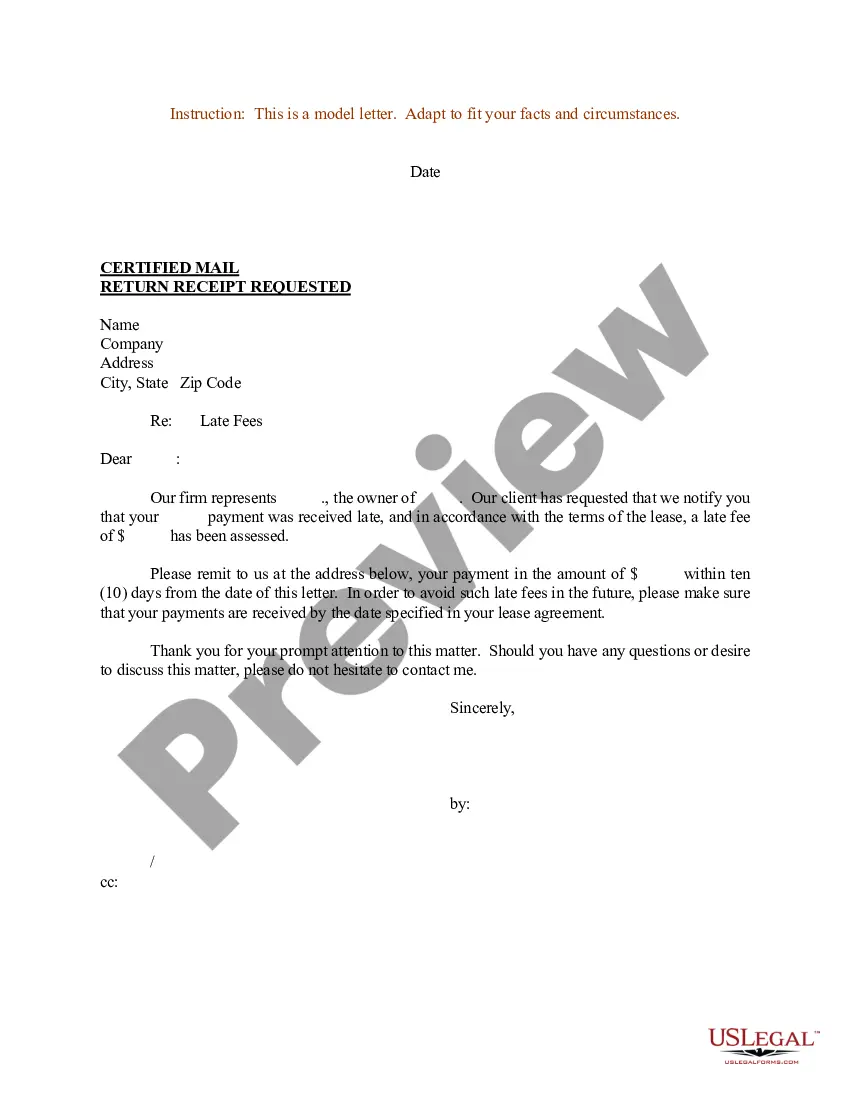
Late Fee Letter Sample With Gst Number
Description
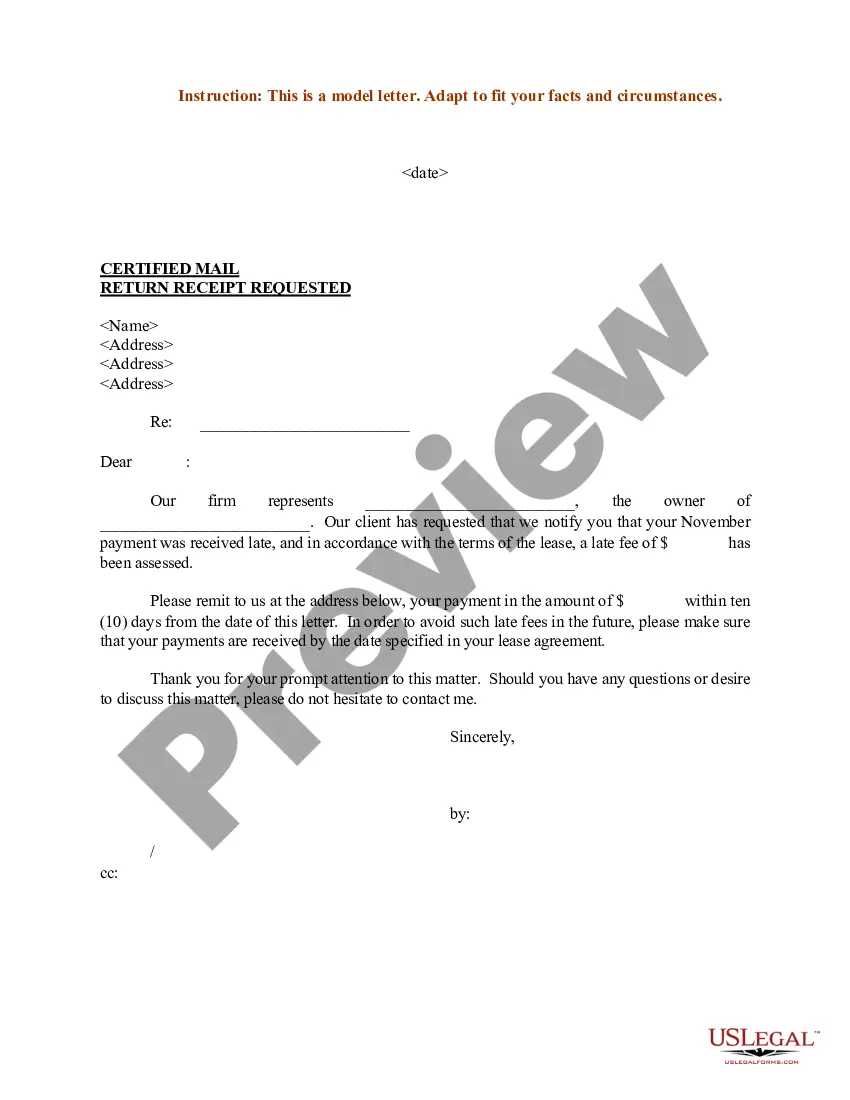
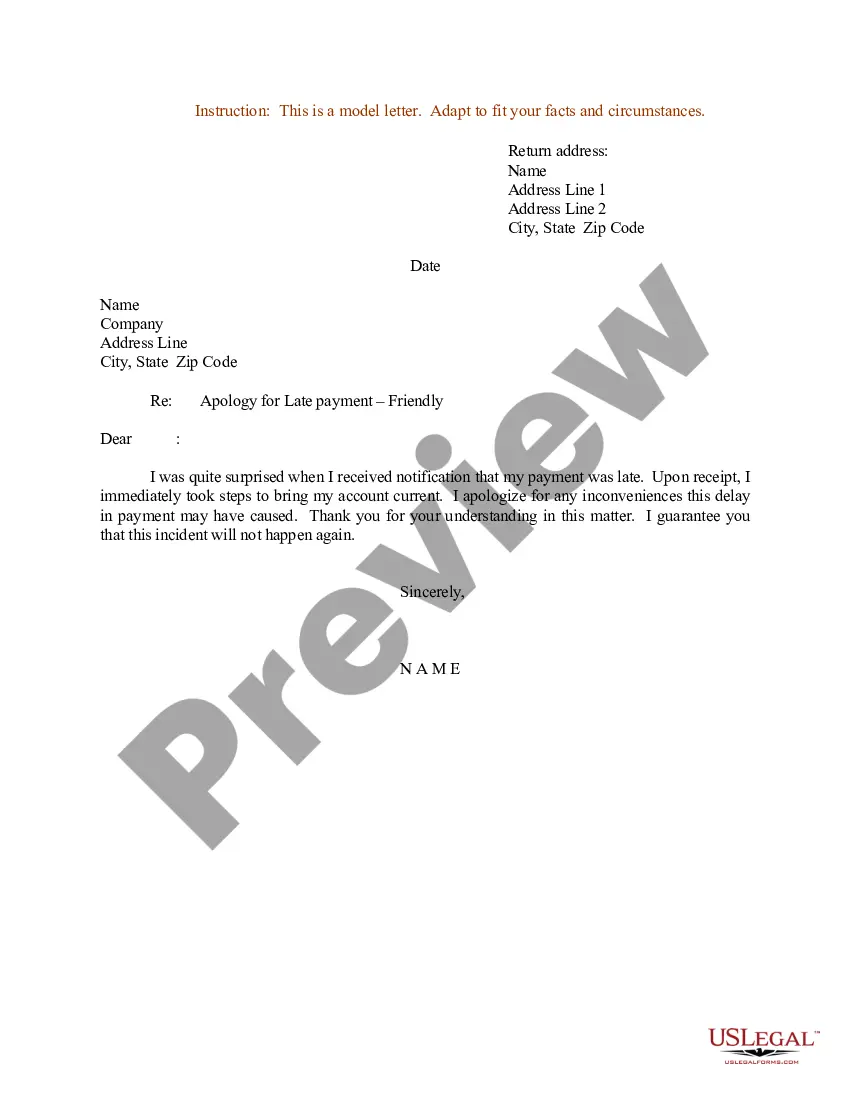
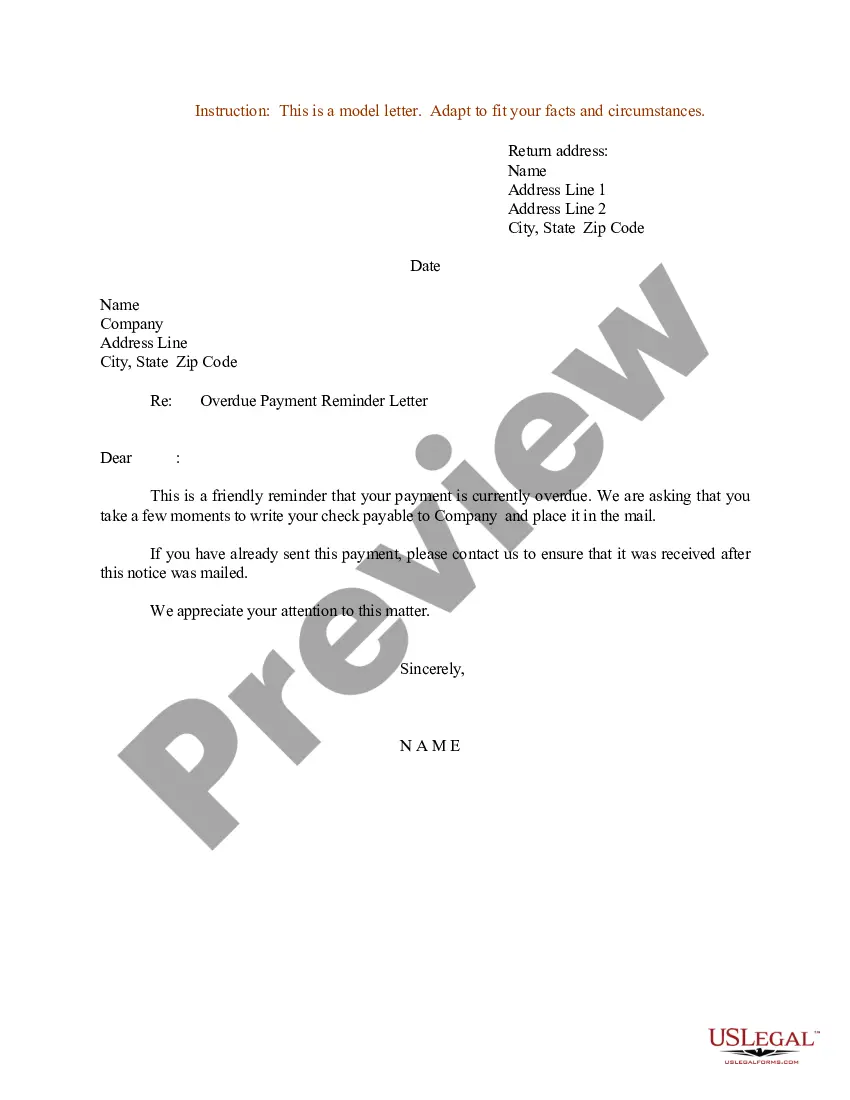
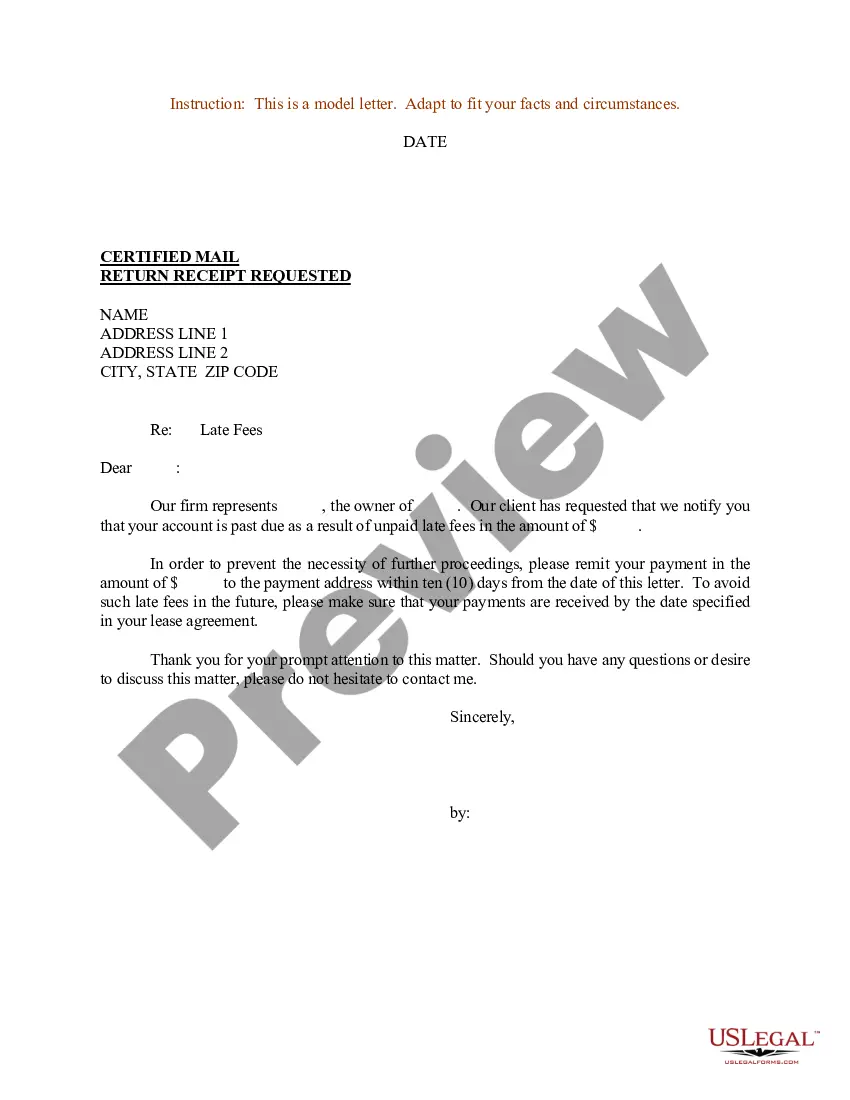
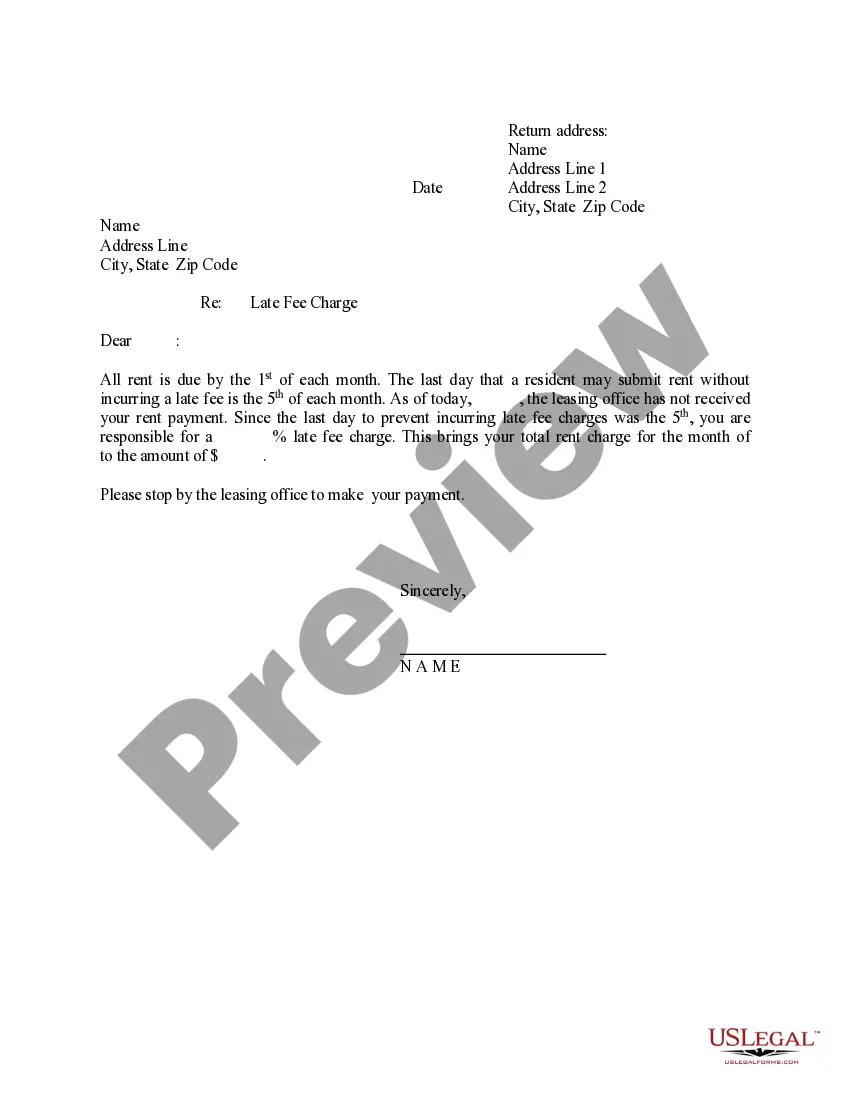

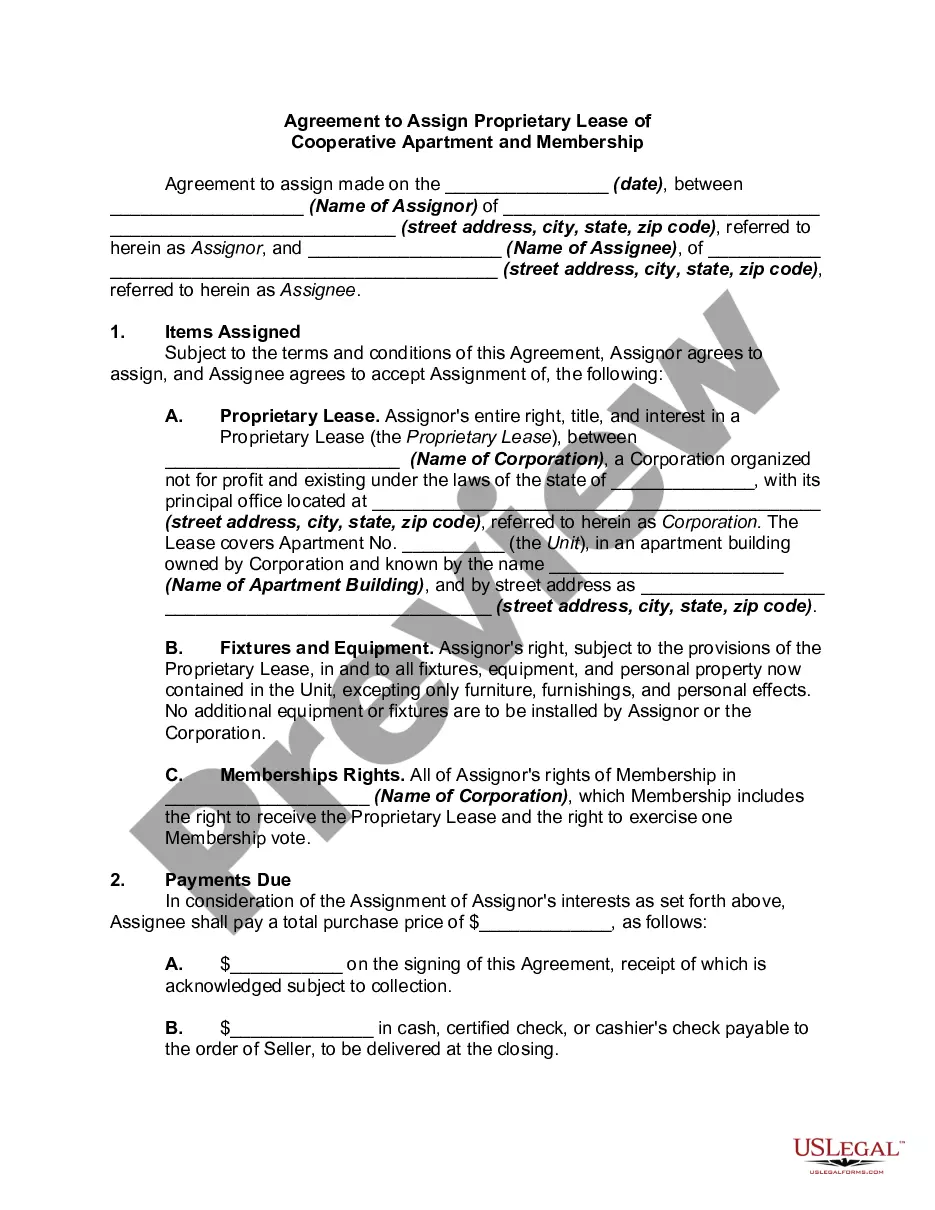
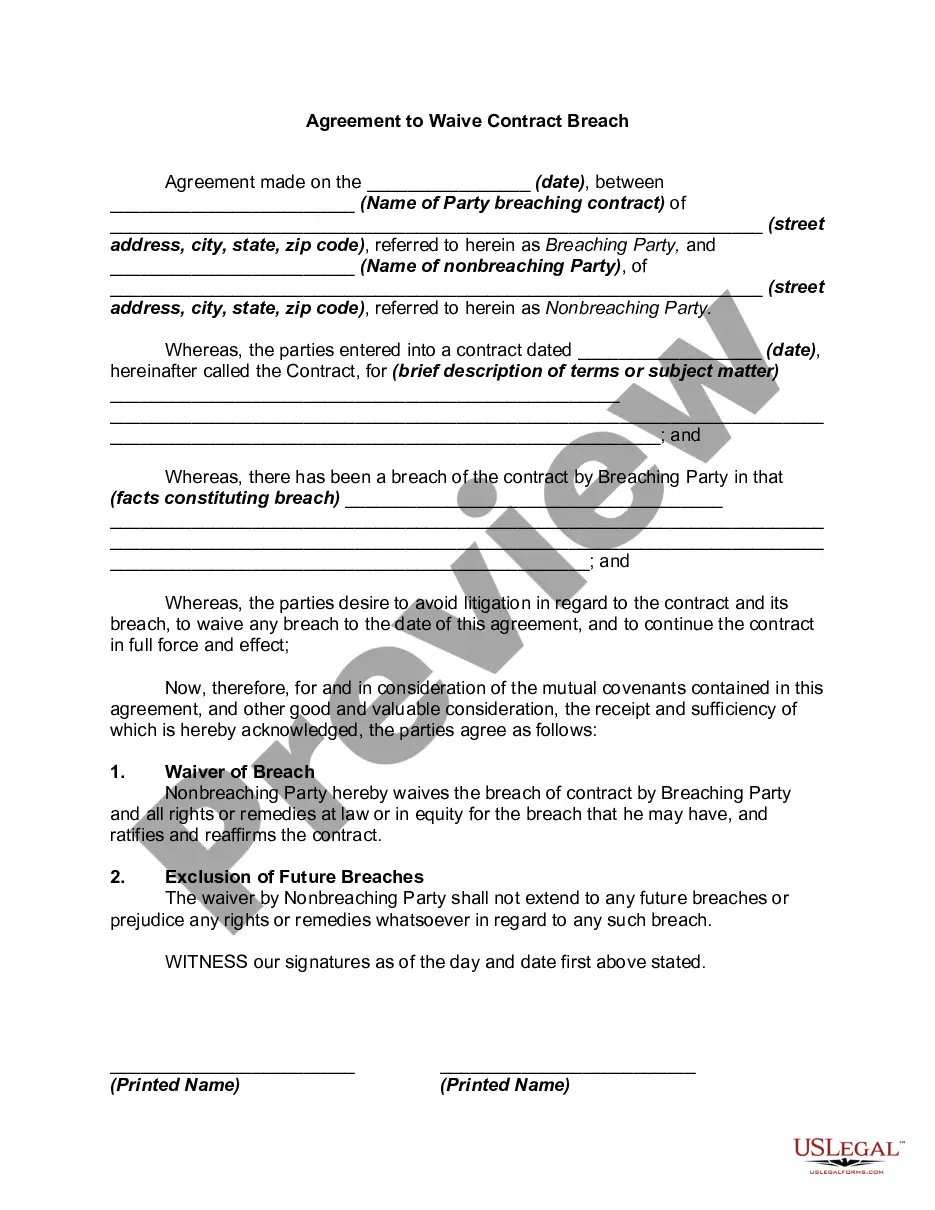



How to fill out Sample Letter For Notification Of Late Payment?
Getting a go-to place to access the most current and appropriate legal templates is half the struggle of handling bureaucracy. Finding the right legal papers requirements precision and attention to detail, which is why it is very important to take samples of Late Fee Letter Sample With Gst Number only from reliable sources, like US Legal Forms. An improper template will waste your time and hold off the situation you are in. With US Legal Forms, you have little to be concerned about. You can access and check all the information concerning the document’s use and relevance for your circumstances and in your state or county.
Consider the listed steps to finish your Late Fee Letter Sample With Gst Number:
- Make use of the catalog navigation or search field to locate your sample.
- Open the form’s description to see if it suits the requirements of your state and county.
- Open the form preview, if available, to make sure the template is the one you are looking for.
- Return to the search and find the correct document if the Late Fee Letter Sample With Gst Number does not match your requirements.
- If you are positive regarding the form’s relevance, download it.
- When you are an authorized customer, click Log in to authenticate and gain access to your picked templates in My Forms.
- If you do not have an account yet, click Buy now to obtain the template.
- Choose the pricing plan that fits your requirements.
- Proceed to the registration to complete your purchase.
- Complete your purchase by choosing a payment method (bank card or PayPal).
- Choose the file format for downloading Late Fee Letter Sample With Gst Number.
- When you have the form on your device, you may alter it with the editor or print it and finish it manually.
Get rid of the hassle that accompanies your legal paperwork. Explore the extensive US Legal Forms catalog to find legal templates, check their relevance to your circumstances, and download them immediately.
Form popularity
FAQ
CGST notification No.22/2021 dated 1st June 2021 Here for the delay late fee comes @ Rs. 200/- per day and if the delay prolongs maximum late fee shall be 0.25% of assesses turnover in the respective State. In short if a tax payer omitted to file an annual return the late fee starting from Rs.
How to deposit Late fees with Government. Amount of Late fee applicable will automatically be calculated by the GST portal while submitting the GST returns. The Late fee is paid in cash separately for CGST, and SGST in separate electronic cash ledgers. GST return cannot be filed without the payment of the Late fee.
Summary of proposed amendment The proposed amendment is a result of a recent interpretation of the law which concluded that no GST is chargeable on late payment fees.
Late Fees and Penalty ing to the GST law, the late fee for not submitting GSTR-1 is Rs 200 per day for delayed filing (Rs 100 as per the CGST Act and Rs. 100 as per the SGST Act). This late fee is calculated from the day following the last filing date.
If payment for tax, interest, penalty, and fee is made through internet banking, credit card, NEFT, or RTGS, the electronic cash ledger will be credited. The balance will be used to pay any outstanding interest, fee, or liability in the taxpayer's electronic cash ledger.