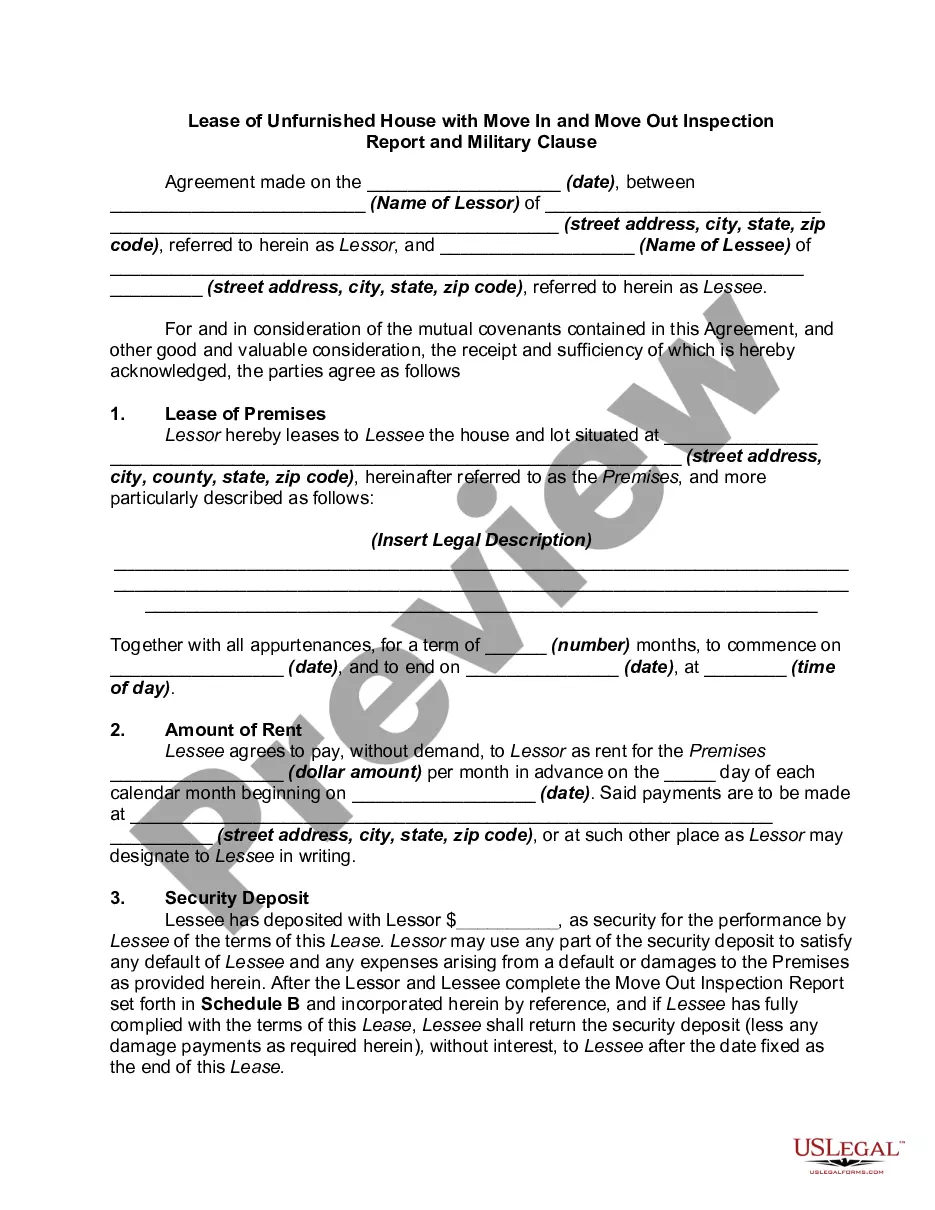
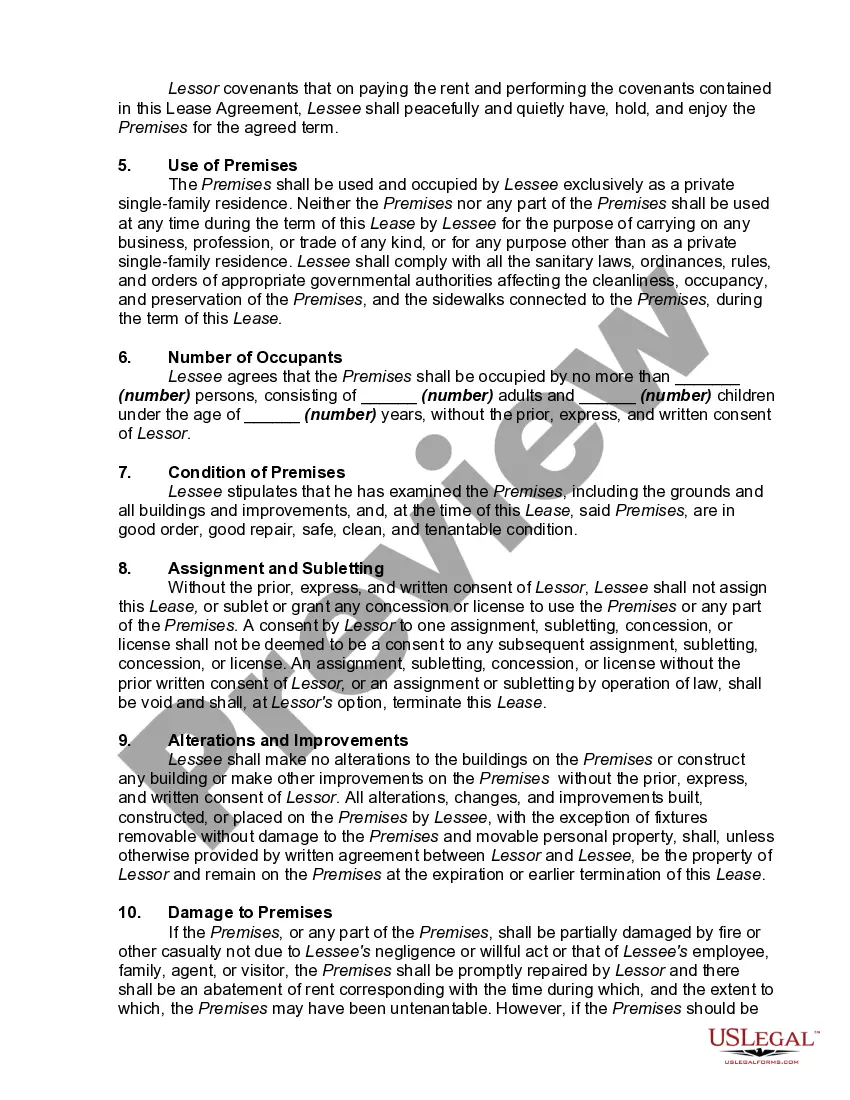
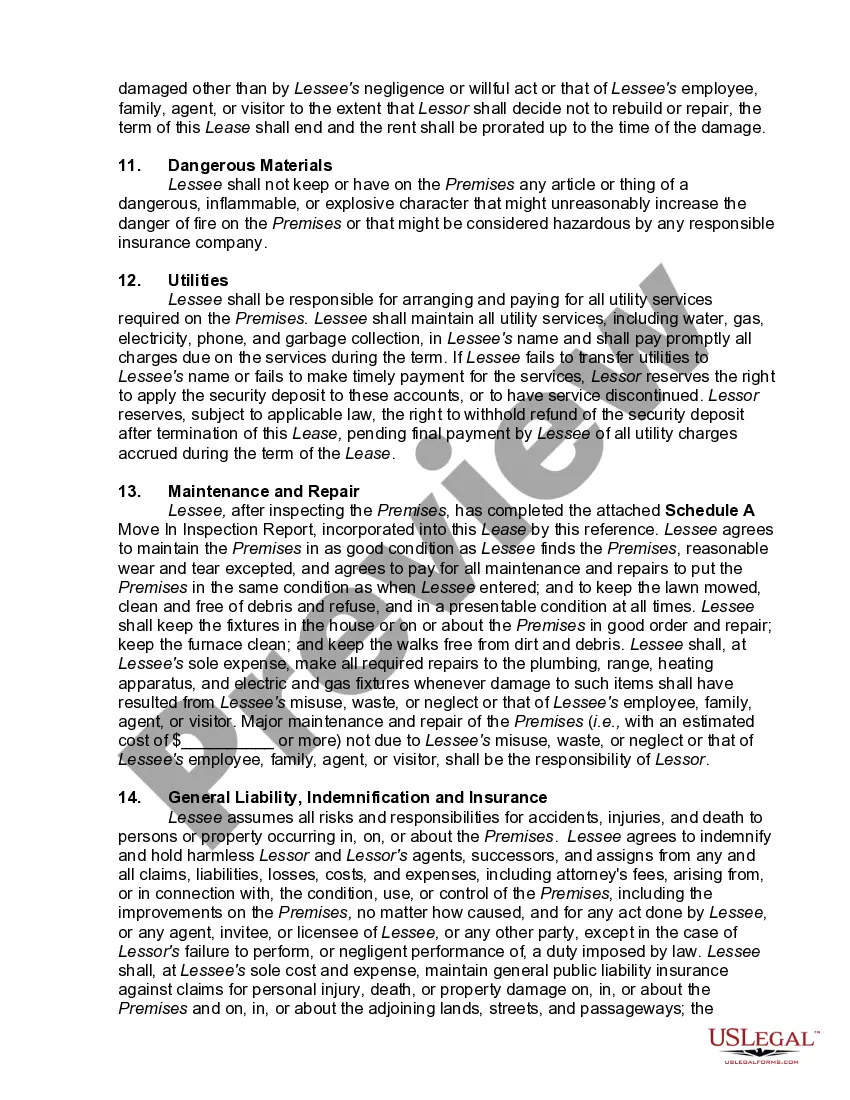
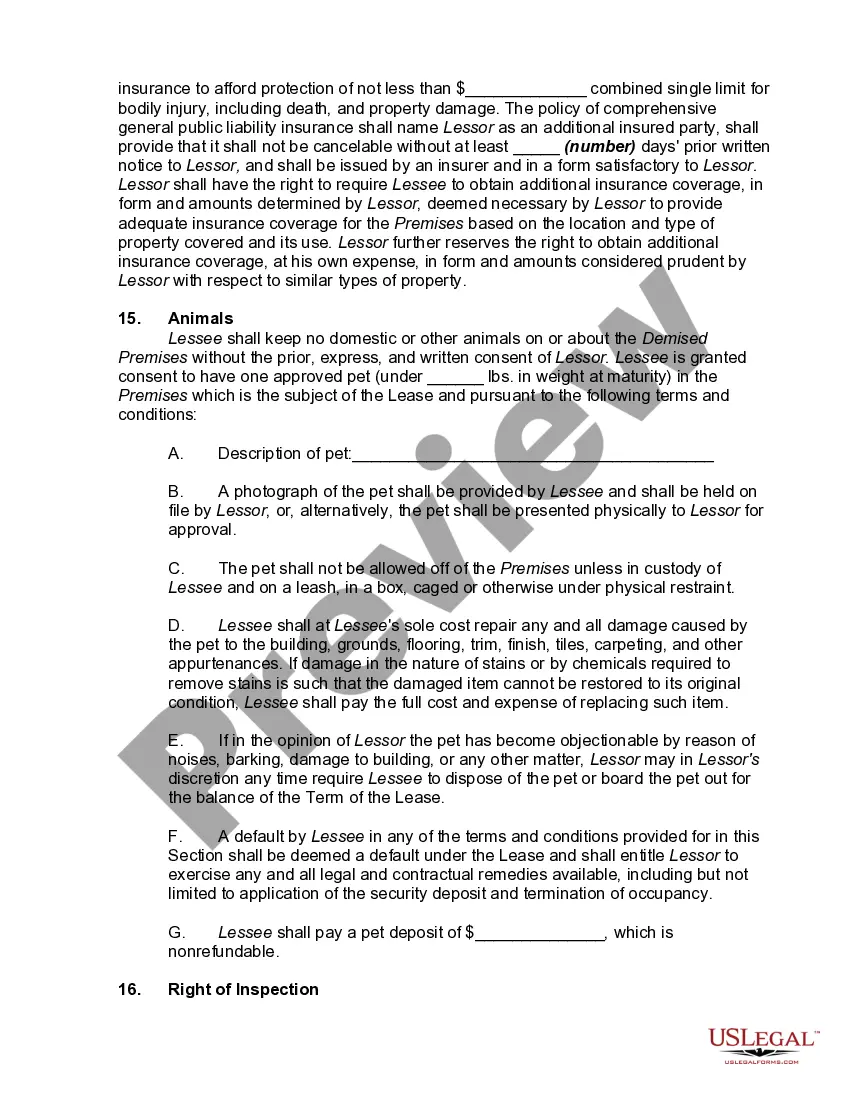
House Inspection Form For A House
Description
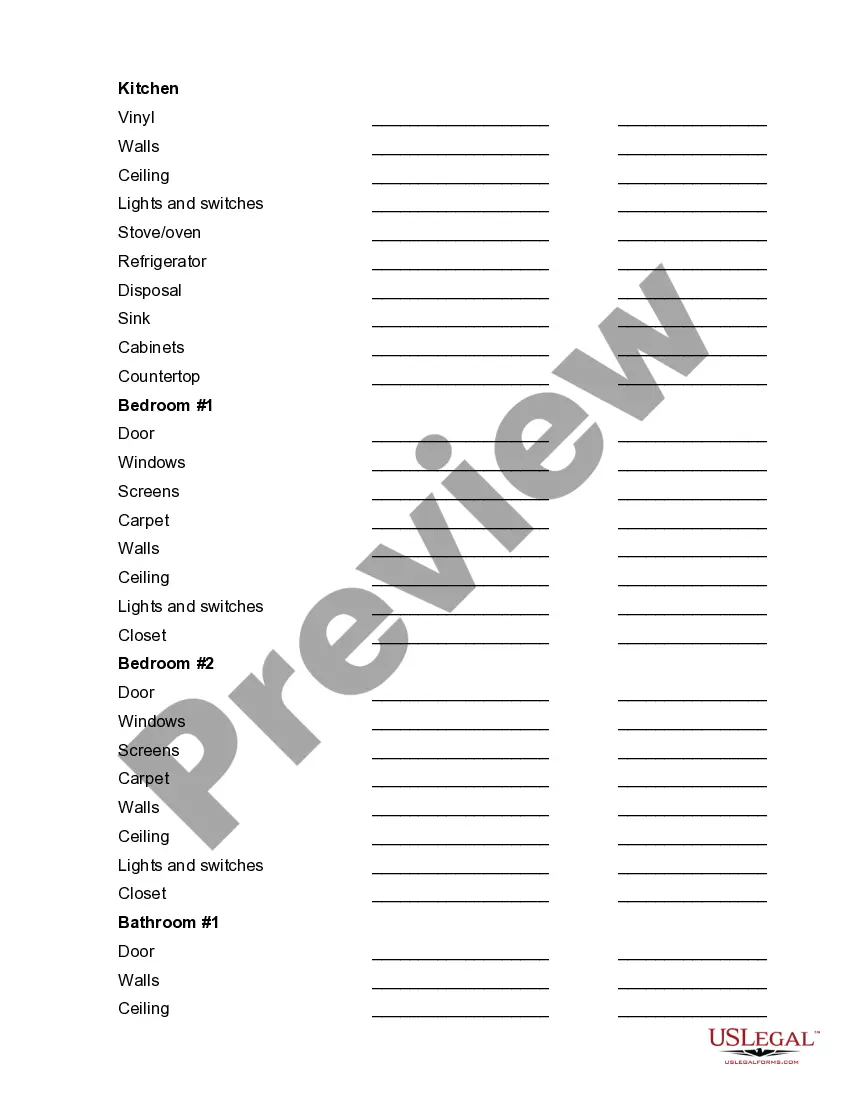
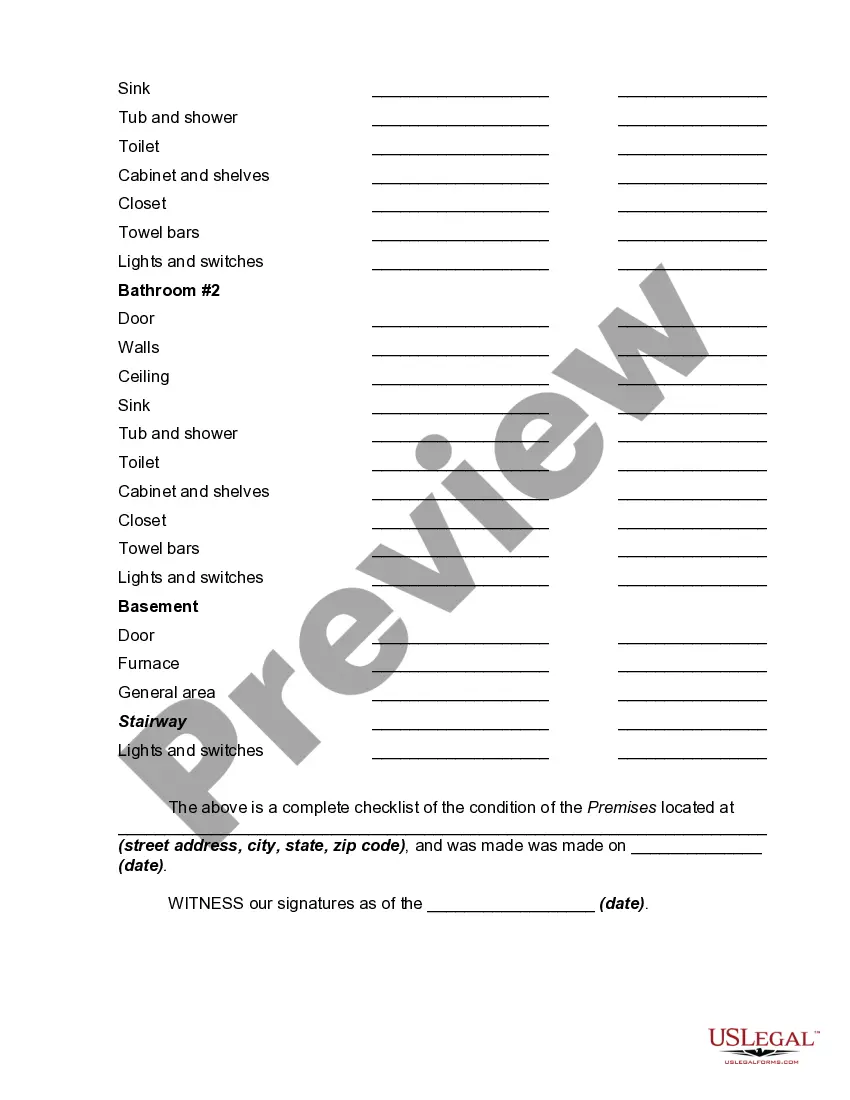

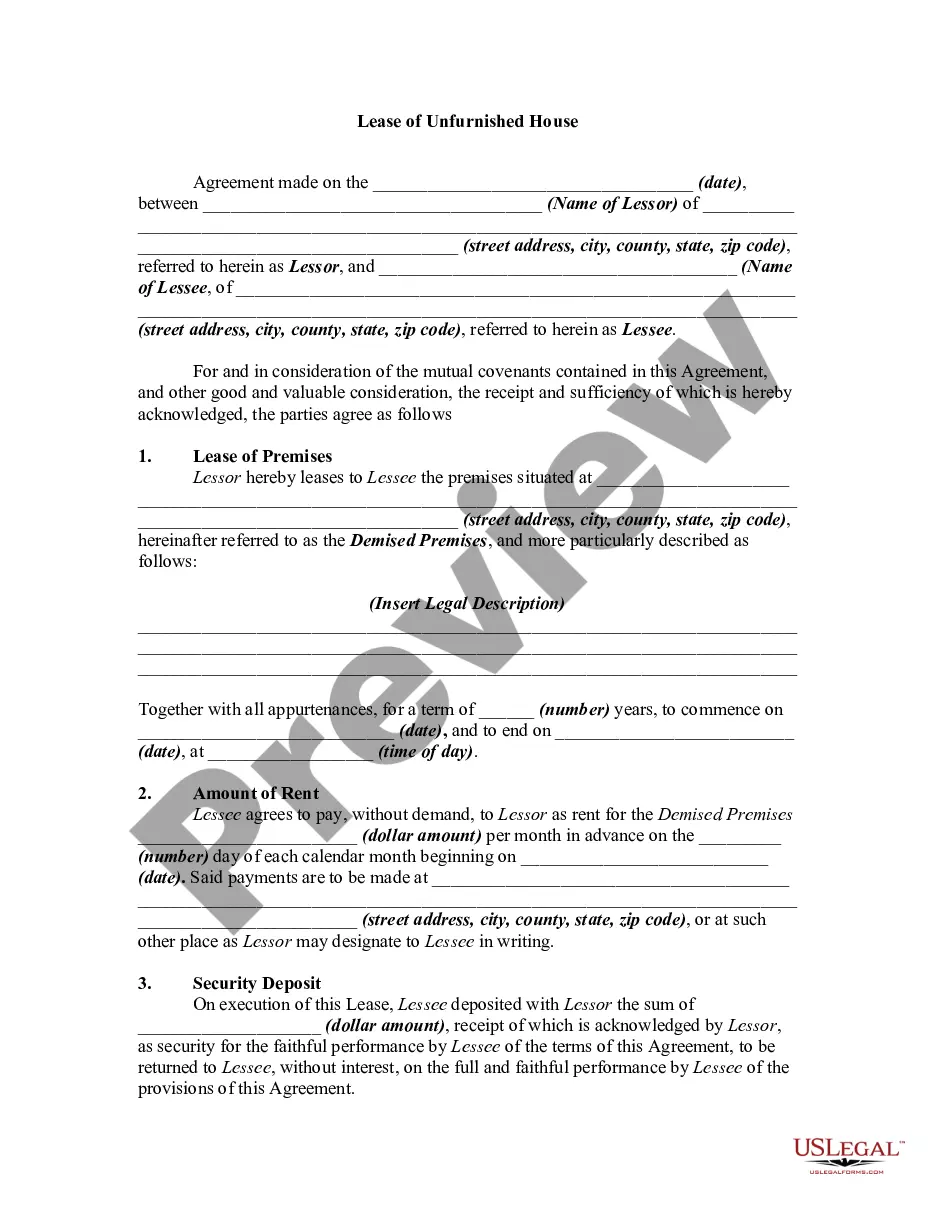
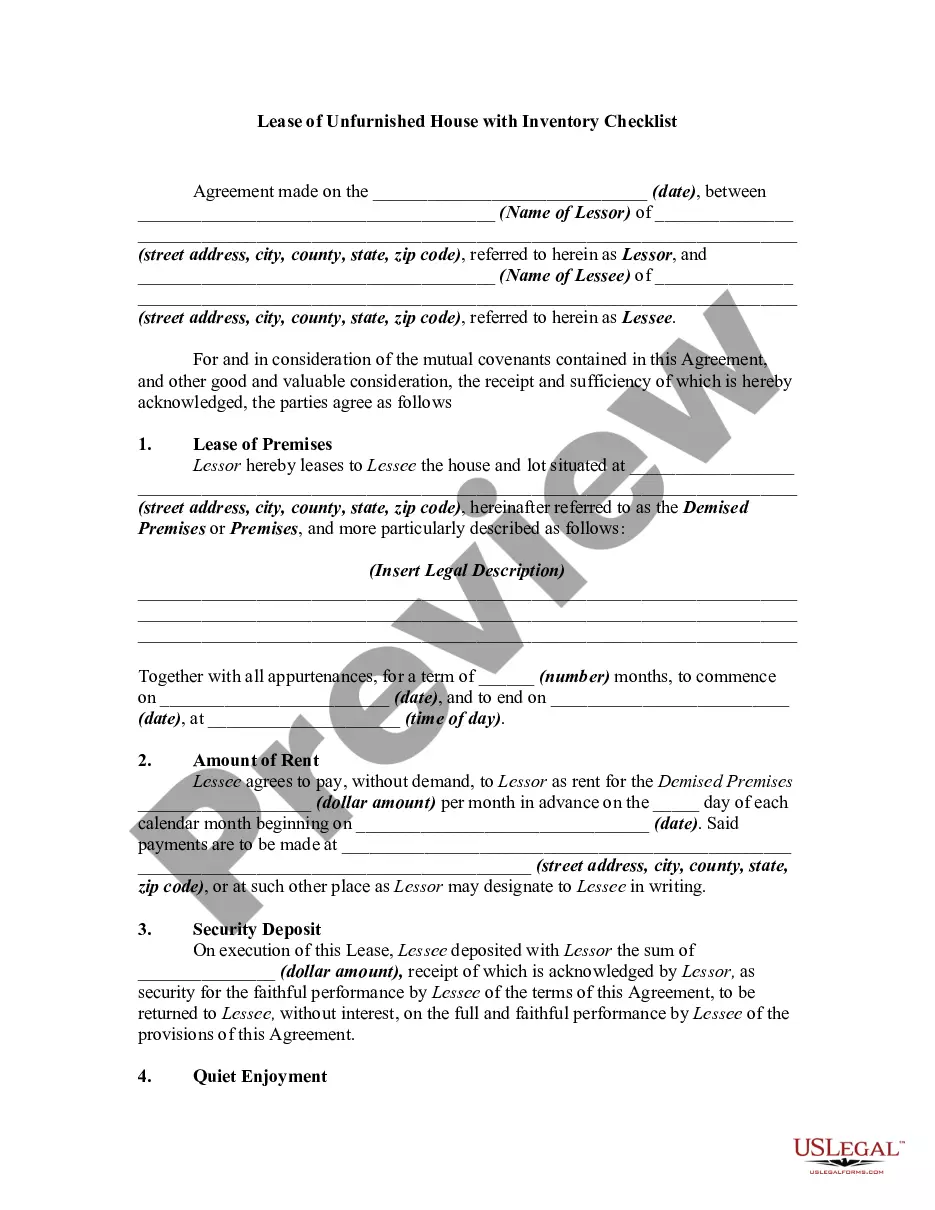
Get your form ready online
Our built-in tools help you complete, sign, share, and store your documents in one place.
Make edits, fill in missing information, and update formatting in US Legal Forms—just like you would in MS Word.
Download a copy, print it, send it by email, or mail it via USPS—whatever works best for your next step.
Sign and collect signatures with our SignNow integration. Send to multiple recipients, set reminders, and more. Go Premium to unlock E-Sign.
If this form requires notarization, complete it online through a secure video call—no need to meet a notary in person or wait for an appointment.
We protect your documents and personal data by following strict security and privacy standards.
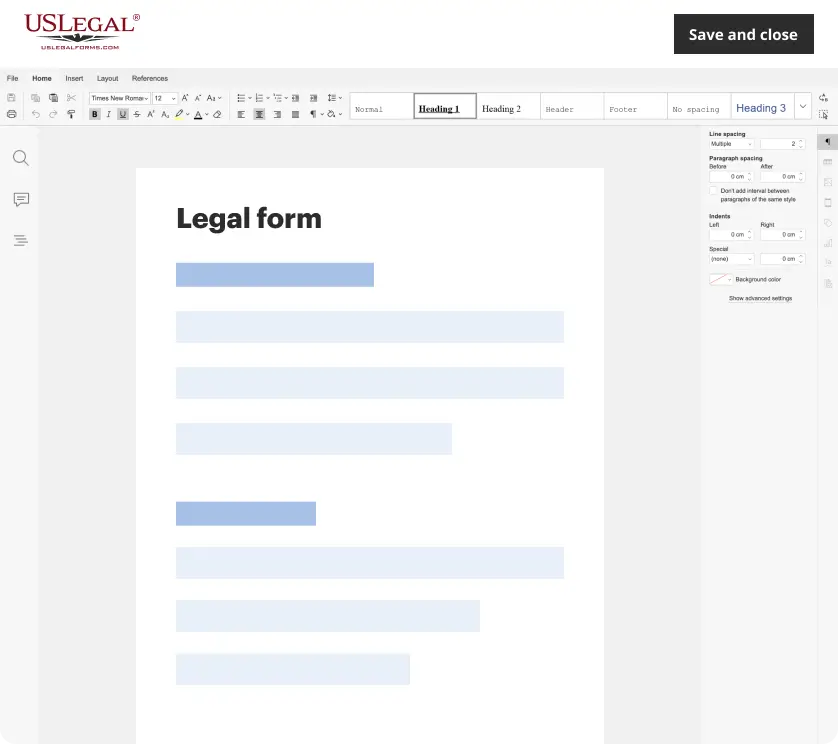
Make edits, fill in missing information, and update formatting in US Legal Forms—just like you would in MS Word.
Download a copy, print it, send it by email, or mail it via USPS—whatever works best for your next step.
Sign and collect signatures with our SignNow integration. Send to multiple recipients, set reminders, and more. Go Premium to unlock E-Sign.

If this form requires notarization, complete it online through a secure video call—no need to meet a notary in person or wait for an appointment.
We protect your documents and personal data by following strict security and privacy standards.
Looking for another form?

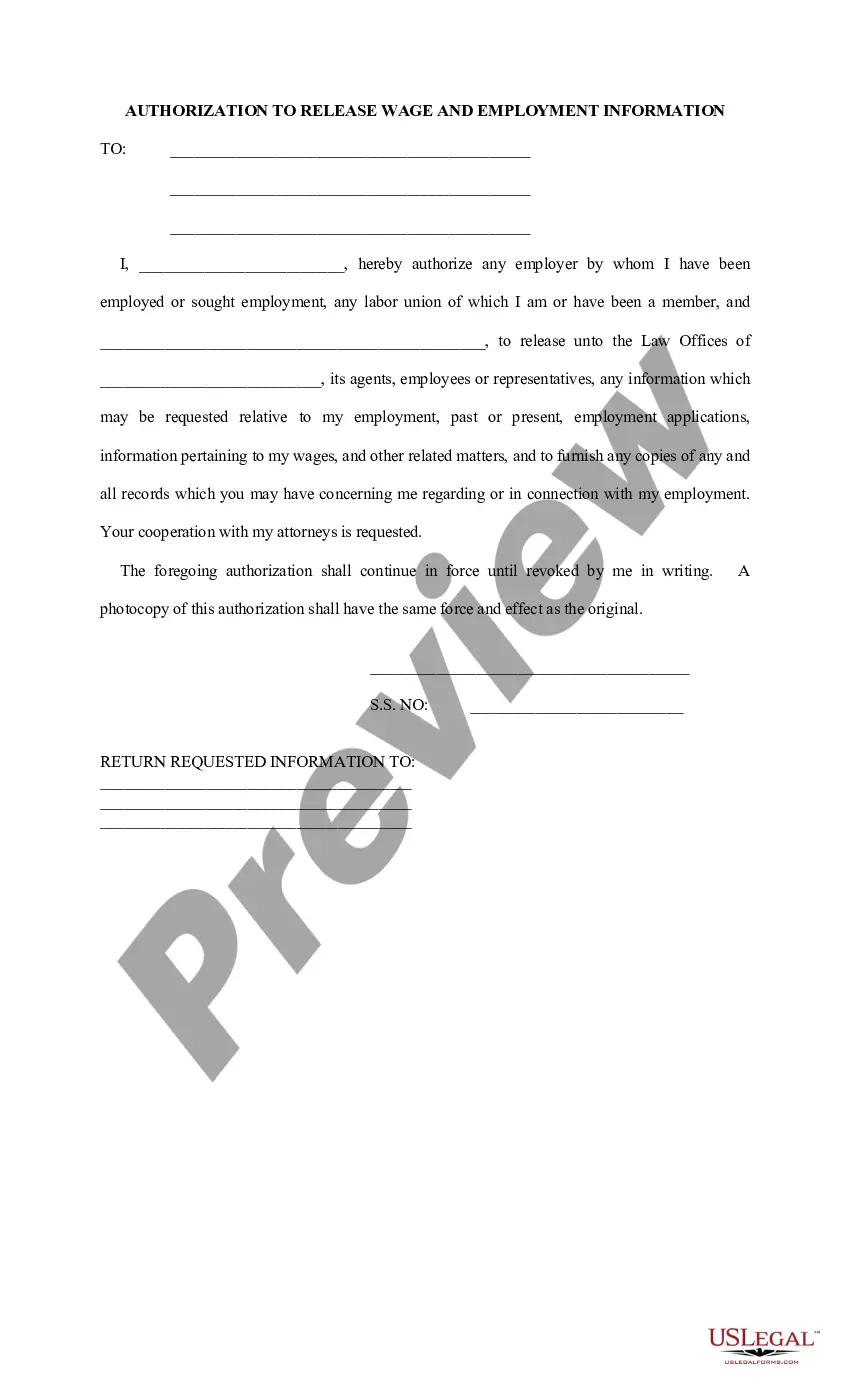

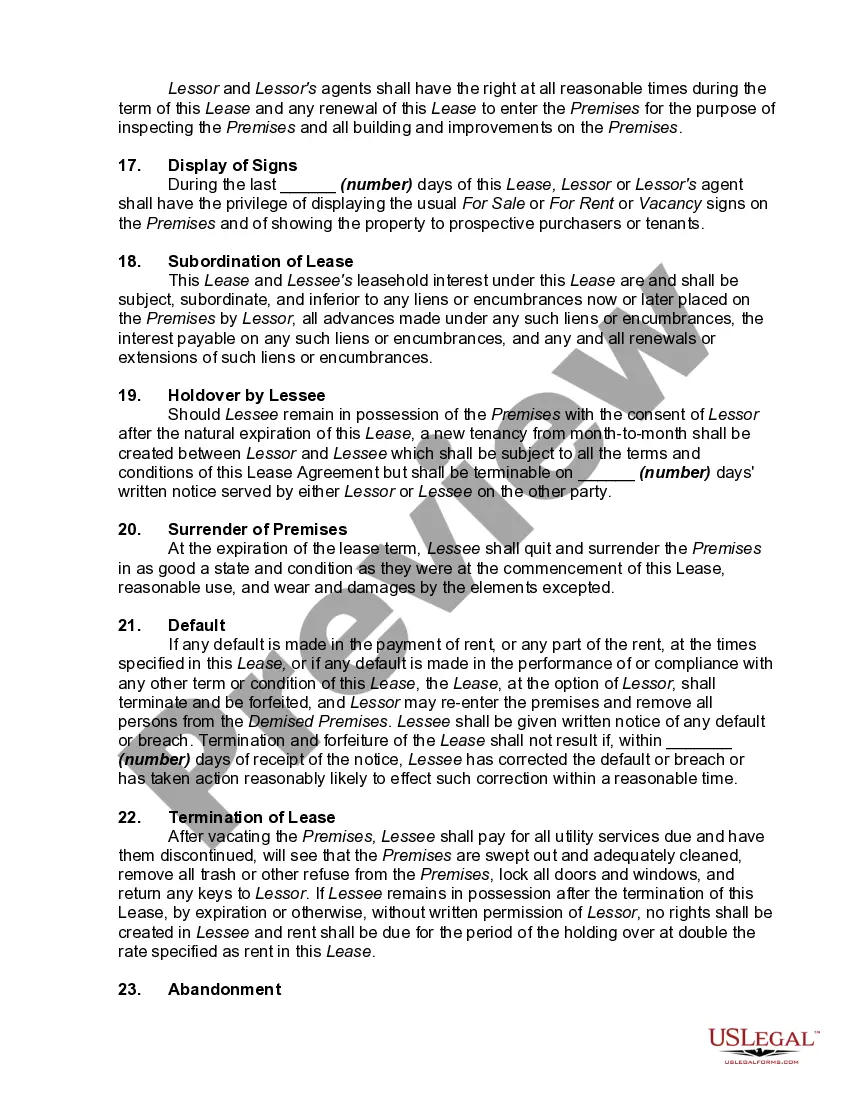
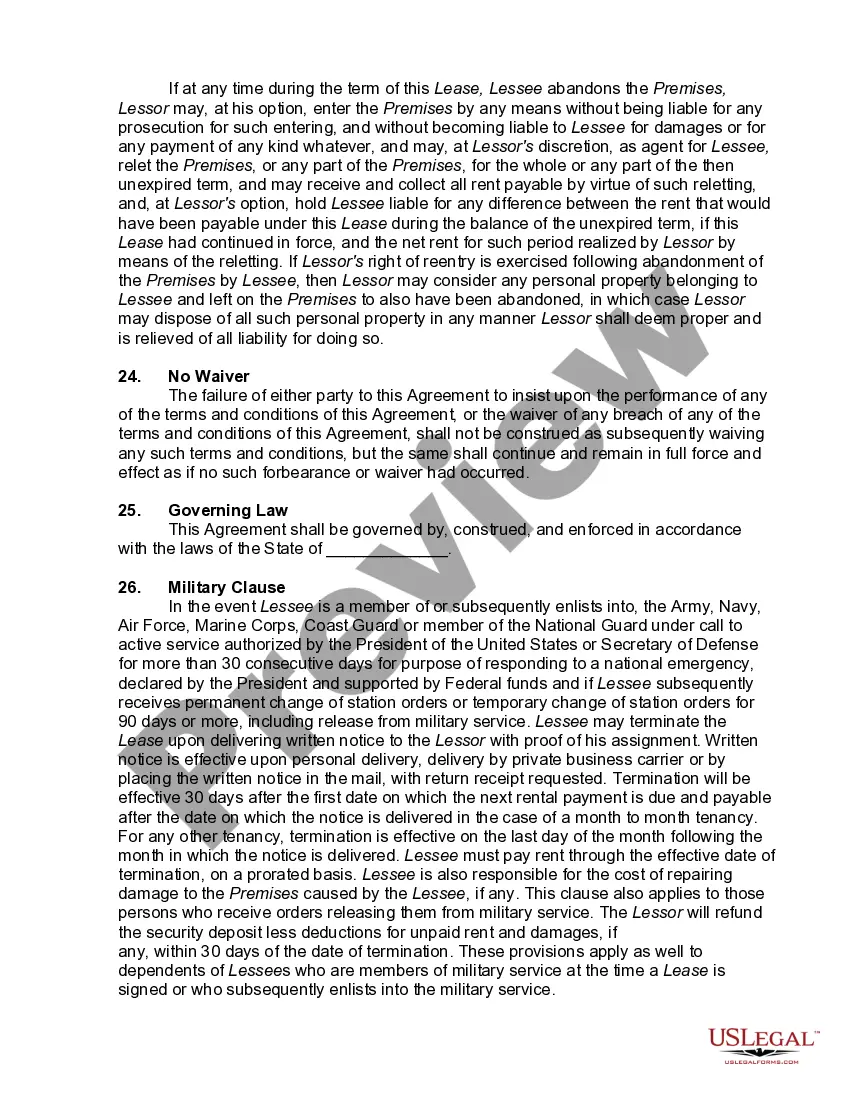
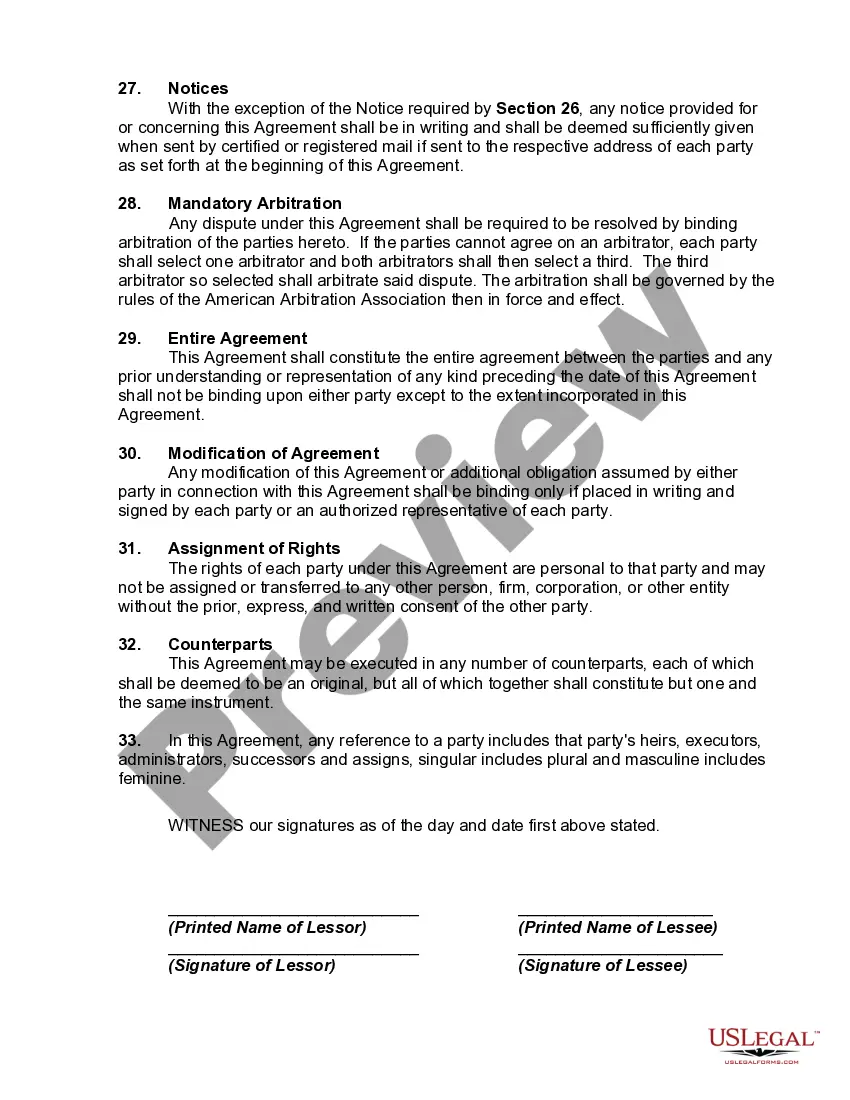
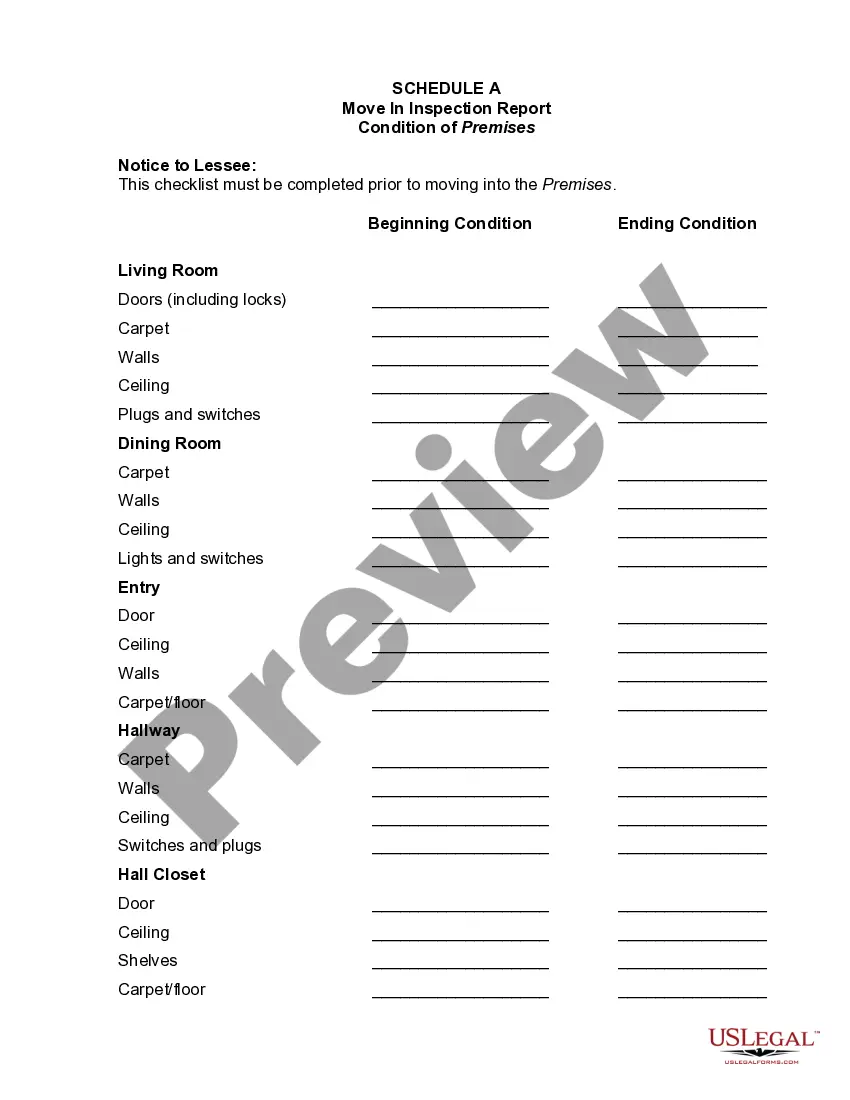
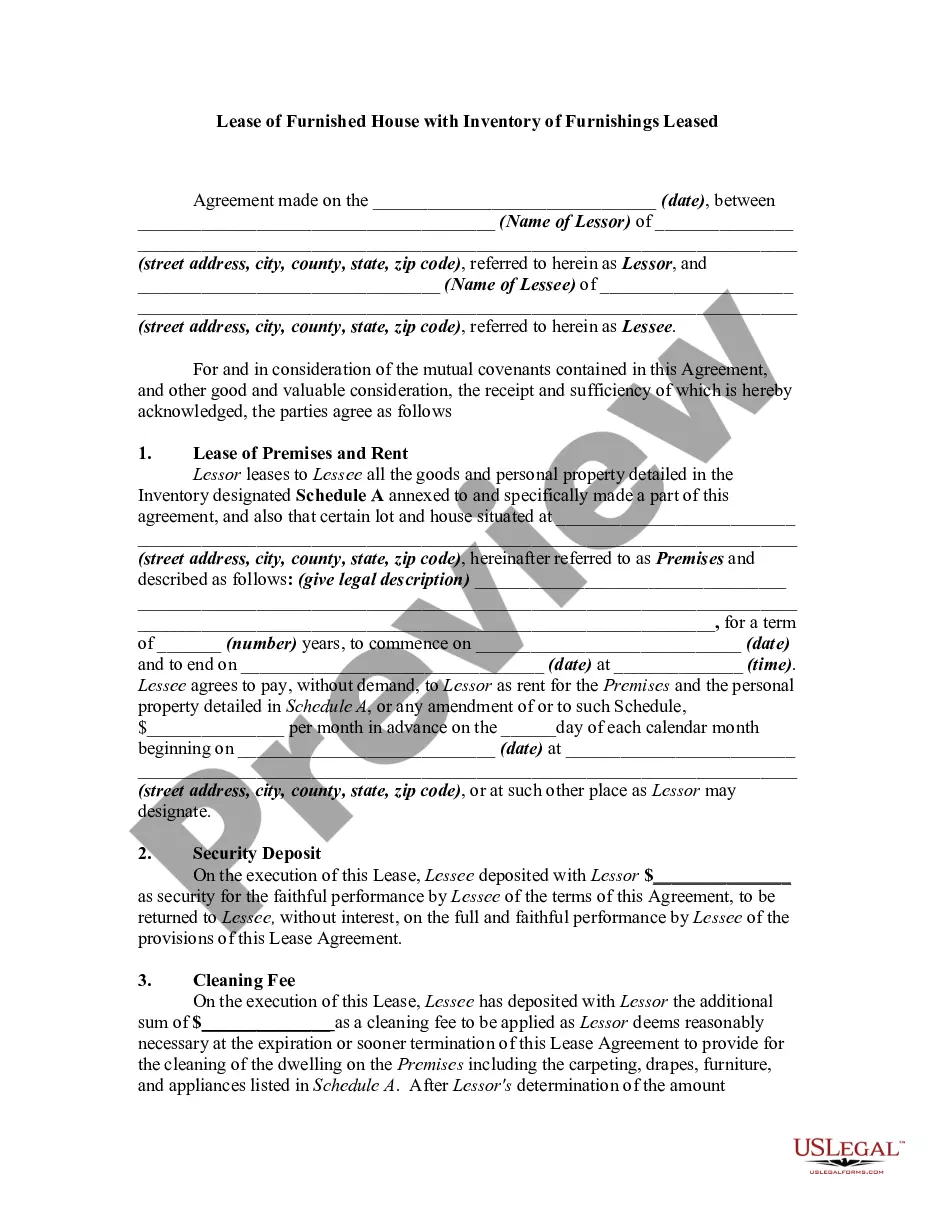
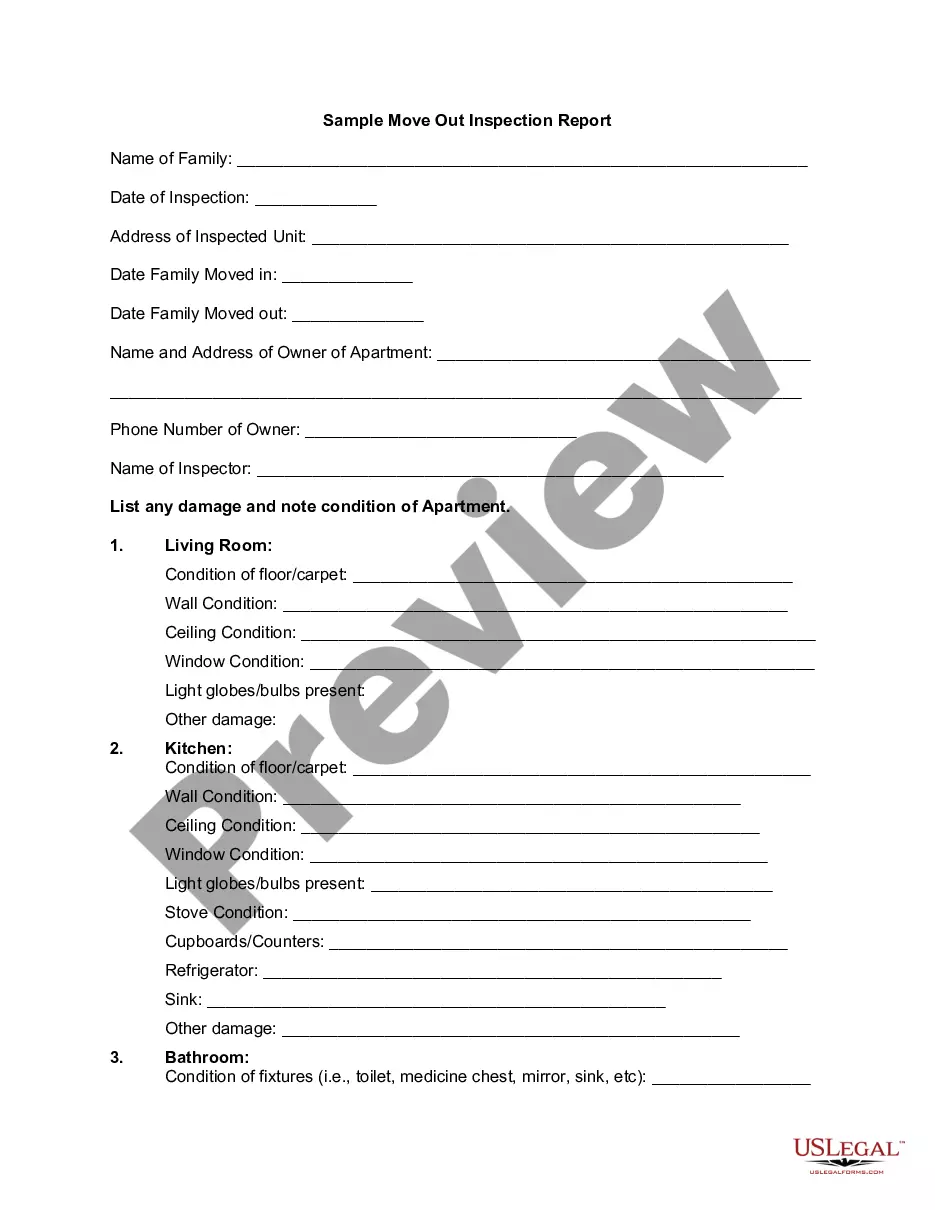
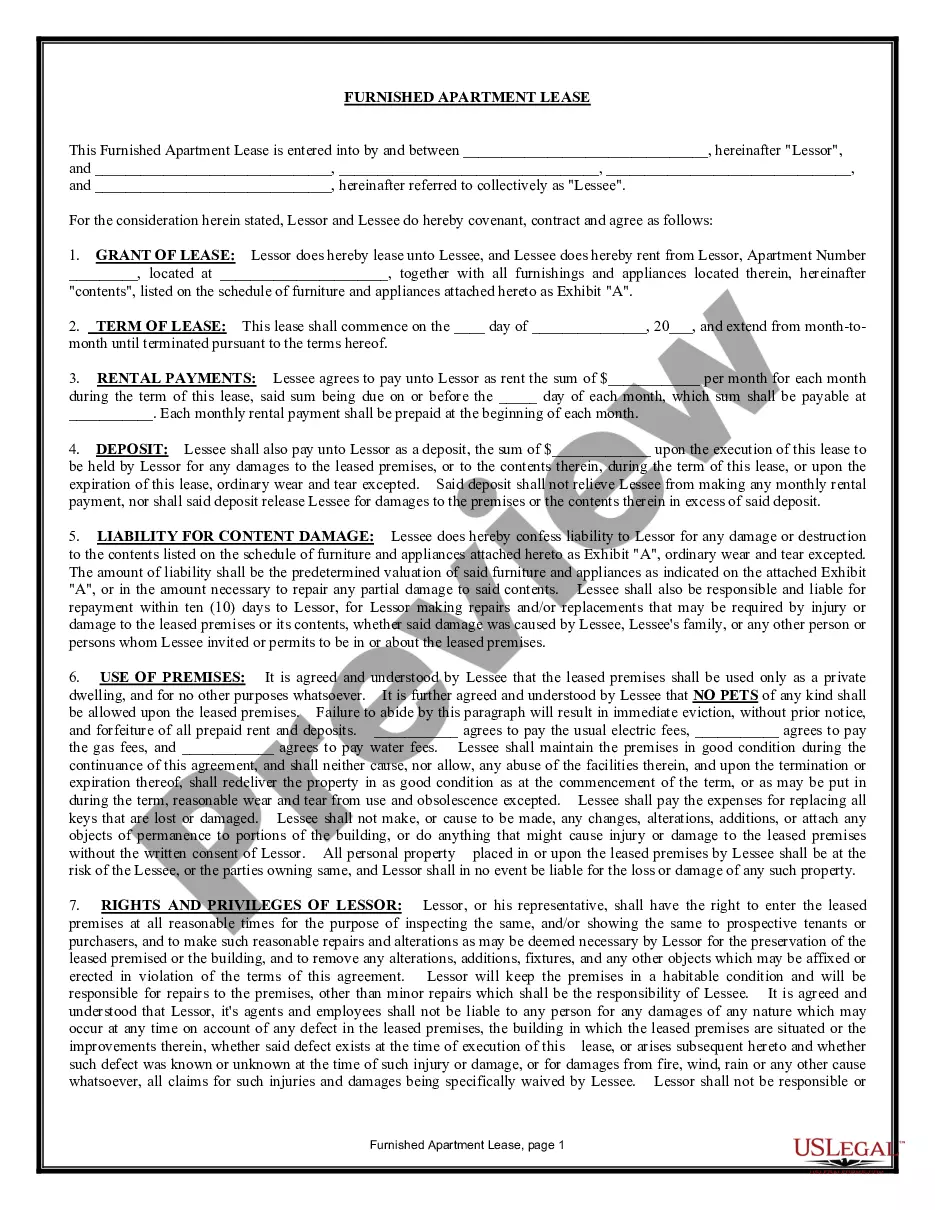
How to fill out Lease Of Unfurnished House With Move In And Move Out Inspection Report, Pet And Military Clause?
- If you have prior experience with US Legal Forms, log in to your account and click on the Download button to save the required house inspection form to your device. Ensure your subscription remains active or renew it if necessary.
- For first-time users, start by checking the Preview mode and the form description of the house inspection form to confirm it aligns with your local jurisdiction requirements.
- If you find discrepancies, utilize the Search feature to locate the correct form. Once you find the right one, proceed to the next step.
- Purchase the document by clicking the Buy Now button and selecting a subscription plan that fits your needs. To access the library, you will need to register an account.
- Complete your purchase by entering your payment details via credit card or PayPal to finalize the subscription.
- Download the completed form to your device and access it anytime from the My Forms section of your profile.
In conclusion, accessing a house inspection form through US Legal Forms streamlines the process, ensuring you have legally sound documents at your fingertips. Take advantage of their vast library and expert support to simplify your legal needs.
Get started today and experience the efficiency of US Legal Forms for your legal documentation needs!
Form popularity
FAQ
Yes, you can inspect a house yourself. However, conducting a thorough inspection requires a good understanding of various components of the home, ranging from plumbing to electrical systems. Utilizing a house inspection form for a house can guide you through the essential aspects to check. This form simplifies the process, helping you to identify potential issues while ensuring you don’t overlook critical areas.
To complete your home inspection, start by thoroughly reviewing the house inspection form for a house before your visit. Walk through each room, inspect all systems, and document your findings carefully. Don't hesitate to consult with experienced home inspectors if you encounter complex issues. Completing the inspection ensures you understand the property’s condition and can make informed decisions.
A red flag on a home inspection signals that a particular area may have underlying problems that need attention. Common red flags include unusual smells, poor drainage, or visible cracks in walls. By documenting these red flags in a house inspection form for a house, you can prioritize repairs and negotiate with the seller more effectively. An informed buyer is often a successful buyer.
A deal breaker in a home inspection typically includes major issues like significant foundation cracks, mold infestations, or faulty electrical systems. These problems can pose serious safety risks and lead to extensive costs for repairs. Using a house inspection form for a house can help you identify these concerns early. By doing so, you can make informed decisions about your investment.
To fill out an inspection report effectively, start by systematically noting the condition of each area in the house, including systems like plumbing and electrical. Utilize a house inspection form for a house to guide you through this process, ensuring you address all critical components. Include detailed comments on any issues and take photographs for clarity. A well-documented report will serve as a valuable resource for negotiating repairs.
The riskiest part of a home inspection often involves the structural components, such as the foundation, roof, and framing. Issues found in these areas can lead to costly repairs and may significantly affect the property's value. To mitigate risks, consider using a house inspection form for a house that includes comprehensive checklists. This form can help you document findings thoroughly and track repairs.
A 4 point home inspection consists of an assessment of four vital components: the roof, electrical wiring, plumbing, and heating and air conditioning systems. This type of inspection focuses on evaluating the essential operational systems that keep a home safe and functional. Utilizing a house inspection form for a house can help document the findings from this inspection process, ultimately guiding you through the necessary repairs or upgrades. By addressing these key areas, you can enhance the overall safety and longevity of the property.
The four key points of a home inspection involve assessing the roof, the electrical system, plumbing, and the HVAC system. These aspects are essential, as they can significantly impact the safety and functionality of a home. When you complete a house inspection form for a house, it allows you to organize your findings from these four critical areas. This organized approach can empower you to prioritize repairs and save on potential costs.
An inspection report generally includes four major components: the exterior, the interior, the systems and components, as well as safety concerns. Each section provides an in-depth look into various aspects of the home, such as the roof, plumbing, electrical systems, and structural integrity. By using a house inspection form for a house, you can ensure that each critical area is thoroughly assessed. This comprehensive analysis helps you understand potential risks and maintenance needs.
The inspection report form is a detailed document that summarizes the findings of a house inspection. This form is crucial as it provides homeowners and buyers with insights into the condition of a property. By utilizing the house inspection form for a house, you can easily track any repairs or improvements that may be necessary. Ultimately, this form serves as a vital reference for making informed decisions.