Release Claims Against Agreement With Insurance
Description
Get your form ready online
Our built-in tools help you complete, sign, share, and store your documents in one place.
Make edits, fill in missing information, and update formatting in US Legal Forms—just like you would in MS Word.
Download a copy, print it, send it by email, or mail it via USPS—whatever works best for your next step.
Sign and collect signatures with our SignNow integration. Send to multiple recipients, set reminders, and more. Go Premium to unlock E-Sign.
If this form requires notarization, complete it online through a secure video call—no need to meet a notary in person or wait for an appointment.
We protect your documents and personal data by following strict security and privacy standards.

Make edits, fill in missing information, and update formatting in US Legal Forms—just like you would in MS Word.

Download a copy, print it, send it by email, or mail it via USPS—whatever works best for your next step.

Sign and collect signatures with our SignNow integration. Send to multiple recipients, set reminders, and more. Go Premium to unlock E-Sign.

If this form requires notarization, complete it online through a secure video call—no need to meet a notary in person or wait for an appointment.

We protect your documents and personal data by following strict security and privacy standards.
Looking for another form?
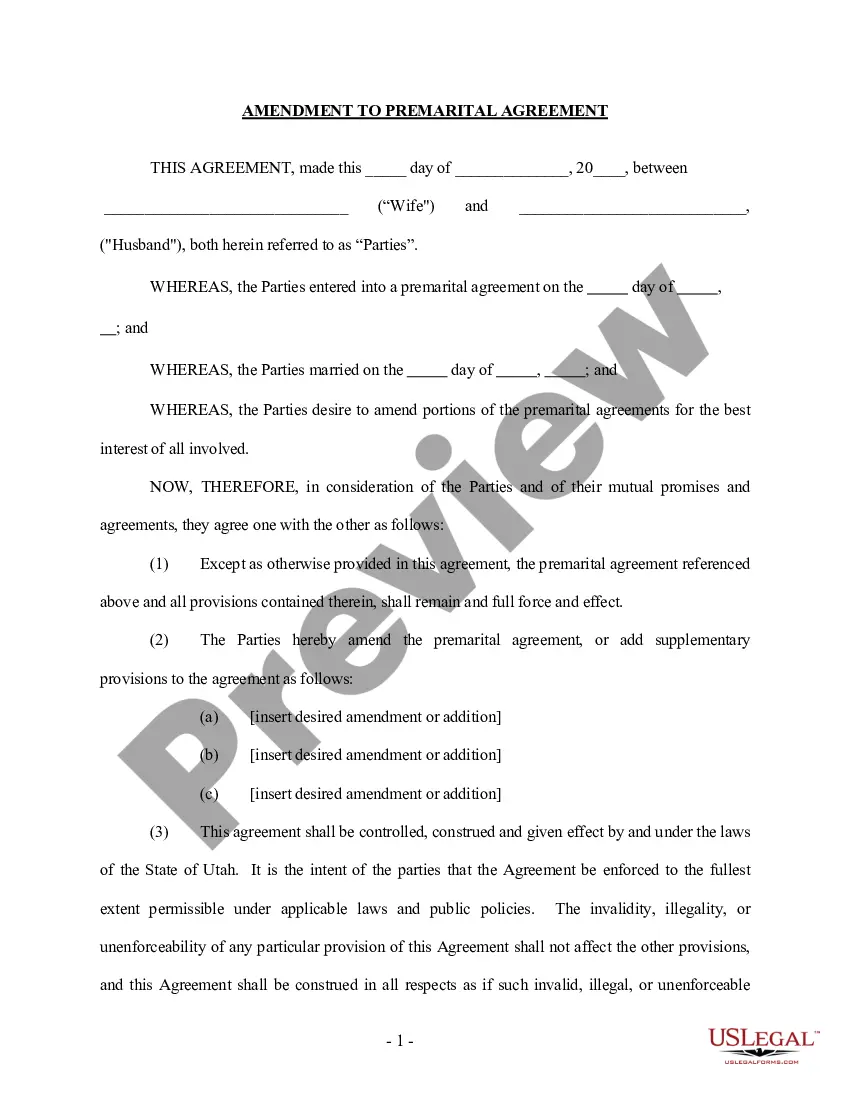
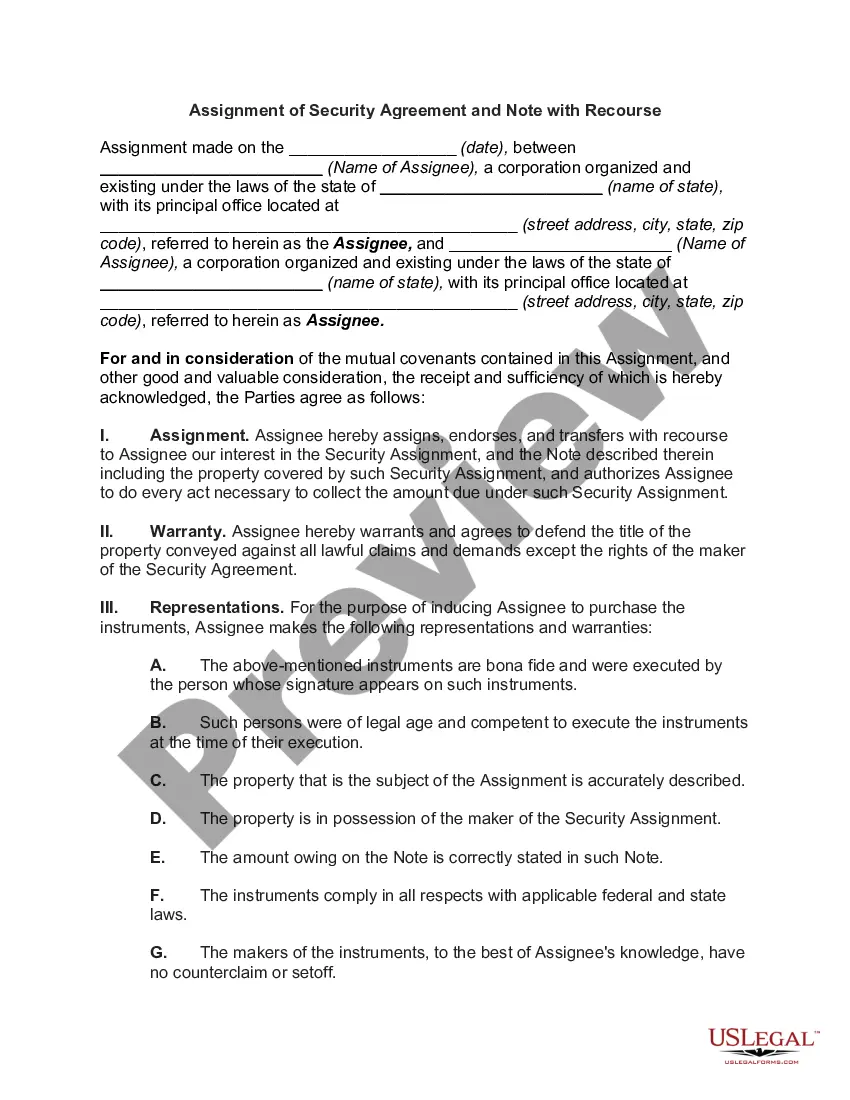

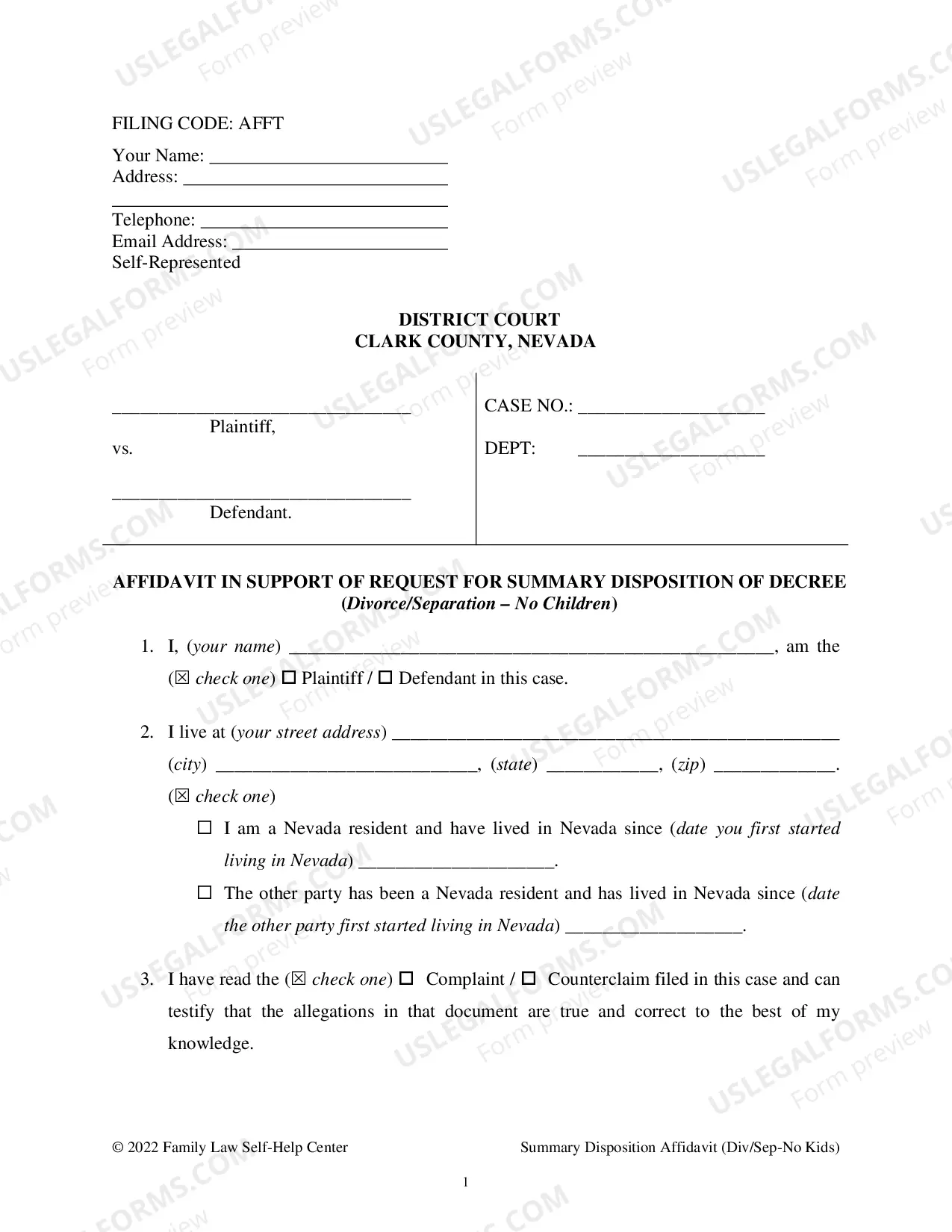



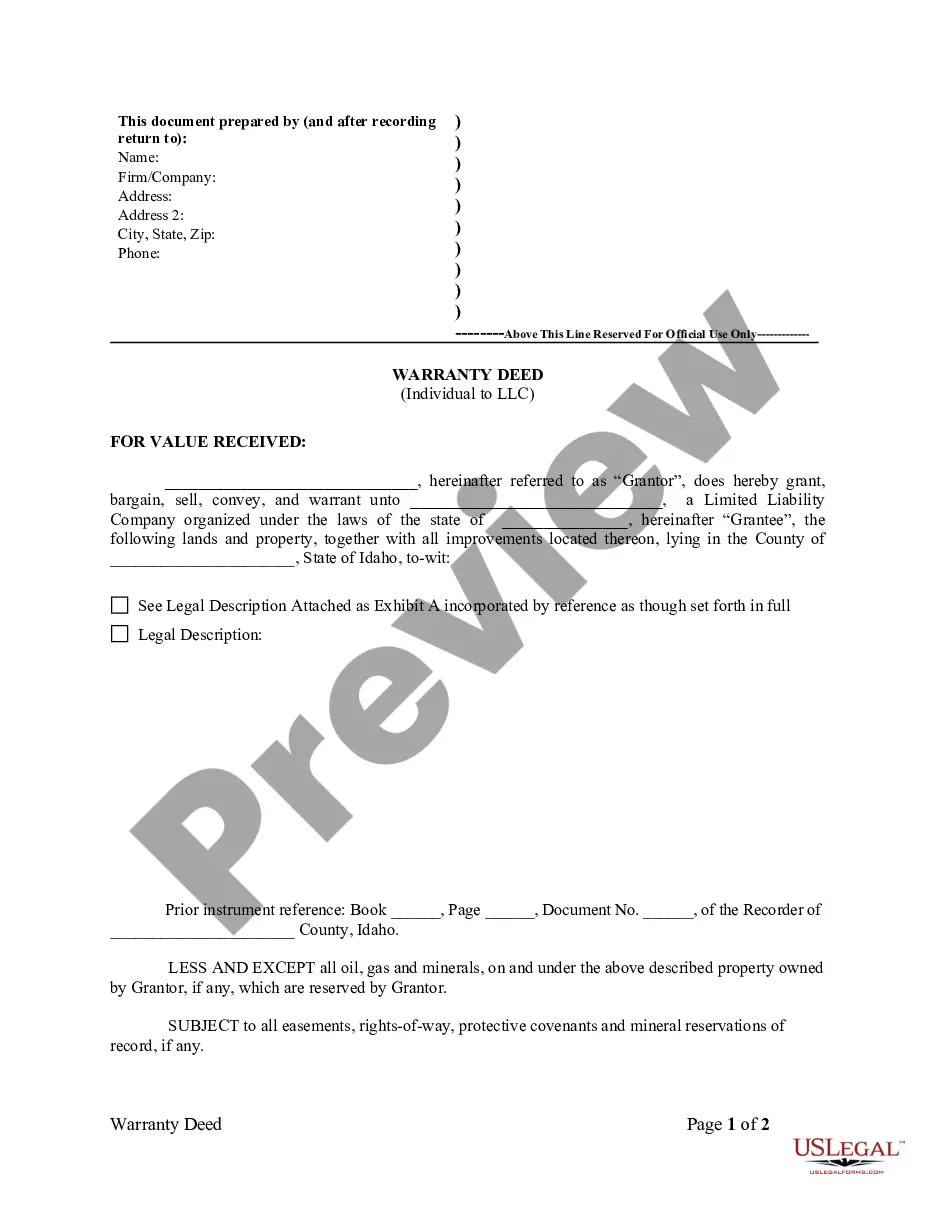
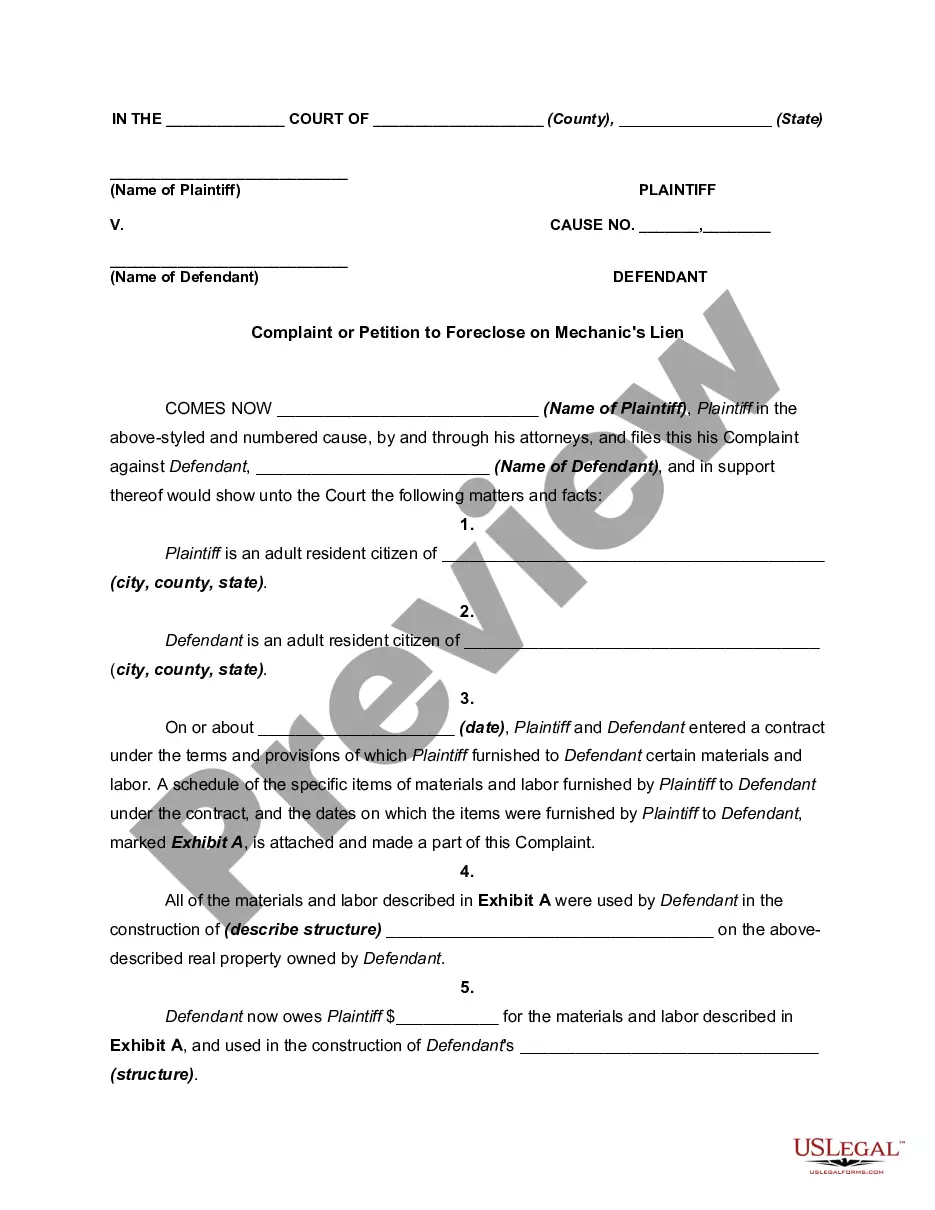
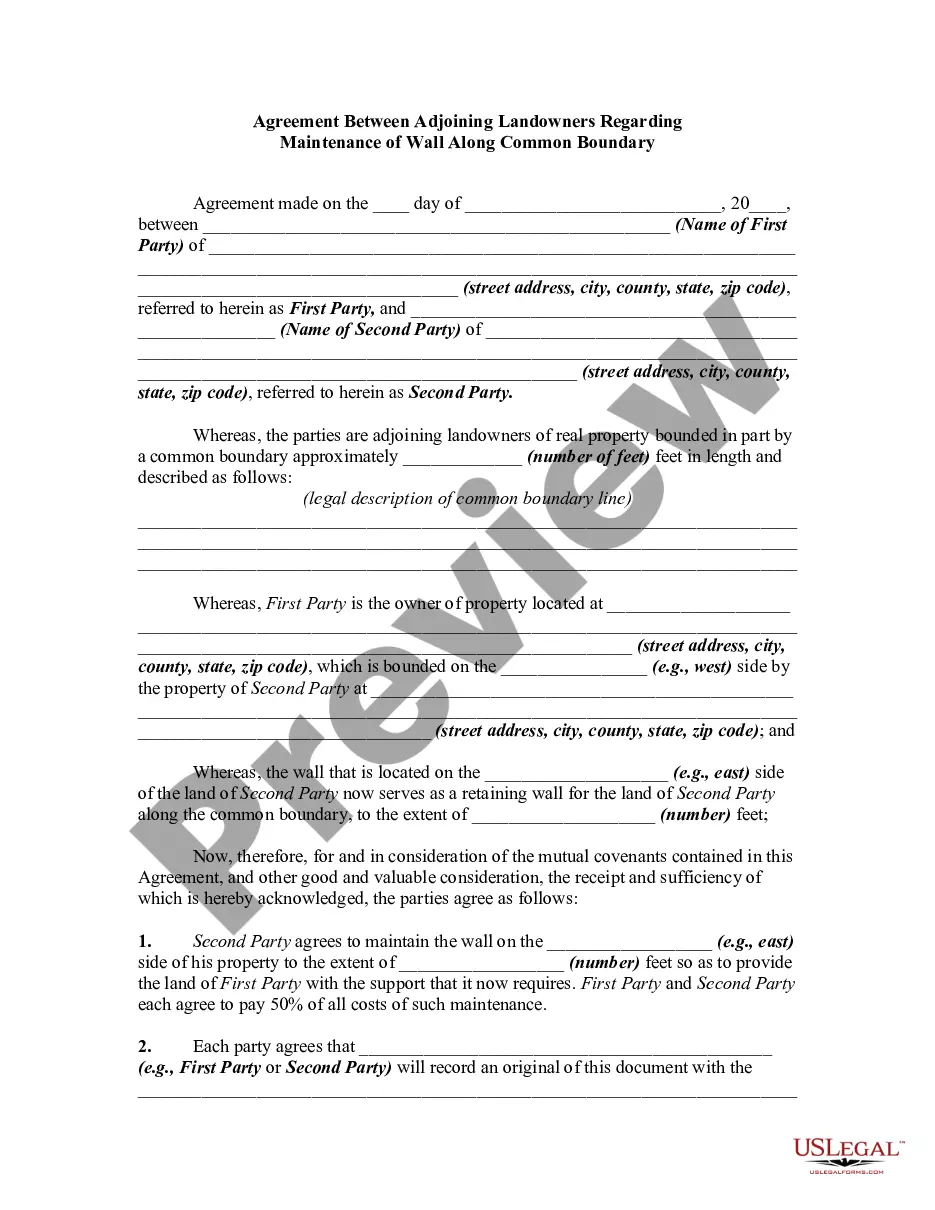
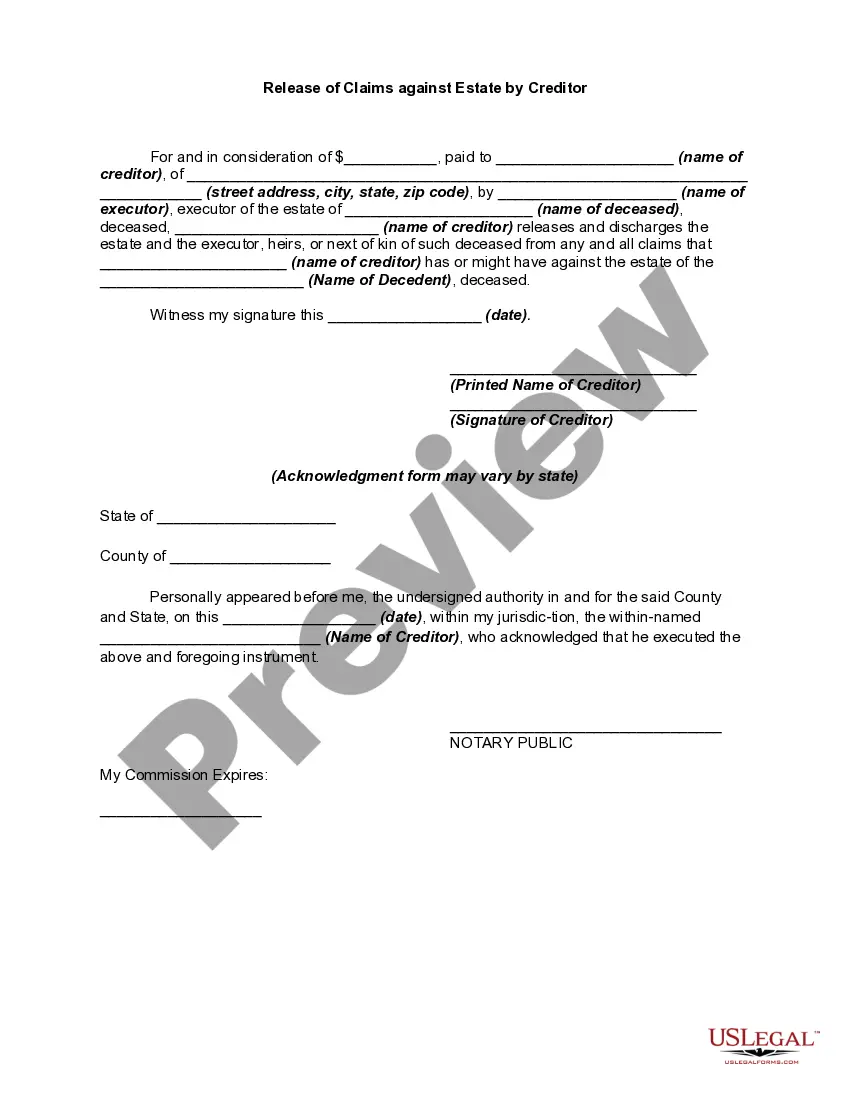
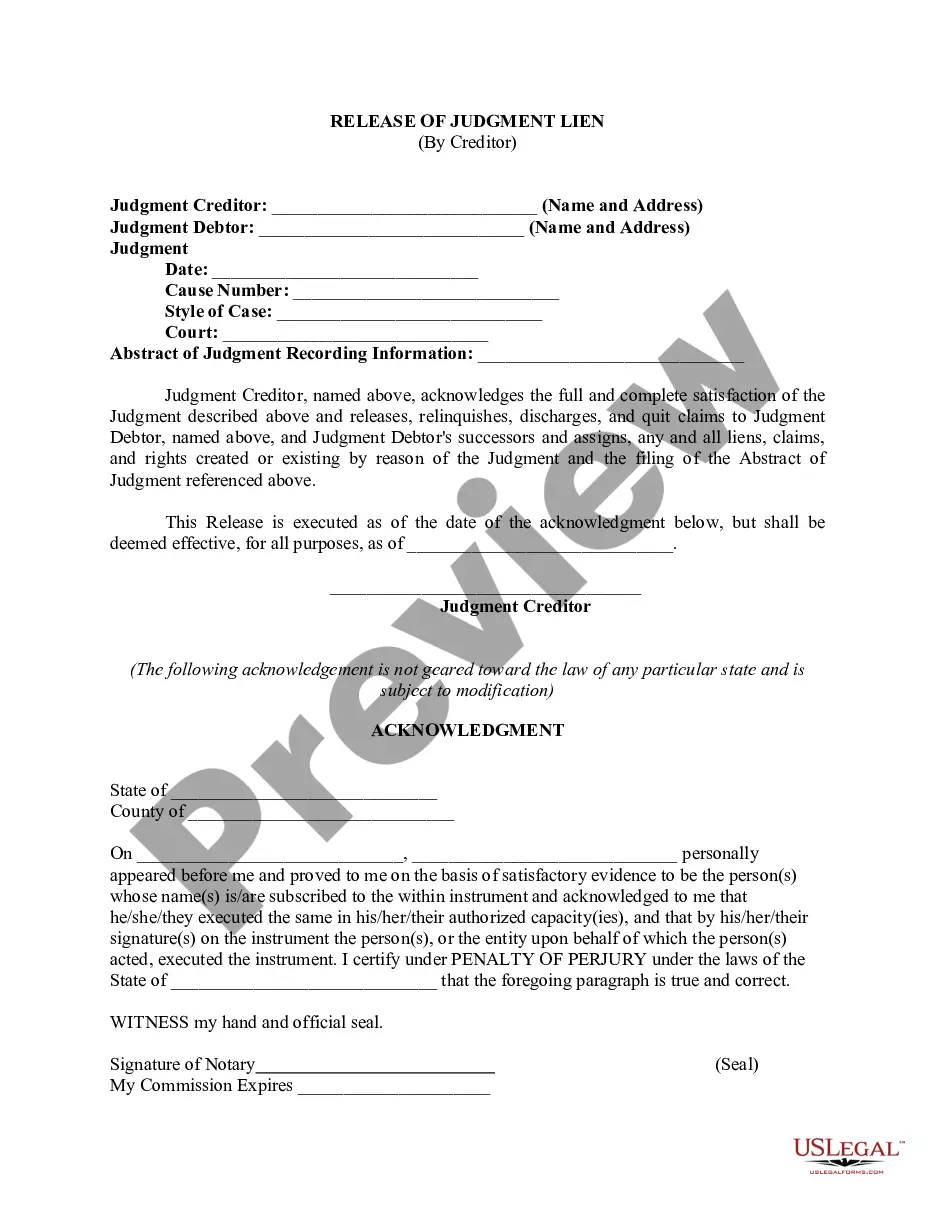
How to fill out Release Of Claims Against Estate By Creditor?
Whether for commercial reasons or personal matters, everyone must handle legal issues at some point in their lives.
Completing legal documents requires meticulous attention, beginning with selecting the correct form template.
Once it is saved, you can fill out the form using editing software or print it to complete it manually. With an extensive US Legal Forms catalog available, you will never have to waste time searching for the right template online. Utilize the library’s simple navigation to find the appropriate template for any situation.
- For example, when you choose an incorrect version of a Release Claims Against Agreement With Insurance, it will be denied upon submission.
- Thus, it is crucial to have a reliable source of legal documents like US Legal Forms.
- If you need to acquire a Release Claims Against Agreement With Insurance template, follow these straightforward steps.
- Locate the template you require by using the search box or catalog navigation.
- Review the form’s details to ensure it fits your circumstances, state, and locality.
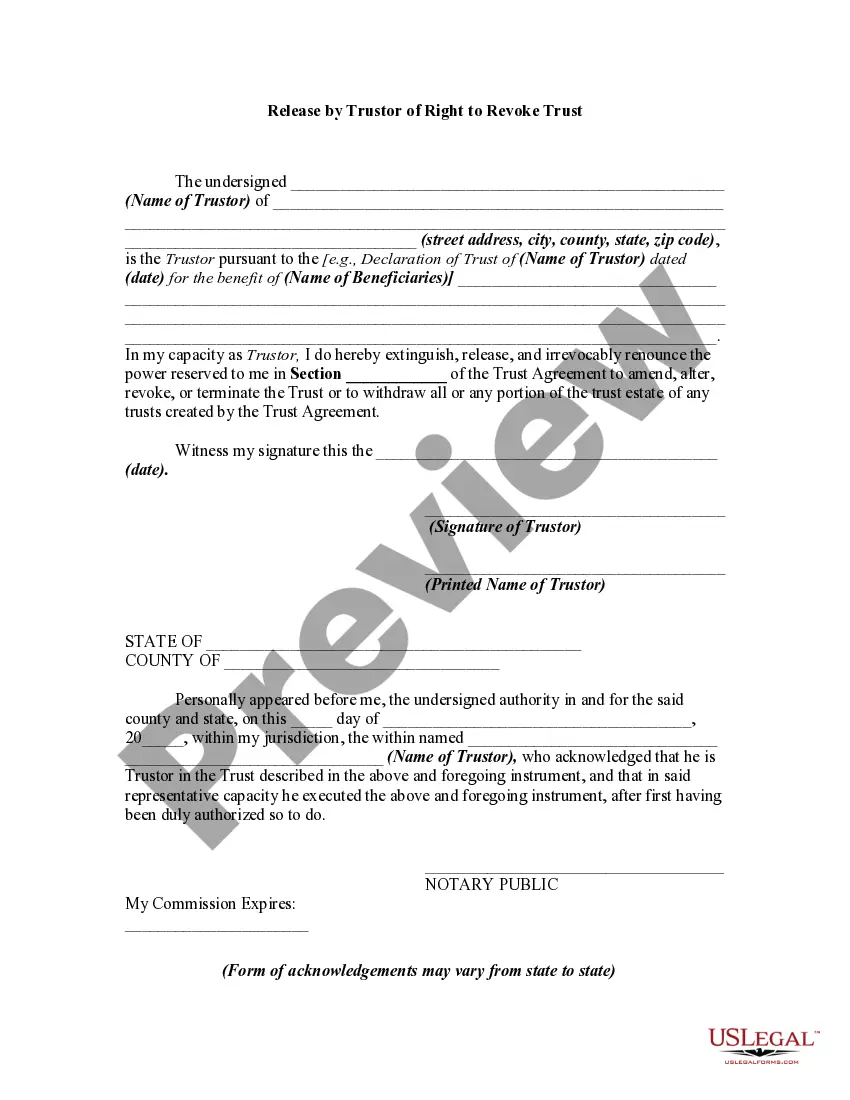
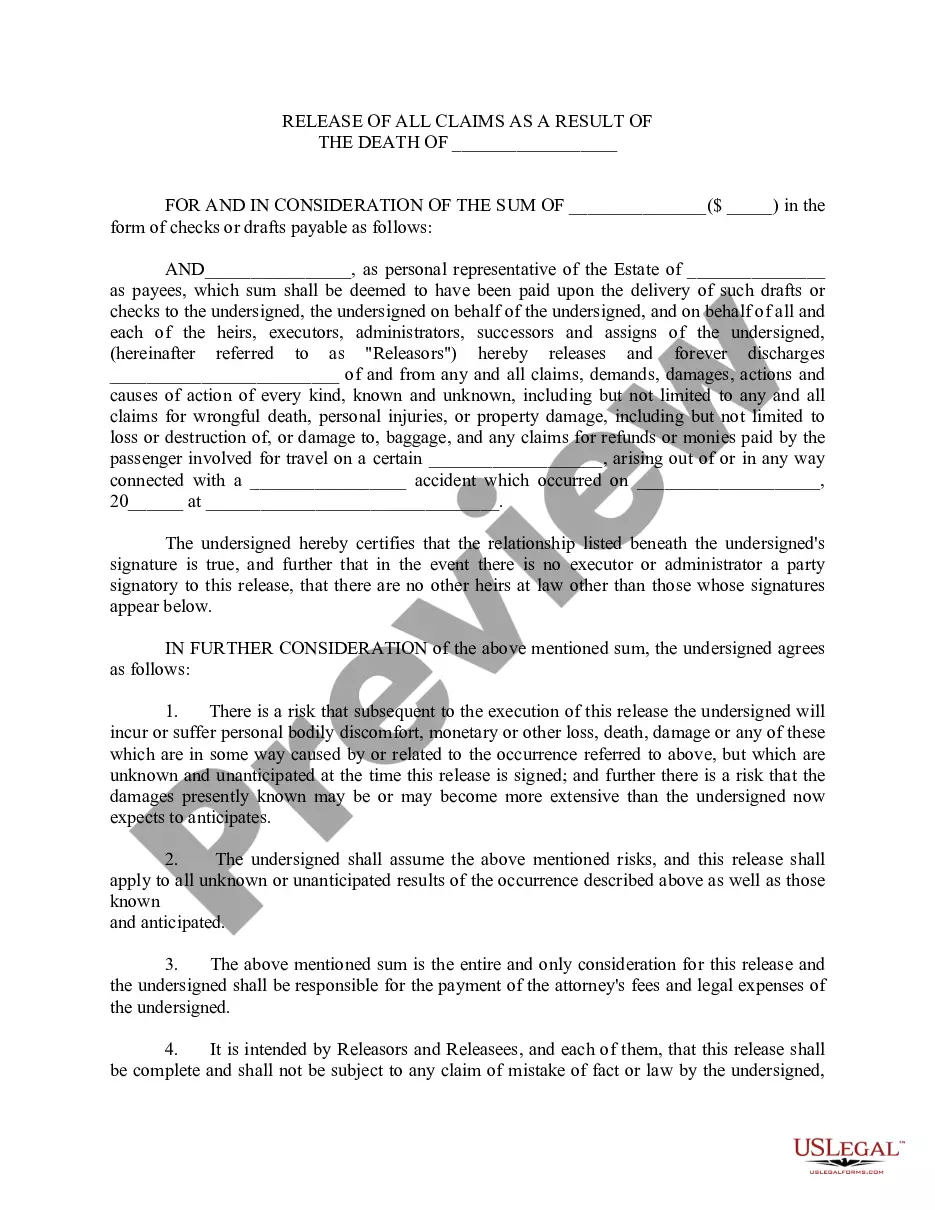
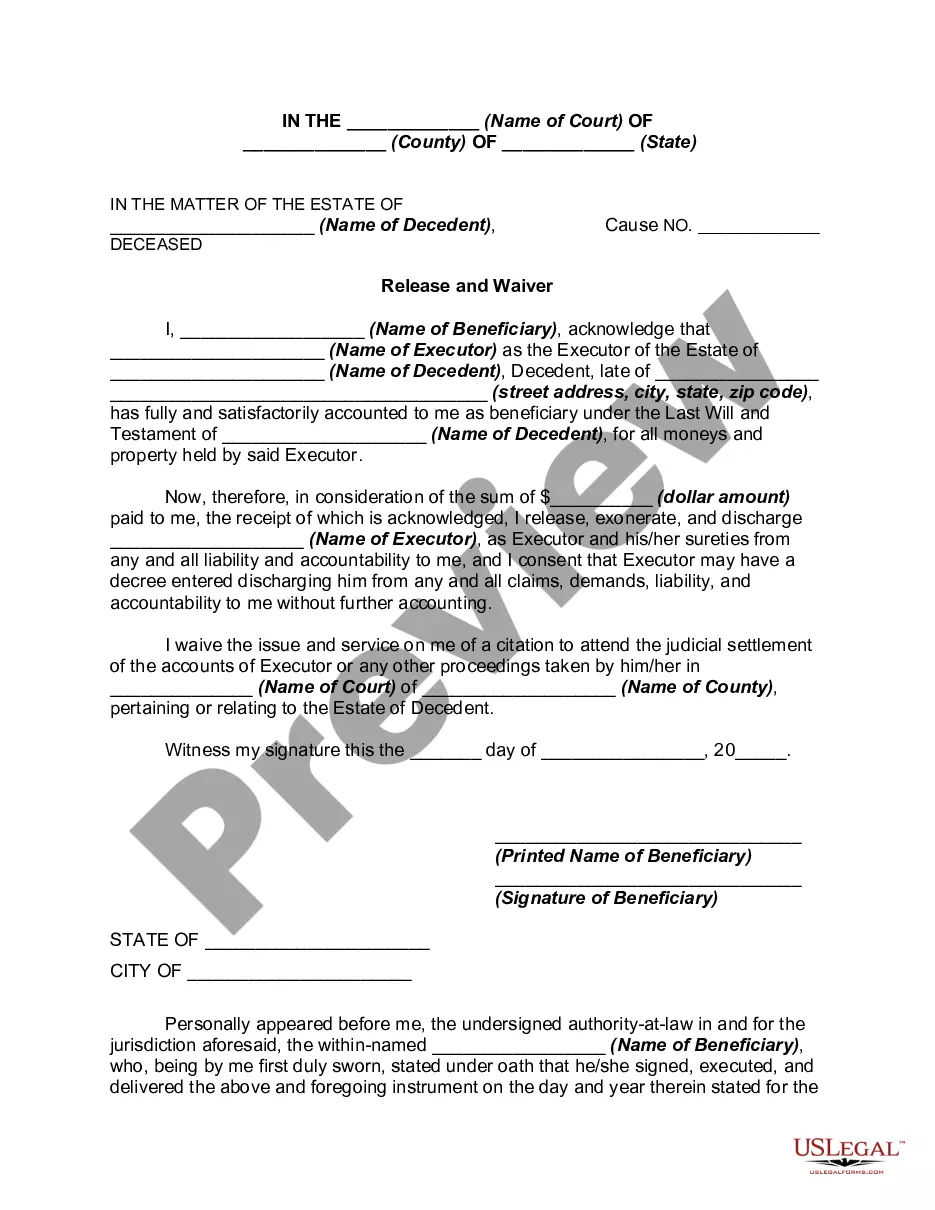
- Click on the form’s preview to examine it.
- If it is the wrong form, return to the search feature to find the Release Claims Against Agreement With Insurance template you need.
- Obtain the template once it meets your criteria.
- If you already possess a US Legal Forms account, simply click Log in to access previously saved documents in My documents.
- If you do not have an account yet, you can acquire the form by clicking Buy now.
- Choose the appropriate pricing option.
- Complete the profile registration form.
- Select your payment method: use a credit card or PayPal account.
- Choose the file format you prefer and download the Release Claims Against Agreement With Insurance.
Form popularity
FAQ
A release of all claims with indemnification is a comprehensive legal document that not only waives all claims against a party but also protects that party from future legal actions. This means that if any issues arise after the agreement is signed, the releasing party agrees to support the indemnified party against legal challenges. This type of release is particularly beneficial in insurance contexts, offering robust protection for all involved. Utilizing uslegalforms can provide you with a clear and effective template for such agreements.
A release agreement serves to formally document the decision to waive specific legal claims. Its primary purpose is to protect both parties by ensuring that once the agreement is signed, no further claims can be made related to the specified issues. This is especially important in insurance contexts where parties want to avoid future disputes. Using tools from uslegalforms can simplify the creation of a release agreement, ensuring you cover all necessary aspects.
To release claims means to relinquish any legal rights to pursue a claim against another party. This process often occurs within the framework of an agreement, particularly when dealing with insurance matters. By agreeing to release claims against an agreement with insurance, you ensure that you cannot later file a lawsuit for the same issue. This provides both parties with clarity and closure regarding their obligations.
A release in an insurance claim is a formal acknowledgment that you accept a settlement and agree to release claims against the agreement with insurance. This means you cannot pursue any further legal action regarding the claim once you sign the release. It is essential to understand the implications of this document before signing, as it can affect your ability to seek future compensation.
A release of claims agreement is a legal document that allows one party to relinquish the right to pursue further claims against another party. This often occurs in insurance settlements, where you agree to release claims against the agreement with insurance for compensation. By signing this document, you confirm that you will not seek additional damages related to the issue at hand, providing both parties with closure.
Taking action against an insurance company involves several steps. First, gather all relevant documentation, including your policy and any correspondence with the insurer. Next, you may consider sending a formal demand letter outlining your claim. If the issue persists, consulting with a legal professional can help you understand how to release claims against the agreement with insurance effectively.
Another example of a release of claims might involve a workplace injury. If an employee agrees to a settlement with their employer's insurance, they may sign a release of claims document stating that they will not seek further compensation for that incident. This type of agreement is vital in clarifying the terms of the settlement and protecting both parties from future disputes.
An example of a release of claims could involve a car accident where one party agrees not to pursue further legal action against the other after receiving a settlement from their insurance. In this case, the release would specify the event, the parties involved, and the agreement to release claims against the insurance provider. This helps in finalizing the relationship and ensuring all parties understand their responsibilities.
Filling out a release of claims involves several key steps. First, gather all necessary information about the parties and the claims being released. Next, clearly articulate the terms of the release, ensuring all relevant details are included. Using US Legal Forms can simplify this process, providing templates that make it easier for you to complete a release of claims accurately.
An insurance claim release is a legal document that relinquishes a party's right to pursue further claims against another party regarding a specific incident. Essentially, it confirms that you agree to release claims against an agreement with insurance. This document protects the insurance company from future liability related to the settled claim. Understanding this concept is crucial, especially when navigating insurance agreements.