Estate Creditor With A Credit Card
Description
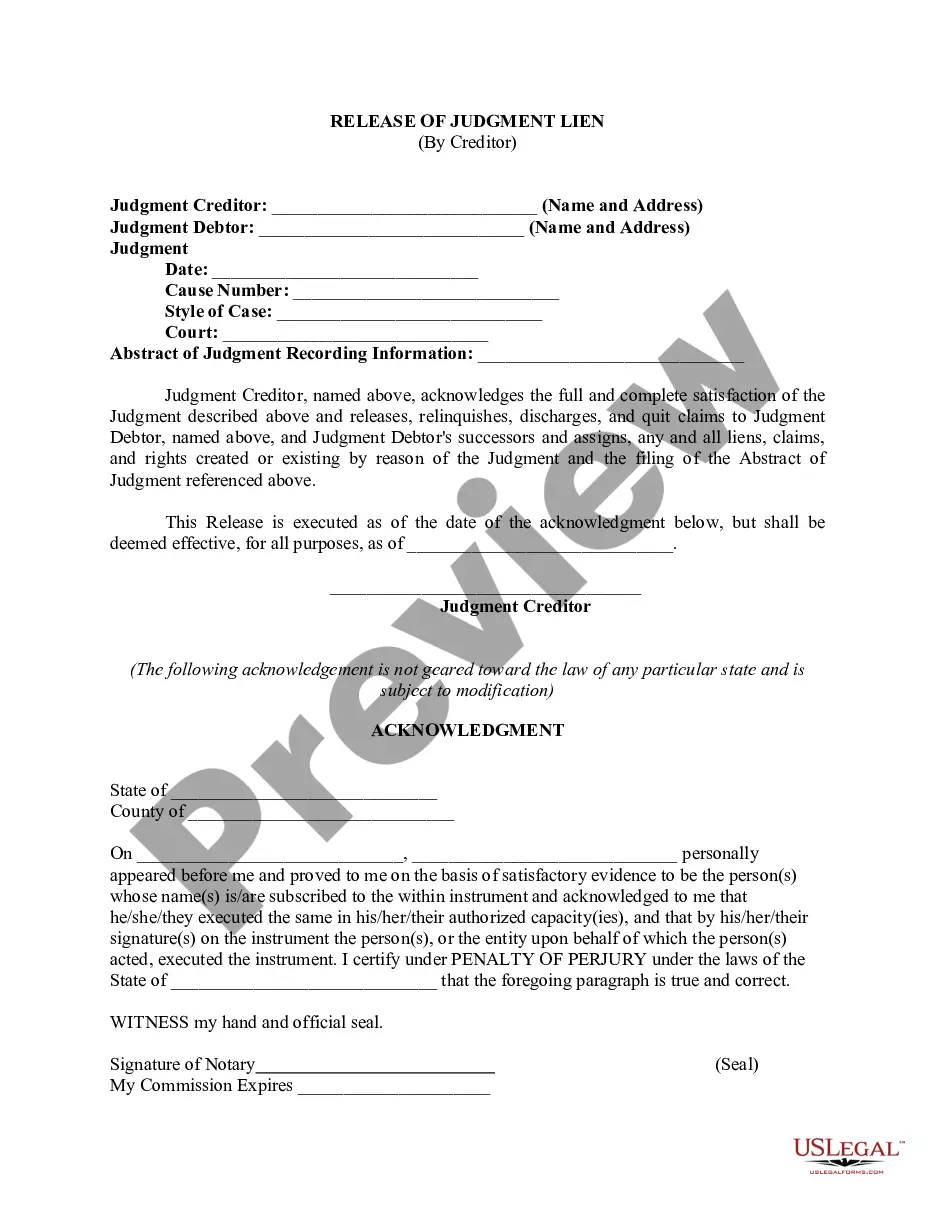
Get your form ready online
Our built-in tools help you complete, sign, share, and store your documents in one place.
Make edits, fill in missing information, and update formatting in US Legal Forms—just like you would in MS Word.
Download a copy, print it, send it by email, or mail it via USPS—whatever works best for your next step.
Sign and collect signatures with our SignNow integration. Send to multiple recipients, set reminders, and more. Go Premium to unlock E-Sign.
If this form requires notarization, complete it online through a secure video call—no need to meet a notary in person or wait for an appointment.
We protect your documents and personal data by following strict security and privacy standards.

Make edits, fill in missing information, and update formatting in US Legal Forms—just like you would in MS Word.

Download a copy, print it, send it by email, or mail it via USPS—whatever works best for your next step.

Sign and collect signatures with our SignNow integration. Send to multiple recipients, set reminders, and more. Go Premium to unlock E-Sign.

If this form requires notarization, complete it online through a secure video call—no need to meet a notary in person or wait for an appointment.

We protect your documents and personal data by following strict security and privacy standards.
Looking for another form?
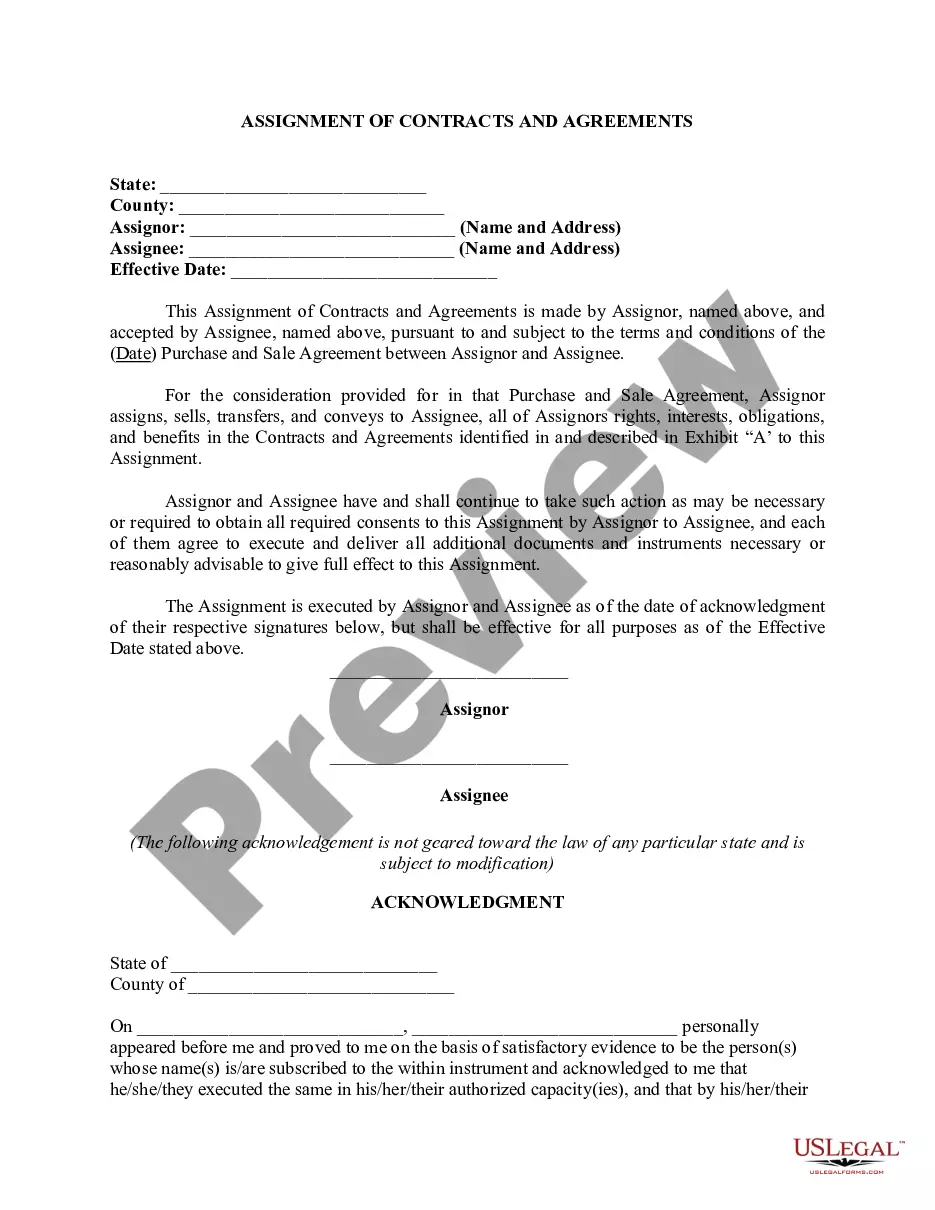
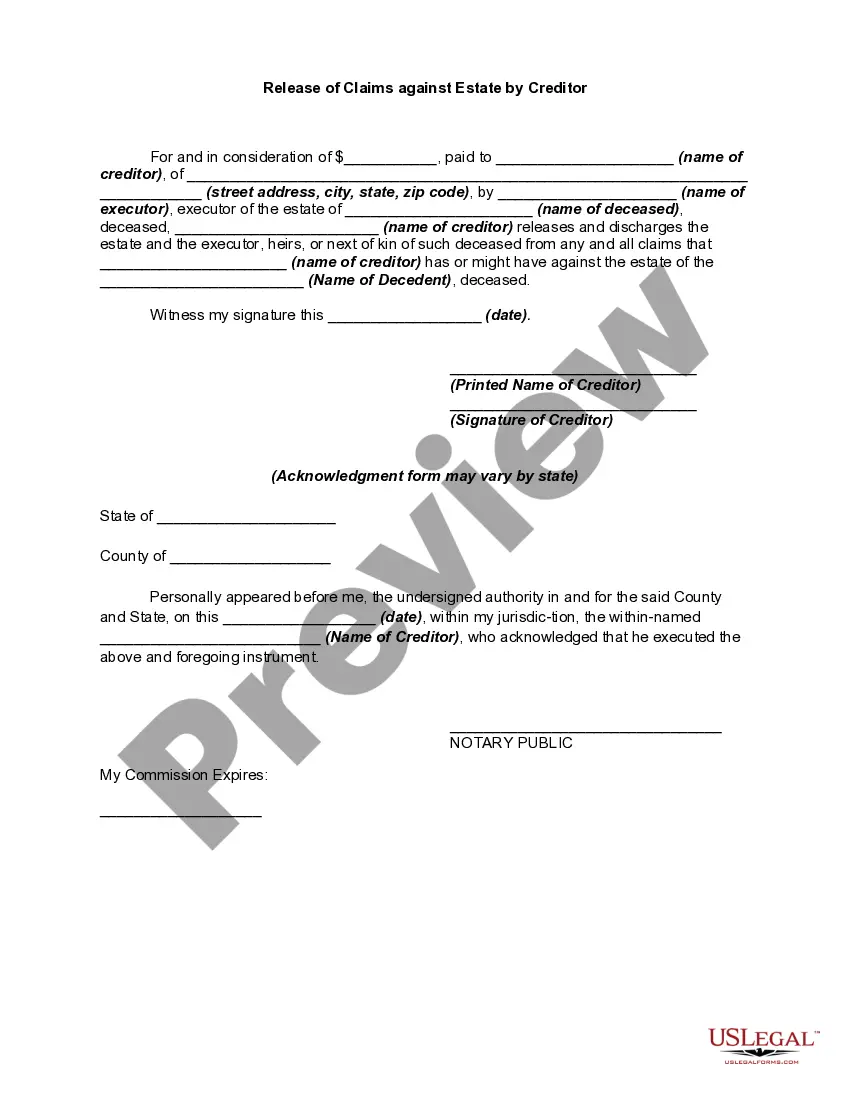
How to fill out Release Of Claims Against Estate By Creditor?
Locating a reliable source for obtaining the most up-to-date and suitable legal templates is a significant part of dealing with bureaucracy.
Selecting the appropriate legal documents requires precision and careful consideration, which is why it is essential to obtain samples of Estate Creditor With A Credit Card solely from trustworthy sources, such as US Legal Forms. An incorrect template could squander your time and delay your situation.
Once you have the form on your device, you can modify it using the editor or print it and fill it out by hand. Eliminate the stress associated with your legal documents. Explore the comprehensive US Legal Forms catalog to find legal templates, assess their applicability to your situation, and download them instantly.
- Utilize the catalog navigation or search bar to find your template.
- Access the form’s details to verify if it meets the criteria of your state and county.
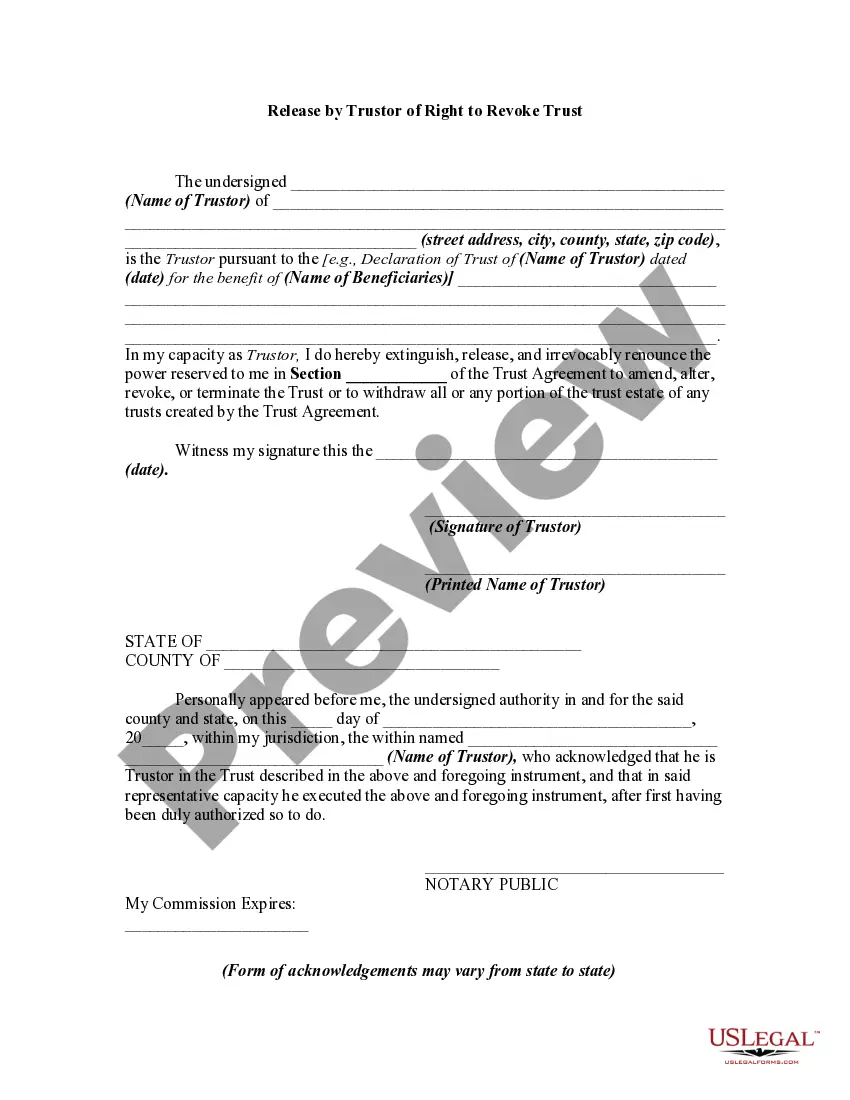
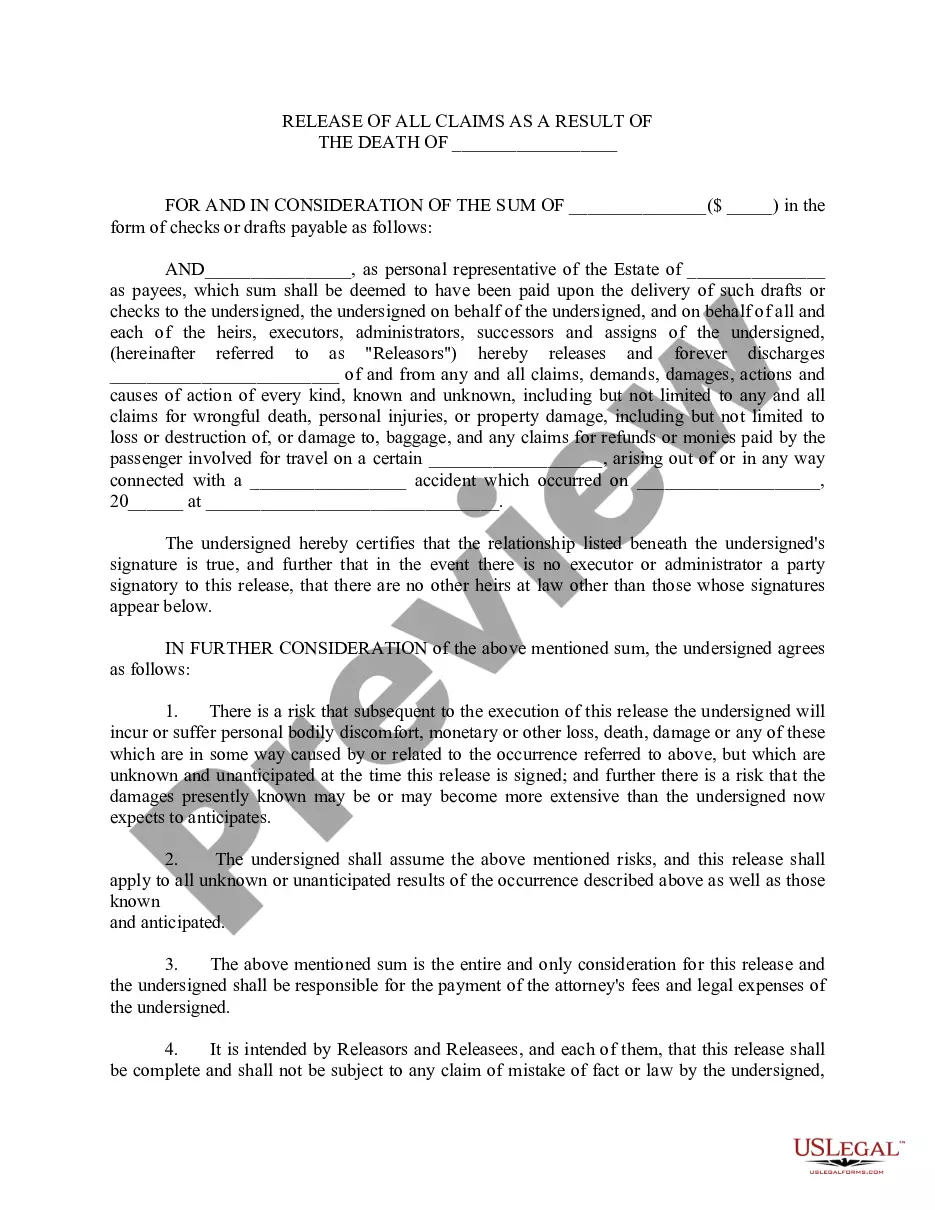
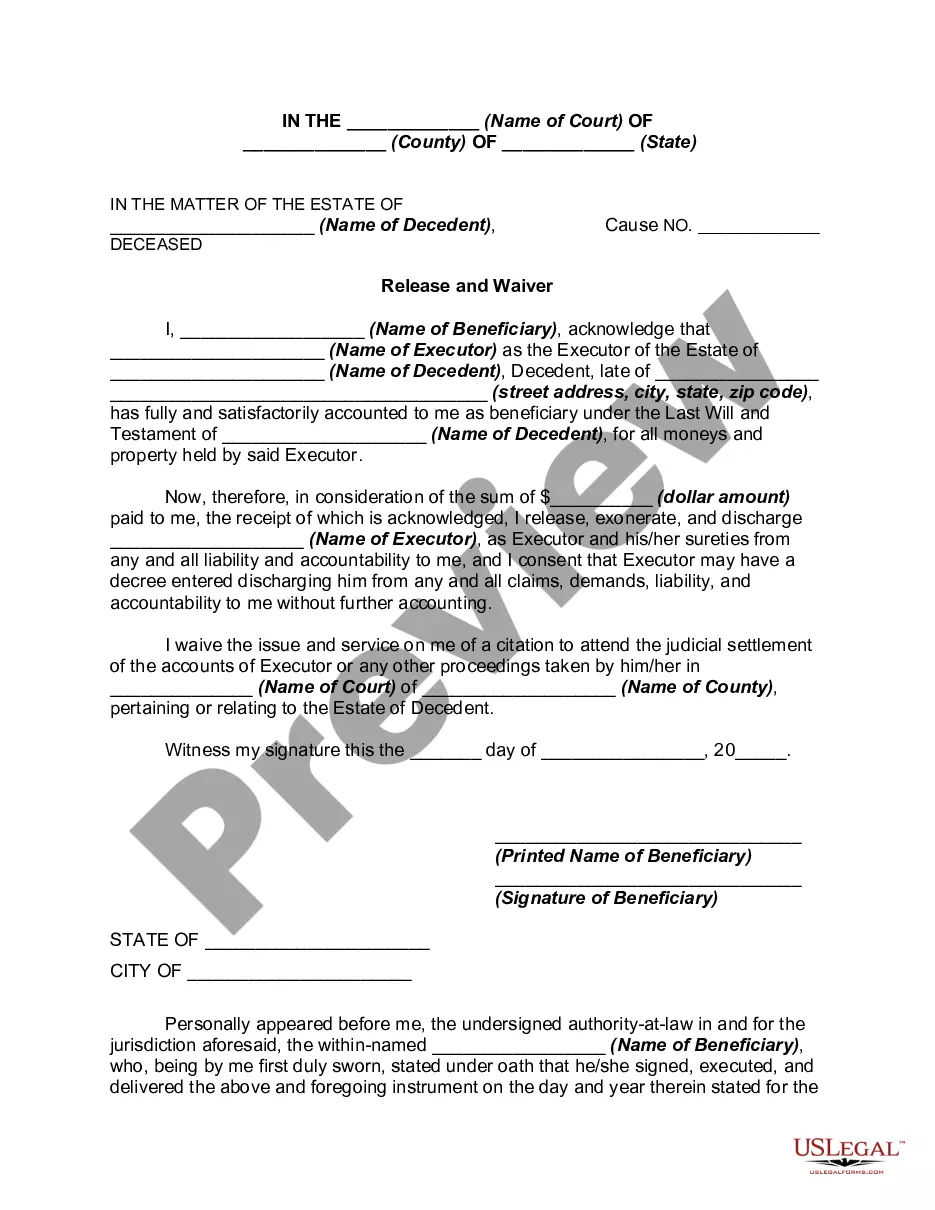
- Open the form preview, if available, to confirm that the template is the one you seek.
- Return to the search and look for the correct document if the Estate Creditor With A Credit Card does not meet your needs.
- Once you are confident about the form’s applicability, download it.
- If you are a registered user, click Log in to verify and access your selected forms in My documents.
- If you do not have an account yet, click Buy now to acquire the form.
- Choose the pricing option that fits your requirements.
- Proceed to the registration to finalize your purchase.
- Complete your transaction by selecting a payment method (credit card or PayPal).
- Select the file format for downloading Estate Creditor With A Credit Card.
Form popularity
FAQ
When a person passes away, their credit card company may become an estate creditor with a credit card. The company will typically file a claim with the estate's executor or administrator, presenting the outstanding balance. This claim must be processed during the estate's probate. If the claim is valid, the estate must settle the debt before distributing assets to beneficiaries.
When filling out documents related to the estate, you should list the name of the credit card company as the creditor. Include any relevant account numbers and details about the debt to ensure clarity. Accurate documentation is essential to avoid delays in the probate process. If you need assistance, uslegalforms provides templates that can help you correctly identify and manage your estate creditors with a credit card.
Yes, credit card companies can file a claim against the estate of the deceased. When a person passes away, their outstanding debts, including those from credit cards, become part of their estate. The estate must go through probate, during which creditors, including credit card companies, may present their claims. It is essential to address these claims during the probate process to settle the estate properly.
Credit card companies, as estate creditors with a credit card, typically have a limited time to make a claim against an estate. This period often depends on state laws but generally falls within a range of a few months to a year after the debtor's death. During this time, the estate administrator must address any outstanding debts, including credit card obligations. To navigate this process effectively, consider using US Legal Forms, which provides resources to help you manage estate claims.
Yes, credit card companies may settle with an estate, especially if the estate's assets are limited. They often prefer to recover a portion of the debt rather than receive nothing. As an estate creditor with a credit card, you can negotiate settlements that may clear the debt at a lower amount. It's advisable to consult with a legal expert to navigate this process effectively.
When someone dies without an estate, their credit card debt generally does not transfer to family members or friends. Credit card companies typically absorb the loss if there are no assets to claim. However, if the deceased had joint accounts or shared credit cards, the co-signers may be responsible for the debt. As an estate creditor with a credit card, it is essential to understand these nuances.
To collect a debt from an estate, you must first file a claim with the probate court overseeing the estate. As an estate creditor with a credit card, you need to provide documentation of the debt owed. The executor of the estate will review your claim and determine its validity. Once approved, you may receive payment from the estate's assets.