Patent Of File
Description
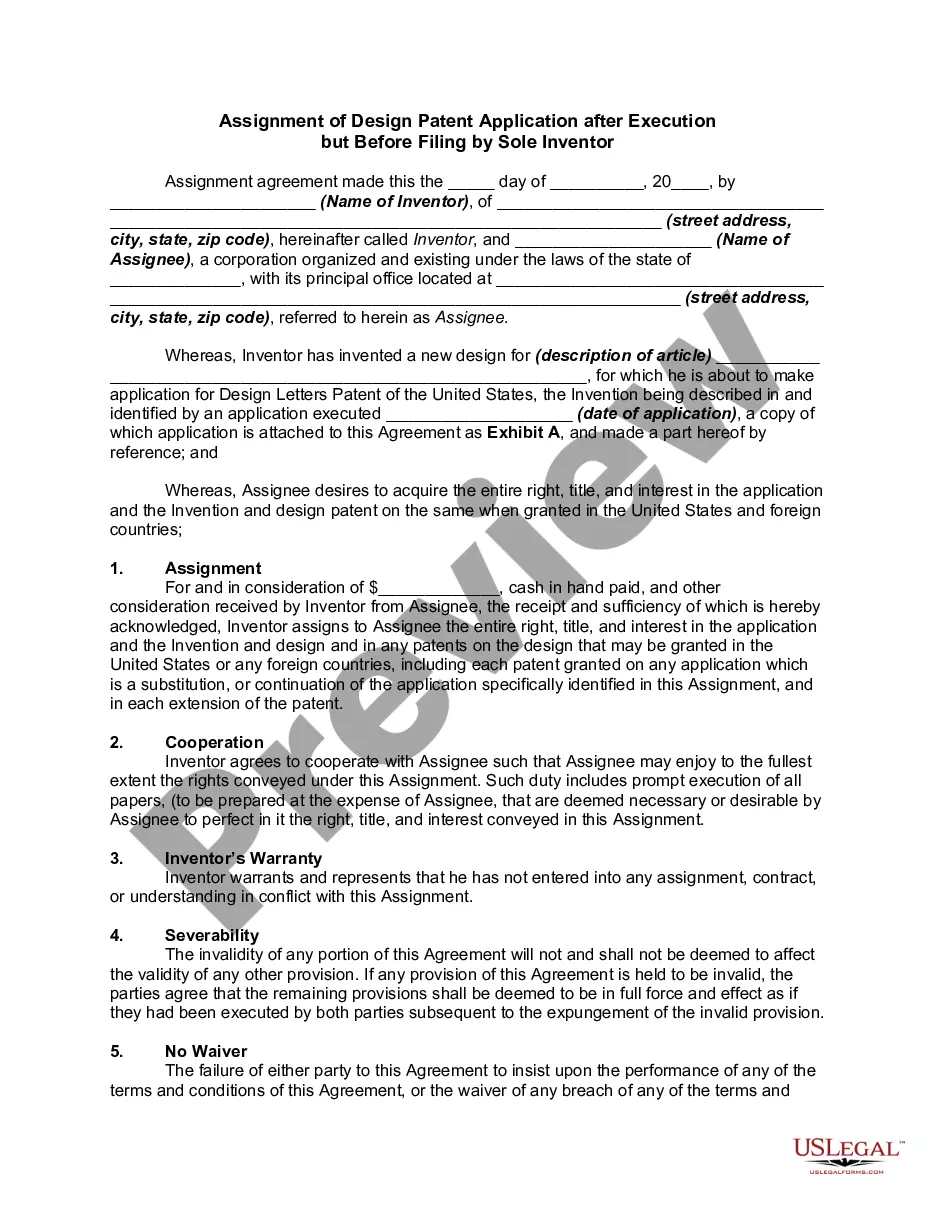
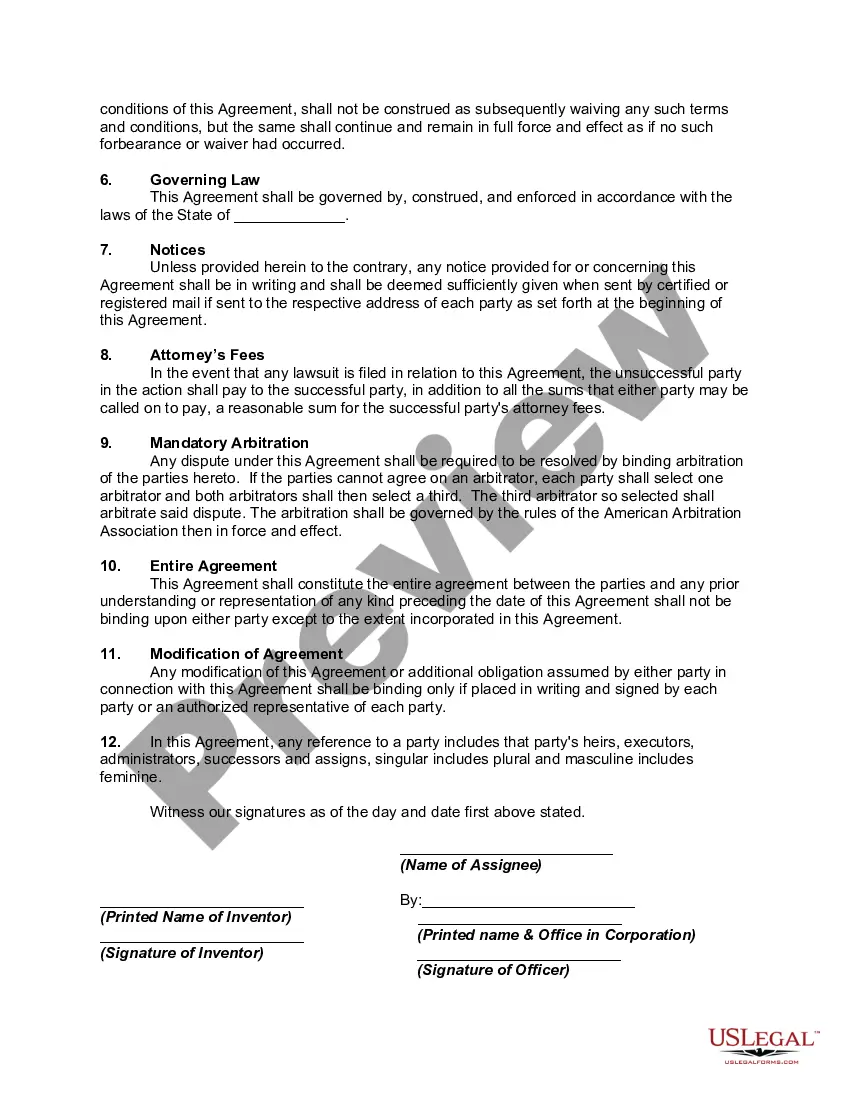
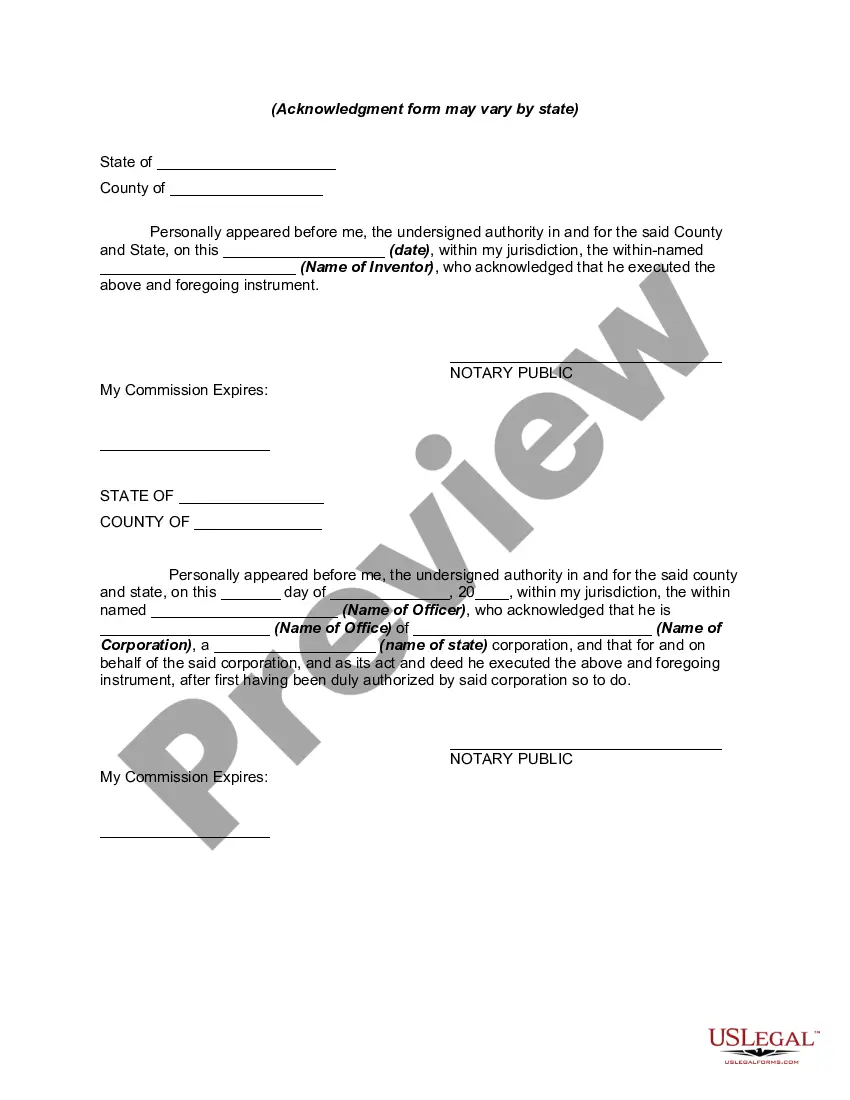
Get your form ready online
Our built-in tools help you complete, sign, share, and store your documents in one place.
Make edits, fill in missing information, and update formatting in US Legal Forms—just like you would in MS Word.
Download a copy, print it, send it by email, or mail it via USPS—whatever works best for your next step.
Sign and collect signatures with our SignNow integration. Send to multiple recipients, set reminders, and more. Go Premium to unlock E-Sign.
If this form requires notarization, complete it online through a secure video call—no need to meet a notary in person or wait for an appointment.
We protect your documents and personal data by following strict security and privacy standards.

Make edits, fill in missing information, and update formatting in US Legal Forms—just like you would in MS Word.

Download a copy, print it, send it by email, or mail it via USPS—whatever works best for your next step.

Sign and collect signatures with our SignNow integration. Send to multiple recipients, set reminders, and more. Go Premium to unlock E-Sign.

If this form requires notarization, complete it online through a secure video call—no need to meet a notary in person or wait for an appointment.

We protect your documents and personal data by following strict security and privacy standards.
Looking for another form?
How to fill out Assignment Of Design Patent Application After Execution But Before Filing By Sole Inventor?
It’s clear that you cannot transform into a legal specialist instantly, nor can you swiftly learn how to formulate a Patent Of File without having a professional background.
Drafting legal documents is a lengthy process that demands particular training and expertise. So why not entrust the preparation of the Patent Of File to the experts.
With US Legal Forms, one of the most extensive legal template libraries, you can access everything from court documents to templates for internal business communication.
You can re-access your documents from the My documents tab whenever you wish. If you’re a current client, you can simply Log In and locate and download the template from the same tab.
Regardless of the objective of your documents—be it financial, legal, or personal—our platform has you covered. Try US Legal Forms today!
- Locate the document you require by utilizing the search bar located at the top of the page.
- Examine it (if this feature is available) and review the accompanying description to determine if Patent Of File is what you need.
- Initiate your search again if you require any additional form.
- Register for a complimentary account and select a subscription plan to acquire the template.
- Click Buy now. Once the payment is processed, you can download the Patent Of File, complete it, print it, and send or deliver it to the relevant individuals or organizations.
Form popularity
FAQ
To file a patent means to submit a formal application to a government authority to obtain patent protection for an invention. Completing this process allows inventors to secure their rights and prevent others from exploiting their ideas. So, if you are looking to protect your innovation, understanding how to file a patent correctly is crucial to your success.
The steps are: Determine if patent protection is appropriate. ... Determine if your invention is patentable. ... Conduct a patent search. ... Determine what kind of patent you need. ... Prepare to submit your application. ... Submit your application. ... Work with your patent examiner. ... Get approved and pay final fees.
Format of a Patent Application The Specification. ... The Title. ... The Description. ... The Claims. ... The Drawings. ... The Abstract. ... Sample Specifications. ... Minimum Requirements for a Filing Date.
Format of a Patent Application The Specification. ... The Title. ... The Description. ... The Claims. ... The Drawings. ... The Abstract. ... Sample Specifications. ... Minimum Requirements for a Filing Date.
Requirements for filing a provisional application: A detailed written description of the invention including drawings. ... Title of the invention. Name(s) of all inventors. Inventor(s) residence(s) Name and registration number of attorney or agent and docket number (if applicable) Correspondence address.
Steps to Filing a Patent Application Keep a Written Record of Your Invention. Record every step of the invention process in a notebook. ... Make Sure Your Invention Qualifies for Patent Protection. ... Assess the Commercial Potential of Your Invention. ... Conduct a Thorough Patent Search. ... Prepare and File an Application With the USPTO.