Debt Warrant Debtor Withdrawal
Description
Get your form ready online
Our built-in tools help you complete, sign, share, and store your documents in one place.
Make edits, fill in missing information, and update formatting in US Legal Forms—just like you would in MS Word.
Download a copy, print it, send it by email, or mail it via USPS—whatever works best for your next step.
Sign and collect signatures with our SignNow integration. Send to multiple recipients, set reminders, and more. Go Premium to unlock E-Sign.
If this form requires notarization, complete it online through a secure video call—no need to meet a notary in person or wait for an appointment.
We protect your documents and personal data by following strict security and privacy standards.

Make edits, fill in missing information, and update formatting in US Legal Forms—just like you would in MS Word.

Download a copy, print it, send it by email, or mail it via USPS—whatever works best for your next step.

Sign and collect signatures with our SignNow integration. Send to multiple recipients, set reminders, and more. Go Premium to unlock E-Sign.

If this form requires notarization, complete it online through a secure video call—no need to meet a notary in person or wait for an appointment.

We protect your documents and personal data by following strict security and privacy standards.
Looking for another form?




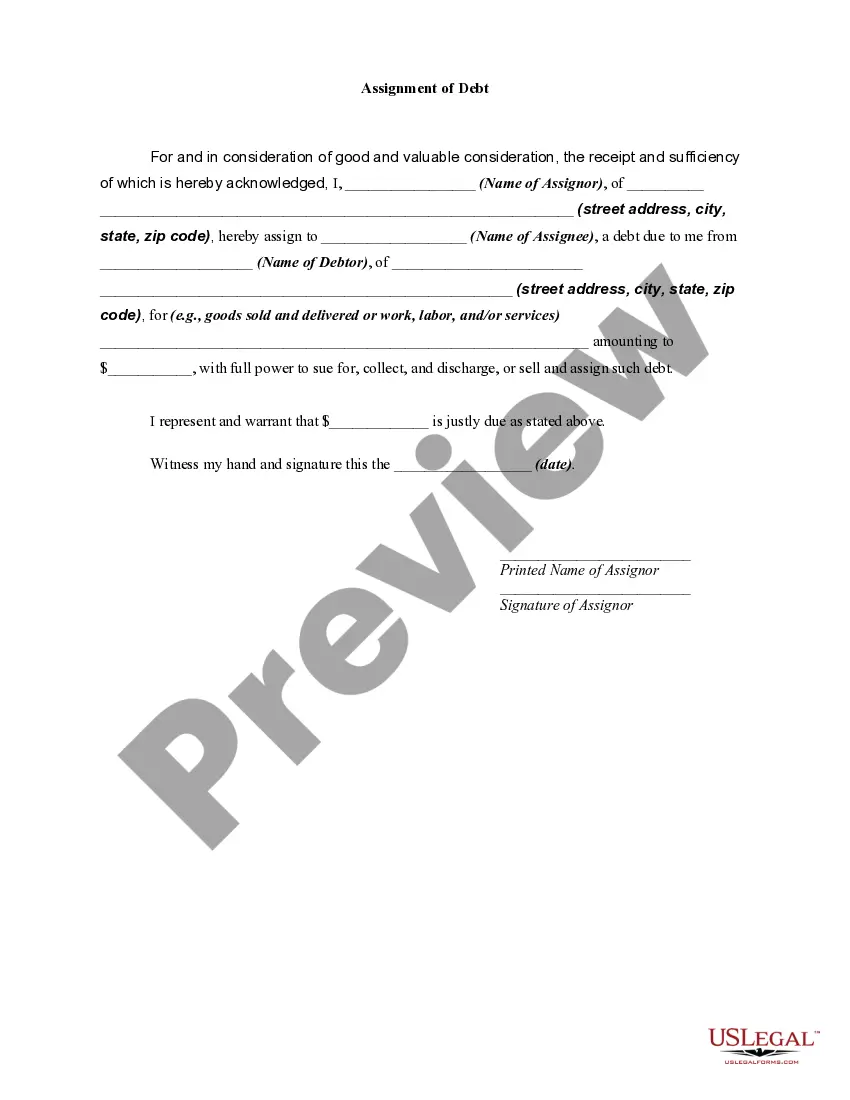
How to fill out Assignment Of Debt?
Utilizing legal templates that comply with federal and state laws is crucial, and the internet provides numerous choices.
However, what is the benefit of spending time searching for the correct Debt Warrant Debtor Withdrawal example online when the US Legal Forms digital library already consolidates such templates in one location.
US Legal Forms is the largest digital legal repository with over 85,000 editable templates created by lawyers for any professional and personal situation.
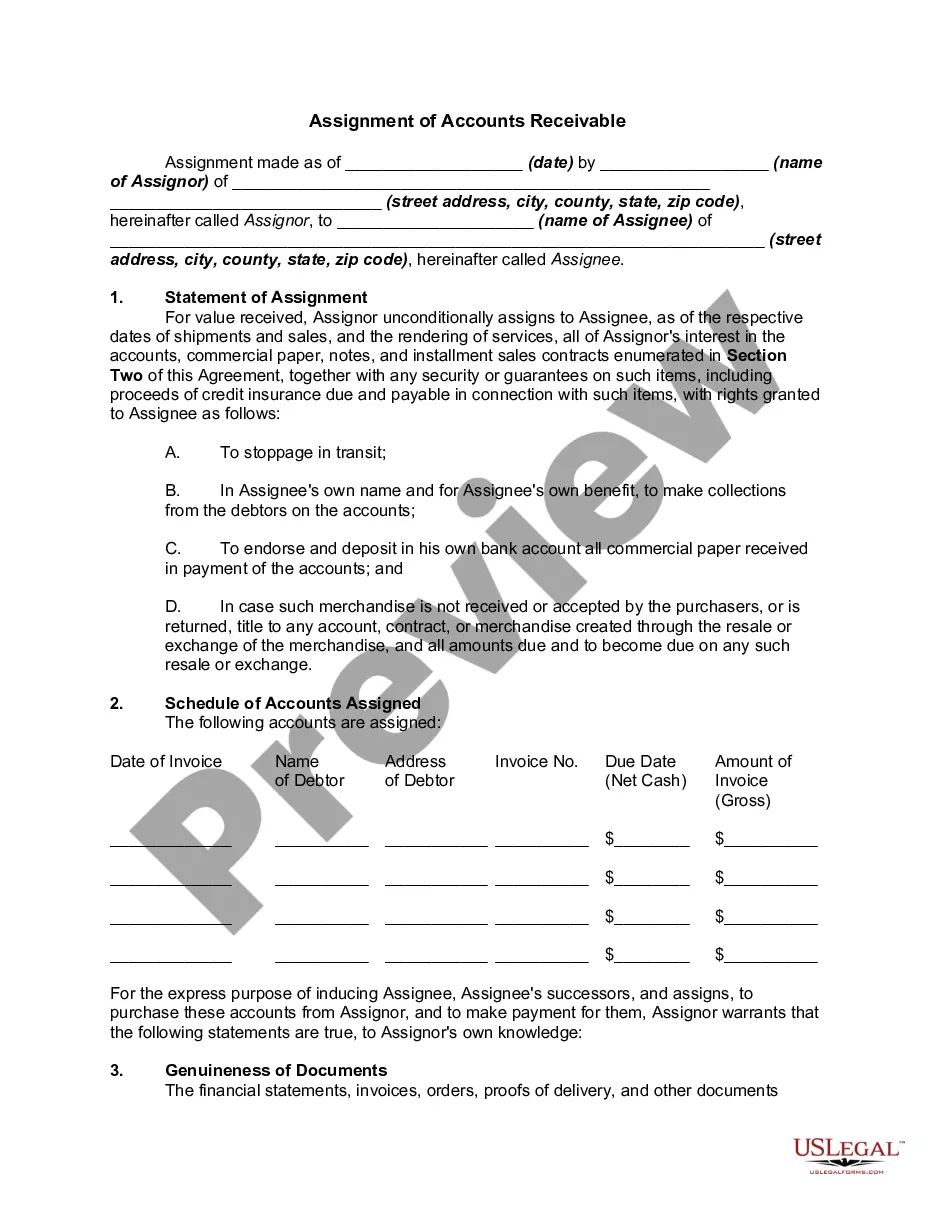
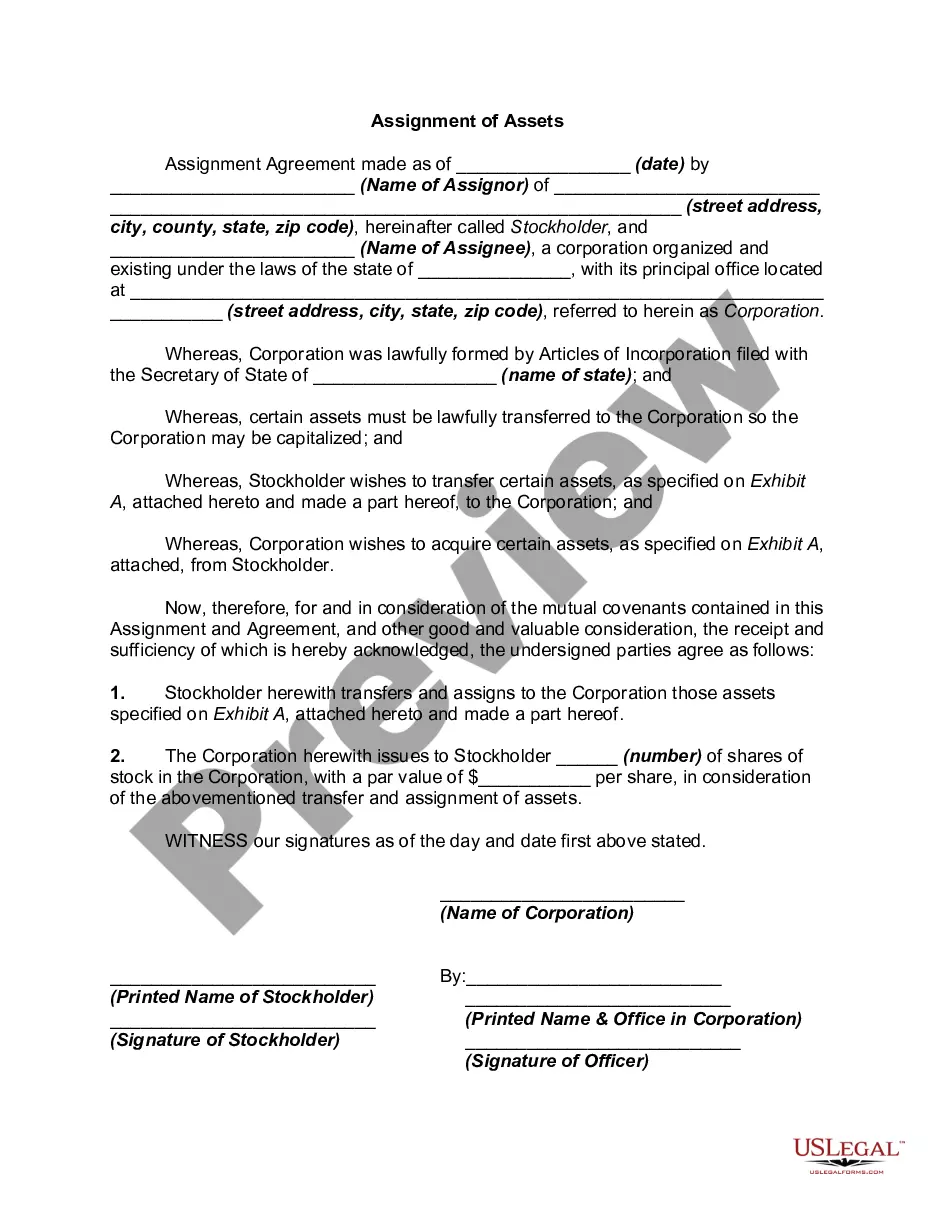
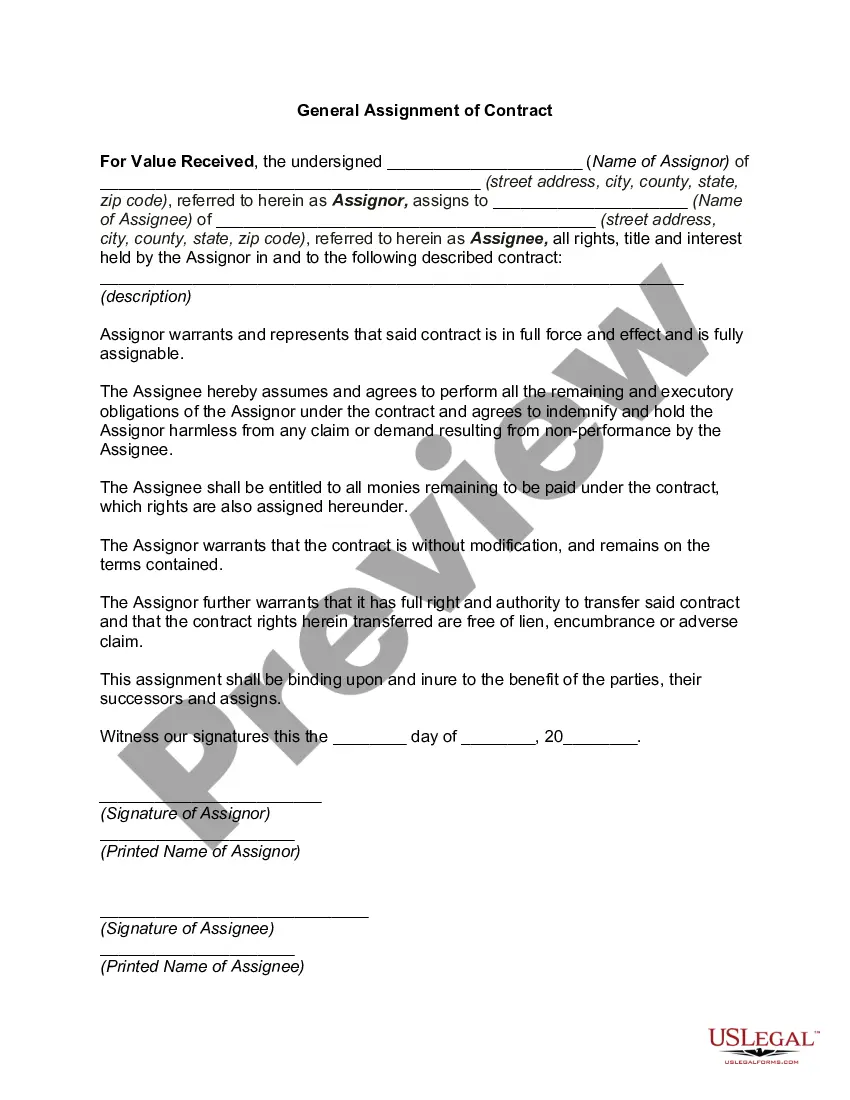
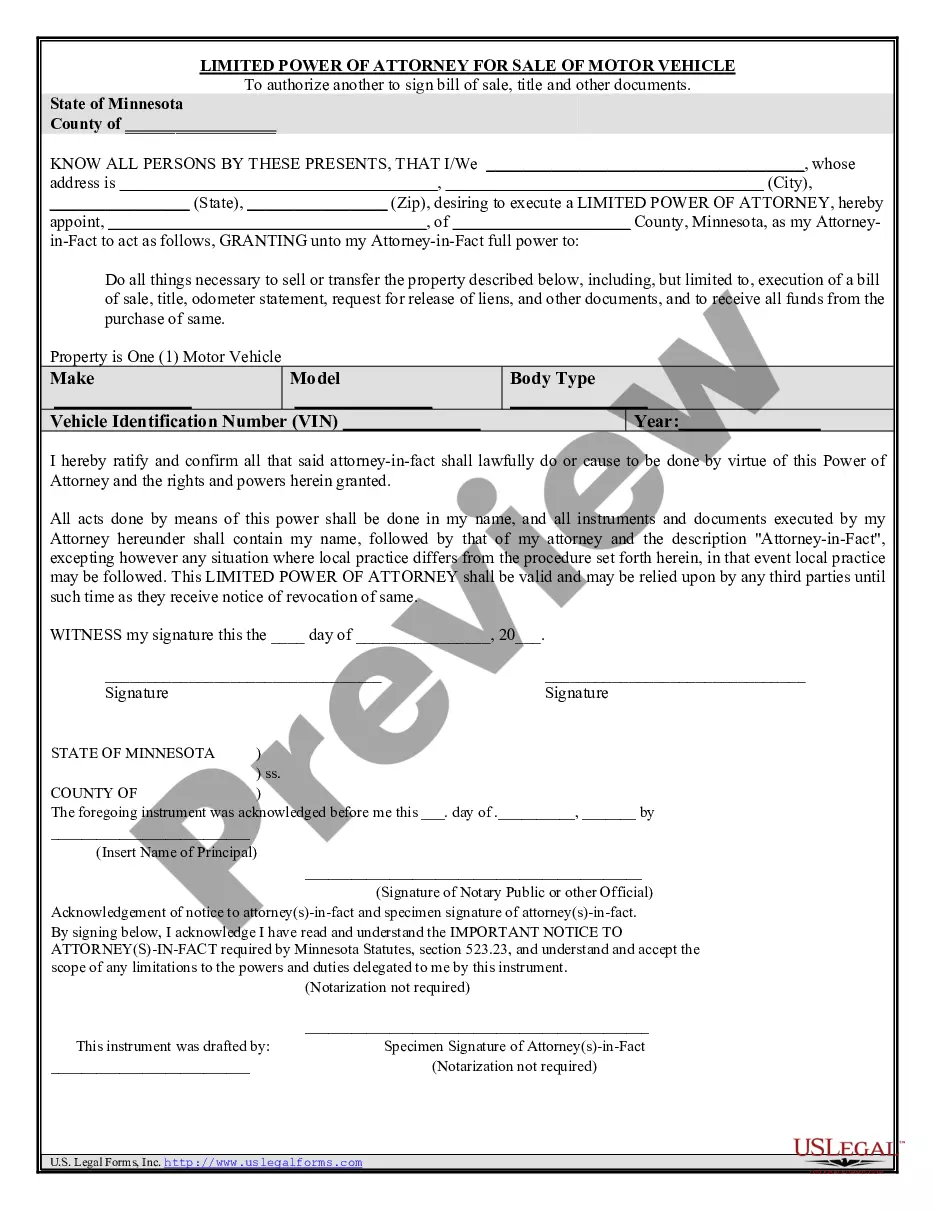
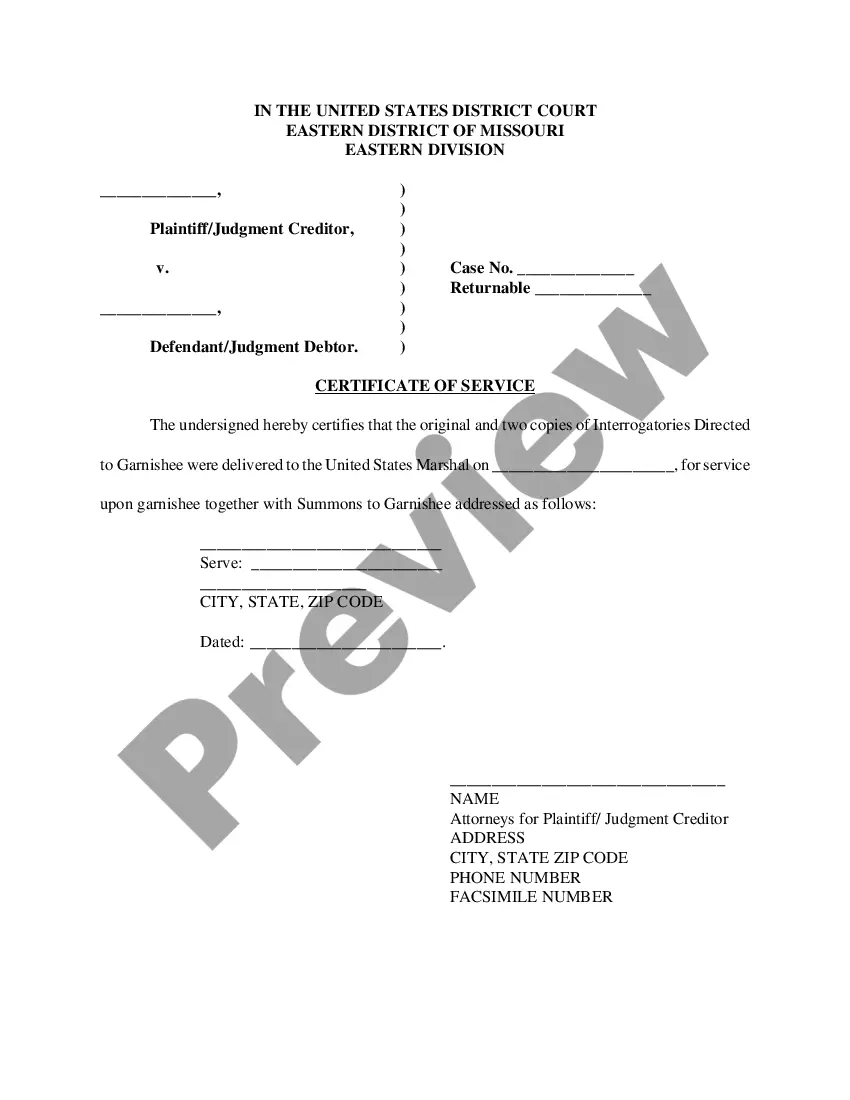
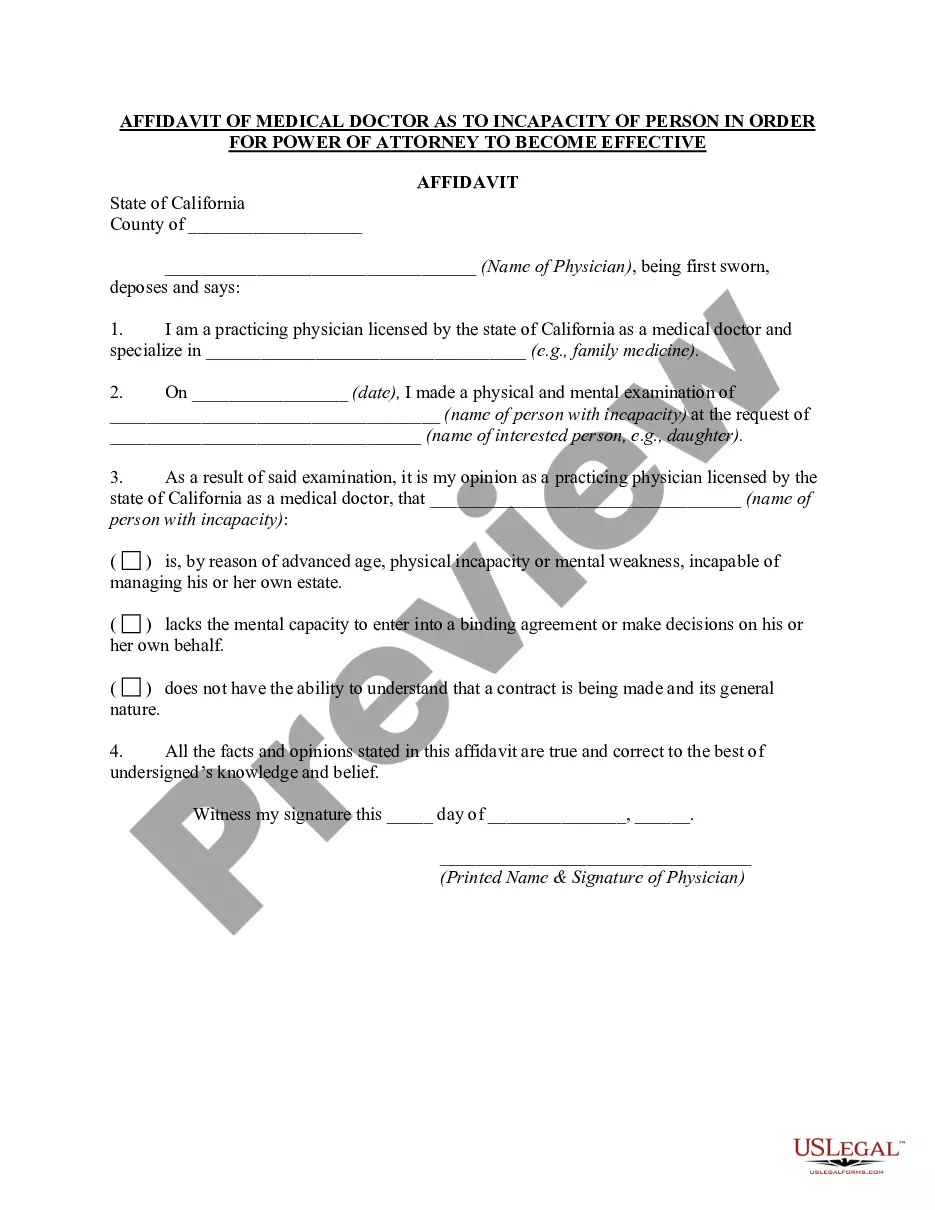
Review the template using the Preview option or the text outline to ensure it meets your requirements.
- They are easy to navigate with all documents categorized by state and intended use.
- Our specialists stay updated on legislation changes, ensuring your form is current and compliant when obtaining a Debt Warrant Debtor Withdrawal from our site.
- Acquiring a Debt Warrant Debtor Withdrawal is straightforward and quick for both existing and new users.
- If you already have an account with an active subscription, Log In and save the template you need in your chosen format.
- If you are new to our site, follow the steps below.
Form popularity
FAQ
In most (but not all) cases, the collector must get a court order to take money from your account. It generally takes one-to-two weeks for banks to execute a garnishment order.
There are four ways to open a bank account that no creditor can touch: (1) use an exempt bank account, (2) establish a bank account in a state that prohibits garnishments, (3) open an offshore bank account, or (4) maintain a wage or government benefits account.
A warrant in debt is the paper you get when a bill collector is suing you in the Virginia General District Court. ?Warrant? might sound like it's a criminal law problem. It's not: you can't go to jail; but if you ignore it, your pay and bank account can get garnished.
Debt collectors can get a judgment to freeze your bank account if a court finds that you have an outstanding debt that you're unwilling or unable to pay. Once the debt collector obtains the court order, they can ?freeze? your assets until you can repay the outstanding amount.
However, the general rule is that debt collectors, even with your details, cannot simply remove funds from your account without specific authorization. Typically, they require something known as a 'bank levy' to access your account.