Sampling Move Out Without Replacement
Description
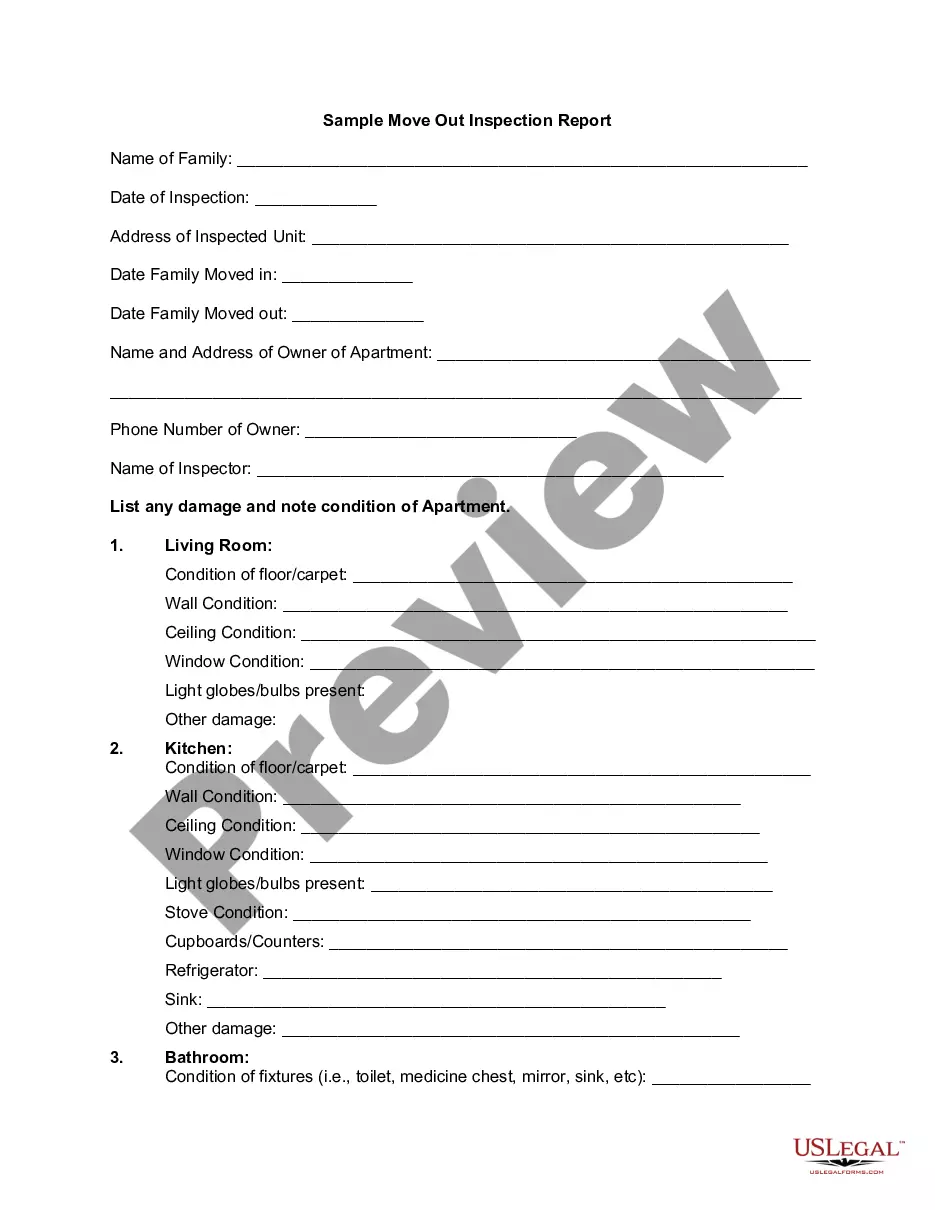
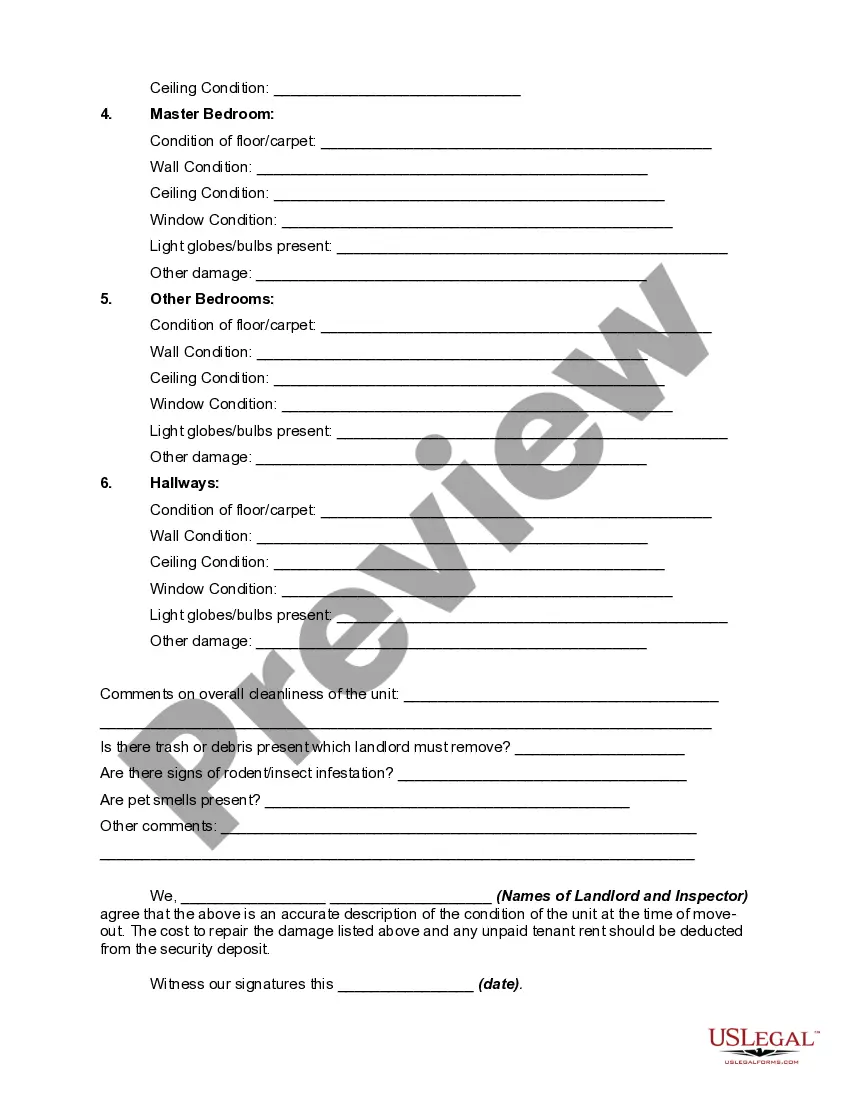
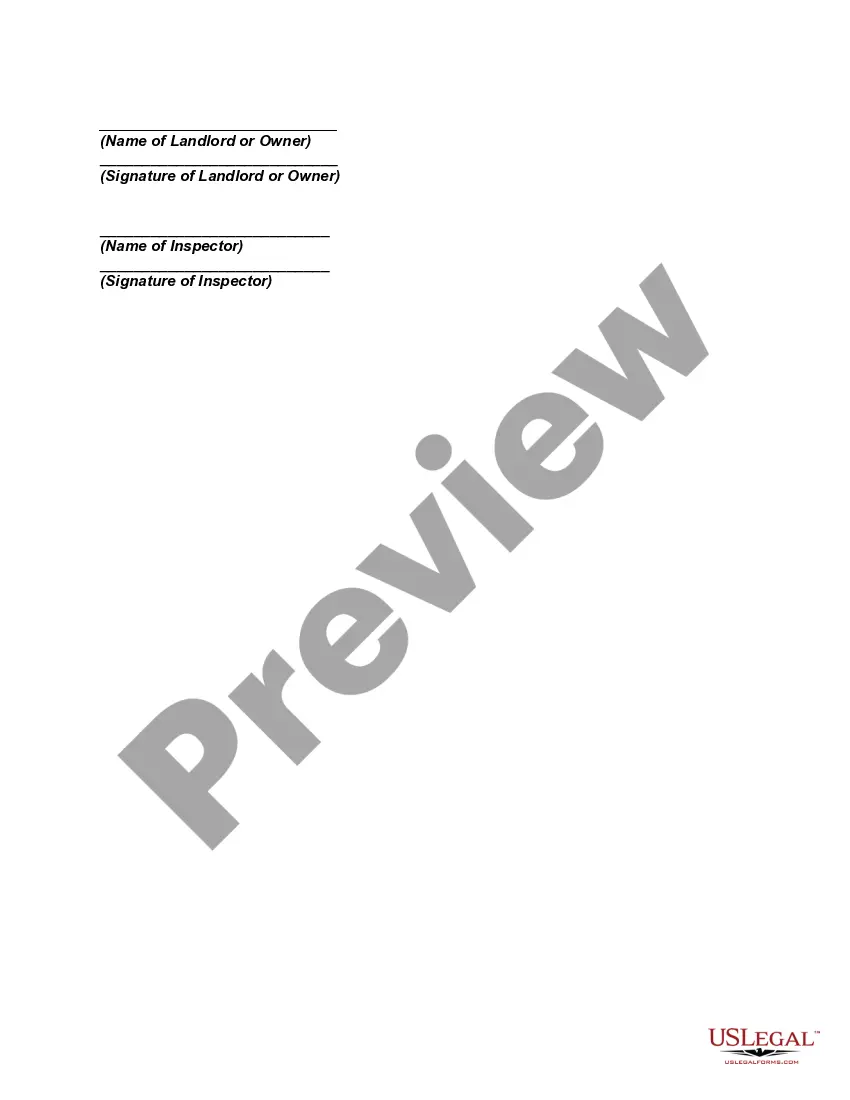
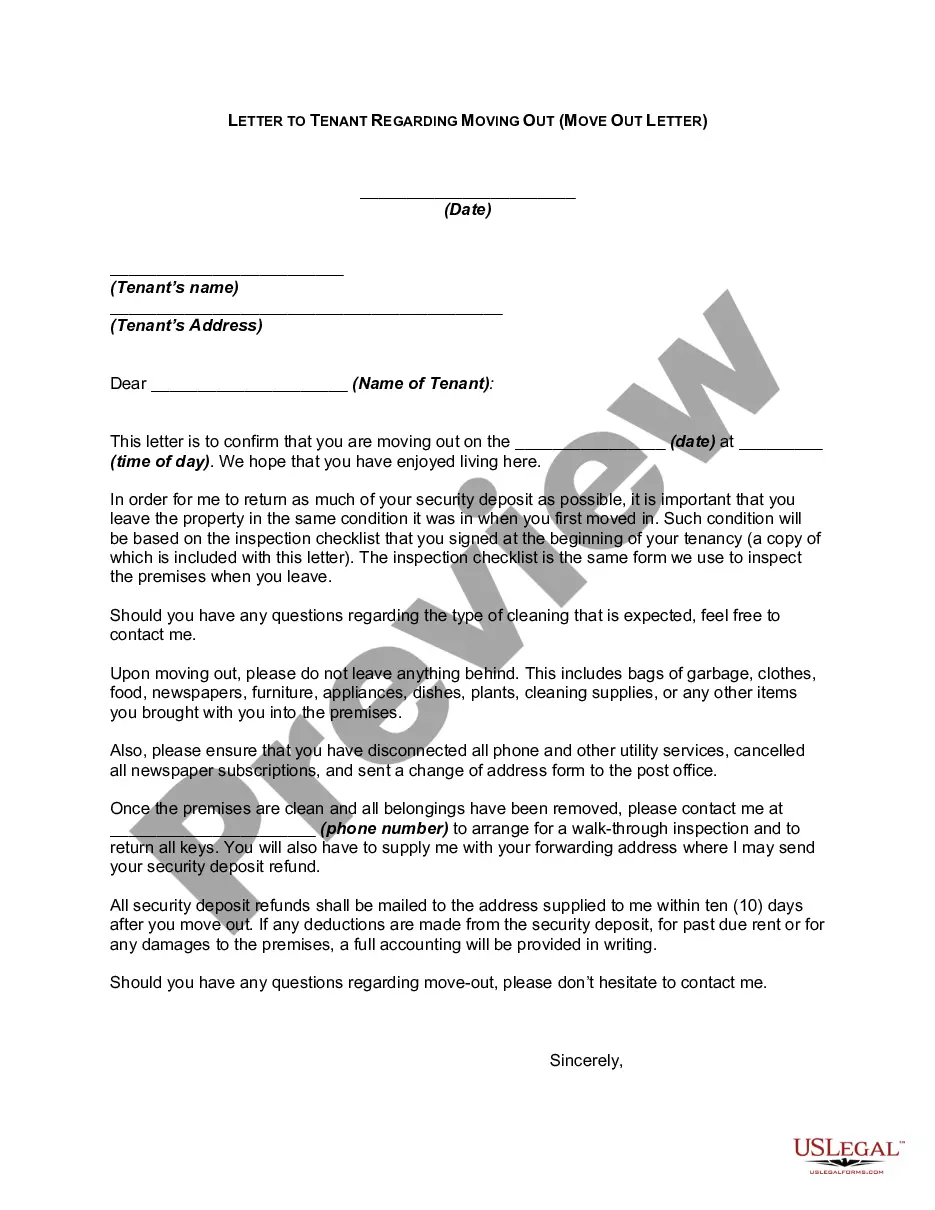

Get your form ready online
Our built-in tools help you complete, sign, share, and store your documents in one place.
Make edits, fill in missing information, and update formatting in US Legal Forms—just like you would in MS Word.
Download a copy, print it, send it by email, or mail it via USPS—whatever works best for your next step.
Sign and collect signatures with our SignNow integration. Send to multiple recipients, set reminders, and more. Go Premium to unlock E-Sign.
If this form requires notarization, complete it online through a secure video call—no need to meet a notary in person or wait for an appointment.
We protect your documents and personal data by following strict security and privacy standards.

Make edits, fill in missing information, and update formatting in US Legal Forms—just like you would in MS Word.

Download a copy, print it, send it by email, or mail it via USPS—whatever works best for your next step.

Sign and collect signatures with our SignNow integration. Send to multiple recipients, set reminders, and more. Go Premium to unlock E-Sign.

If this form requires notarization, complete it online through a secure video call—no need to meet a notary in person or wait for an appointment.

We protect your documents and personal data by following strict security and privacy standards.
Looking for another form?
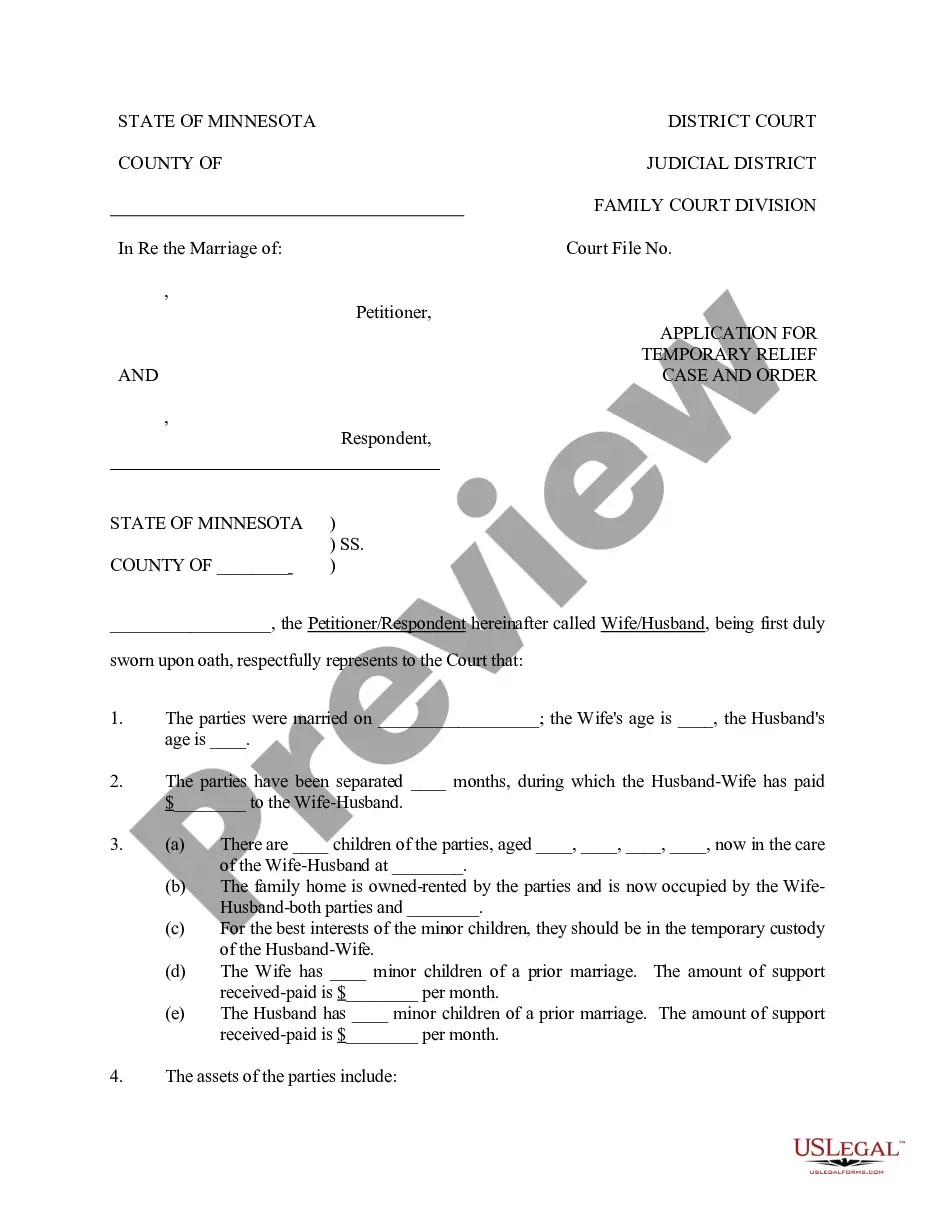





How to fill out Sample Move Out Inspection Report?
Managing legal documents can be daunting, even for the most experienced professionals.
When you are seeking a Sampling Move Out Without Replacement and lack the time to dedicate to find the right and current version, the tasks may become overwhelming.
Employ advanced features to complete and manage your Sampling Move Out Without Replacement.
Tap into a valuable repository of articles, guides, and resources relevant to your circumstances and requirements.
Ensure it is the correct document by previewing it and reading its details.
- Save time and effort locating the forms you need and utilize US Legal Forms' sophisticated search and Preview feature to find Sampling Move Out Without Replacement and obtain it.
- If you have a monthly subscription, sign in to your US Legal Forms account, search for the document, and download it.
- Check your My documents section to review the documents you've saved as well as manage your folders as you prefer.
- If you are a first-time user of US Legal Forms, create a free account to gain unlimited access to all the features of the library.
- Here are the actions to follow after acquiring the form you need.
- Utilize a robust online form library that could revolutionize how individuals tackle these matters efficiently.
- US Legal Forms stands out in the realm of online legal forms, offering more than 85,000 state-specific legal documents accessible at any time.
- Access state or county-specific legal and business templates. US Legal Forms satisfies all of your requirements, from personal to business paperwork, in one central location.
Form popularity
FAQ
In the context of sampling, 'without replacement' means that once a sample is selected, it is not returned to the pool for potential selection again. This approach reduces the total number of options available for subsequent selections, which can affect the outcome of your study. When you’re implementing sampling move out without replacement, each chosen element influences the chances of selecting the next element.
Sampling with replacement has two advantages over sampling without replacement as I see it: 1) You don't need to worry about the finite population correction. 2) There is a chance that elements from the population are drawn multiple times - then you can recycle the measurements and save time.
In sampling without replacement, the two sample values aren't independent. Practically, this means that what we got on the for the first one affects what we can get for the second one. Mathematically, this means that the covariance between the two isn't zero. That complicates the computations.
Without replacement: When sampling is done without replacement, each member of a population may be chosen only once. In this case, the probabilities for the second pick are affected by the result of the first pick.
When you select records randomly from a larger data set (or some master database), you can achieve the sampling in a few different ways, including: sampling without replacement, in which a subset of the observations are selected randomly, and once an observation is selected it cannot be selected again.