Suppress Evidence Of For Loop Python
Description

Get your form ready online
Our built-in tools help you complete, sign, share, and store your documents in one place.
Make edits, fill in missing information, and update formatting in US Legal Forms—just like you would in MS Word.
Download a copy, print it, send it by email, or mail it via USPS—whatever works best for your next step.
Sign and collect signatures with our SignNow integration. Send to multiple recipients, set reminders, and more. Go Premium to unlock E-Sign.
If this form requires notarization, complete it online through a secure video call—no need to meet a notary in person or wait for an appointment.
We protect your documents and personal data by following strict security and privacy standards.

Make edits, fill in missing information, and update formatting in US Legal Forms—just like you would in MS Word.

Download a copy, print it, send it by email, or mail it via USPS—whatever works best for your next step.

Sign and collect signatures with our SignNow integration. Send to multiple recipients, set reminders, and more. Go Premium to unlock E-Sign.

If this form requires notarization, complete it online through a secure video call—no need to meet a notary in person or wait for an appointment.

We protect your documents and personal data by following strict security and privacy standards.
Looking for another form?
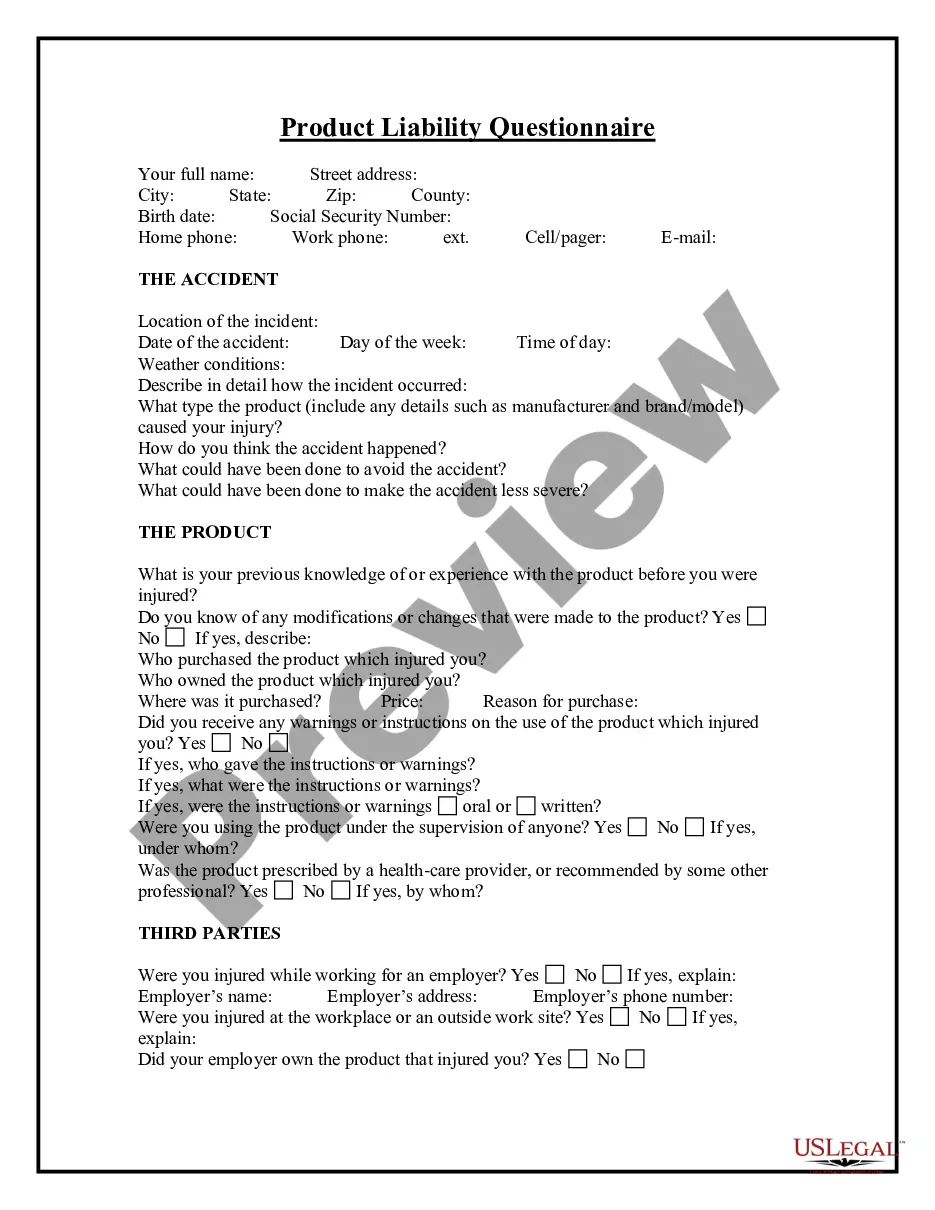
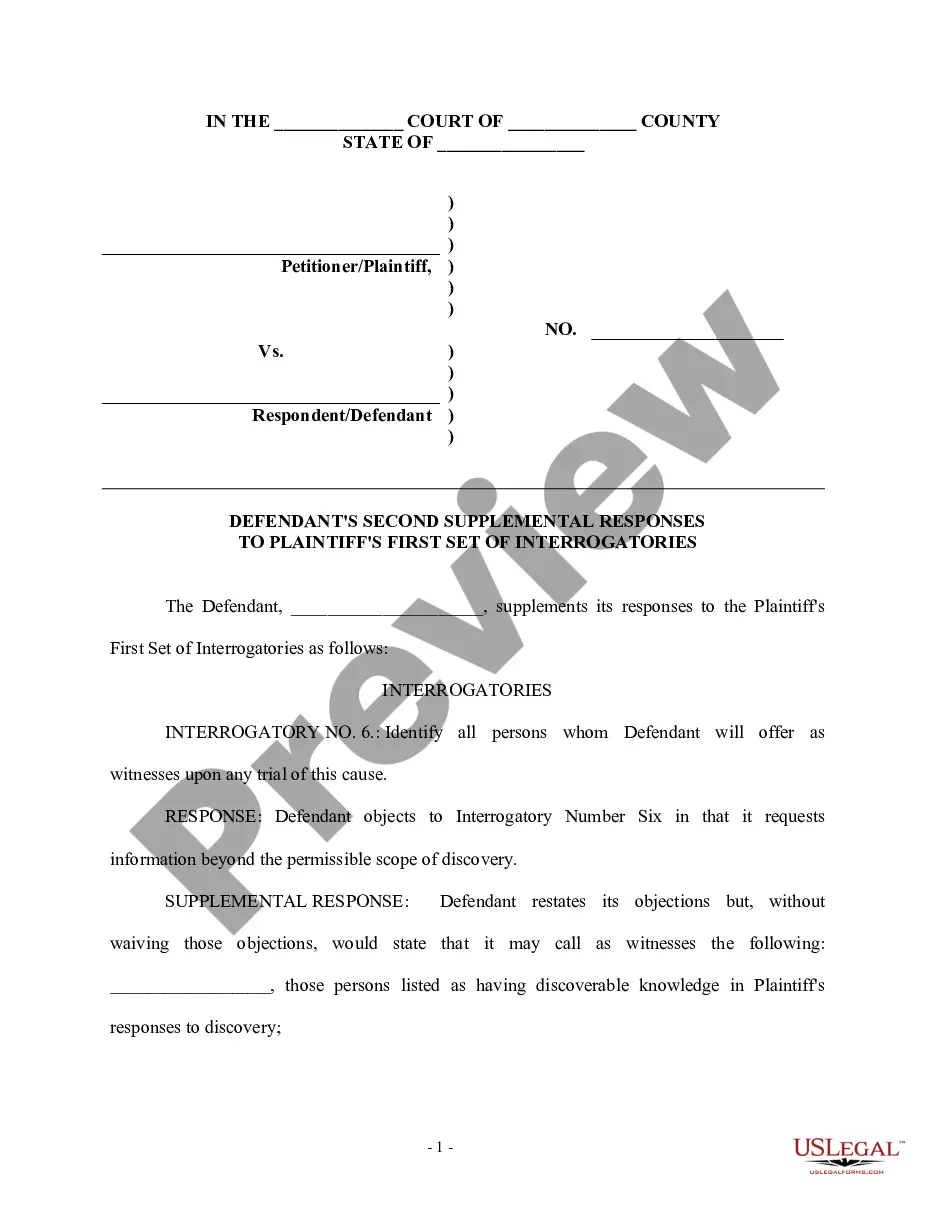
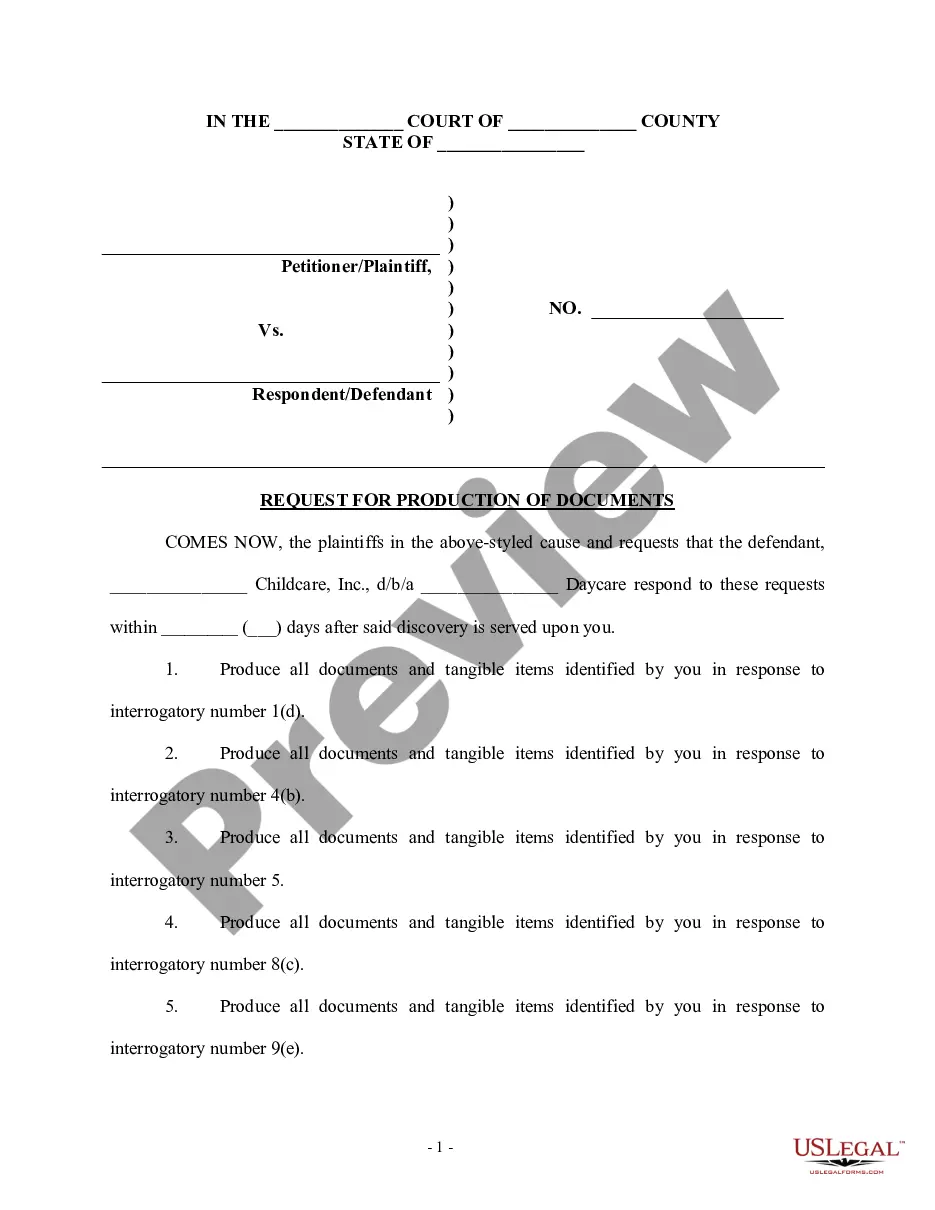
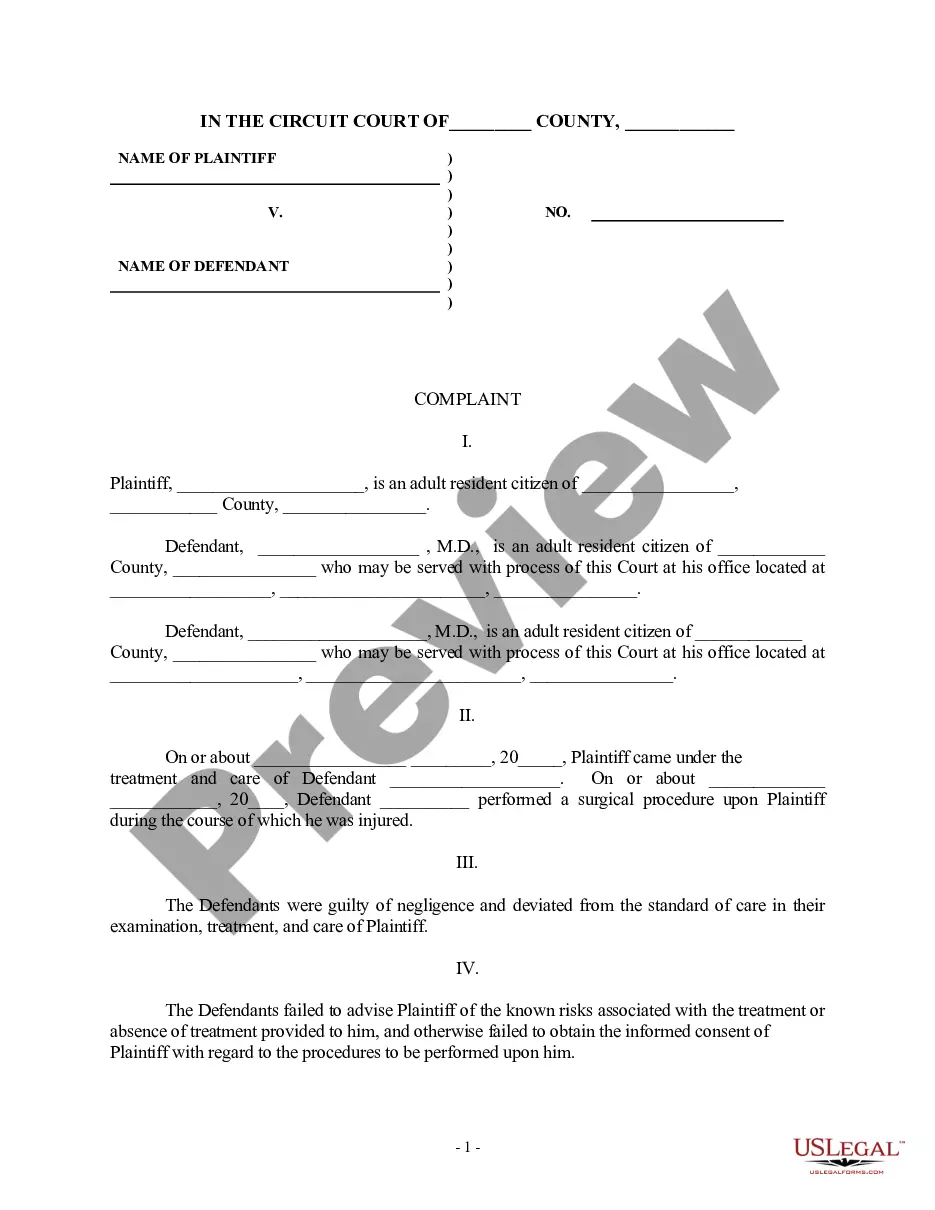
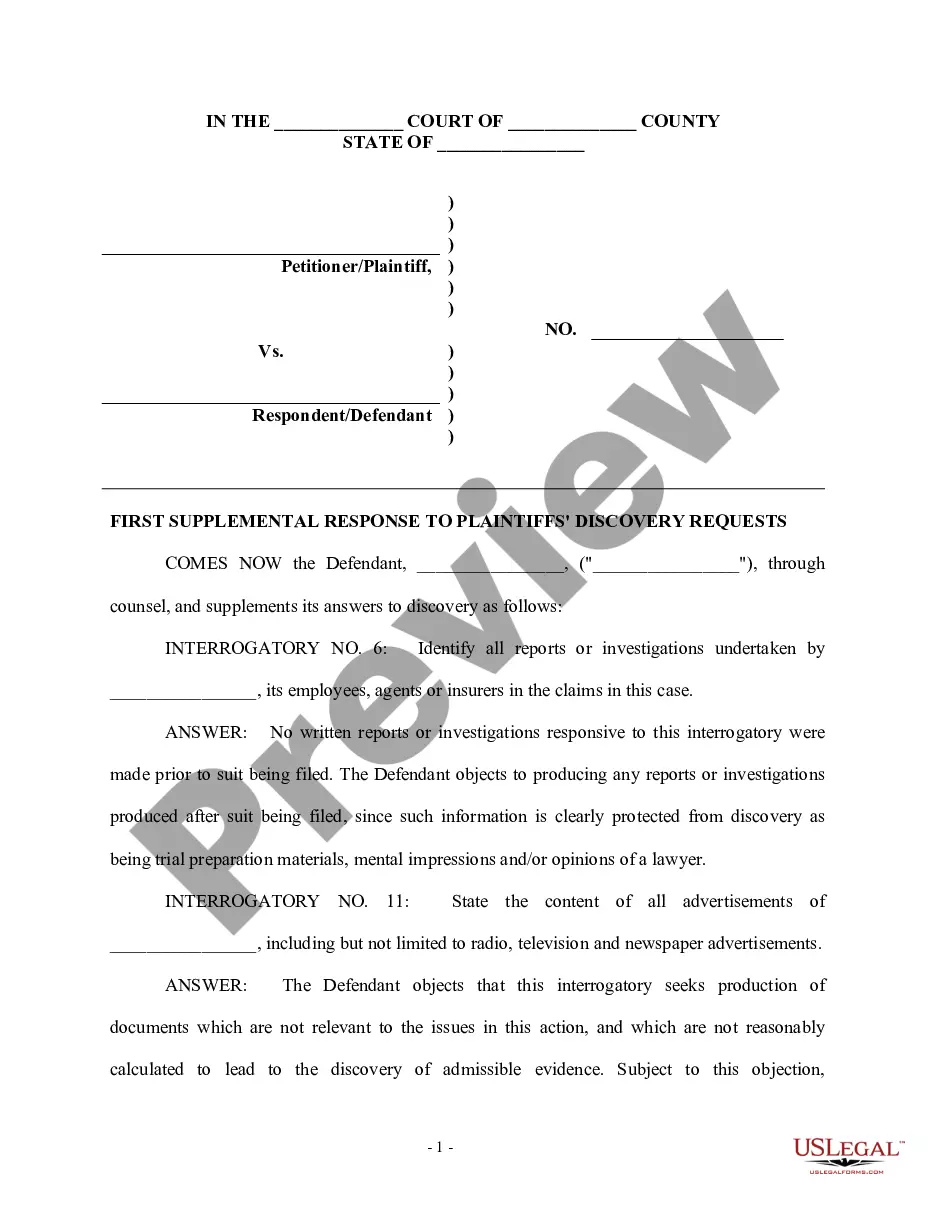
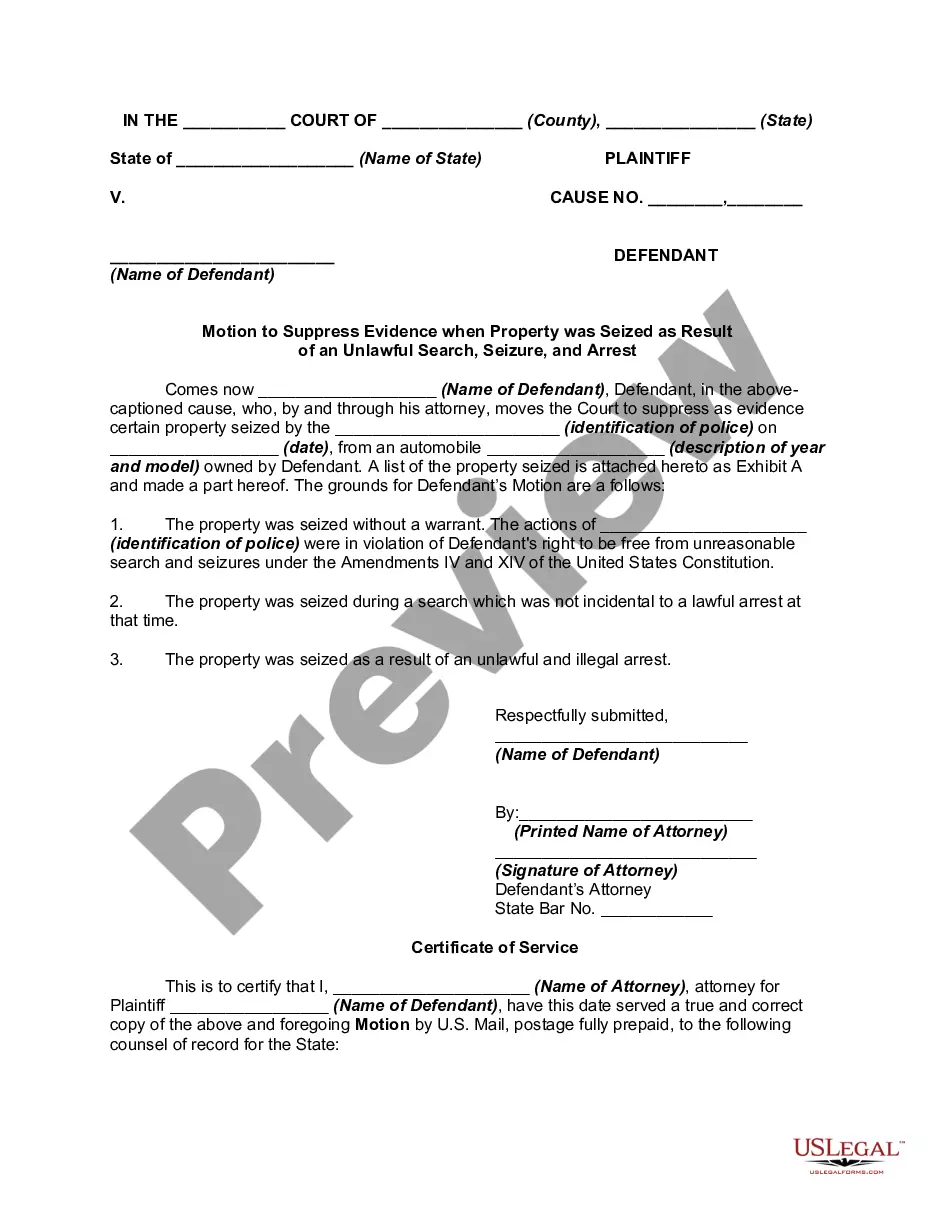
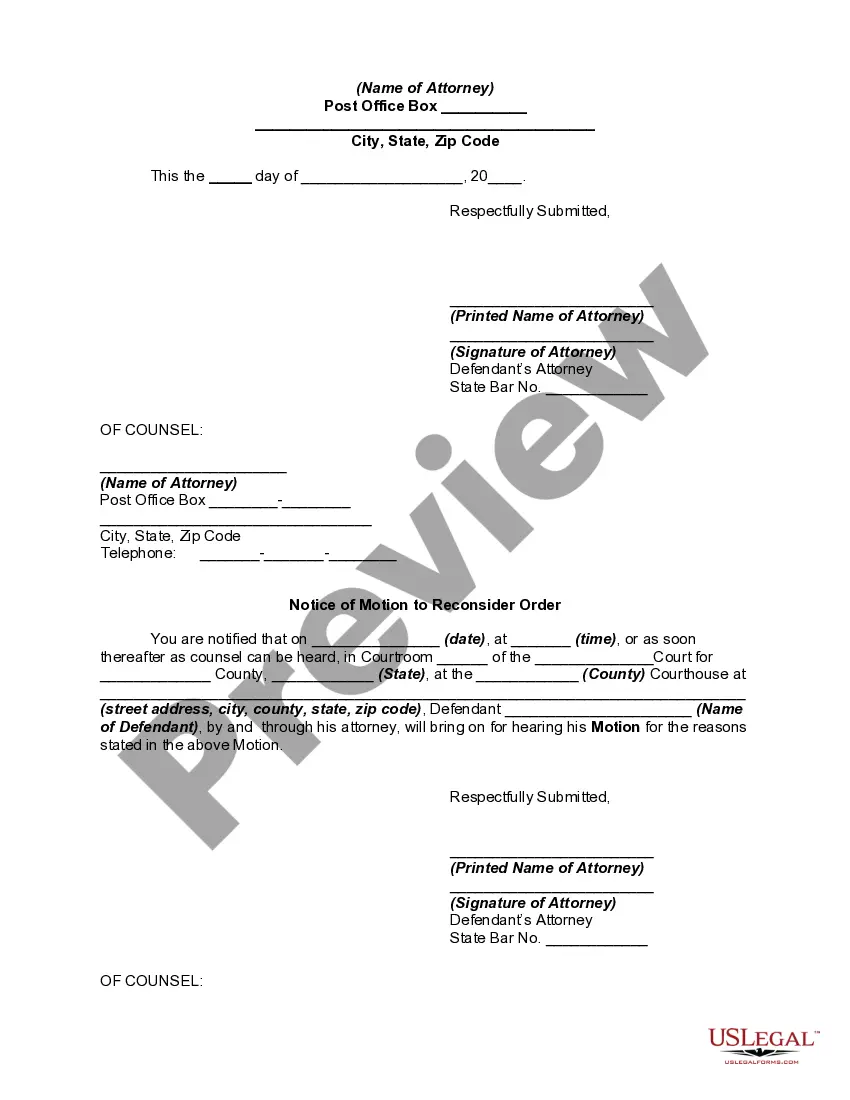
How to fill out Motion To Suppress Evidence When Property Was Seized As Result Of An Unlawful Search, Seizure, And Arrest?
- If you have previously utilized US Legal Forms, log into your account. Make sure your subscription remains active before downloading your necessary form template by clicking the Download button.
- For first-time users, begin by previewing the available forms. Examine the descriptions carefully to ensure the template suits your requirements and aligns with local legal standards.
- Utilize the search bar to find alternative templates if needed. If you spot any discrepancies, look for additional forms that might be a better fit.
- Proceed to purchase the document by clicking the Buy Now button. Choose the subscription plan that best meets your needs and register an account to access the legal library.
- Complete your purchase by entering your payment method, either by credit card or PayPal. Confirm your subscription to gain full access.
- Download the required form and save it to your device. You can also retrieve it anytime from the My Forms section of your profile.
Utilizing US Legal Forms empowers both individuals and attorneys with a vast selection of over 85,000 legal documents that are easy to fill and edit. This robust library ensures that you can find exactly what you need without hassle.
In conclusion, mastering how to suppress evidence of a for loop in Python while efficiently handling your legal documents can streamline your workflow. For more assistance, explore US Legal Forms today!
Form popularity
FAQ
To avoid for loops in Python, you can leverage libraries like NumPy or Pandas that offer vectorized operations. These libraries can perform operations on whole arrays instead of iterating through them element by element. By utilizing these tools, you can effectively suppress evidence of for loop Python in your data processing tasks.
Avoiding loops in programming can be achieved by using recursion or functional programming techniques. These methods can help you write cleaner, more efficient code without relying on traditional loops. If you want to suppress evidence of for loop Python or loops in general, exploring these alternatives can provide a refreshing solution.
To stop a for loop prematurely in Python, the 'break' statement is your go-to solution. This statement allows you to exit the loop immediately when a certain condition is met. If you're looking to suppress evidence of for loop Python execution based on specific situations, implementing a break can ensure that your program runs smoothly.
You can avoid Python for loops by utilizing built-in functions like 'map', 'filter', or list comprehensions. These methods can streamline your code, making it more efficient and easier to read. If your goal is to suppress evidence of for loop Python usage in your project, consider using these powerful alternatives.
To skip iterations in a for loop in Python, you can use the 'continue' statement. This statement allows you to bypass the current iteration and move to the next one seamlessly. If you find yourself wanting to suppress evidence of for loop Python iterations that do not meet certain criteria, continue can be your best friend.
Writing a for loop in Python involves using the 'for' keyword followed by a variable and the 'in' keyword, along with a sequence like a list or a range. The syntax is clear and concise, allowing you to iterate through items easily. By mastering for loops, you can efficiently process data and suppress evidence of for loop Python methods in your applications.
Outputting text in Python can be done easily using the 'print()' function for console display. If you prefer sending the output to another medium, such as a file, you can specify the file parameter in the 'print()' function. This versatility allows you to manage outputs effectively and suppress evidence of for loop Python activities as needed.
To write the output of a for loop to a text file in Python, you can open the file in write mode before the loop starts. Inside the loop, use the 'write()' method to add each iteration's result to the file. By following this technique, you can efficiently suppress evidence of for loop Python outputs while maintaining a clear record of your results.
To output to a new text file in Python, utilize the 'open()' function with 'w' mode for writing. Create a new file by specifying a name, and then apply the 'write()' method to insert your content. This capability enables you to effectively manage your data and suppress evidence of for loop Python executions by saving important outputs securely.
Writing to an output file in Python is straightforward. You can use the built-in 'open()' function along with the 'write()' method. First, open the file in write mode, then use 'write()' to add your desired content. This approach allows you to suppress evidence of for loop Python processing by directing outputs to files seamlessly.