Suppress Evidence
Description
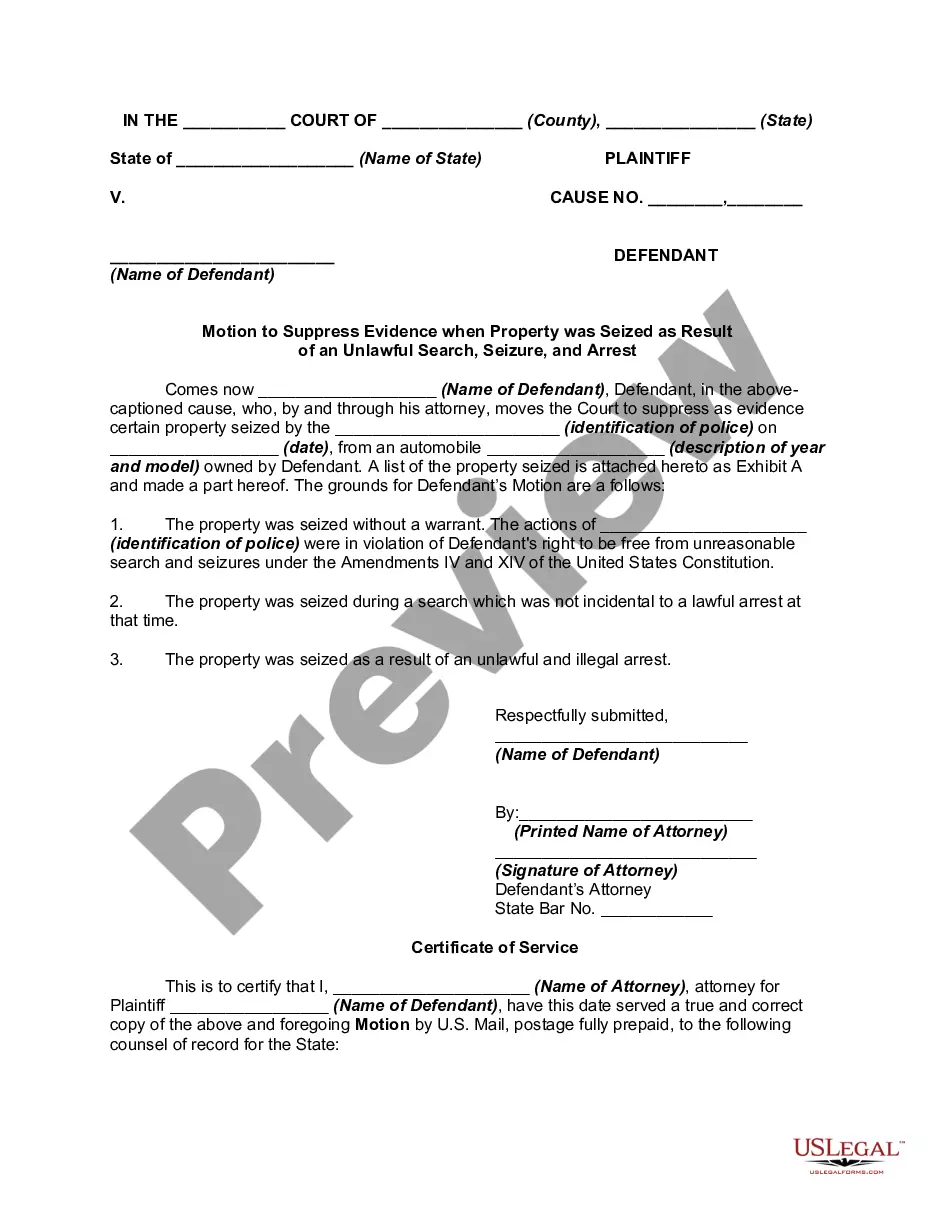
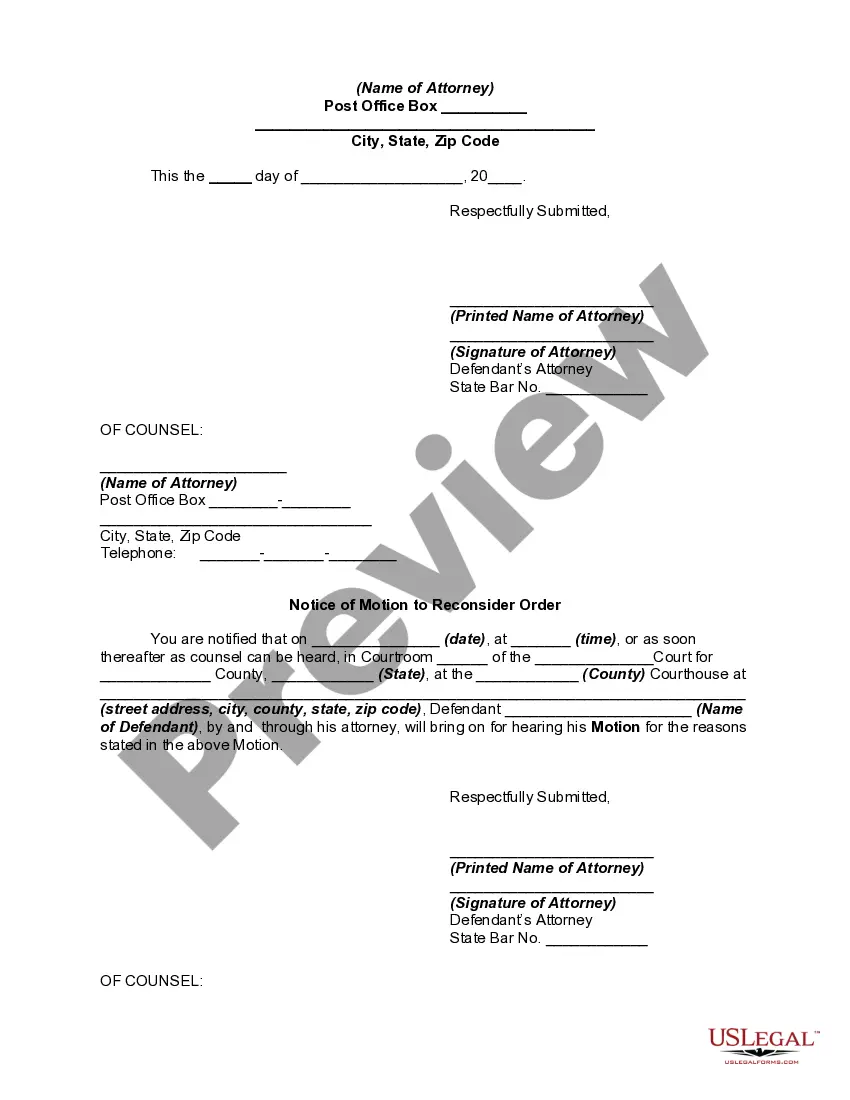

Get your form ready online
Our built-in tools help you complete, sign, share, and store your documents in one place.
Make edits, fill in missing information, and update formatting in US Legal Forms—just like you would in MS Word.
Download a copy, print it, send it by email, or mail it via USPS—whatever works best for your next step.
Sign and collect signatures with our SignNow integration. Send to multiple recipients, set reminders, and more. Go Premium to unlock E-Sign.
If this form requires notarization, complete it online through a secure video call—no need to meet a notary in person or wait for an appointment.
We protect your documents and personal data by following strict security and privacy standards.

Make edits, fill in missing information, and update formatting in US Legal Forms—just like you would in MS Word.

Download a copy, print it, send it by email, or mail it via USPS—whatever works best for your next step.

Sign and collect signatures with our SignNow integration. Send to multiple recipients, set reminders, and more. Go Premium to unlock E-Sign.

If this form requires notarization, complete it online through a secure video call—no need to meet a notary in person or wait for an appointment.

We protect your documents and personal data by following strict security and privacy standards.
Looking for another form?
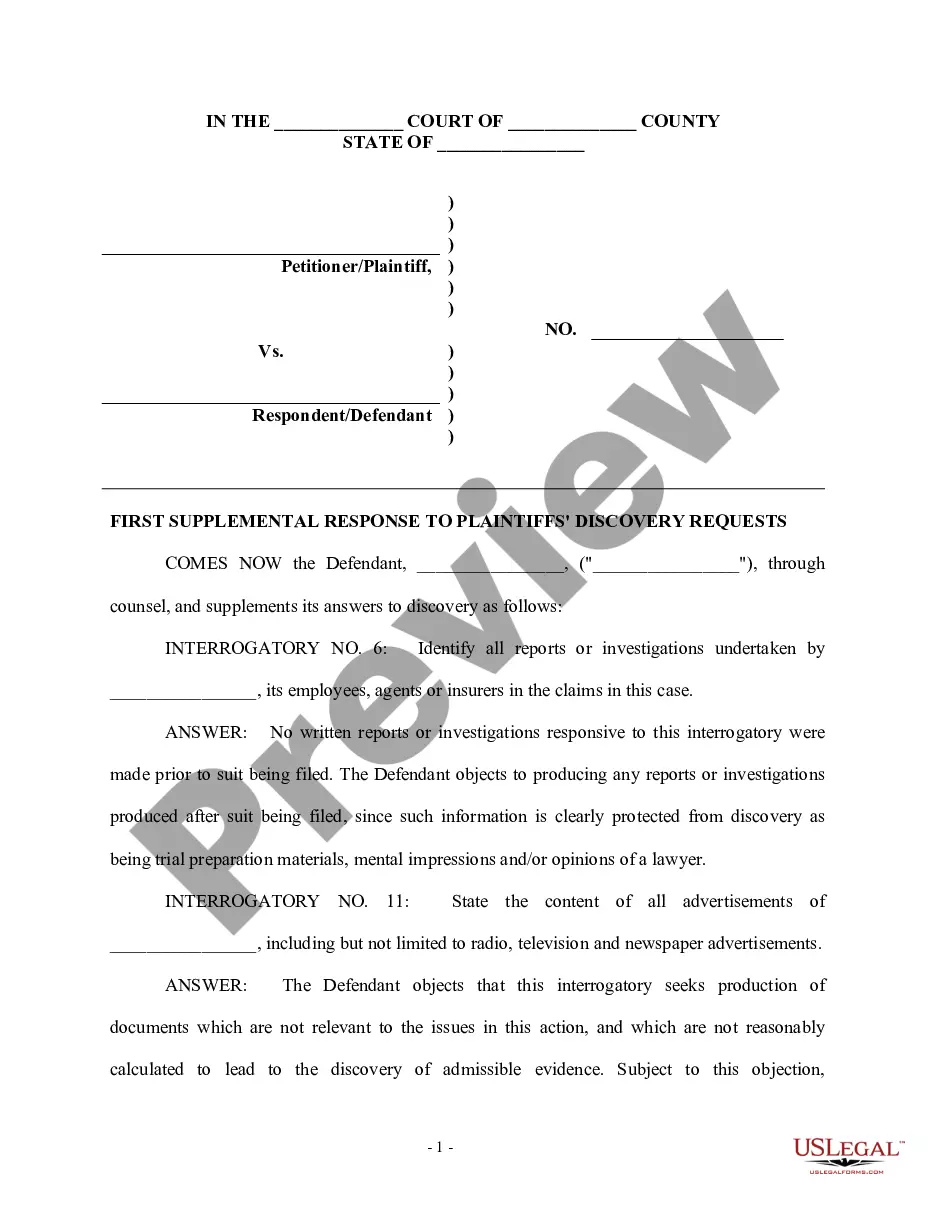
How to fill out Motion To Suppress Evidence When Property Was Seized As Result Of An Unlawful Search, Seizure, And Arrest?
- Log in to your existing account at US Legal Forms and download your desired template by clicking the Download button. Ensure your subscription is active, or renew it as needed.
- If you're new to the service, start by reviewing the form preview and description. Confirm it meets your requirements and complies with your local jurisdiction.
- If the selected form doesn't fit your needs, utilize the Search feature to find an appropriate template. Once you find the right one, proceed to the next step.
- Purchase the document by clicking the Buy Now button. Select your preferred subscription plan and create an account to access the full library.
- Complete your purchase by providing necessary payment information via credit card or PayPal.
- Download the completed form to your device, allowing for easy access in the 'My Forms' section of your profile whenever needed.
With US Legal Forms, you can simplify your legal documentation process, whether you're suppressing evidence or fulfilling other legal needs. Their extensive library and expert support ensure that you have everything you require at your fingertips.
Ready to streamline your legal document management? Visit US Legal Forms today and explore their comprehensive collection!
Form popularity
FAQ
Most motions to suppress are based on rights outlined in the Fourth Amendment, which prohibits unreasonable searches and seizures. Additionally, the Fifth Amendment rights against self-incrimination may come into play when assessing the validity of confessions. Ensuring your rights are protected is vital in any legal situation. US Legal Forms offers valuable resources to help safeguard these rights effectively during your legal journey.
The purpose of a motion to suppress is to protect the rights of individuals and ensure fair legal proceedings. Possible grounds include illegal search and seizure, violation of Miranda rights, or failure to follow proper arrest procedures. By moving to suppress evidence, you can challenge its admissibility in court and potentially enhance your case outcomes. The support of legal resources, like US Legal Forms, can help clarify these grounds.
Evidence that can be suppressed includes those obtained through illegal searches, coerced confessions, or violations of due process rights. Common examples include physical evidence found without a warrant or hearsay which does not meet legal standards. Understanding the specifics of what constitutes suppressible evidence is crucial for your case. US Legal Forms can guide you through identifying and handling such evidence correctly.
The basis for a motion to suppress usually relies on constitutional violations, such as unlawful searches and seizures. When evidence is gathered without a proper warrant or probable cause, it may be subject to suppression. Courts often review these motions closely to ensure that due process is upheld. A well-documented motion is essential, and resources like US Legal Forms can simplify this process for you.
To suppress evidence, you can file a motion to dismiss, arguing that the evidence was obtained through illegal means. This may involve showing that law enforcement violated your rights during the collection process. Consulting a legal professional can help you understand the specific steps involved in your case. Utilizing platforms like US Legal Forms can provide you with the necessary forms and guidance to navigate this process efficiently.
Individuals file a motion to suppress evidence to protect their rights and ensure a fair trial. This motion challenges the legitimacy of the evidence, arguing that it was obtained improperly or violates legal standards. By filing this motion, defendants may improve their chances of a favorable outcome in their case, making it a crucial step in legal strategy.
A suppressed conclusion may arise when certain key pieces of evidence are excluded from consideration in a trial, leading to an incomplete analysis. For instance, if witness statements that support a different narrative are suppressed, the conclusion that emerges may be skewed. Understanding the context of suppressed evidence is vital for accurate legal interpretations.
Evidence can be suppressed when it has been obtained through illegal means, such as without a warrant or probable cause. Additionally, evidence may be ruled inadmissible if it violates a defendant's rights, such as being obtained during an unlawful interrogation. Each situation is unique, and the specifics of the case will dictate if evidence can be suppressed.
To suppress evidence, a party must file a motion in court demonstrating that the evidence violates legal rules or constitutional protections. Common reasons include unlawful search and seizure or the violation of a defendant's rights. Successfully suppressing evidence can significantly impact the outcome of a case, as it may weaken the prosecution's position.
Suppressing evidence involves preventing the introduction of evidence at trial due to improper collection methods. When evidence does not meet legal standards, judges may choose to suppress it, ensuring that defendants are not unfairly prejudiced. The goal is to create a just environment where trials are based on valid and legal evidence.