Private Illegally Forwarded Email
Description
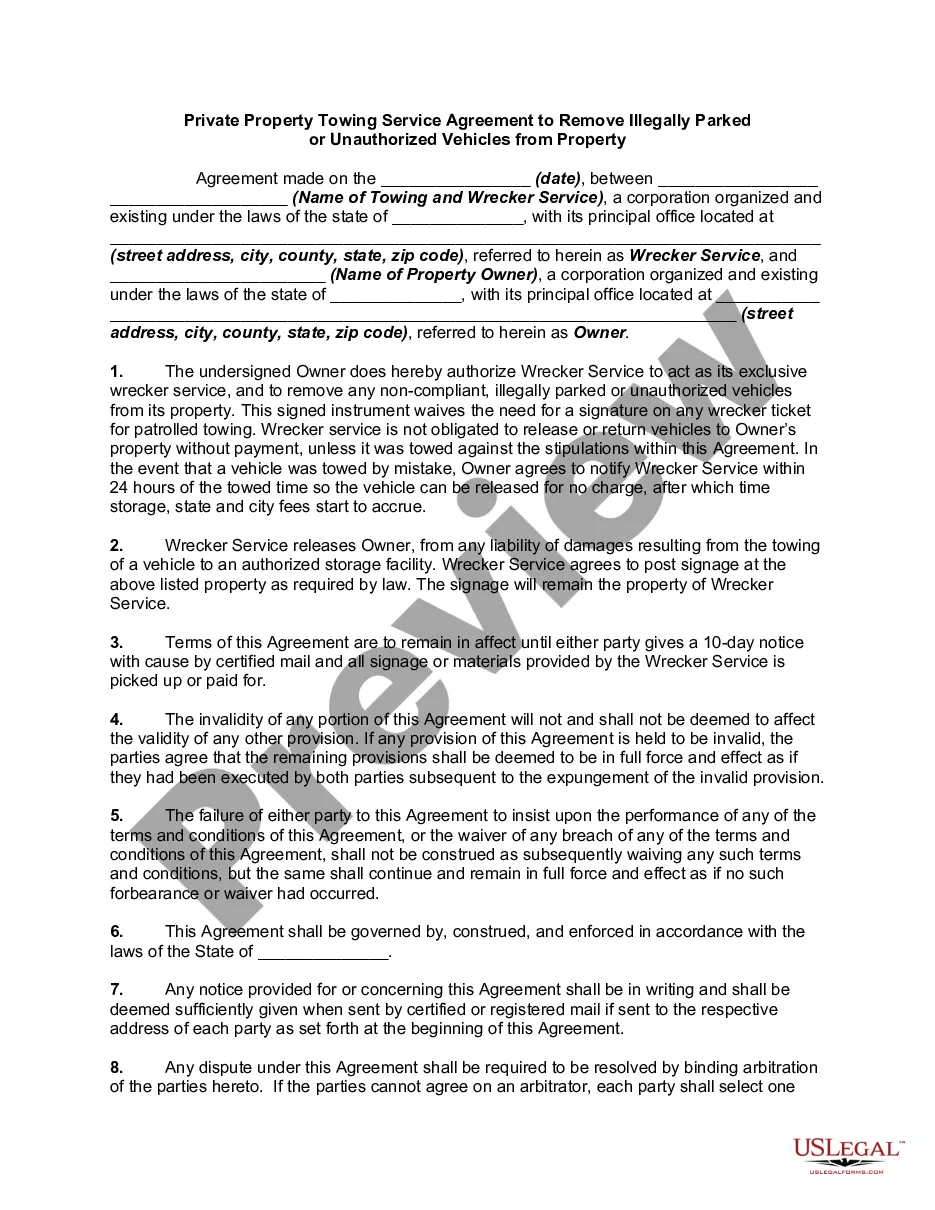
Get your form ready online
Our built-in tools help you complete, sign, share, and store your documents in one place.
Make edits, fill in missing information, and update formatting in US Legal Forms—just like you would in MS Word.
Download a copy, print it, send it by email, or mail it via USPS—whatever works best for your next step.
Sign and collect signatures with our SignNow integration. Send to multiple recipients, set reminders, and more. Go Premium to unlock E-Sign.
If this form requires notarization, complete it online through a secure video call—no need to meet a notary in person or wait for an appointment.
We protect your documents and personal data by following strict security and privacy standards.

Make edits, fill in missing information, and update formatting in US Legal Forms—just like you would in MS Word.

Download a copy, print it, send it by email, or mail it via USPS—whatever works best for your next step.

Sign and collect signatures with our SignNow integration. Send to multiple recipients, set reminders, and more. Go Premium to unlock E-Sign.

If this form requires notarization, complete it online through a secure video call—no need to meet a notary in person or wait for an appointment.

We protect your documents and personal data by following strict security and privacy standards.
Looking for another form?
How to fill out Private Property Truck Towing Service Agreement To Remove Illegally Parked Or Unauthorized Vehicles From Property?
Whether for corporate objectives or for individual matters, everyone encounters legal circumstances at some stage in their life.
Completing legal documentation requires meticulous focus, starting from selecting the correct form template.
With a vast US Legal Forms catalog available, you do not need to waste time searching for the suitable sample online. Utilize the library’s user-friendly navigation to obtain the correct form for any situation.
- For instance, if you select an incorrect version of a Private Illegally Forwarded Email, it will be rejected once you submit it.
- Thus, it is vital to find a trustworthy source of legal documents like US Legal Forms.
- If you need to acquire a Private Illegally Forwarded Email template, follow these straightforward steps.
- Obtain the sample you require via the search field or catalog browsing.
- Review the form’s details to confirm it suits your situation, state, and county.
- Click on the form’s preview to inspect it.
- If it is the incorrect document, return to the search feature to locate the Private Illegally Forwarded Email template you need.
- Obtain the template if it aligns with your specifications.
- If you possess a US Legal Forms account, simply click Log in to access previously stored documents in My documents.
- If you do not have an account yet, you can purchase the form by clicking Buy now.
- Choose the appropriate pricing option.
- Fill out the account registration form.
- Select your payment method: you can utilize a credit card or PayPal account.
- Choose the document format you prefer and download the Private Illegally Forwarded Email.
- Once it is saved, you can complete the form using editing software or print it and finish it manually.
Form popularity
FAQ
Forwarding emails containing personal information could violate data protection laws like the GDPR. Legal issues can also arise for other reasons. For example, if forwarding breaches confidentiality agreements or infringes on intellectual property rights.
Yes, if you're acting in a personal capacity. The Privacy Act doesn't prevent you from on-sharing an email containing someone's personal information, except where it would be regarded as highly offensive to do so.
It's legal unless you had a prior agreement with the person who sent you an email. Merely sending an email does not establish any sort of contract. Someone could write in the email: "YOU ARE NOT ALLOWED TO SHARE THIS WITH ANYONE!" But it wouldn't matter, because the recipient never agreed to follow that.
Under the Constitution, private expression falls outside the scope of expression that is subject to federal regulation. The routine practice of e-mail forwarding violates principles of common-law copyright regardless of what the Federal Copyright Act says.?
Is it a federal offense if someone forwards your email without permission? There is no law preventing anyone from sharing anything that exists on the internet unless it violates medical privacy laws (HIPPA) or Copyrights.