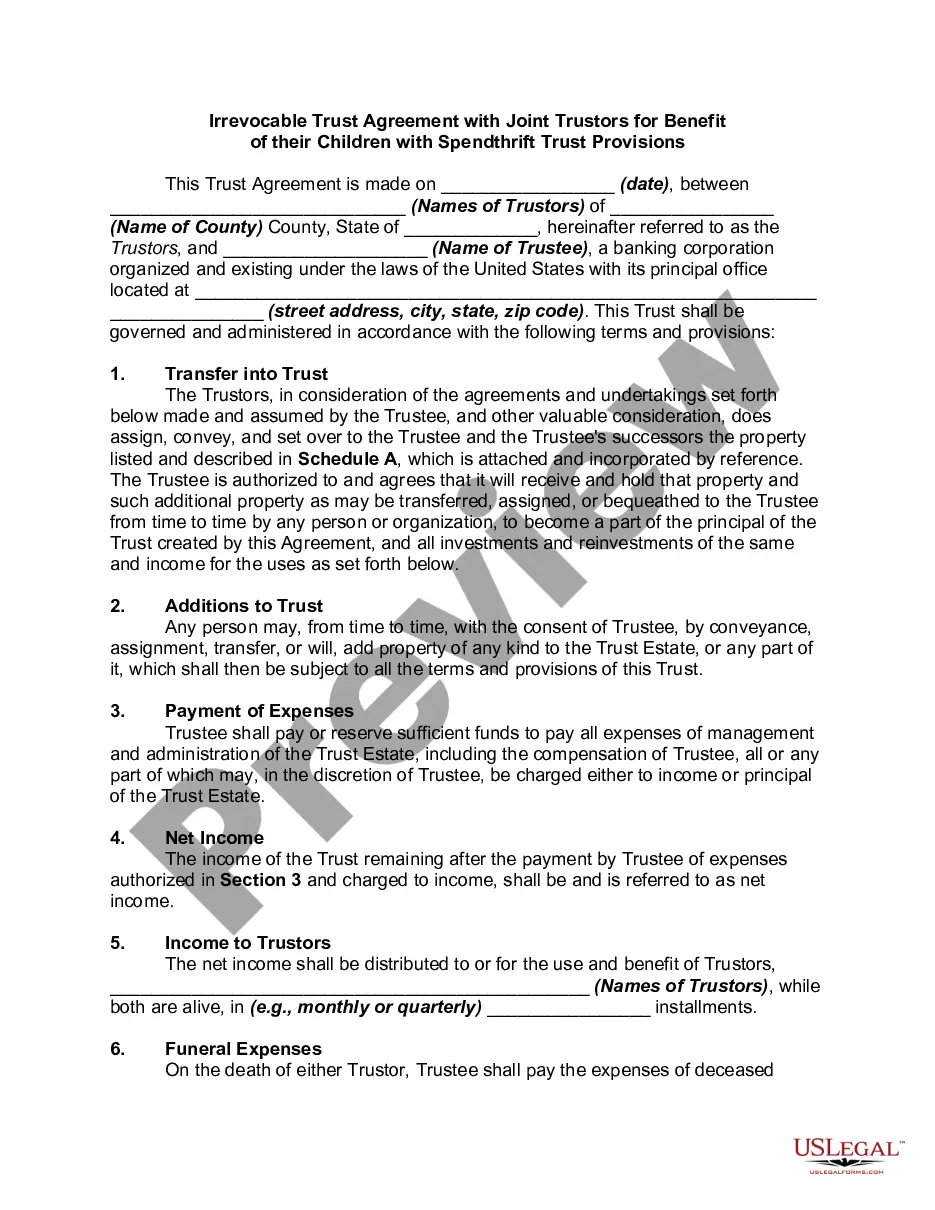
Irrevocable Living Trusts With A Beneficiary
Description





Get your form ready online
Our built-in tools help you complete, sign, share, and store your documents in one place.
Make edits, fill in missing information, and update formatting in US Legal Forms—just like you would in MS Word.
Download a copy, print it, send it by email, or mail it via USPS—whatever works best for your next step.
Sign and collect signatures with our SignNow integration. Send to multiple recipients, set reminders, and more. Go Premium to unlock E-Sign.
If this form requires notarization, complete it online through a secure video call—no need to meet a notary in person or wait for an appointment.
We protect your documents and personal data by following strict security and privacy standards.

Make edits, fill in missing information, and update formatting in US Legal Forms—just like you would in MS Word.

Download a copy, print it, send it by email, or mail it via USPS—whatever works best for your next step.

Sign and collect signatures with our SignNow integration. Send to multiple recipients, set reminders, and more. Go Premium to unlock E-Sign.

If this form requires notarization, complete it online through a secure video call—no need to meet a notary in person or wait for an appointment.

We protect your documents and personal data by following strict security and privacy standards.
Looking for another form?




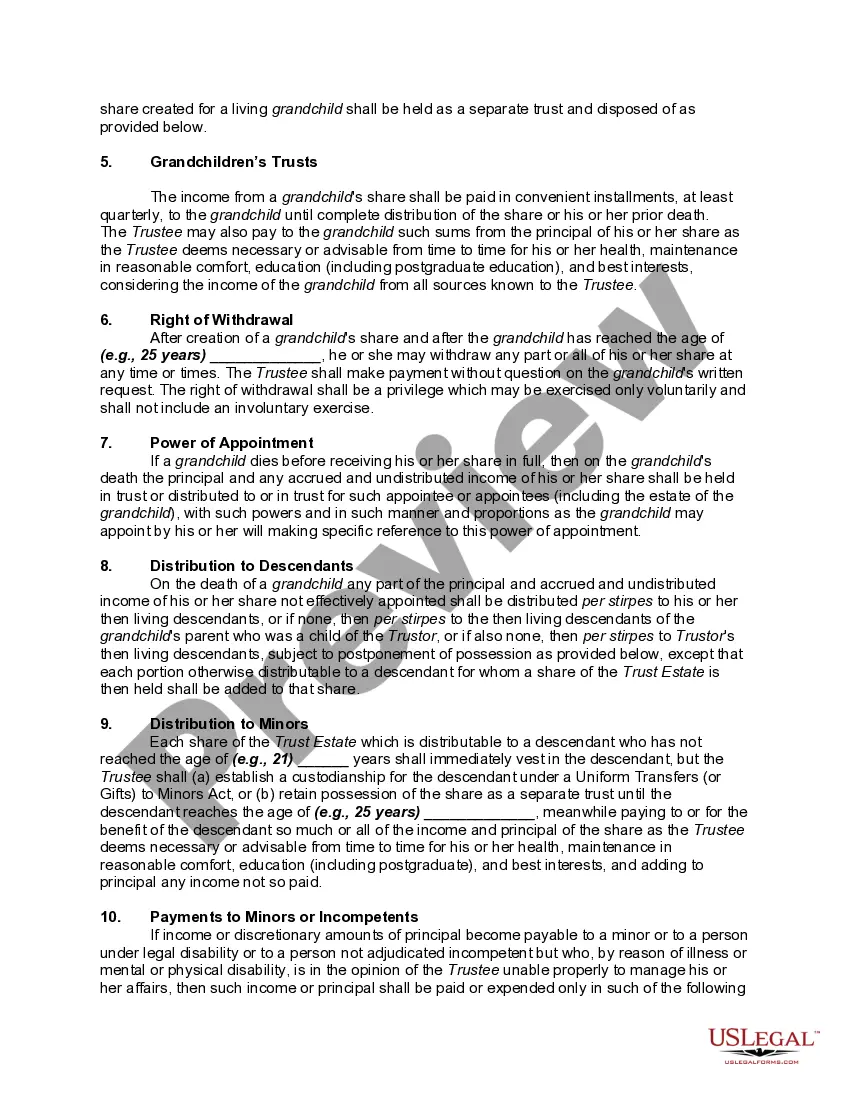
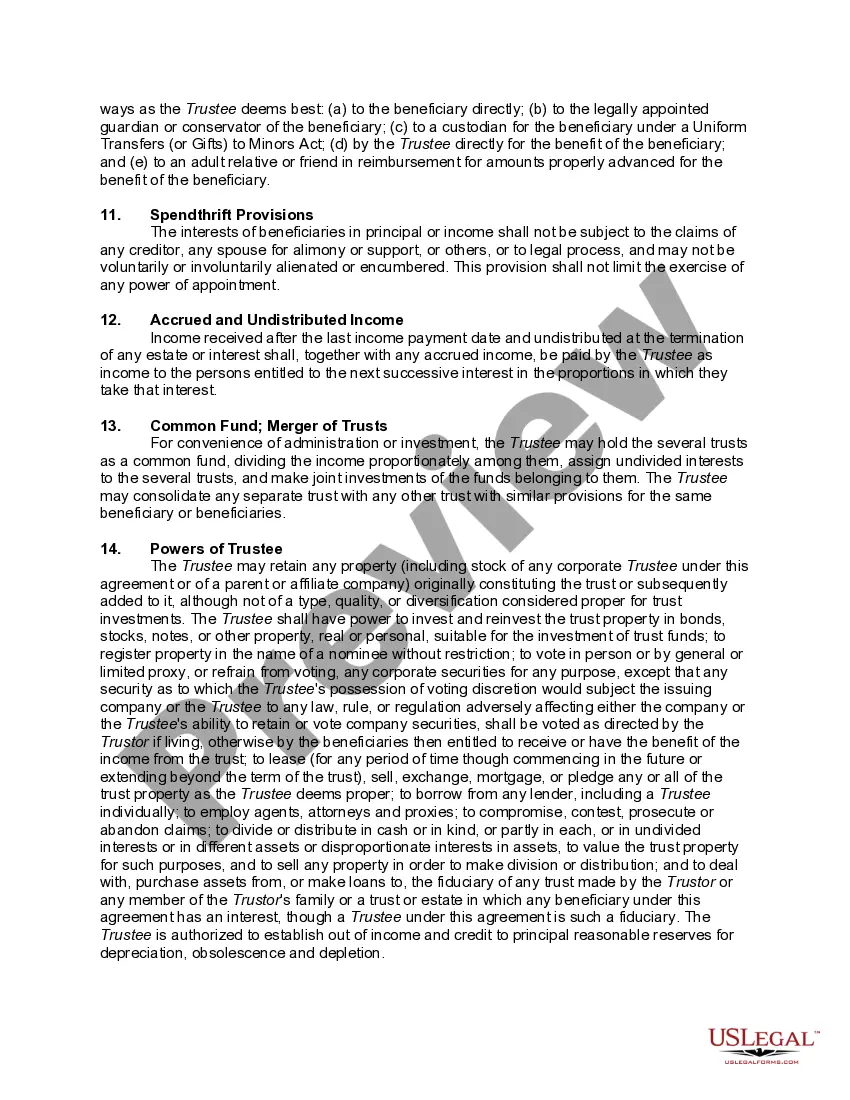
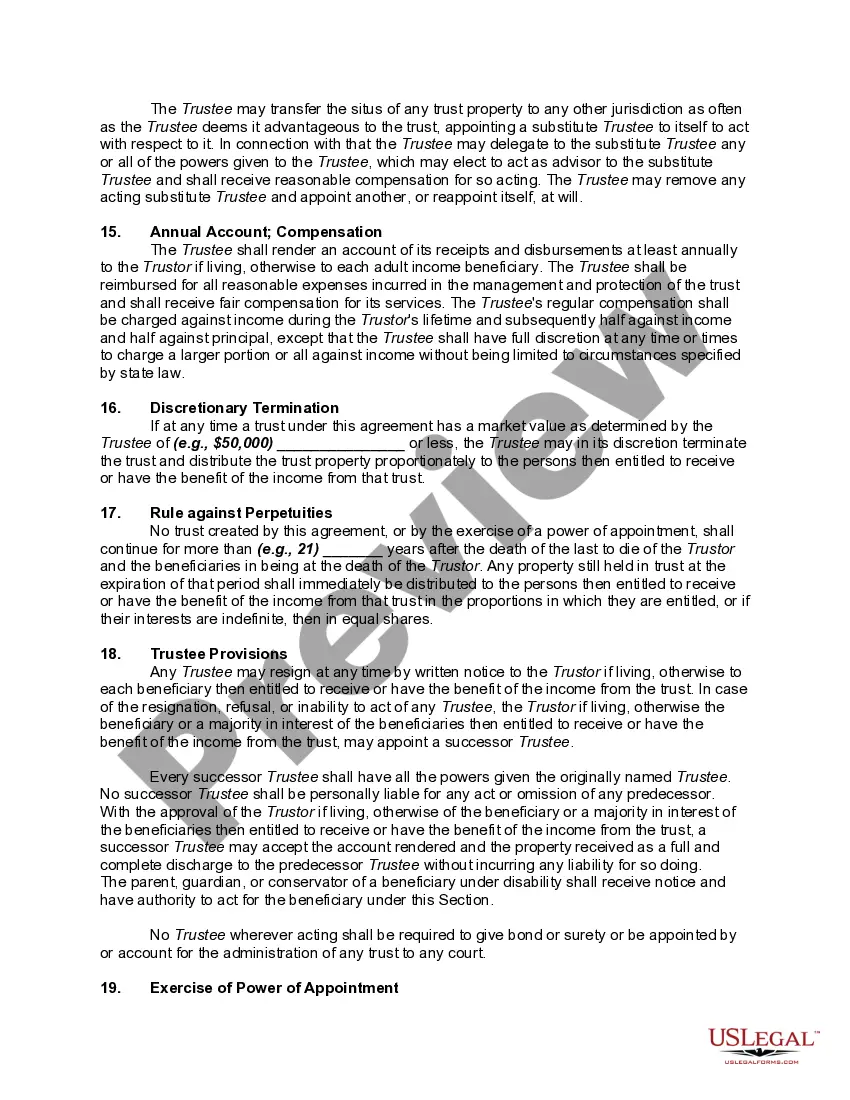
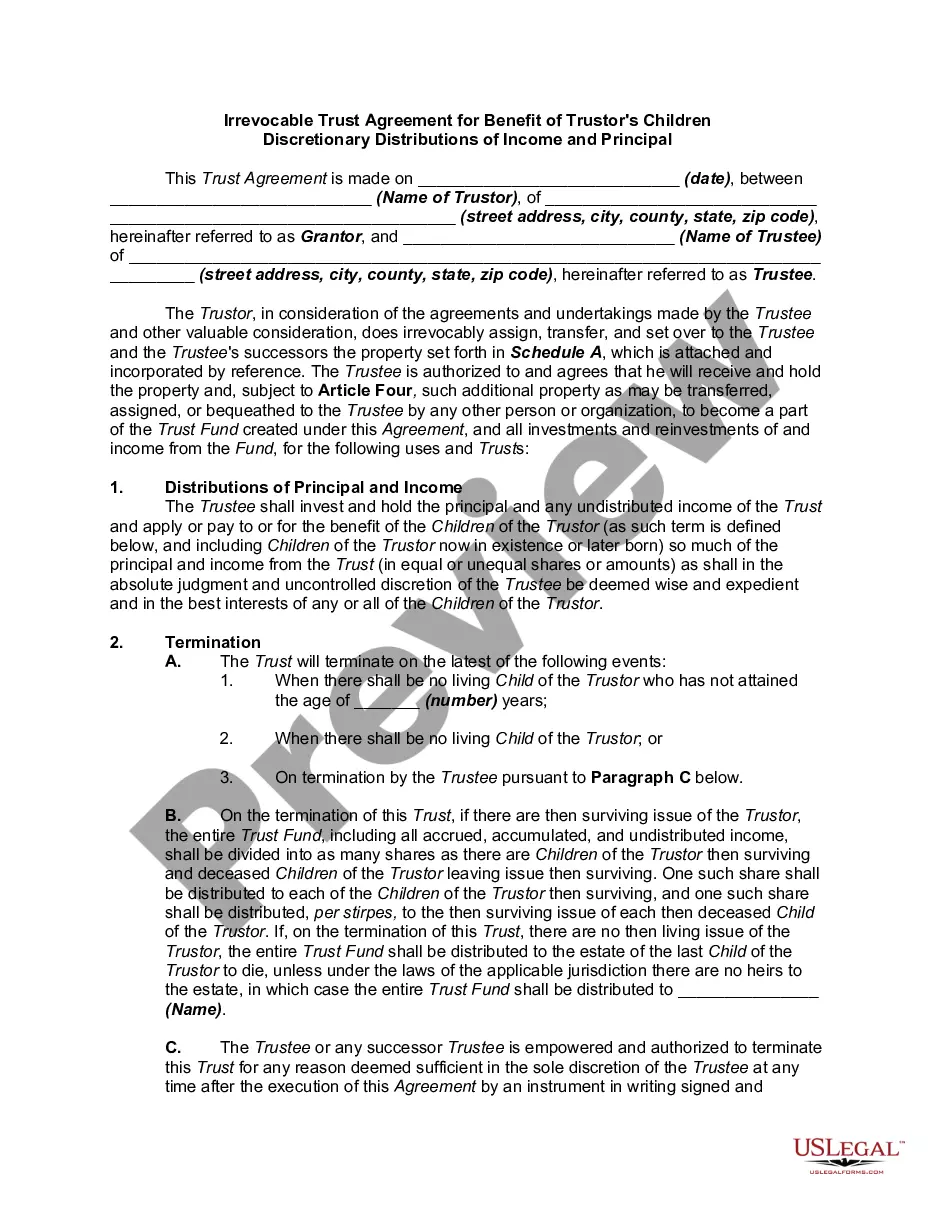
How to fill out Irrevocable Trust Agreement For Benefit Of Trustor's Children And Grandchildren With Spendthrift Trust Provisions?
- Log into your account with US Legal Forms to access your document library if you have previously registered, ensuring your subscription is active.
- If you're a new user, start by browsing the extensive legal form library. Use the Preview mode to review form descriptions and verify that the selected document aligns with your needs and local laws.
- If the desired form isn't suitable, utilize the Search function to find an alternative that meets your criteria.
- Once you've selected the right document, click on the Buy Now button. Choose your preferred subscription plan and create an account for access.
- Complete your purchase by entering your payment information via credit card or PayPal to finalize your subscription.
- After the purchase, download the completed document. You can find it in the My Forms section of your profile for easy access anytime.
In conclusion, US Legal Forms makes it easy for individuals and attorneys alike to execute legal documents accurately. With a vast collection of forms, premium assistance available, and user-friendly navigation, you can confidently create your irrevocable living trust.
Start your journey today by visiting US Legal Forms and discover how easy managing your legal needs can be!
Form popularity
FAQ
Typically, a beneficiary cannot contribute to an irrevocable living trust with a beneficiary directly. The trust itself holds assets for the benefit of the beneficiaries, and your contributions must come from the trust's funds or assets initially set up by the grantor. If you need assistance with trust contributions, UsLegalForms provides resources and templates to help clarify these rules.
Yes, you can set up an irrevocable living trust with a beneficiary for yourself. An irrevocable trust means that once you create it, you cannot modify or terminate it easily. This structure can offer asset protection benefits and reduce estate taxes. Consider using UsLegalForms to navigate the setup process smoothly.
Yes, you can create your own irrevocable living trust with a beneficiary. However, it's important to understand the legal requirements and implications. Using a platform like UsLegalForms can simplify this process, providing you with templates and guidance tailored to your needs. By following the right steps, you can ensure your trust functions as intended.
You do not file an irrevocable living trust with any local or state office; however, you should maintain it for tax purposes. The trust itself does not get filed, but if it generates income, you will file a tax return, Form 1041, on behalf of the trust. Utilizing resources such as US Legal Forms can simplify the paperwork associated with managing your trust.
The IRS treats irrevocable living trusts with a beneficiary as separate tax entities. This means they must file their own tax returns using Form 1041, reporting all income and deductions. Understanding these rules can prevent issues with the IRS, emphasizing the importance of working with tax professionals.
Yes, irrevocable living trusts with a beneficiary can receive a 1099 form if they generate income. This form reports income such as interest or dividends earned by the trust. It’s essential to keep accurate records of any income generated to ensure proper tax reporting.
Once you establish irrevocable living trusts with a beneficiary, adding a new beneficiary is generally not straightforward. This process usually involves amending the trust agreement, which may require consent from the current beneficiaries and could also lead to tax implications. Consulting with a qualified attorney can help navigate this complicated process.
Irrevocable living trusts with a beneficiary typically do not have to be filed with the court unless you require court approval for certain actions. However, you need to ensure proper documentation and trust administration. It’s wise to consult a legal expert to understand the specific requirements in your state.
Avoid placing assets that you may need to access frequently in an irrevocable trust, such as savings accounts or personal property. Additionally, steer clear of assets that might complicate the trust's tax situation. When setting up irrevocable living trusts with a beneficiary, focus on long-term assets that align with your estate planning strategy.
To fill out an irrevocable trust, you must identify the grantor, beneficiaries, and trustee clearly. Next, provide details about the assets being transferred into the trust and outline how these assets should be managed and distributed. If you're unsure, consider using US Legal Forms as a helpful platform for guidance when creating irrevocable living trusts with a beneficiary.