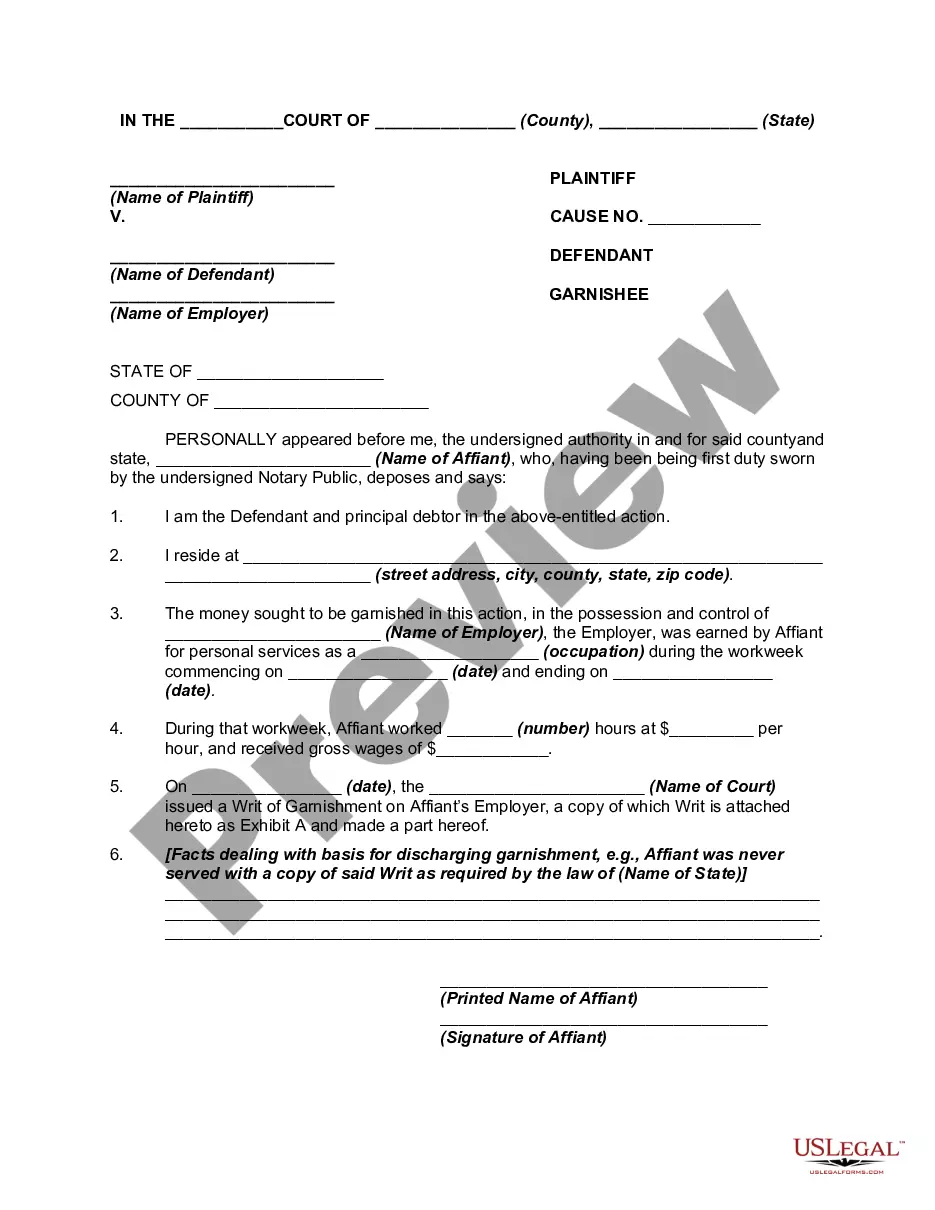
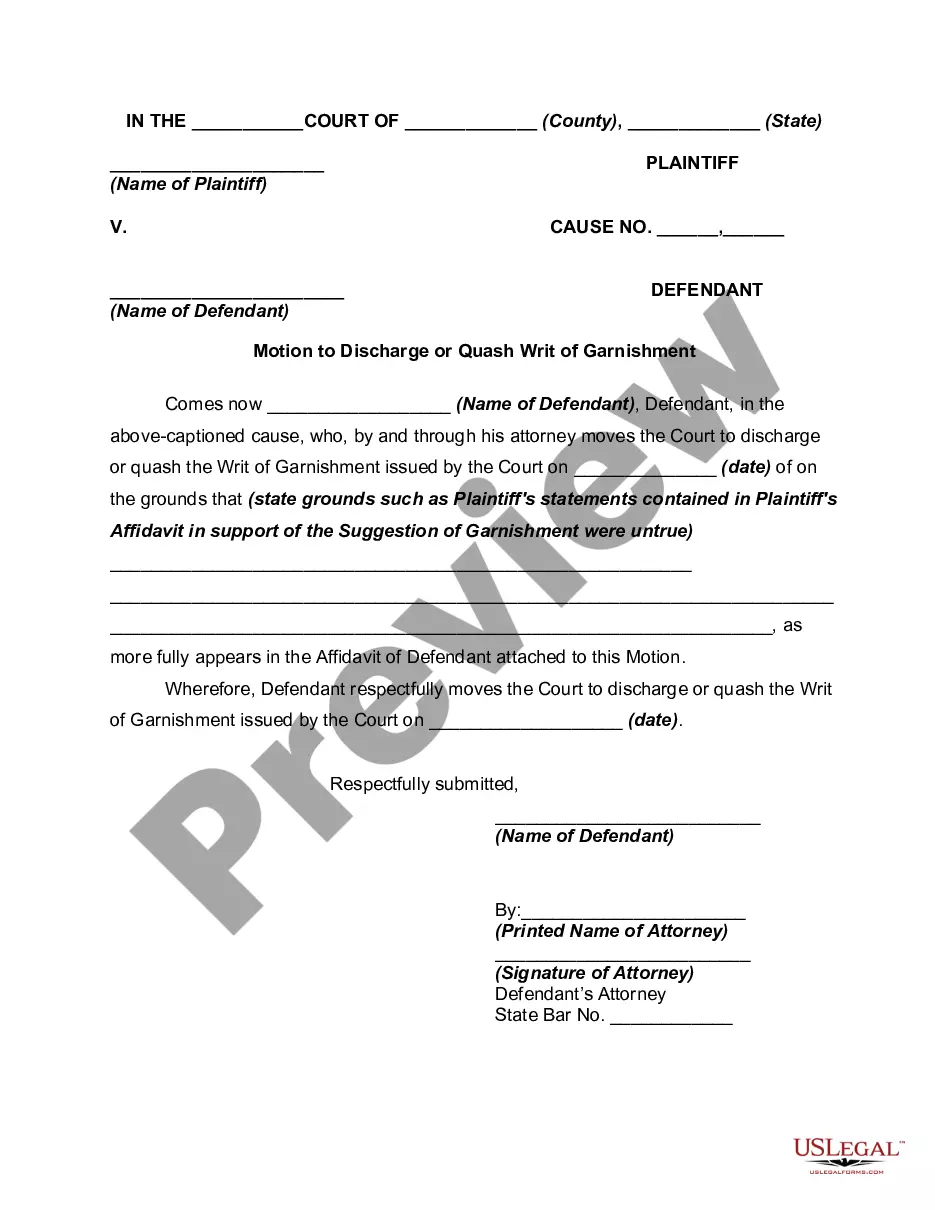
Motion For Garnishment Philippines
Description
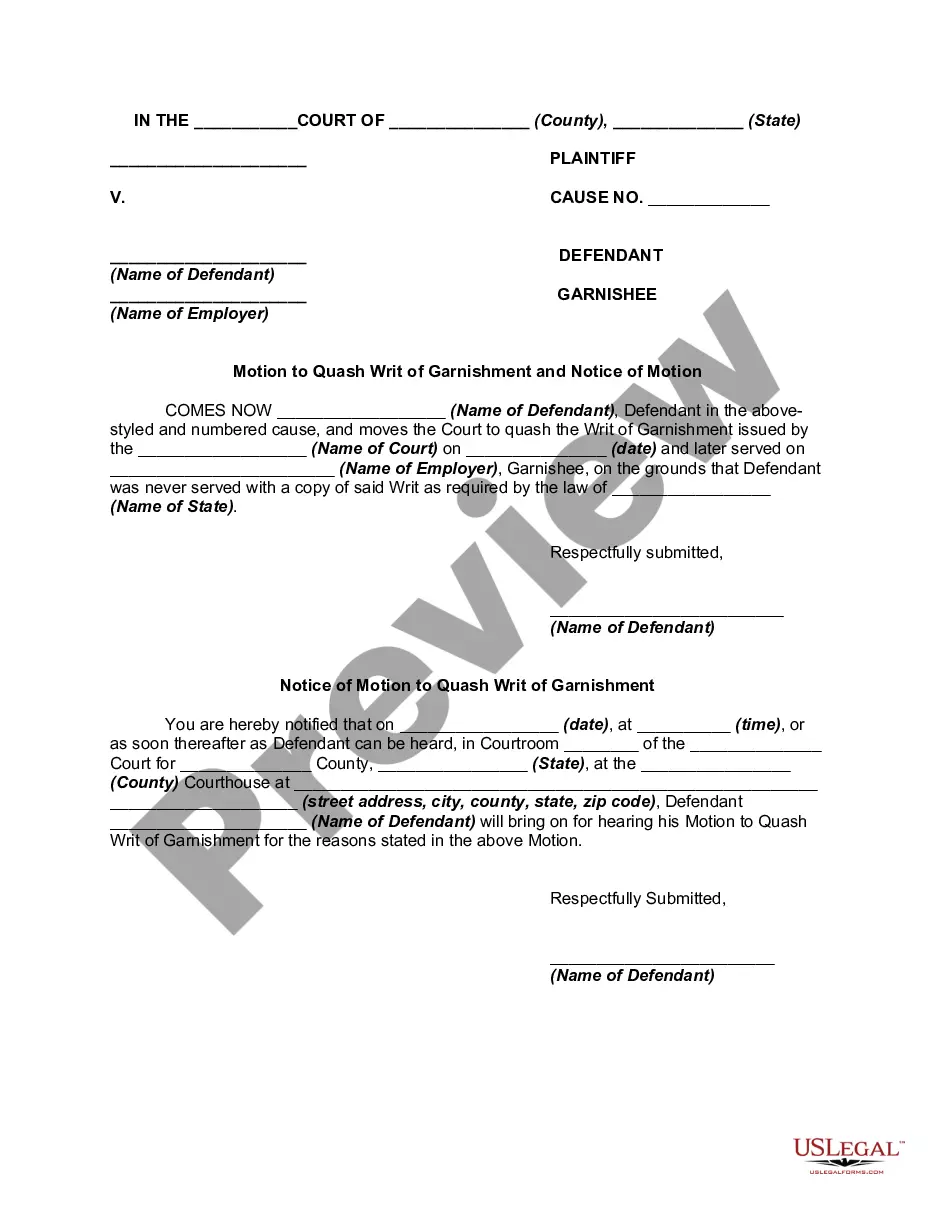
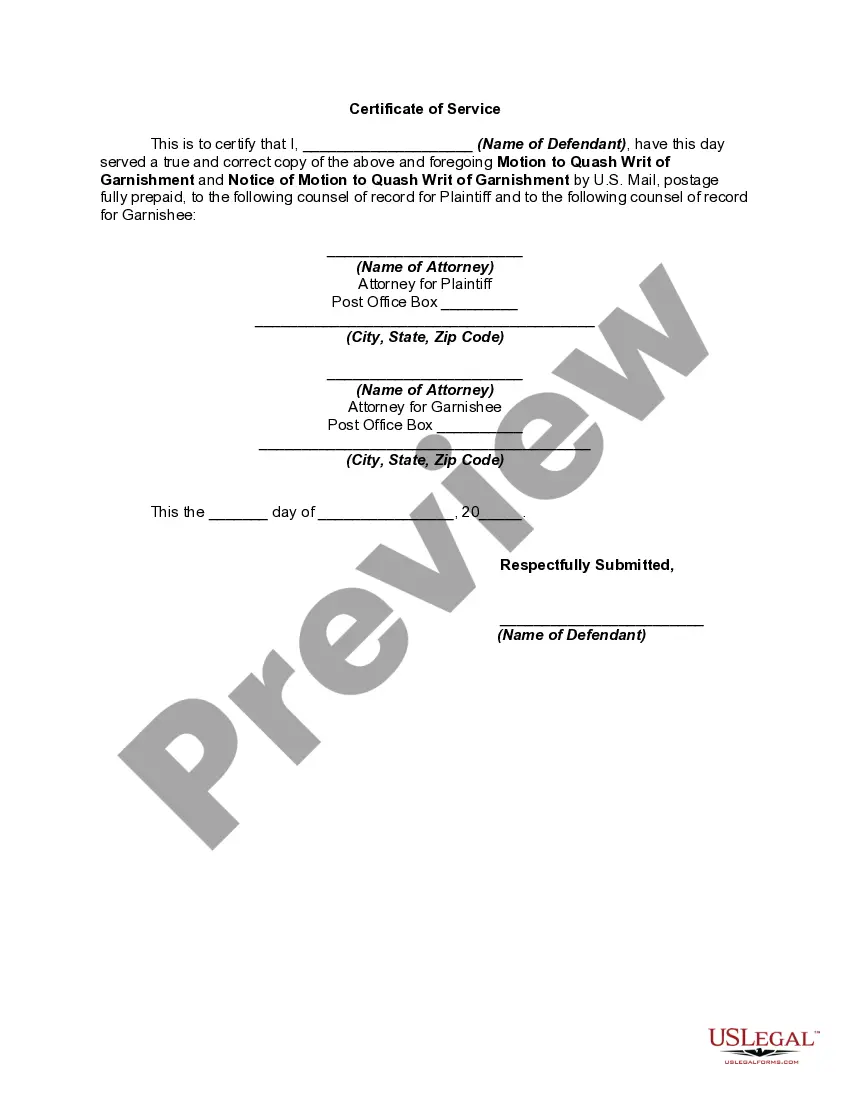
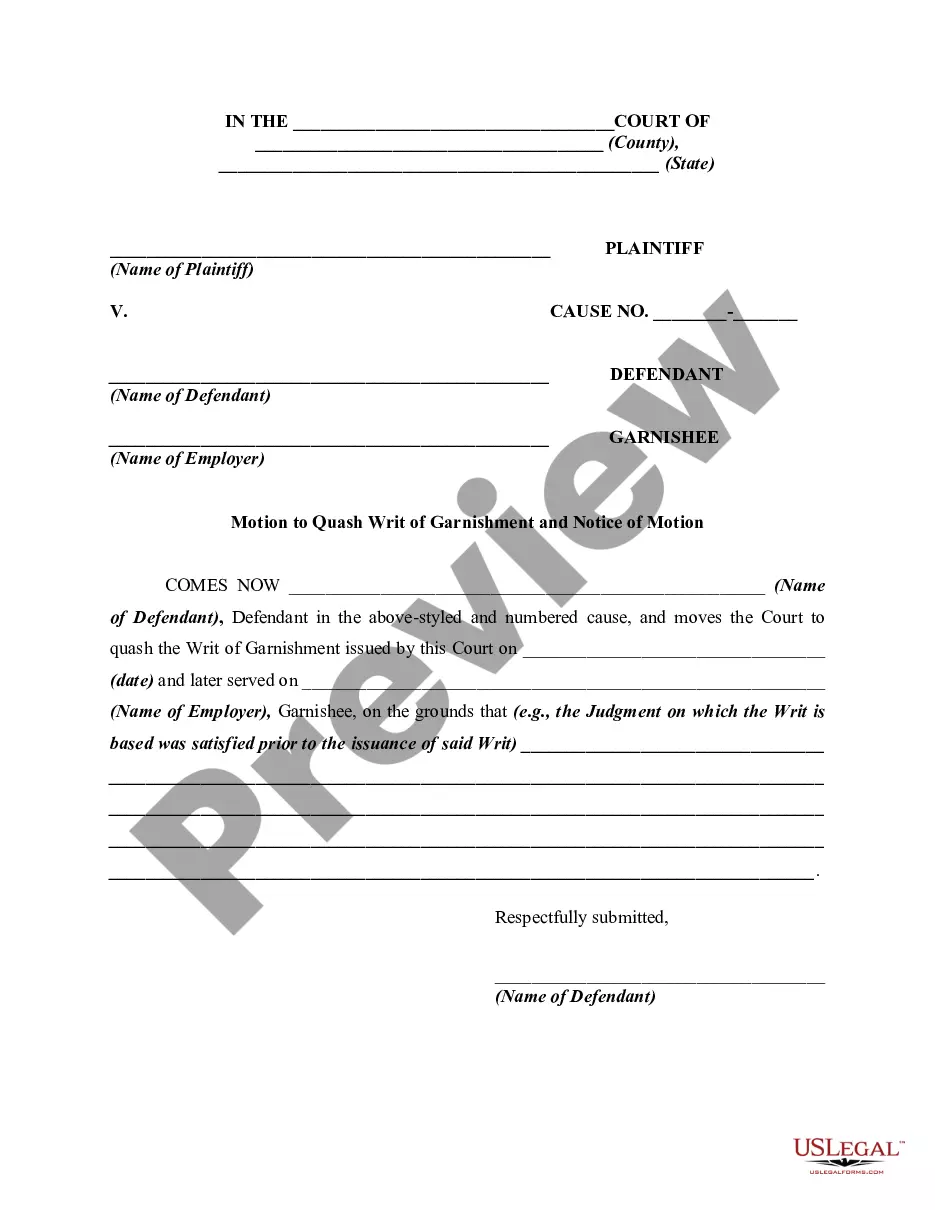
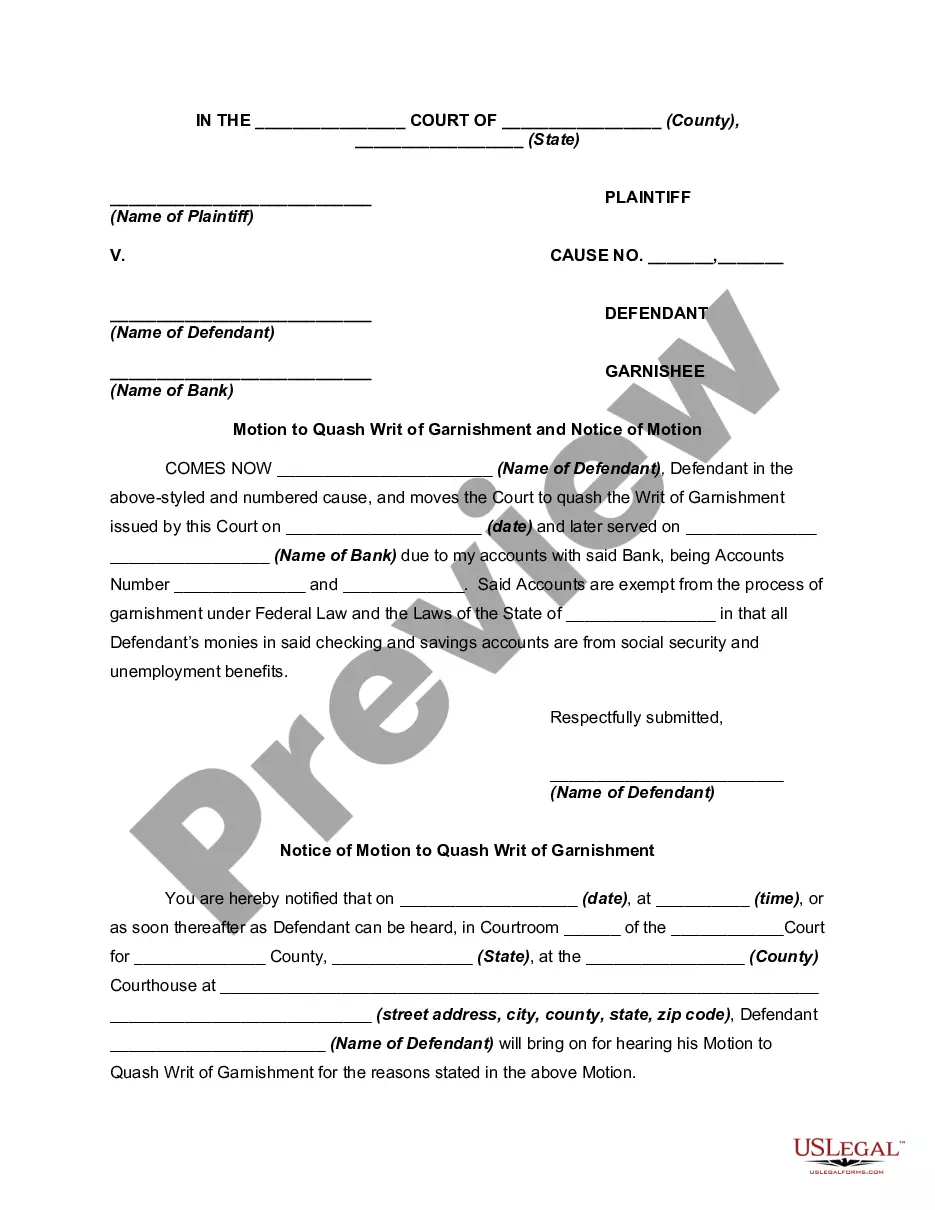
Get your form ready online
Our built-in tools help you complete, sign, share, and store your documents in one place.
Make edits, fill in missing information, and update formatting in US Legal Forms—just like you would in MS Word.
Download a copy, print it, send it by email, or mail it via USPS—whatever works best for your next step.
Sign and collect signatures with our SignNow integration. Send to multiple recipients, set reminders, and more. Go Premium to unlock E-Sign.
If this form requires notarization, complete it online through a secure video call—no need to meet a notary in person or wait for an appointment.
We protect your documents and personal data by following strict security and privacy standards.

Make edits, fill in missing information, and update formatting in US Legal Forms—just like you would in MS Word.

Download a copy, print it, send it by email, or mail it via USPS—whatever works best for your next step.

Sign and collect signatures with our SignNow integration. Send to multiple recipients, set reminders, and more. Go Premium to unlock E-Sign.

If this form requires notarization, complete it online through a secure video call—no need to meet a notary in person or wait for an appointment.

We protect your documents and personal data by following strict security and privacy standards.
Looking for another form?









Form popularity
FAQ
Levy and distraint are both legal actions to recover debts, but they operate in slightly different ways. Levy involves the legal seizure of a debtor's property, while distraint generally pertains to the enforcement of a creditor's claim against a specific property. When discussing the Motion for garnishment philippines, it's essential to recognize how these processes can impact the resolution of outstanding debts. Familiarizing yourself with both can help you understand your rights and options as either a creditor or a debtor.
In the Philippines, a levy refers to the actual process of taking control of a debtor's property, while garnishment is a specific type of levy that focuses on the debtor's financial assets, such as wages or bank accounts. The Motion for garnishment philippines serves as the formal request that initiates garnishment. Both methods are useful for creditors, but garnishment specifically targets funds owed directly to the debtor.
The terms 'levy' and 'seize' refer to two different actions taken by creditors. A levy involves the legal seizure of a debtor's property to satisfy a debt, while to seize means to take possession of property forcefully. A Motion for garnishment philippines can result in levies to attach funds from bank accounts or wages. Understanding these distinctions helps creditors navigate the correct processes for collecting owed amounts.
Garnishment in the Philippines is a legal process that allows a creditor to collect debts by seizing a debtor's assets or funds. The creditor files a Motion for garnishment philippines with the court to obtain permission for this action. This process usually pertains to wages, bank accounts, or other financial resources owned by the debtor. It's a vital tool for enforcing court judgments and ensuring that creditors receive due payments.
The most common type of garnishment in the Philippines is wage garnishment, where a portion of an individual’s paycheck is withheld by their employer to satisfy a debt. This process typically requires a court order obtained through a motion for garnishment Philippines. Understanding the implications of wage garnishment can help individuals manage their finances better and seek alternative solutions. Always consult with a legal professional when facing potential garnishment to explore your options.
The law of garnishing refers to the legal framework that governs how creditors can collect debts by seizing a debtor's property or income. This law ensures that the garnishment process is fair and transparent, protecting the rights of both parties involved. When you file a motion for garnishment Philippines, you engage with this legal mechanism to enforce payment of debts. It is important to know your responsibilities and rights under this law to avoid potential complications.
To file a motion for execution in the Philippines, you typically go to the court that issued the original order or judgment. You must prepare the motion properly and include all necessary documentation supporting your request for enforcement. Filing a motion for garnishment Philippines can streamline this process, ensuring that the court recognizes your claim for collection. It is advisable to consult with legal experts to enhance your chances of a successful filing.
Garnishment law in the Philippines allows a creditor to collect debts by seizing a debtor's assets through a legal process. This process is initiated by filing a motion for garnishment Philippines with the appropriate court. Once the court approves this motion, it enables the creditor to access the debtor's bank accounts or wages to satisfy outstanding debts. Understanding this law is essential for both creditors and debtors to navigate their rights effectively.
Garnishment proceedings in the Philippines involve a legal process where a creditor seeks to collect a debt directly from the debtor's earnings or bank account. Once the court grants a Motion for Garnishment Philippines, it issues an order to the bank or employer to withhold a portion of the debtor's funds. This process ensures that creditors can recover their debts in a structured manner while adhering to legal protocols.
If the defendant fails to appear in court in the Philippines, the court may issue a default judgment in favor of the plaintiff. This means that you, as the creditor, can proceed with measures to collect the debt, potentially including a Motion for Garnishment Philippines. The absence of the defendant can expedite your path to recovering the owed amount through legal means.
