Petition Expunge For The Dead
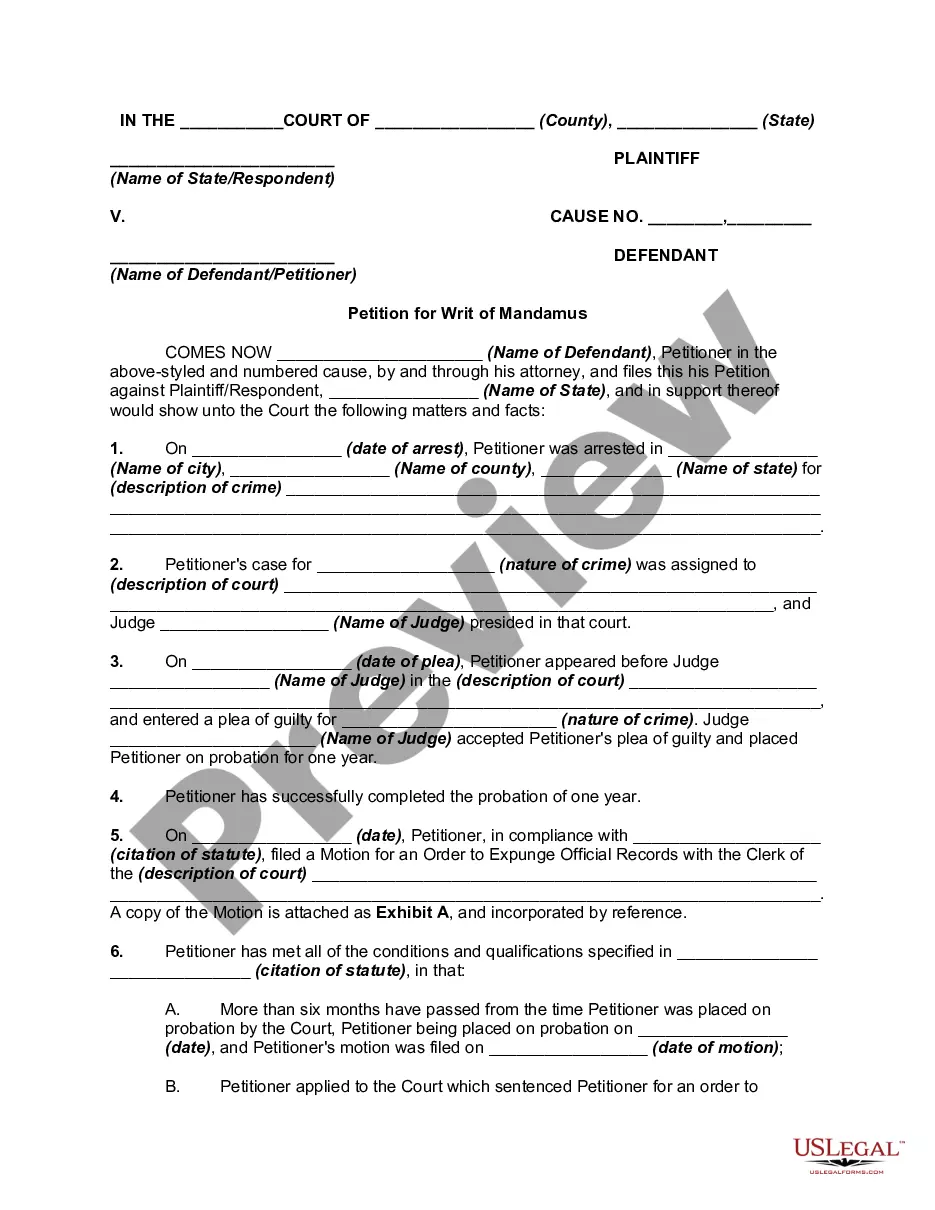
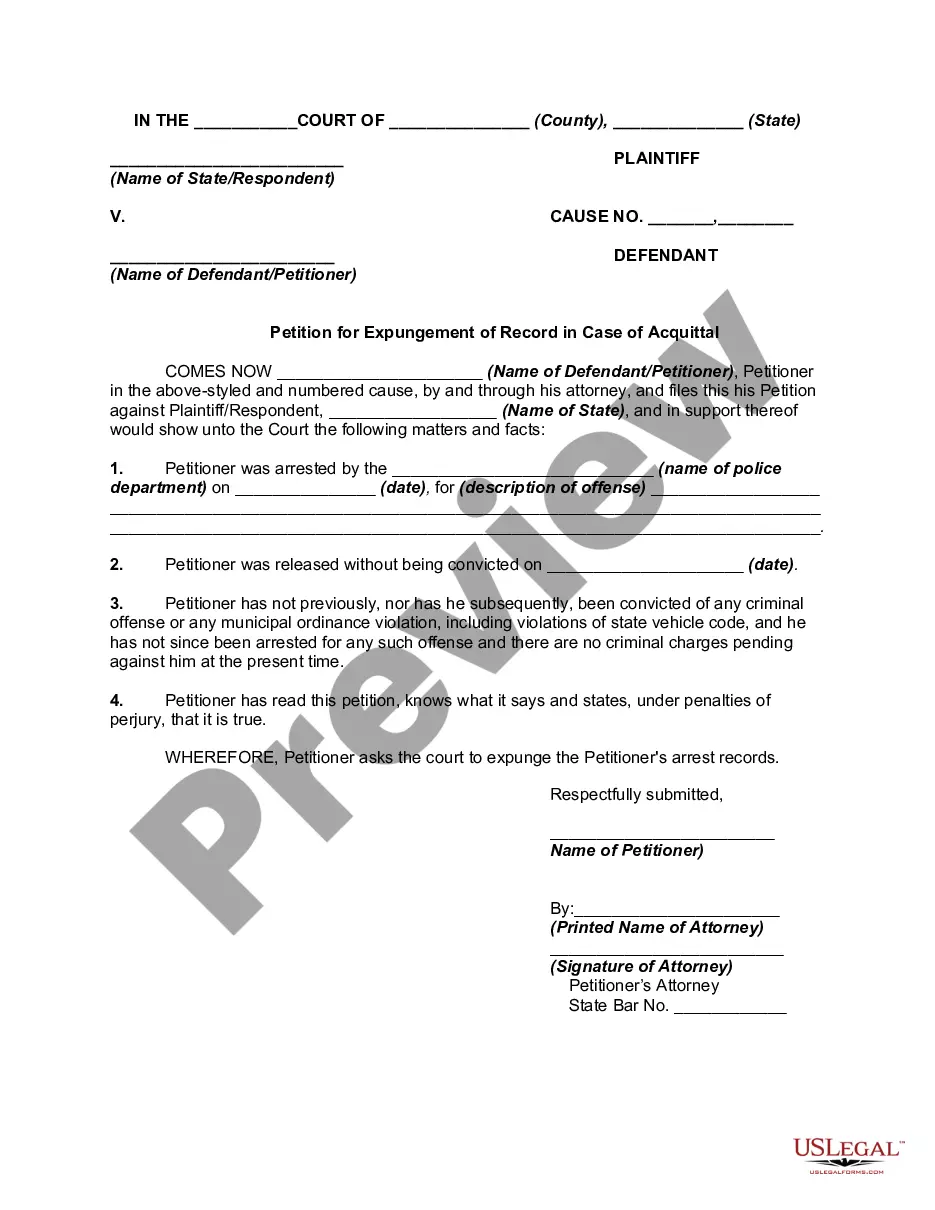
Description
Get your form ready online
Our built-in tools help you complete, sign, share, and store your documents in one place.
Make edits, fill in missing information, and update formatting in US Legal Forms—just like you would in MS Word.
Download a copy, print it, send it by email, or mail it via USPS—whatever works best for your next step.
Sign and collect signatures with our SignNow integration. Send to multiple recipients, set reminders, and more. Go Premium to unlock E-Sign.
If this form requires notarization, complete it online through a secure video call—no need to meet a notary in person or wait for an appointment.
We protect your documents and personal data by following strict security and privacy standards.

Make edits, fill in missing information, and update formatting in US Legal Forms—just like you would in MS Word.

Download a copy, print it, send it by email, or mail it via USPS—whatever works best for your next step.

Sign and collect signatures with our SignNow integration. Send to multiple recipients, set reminders, and more. Go Premium to unlock E-Sign.

If this form requires notarization, complete it online through a secure video call—no need to meet a notary in person or wait for an appointment.

We protect your documents and personal data by following strict security and privacy standards.
Looking for another form?
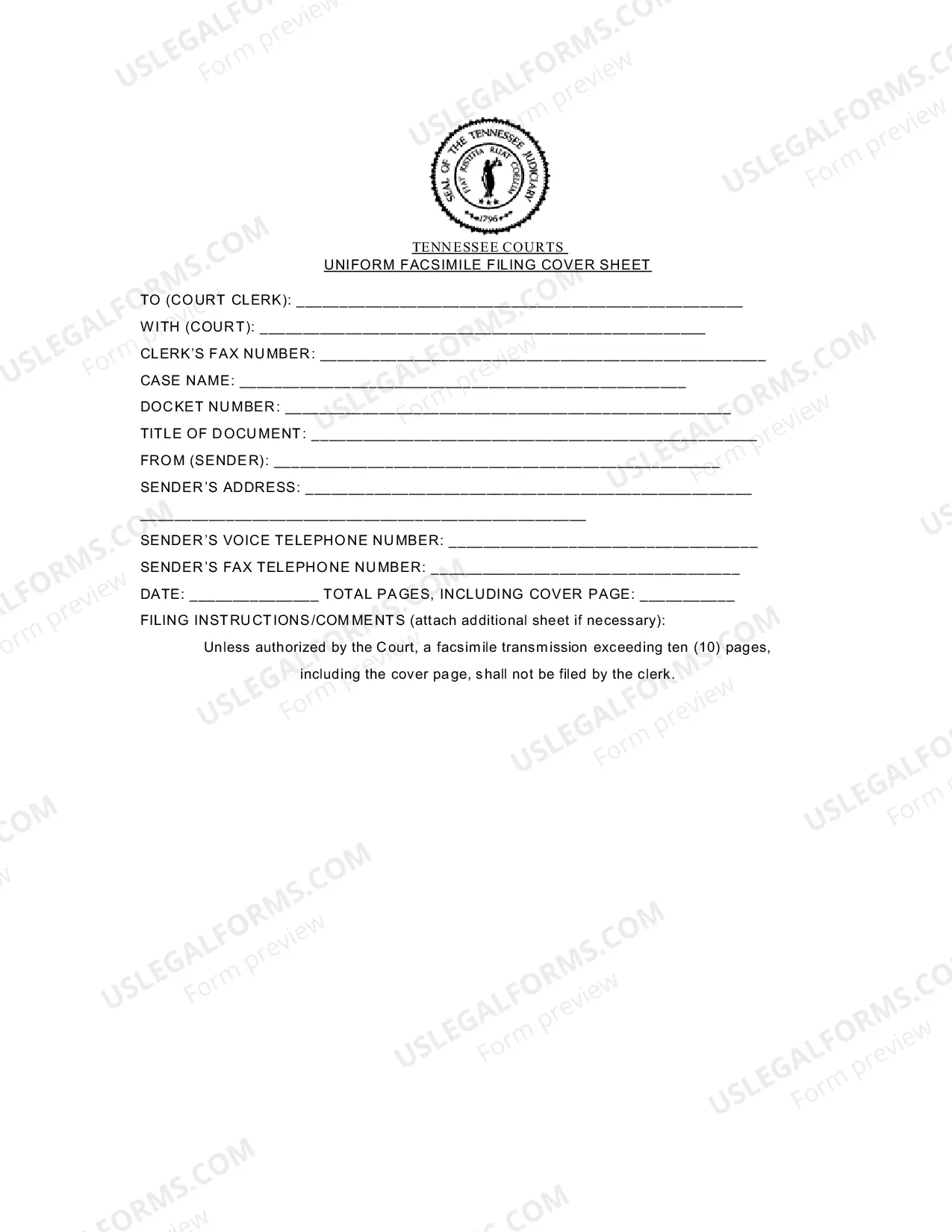




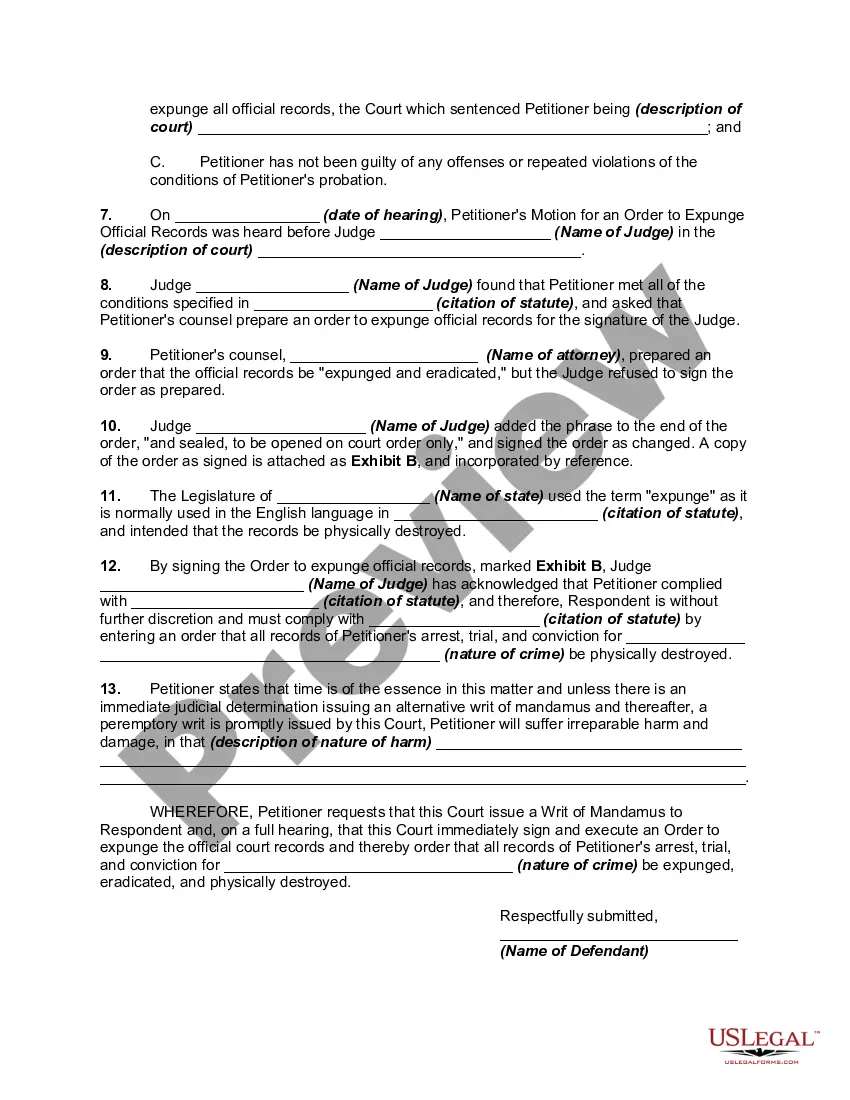
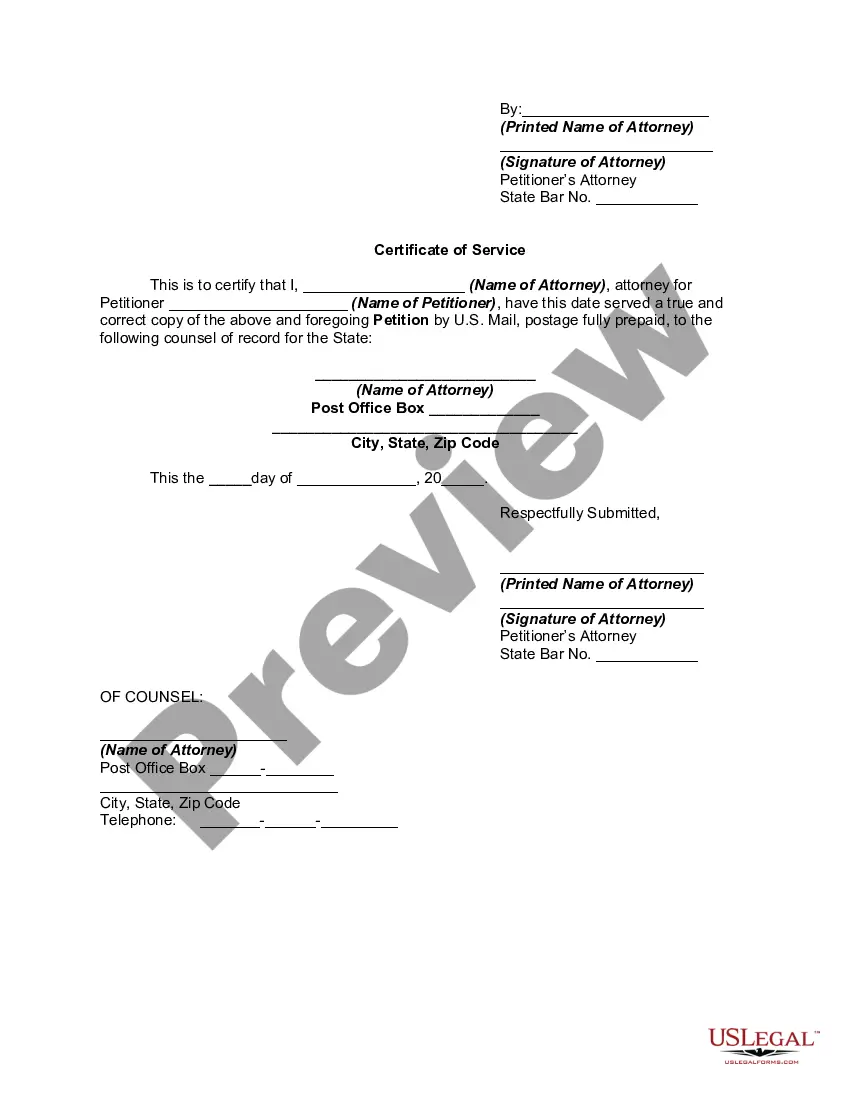
How to fill out Petition For Writ Of Mandamus Or Mandate To Compel Court To Expunge Record Of Arrest, Trial, And Conviction - Expungement?
- Log in to your US Legal Forms account if you're a returning user. Ensure your subscription is active to access the required templates.
- For first-time users, start by previewing the available templates. Take note of the specifics, ensuring they align with your jurisdiction's requirements.
- Should you need a different template, utilize the search feature at the top of the page to locate the appropriate form.
- Once you've chosen the right document, click the Buy Now button and select your preferred subscription plan to proceed.
- Complete your purchase by entering your payment details through a credit card or PayPal and confirming your order.
- Lastly, download the template onto your device and access it anytime via the My Forms section in your profile.
US Legal Forms not only provides a vast selection of over 85,000 legal forms but also connects users with premium experts for precise assistance. This reliable resource empowers individuals to tackle their legal needs efficiently.
Ready to streamline your legal document process? Visit US Legal Forms today and get started on your petition expunge for the dead for peace of mind and clarity.
Form popularity
FAQ
Judges typically cannot see expunged records, as these documents are sealed from public view. However, there may be exceptions depending on the circumstances of the case or the jurisdiction. When you petition expunge for the dead, you help ensure that those records remain confidential and protect your privacy.
Use respectful language when addressing a judge; this sets the right tone for your request. Begin with formal greetings and express gratitude for their time. Mention your objective clearly, focusing on the impact of expungement on your future, particularly if you are petitioning to expunge for the dead.
When speaking to a judge for expungement, clarity and respect are essential. Clearly state your request and provide context, including the reasons why expungement is vital for you. Discuss how you are working to improve your life, as this can support your petition expunge for the dead and make your case more compelling.
Writing a letter to a judge for expungement requires a clear structure and respectful tone. Start with a formal greeting, briefly explain your situation, and clearly state your request for expungement. Referencing your intention to petition expunge for the dead can strengthen your case; it shows your commitment to moving forward.
Getting a dismissed case expunged is generally manageable, but it may require a thoughtful approach. Many factors influence the process, including the jurisdiction and the specifics of the case. By using services like USLegalForms, you can streamline your petition expunge for the dead and navigate the necessary steps more efficiently.
In Georgia, certain crimes cannot be expunged, which means they remain on a person's record. These include serious offenses such as murder, sexual offenses, and certain violent felonies. Additionally, if you have multiple felony convictions, the law usually prohibits expunging any of those records. If you are considering a petition to expunge for the dead, it is crucial to understand these limitations and seek guidance on how US Legal Forms can assist you with the process.
In Maryland, certain charges, such as convictions for violent crimes and sexual offenses, cannot typically be expunged. Additionally, cases where the individual was found not guilty may also have limitations. Understanding these restrictions is crucial before you decide to petition expunge for the dead. Utilizing US Legal Forms can help clarify what is and isn’t eligible for expungement in your state.
Yes, you can file your own expungement in Texas, but it involves understanding legal terminology and procedures. Filing a petition expunge for the dead independently is achievable if you are comfortable with legal forms. However, using a platform like US Legal Forms can provide necessary templates and instructions to facilitate your filing process.
You do not necessarily need a lawyer to petition expunge for the dead. However, having legal representation can greatly simplify the process. A lawyer understands the laws and can help you navigate the paperwork. Using a service like US Legal Forms may also provide you with the necessary guidance and forms to make this process smoother.
Records that can be expunged typically include arrest records, convictions for misdemeanors, and certain non-violent felonies, depending on state laws. The successful petition expunge for the dead means these records are not accessible to the public. However, some serious crimes or repeated offenses may not qualify for expungement. Therefore, it is wise to consult the specific regulations and seek guidance from legal resources.