Unlawful Arrest And Detention
Description


Get your form ready online
Our built-in tools help you complete, sign, share, and store your documents in one place.
Make edits, fill in missing information, and update formatting in US Legal Forms—just like you would in MS Word.
Download a copy, print it, send it by email, or mail it via USPS—whatever works best for your next step.
Sign and collect signatures with our SignNow integration. Send to multiple recipients, set reminders, and more. Go Premium to unlock E-Sign.
If this form requires notarization, complete it online through a secure video call—no need to meet a notary in person or wait for an appointment.
We protect your documents and personal data by following strict security and privacy standards.

Make edits, fill in missing information, and update formatting in US Legal Forms—just like you would in MS Word.

Download a copy, print it, send it by email, or mail it via USPS—whatever works best for your next step.

Sign and collect signatures with our SignNow integration. Send to multiple recipients, set reminders, and more. Go Premium to unlock E-Sign.

If this form requires notarization, complete it online through a secure video call—no need to meet a notary in person or wait for an appointment.

We protect your documents and personal data by following strict security and privacy standards.
Looking for another form?





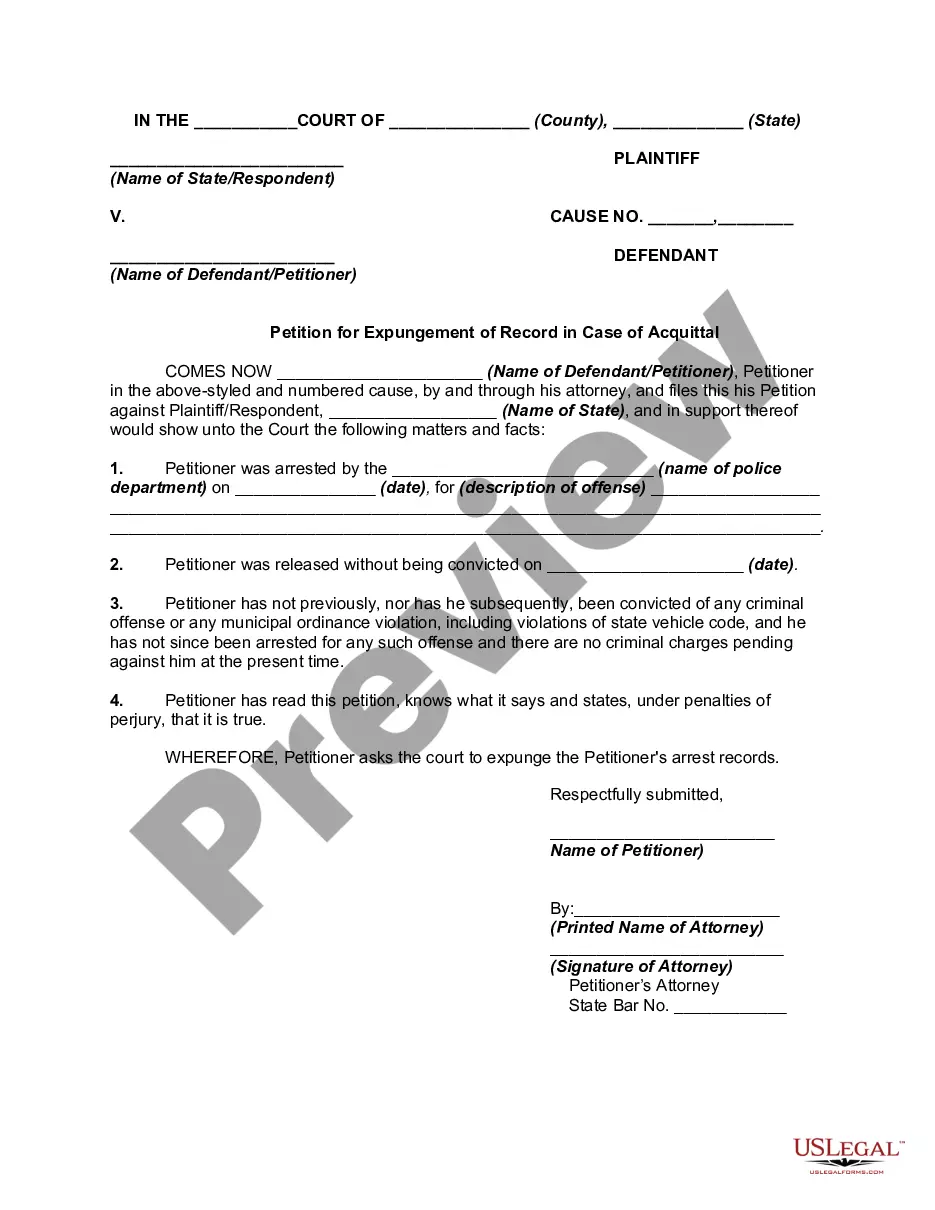
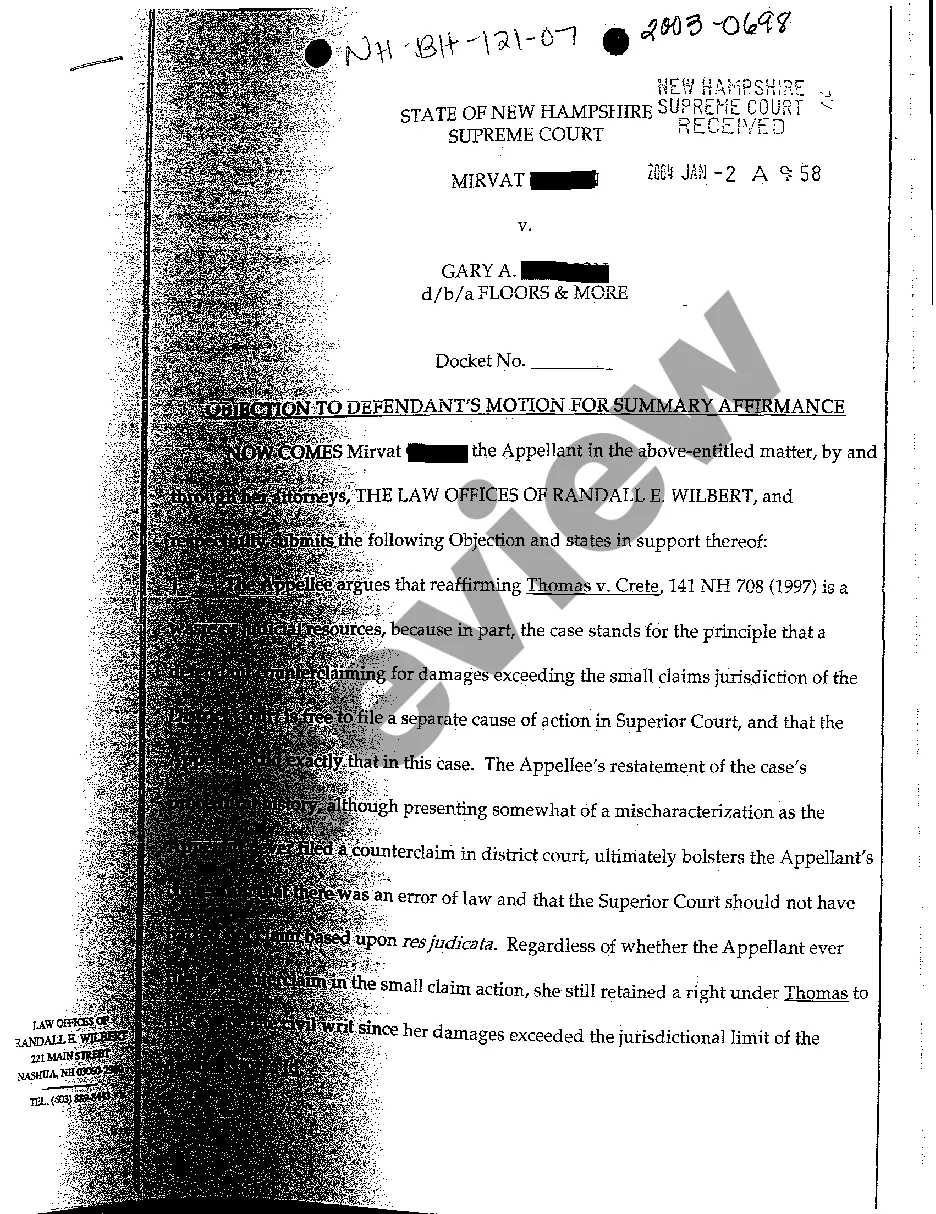
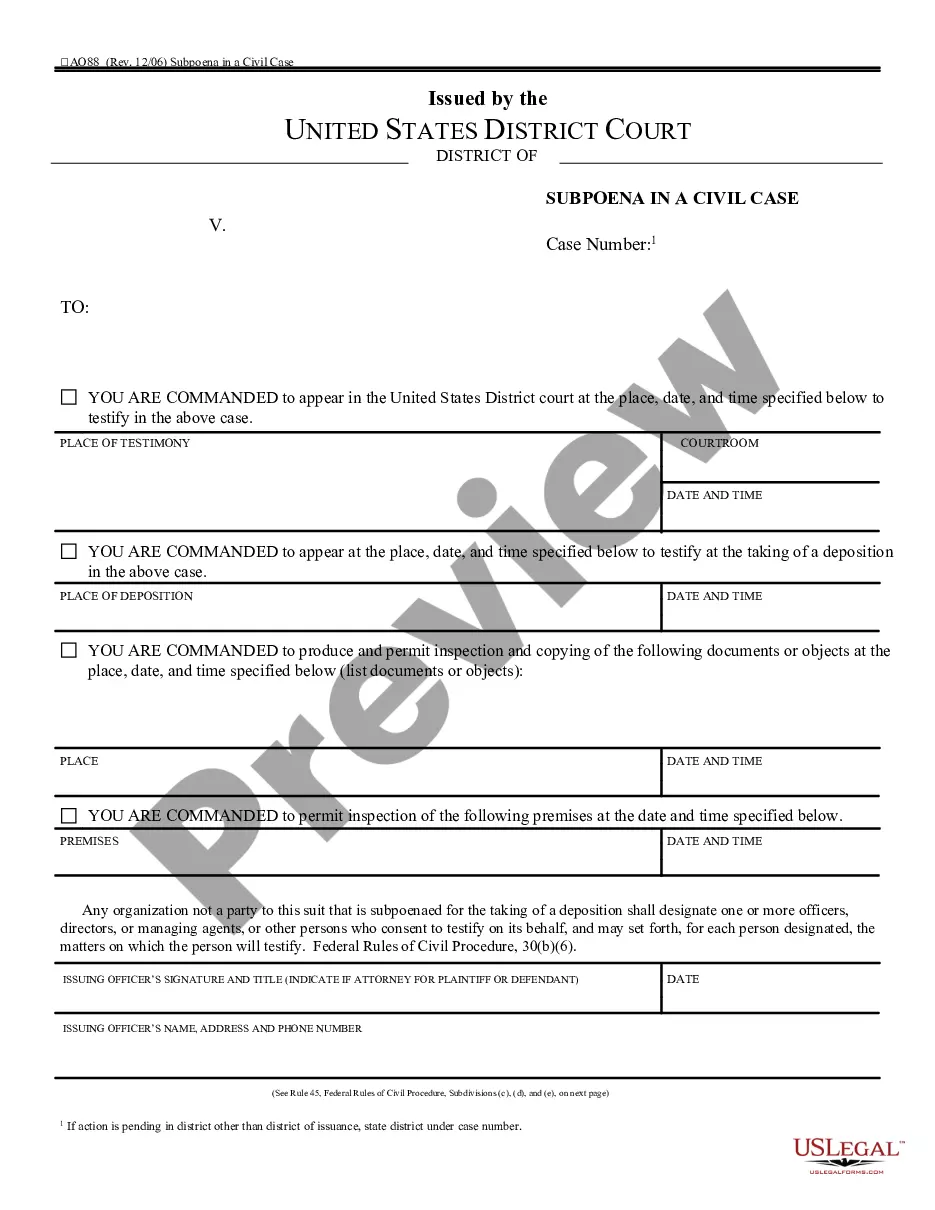
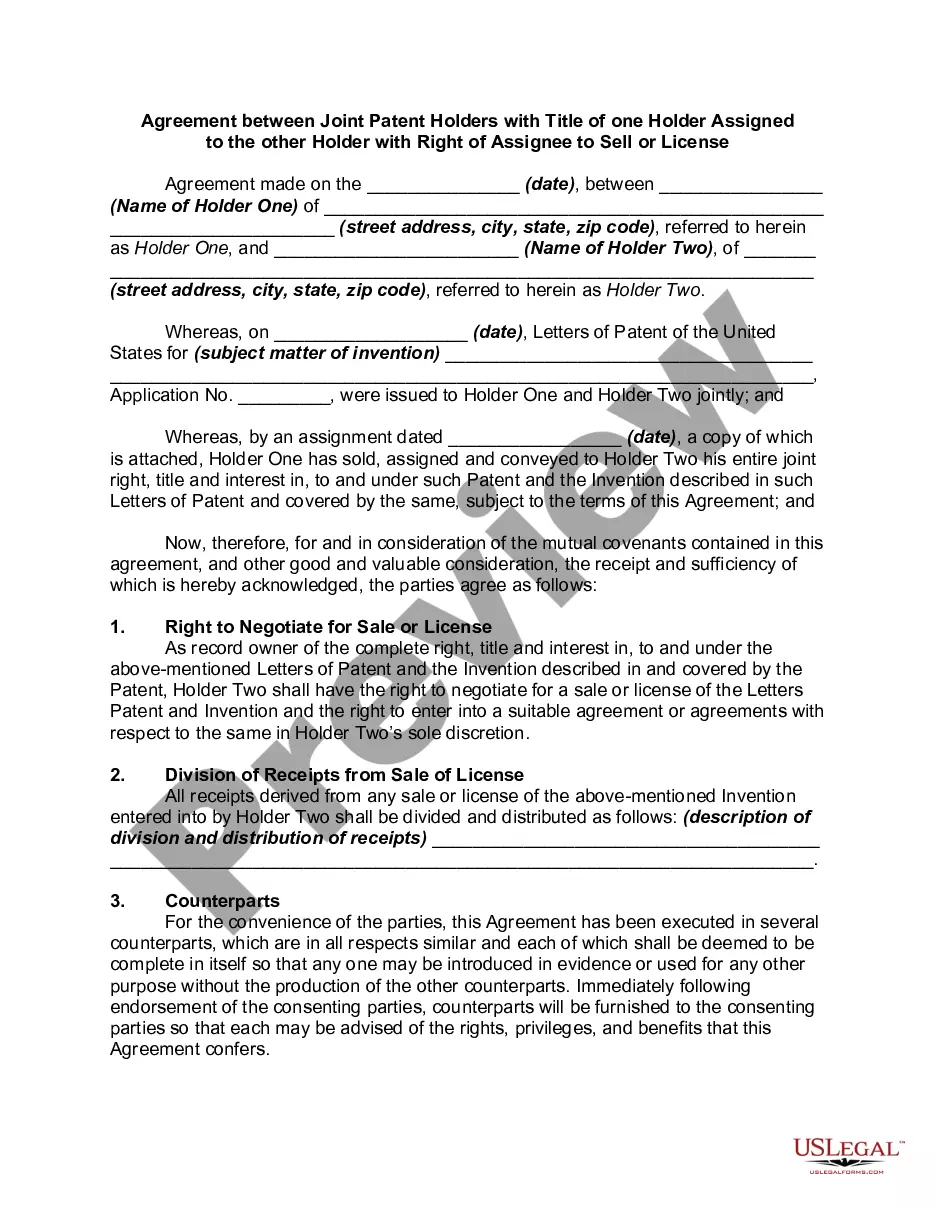
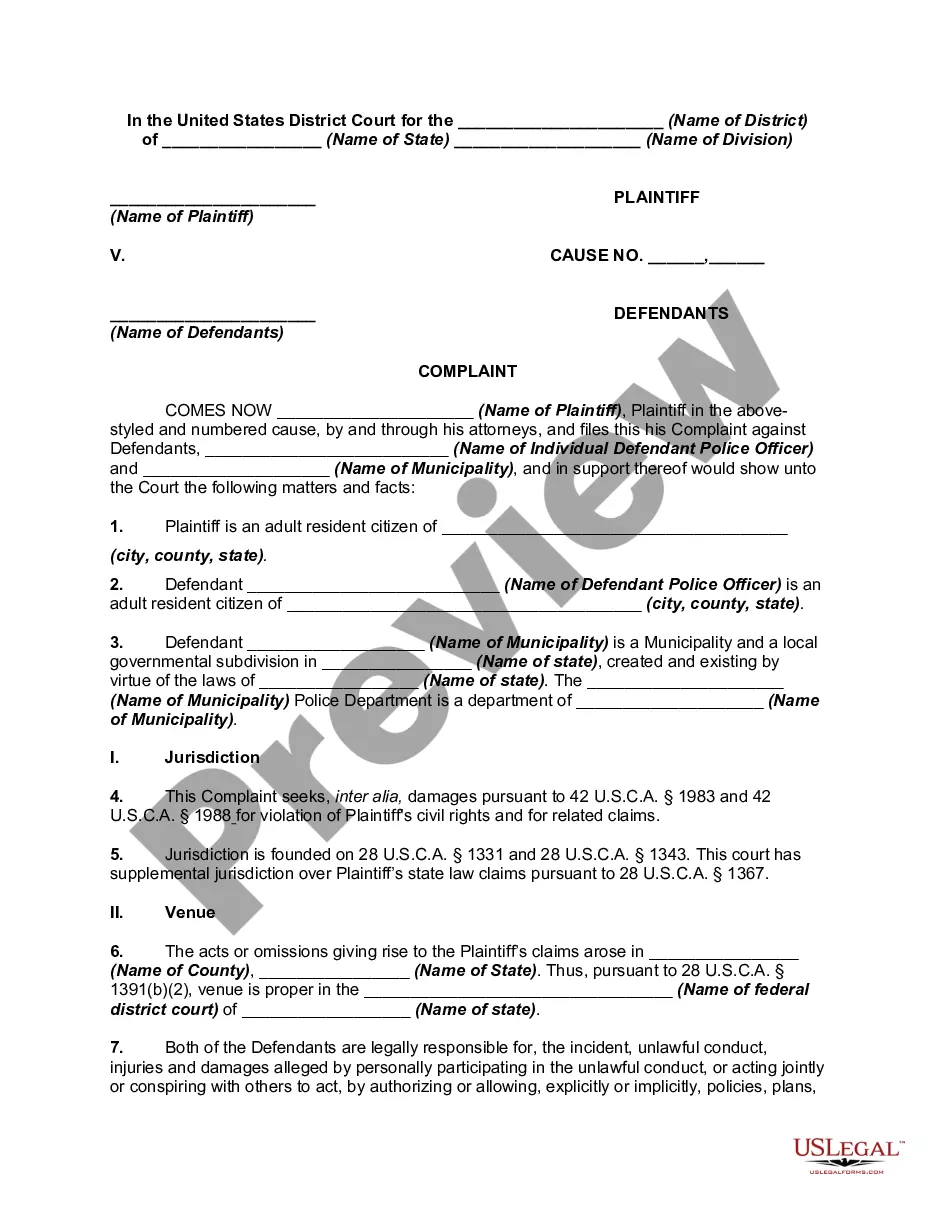
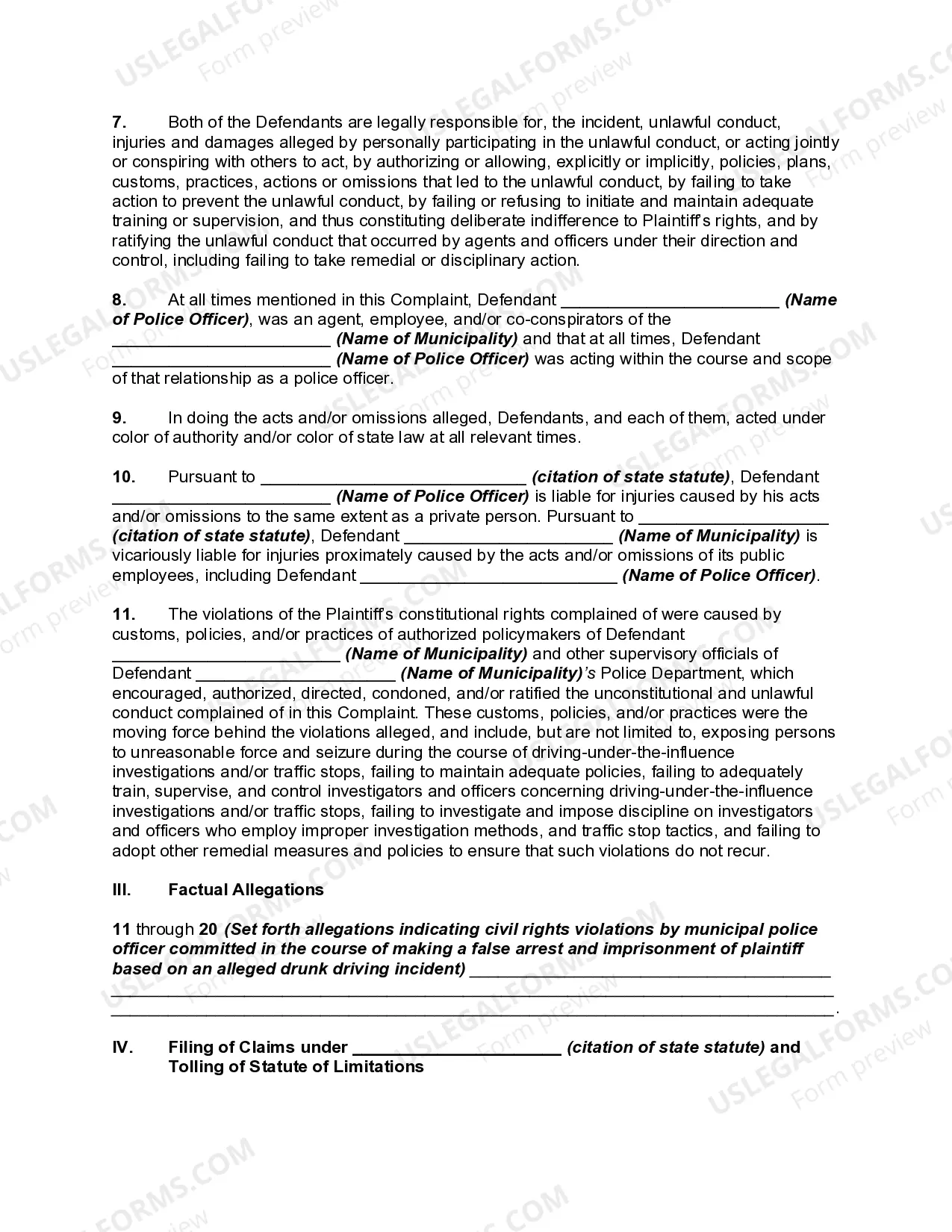
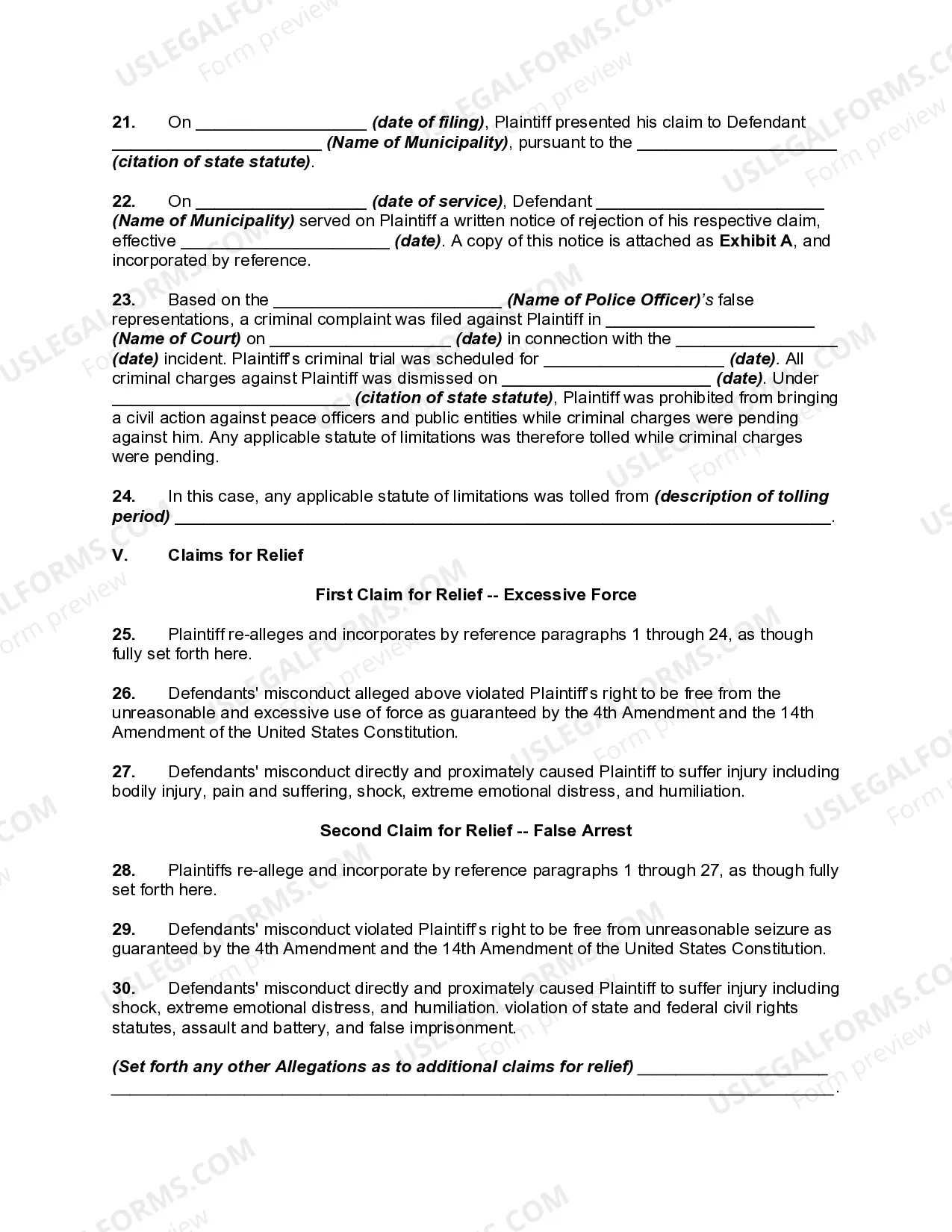
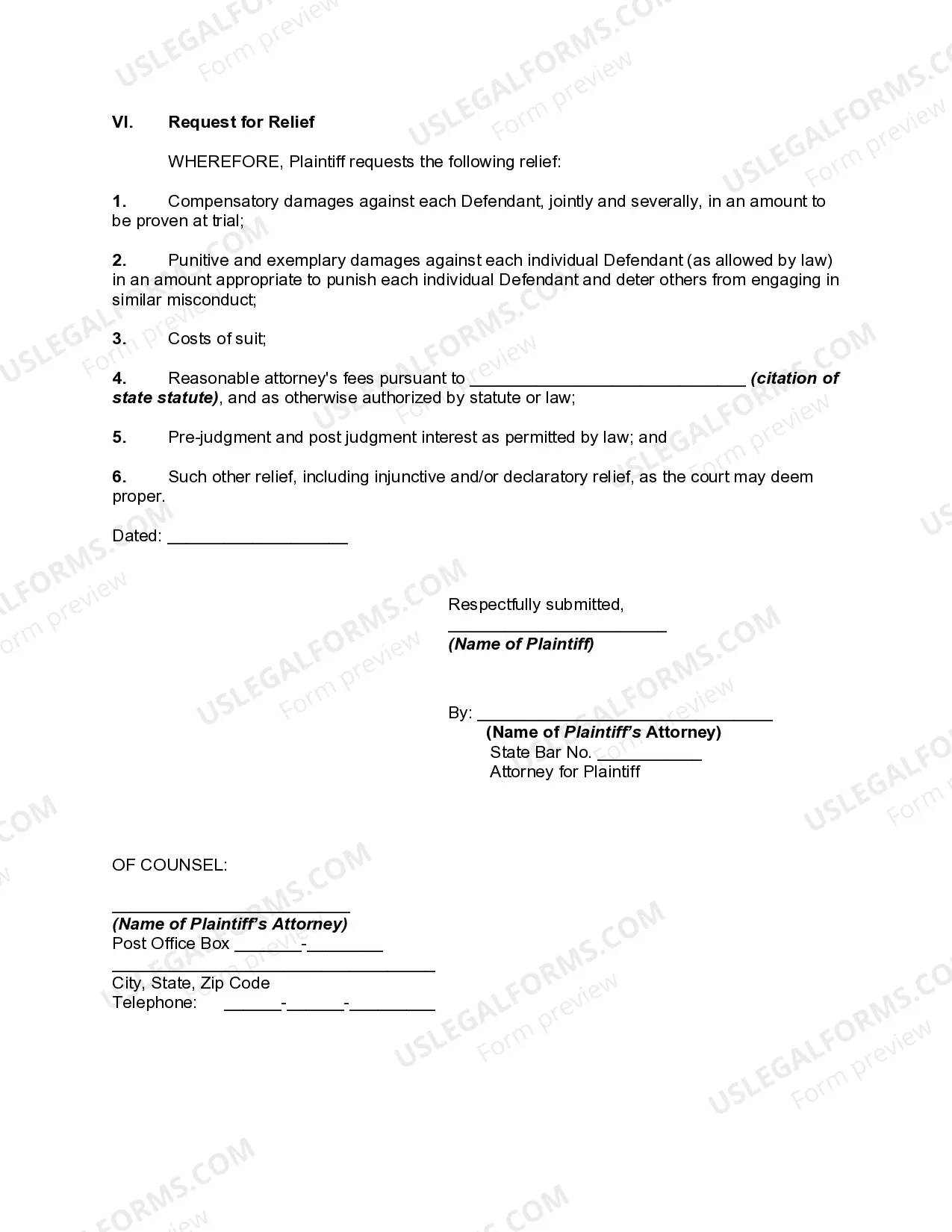
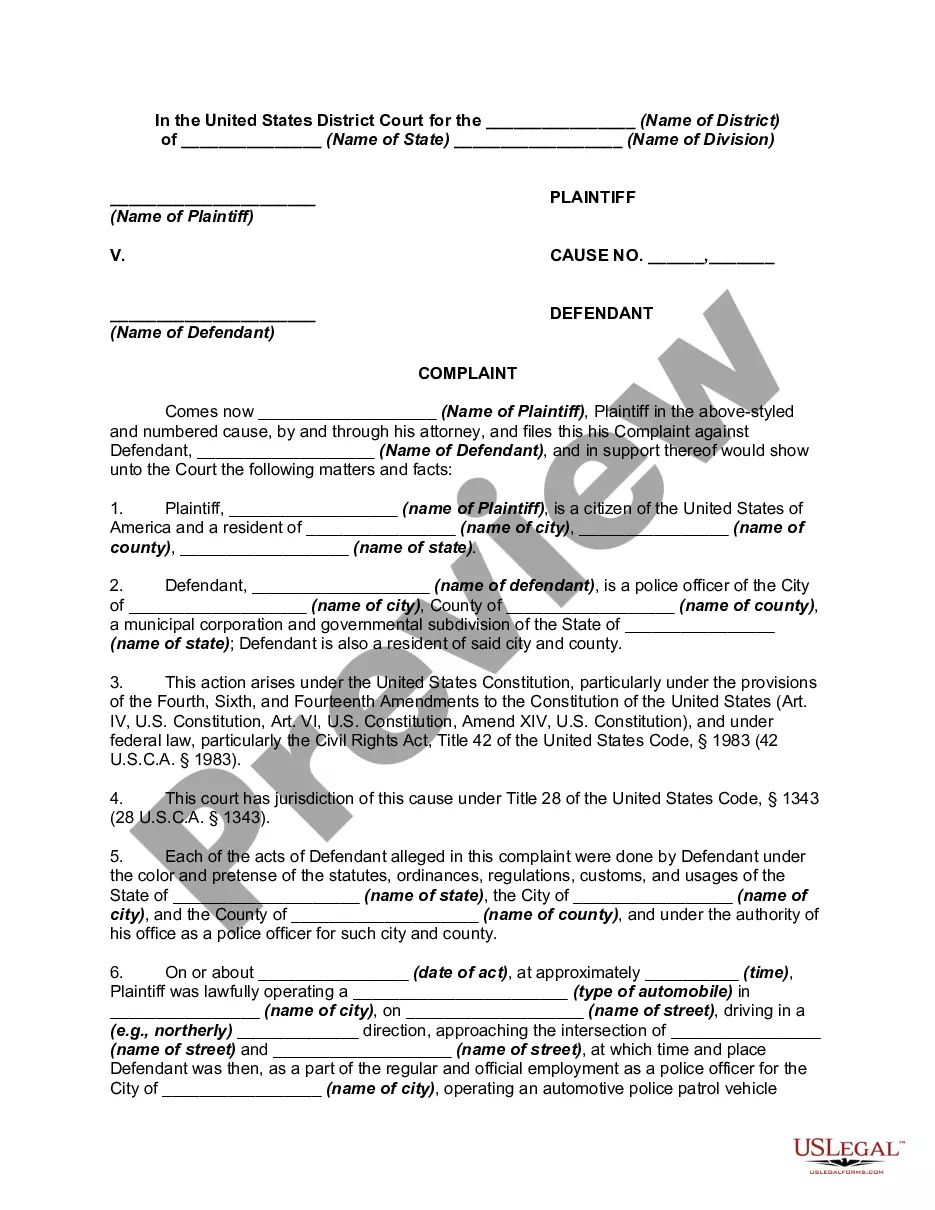
How to fill out Complaint Against Police Officers And Municipality For False Arrest - Unlawful Detention?
Regardless of whether it's for commercial reasons or personal matters, everyone will eventually deal with legal issues at some stage in life.
Completing legal documents requires meticulous focus, starting with picking the right form template.
With an extensive US Legal Forms catalog available, you won't need to waste time searching for the correct template online. Utilize the library’s intuitive navigation to find the appropriate form for any situation.
- Locate the template you require by utilizing the search box or browsing the catalog.
- Review the form’s details to ensure it suits your circumstances, state, and locality.
- Click on the form’s preview to examine it.
- If it is the wrong form, return to the search option to find the Unlawful Arrest And Detention example you need.
- Download the document once it aligns with your specifications.
- If you possess a US Legal Forms account, click Log in to retrieve previously stored documents in My documents.
- If you haven't created an account yet, you can acquire the form by clicking Buy now.
- Select the suitable pricing choice.
- Fill out the account registration form.
- Choose your payment method: either a credit card or a PayPal account.
- Select the file format you desire and download the Unlawful Arrest And Detention.
- Once saved, you can fill out the form using editing software or print it and complete it by hand.
Form popularity
FAQ
Compensation for unlawful detention can vary widely based on the specific circumstances of each case. Factors like the duration of detention, any resulting damages, and legal precedents can influence the amount you may receive. Victims of unlawful arrest and detention can seek compensation through legal channels, often with the support of platforms like US Legal Forms that provide resources and documentation. It's important to consult with a legal expert to understand your potential rights and entitlements in such situations.
Unlawful arrest and detention occur when an individual is taken into custody without legal justification. This situation can arise when law enforcement does not have probable cause or fails to follow proper procedures. Such actions violate a person's rights, leading to potential legal consequences for the authorities involved. Understanding your rights in cases of unlawful arrest and detention is crucial for protecting your freedoms.
You absolutely can pursue a lawsuit for unlawful arrest and detention. Suing may allow you to seek damages for the harm caused by the unlawful actions of law enforcement. Engaging with platforms like US Legal Forms can empower you to navigate the necessary legal steps confidently.
Yes, you can sue for unlawful arrest and detention if you believe your rights were violated. Legal actions can include filing a civil lawsuit against the responsible parties. It's essential to consult with an attorney who specializes in these matters to assess the strength of your case and navigate the legal process effectively.
Generally, an arrest requires probable cause, meaning there should be reasonable evidence to support the arrest. If law enforcement lacks sufficient evidence, the arrest may be deemed unlawful. This scenario often results in claims of unlawful arrest and detention, highlighting the importance of understanding your rights.
After an unlawful arrest and detention, the individual may be released, but the consequences can linger. Often, they could face legal challenges if charges were filed, or seek to clear their name through the legal system. Consulting with legal experts can provide guidance on how to address the aftermath of an unlawful arrest.
An unlawful arrest and detention can lead to serious consequences, including emotional distress, reputational harm, and financial loss. Victims may experience anxiety, confusion, and fear. Additionally, individuals may have grounds to pursue legal action against the arresting authorities, seeking justice and compensation.
An example of illegal detention is when a person is held in custody without being charged with a crime. If a security guard holds someone for shoplifting but has no evidence or witness to support the claim, this can be considered illegal detention. Instances like these highlight the importance of knowing the distinction between lawful authority and unlawful arrest and detention.
If you find yourself unlawfully detained, remain calm and ask whether you are being arrested. You have the right to request legal representation at that moment. Document the details of your experience afterward, as this information can prove vital in cases of unlawful arrest and detention. Platforms like US Legal Forms can help you understand your rights and provide necessary legal documents to address your situation.
To be unlawfully detained means being held by authorities without legal justification or due process. This situation often occurs when individuals are arrested without evidence or when they are held longer than legally allowed. Understanding your rights regarding unlawful arrest and detention is crucial to protecting yourself in any encounter with law enforcement.