Types Of False Imprisonment
Description


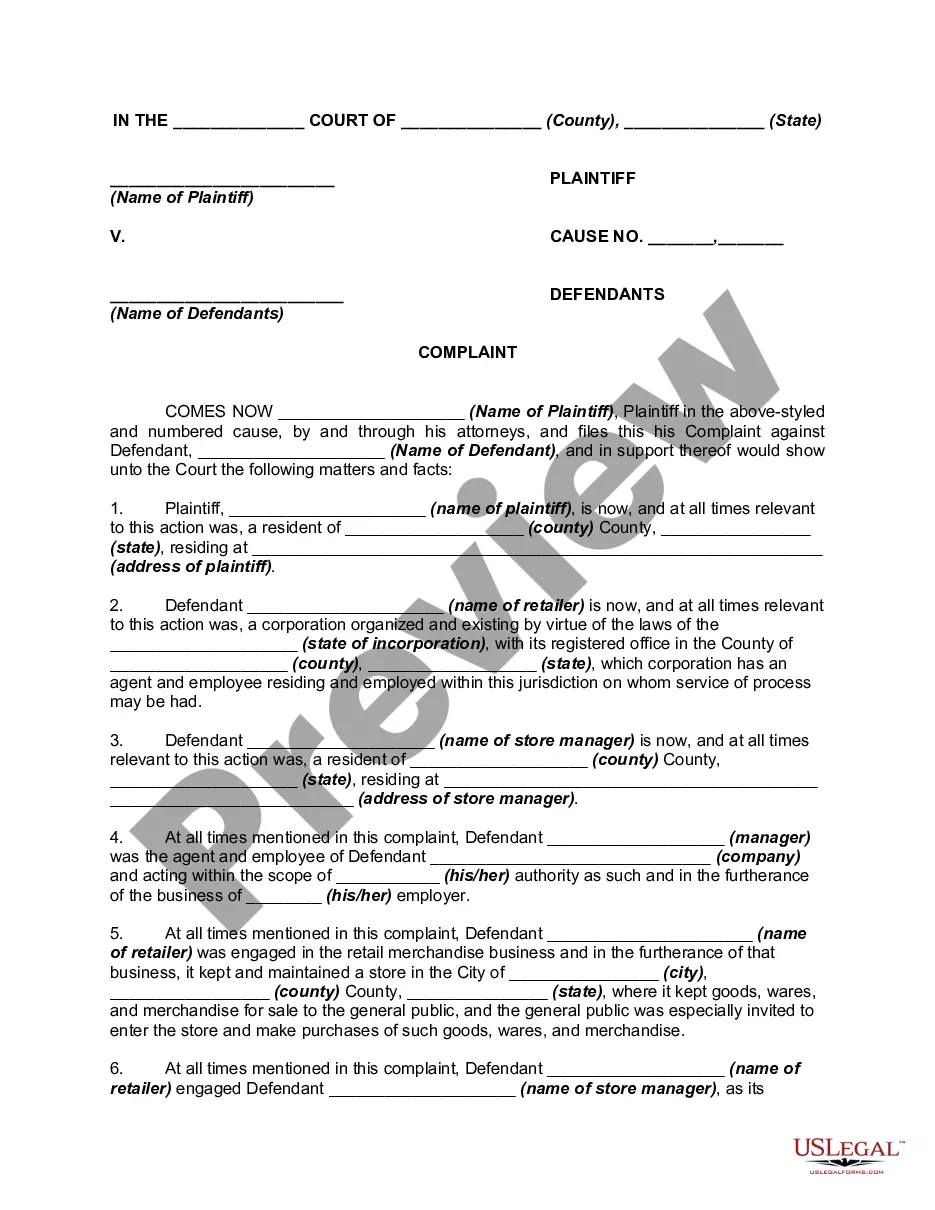
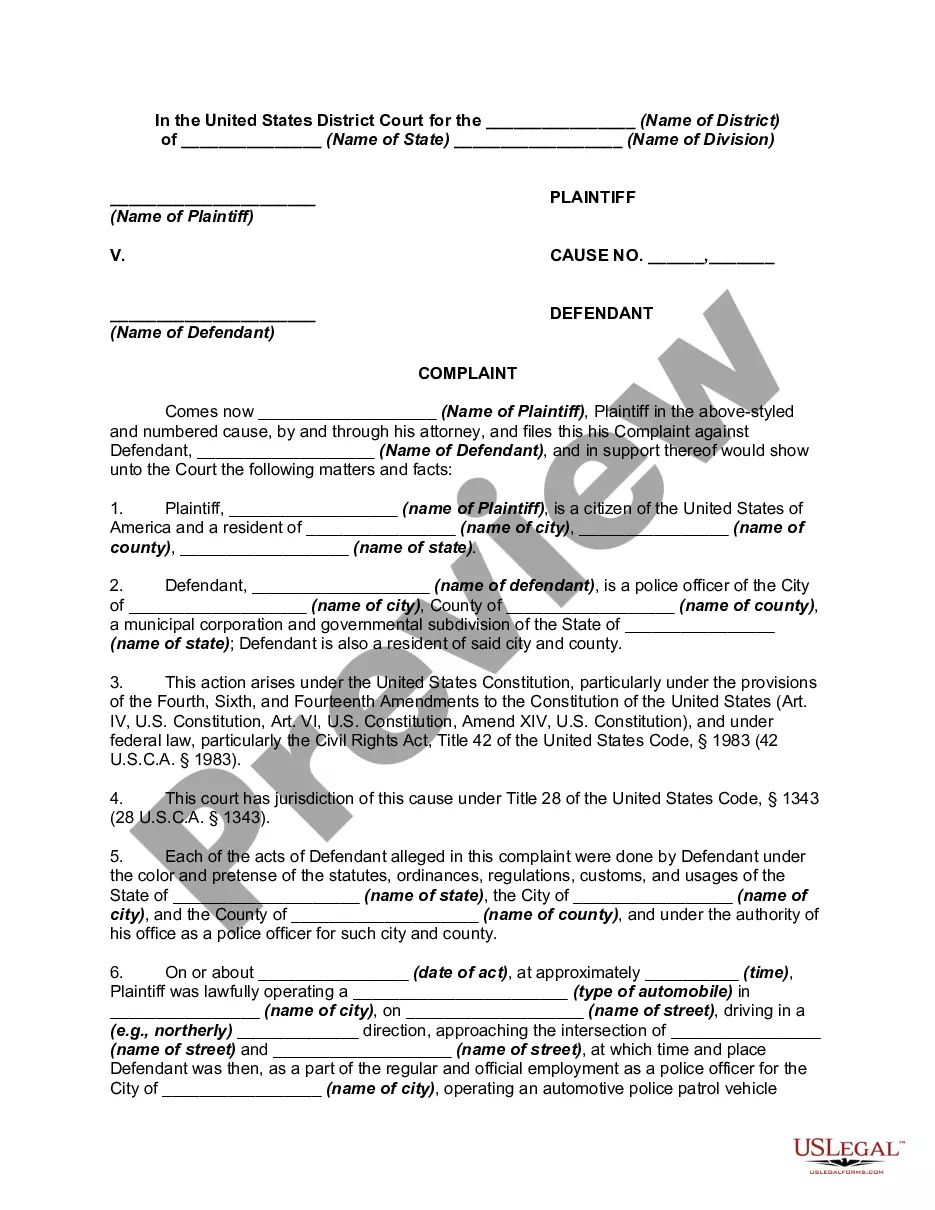
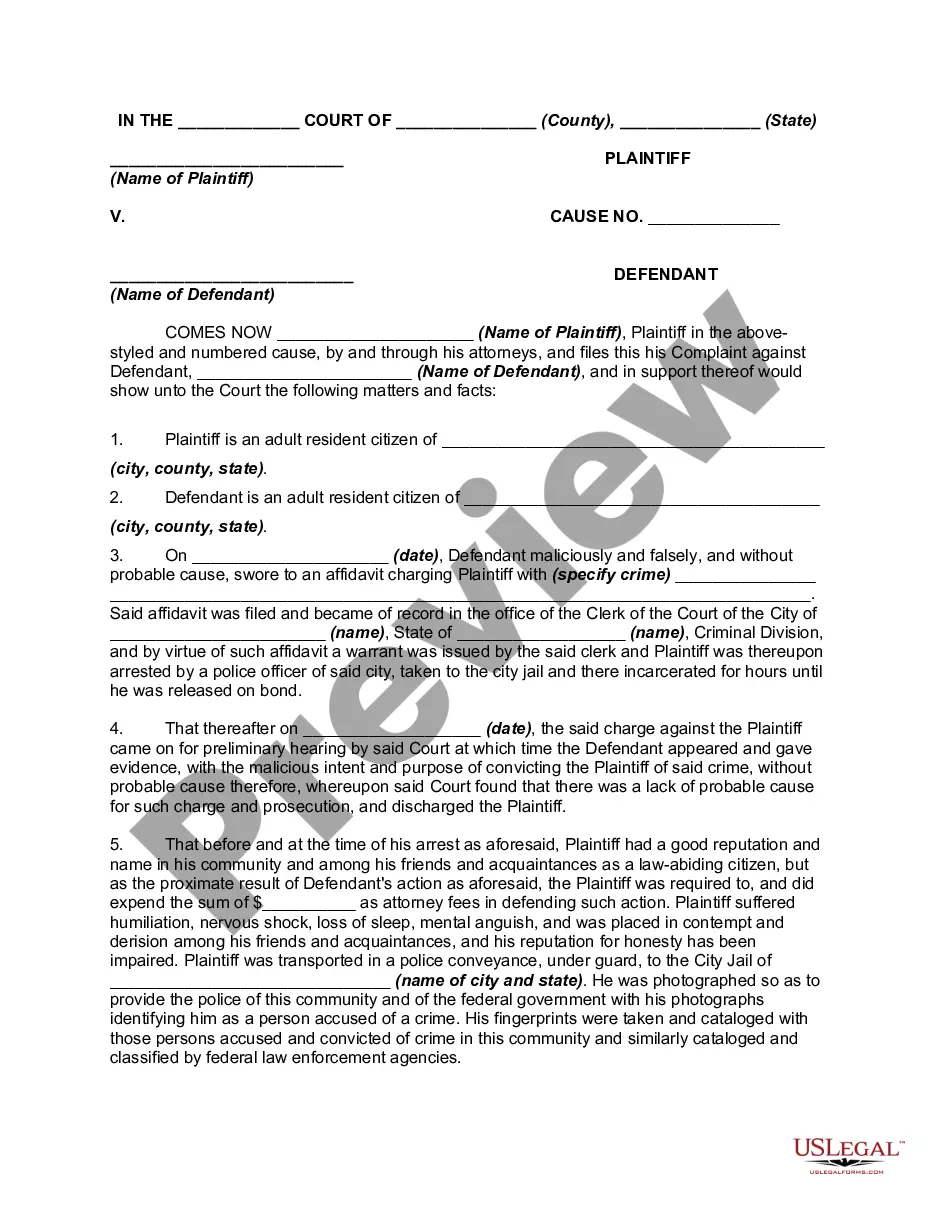
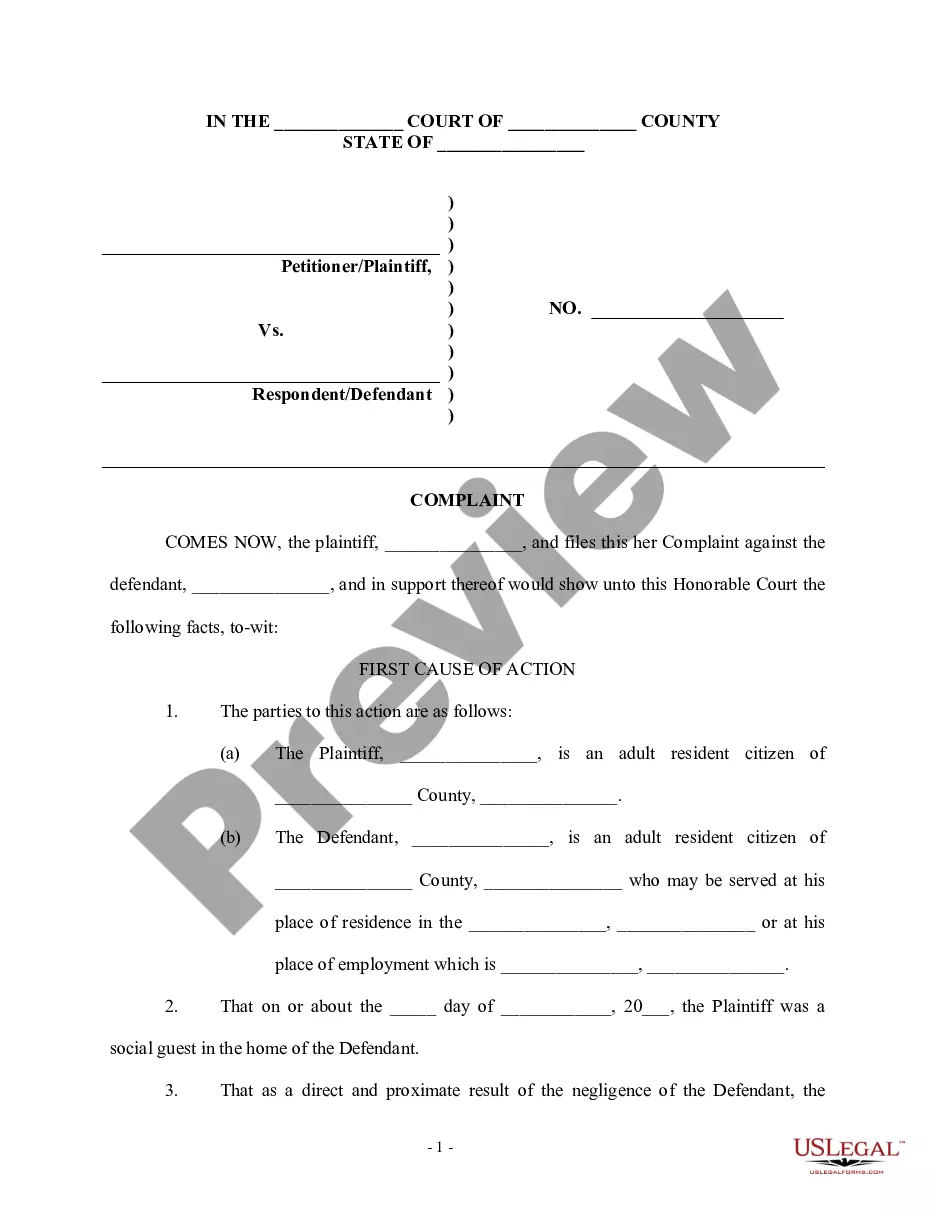
Get your form ready online
Our built-in tools help you complete, sign, share, and store your documents in one place.
Make edits, fill in missing information, and update formatting in US Legal Forms—just like you would in MS Word.
Download a copy, print it, send it by email, or mail it via USPS—whatever works best for your next step.
Sign and collect signatures with our SignNow integration. Send to multiple recipients, set reminders, and more. Go Premium to unlock E-Sign.
If this form requires notarization, complete it online through a secure video call—no need to meet a notary in person or wait for an appointment.
We protect your documents and personal data by following strict security and privacy standards.

Make edits, fill in missing information, and update formatting in US Legal Forms—just like you would in MS Word.

Download a copy, print it, send it by email, or mail it via USPS—whatever works best for your next step.

Sign and collect signatures with our SignNow integration. Send to multiple recipients, set reminders, and more. Go Premium to unlock E-Sign.

If this form requires notarization, complete it online through a secure video call—no need to meet a notary in person or wait for an appointment.

We protect your documents and personal data by following strict security and privacy standards.
Looking for another form?


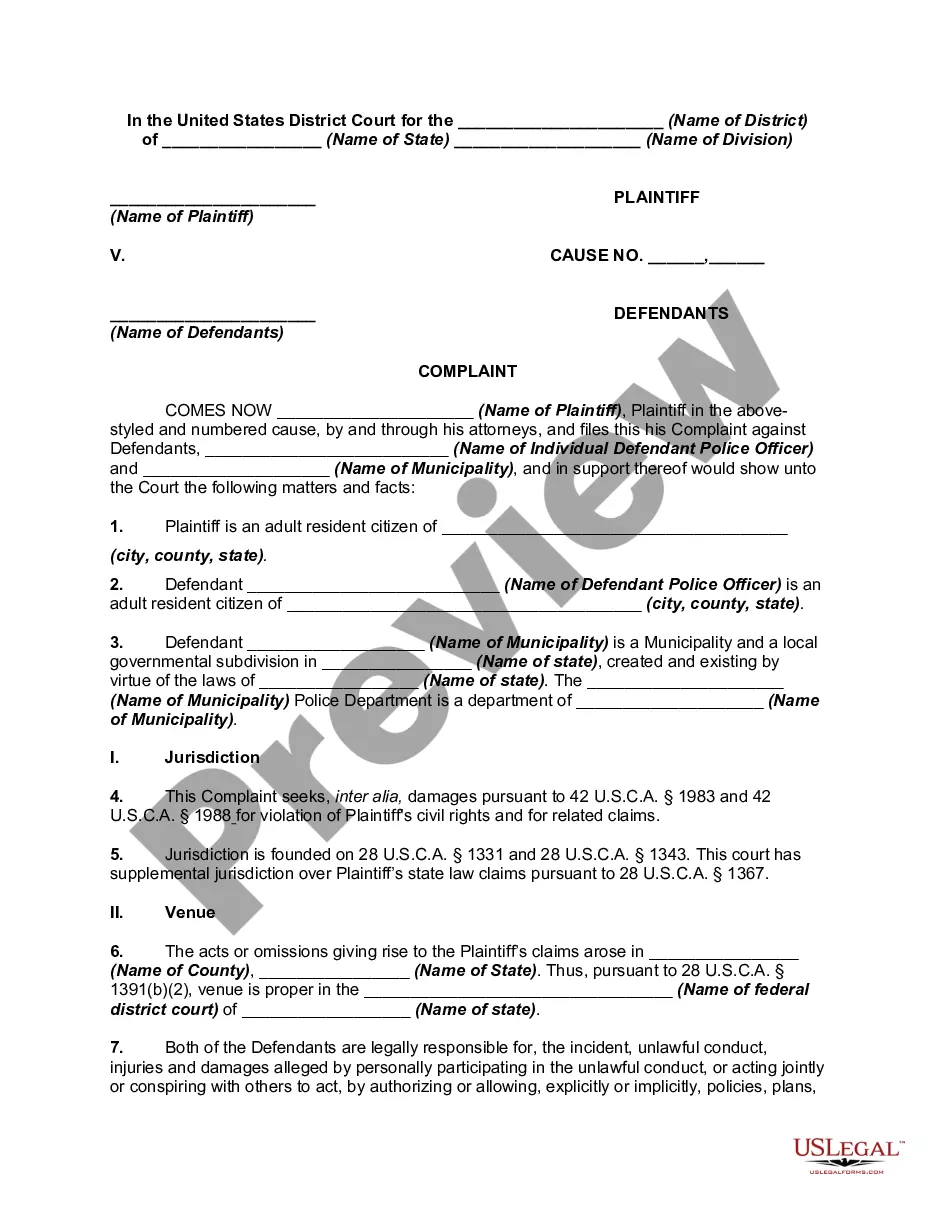
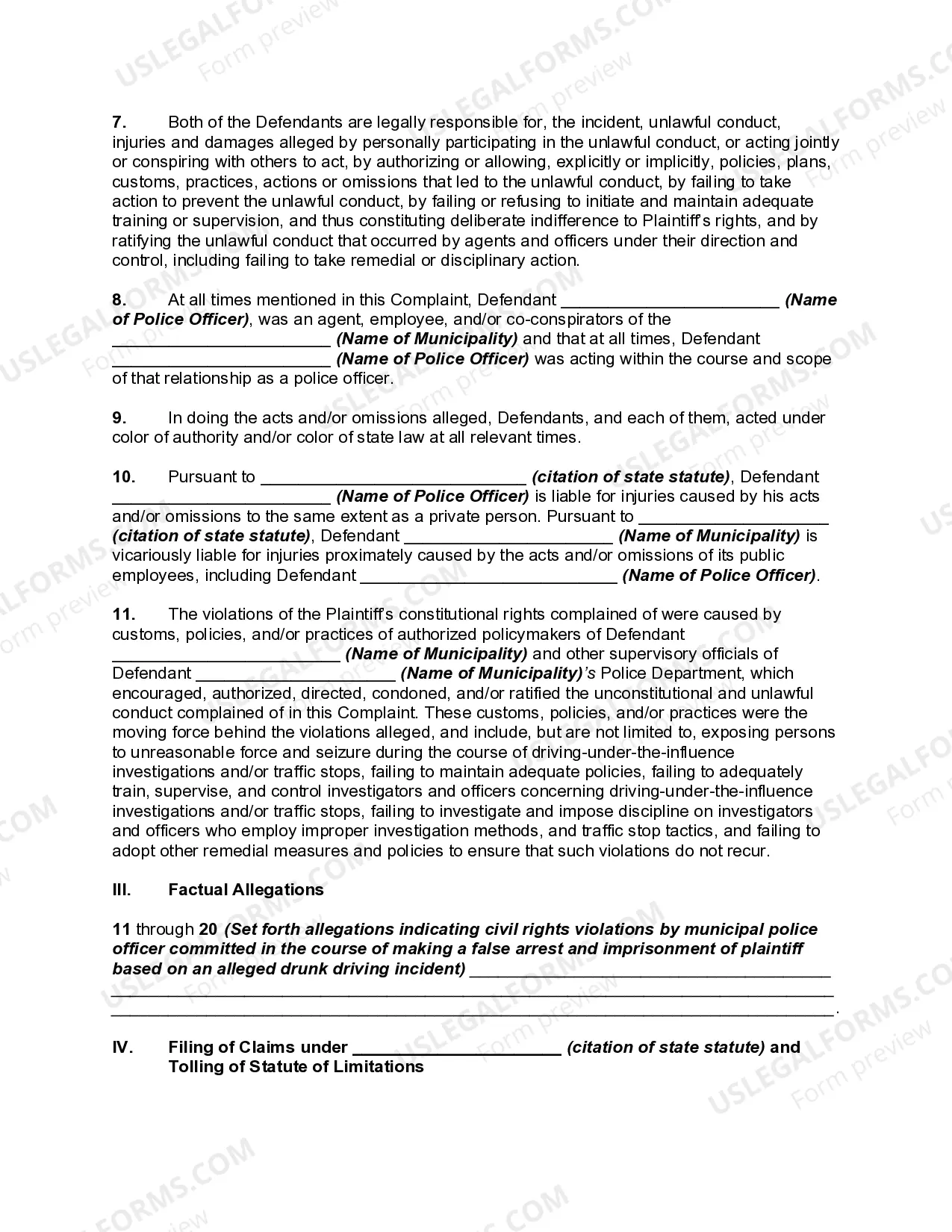
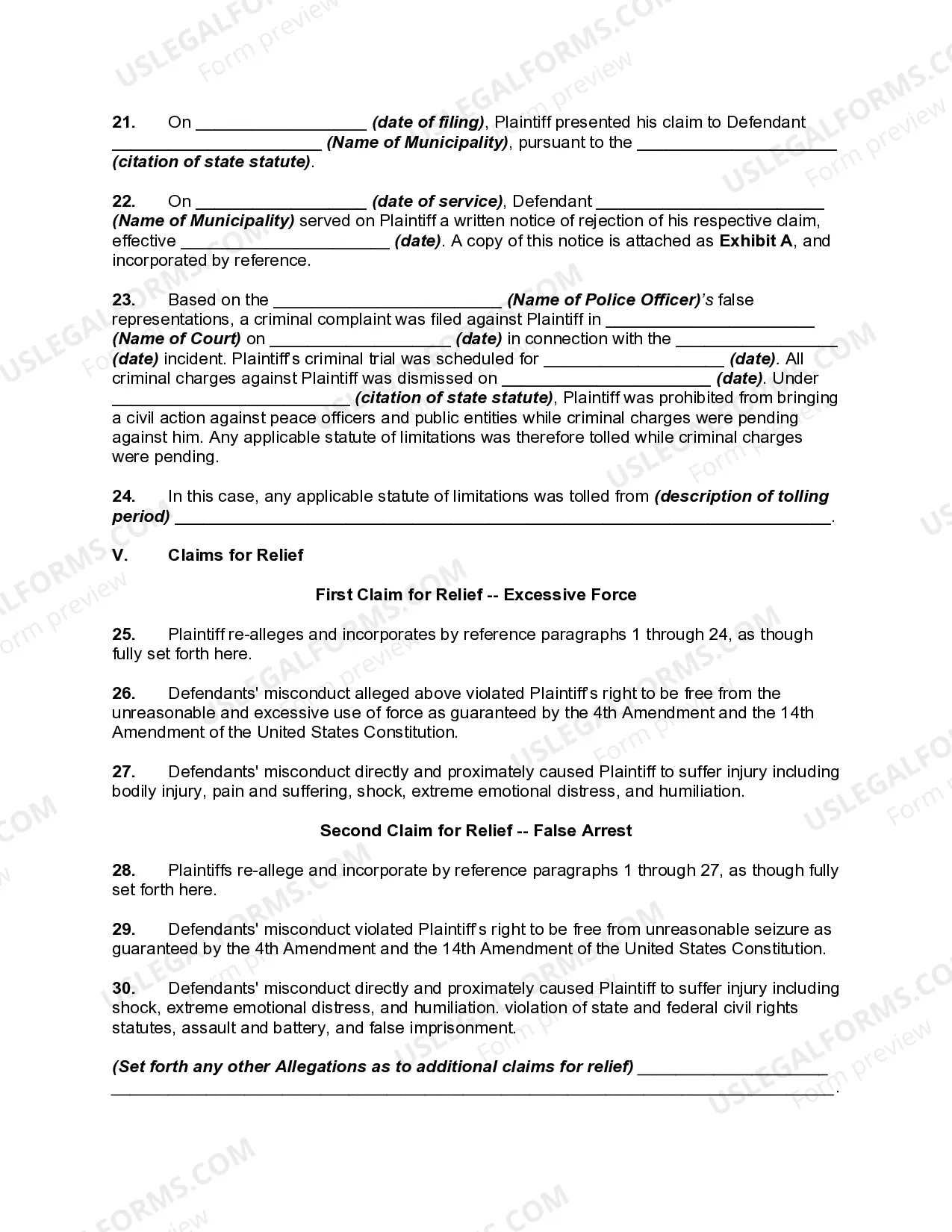
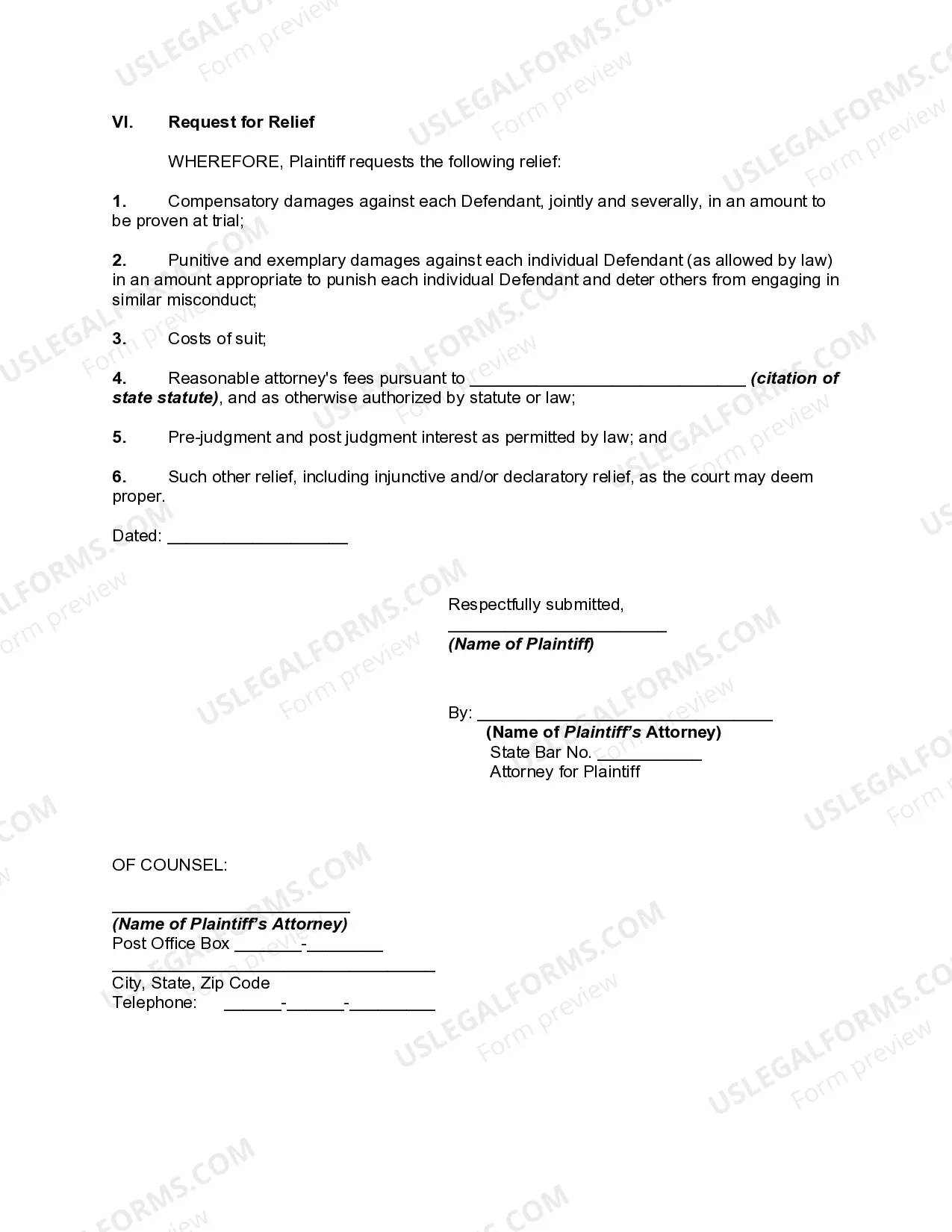
How to fill out Complaint Against Police Officers And Municipality For False Arrest - Unlawful Detention?
Utilizing legal document examples that comply with federal and local laws is essential, and the internet provides numerous choices to select from.
However, what’s the benefit of spending time searching for the right Types Of False Imprisonment example online if the US Legal Forms digital library already compiles such formats in one location.
US Legal Forms is the premier online legal directory featuring over 85,000 customizable templates crafted by attorneys for various business and personal scenarios. They are straightforward to navigate with all documents categorized by state and intended use.
All templates you find through US Legal Forms are reusable. To download and complete previously purchased documents, navigate to the My documents section in your account. Experience the most comprehensive and user-friendly legal document service!
- Our experts keep abreast of legal updates, ensuring that your documentation is consistently current and compliant when obtaining a Types Of False Imprisonment from our site.
- Acquiring a Types Of False Imprisonment is effortless and quick for both existing and new users.
- If you already possess an account with an active subscription, Log In and retrieve the document template you require in your preferred format.
- For new visitors to our website, follow these steps.
- Review the template using the Preview feature or through the written description to confirm it aligns with your needs.
Form popularity
FAQ
The four elements of the tort of negligence are duty, breach of duty, causation, and damages. While this question is about negligence, understanding it can help differentiate it from types of false imprisonment. Having a clear grasp of both concepts enables better legal comprehension for individuals who may find themselves in these situations.
Elements of the crime intentionally detained, restrained, or confined another person; the restraint made the victim stay or go somewhere for a period of time; victim did not give their consent and was harmed; the conduct was a significant factor in causing victim's harm.
A person commits false imprisonment when they engage in the act of restraint on another person which confines that person in a restricted area. False imprisonment is an act punishable under criminal law as well as under tort law.
To prove a false imprisonment claim as a tort in a civil lawsuit, the following elements must be present: There was a willful detention; The detention was without consent; and. The detention was unlawful.
False imprisonment occurs when a person intentionally and illegally restrains another person's ability to move freely. In a private lawsuit under civil law, false imprisonment can be brought as an intentional tort law claim (civil wrongful act).
False Imprisonment Situations Physically restraining a person from leaving an area. Locking the doors of a room to prevent escape. Store owner detaining a suspected theft for an unreasonable amount of time. A robber enters a store, waves his gun and tells people not to leave.