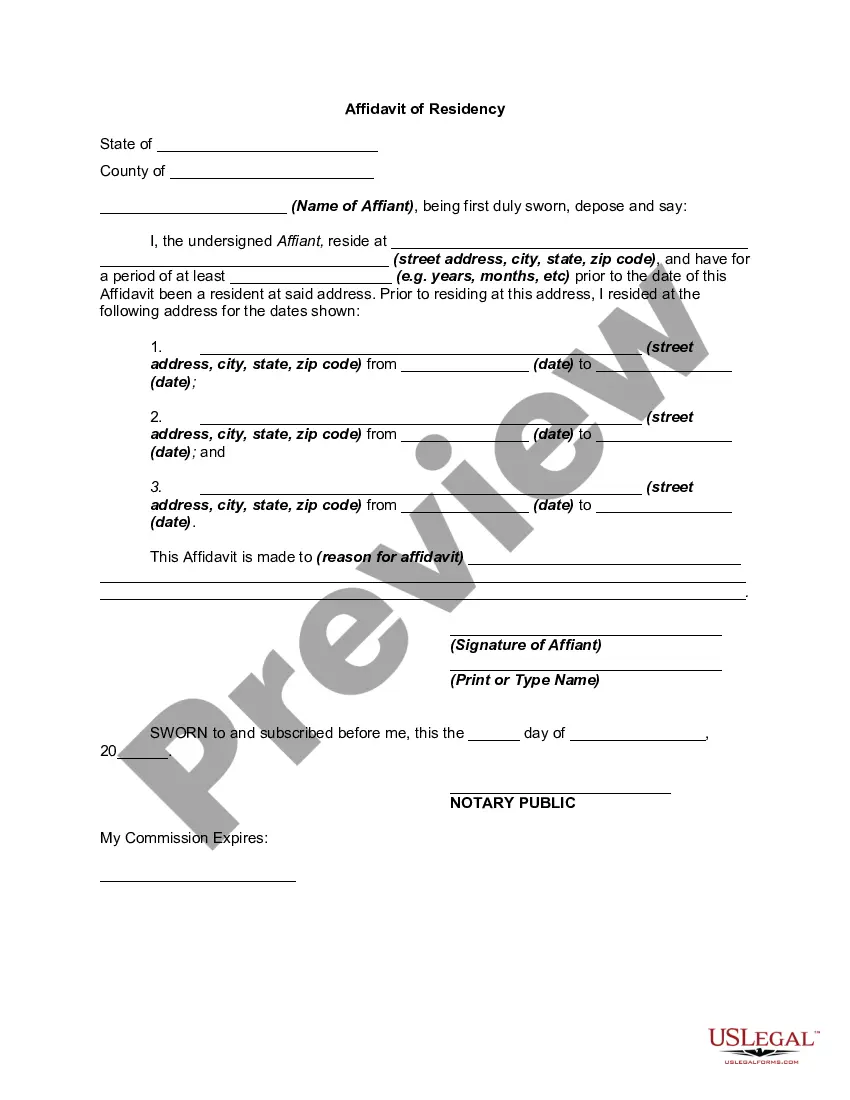
Sample Letter For Residency Proof
Description
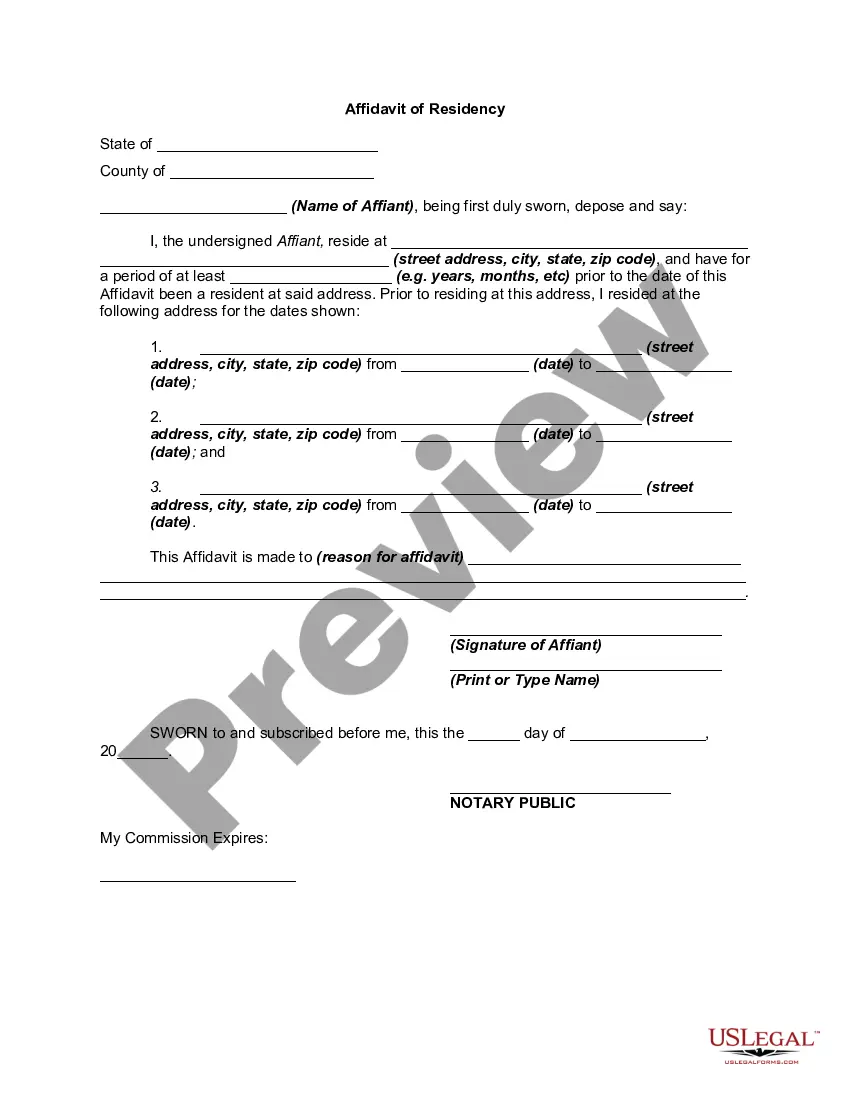
Get your form ready online
Our built-in tools help you complete, sign, share, and store your documents in one place.
Make edits, fill in missing information, and update formatting in US Legal Forms—just like you would in MS Word.
Download a copy, print it, send it by email, or mail it via USPS—whatever works best for your next step.
Sign and collect signatures with our SignNow integration. Send to multiple recipients, set reminders, and more. Go Premium to unlock E-Sign.
If this form requires notarization, complete it online through a secure video call—no need to meet a notary in person or wait for an appointment.
We protect your documents and personal data by following strict security and privacy standards.

Make edits, fill in missing information, and update formatting in US Legal Forms—just like you would in MS Word.

Download a copy, print it, send it by email, or mail it via USPS—whatever works best for your next step.

Sign and collect signatures with our SignNow integration. Send to multiple recipients, set reminders, and more. Go Premium to unlock E-Sign.

If this form requires notarization, complete it online through a secure video call—no need to meet a notary in person or wait for an appointment.

We protect your documents and personal data by following strict security and privacy standards.
Looking for another form?




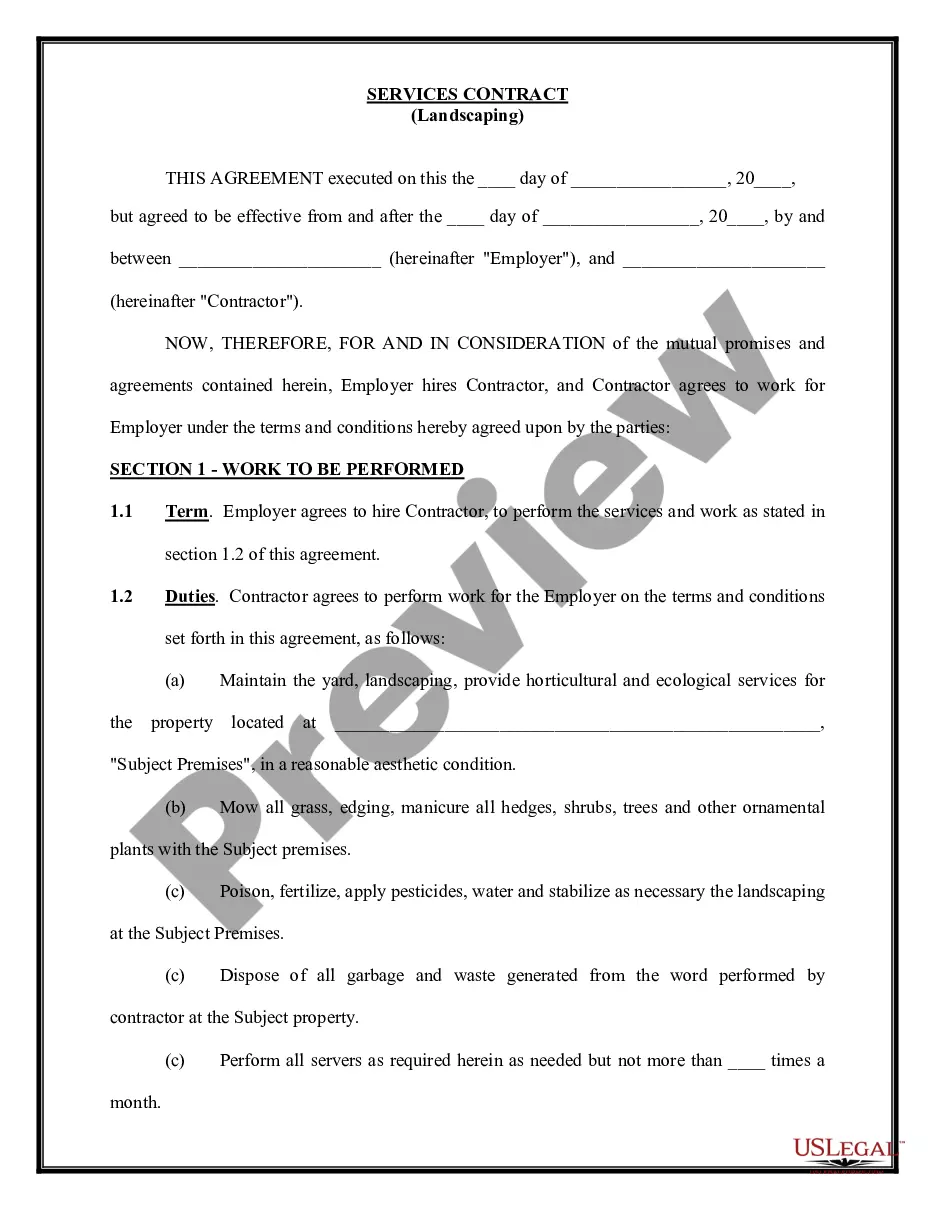
How to fill out Affidavit Of Residency?
The Example Letter For Residency Verification you find on this page is a reusable formal template crafted by expert attorneys in accordance with federal and local regulations.
For over 25 years, US Legal Forms has supplied individuals, companies, and legal experts with more than 85,000 validated, state-specific documents for any business and personal situation. It’s the fastest, easiest, and most reliable method to acquire the forms you require, as the service ensures bank-level data protection and anti-malware safeguards.
Choose the format you prefer for your Example Letter For Residency Verification (PDF, Word, RTF) and save the document on your device.
- Search for the document you need and review it.
- Examine the file you looked for and preview it or review the form description to confirm it meets your needs. If it doesn’t, use the search function to find the right one. Click Buy Now once you have found the template you require.
- Register and Log In.
- Select the pricing option that best fits you and set up an account. Use PayPal or a credit card to make a swift payment. If you already have an account, Log In and check your subscription to proceed.
- Acquire the editable template.
Form popularity
FAQ
Examples of documents that banks may accept as proof of your address include: Current utility bill (such as a gas, electricity or telephone or mobile phone bill) Current car or home insurance policy that shows your address. Document issued by a government department that shows your address.
To write a letter for proof of residence, provide your legal name, certify your address and the length of time you've lived there, note any other residents living at that address, and type a legally binding oath about the accuracy of the information provided; you should also be prepared to have a landlord and/or notary ...
Here are some tips to help you write the letter: Since the proof of residency letter template is a legal document, start it off using your legal name. The next thing to do is to verify your address. ... Then state how long you've lived in your home or residence. ... Mention any other people living with you in your home.
A proof of residency letter is an affidavit that is written and signed by someone else that acknowledges a specific person is a resident of the State or a mailing address. This is common when applying for government agencies, insurance programs, or for employees to prove that an individual lives where they claim.
A proof of residency letter is an affidavit that is written and signed by someone else that acknowledges a specific person is a resident of the State or a mailing address. This is common when applying for government agencies, insurance programs, or for employees to prove that an individual lives where they claim.