Revocable Trust Agreement For Sale
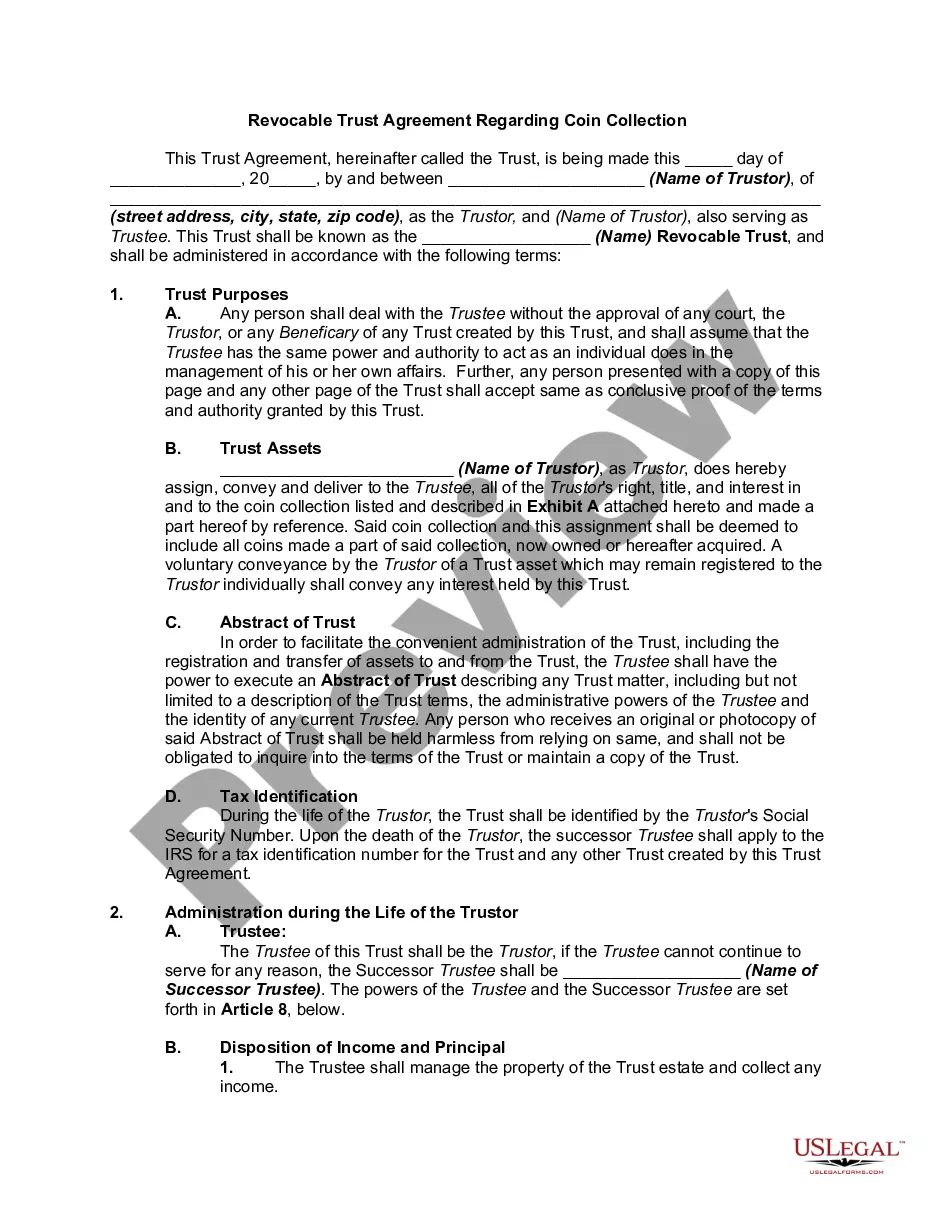
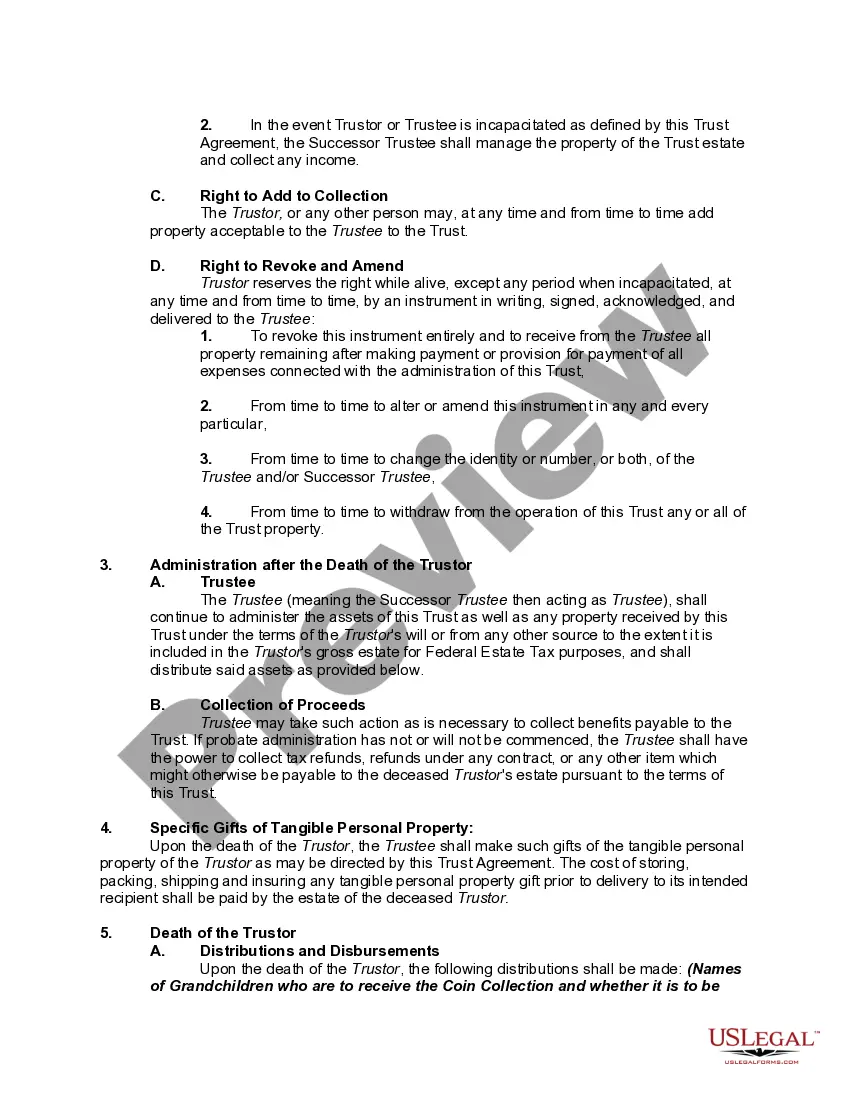
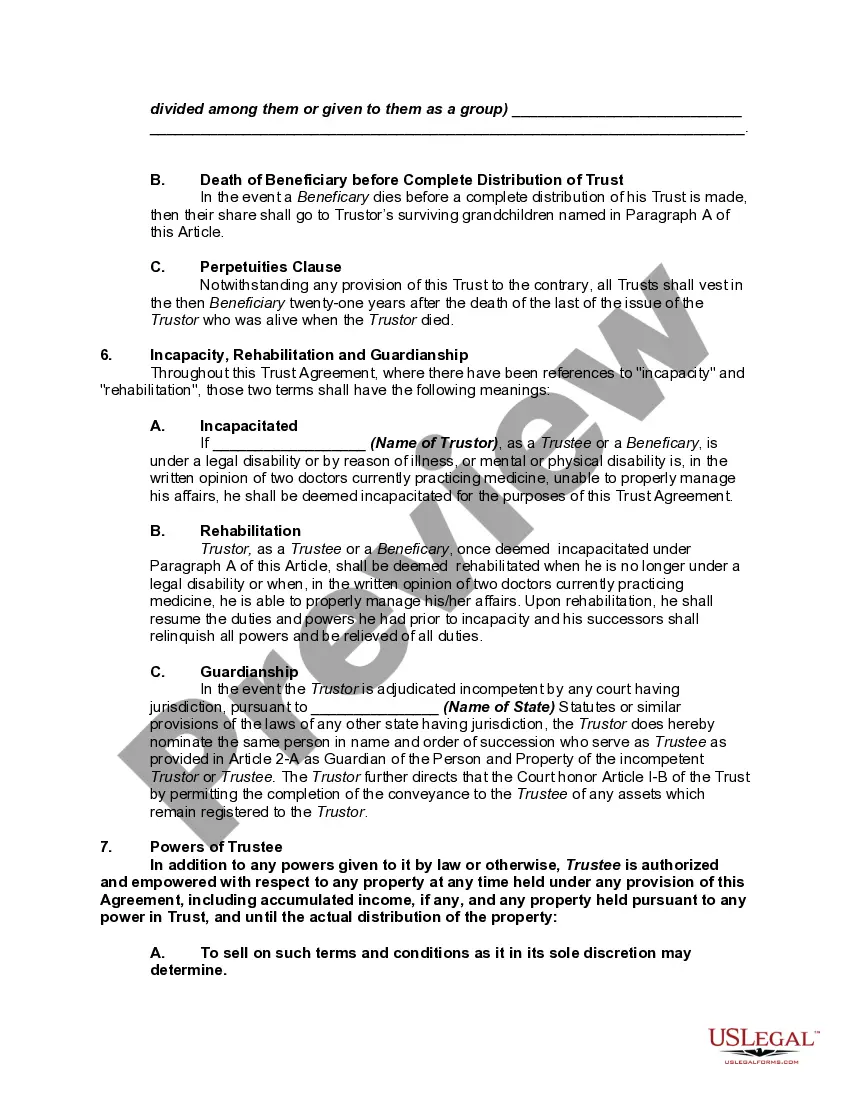
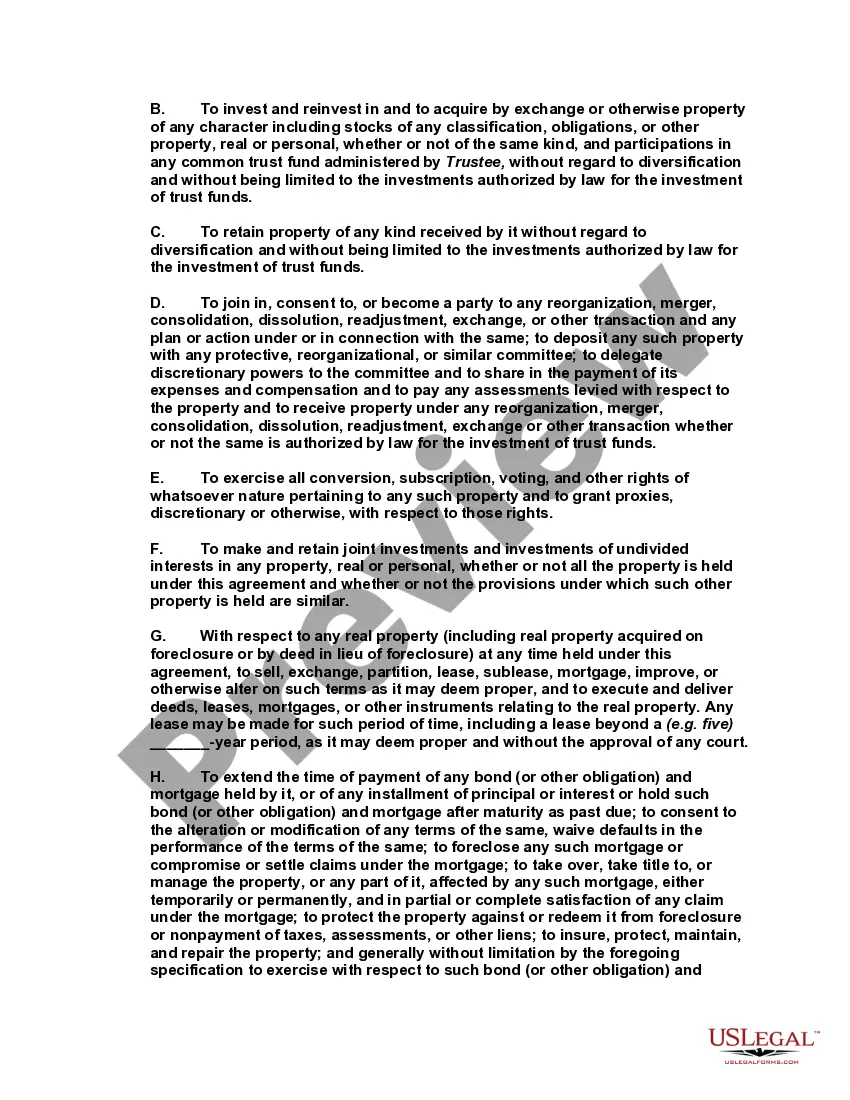
Description
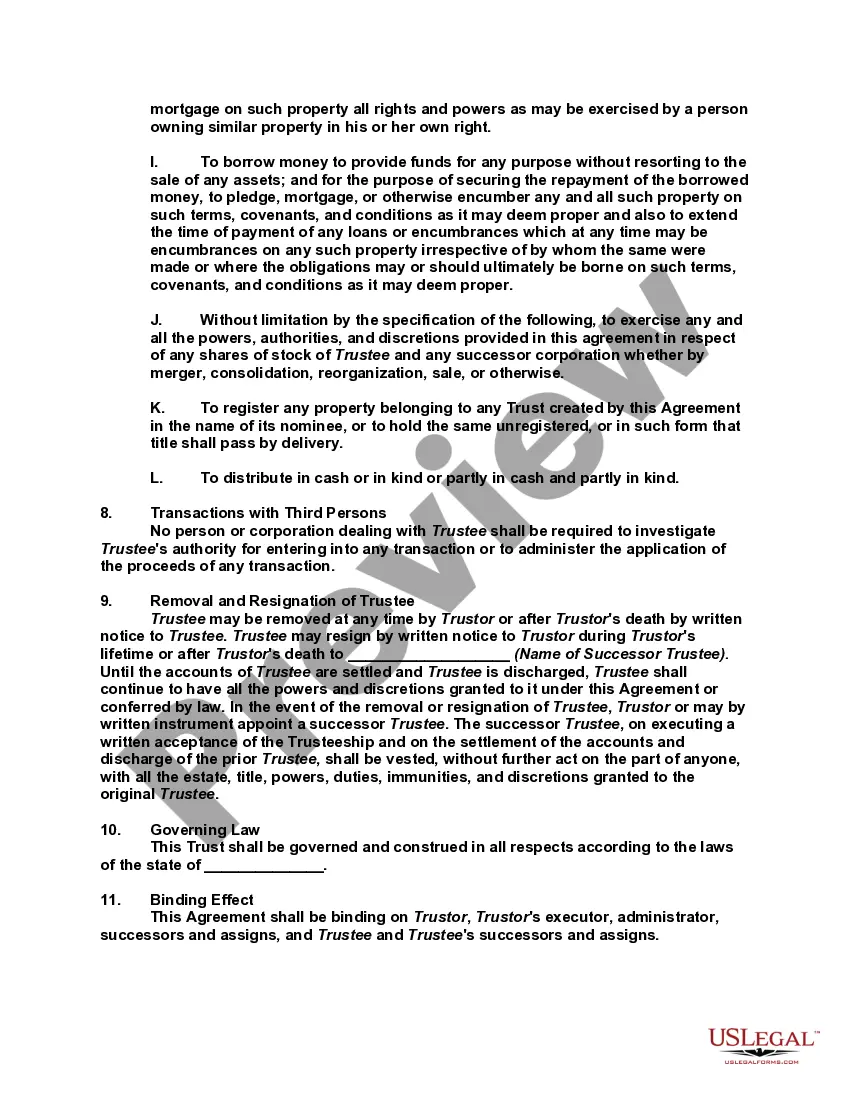
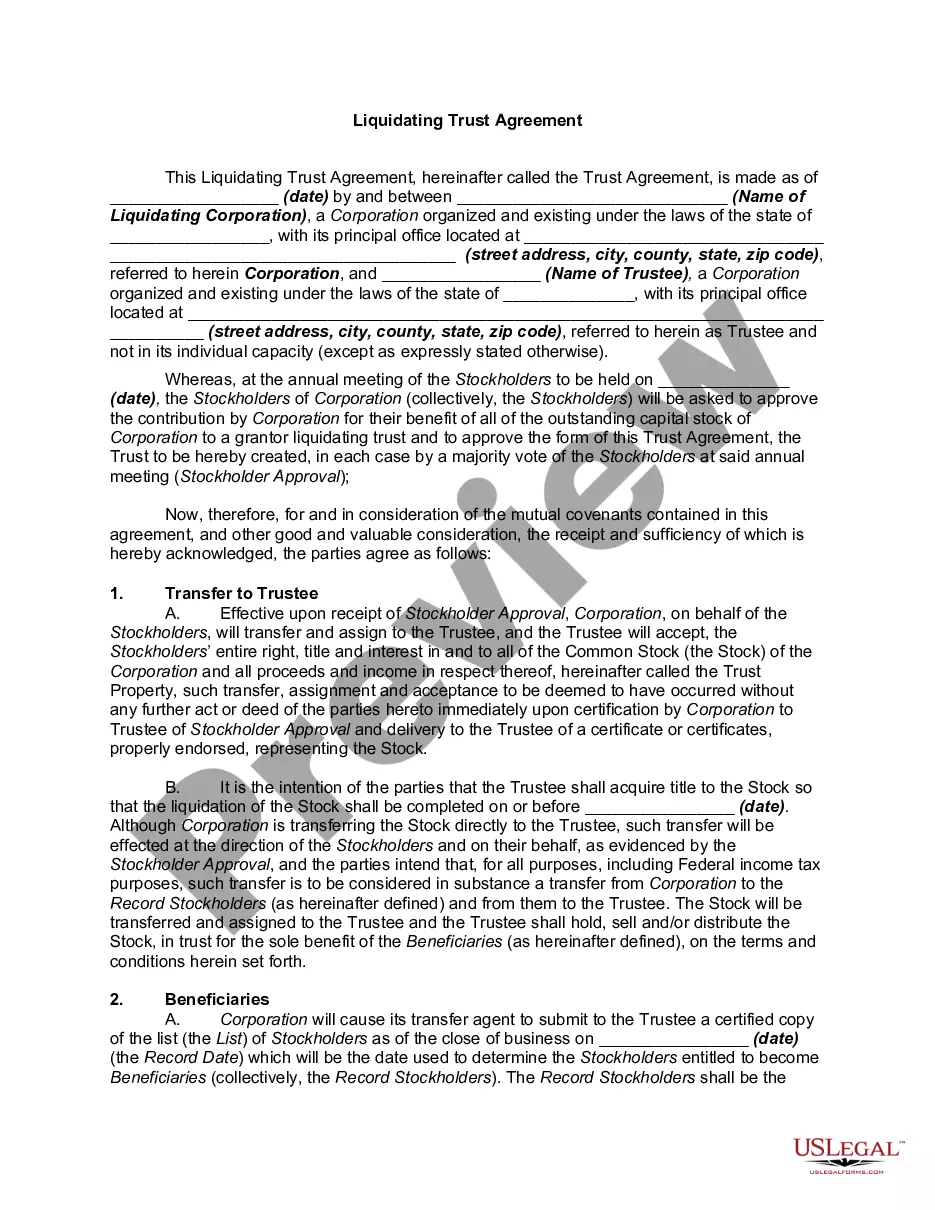
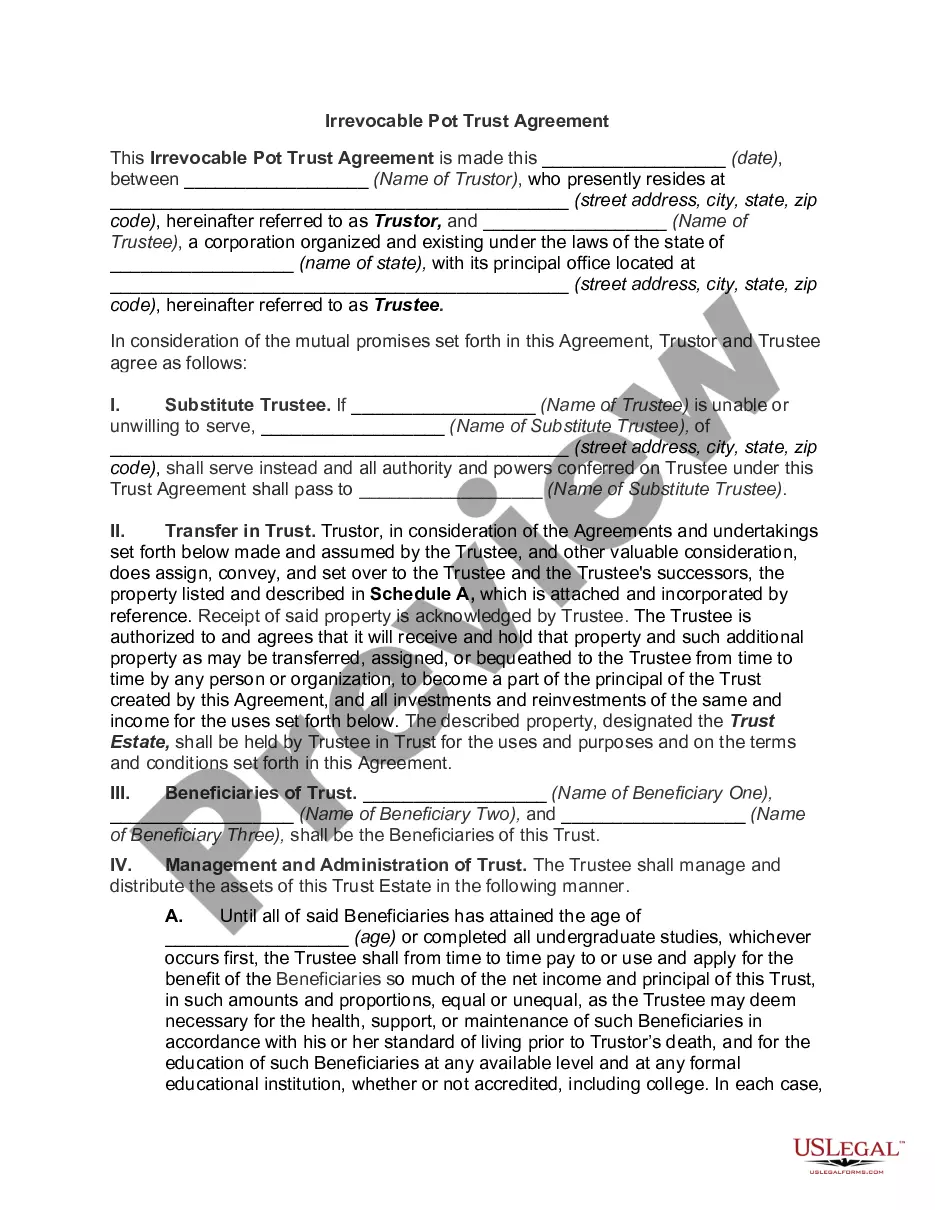
Get your form ready online
Our built-in tools help you complete, sign, share, and store your documents in one place.
Make edits, fill in missing information, and update formatting in US Legal Forms—just like you would in MS Word.
Download a copy, print it, send it by email, or mail it via USPS—whatever works best for your next step.
Sign and collect signatures with our SignNow integration. Send to multiple recipients, set reminders, and more. Go Premium to unlock E-Sign.
If this form requires notarization, complete it online through a secure video call—no need to meet a notary in person or wait for an appointment.
We protect your documents and personal data by following strict security and privacy standards.

Make edits, fill in missing information, and update formatting in US Legal Forms—just like you would in MS Word.

Download a copy, print it, send it by email, or mail it via USPS—whatever works best for your next step.

Sign and collect signatures with our SignNow integration. Send to multiple recipients, set reminders, and more. Go Premium to unlock E-Sign.

If this form requires notarization, complete it online through a secure video call—no need to meet a notary in person or wait for an appointment.

We protect your documents and personal data by following strict security and privacy standards.
Looking for another form?

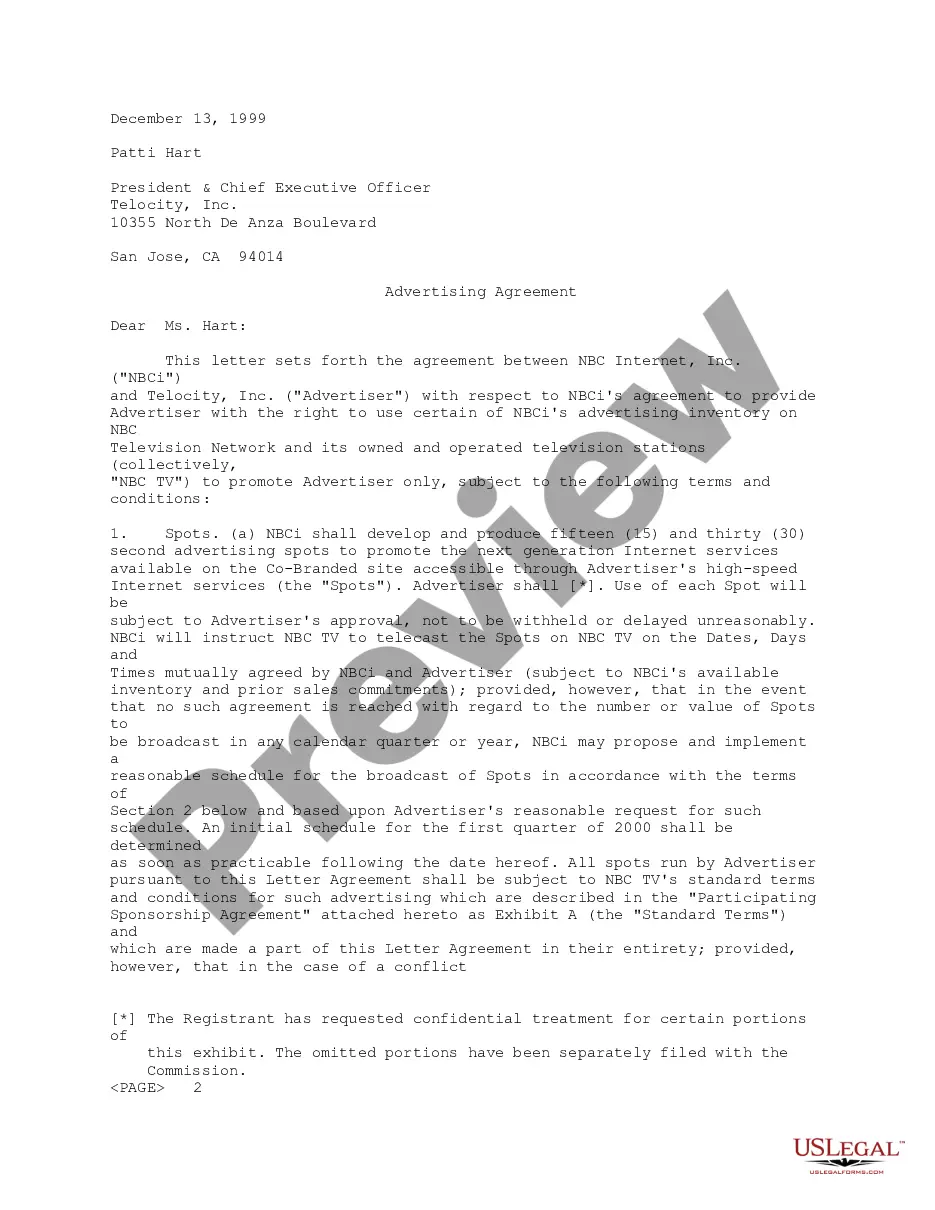
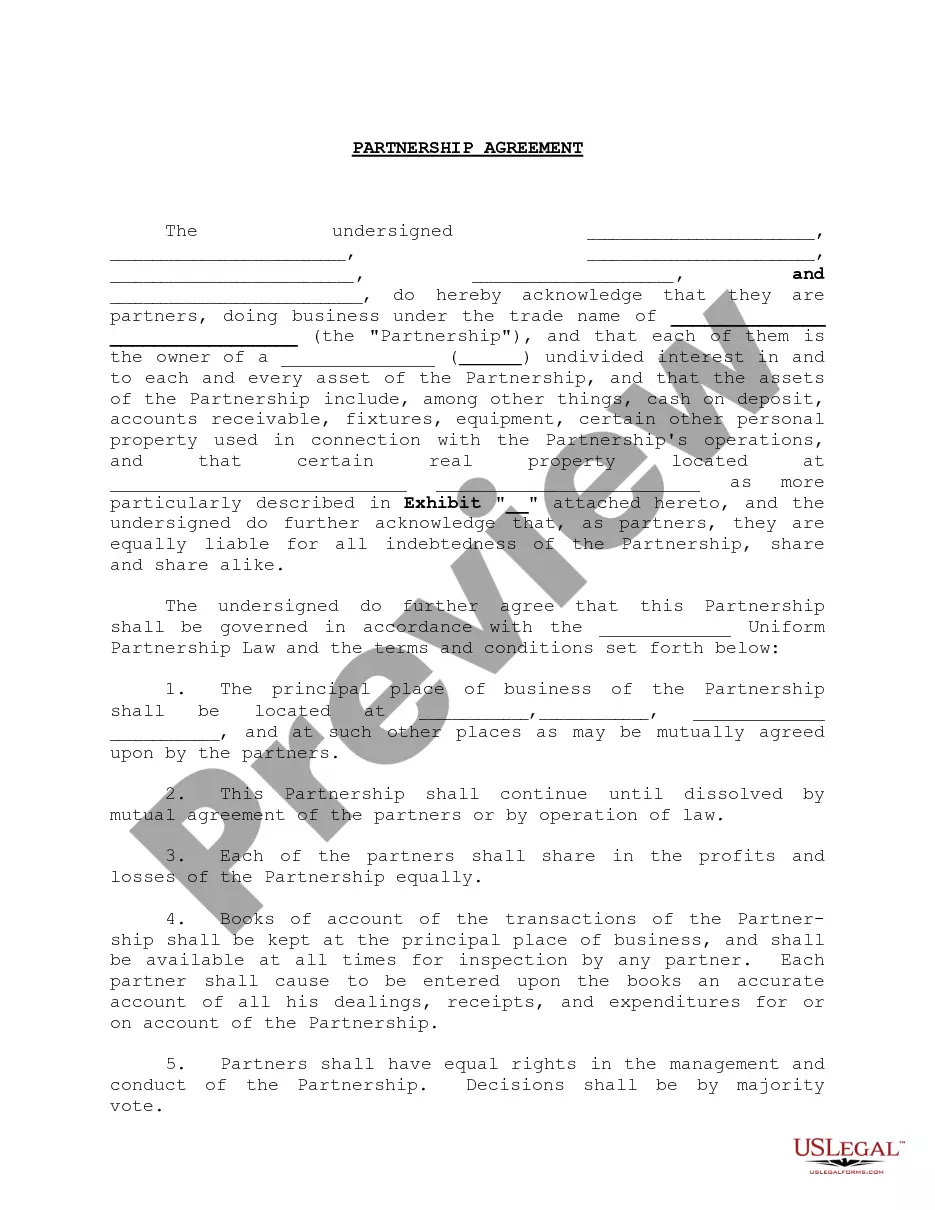

How to fill out Revocable Trust Agreement Regarding Coin Collection?
- Log in to your US Legal Forms account. If you're a new user, create an account to begin your journey.
- Browse through the template library. Use the Preview mode to verify that the revocable trust agreement suits your needs and adheres to local jurisdiction requirements.
- Search for alternative templates if necessary. Utilize the Search tab to find other relevant forms if your first choice does not meet your requirements.
- Purchase the template. Click on 'Buy Now' and select a convenient subscription plan to access the legal forms you need.
- Complete your transaction. Input your payment information using a credit card or PayPal to finalize your purchase.
- Download your legal form. Save the revocable trust agreement to your device and access it anytime under the 'My Forms' section of your profile.
By following these simple steps, you can secure your revocable trust agreement quickly and efficiently.
Don't hesitate—take control of your legal needs today. Visit US Legal Forms to explore the vast range of legal resources available at your fingertips!
Form popularity
FAQ
To sell a house in a revocable trust, first, review the trust agreement to confirm you have the authority to sell the property. Next, consult with a real estate agent who understands the nuances of selling from a trust. It's essential to prepare the necessary documents, such as a revocable trust agreement for sale, to ensure a smooth transaction. Finally, finalize the sale by executing the deed in accordance with the trust's terms and transferring any proceeds as specified in the agreement.
Certain assets, such as life insurance policies and retirement accounts, should generally be excluded from a revocable trust due to the presence of direct beneficiary designations. It is also advisable not to include your primary residence if you might need to access equity for healthcare or other expenses. Additionally, vehicles can complicate asset management in trusts. By knowing what to exclude, you can maintain better control and planning over your estate.
When drafting a revocable trust, avoid placing assets that might conflict with your estate planning goals, like retirement accounts or insurance policies, which typically have beneficiaries designated. Moreover, unnecessary personal property or items of sentimental value may also not be ideal for inclusion. Instead, focus on significant assets that you want to transfer efficiently. The goal is to simplify your estate and ensure smooth management.
To write up a revocable trust, you must start by clearly defining your wishes regarding asset distribution. Use a comprehensive template, such as those provided by USLegalForms, to ensure every detail is captured legally. Specify the assets you want included, choose a reliable trustee, and outline the beneficiaries. Finally, sign the document in accordance with your state's legal requirements.
Yes, a nursing home can potentially claim your house held in a revocable trust if you need long-term care and don't have adequate financial resources. Medicaid might consider the assets in the trust when determining your eligibility for assistance. To navigate these complex rules, you may want to explore a revocable trust agreement for sale through trusted platforms like uslegalforms, which can provide you with tailored solutions.
The primary downside of a revocable trust is that it does not provide asset protection from lawsuits or creditors. This means your assets remain exposed, which may not be ideal depending on your personal circumstances. It's essential to evaluate whether a revocable trust agreement for sale aligns with your financial goals and protections.
One disadvantage of placing your house in a revocable trust is the loss of direct control over the property. If you need to make significant decisions about the house, you will have to go through the trust’s framework. Additionally, a revocable trust agreement for sale does not protect your home from creditors, which can be a concern for some homeowners.
While either a lawyer or an accountant can assist in setting up a trust, it is often recommended to consult a lawyer for the creation of the trust documents, such as a revocable trust agreement for sale. Lawyers specialize in ensuring that all legal requirements are met and that the trust aligns with your overall estate planning goals. An accountant can provide valuable advice on tax implications and financial management of the trust assets, ensuring all angles are covered for a well-rounded approach.
The person who creates a trust is referred to as the grantor or trustor. This individual has the authority to decide how the trust operates and how the assets are managed. When drafting a revocable trust agreement for sale, it is crucial for the grantor to be clear about their intentions and the roles of all parties involved. This clarity can greatly enhance the trust's effectiveness and longevity.
One major mistake parents make when setting up a trust fund is failing to clearly define the distribution terms for the beneficiaries. They may overlook the importance of outlining conditions or goals for fund usage, which can lead to confusion later on. When you invest in a revocable trust agreement for sale, you ensure that all terms are explicitly documented and can be easily amended as circumstances change. This foresight can help prevent misunderstandings in the future.