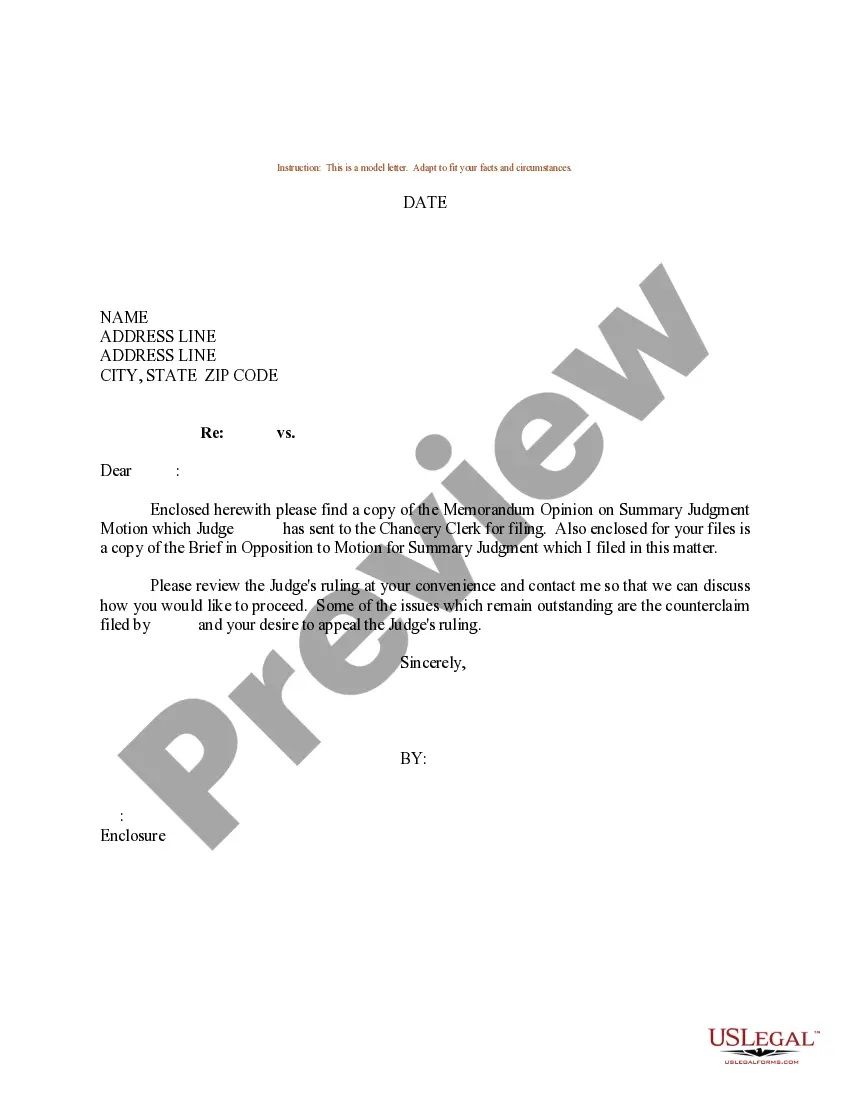
Plaintiff Summary Judgment Motion With Position Time Graphs
Description
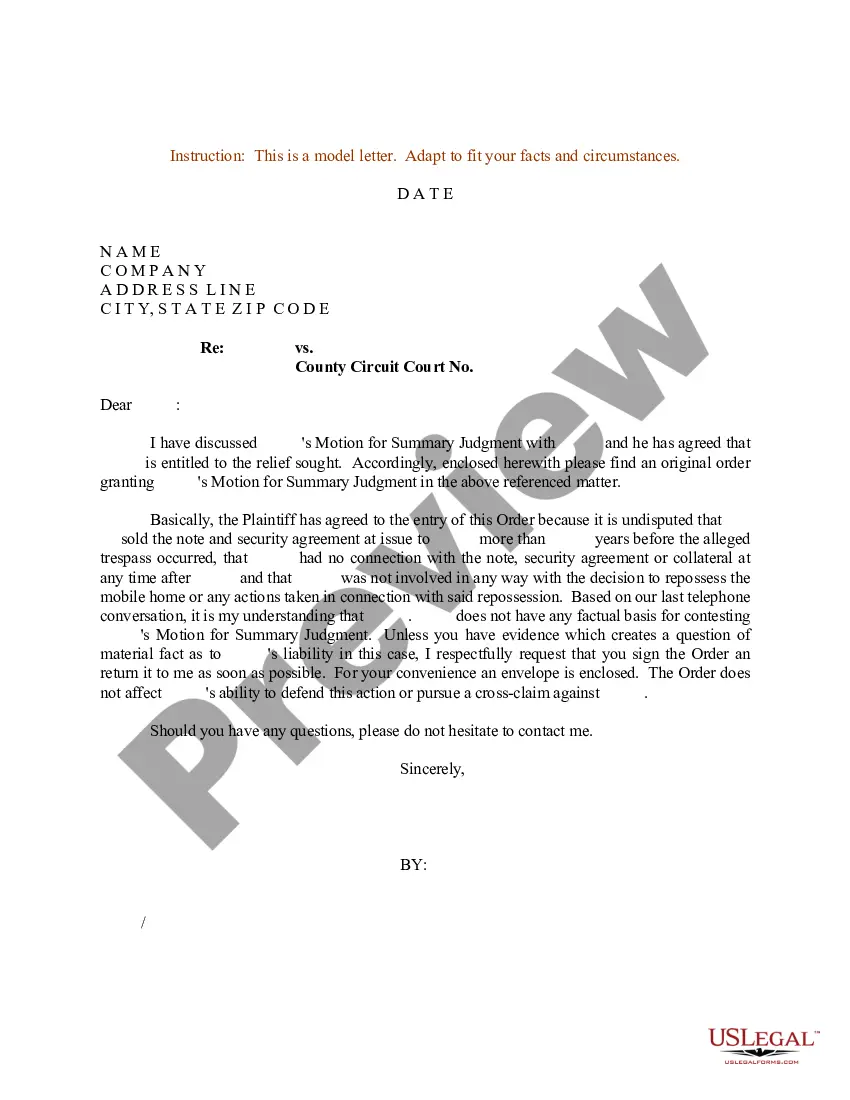
Get your form ready online
Our built-in tools help you complete, sign, share, and store your documents in one place.
Make edits, fill in missing information, and update formatting in US Legal Forms—just like you would in MS Word.
Download a copy, print it, send it by email, or mail it via USPS—whatever works best for your next step.
Sign and collect signatures with our SignNow integration. Send to multiple recipients, set reminders, and more. Go Premium to unlock E-Sign.
If this form requires notarization, complete it online through a secure video call—no need to meet a notary in person or wait for an appointment.
We protect your documents and personal data by following strict security and privacy standards.

Make edits, fill in missing information, and update formatting in US Legal Forms—just like you would in MS Word.

Download a copy, print it, send it by email, or mail it via USPS—whatever works best for your next step.

Sign and collect signatures with our SignNow integration. Send to multiple recipients, set reminders, and more. Go Premium to unlock E-Sign.

If this form requires notarization, complete it online through a secure video call—no need to meet a notary in person or wait for an appointment.

We protect your documents and personal data by following strict security and privacy standards.
Looking for another form?







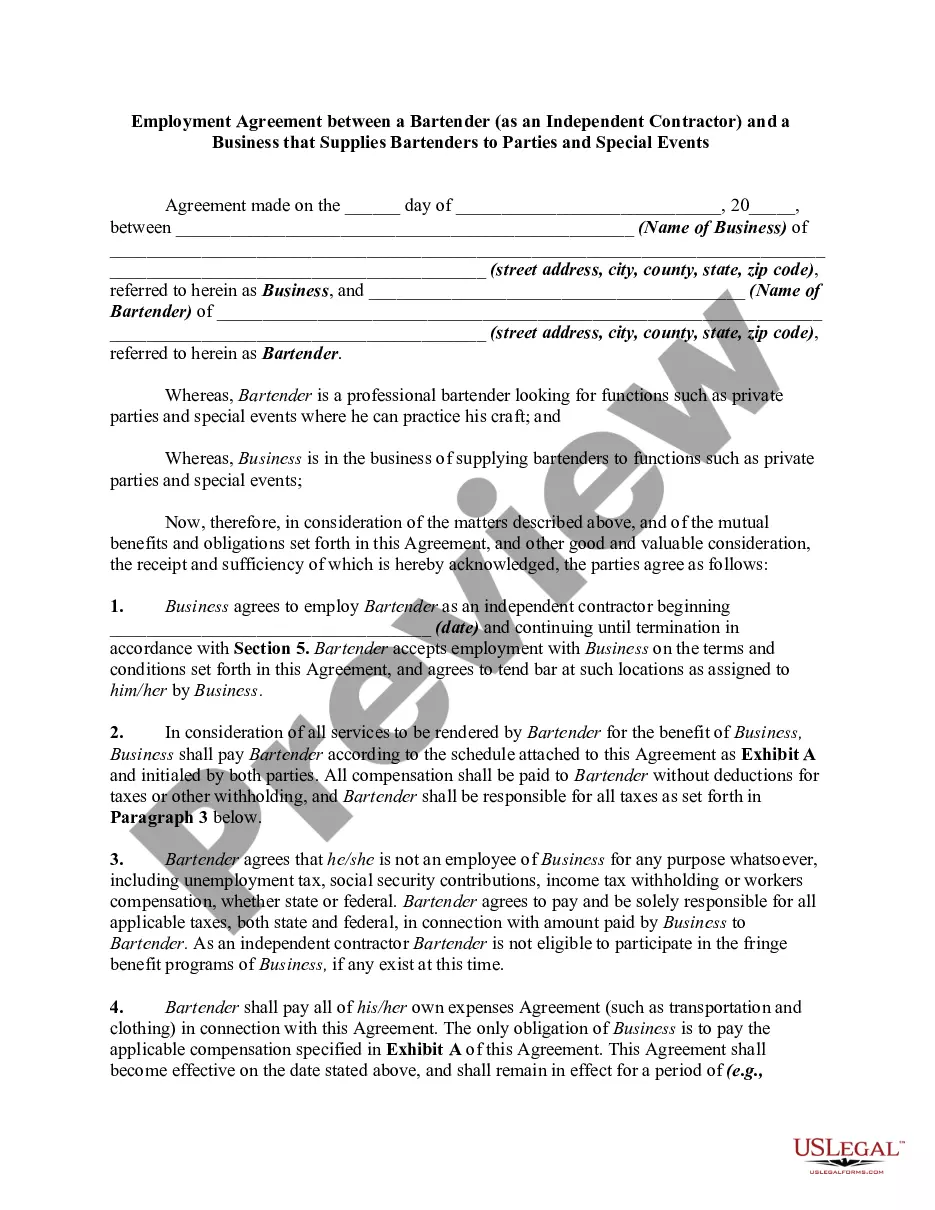


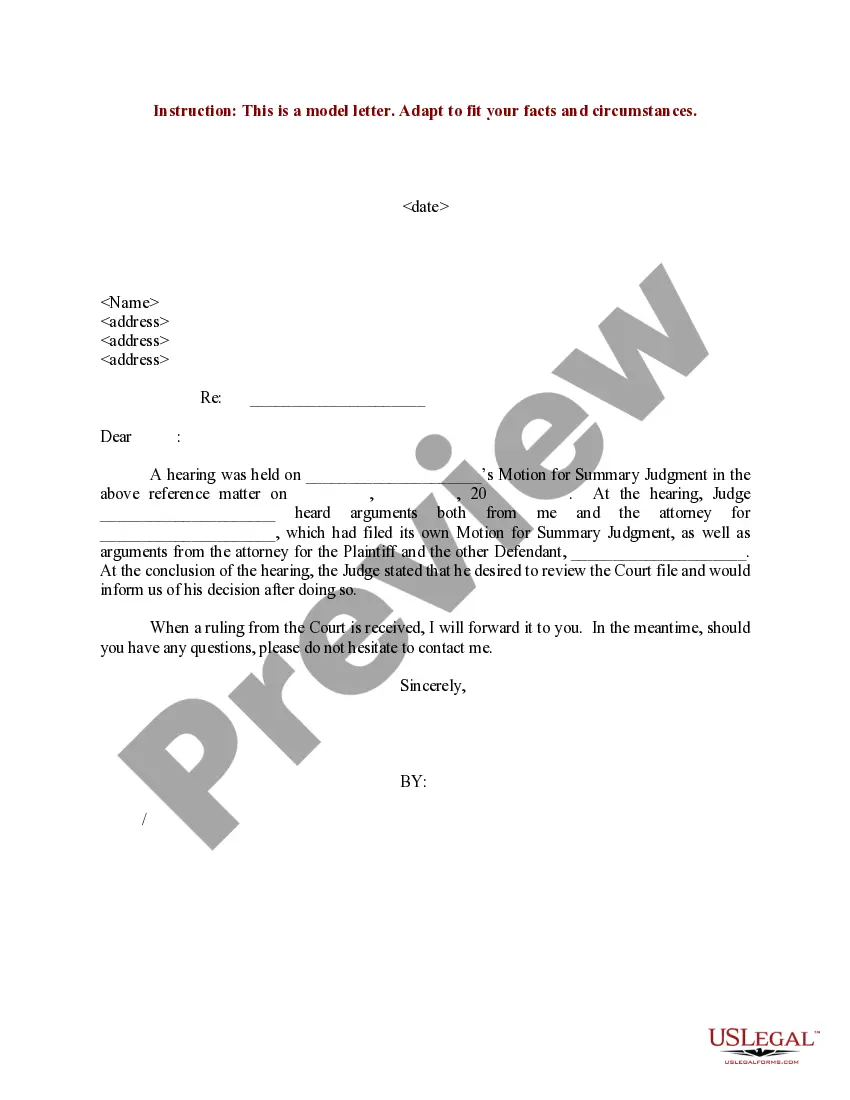
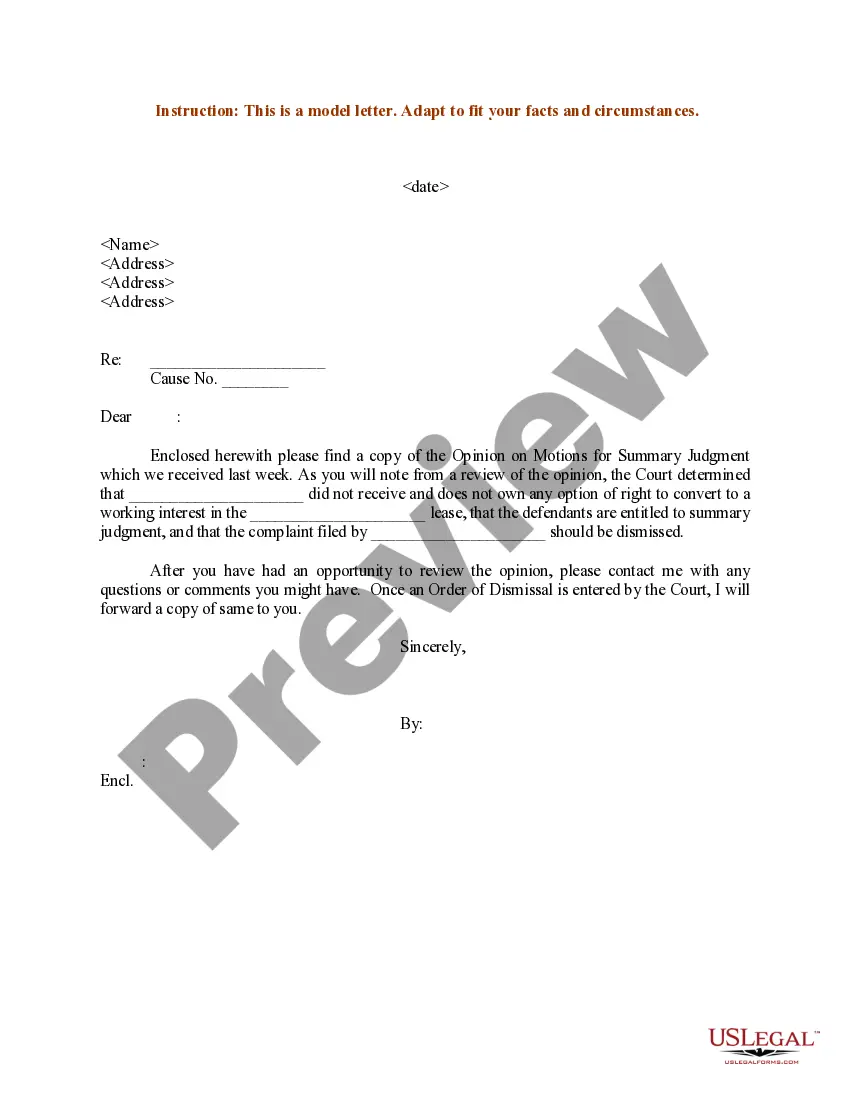
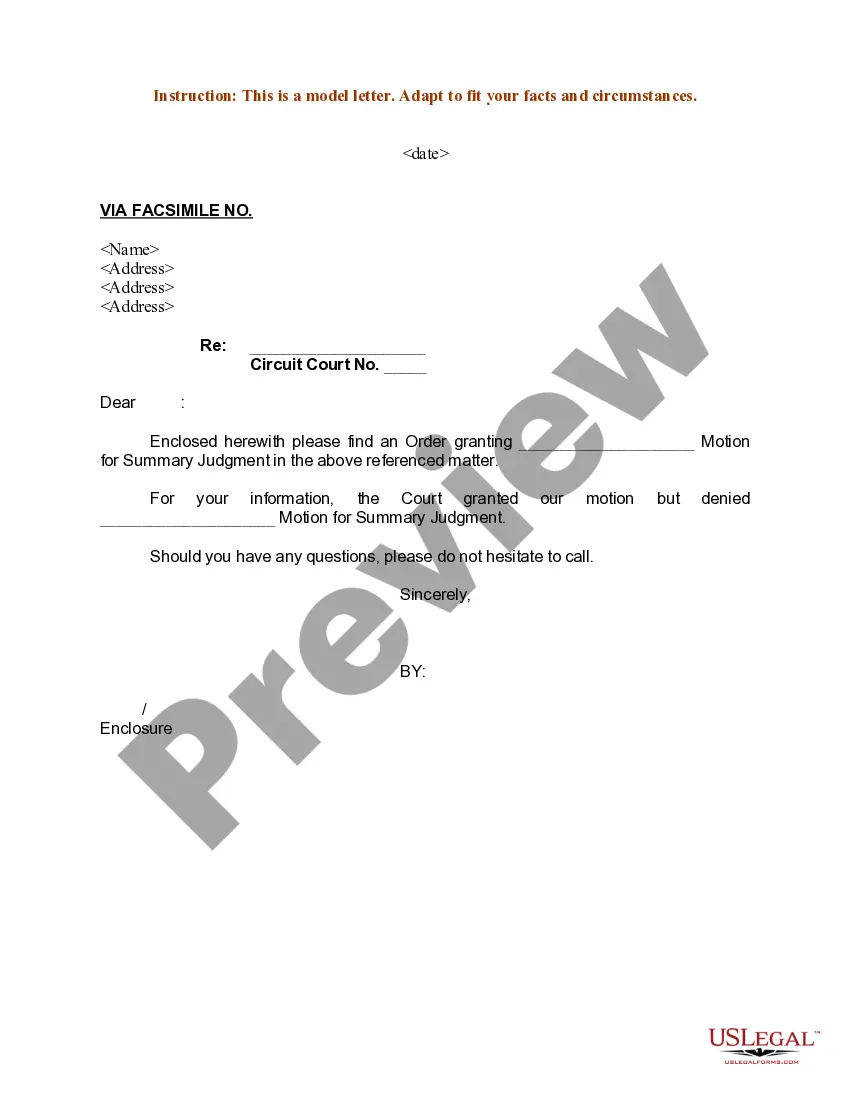
How to fill out Sample Letter Regarding Memorandum Opinion On Summary Judgment Motion?
Managing legal documents can be overwhelming, even for experienced professionals.
If you are looking for a Plaintiff Summary Judgment Motion With Position Time Graphs and lack the time to search for the correct and updated version, the process may become taxing.
US Legal Forms caters to all your needs, from personal to organizational documents, all in a single location.
Utilize advanced tools to complete and manage your Plaintiff Summary Judgment Motion With Position Time Graphs.
Here are the steps to follow after accessing the form you need: Confirm it is the correct form by previewing it and reviewing its details. Ensure that the template is accepted in your state or county. Click Buy Now when you're ready. Select a subscription plan. Choose the format you prefer, and Download, complete, eSign, print, and submit your document. Leverage the US Legal Forms online library, backed by 25 years of experience and reliability. Transform your daily document management into a smooth and user-friendly process today.
- Tap into a valuable resource hub of articles, guides, and manuals related to your situation and needs.
- Save time and energy searching for the documents you require, and use US Legal Forms' advanced search and Preview feature to find Plaintiff Summary Judgment Motion With Position Time Graphs and obtain it.
- If you have a monthly subscription, Log In to your US Legal Forms account, search for the form, and acquire it.
- Check your My documents tab to review the documents you previously downloaded and manage your folders as needed.
- If this is your first time using US Legal Forms, create a free account for unlimited access to all the benefits of the library.
- An effective online form library can be transformative for anyone looking to navigate these situations effectively.
- US Legal Forms stands as a leader in the online legal forms industry, offering over 85,000 state-specific legal forms accessible to you at any moment.
- With US Legal Forms, you can access legal and organizational forms tailored to your state or county.
Form popularity
FAQ
A plaintiff may file a motion for summary judgment to expedite the legal process and avoid the uncertainties of a trial. This motion allows them to demonstrate that the evidence overwhelmingly supports their case. Using a plaintiff summary judgment motion with position time graphs can provide a compelling visual representation of the case's strengths, making it easier for the court to rule in their favor.
Yes, a plaintiff can file a motion for summary judgment, seeking a court ruling in their favor without proceeding to trial. This motion emphasizes that there are no genuine disputes regarding material facts. A plaintiff summary judgment motion with position time graphs can be particularly effective in showcasing essential timelines and evidence that support the plaintiff's claims.
A motion for summary judgment should begin with a clear introduction that outlines the request and basis for the motion. Following that, include a statement of undisputed facts, legal standards, and supporting arguments. A plaintiff summary judgment motion with position time graphs can enhance the structure by providing visual aids that illustrate the timeline of events relevant to the case.
Drafting a motion for summary judgment can take several weeks, depending on the complexity of the case and the amount of evidence available. A well-structured motion requires careful consideration of legal arguments and supporting documentation. Utilizing tools like a plaintiff summary judgment motion with position time graphs can streamline the drafting process by visually organizing critical information.
Yes, a plaintiff can appeal a summary judgment ruling if they believe the court made an error in its decision. The appeal process allows the plaintiff to challenge the ruling and seek a different outcome. When preparing for an appeal, leveraging a plaintiff summary judgment motion with position time graphs can strengthen the case by providing clear visual evidence of key arguments.
Filing for summary judgment can have several drawbacks, including the possibility of wasting resources if the court denies the motion. Additionally, if a party is unsuccessful, they might face increased scrutiny during the trial. Understanding the implications of a plaintiff summary judgment motion with position time graphs can help parties weigh the risks and benefits effectively.
A defendant can apply for summary judgment at any point after the discovery phase has begun. This motion typically occurs before the trial starts, as it seeks to resolve the case based on legal grounds rather than factual disputes. Utilizing a plaintiff summary judgment motion with position time graphs can further support the defendant's position by illustrating critical timelines and events.
Any party involved in a legal case, including plaintiffs and defendants, can file a motion for summary judgment. This legal tool allows them to request the court to decide the case based on the evidence presented, without going to trial. A plaintiff summary judgment motion with position time graphs can clarify key points in the case, making it easier for the judge to understand the arguments.