Trust Form Estate Document Format
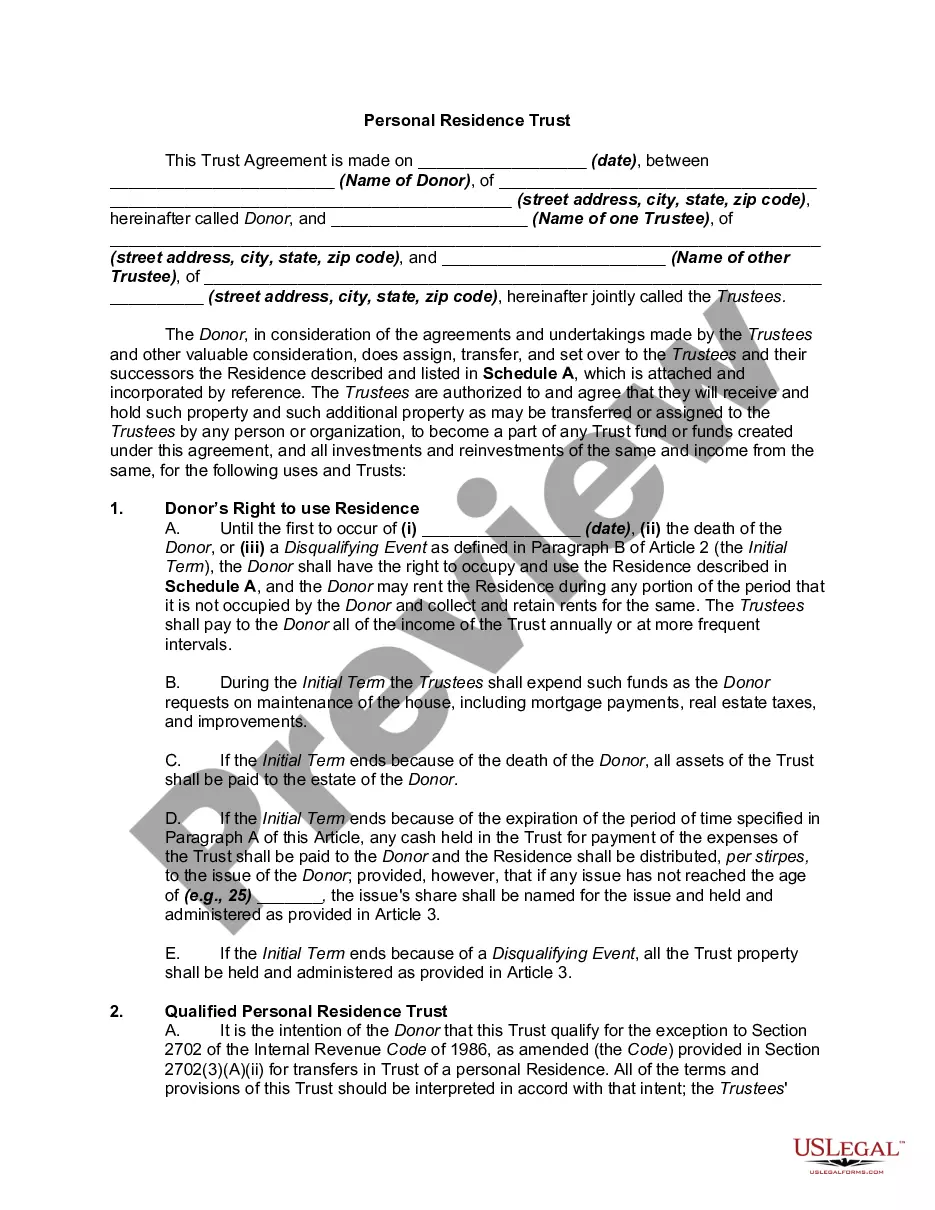
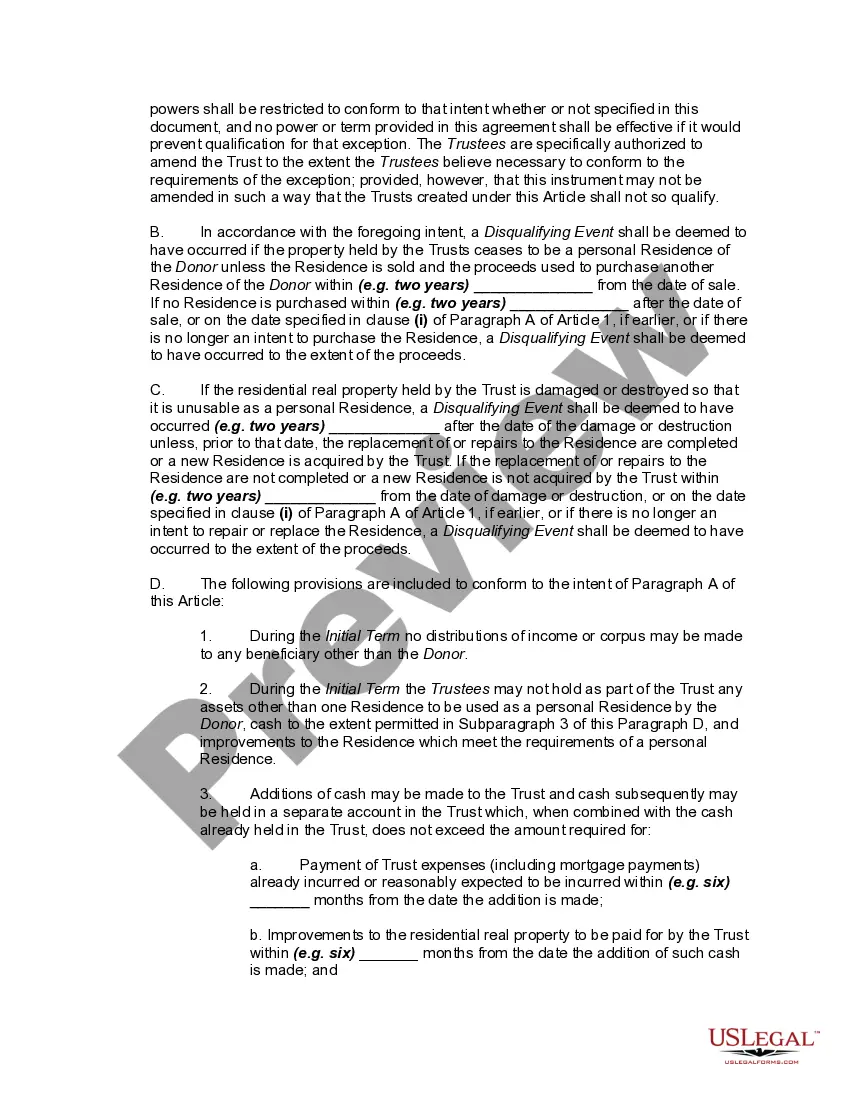
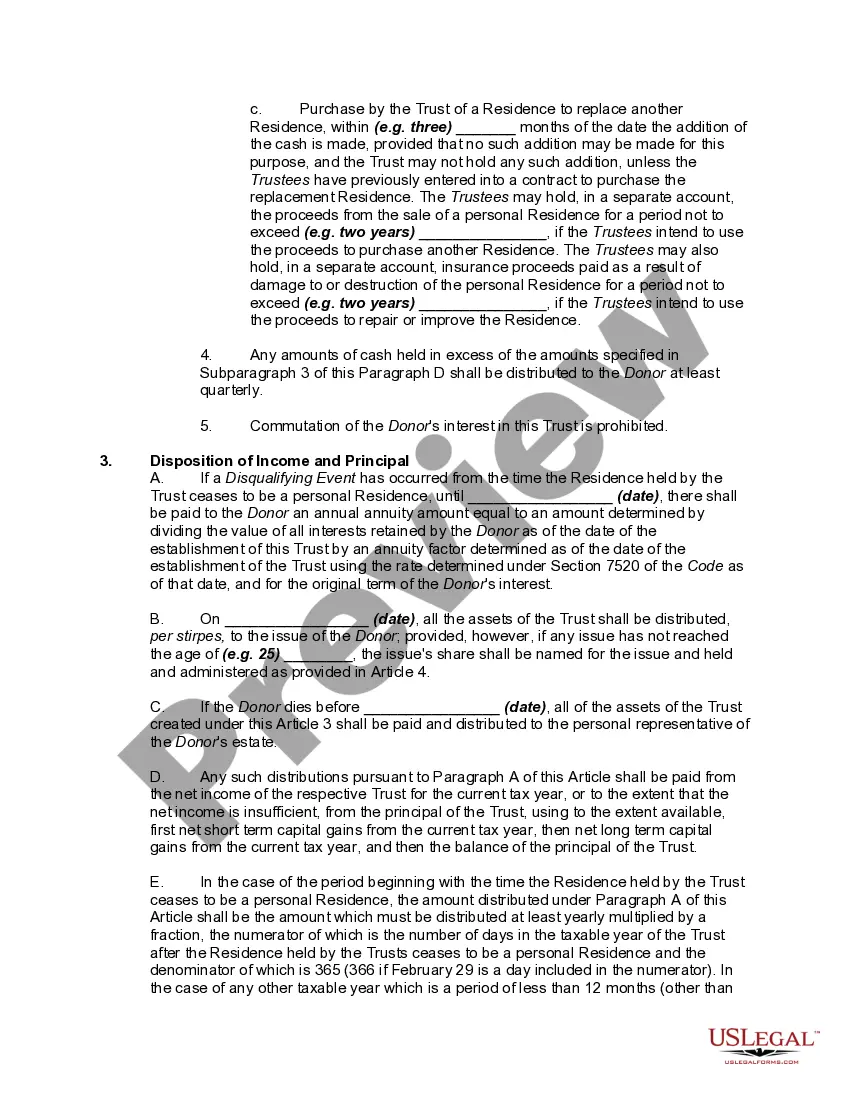
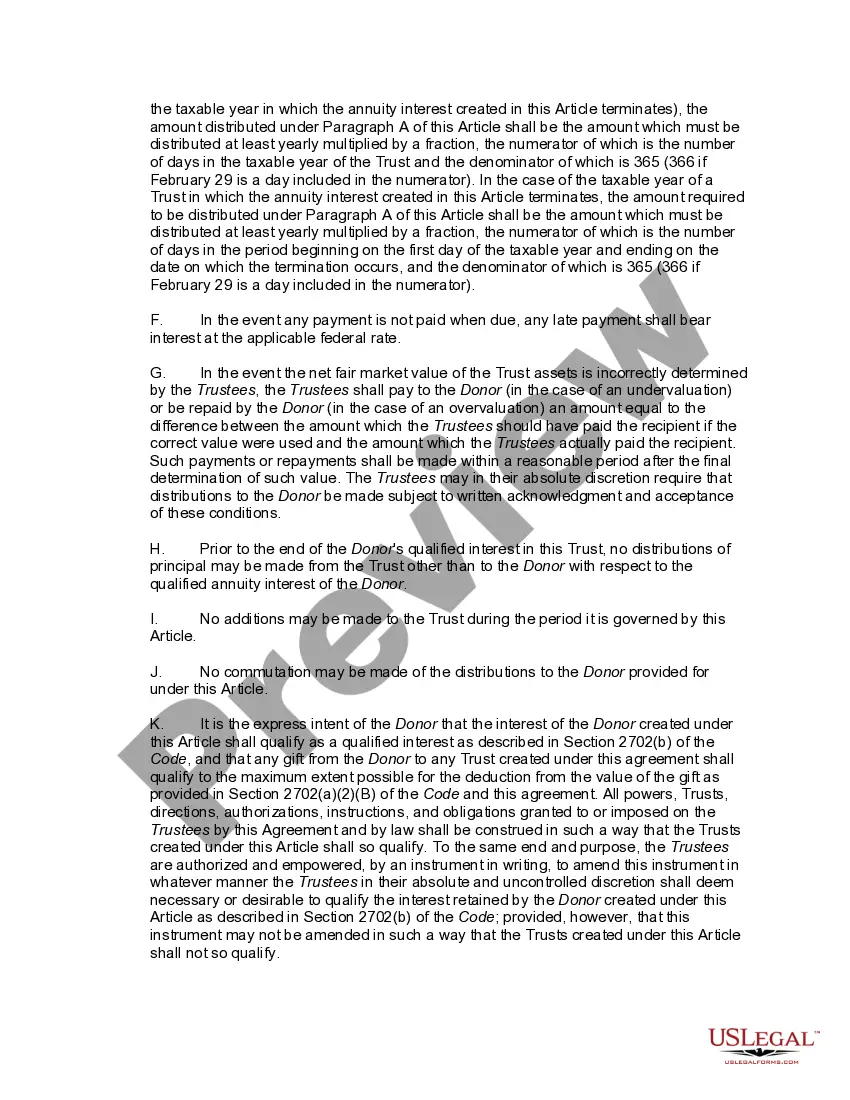
Description
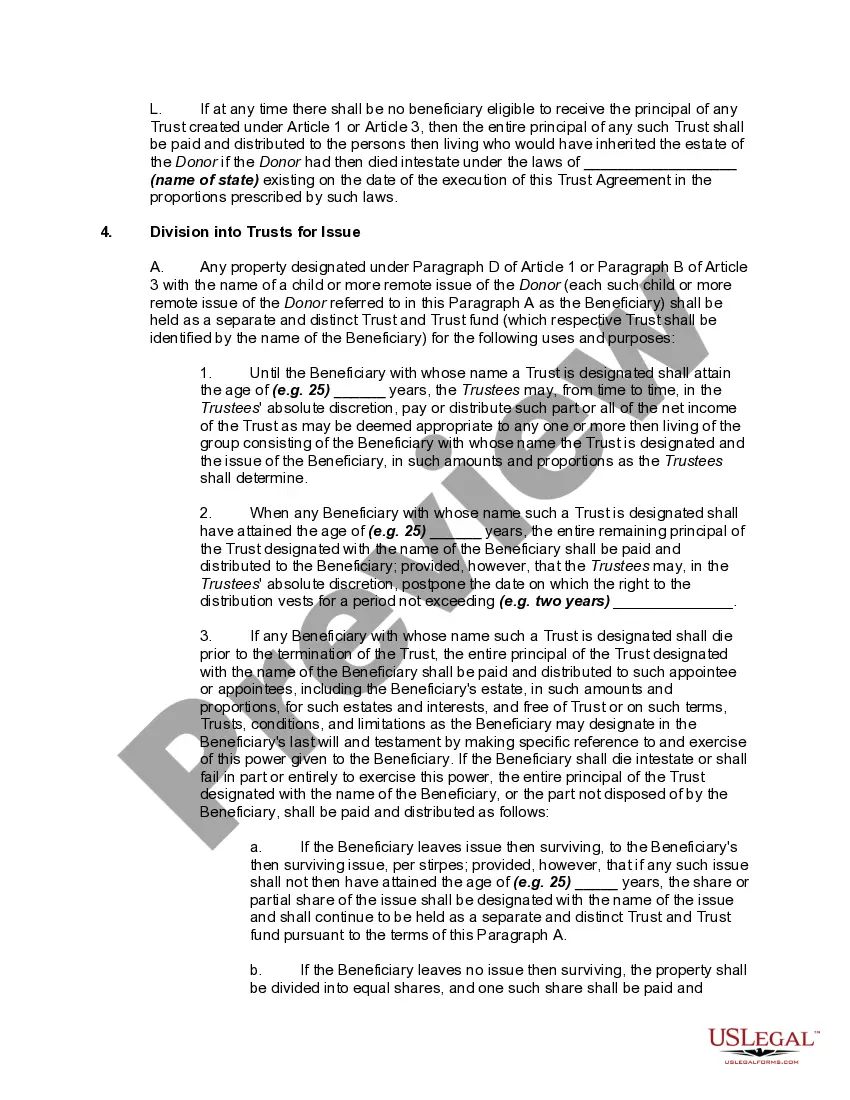
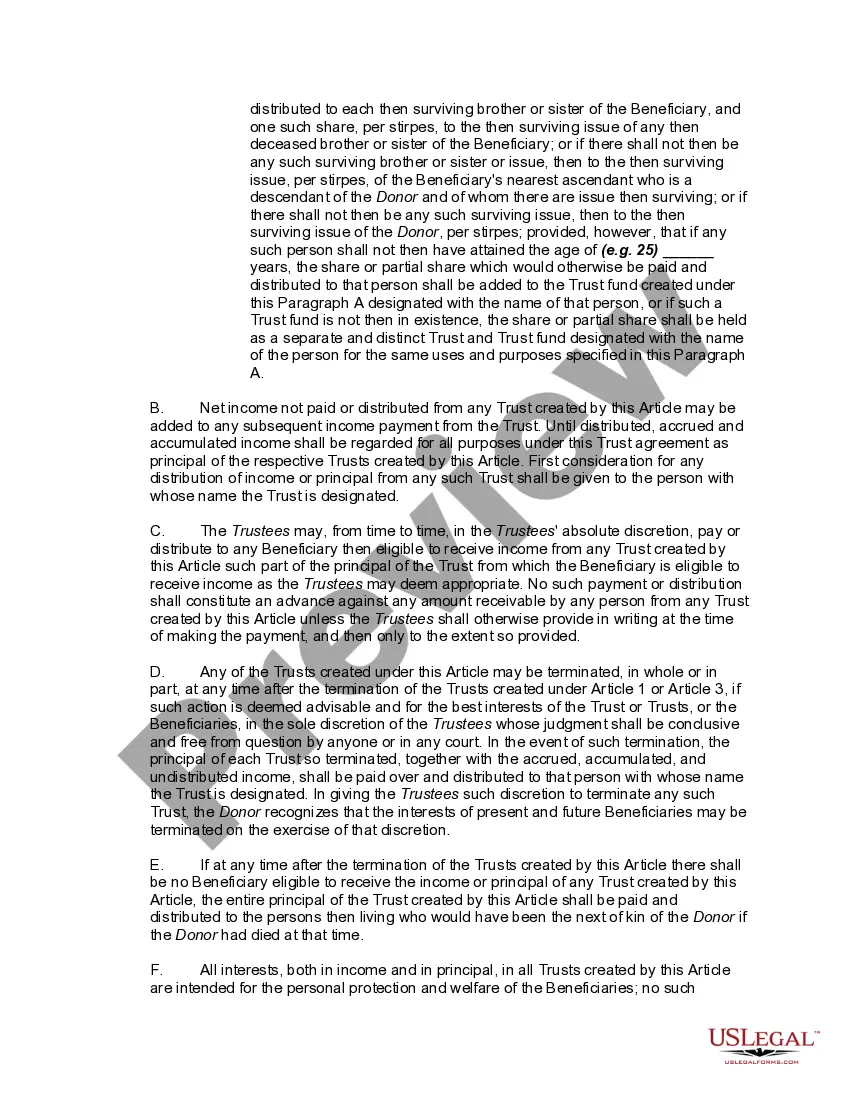
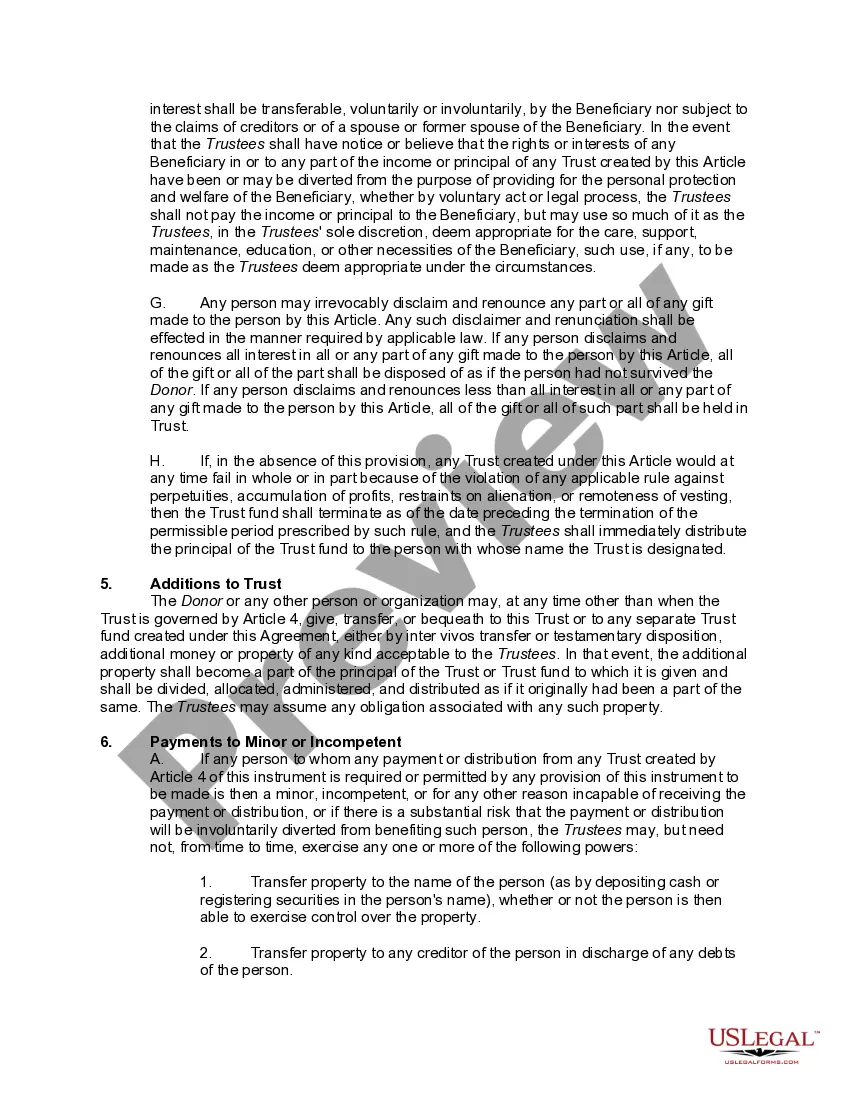
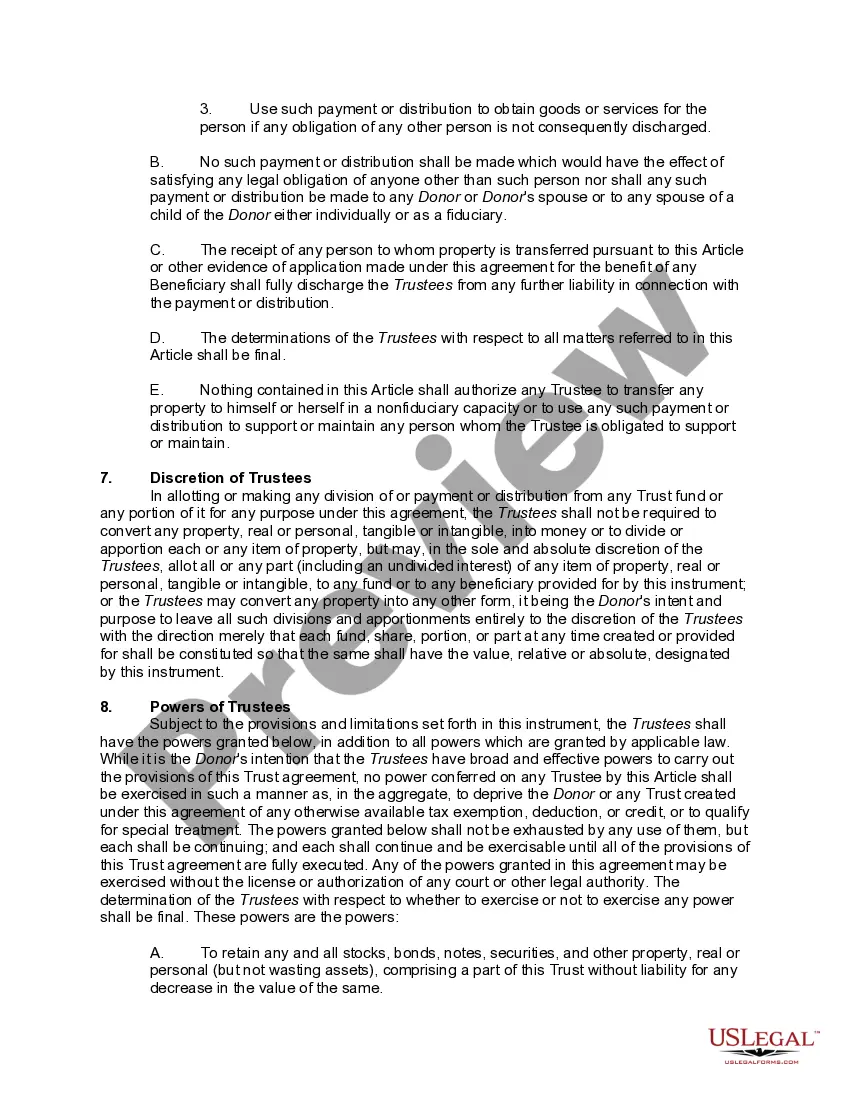
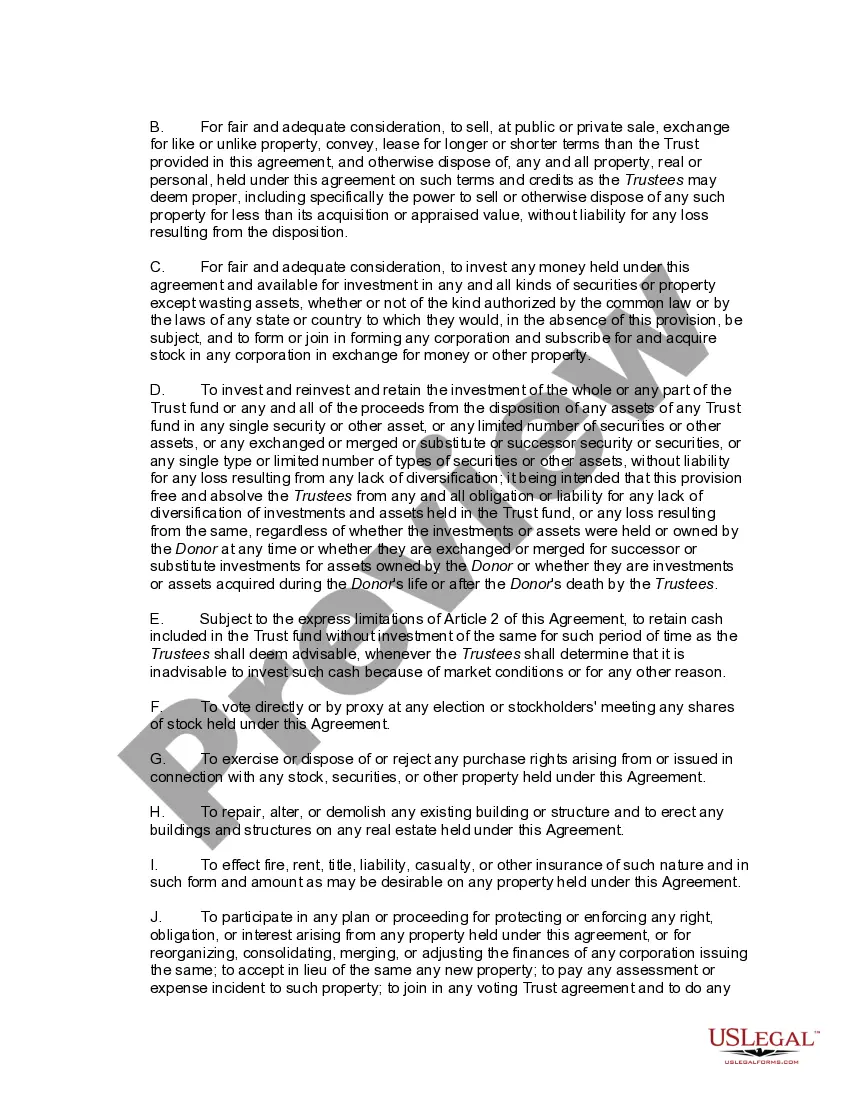
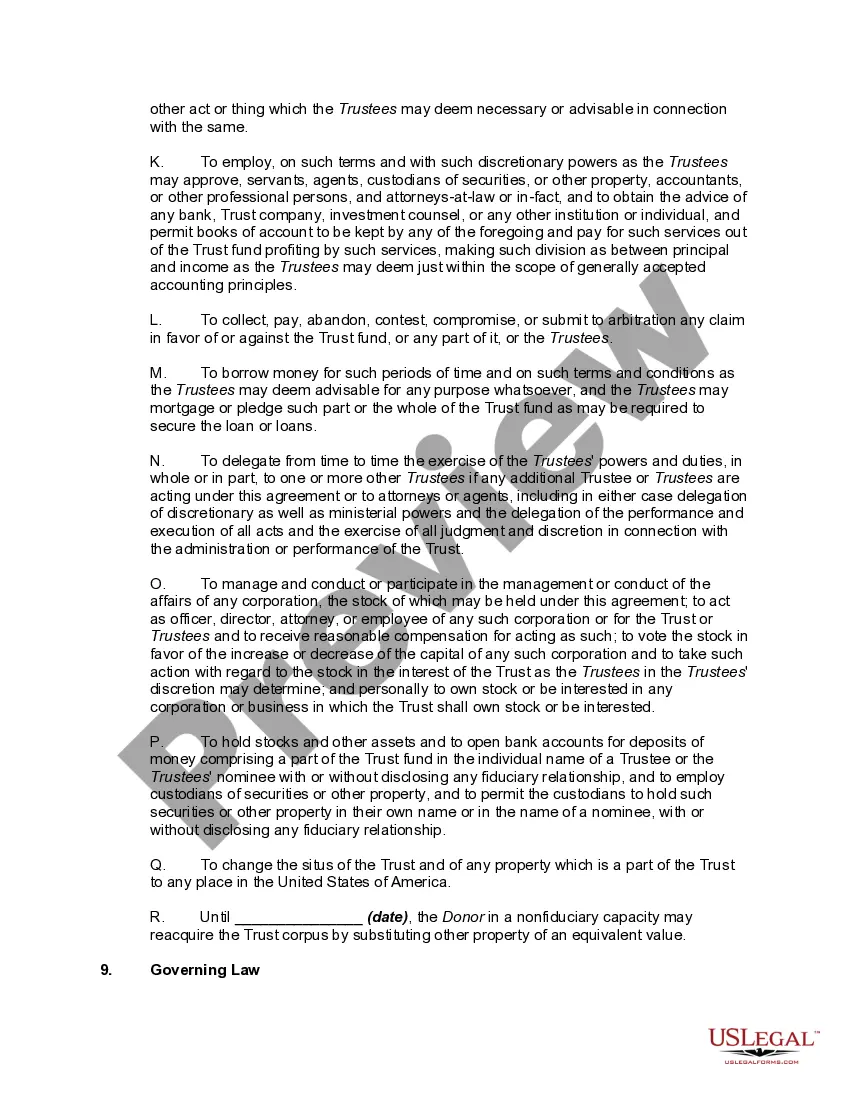

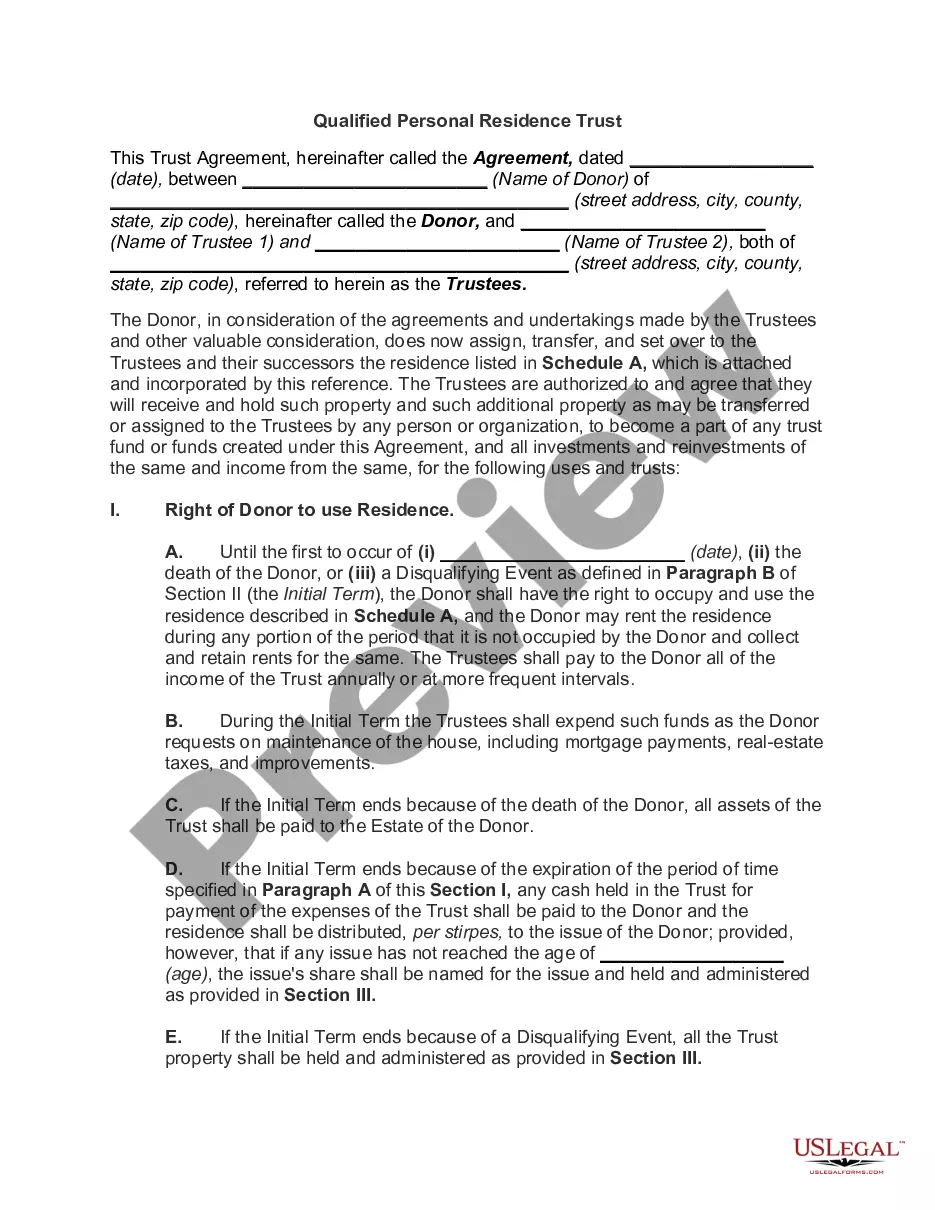
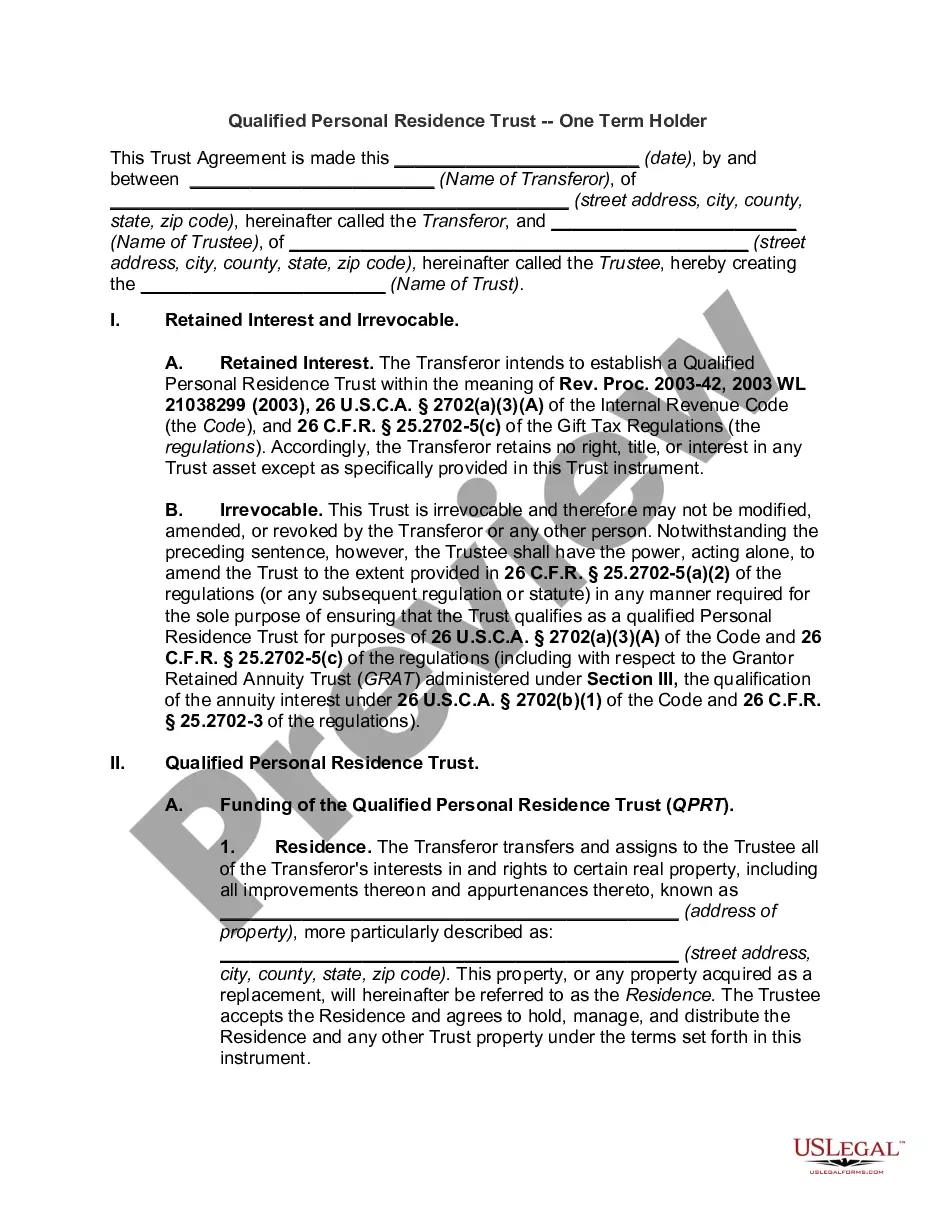
Get your form ready online
Our built-in tools help you complete, sign, share, and store your documents in one place.
Make edits, fill in missing information, and update formatting in US Legal Forms—just like you would in MS Word.
Download a copy, print it, send it by email, or mail it via USPS—whatever works best for your next step.
Sign and collect signatures with our SignNow integration. Send to multiple recipients, set reminders, and more. Go Premium to unlock E-Sign.
If this form requires notarization, complete it online through a secure video call—no need to meet a notary in person or wait for an appointment.
We protect your documents and personal data by following strict security and privacy standards.

Make edits, fill in missing information, and update formatting in US Legal Forms—just like you would in MS Word.

Download a copy, print it, send it by email, or mail it via USPS—whatever works best for your next step.

Sign and collect signatures with our SignNow integration. Send to multiple recipients, set reminders, and more. Go Premium to unlock E-Sign.

If this form requires notarization, complete it online through a secure video call—no need to meet a notary in person or wait for an appointment.

We protect your documents and personal data by following strict security and privacy standards.
Looking for another form?
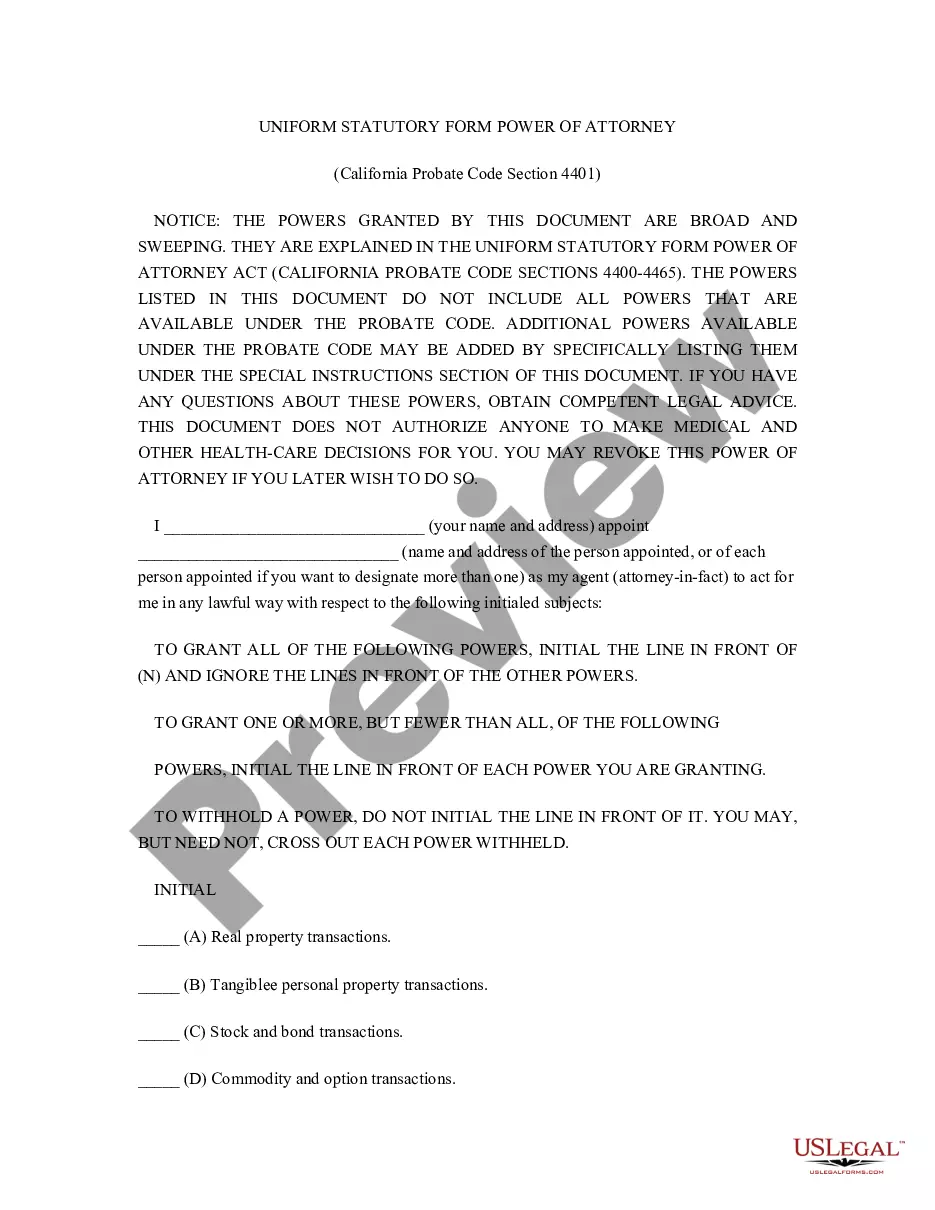
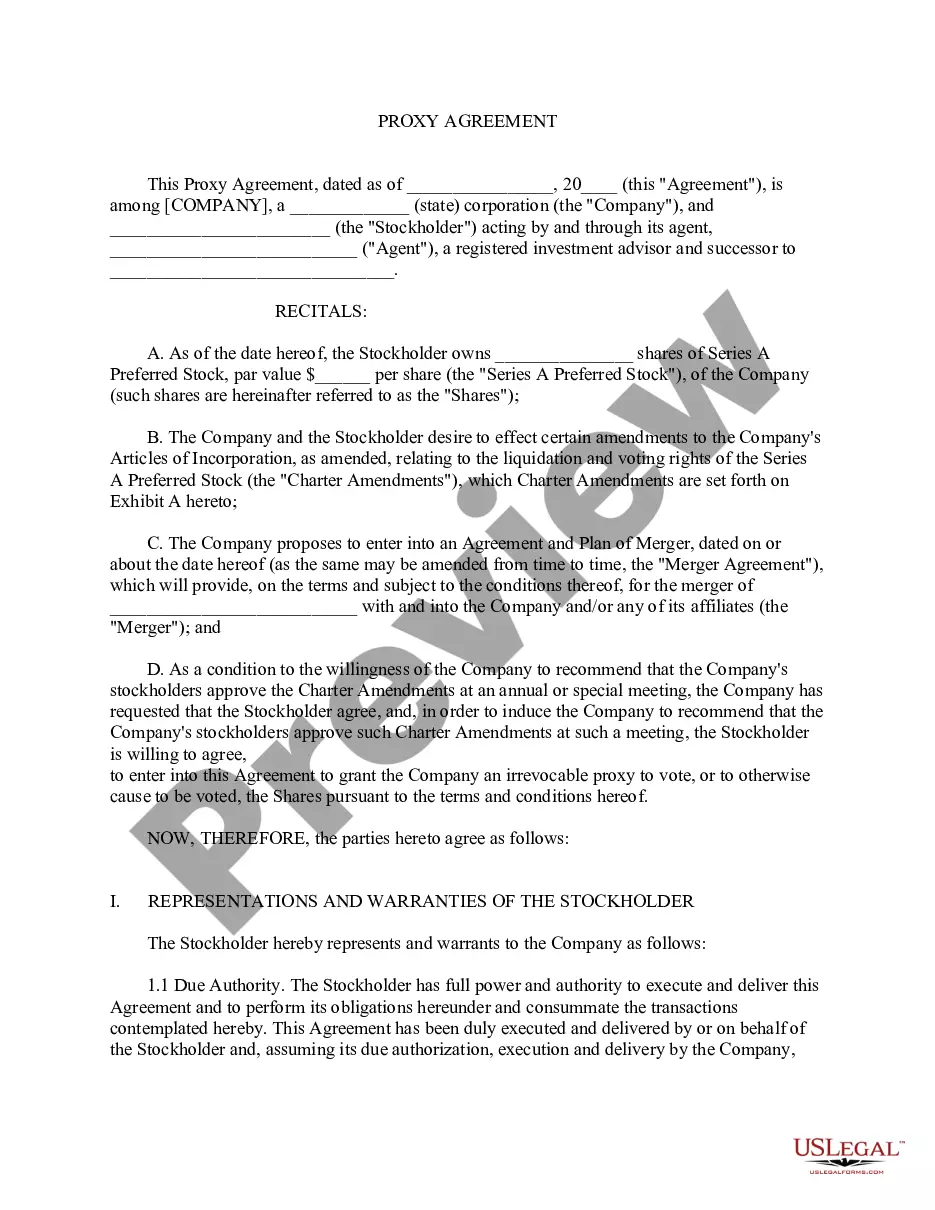


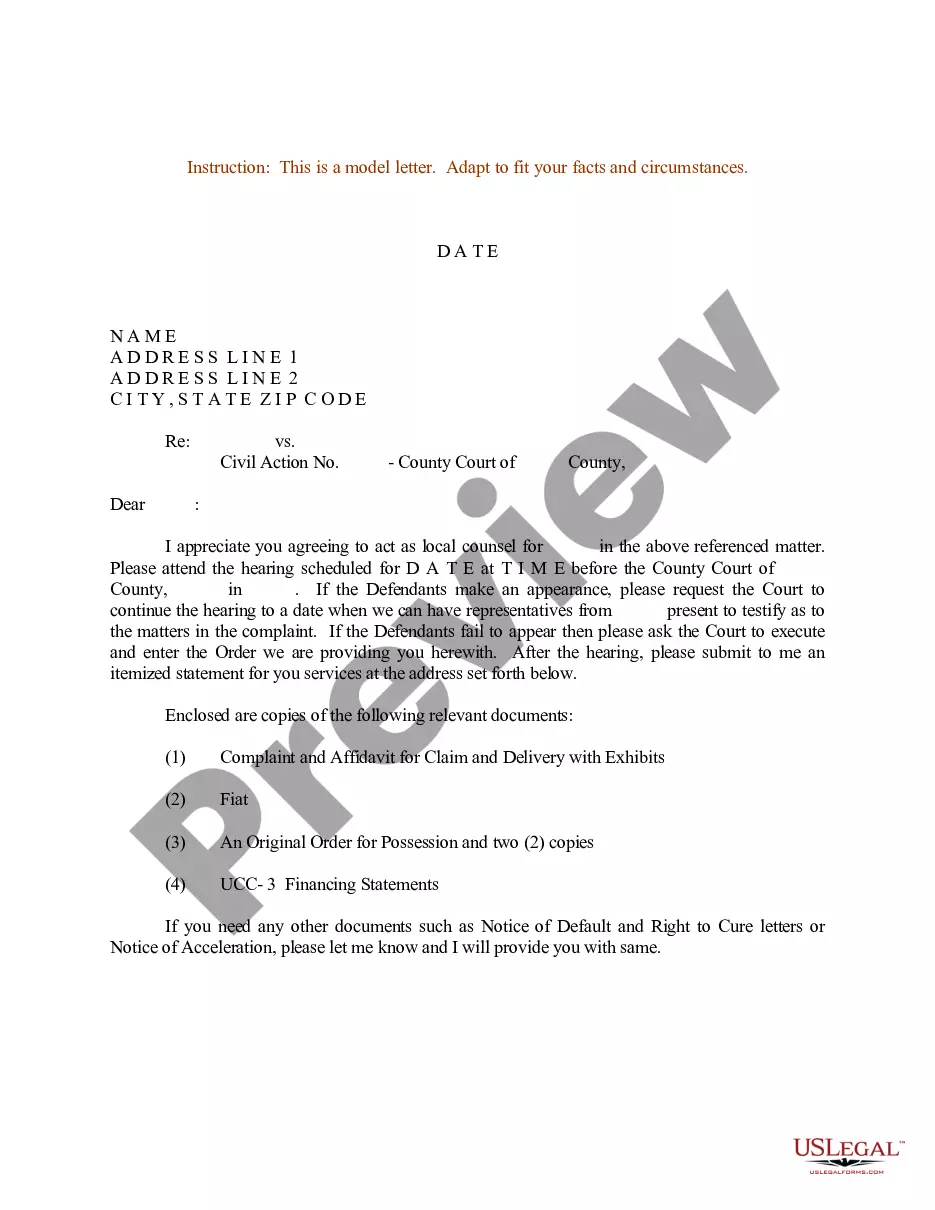
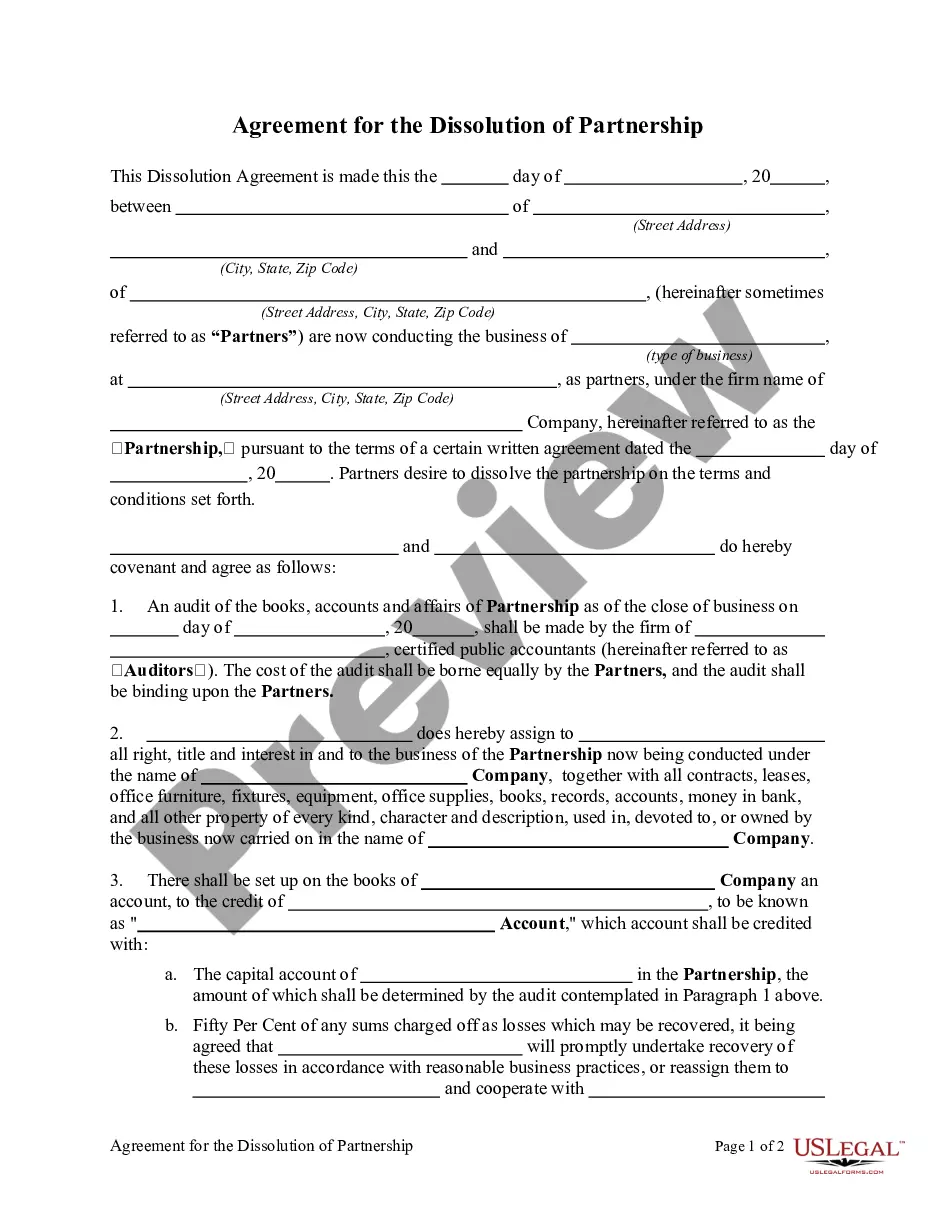



How to fill out Personal Residence Trust?
Regardless of whether it is for corporate matters or personal dealings, every individual must confront legal circumstances at some stage in their life.
Filling out legal paperwork demands meticulous focus, starting with choosing the suitable form template. For instance, if you select an incorrect version of a Trust Form Estate Document Format, it will be rejected upon submission.
With an extensive US Legal Forms catalog available, you don’t have to waste time searching for the correct template online. Take advantage of the library’s easy navigation to find the right form for any situation.
- Acquire the template you need using the search box or catalog browsing.
- Review the form’s details to guarantee it aligns with your case, state, and county.
- Click on the document’s preview to examine it.
- If it is the incorrect document, return to the search feature to locate the Trust Form Estate Document Format template you require.
- Obtain the template if it satisfies your needs.
- If you possess a US Legal Forms account, simply click Log in to access previously saved forms in My documents.
- If you do not have an account yet, you can download the form by selecting Buy now.
- Choose the suitable pricing option.
- Complete the account registration form.
- Decide on your payment method: you can use a credit card or a PayPal account.
- Select the document format you want and download the Trust Form Estate Document Format.
- Once it is saved, you can fill out the form using editing software or print it and complete it manually.
Form popularity
FAQ
A deed of trust, also called a trust deed, is the functional equivalent of a mortgage. It does not transfer the ownership of real property, as the typical deed does. Like a mortgage, a trust deed makes a piece of real property security (collateral) for a loan.
A deed of trust is an agreement between a home buyer and a lender at the closing of a property. The agreement states that the home buyer will repay the home loan and the mortgage lender will hold the property's legal title until the loan is paid in full.
A trust agreement is a legal document containing, terms, conditions and provisions that allows the trustor to transfer the ownership of assets to the trustee to be held for the trustor's beneficiaries. The trustees will manage the property and assets on behalf of the beneficiary.
For example, if you gave your child enough money to pay for their entire deposit, a declaration of trust could ensure they got that back if the relationship broke down. This agreement is typically made when the property is purchased.
Ing to the term of a trust instrument, it can be defined into different types. For example: Inter Vivo trust is created when the settlor is alive. Testamentary trust is usually created through the terms of a settlor's will and goes into effect after the death of the settlor.