Personal Residence Real With Mortgage
Description
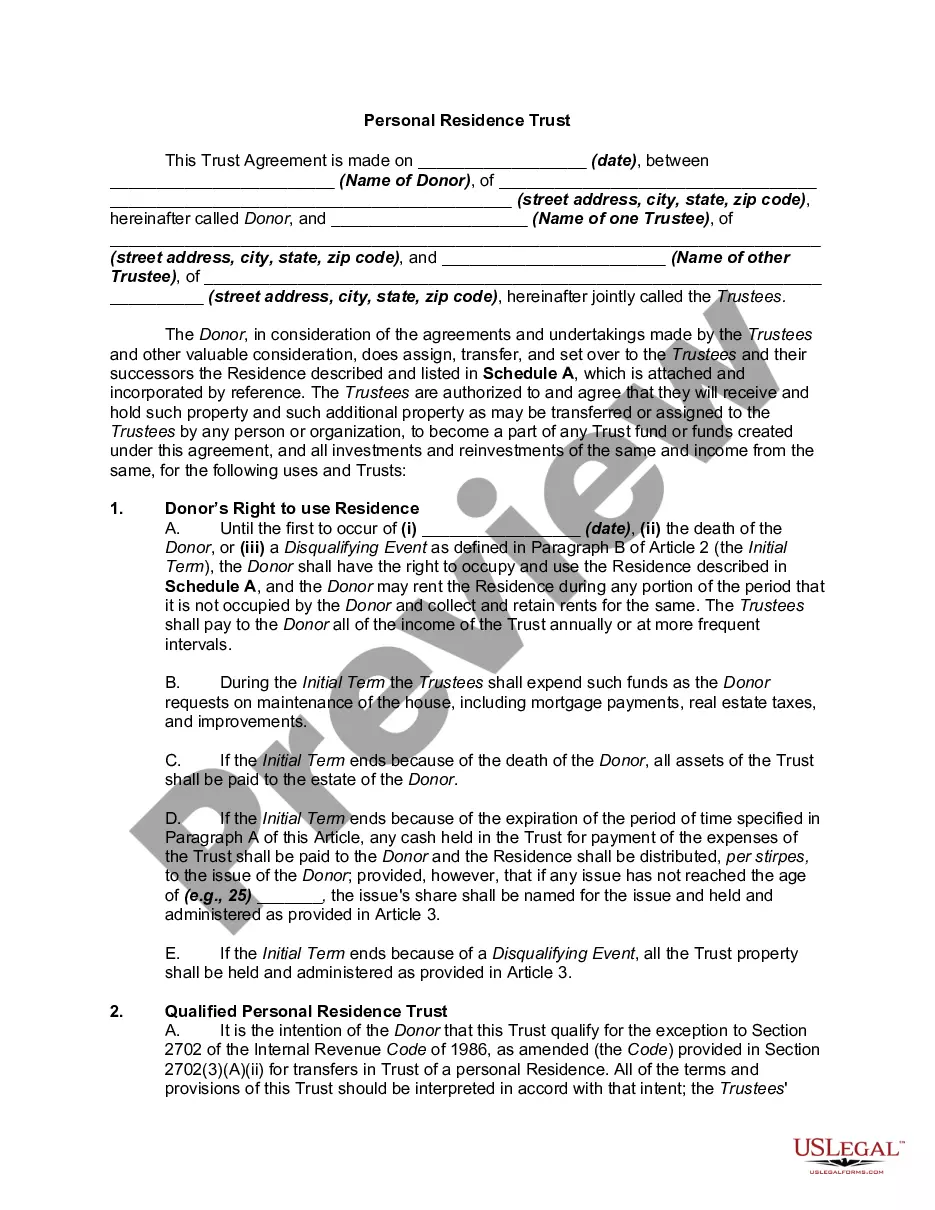
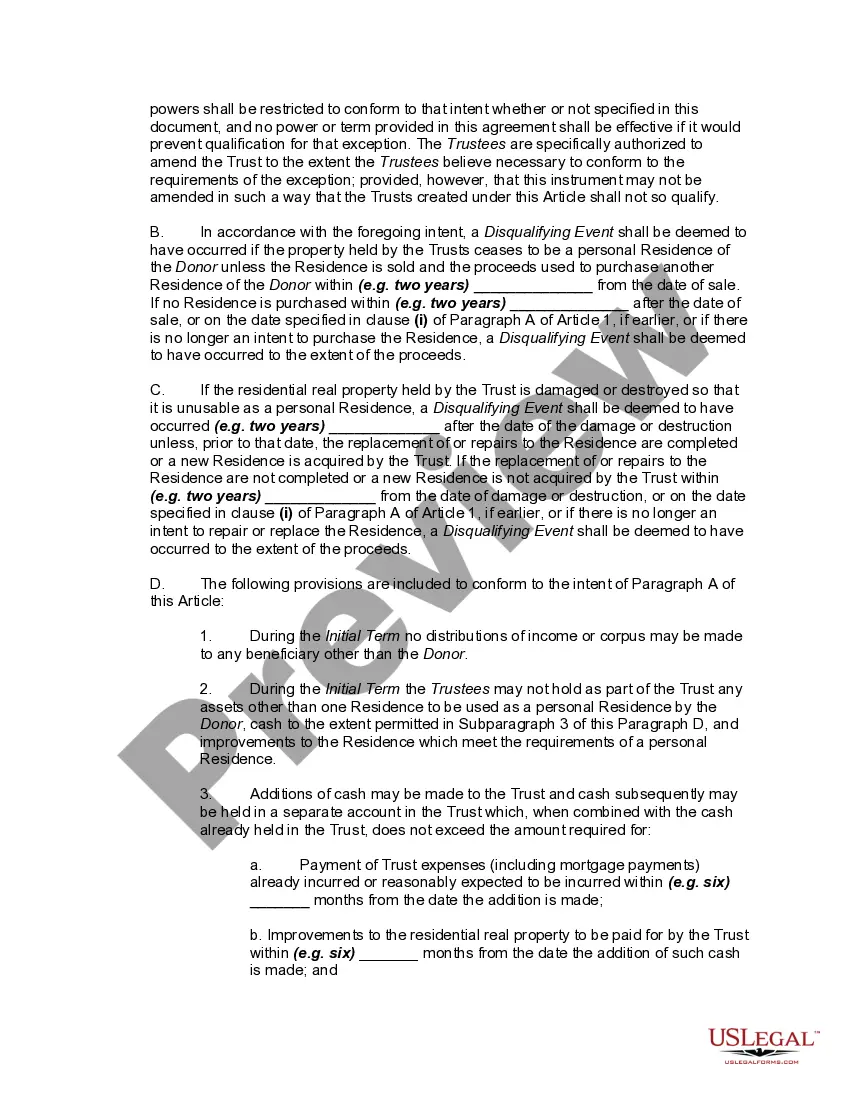
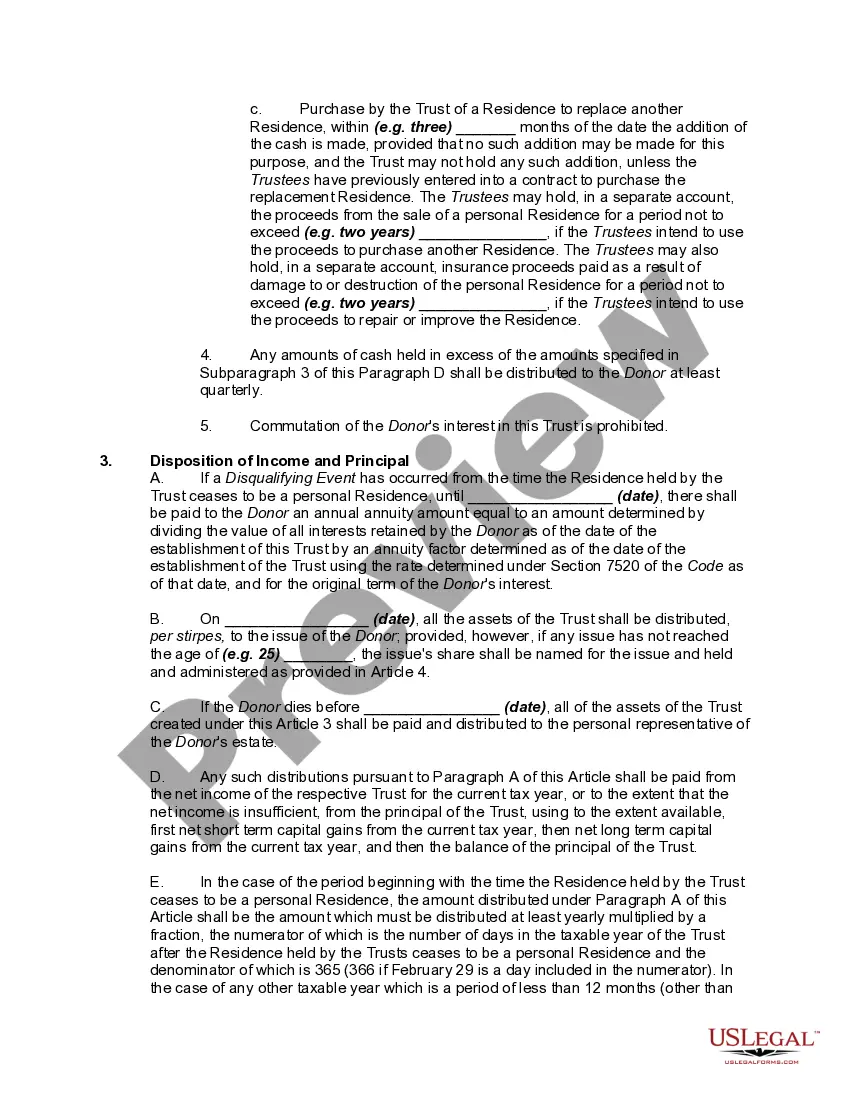
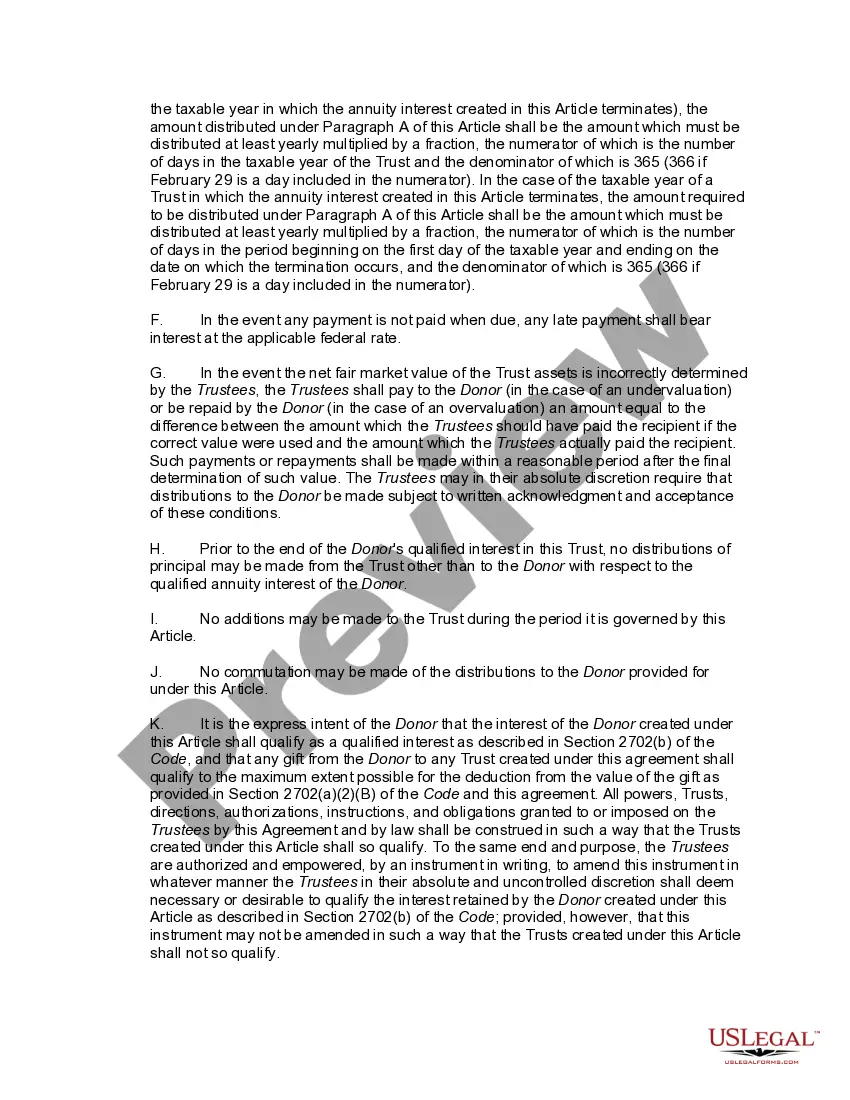

Get your form ready online
Our built-in tools help you complete, sign, share, and store your documents in one place.
Make edits, fill in missing information, and update formatting in US Legal Forms—just like you would in MS Word.
Download a copy, print it, send it by email, or mail it via USPS—whatever works best for your next step.
Sign and collect signatures with our SignNow integration. Send to multiple recipients, set reminders, and more. Go Premium to unlock E-Sign.
If this form requires notarization, complete it online through a secure video call—no need to meet a notary in person or wait for an appointment.
We protect your documents and personal data by following strict security and privacy standards.

Make edits, fill in missing information, and update formatting in US Legal Forms—just like you would in MS Word.

Download a copy, print it, send it by email, or mail it via USPS—whatever works best for your next step.

Sign and collect signatures with our SignNow integration. Send to multiple recipients, set reminders, and more. Go Premium to unlock E-Sign.

If this form requires notarization, complete it online through a secure video call—no need to meet a notary in person or wait for an appointment.

We protect your documents and personal data by following strict security and privacy standards.
Looking for another form?




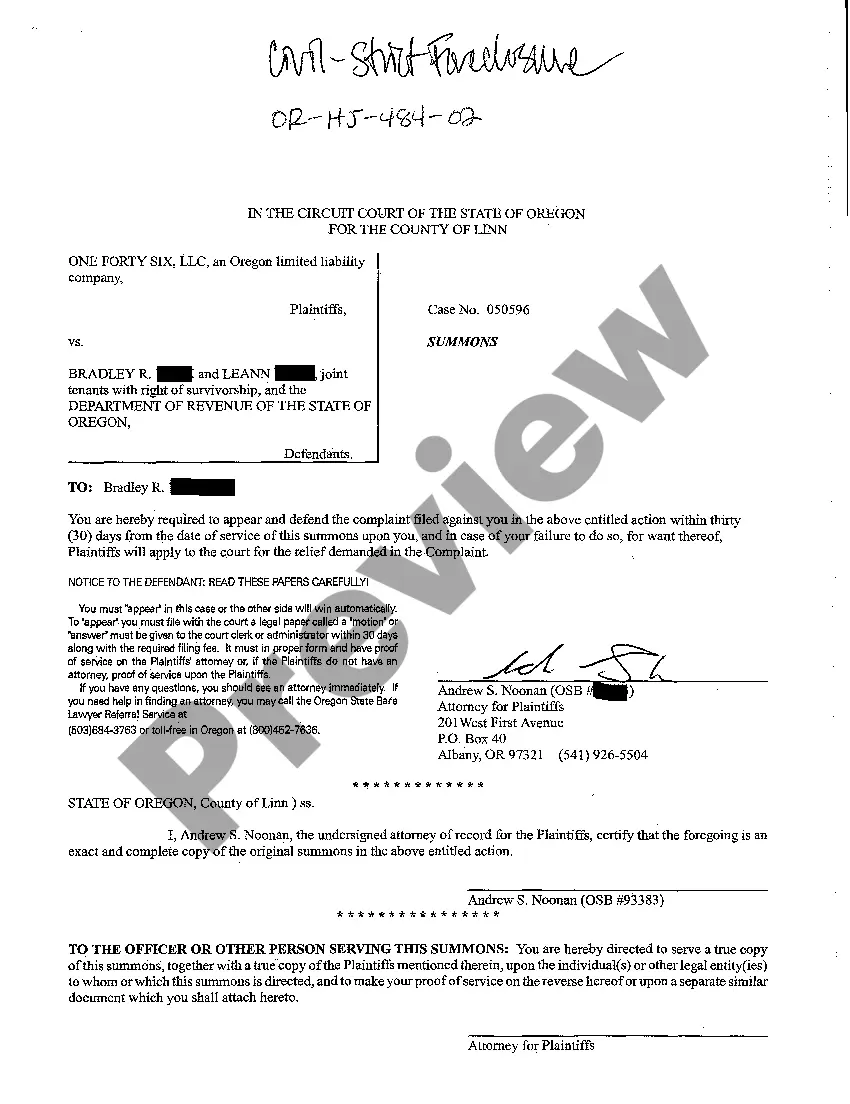
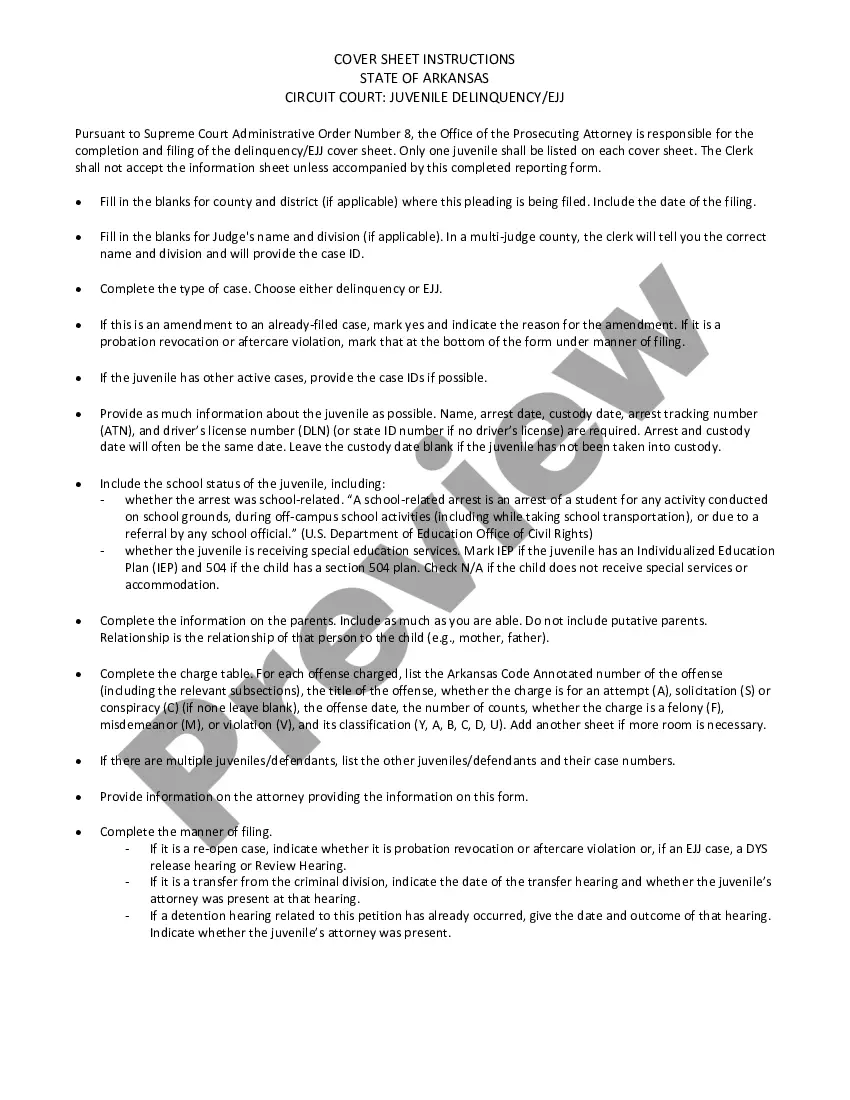
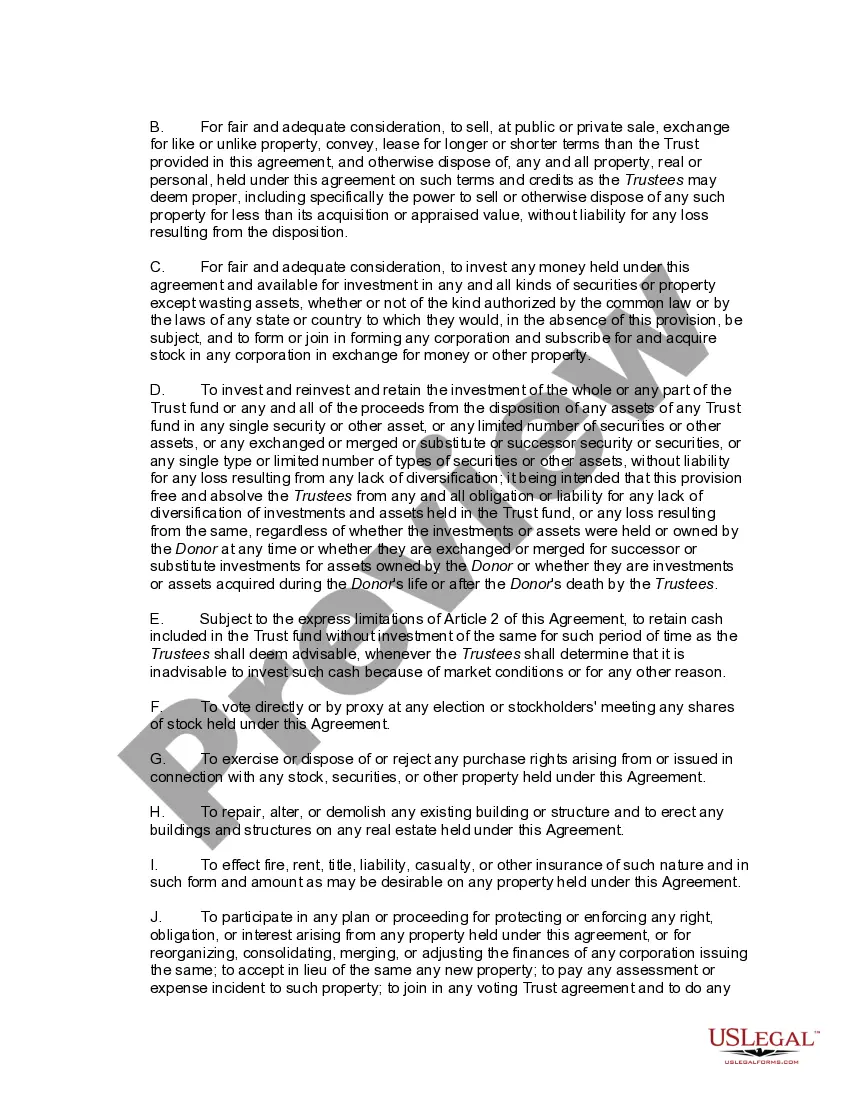
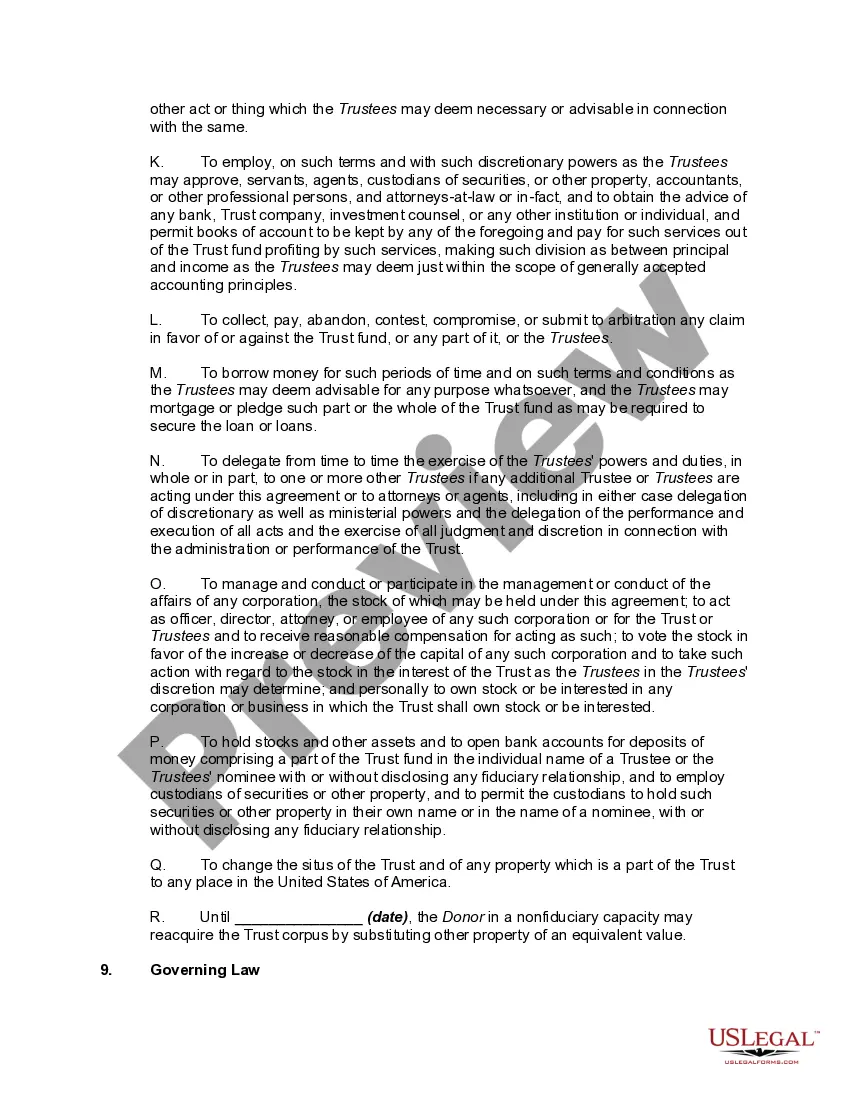
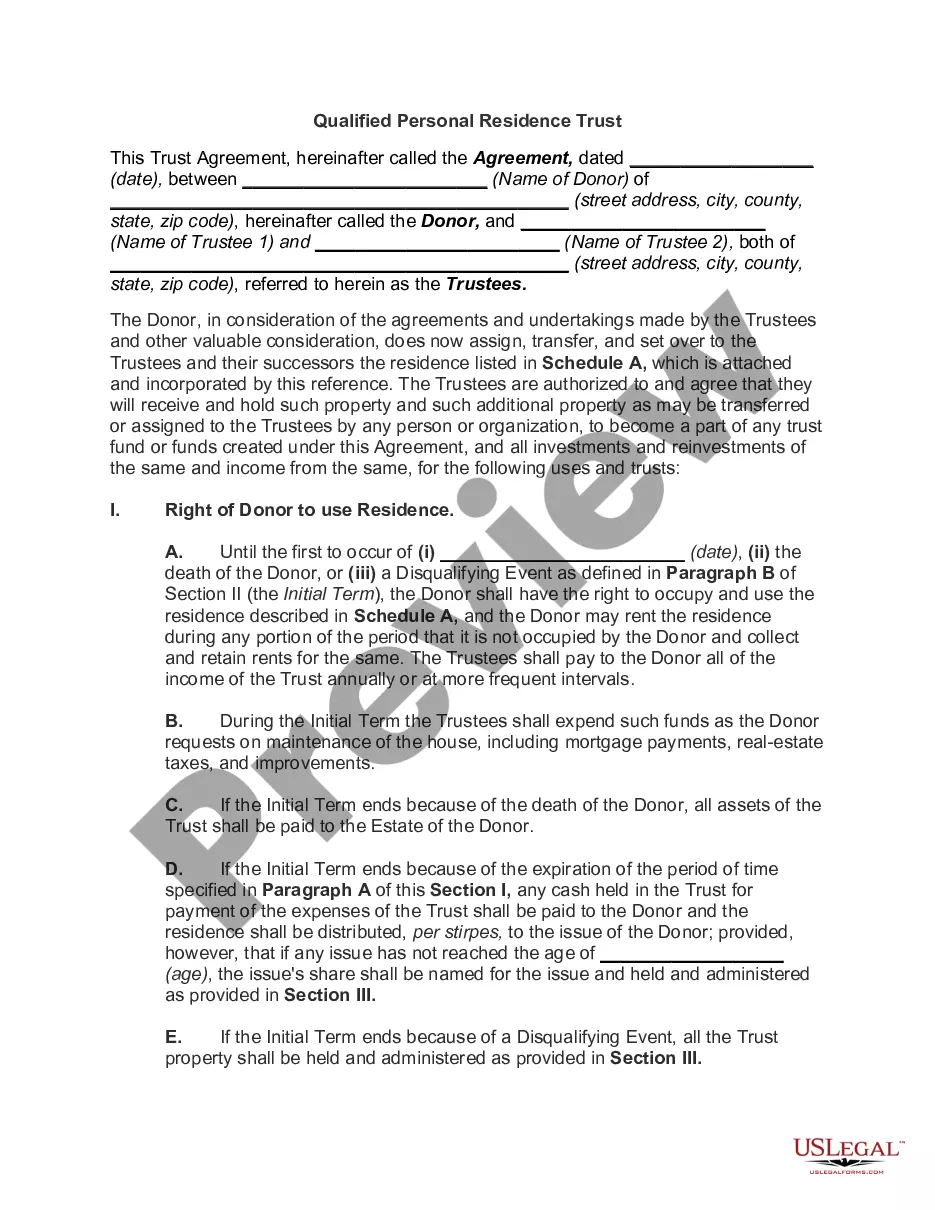
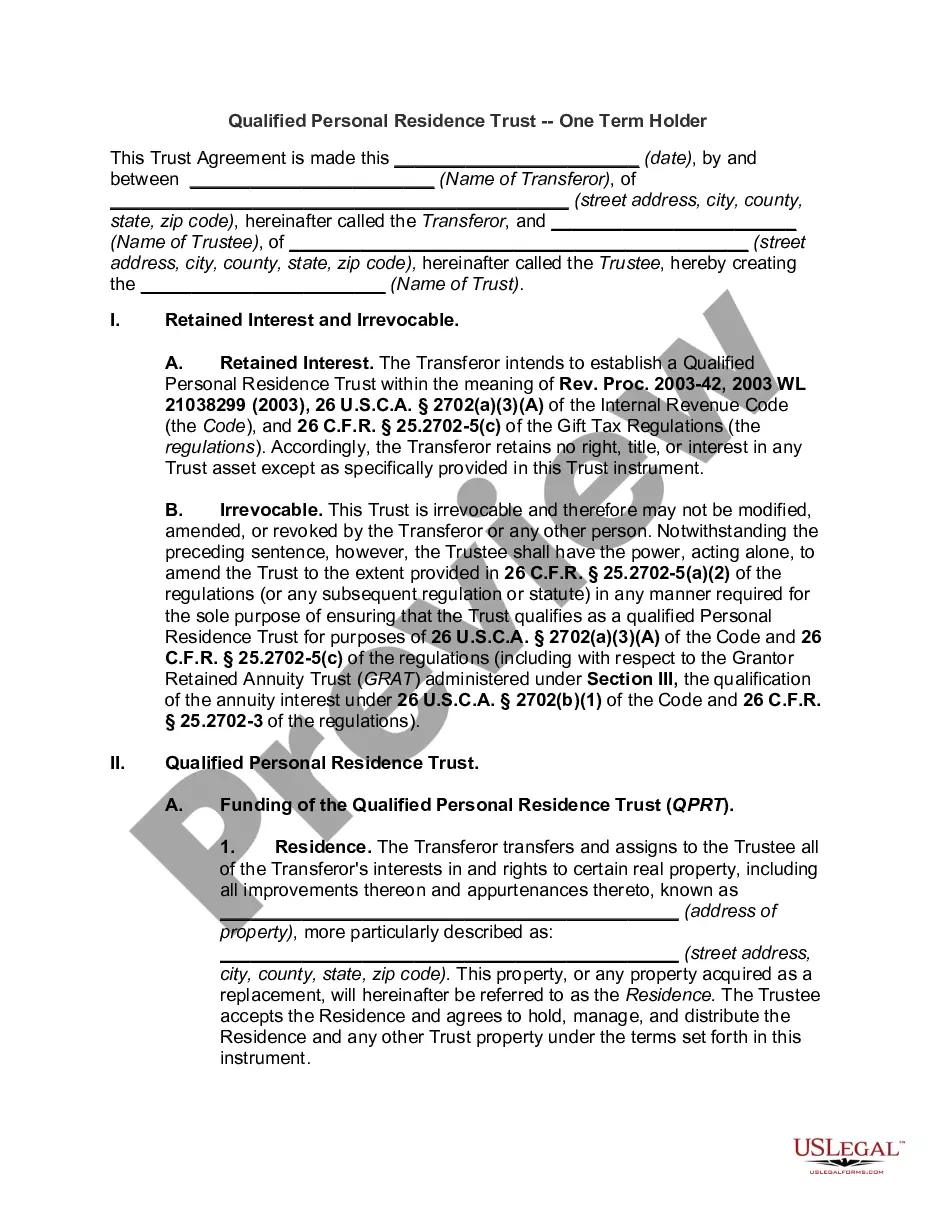
How to fill out Personal Residence Trust?
Regardless of whether it's for corporate objectives or individual concerns, everyone must confront legal matters at some point in their lives.
Completing legal papers requires meticulous care, starting from choosing the correct form template.
With an extensive US Legal Forms catalog available, you do not have to waste time searching for the right template online. Utilize the library’s straightforward navigation to find the appropriate form for any situation.
- For example, if you select an incorrect version of a Personal Residence Real Estate With Mortgage, it will be rejected once you submit it.
- Thus, it is vital to find a reliable supplier of legal documents such as US Legal Forms.
- To acquire a Personal Residence Real Estate With Mortgage template, adhere to these straightforward steps.
- 1. Retrieve the template you require by utilizing the search box or browsing the catalog.
- 2. Review the form’s description to confirm it suits your situation, region, and locality.
- 3. Click on the form’s preview to inspect it.
- 4. If it is the incorrect form, return to the search feature to locate the Personal Residence Real Estate With Mortgage example you need.
- 5. Download the file if it aligns with your requirements.
- 6. If you possess a US Legal Forms account, just click Log in to access previously saved documents in My documents.
- 7. If you do not have an account yet, you may acquire the form by selecting Buy now.
- 8. Select the suitable pricing option.
- 9. Complete the account registration form.
- 10. Choose your payment method: either utilize a credit card or PayPal account.
- 11. Select the document format you desire and download the Personal Residence Real Estate With Mortgage.
- 12. Once it is saved, you can fill out the form using editing software or print it and complete it manually.
Form popularity
FAQ
Declaring your property as your primary residence involves clearly indicating it as such on various legal and tax documents. Begin by ensuring that it is your main living space, as this is a key factor. If you have a personal residence real with mortgage, file any necessary forms with your local government or the lender to formally recognize it. Always keep updated records to support your claim for tax purposes.
To declare a property as your main residence, you should first reside there for a substantial portion of the year. You may need to complete specific forms or paperwork with local authorities declaring it as such. If you have a personal residence real with mortgage, ensure all financial documents reflect this status. Staying consistent with your address in all legal and financial matters is crucial for recognition.
To prove your primary residence to the IRS, gather documents that reflect your living situation. These can include tax returns, utility bills, and mortgage statements for your personal residence real with mortgage. It is wise to keep a consistent address on all official documentation to avoid confusion and ensure your residency is recognized. Consulting with a tax advisor can help streamline the process.
Generally, you decide what your primary address is based on where you spend the majority of your time and where you receive your mail. Financial institutions and government entities may also have specific criteria for determining your primary address when it comes to personal residence real with mortgage. For tax benefits, the IRS may consider factors such as voter registration and where you file your taxes.
To make a house your primary residence, establish it as your main living space. You can do this by moving your personal belongings there, changing your mailing address, and registering to vote at that location. A personal residence real with mortgage will often require that you spend at least half the year living there for tax purposes. Gather documents that show you reside there, such as utility bills or lease agreements.
To prove your principal place of residence, you can provide a combination of documents such as utility bills, tax returns, and Voter registration that show the property as your primary address. Additionally, your driver’s license should reflect this address to validate your claim. Demonstrating ties to the property can help in confirming your personal residence real with mortgage status. If you need assistance with documentation, USLegalForms offers resources to guide you.
There are several factors that can negatively impact a mortgage application. A history of late payments, high debt-to-income ratio, and unresolved collections can raise red flags for lenders. Additionally, inconsistencies in your application, such as mismatched information, can cause concern. Therefore, make sure your application reflects a solid financial standing, particularly when applying for a personal residence real with mortgage.
The best proof of home ownership is usually the deed to the property, which officially records your ownership. Other supporting documents can include the mortgage statement and a title insurance policy. These documents validate your claim as the owner of a personal residence real with mortgage. If you're unsure about the documentation required, platforms like USLegalForms can assist you in obtaining necessary forms.
To prove your primary residence for your mortgage, several documents may be required. These can include your utility bills, tax returns, or a government-issued ID that displays your current address. Providing this documentation helps lenders validate that the property you are financing is indeed your personal residence real with mortgage. To streamline this process, US Legal Forms offers templates that can assist you in gathering and organizing the necessary paperwork effectively.
Yes, you can typically deduct mortgage interest on your personal residence real with mortgage when you itemize your deductions on your tax return. This deduction offers significant savings, especially in the early years of your mortgage. However, it’s essential to keep accurate records and consider the current tax code, as it has undergone changes recently. Consulting a tax professional or using resources from US Legal Forms can provide clarity on your specific situation.