Personal Residence Real For Real
Description
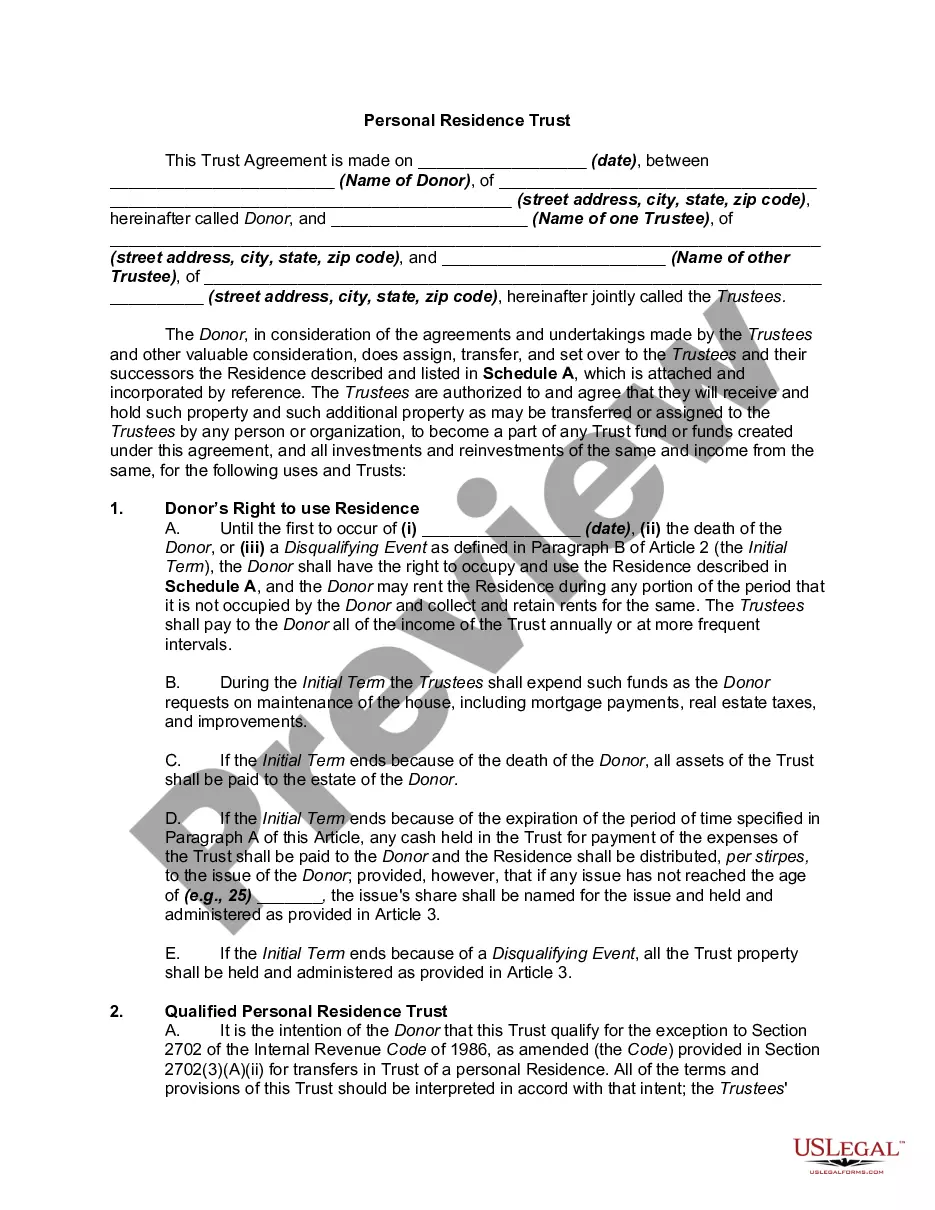
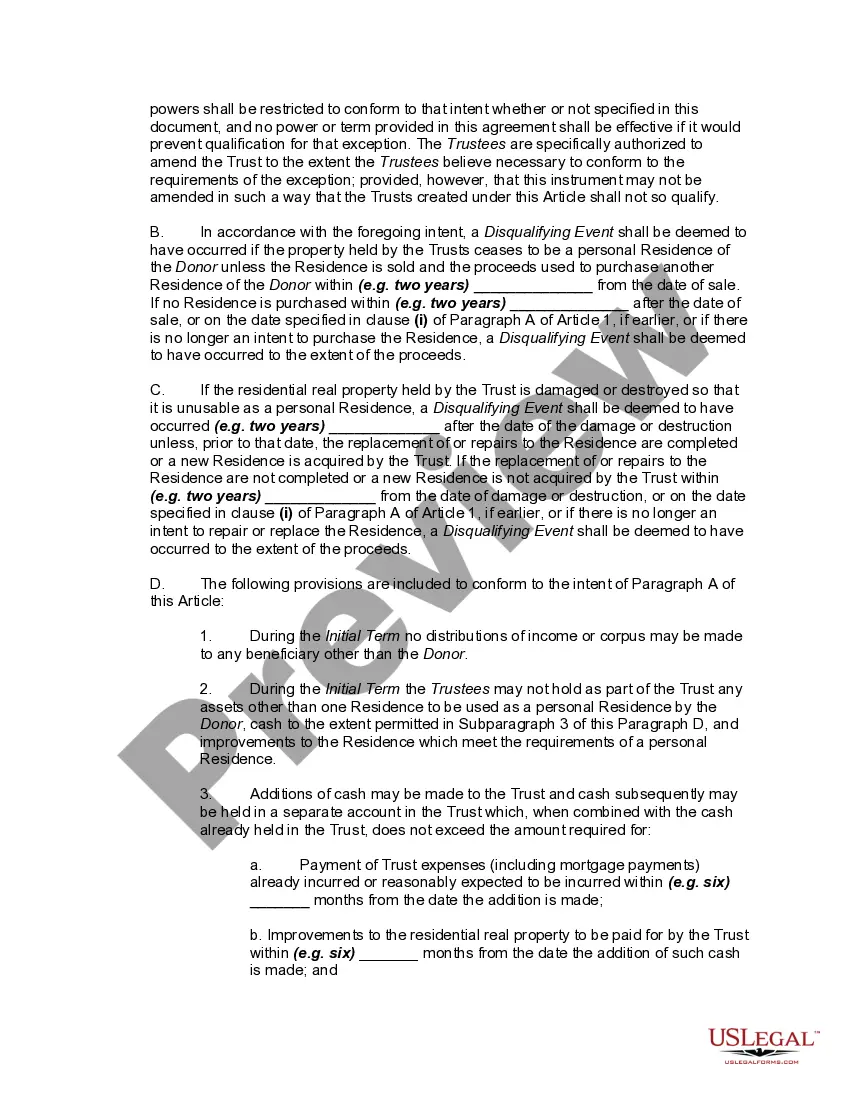
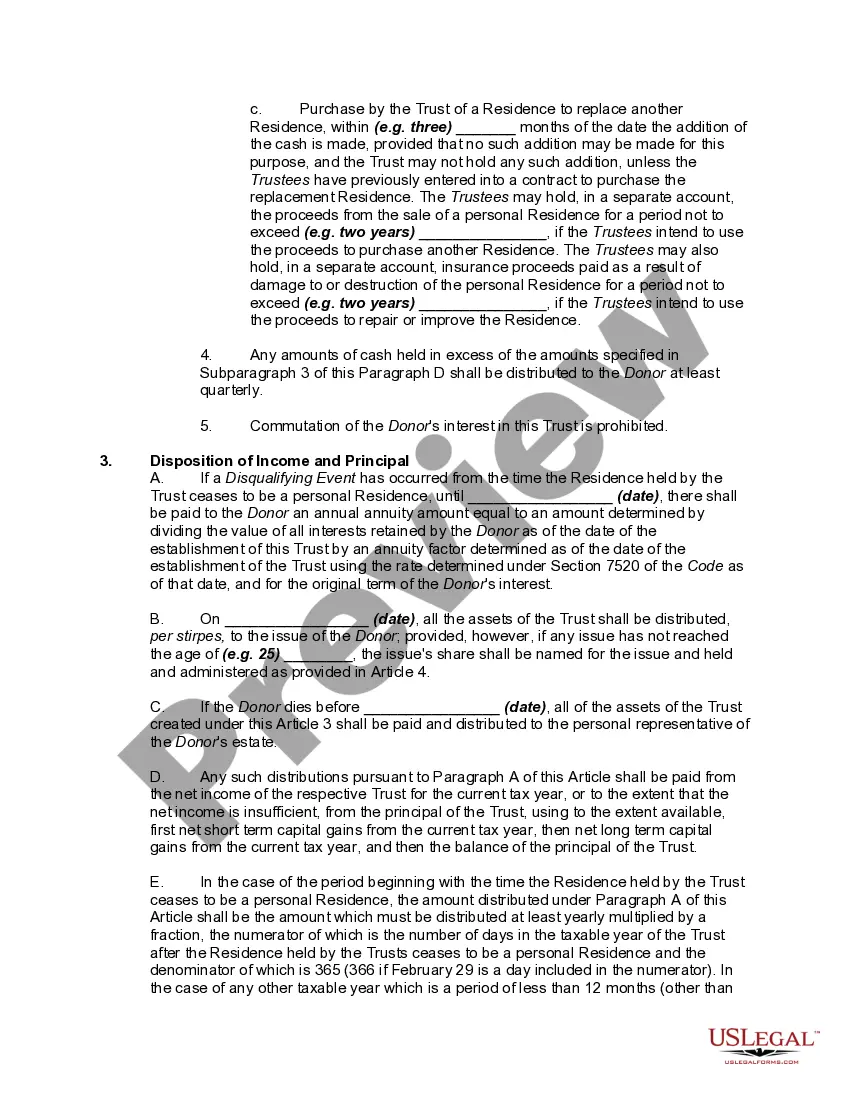
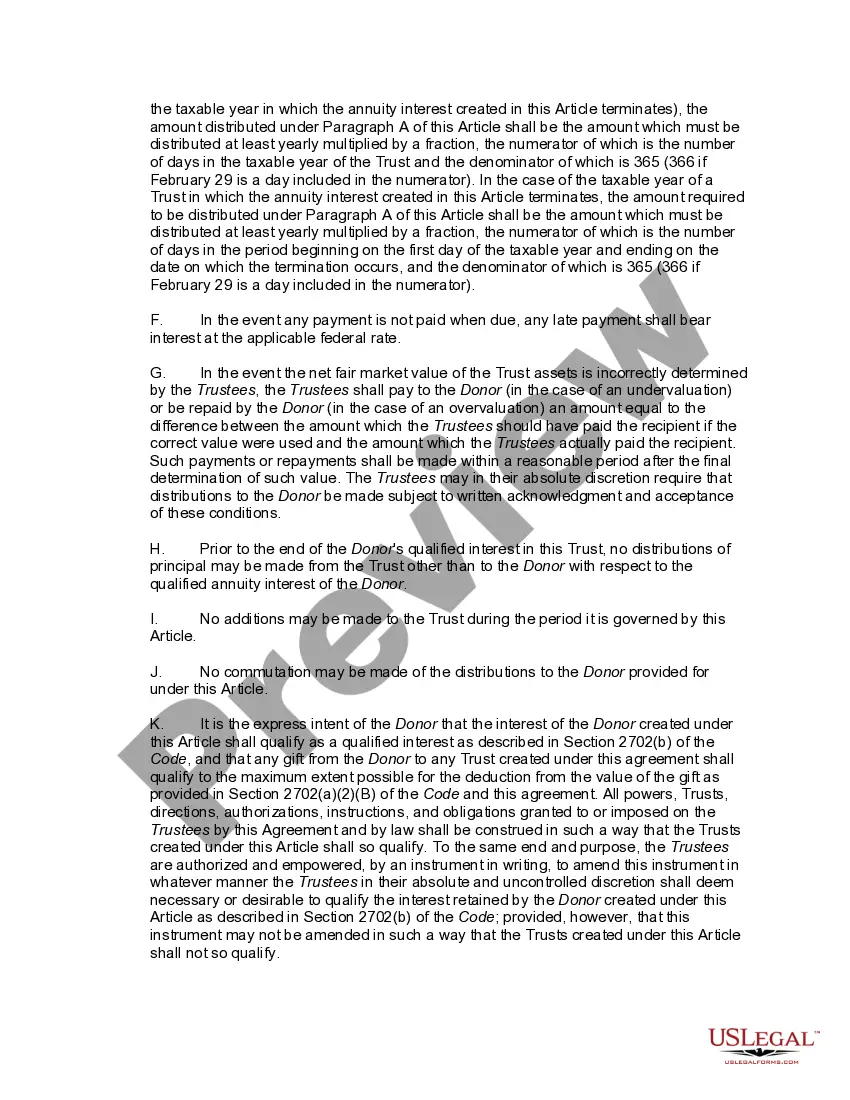
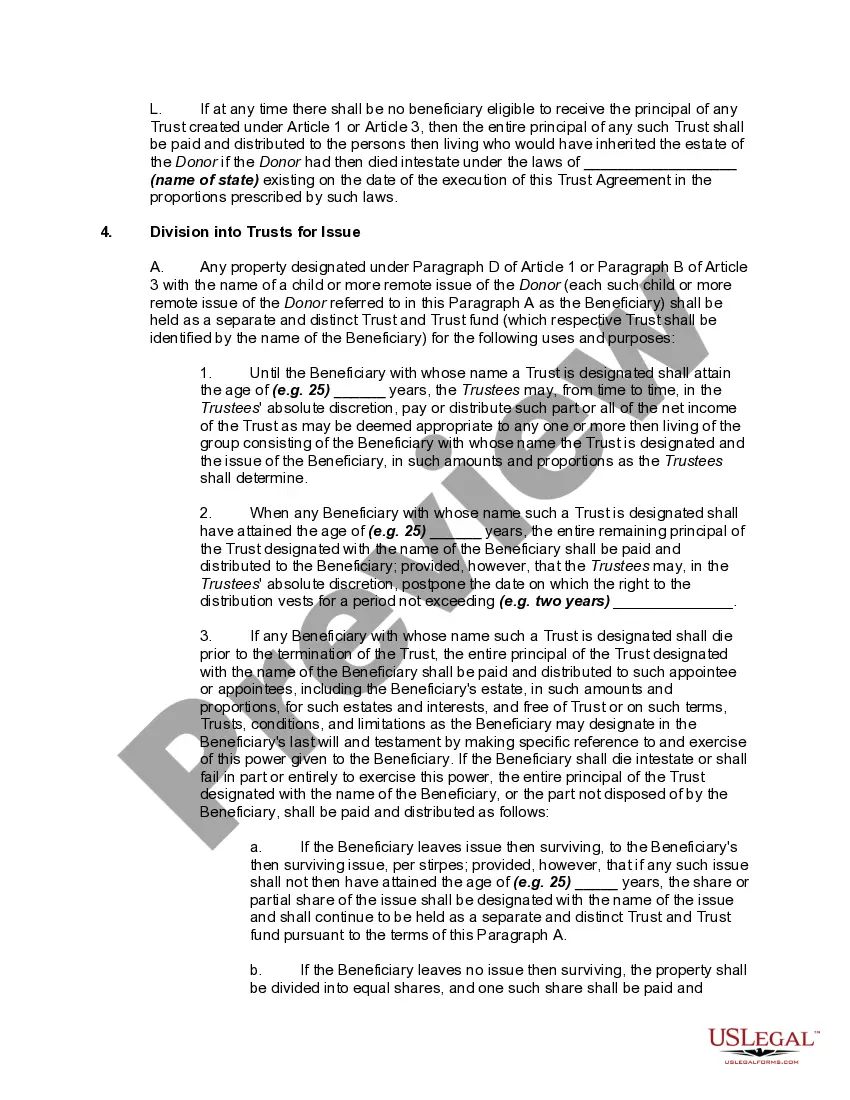
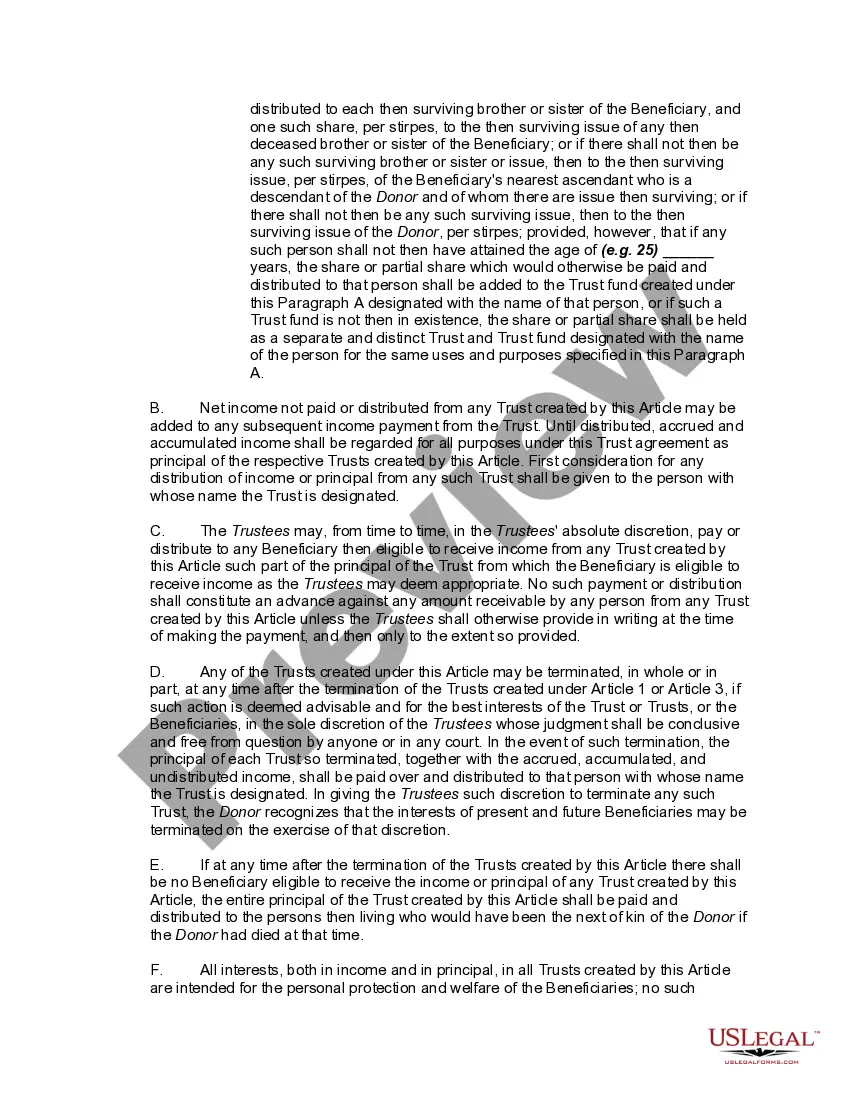
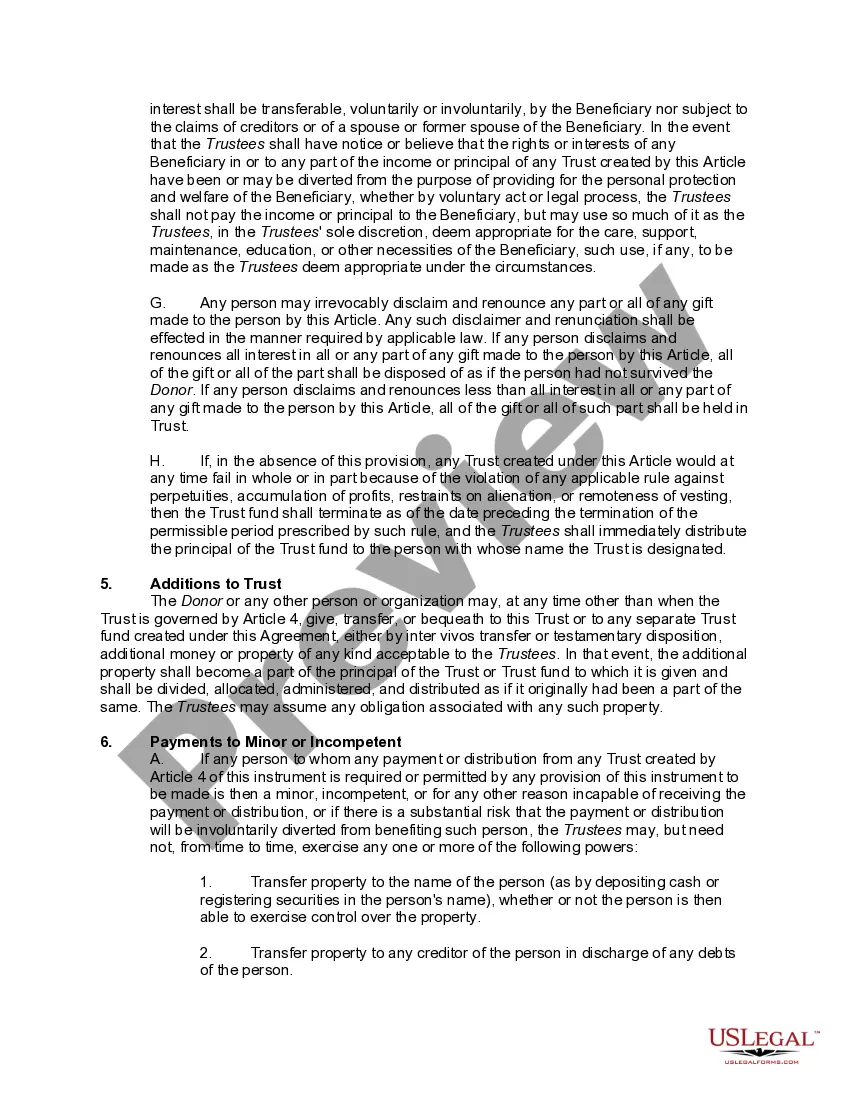
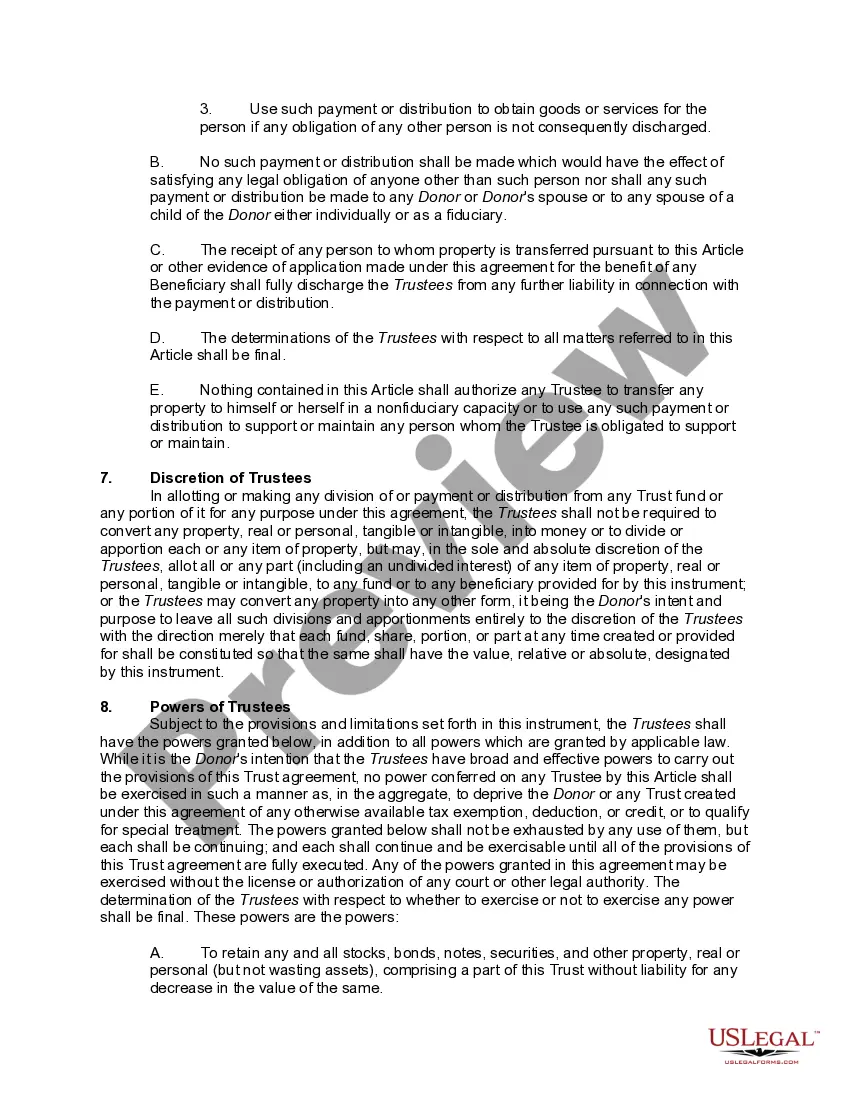
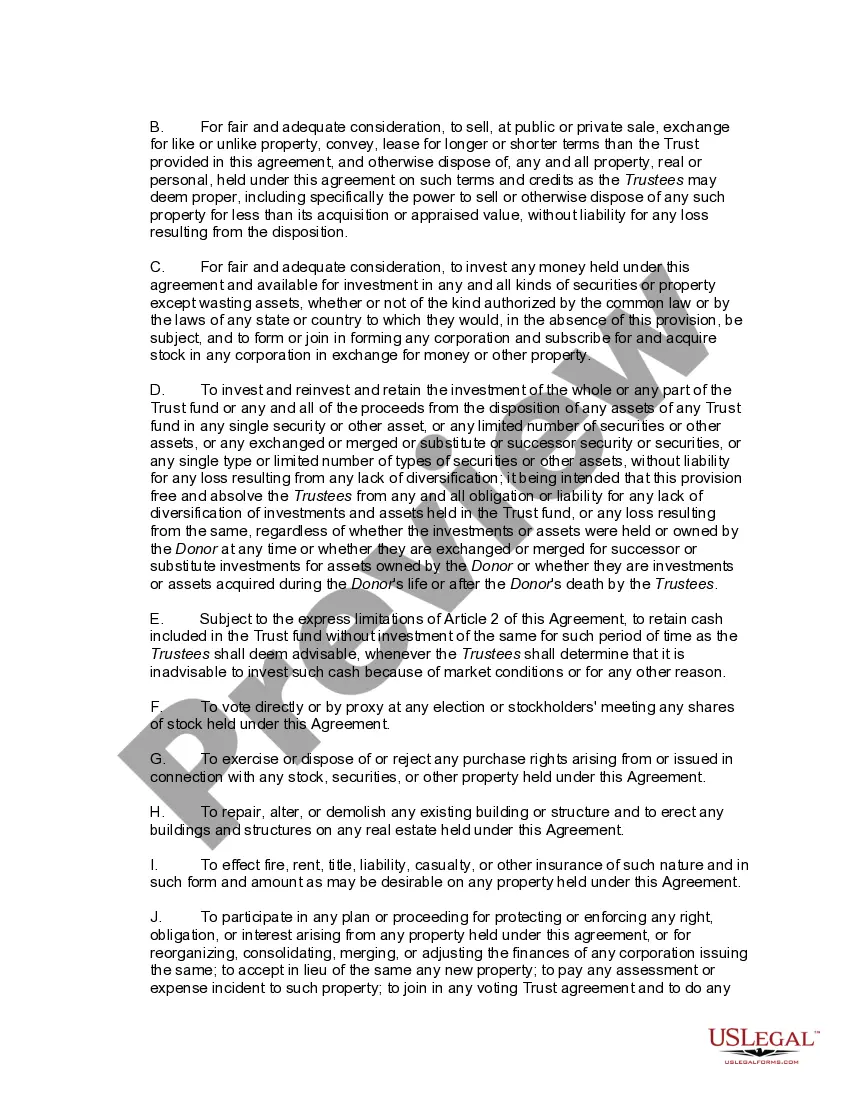
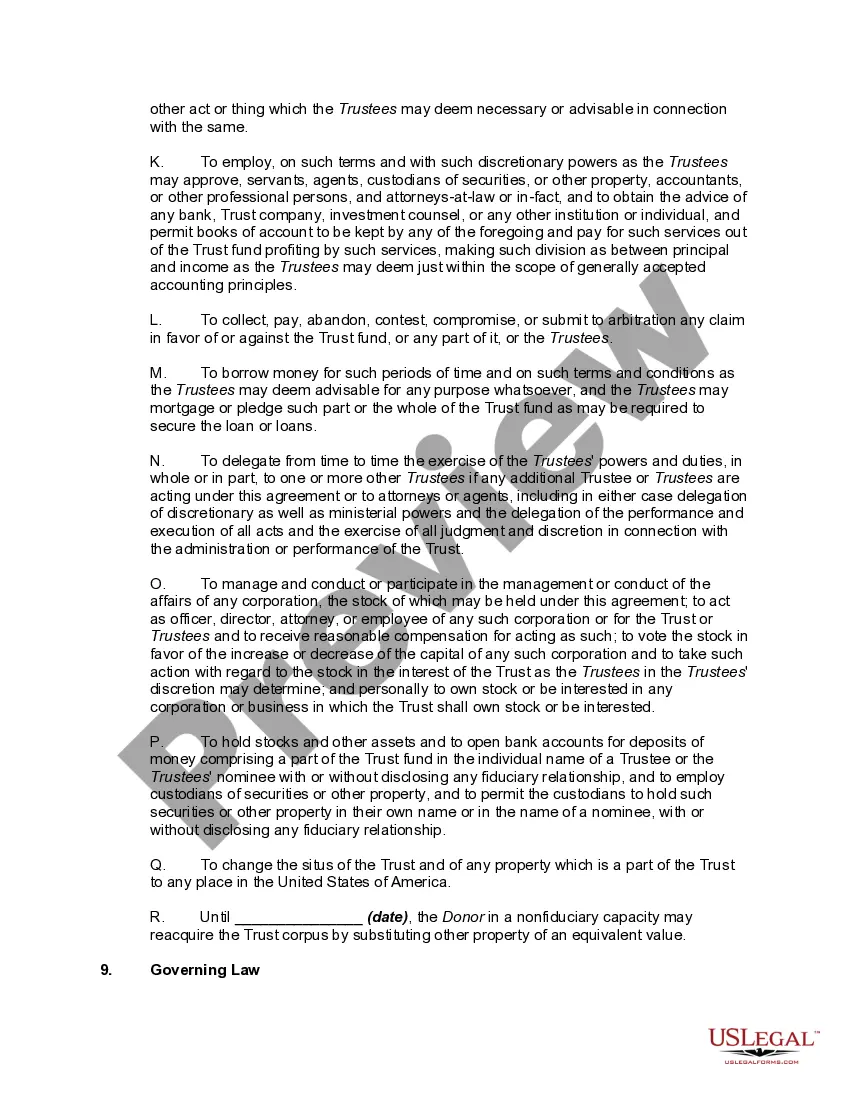

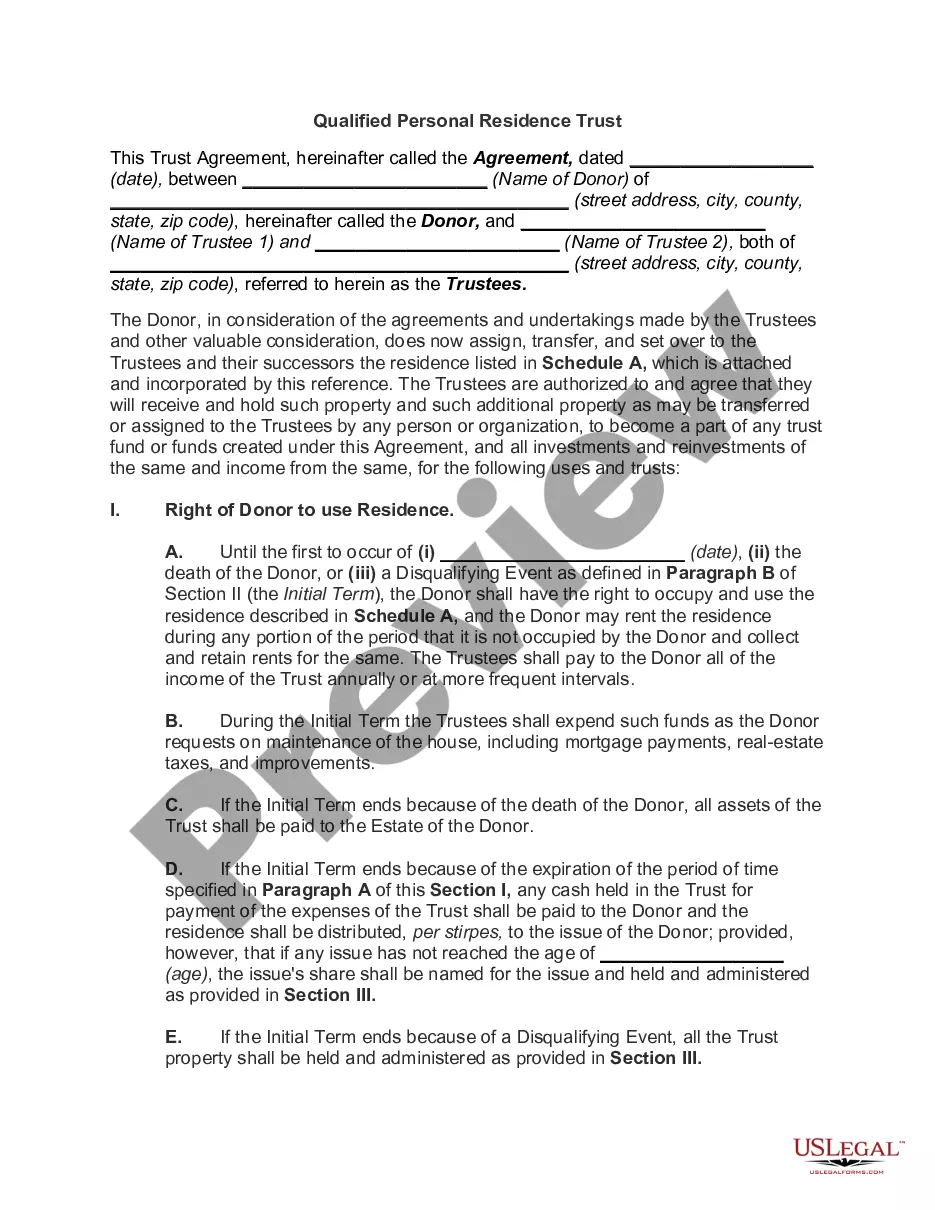
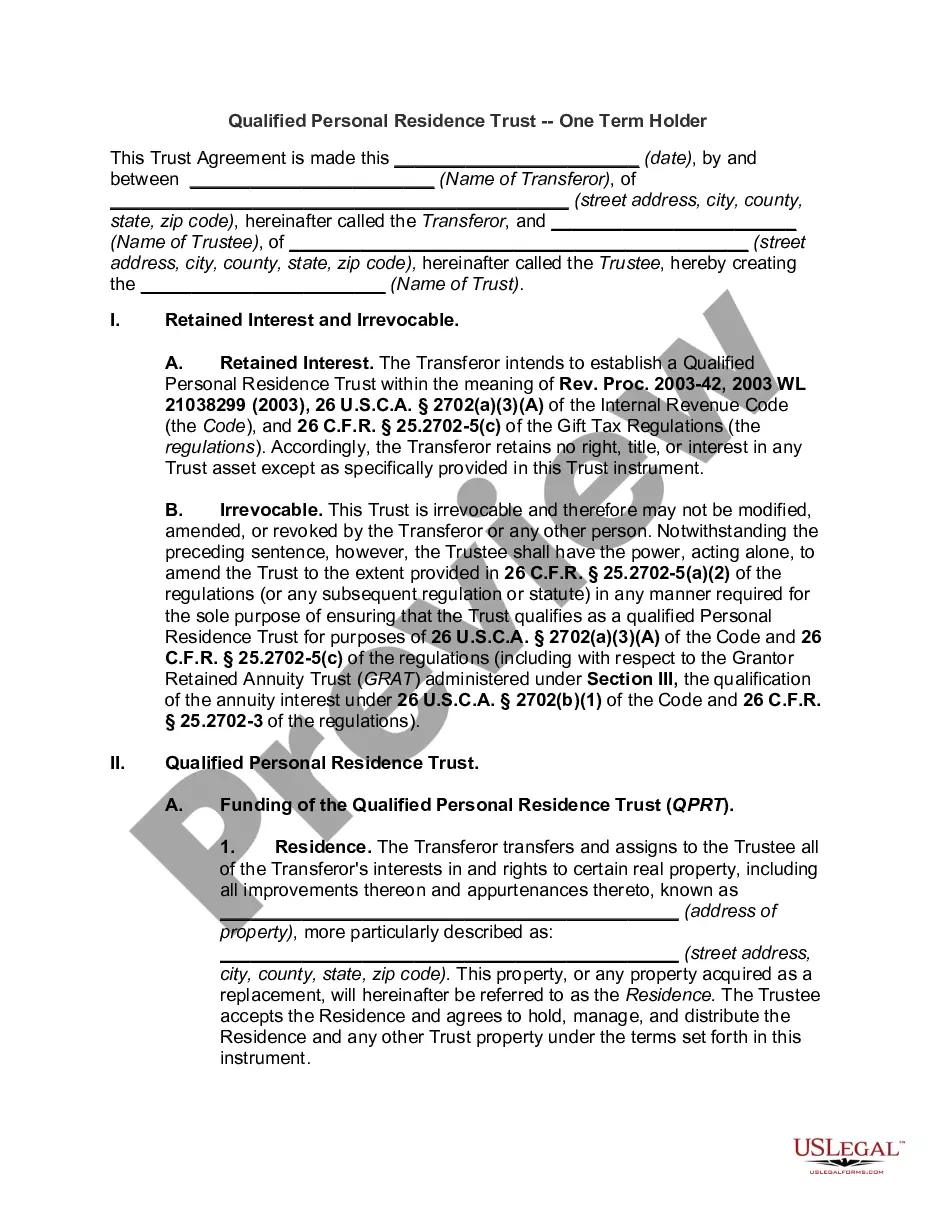
Get your form ready online
Our built-in tools help you complete, sign, share, and store your documents in one place.
Make edits, fill in missing information, and update formatting in US Legal Forms—just like you would in MS Word.
Download a copy, print it, send it by email, or mail it via USPS—whatever works best for your next step.
Sign and collect signatures with our SignNow integration. Send to multiple recipients, set reminders, and more. Go Premium to unlock E-Sign.
If this form requires notarization, complete it online through a secure video call—no need to meet a notary in person or wait for an appointment.
We protect your documents and personal data by following strict security and privacy standards.

Make edits, fill in missing information, and update formatting in US Legal Forms—just like you would in MS Word.

Download a copy, print it, send it by email, or mail it via USPS—whatever works best for your next step.

Sign and collect signatures with our SignNow integration. Send to multiple recipients, set reminders, and more. Go Premium to unlock E-Sign.

If this form requires notarization, complete it online through a secure video call—no need to meet a notary in person or wait for an appointment.

We protect your documents and personal data by following strict security and privacy standards.
Looking for another form?






How to fill out Personal Residence Trust?
The Personal Residence Real For Real presented on this site is a reusable legal document crafted by expert attorneys in compliance with federal and state legislation and regulations.
For over 25 years, US Legal Forms has offered individuals, organizations, and legal practitioners access to more than 85,000 authentic, state-specific documents for various business and personal needs. It’s the fastest, easiest, and most reliable method to acquire the necessary paperwork, as the service assures the utmost level of data security and anti-malware safeguards.
Subscribe to US Legal Forms to have validated legal templates for all of life's situations readily available.
- Search for the document you require and examine it.
- Scan the file you inquired about and preview it or analyze the form description to ensure it meets your requirements. If it does not, use the search function to find the correct one. Click Buy Now once you have identified the template you need.
- Register and Log In.
- Choose the pricing option that fits you and create an account. Employ PayPal or a credit card to make a swift payment. If you already possess an account, Log In and check your subscription to move forward.
- Obtain the fillable template.
- Select the format you desire for your Personal Residence Real For Real (PDF, DOCX, RTF) and download the sample onto your device.
- Fill out and sign the paperwork.
- Print the template to complete it by hand. Alternatively, use an online multifunctional PDF editor to swiftly and accurately fill out and sign your form with a valid signature.
- Download your documents once again.
- Use the same document whenever required. Access the My documents tab in your profile to redownload any previously saved forms.
Form popularity
FAQ
To prove the 2 out of 5-year rule in real estate, you need to track your residency at the property over the specified timeframe. Maintain records such as utility bills and tax filings that confirm your occupation of the home. This documentation helps in qualifying for exclusion on capital gains taxes related to your personal residence real for real.
Showing proof of residence to the IRS involves compiling relevant documentation that links you to your home. Useful documents include lease agreements, mortgage statements, and utility bills. By presenting these items together, you can clearly demonstrate your status as a personal residence real for real.
The IRS verifies your primary residence through various data sources, including tax returns, voter registration, and public records. They may also review your reported income and expenses associated with the property. Consistency across documents plays a key role in establishing your personal residence real for real.
One of the biggest tax mistakes is failing to properly claim deductions related to your primary residence. Many people overlook benefits such as mortgage interest and property tax deductions. Keeping accurate records is crucial for protecting your rights and ensuring you maximize your financial benefits as a personal residence real for real.
Proving your primary residence to the IRS involves providing a combination of documentation. You can submit your tax returns, voter registration, and utility bills to establish your home address. Ensure your documents reflect the same address, as this reinforces your status as a personal residence real for real.
To prove that a property is your primary residence, you should gather documents that show your name and the property's address. Common documents include utility bills, bank statements, and tax returns. These should demonstrate consistent use of the property as your home, supporting your claim as your personal residence real for real.
The two types of residence are primary residence and secondary residence. Your primary residence is where you spend the majority of your time, while a secondary residence may be a vacation home or rental property you use occasionally. These distinctions can significantly affect legal matters related to personal residence real for real, particularly concerning taxes and property ownership.
Yes, residency generally refers to the place where you live. However, it also encompasses your legal and official ties to that location. It's important to note that for legal purposes, residency can influence your obligations and rights related to personal residence real for real.
Primary residence is determined by factors such as where you spend the majority of your time, where you maintain financial ties, and where you receive mail. Additionally, your intentions and legal documents play a significant role in establishing which residence holds primary status. Understanding these details helps clarify your standing in matters concerning personal residence real for real.
Personal residence refers to a dwelling where an individual lives most of the time. This could be a house, apartment, or any other type of living space that you consider home. It's essential to understand the implications of personal residence real for real, especially when it comes to legal matters like taxes and property rights.