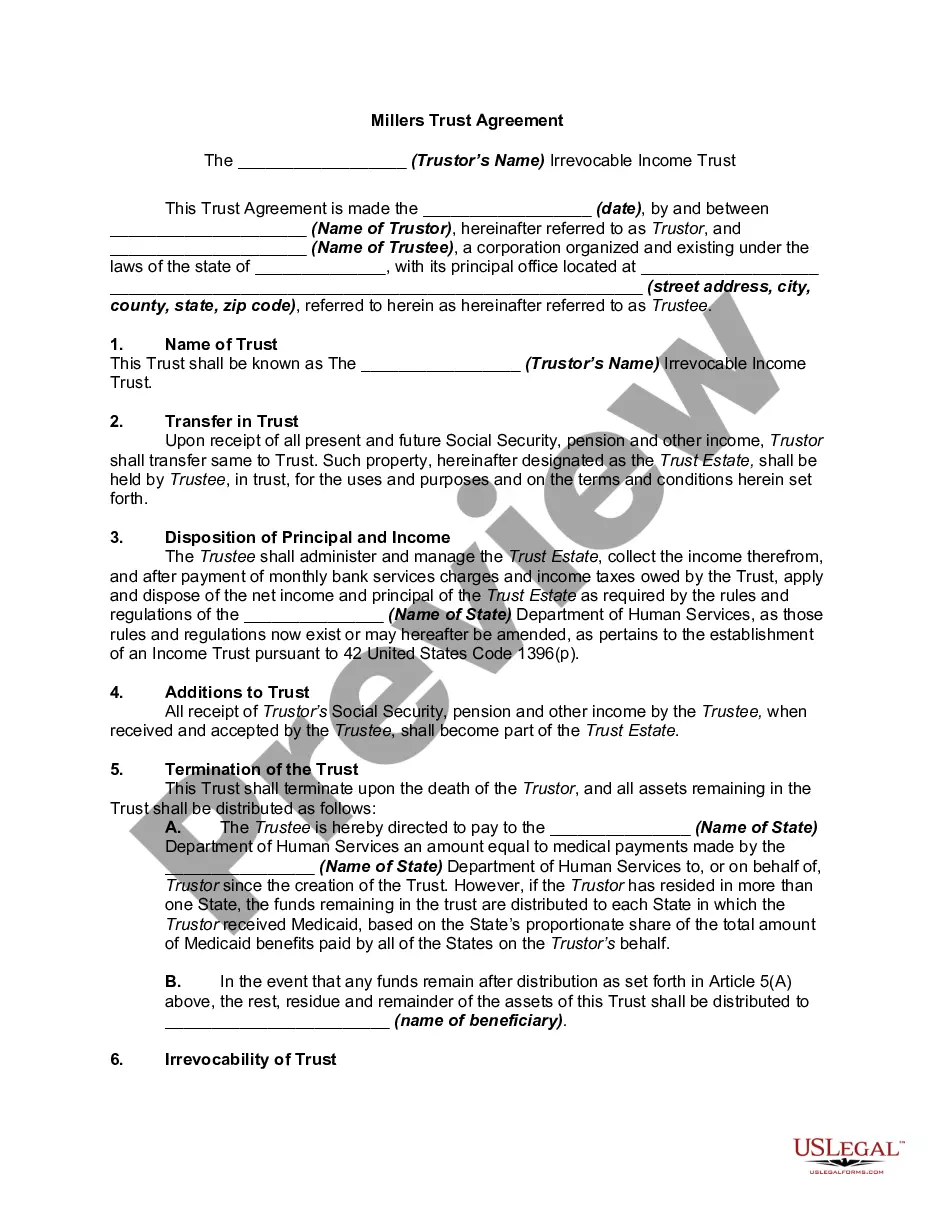
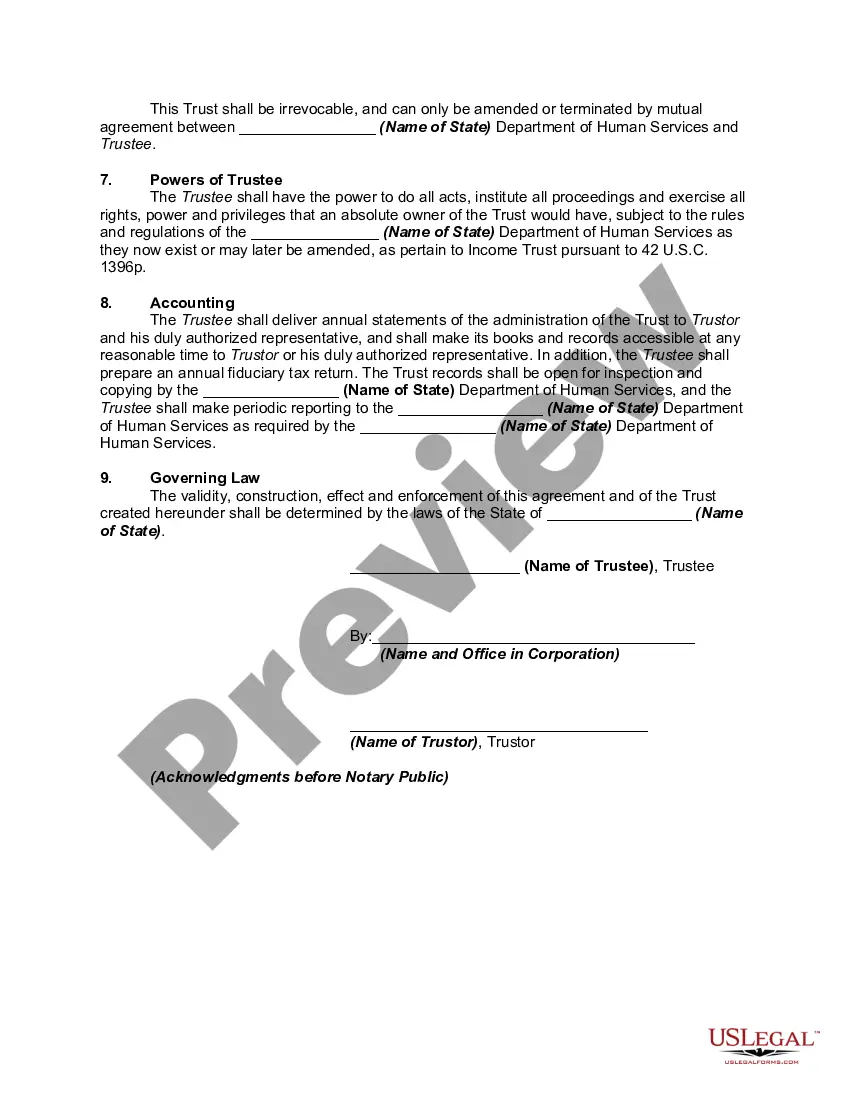
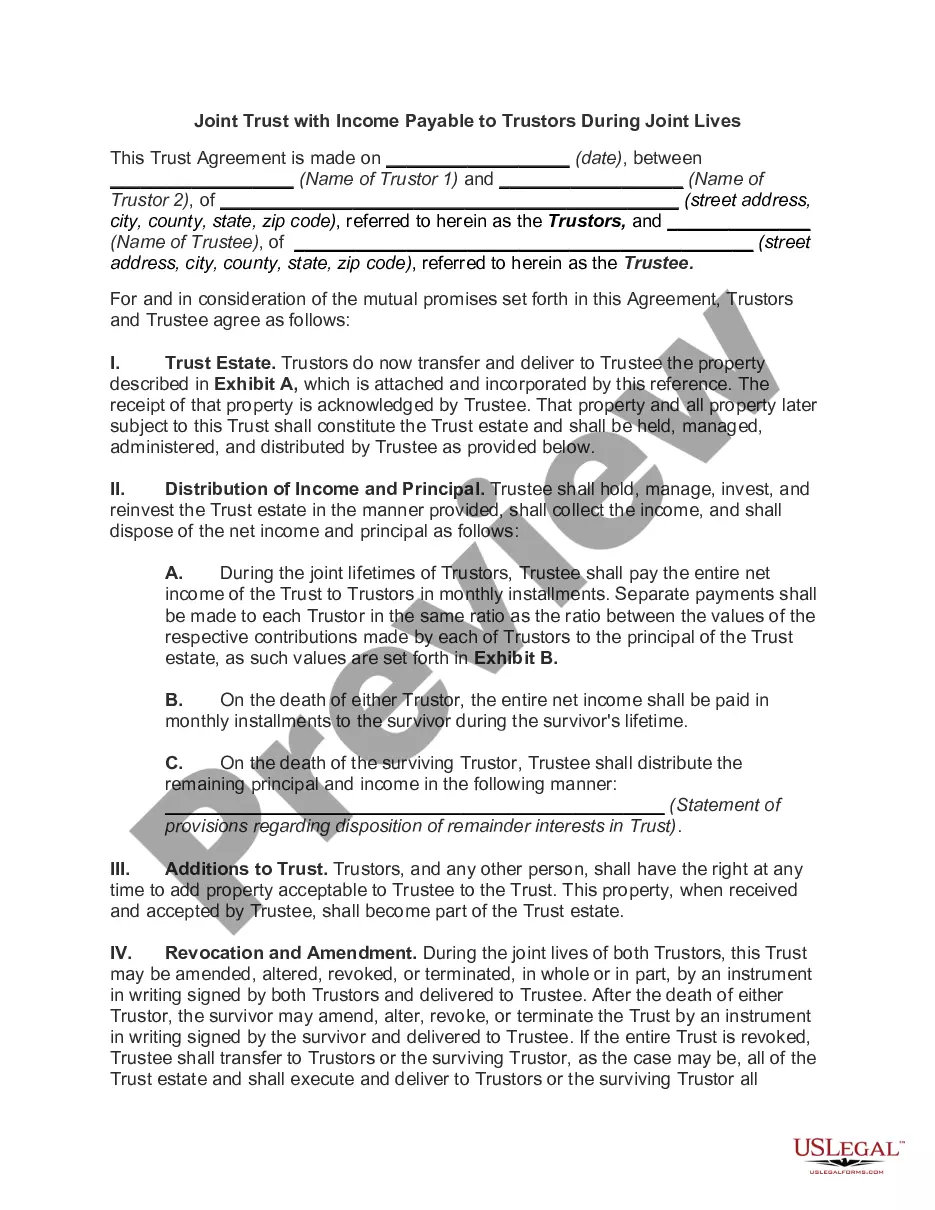
Qualified Income Trust Form Sample For A Business
Description
Get your form ready online
Our built-in tools help you complete, sign, share, and store your documents in one place.
Make edits, fill in missing information, and update formatting in US Legal Forms—just like you would in MS Word.
Download a copy, print it, send it by email, or mail it via USPS—whatever works best for your next step.
Sign and collect signatures with our SignNow integration. Send to multiple recipients, set reminders, and more. Go Premium to unlock E-Sign.
If this form requires notarization, complete it online through a secure video call—no need to meet a notary in person or wait for an appointment.
We protect your documents and personal data by following strict security and privacy standards.

Make edits, fill in missing information, and update formatting in US Legal Forms—just like you would in MS Word.

Download a copy, print it, send it by email, or mail it via USPS—whatever works best for your next step.

Sign and collect signatures with our SignNow integration. Send to multiple recipients, set reminders, and more. Go Premium to unlock E-Sign.

If this form requires notarization, complete it online through a secure video call—no need to meet a notary in person or wait for an appointment.

We protect your documents and personal data by following strict security and privacy standards.
Looking for another form?



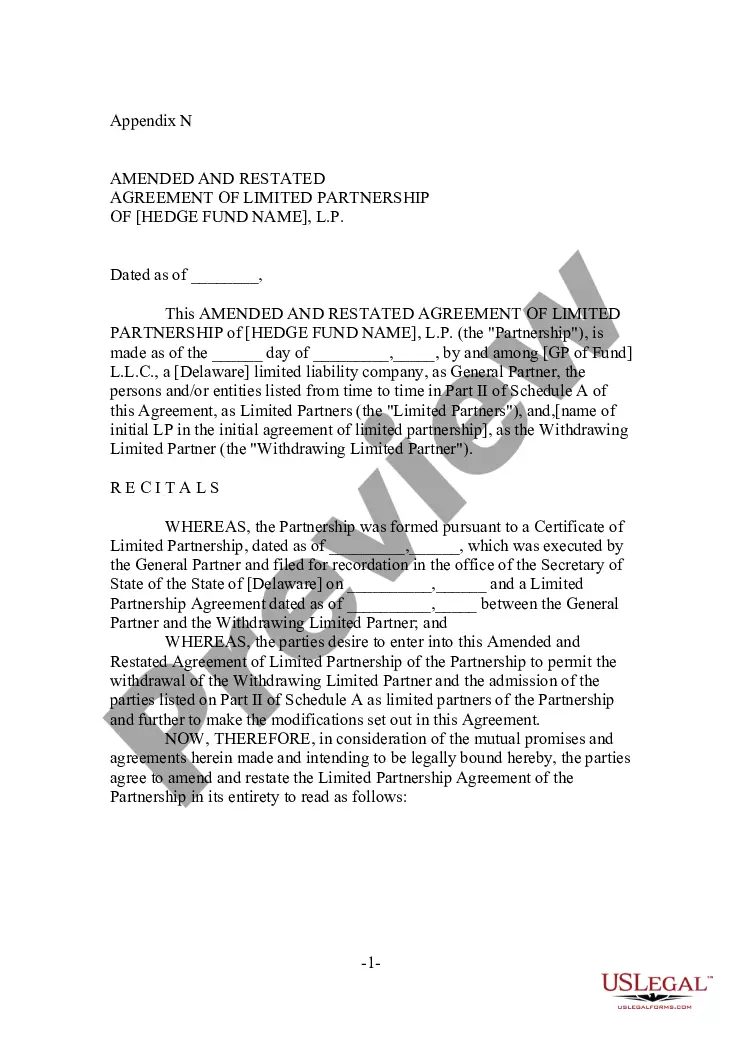




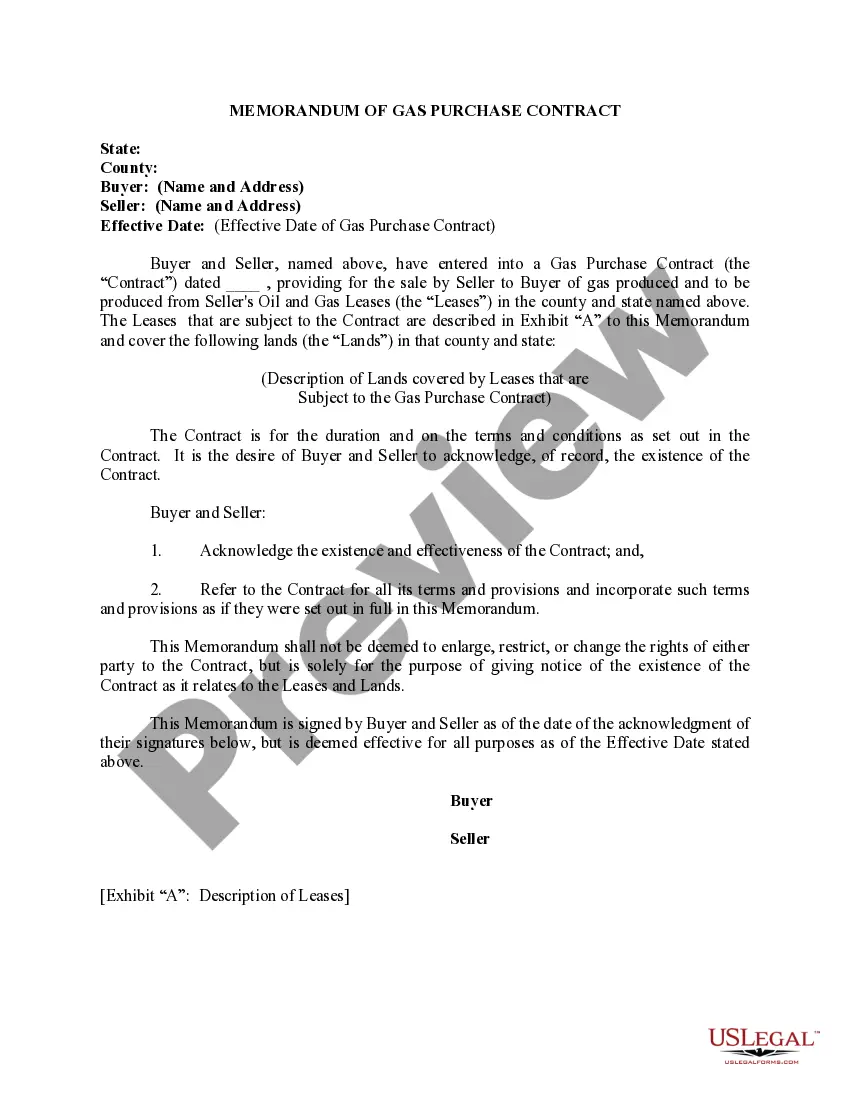

How to fill out Qualified Income Miller Trust?
- If you’re a returning user, log in to your account and ensure your subscription is active. Download the preferred form template directly to your device by clicking the Download button.
- For new users, start by browsing the preview mode. Thoroughly review the form description to ensure it matches your specific requirements and complies with local jurisdictional rules.
- In case you need a different template, utilize the Search tab to discover suitable options. Once you find a matching form that meets your needs, proceed to the subsequent step.
- Initiate the purchase by selecting the Buy Now button and choosing a subscription plan. You will need to create an account for continued access to the resource library.
- Complete the payment process by entering your credit card information or using your PayPal account to buy the subscription.
- Download the completed form directly to your device, and access it anytime via the My Forms section in your profile.
US Legal Forms stands out in the market, offering a robust selection of over 85,000 legal forms that are both easily fillable and editable. The service empowers users by providing access to premium experts for assistance, ensuring your legal documents are precise and compliant.
In conclusion, navigating the landscape of legal forms is simplified with US Legal Forms. Start your journey today and access reliable resources for your business needs!
Form popularity
FAQ
To set up a trust for income, you need to understand the basics of a qualified income trust. Start by gathering the necessary documents, including personal identification and financial information. You will also require a qualified income trust form sample for a business to ensure compliance with state and federal regulations. Platforms like uslegalforms offer various resources and templates that can simplify this process, helping you establish the trust effectively and efficiently.
An example of an income trust is a Medicaid qualified income trust, which helps individuals qualify for assistance while managing excess income. This type of trust contains provisions that specify how the income will be distributed to cover specific expenses. To make setting up such a trust easier, consider accessing a qualified income trust form sample for a business as a helpful starting point.
A qualified trust must meet specific criteria to be considered valid. The trust should be irrevocable and intended to hold income for an individual who requires Medicaid assistance. Additionally, it should demonstrate that it meets the income limit thresholds outlined by state regulations. Using a qualified income trust form sample for a business can help confirm that you adhere to these requirements.
Setting up a qualified income trust involves several key steps. First, create a written document that outlines the trust's structure and purpose. Next, include the federal and state requirements to ensure compliance. Finally, it’s beneficial to utilize a qualified income trust form sample for a business to streamline this process and ensure accuracy.
Yes, a qualified income trust typically needs an Employer Identification Number (EIN) for tax purposes. This EIN functions similarly to a Social Security number for the trust, allowing it to operate as a separate entity when required. Using a qualified income trust form sample for a business can streamline your application for the EIN, ensuring you capture all necessary details accurately. Obtaining this identification can help manage trust income efficiently.
Creating a qualified income trust involves a few clear steps. First, you will need a qualified income trust form sample for a business to guide you through the details. Next, complete the necessary forms by including information about your income, assets, and intended beneficiaries. Finally, ensure that all statutory requirements are met, and consider consulting a professional for peace of mind throughout the setup.
To set up a qualified income trust, start by obtaining the qualified income trust form sample for a business. Gather pertinent documents, including proof of income and assets, to fill out the necessary information. After completing the form, you will need to have it notarized and, depending on your location, file it with your state’s probate or family court. This process can help you qualify for essential assistance programs.
You do not necessarily need a lawyer to set up a Miller trust, but having one can simplify the process. A qualified income trust form sample for a business may be complex, and an attorney can help ensure that you follow all necessary legal requirements. This guidance can prevent potential issues in administration and ensure that all documentation is completed correctly. Ultimately, your comfort level with the process will help you decide.
An example of a qualified business income deduction is the deduction related to profits from a sole proprietorship. This deduction allows you to benefit from reduced taxable income based on the earnings generated. When applying this to your business, referring to a qualified income trust form sample for a business can offer clarity in the process.
You report your qualified business income on your individual income tax return, typically Form 1040. Additionally, if you're using Form 8995, ensure your QBI is correctly entered in the designated areas. A qualified income trust form sample for a business can help streamline this reporting process.